

Making the choice between medical detox and detoxing at home isn’t just about comfort. It’s about safety, withdrawal risk, medical history, mental health and what happens after the first few days without substances.
In some cases, people might assume home detox is the simpler option because it’s private and familiar, but the issue is that withdrawal can change quickly, especially with alcohol, benzodiazepines, opioids or multiple substances.
Medical Detox vs. Detoxing at Home: Side-by-Side Comparison
| Criteria | Medical Detox | Detoxing at Home |
| Medical monitoring | 24/7 nursing support and medical oversight | No continuous medical monitoring |
| Withdrawal symptoms | Symptoms can be tracked and treated as they change | Symptoms may be managed with rest, fluids, or basic self-care |
| Safety risks | Staff can respond to worsening symptoms, dehydration, unstable vitals, or mental health concerns | Complications may be missed until they become more serious |
| Medications | Medications may be used when clinically appropriate | No medication support unless separately prescribed by a medical provider |
| Mental health support | Co-occurring anxiety, depression, trauma, or mood symptoms can be assessed | Mental health symptoms may go unsupported |
| Next level of care | Can transition into residential treatment, relapse prevention, and aftercare planning | The person must arrange follow-up care independently |
Medical detox isn’t just a more comfortable version of home detox. It’s a structured clinical setting, so withdrawal can be monitored, risks reduced, and it helps you move into continued treatment when needed.
When Medical Detox May Be the Safer Option
Medical detox may be safer if you:
- Use alcohol daily or heavily
- Have had alcohol withdrawal symptoms before
- Use benzodiazepines such as Xanax, Ativan, Klonopin, or Valium
- Use opioids or have relapsed after trying to stop
- Use more than one substance
- Have severe anxiety, depression, PTSD, bipolar disorder, or suicidal thoughts.
- Have seizures, heart problems, liver disease, or other medical concerns
- Can’t stop without withdrawal symptoms
- Have tried detoxing at home before and returned to use
- Don’t have a safe, sober, supportive environment
Detoxing at home may only be lower risk if symptoms are mild, alcohol or benzodiazepine dependence isn’t involved, there is no serious medical or mental health history, and a medical provider has already said home detox would be appropriate. If there’s ever any doubt, it’s very important to get a professional assessment before stopping suddenly.
Safety Risks of Detoxing at Home by Substance
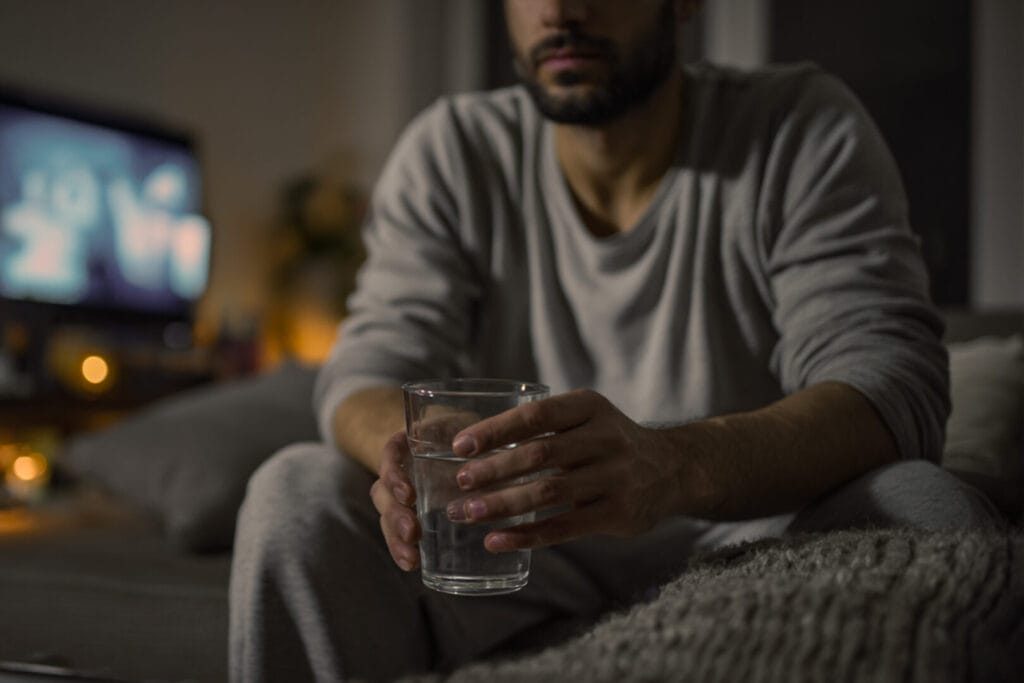
A lot of the risk of home detox is based on the involved substance because some types of withdrawal are mostly uncomfortable, while others can become medically serious.
Alcohol Withdrawal
Alcohol withdrawal can be dangerous, especially for people who drink heavily or daily. Symptoms can include sweating, tremors, nausea, anxiety or high blood pressure. Also possible with alcohol withdrawal are hallucinations, seizures and delirium tremens. Someone with alcohol dependence shouldn’t assume home detox is safe.
Benzodiazepine Withdrawal
Benzodiazepine withdrawal can also be medically risky and stopping suddenly after regular use can cause panic, insomnia, agitation, tremors, raised heart rate and seizures.
Opioid Withdrawal
While it’s not usually life-threatening by itself, opioid withdrawal can be extremely uncomfortable. Symptoms can include vomiting, diarrhea, body aches, insomnia, anxiety and severe cravings. Dehydration can also become a risk of opioid withdrawal. Another consideration with opioid withdrawal comes with the potential for relapse after a break. This can elevate overdose risk because tolerance goes down.
Stimulant Withdrawal
Stimulant withdrawal can include exhaustion, depression, disruptions to sleep, agitation, increased appetite and intense cravings. The main risks with stimulant withdrawal are usually psychological, especially severe depression or suicidal thoughts.
Polysubstance Withdrawal
Polysubstance withdrawal is unpredictable because of the interactions between different substances. Detoxing from alcohol and opioids, benzodiazepines and stimulants or prescription drugs with other substances may need closer monitoring.
What 24/7 Nursing and Supervision Provide During Medical Detox
Medical detox is going to give you support that home detox can’t. At San Diego Detox, our medical detox program includes 24-hour nursing on-site with medications administered by our nurse practitioner team.
During detox, this level of support may include:
- Monitoring withdrawal symptoms and vital signs
- Watching for complications
- Supporting nausea, insomnia, anxiety, cravings, and discomfort
- Helping reduce dehydration risk
- Assessing mental health symptoms
- Adjusting care based on clinical need
- Planning the next step after detox
With detox and withdrawal, it’s not always predictable. Symptoms that feel manageable in the morning can become intense later in the day or overnight and require care and monitoring.
Who Might Need Residential Medical Detox?
At San Diego Detox, we provide medical detox in a residential, non-hospital setting.
A person may clinically need supervised medical detox if they:
- Are detoxing from alcohol or benzodiazepines
- Have a history of seizures, hallucinations, delirium tremens, or severe withdrawal
- Use opioids and have relapsed after trying to stop
- Use multiple substances
- Have significant medical conditions
- Have severe anxiety, depression, trauma symptoms, bipolar disorder, or suicidal thoughts.
- Can’t stay hydrated
- Can’t sleep for multiple nights
- Lack reliable support at home
- Don’t have a safe, substance-free environment
Medical Detox Is Just the First Step
Detox is critical to help your body get through withdrawal, but it doesn’t resolve cravings, triggers, trauma, mental health symptoms or relapse patterns, so continued treatment often matters.
At San Diego Detox, in addition to medical detox, we offer residential and dual-diagnosis treatment. Programs can include MAT, evidence-based therapies like CBT and DBT, as well as experiential and holistic therapies and relapse prevention therapy.
For most people, the goal isn’t just trying to stop using substances for a few days. It’s getting stabilized physically, understanding those underlying patterns in your life that drove the substance use and building a safer plan for what comes next.
Questions to Ask Before Choosing Home Detox
Before trying to detox at home, ask yourself:
- What substance am I stopping?
- How much do I use?
- How long have I been using it?
- Have I had withdrawal symptoms before?
- Have I ever had seizures, hallucinations, or severe panic during withdrawal?
- Am I using more than one substance?
- Do I have anxiety, depression, trauma symptoms, or suicidal thoughts?
- Is someone sober and reliable available to stay with me?
- Can I get to medical care quickly if symptoms worsen?
- What is my plan after withdrawal?
If any answer raises a concern, it’s important to seek a confidential admissions assessment so you can understand the safest next step in your particular situation.
Medical Detox at San Diego Detox in San Diego, California
San Diego Detox provides medical detox and residential treatment for adults in a private estate setting in Lakeside, California, around 20 miles east of downtown San Diego. Our program treats alcohol use disorder, opioid use disorder, benzodiazepine dependence, stimulant use disorder, prescription drug addiction, polydrug use and kratom dependence.
Clients at San Diego Detox have access to 24-hour on-site nursing, medical supervision, nurse practitioner-administered medications, and dual-diagnosis treatment. We offer a 2:1 client-to-staff ratio and amenities including private suites, chef-prepared meals and a fitness center.
If you aren’t sure whether detoxing at home is safe, San Diego Detox can review your symptoms, substance use history, insurance and treatment options. Medical detox provides monitoring, support and a safer bridge to continued treatment when needed. Reach out today to learn more about San Diego Detox and how we can help.
Medical Detox vs. Detoxing at Home FAQs
Can withdrawal symptoms get worse after they start?
Yes. Withdrawal symptoms can change quickly over the first several hours or days, depending on the substance, amount used and medical history. Symptoms that at first seem mild may get more intense or severe later.
What should I tell admissions before detox?
Be honest about the substances you use and how much, how often you’re using them and when you last used them. You should also mention prescription medications you take, any past withdrawal symptoms you might have experienced, if you have a history of seizures, mental health concerns and any medical conditions. All of this helps our team determine the level of care that may be safest.
Why is detoxing from multiple substances more complicated?
Detoxing from multiple substances can be harder to predict because each substance can affect your body differently. Alcohol, benzodiazepines, opioids, stimulants and prescription medications can create overlapping symptoms and risks, but medical supervision can help monitor changes and respond if symptoms get more serious.
What happens after medical detox?
After medical detox, the next step depends on clinical need. Some people continue into residential treatment, dual diagnosis care, medication-assisted treatment, relapse prevention therapy or aftercare planning. The goal is always to support both physical stabilization and long-term recovery.
Share