
Medical Detox vs. Detoxing at Home: What’s the Difference?

Compare medical detox and detoxing at home, including safety risks, supervision, and when inpatient detox may be needed.
Inpatient vs. Outpatient Detox: Which Level of Care Do You Need?

Compare inpatient and outpatient detox through ASAM criteria to find the safest level of care for withdrawal.
How Much Does Detox Cost? Insurance, Private Pay, and What to Expect

Learn how much detox costs, what insurance may cover, and how to verify benefits with San Diego Detox.
What Is Kratom Withdrawal? Symptoms, Timeline and Treatment

Kratom withdrawal can affect your body and mind. Learn the symptoms, timeline, and when medical detox may help.
Opioid Withdrawal Symptoms and Timeline

Opioid withdrawal is a difficult but necessary part of the recovery journey if you’re struggling with addiction. When you stop using opioids after a period of being dependent on them, your body is probably going to struggle to adjust to functioning without drugs. It leads to a range of withdrawal symptoms varying in duration and intensity. The withdrawal process can feel daunting, and it is often one of the biggest barriers to overcoming opioid addiction. The discomfort and distress of withdrawal can lead you back to using opioids to get relief. With that being said, at San Diego Detox, we understand the complexities and challenges of opioid withdrawal and provide programs to help maintain your comfort and safety. What Happens with Opioid Dependence? Opioid dependence is something that occurs when your body is adapted to opioids being present regularly. You come to a point where you physically rely on them for normal functioning. Over time, as you use opioids, your body acclimates to their effects. You might need higher doses to get the same impact. If you’re physically dependent and stop using opioids, you’ll go through withdrawal symptoms. These symptoms are the result of your body struggling to adjust to the absence of opioids. When you use opioids, whether prescription pain medicines, heroin, or fentanyl, your natural production of dopamine can decline. Opioid receptors in your brain might be less responsive, and your body starts to physically depend on opioids. Without them, your brain and body are in a state of imbalance. Opioid dependence is primarily a physical condition, and it’s not the same as psychological addiction. That’s a term describing the behavioral and emotional parts of drug use. A psychological addiction indicates you have a compulsive, out-of-control urge to use opioids even though they’re causing harmful consequences. While the two conditions usually occur together, they aren’t the same, and the combination of both makes overcoming opioid addiction more complex and requires a comprehensive treatment approach. Opioid Withdrawal Symptoms Symptoms of opioid withdrawal can include: Anxiety and agitation: Opioids calm the brain. With the drug’s removal, the brain is overstimulated, leading to agitation. Muscle aches: Without opioids, the body’s pain signals can get overactive, leading to aches and pains. Sweating and goosebumps: The autonomic nervous system controls temperature regulation and sweating. During withdrawal, it’s dysregulated, leading to these symptoms. Nausea, vomiting and diarrhea: Opioids slow the gastrointestinal system down. When they’re removed, it can speed the system back up. Insomnia: Taking opioids disrupts natural sleep patterns, and without the drug, the body can struggle to regulate sleep, causing insomnia. Dilated pupils and runny nose: These symptoms again stem from the autonomic nervous system. During withdrawal, the body overcompensates, causing the pupils to dilate and increase secretions, leading to eye tearing and a runny nose. Rapid heartbeat and elevated blood pressure: Opioids depress the central nervous system, including your heart rate and blood pressure. Removing the drug can lead to a rebound effect, increasing both heart rate and blood pressure. Depression and cravings: Taking opioids elevates dopamine levels in the brain, causing euphoria. When the drug is removed, dopamine levels can drop. That can result in depression and strong cravings as your brain is working to restore the sense of reward. Understanding why symptoms occur can help you prepare for withdrawal and seek the appropriate medical support to manage them. What Does the Opioid Withdrawal Timeline Look Like? The general timeline can include the following stages: Early Withdrawal (6-12 Hours After the Last Dose) For short-acting opioids like oxycodone and heroin, early withdrawal symptoms usually start 6-12 hours after they’re last taken. For long-acting opioids like extended-release formulations or methadone, these symptoms might not begin for around 30 hours after the last dose. Early symptoms include agitation, restlessness, muscle aches, anxiety, and a runny nose. Yawning and insomnia are also common during this time. Early opioid withdrawal symptoms can be similar to a severe flu. Peak Withdrawal Symptoms (72 Hours After the Last Dose) Peak symptoms usually occur within 48-72 hours after the last dose for short-acting opioids, and for long-acting drugs, it can be three to five days after the previous dose. Common peak symptoms include nausea and vomiting, abdominal cramping and diarrhea. Goosebumps, dilated pupils, elevated heartbeat and blood pressure are also possible. You might experience intense cravings, depression and irritability. This phase can be the most intense and challenging, and the risk of relapse is especially high. Late Withdrawal Symptoms (4-7 Days After the Last Dose) For short-acting opioids, symptoms usually start subsiding after around five to seven days, and for longer-acting opioids, it can be ten days or longer. Late-phase symptoms include anxiety, fatigue, weakness, irritability, mood swings and depression, as well as continued opioid cravings. Most intense symptoms will start fading, but you could still have lingering emotional and physical discomfort. Some people will have post-acute withdrawal syndrome (PAWS) for weeks to months after the last dose. These symptoms might include depression, fatigue, emotional instability and ongoing cravings. Factors affecting your withdrawal timeline include the type of opioid you often use, the duration and dosage and your individual health. Treating Opioid Withdrawal The most effective treatment approach for symptoms of opioid withdrawal involves a comprehensive and supervised detoxification process. At San Diego Detox, we offer medical supervision and support. Medical professionals monitor your vital signs and provide medicines to help with symptoms, reduce cravings and prevent complications. Medications like buprenorphine and clonidine, for example, can help the detox process. Counseling and therapy can be integrated into the detox process to address the psychological elements of withdrawal. A safe, comfortable environment is critical to detox; we offer around-the-clock care. Every person’s opioid dependence and withdrawal experience will be unique, so individualized treatment plans are necessary. We design plans to address specific needs such as the type of opioid used, duration of use, and co-occurring mental conditions. If you’d like to learn more about detoxing at our center, which fosters a supportive and compassionate atmosphere, please
How Does Fentanyl Affect the Body?
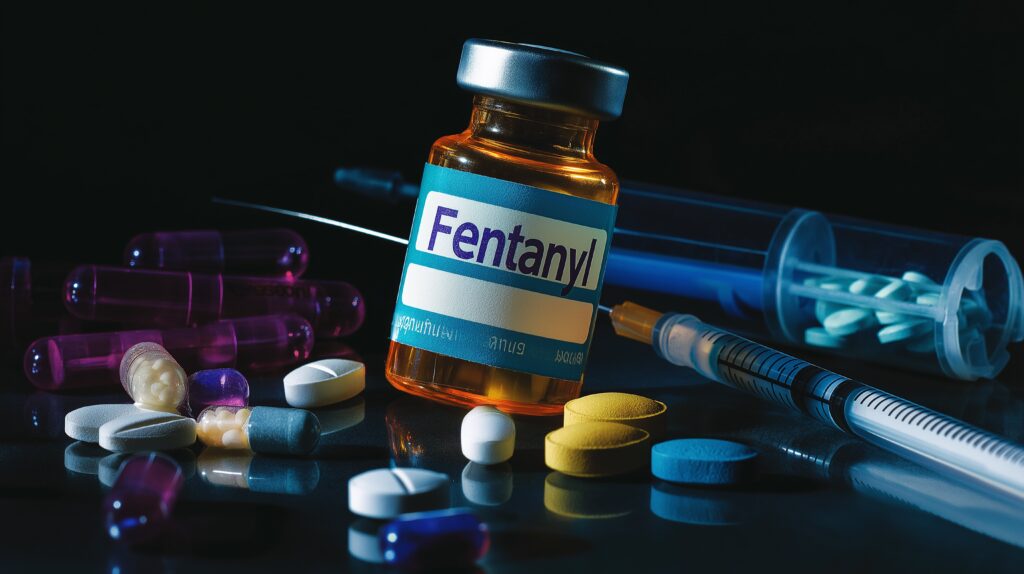
Fentanyl is a potent, dangerous substance. This synthetic opioid is significantly more powerful than heroin and morphine. Originally, fentanyl was developed to manage severe pain, especially in cancer patients. Now, it’s become known for its role in fueling the opioid crisis, contributing to a soaring number of overdoses and deaths. We’ll explore the different ways fentanyl can affect the body to shed light on why it’s such a dangerous drug. A Brief Overview of Fentanyl Fentanyl, because of how potent it is, is only meant to be used in controlled medical environments. However, it’s also illegally made and sold, often mixed with other drugs like cocaine, pills or heroin, without the user knowing. This makes it incredibly dangerous. Even a very small amount can lead to overdose and death. What Happens When Someone Takes Fentanyl? When someone uses fentanyl, it interacts with their brain and body quickly. Entry into the body: Fentanyl can be used in different forms, including injection, transdermal patches or lozenges. It’s rapidly absorbed into the bloodstream and begins taking effect in minutes. Binding to opioid receptors: Quickly making its way across the blood-brain barrier, fentanyl binds to specific opioid receptors. Opioid receptors are part of the body’s pain regulation system. When fentanyl binds to these sites, it triggers chemical reactions, changing how the brain perceives pain. Initial brain effects: One of the primary effects of fentanyl in the short term is powerful pain relief. When opioid receptors are activated, it also triggers a dopamine release. Dopamine is what causes the euphoria or high of fentanyl. Fentanyl slows down brain activity, creating drowsy, relaxed feelings. Effects on the body: Fentanyl significantly slows the body’s respiratory rate because it acts on the brain stem. The brainstem controls automatic body functions, like breathing. This is one of fentanyl’s most dangerous effects, and if a dose is too high, it can cause respiratory arrest. Fentanyl can also cause blood pressure and heart rate to drop. Short-term aftereffects: As the drug continues affecting the brain, a person may feel extremely tired or fall asleep. It can trigger nausea and vomiting, and the sedative effects can lead to problems concentrating, confusion and impaired decision-making. Risk of overdose: If too much fentanyl is taken, it can lead to severe respiratory depression and hypoxia. Hypoxia is when oxygen levels are dangerously low and can cause brain damage or death. Once the effects of fentanyl wear off, a person may go through early withdrawal symptoms like anxiety, muscle aches and restlessness, especially if they use it regularly. Long-Term Fentanyl Effects The long-term effects of fentanyl can be devastating. Chronic fentanyl use can lead to: Tolerance development: Your body can become accustomed to fentanyl over time. The initial dose no longer has the same effect; you would need higher doses to get the desired effects. That then raises the risk of overdose. Physical dependence: With continued use, the chemistry of the brain starts changing, and it relies on fentanyl to function normally. Respiratory issues: Long-term opioid use can lead to ongoing respiratory depression. At that point, a person’s breathing might stay shallow or slow even when they’re not actively under the influence of the drug. That can cause chronic oxygen deprivation, damaging vital organs. It raises the risk of respiratory infections like pneumonia. Cardiovascular damage: Fentanyl can cause long-term damage to the cardiovascular system, including chronic low blood pressure and slow heart rate, as well as a raised risk of heart attack or failure. Cognitive and mental health effects: Chronic fentanyl use can lead to long-term cognitive impairments like memory loss and problems concentrating. It can also worsen or lead to the development of mental health disorders. Psychological fentanyl dependence can fuel an addiction cycle as well. Sleep apnea: Related to the respiratory effects of fentanyl, long-term use can cause or worsen sleep apnea. This is when breathing stops repeatedly during sleep, further reducing oxygen levels. Digestive issues: Fentanyl slows down the digestive system, causing chronic constipation. It can become severe and eventually require medical treatment. Liver damage: The liver metabolizes fentanyl, and chronic use can strain it, leading to damage or failure. If fentanyl is used with other substances like alcohol that also burden the liver, these risks can be especially high. Kidney damage: The kidneys filter waste out of the blood, including drug use. Prolonged use of fentanyl can lead to kidney damage or failure, especially if the drug leads to dehydration or other toxic substances are being used. Immune system: Chronic opioid use suppresses the immune system and makes the body more at risk of frequent and potentially severe infections. Hormonal imbalances: Long-term use can disrupt the endocrine system and cause hormonal imbalances. It can result in symptoms like reduced libido, depression, fatigue and infertility. Fentanyl can also lead to adrenal insufficiency, so the body can no longer produce enough of the hormones regulating stress and other body functions. Sexual dysfunction: Both men and women might experience sexual dysfunction because of the effects of fentanyl on hormone levels and overall physical health. Along with the above, chronic use of opioids can decrease bone density and lead to muscle weakness and wasting. Getting Help for Fentanyl Dependence Fentanyl’s impact on the body is both immediate and also long-lasting. Devastating effects can alter every part of a person’s physical health. From respiratory and heart damage to severe cognitive issues, the consequences of fentanyl use are profound and often life-threatening. Long-term use also leads to a dangerous addiction cycle that’s tough to break. Recovery is possible, though. Recognizing the dangers of fentanyl is the first step to seeking the needed help to overcome addiction. If you or a loved one is using fentanyl, it’s crucial to get professional support as soon as possible. At San Diego Detox, we understand the distinct challenges of fentanyl addiction. Our team of caring professionals can guide you through the detoxification process. Once you’ve finished the detoxification process, we can help guide you through continued recovery via our treatment programs,
How to Prevent Fentanyl Overdose
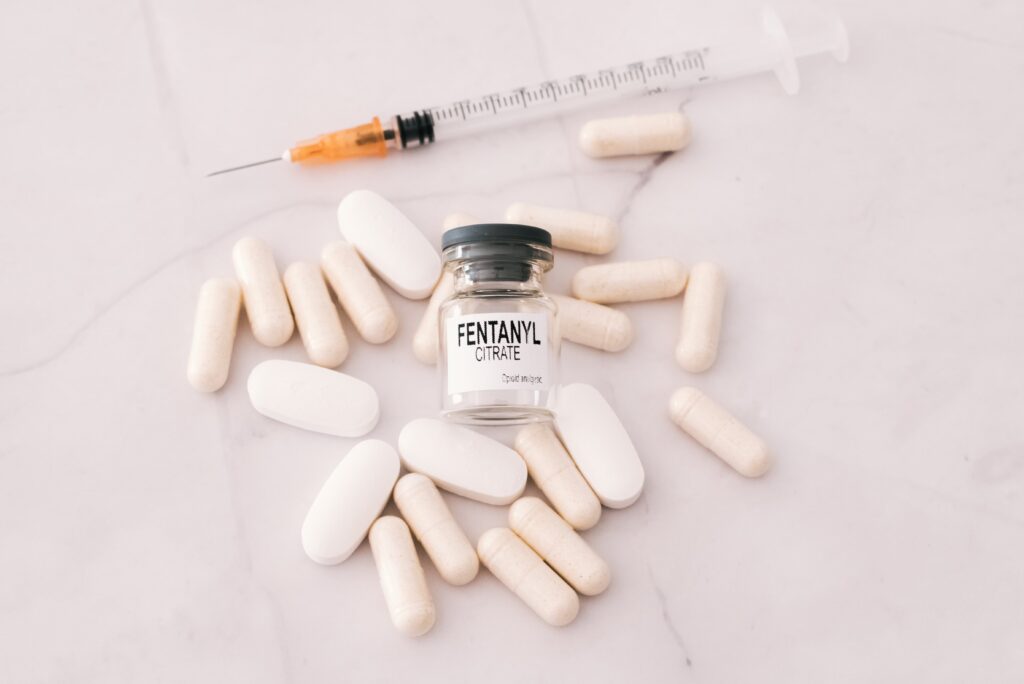
Fentanyl overdose is a significant and pressing public health concern right now because of the potency of the drug and its widespread availability. Preventing overdose requires a multifaceted approach, including education, harm reduction strategies, and access to medical interventions. When we talk about preventing fentanyl overdoses, it can be in the context of the individual level. For example, maybe you have a loved one you’re concerned about. It can also be more geared toward the community context. Why Is the Risk of Fentanyl Overdose So High? Fentanyl is a synthetic opioid and is significantly more potent than others, like heroin and morphine. What it does share in common with other opioids is how it affects the brain—through binding with opioid receptors. When the drug binds to those receptors, fentanyl changes how you perceive pain and induces euphoric feelings. The potency of fentanyl significantly increases the risk of overdose, however. Even tiny amounts can lead to an overdose. When a person takes fentanyl, and it binds to their brain’s opioid receptors, it activates the reward system in the brain. That’s what contributes to those pleasurable feelings associated with fentanyl and other opioids, as well as relaxation. It also depresses the central nervous system, slowing breathing and heart rate. If you take high doses or combine opioids with other things that suppress the central nervous system, like alcohol, the risk of overdose is even greater. Fentanyl has taken a center-stage role in the opioid epidemic. While initially developed as a pain reliever in strictly controlled medical settings, illicitly manufactured fentanyl has since flooded the illegal drug market. It’s often mixed into heroin or pressed into counterfeit pills as drug traffickers like the potency and low production costs of fentanyl. Frequently, people do not know they’re taking it. Unfortunately, not knowing you’re taking something containing fentanyl increases the risk of overdose. Fentanyl has become increasingly available, and as such, it’s contributed to a recent surge in deaths related to opioid overdoses. How Much Stronger Is Fentanyl Than Other Opioids? Estimates put fentanyl’s potency at anywhere from 50 to 100 times more than morphine and around 50 times stronger than heroin. As a result, even small amounts have profound effects, including intense euphoria, but also a very narrow margin between a therapeutic dose and a lethal dose. A dose of fentanyl that’s equal in weight to a few grains of salt can be deadly. When fentanyl is mixed with other drugs or substances, it makes it even more lethal. Even handling fentanyl in medical settings requires care, but illicitly made fentanyl is more dangerous because of the unregulated production and the variation in potency between batches. A user can’t gauge how strong the fentanyl they’re consuming, increasing the accidental overdose risk. Fentanyl slows breathing, and during an overdose, the effect becomes severe, leading to shallow, labored breathing and sometimes a complete stop. Preventing Fentanyl Overdose at An Individual Level Whether you have concerns about fentanyl for yourself or a loved one, the best thing to do to avoid an overdose is not to use substances. People are increasingly buying drugs on the street they think are something else, like Xanax, for example, and they’re tainted with fentanyl. Outside of avoiding unregulated and illegally sold substances, other ways to prevent fentanyl overdoses at an individual level include: When people have timely access to treatment, it reduces their overdose risk and also helps to promote long-term recovery. Preventing Overdoses at the Community Level In communities and organizations, overdose prevention strategies might include: Through implementing overdose prevention strategies at an individual and community level, it’s possible to reduce the harms linked to the use of this potent opioid and save lives. Using Naloxone A vital tool in the fight against the opioid epidemic, naloxone (Narcan) is an opioid antagonist medicine that works to displace fentanyl and other opioids by binding to the same receptor sites. Naloxone blocks opioids’ effects, rapidly reversing overdose symptoms, including unconsciousness and respiratory depression. Naloxone distribution programs are becoming increasingly available, and they often distribute naloxone kits so that people at risk of overdose and their friends, families and caregivers can have it on hand if needed. Fentanyl Test Strips Fentanyl test strips are used to detect the presence of fentanyl in substances like cocaine, heroin or counterfeit pills. They’re a fast, inexpensive way to assess drug safety before using them. The test strips don’t tell the user how much fentanyl could be present or anything about its potency. Instead, they just let the person know if it’s detected or not. Fentanyl test strips are available through harm reduction programs, online retailers and community organizations. Some locations have started pilot programs to distribute the strips to people who are at risk of overdose. What Else Can You Do? While strategies like distributing naloxone and fentanyl test strips mitigate the overdose risk, there’s no foolproof method to prevent overdose except drug abstinence. Fentanyl is unpredictable and potent, and that means any substance use is inherently risky. Getting professional help for an opioid or other addiction is key. Your best chance for personal recovery or to help someone you love is a program with comprehensive treatment and support services, including medication-assisted treatment and counseling. Contact our recovery experts to learn more or take the first step. Frequently Asked Questions Why is Fentanyl overdose risk so high compared to other opioids?Fentanyl is 50–100 times more potent than morphine (and far stronger than heroin), so even very small amounts can depress the central nervous system — slowing or stopping breathing — which drastically narrows the margin between a “dose” and a lethal amount. What are fentanyl test strips and how do they help prevent overdoses?Fentanyl test strips are inexpensive, simple strips that detect whether fentanyl is present in a sample of drugs — such as pills, heroin, or cocaine — helping users make informed decisions by showing if fentanyl contamination exists. While they don’t reveal the potency or exact amount, knowing fentanyl is present can prevent
The Facts About Fentanyl Test Strips
Fentanyl has played a devastating role in the opioid epidemic in the United States. If you’ve been impacted by fentanyl, directly or indirectly, you may know how potent it is. There are families across the country who are losing loved ones every day because of fentanyl; in many cases, they didn’t know they were using it. Fentanyl test strips have become one potential harm reduction method, but the only way to avoid an overdose with complete certainty is to abstain from drugs. There is a role for fentanyl test strips in harm reduction, but with that, there should be efforts aimed at helping more people get treatment for substance abuse and addiction. Why Is Fentanyl So Deadly? Every day, there are headlines focused on fentanyl and its effects, so why is it so much more impactful than other opioids at the moment? While fentanyl works like other opioids, including heroin and prescription painkillers, it’s much stronger. It’s as much as 100 times stronger than morphine, so even tiny doses can end up being lethal. If you’re unaware that you’re even consuming fentanyl, you’re at an exceptionally high risk of overdosing. Fentanyl is frequently added to other substances, like cocaine, heroin, and counterfeit pills, without the knowledge of the user. Adding fentanyl to other drugs is becoming increasingly common in the illegal drug market because it can mimic the effects of other opioids or make medicines stronger. Fentanyl is sometimes pressed into counterfeit pills that look like prescription drugs, including Xanax or oxycodone. The pills are then sold on the illegal market and can contain a variable amount of fentanyl. There are also situations where fentanyl is mixed with other drugs while they’re being manufactured. The residue can contaminate surfaces where other drugs are handled, leading to unintentional exposure. The uptick in fentanyl-related overdoses in recent years has gone up in part because it’s highly potent and also because it’s increasingly available. Compared to other opioids, it’s cheaper to produce fentanyl as well. Drug markets, given their illegal nature, make it incredibly hard to determine what’s in substances being consumed. What Are Fentanyl Test Strips? Fentanyl test strips are a tool to detect whether fentanyl is present in counterfeit pills, cocaine, heroin, or other drugs sold illegally. The test strips are meant to be a simple, fast way to determine if a drug sample has fentanyl in it. The goal is to help detect even small amounts of fentanyl for more informed decision-making about drug use, potentially preventing an accidental overdose. How Do Fentanyl Test Strips Work? Fentanyl test strips work in a way similar to home pregnancy tests and some other rapid diagnostic tests. They’re based on the concept of an immunoassay. So, what does that mean? First, if someone’s going to use a fentanyl test strip, they take a small amount of the substance. Then, it’s mixed with a buffer solution, which prepares the sample to be tested. The sample is then applied to the fentanyl test strip. The test strip has antibodies that bind to fentanyl molecules. If the drug sample has fentanyl, it will bind to the test strip. After the binding step, a test strip is washed, which removes substances that aren’t bound. The fentanyl molecules, if they’re present, stay attached when the strip is washed. The test strip then has a reactive indicator, usually made of colloidal gold particles. The fentanyl molecules captured by the primary antibodies on the test strip attach to secondary antibodies, creating a visible signal, usually a line. If the line or signal appears on a test strip, fentanyl is present. The intensity of the line corresponds with the concentration of fentanyl in the sample. Are Fentanyl Test Strips Accurate? While fentanyl test strips are considered reliable tools, as is valid with any diagnostic test, the accuracy can be influenced by several factors. For example, a fentanyl test strip has a detection threshold, and below that, fentanyl’s presence might not be reliably detected. The strips’ sensitivity can vary depending on the quality of the testing procedure and how concentrated fentanyl is in the sample. Properly preparing a sample is essential to get an accurate result, so using it improperly or not mixing it correctly can lead to false negatives or false positives. Another factor affecting accuracy is the interpretation of the results. Users should be trained to interpret test strips and their results, reducing the risk of errors. While fentanyl test strips can be essential harm-reduction tools, they’re not infallible. The Benefits of Fentanyl Test Strips Some benefits come with these test strips, including preventing accidental overdoses. They can save lives and help empower people to make informed decisions surrounding drug use. The strips encourage safer drug use practices, which is the goal of harm reduction strategies. Other harm reduction practices include encouraging substance use only when with different people and having naloxone on hand. Naloxone is a medicine that reverses opioid overdoses. They’re relatively inexpensive and easily accessible, encouraging people within the community to be proactive in addressing the opioid overdose crisis. Test strips are available in various places, including pharmacies and online retailers. Many community-based harm reduction organizations and health centers distribute them to prevent drug overdoses, and specific public health initiatives and community health programs also make them available. Final Thoughts The prevalence of fentanyl contamination in illegal drugs is an ongoing public health challenge that’s reached a crisis point. Fentanyl test strips are one part of a more extensive harm reduction approach, but it’s still essential that we all recognize the importance of comprehensive approaches to substance use disorders. This includes access to evidence-based treatment and support services. If you or someone you know is struggling with addiction, treatment is essential. At San Diego Detox, we offer compassionate, effective detoxification and treatment services to help individuals begin their recovery. Contact us today. Frequently Asked Questions (FAQs) Q: What are fentanyl test strips?A: Fentanyl test strips are small paper strips designed to detect whether a sample of
Navigating Pain Management in Opioid Addiction Recovery

Opioid medications bind to receptors in the central nervous system. The activation of the receptors hinders the release of certain neurotransmitters that play a role in transmitting pain signals in the brain and spine. By reducing the release of these neurotransmitters, opioids can dampen the perception of pain. For people with chronic pain or even acute pain, there can be tangible benefits that come with the use of prescription opioids. Unfortunately, there are risks as well. Many people are now addicted to opioids because they need them for pain relief. Many individuals began using stronger, illegal opioids like heroin or fentanyl following a legitimate opioid prescription. Fortunately, there are several ways to effectively manage pain without opioids. The Risks and Side Effects of Opioids While opioids affect pain signals and how pain is perceived, they also affect other neurotransmitter processes, like the release of dopamine. Dopamine is part of the reward effect that comes with opioids and can trigger addiction. There can be a euphoric effect or a sense of deep relaxation that comes with the use of opioids. The brain is wired to compulsively seek out things that bring pleasure, so with the use of opioids, even by prescription, this response can lead to addiction. Once someone’s addicted to opioids their use isn’t in their control. There’s also the issue of physical dependence, which can occur even without addiction. Ongoing opioid use can lead to tolerance, meaning larger doses are needed because the body has adapted to the presence of the substance. Then, there’s physical dependence, where withdrawal symptoms can occur if an individual attempts to reduce or stop their use of opioids. Opioids can cause not only addiction and dependence but also severe respiratory depression. They slow down the entire central nervous system’s function, which can be life-threatening. Overdoses last year topped more than 100,000, and this almost always due to opioids like fentanyl. Opioid Addiction and Chronic Pain There are complicated interactions between opioids and chronic pain. People with chronic pain are at a greater risk of addiction than the general public for several reasons, some of which include: In the past, there was also a tendency to overprescribe opioids. Now, because of increased awareness of the risks and efforts to reduce the prescription of these powerful medicines, this is less of a risk than it was just a decade ago. Managing Pain When You’re In Recovery If you struggled with opioid addiction and dependence and you’re in recovery, there are some excellent, evidence-based ways to manage pain. Working with addiction professionals and your medical team can help ensure you’re getting a balance between your need for pain relief and the risk of relapse. Some of the pain management strategies that are effective when you’re in recovery include: The effectiveness of the above strategies varies based on the person and their situation, and there are many options outside of these to manage pain in recovery. Finding what works for you may take some time and will usually involve multiple approaches. Still, with the right help and guidance, it’s possible to create a plan for pain management that doesn’t include the use of opioids or other addictive substances. If you’re struggling with opioid addiction and dependence currently and would like to learn more about treatment and recovery, please reach out to San Diego Detox today. Frequently Asked Questions How do you manage pain without opioids in recovery?You can manage pain without opioids in recovery through approaches like physical therapy, low-impact exercise, cognitive behavioral therapy, mindfulness, acupuncture, biofeedback, and hot and cold therapy. Most people get the best relief by combining several strategies rather than relying on one. Working with both your medical team and addiction professionals helps you balance pain relief with protecting your recovery. Should you tell your doctor you’re in recovery from opioid addiction?Yes, you should tell your doctor, dentist, and any surgeon that you’re in recovery from opioid addiction so they can plan pain treatment that protects your sobriety. Being open allows them to prioritize non-opioid options and avoid prescribing medications that could trigger a relapse. It’s also important to share if you’re taking medication-assisted treatment, since it affects how pain should be managed. Why are people with chronic pain at higher risk for opioid addiction?People with chronic pain are at higher risk for opioid addiction because long-term opioid use leads to tolerance, meaning higher doses are needed over time for the same relief. Opioids can also become a way to self-medicate the stress, anxiety, and depression that often come with ongoing pain. And because opioids don’t treat the underlying cause of chronic pain, they can create a cycle of dependence. How does cognitive behavioral therapy help with chronic pain?Cognitive behavioral therapy (CBT) helps with chronic pain by changing the negative thought patterns and behaviors that can make pain feel worse and harder to cope with. It addresses the emotional and psychological side of pain, like stress, fear, and hopelessness. For people in recovery, CBT also builds coping skills that reduce the risk of turning to opioids.
How to Stop Heroin Addiction

What Is Heroin? The opioid epidemic has been an ongoing problem for nearly three decades now, with deaths caused by opioid-related overdoses rising to almost 400% from 2010 to 2017. While prescription opioids , like oxycodone and fentanyl, play a significant role in the opioid crisis, heroin use is another contributor that has been steadily rising since 2007. Heroin is an opioid narcotic drug made from a natural chemical called morphine, derived from the seed pods of opium poppy plants grown in Southeast and Southwest Asia, Mexico, and Colombia. Heroin is a highly addictive drug, often taking just one to two uses to get addicted. How Heroin Is Used Heroin can be smoked, injected, snorted, or sniffed. Injecting the drug into the veins is the most common way heroin is used, followed by smoking and snorting. Regardless of how heroin is consumed, it reaches the brain at a rapid pace, providing an immediate sense of euphoria and sedation. Physical Signs and Symptoms of Heroin Addiction Although people addicted to heroin exhibit a variety of signs and symptoms, not every person will respond to the drug the same way. The signs and symptoms of heroin usage vary based on genetic makeup, the duration of the misuse, and the quantity of heroin consumed. Heroin has the same depressive effects on the central nervous system as other opioids—it suppresses the central nervous system, fogging the mind and slowing down or ceasing regular body function. The following are some of the most typical physical signs of heroin abuse: Slow or Irregular Breathing Heroin decreases brain function, causing vital organs to slow or shut down completely. One of the most common symptoms of heroin addiction is impaired breathing, followed by an erratic heartbeat and a decline in blood pressure and body temperature. Itchy or Flushed Skin Opioids can cause itching by eliciting an immune system reaction that alters the receptor proteins on the surface of mast cells. Mast cells are a type of white blood cell located in connective tissue, specifically in the skin and nerves. Nausea and Vomiting Vomiting and nausea are two linked adverse effects of opiate use. A standard definition of nausea is an unpleasant feeling in the stomach and other body parts connected to a tendency to vomit. Constipation and Stomach Pains The gastrointestinal (GI) tract’s peristalsis and stomach emptying are inhibited by opioids, which causes delayed medicine absorption and increased fluid absorption. Constipation and hardness of the stool are caused by a lack of fluid in the colon. Falling Asleep Without Warning Heroin use disorders are no exception to disturbed sleep. There may be a complicated and reciprocal relationship between the two: substance use leads to sleep issues, but insomnia and insufficient sleep may also be risk factors for drug use and addiction. Constricted or Small Pupils When heroin binds to opioid receptors in the brain, it affects the autonomic nervous system’s parasympathetic processes. As a result, the pupils constrict, a condition known as miosis. Slurred or Incoherent Speech Because heroin affects brain function, slurred speech and difficulty articulating words can occur while under the influence. Signs of Heroin Overdose The signs of heroin overdose include both physical and mental symptoms. These will be detailed below. Irregular, Slow, or Not Breathing When the body is introduced to a large dose of heroin, the respiratory system can slow down or even stop functioning. Lack of Consciousness Heroin use impairs cognitive processes, including those that keep us awake and attentive. In addition, an overdose of heroin can have more severe effects on the heart and lungs and may deprive the brain of oxygen, a condition known as brain hypoxia. The loss of consciousness is accelerated by a lack of oxygen to the brain. Body Is Limp and Unresponsive As a central nervous system depressant, heroin has sedative effects; however, when too much of the drug is consumed, the body can go limp and unresponsive. Moreover, a person can go into a coma or experience brain damage due to a lack of oxygen in the brain from slowed breathing. Slow, Erratic, or No Pulse An irregular heartbeat is referred to as heart arrhythmia. When improperly coordinated electrical signals control how often the heartbeat, heart rhythm issues (heart arrhythmias) result. The heart beats excessively quickly (tachycardia), too slowly (bradycardia), or irregularly as a result of poor signaling. Face Is Pale and/or Clammy This indicates a drug overdose if the person’s complexion seems paler than usual and their skin is sweaty or clammy. Pupils Are Constricted Legal or illegal narcotic substances, such as fentanyl, hydrocodone, heroin, and morphine, can narrow the pupils. Additionally, an overdose of these medicines might cause pinpoint pupils, which occur when the eyes do not react to changes in light. Psychological and Behavioral Signs of Heroin Addiction Heroin use can exhibit psychological and behavioral symptoms, ranging from mild to severe. Long-term use of heroin can alter the physiological makeup of the brain, causing long-lasting abnormalities in the neuronal and hormonal systems that can be difficult to reverse. These will be further detailed below. Depression Heroin rewires the reward system in the brain, causing it to rely on the drug to produce feel-good hormones like serotonin, dopamine, and norepinephrine. Thus, the brain no longer produces regular levels of chemicals responsible for happiness, positive thoughts, and motivation, leading to depression. One study found that people who use opioids for at least thirty days are 25% more likely to develop treatment-resistant depression compared to those who use opioids for less than thirty days. Anxiety During withdrawal from heroin, it’s normal for someone to have bouts of extreme anxiety. Because of how severe this adverse effect is, people may become stuck in a harmful cycle of addiction due to the anxiety brought on by heroin withdrawal. Irritability Heroin slows down brain activity and causes sensations of relaxation and drowsiness since it is a central nervous system depressant. People who use heroin may have difficulties focusing and experience higher levels of irritability. Mood Swings Early