
What To Look For in an Accredited Detox Center

Learn how licensing, accreditation and ASAM levels can help you compare detox centers with greater confidence.
Fentanyl Withdrawal: Symptoms, Timeline and What Treatment Looks Like

Understand fentanyl withdrawal symptoms, timing, risks and treatment options at San Diego Detox.
What Life After Detox Looks Like: Continuing Care and Long-Term Recovery

Learn what life after detox can look like, from routines and relapse prevention to sober support and long-term recovery.
Medical Detox vs. Detoxing at Home: What’s the Difference?

Compare medical detox and detoxing at home, including safety risks, supervision, and when inpatient detox may be needed.
Inpatient vs. Outpatient Detox: Which Level of Care Do You Need?

Compare inpatient and outpatient detox through ASAM criteria to find the safest level of care for withdrawal.
How Much Does Detox Cost? Insurance, Private Pay, and What to Expect

Learn how much detox costs, what insurance may cover, and how to verify benefits with San Diego Detox.
What Is Kratom Withdrawal? Symptoms, Timeline and Treatment

Kratom withdrawal can affect your body and mind. Learn the symptoms, timeline, and when medical detox may help.
Dual Diagnosis: Mental Health and Addiction
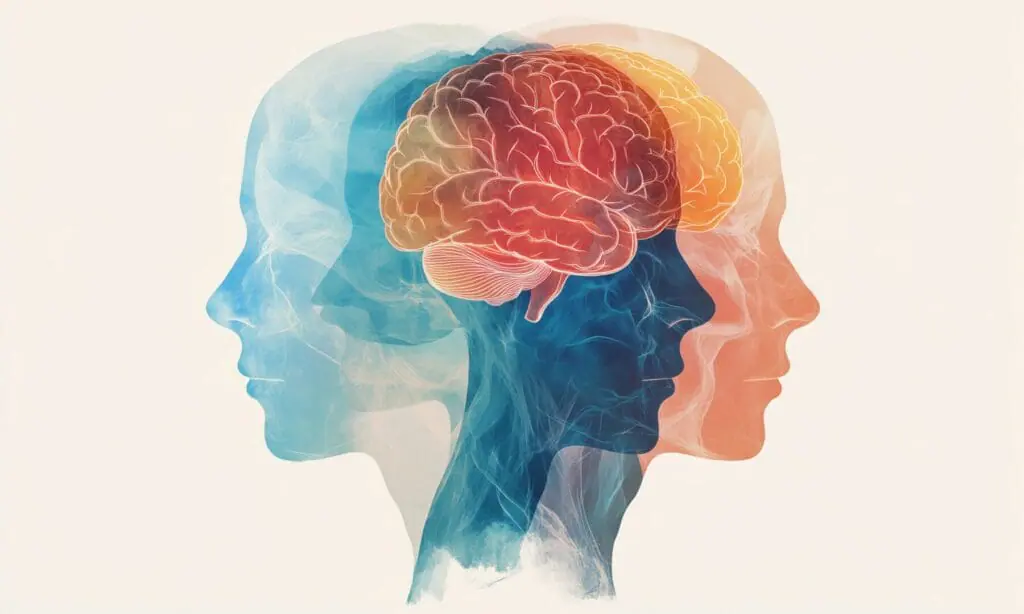
Feeling anxious and reaching for a drink, numbing depression with pain pills, or staying awake after a nightmare by using stimulants– when mental-health symptoms and substance use twist together, neither issue remains in its own lane. This overlap is known as dual diagnosis, and it requires a comprehensive plan that addresses both the mind and body simultaneously. San Diego Detox is built for exactly that moment. The campus combines 24/7 medical detox, on-site psychiatry, private suites, and holistic comforts like chef-prepared meals and yoga, so you can address anxiety, depression, or PTSD without pausing addiction care or vice versa. In a discreet setting, treatment providers simultaneously address both problems, transforming a daunting first step into a safer and more dignified beginning. What “Dual Diagnosis” Really Means A dual diagnosis (or co-occurring disorder) exists when someone meets criteria for both a mental health condition and a substance use disorder at the same time. It is far more common than most people realize. Federal data show about 21.5 million U.S. adults live with this overlap, and national surveys repeatedly find that roughly one in two people who experience a mental illness during their lives will also battle addiction, and vice versa. Treating only half of the problem rarely works: unmanaged depression can spark relapse into drinking; untreated opioid withdrawal can worsen anxiety; and using meth to push away PTSD nightmares simply deepens both disorders. Long-term recovery rates climb when care teams address mood, thought patterns, and cravings together through integrated medication, therapy, and relapse prevention planning. How Mental Health and Addiction Feed Each Other Think of your brain’s mood-and-reward wiring as a bundle of messy earbuds. Alcohol or opioids flood the brain, tangle with feel-good chemicals, giving quick relief from stress or sadness, but the surge also turns down your natural “happy” volume, so the next low feels even lower without another hit. Trauma-related hyper-arousal can drive stimulant use to stay hyper-vigilant, while depressive lethargy might invite sedatives for escape. Over time, this self-medication loop rewires the nervous system, intensifying cravings and emotional swings. The fallout extends beyond biology: missed workdays, strained relationships, and legal or financial crises add new layers of stress that fuel further use. Recognizing dual diagnosis as a medical condition, not a moral failing, breaks stigma and opens the door to evidence-based help: supervised detox that prevents dangerous withdrawals, psychiatric evaluation to balance brain chemistry, and therapies that teach coping skills healthier than any substance. Integrated care doesn’t just treat two problems; it repairs the feedback loop that binds them. San Diego Detox’s Integrated Model Everything you need for a strong start happens on one serene campus. San Diego Detox begins with physician-led medical detox, then guides you directly into residential care, eliminating the need for hotel shuttles or off-site referrals. Board-certified psychiatrists adjust medications while therapists launch evidence-based groups, so mental health and addiction goals move forward together. Holistic options, ranging from yoga flows to chef-crafted nutrition plans, complement the schedule, providing equal attention to both mind and body under one roof. It’s a seamless, door-to-door approach that saves energy for healing instead of logistics. 24/7 Medical Detox with Psychiatric Oversight Detoxification begins the moment you arrive: nurses check your vitals, run laboratory tests, and relay the findings to an on-site physician who tailors a taper or comfort medication protocol. Because many clients battle anxiety, depression, or trauma alongside withdrawal, psychiatric staff screen for suicide risk and adjust mood-stabilizing or anti-craving meds right away. Around-the-clock monitoring means tremors, spikes in blood pressure, or hallucinations are handled before they escalate, making the first days safer and far less frightening. Residential Program with Evidence-Based Therapies Once medically stable, you’ll move a few steps down the hall to a private suite. Days mix CBT, DBT, and trauma counseling with small-group sessions that practice relapse prevention skills in real time. Evening chef-prepared meals and optional gender-responsive groups help protect dignity and comfort while addressing the root causes of use. By combining solid science with everyday comforts, the residential program transforms therapy into something you’ll look forward to, not just endure. Holistic Services for Mind-Body Healing Recovery at San Diego Detox includes practical ways to support your physical and emotional health. Daily activities, such as yoga, guided meditation, and walks around the property, help reduce stress and improve focus. Clients can also take advantage of nearby nature trails and quiet outdoor spaces to reset between sessions. Meals are prepared by on-site chefs and built around fresh produce, lean proteins, and hydration, all of which support brain function and mood stability. These services work in conjunction with medical care to help you feel steadier and clearer-headed during the early stages of recovery. Common Dual-Diagnosis Pairings Anxiety & Alcohol – When thoughts won’t slow down, a glass of wine can feel like an “off” switch. Soon, one drink turns into three just to get through social events or sleep. Over time, the brain needs alcohol to reach baseline, which ramps up anxiety between drinks and sets the stage for shaky, irritable mornings. Depression & Opioids – Painkillers don’t just dull physical aches; they can cloud emotional ones, too. Someone battling a low mood may start taking extra pills for the warmth and calm they provide. Tolerance then demands higher doses, and the next thing you know, afternoon drowsiness, slowed breathing, and mounting apathy keep life on pause. Stopping abruptly can trigger flu-like withdrawal and an even deeper crash in mood. PTSD & Stimulants – Trauma survivors often fight hyper-vigilance and sleepless nights. Amphetamines or high-dose caffeine promise alertness and temporary control, but they also spike heart rate, worsen nightmares, and feed paranoia. Exhaustion follows the crash, leading to a cycle of stimulants during the day and sedatives at night. When to seek help – Any substance used to manage emotions rather than enhance life is a red flag. Look for escalating doses, combining substances, missed work, or mounting secrecy. If mental health symptoms intensify or withdrawal symptoms appear, professional integrated care can prevent
The Detox Process: What You Need to Know

Every real recovery story starts with a body that’s finally free of lingering toxins. Before therapy can stick or coping skills can work, alcohol, opioids, or other drugs have to leave the system, and doing that at home can turn uncomfortable symptoms into medical emergencies. San Diego Detox was built to make this crucial first step feel less like a crisis and more like a fresh start. Guests settle into private, resort-style suites while physicians and nurses watch vitals around the clock, adjust medications, and ease cravings. Holistic touches, such as chef-prepared meals, yoga classes, and tranquil outdoor spaces, help the mind unwind while the body rejuvenates. With medical care and comforts under one roof, the center turns a risky do-it-yourself detox into a safe launchpad for long-term recovery. Step 1: Pre-Admission and Arrival The path to detox often begins with a phone that feels too heavy to dial, so the admissions team keeps the first call simple. They’ll ask basic questions, such as the substances used, the last dose, and current medications, and can approve same-day admission once a nurse reviews the answers. Next comes the quick Verify Benefits form: snap a photo of your insurance card, upload it, and get a clear coverage breakdown in about an hour. If you’re flying in, a discreet driver can meet you curbside at San Diego International and bring you straight to the campus. Upon arrival, you’ll bypass crowded lobbies and proceed directly to a private intake room, where vital signs, labs, and a gentle orientation set the tone for the days ahead. By the time your bags are unpacked, a personalized detox roadmap will already be in place, allowing you to focus on rest while the team handles logistics. Insurance Verification Made Easy No need to dig through paperwork for hours. When you call San Diego Detox, have a couple of things handy: your insurance policy number, and (if possible) a quick smartphone snapshot of the front and back of your insurance card. Because the team is staffed 24/7, coverage questions never stall admission, and you’ll know right away what detox and residential services your plan will fund. That clarity lets you focus on packing instead of paperwork. Step 2: Medical Assessment Upon arrival at San Diego Detox, a nurse will take your vital signs, including blood pressure, temperature, and oxygen levels, to establish a clear baseline. Next, a brief lab panel screens electrolytes, liver enzymes, and infection markers, while an ECG checks heart rhythm if you’ve used stimulants or alcohol heavily. A licensed medical provider then walks through your substance-use history, noting what you took, how much, and when your last dose was. Because detox is also emotional, a staff psychiatrist conducts a psych evaluation the same day, assessing mood, anxiety, trauma history, and suicide risk. Together, these data points shape your personalized detox roadmap: which medications you’ll receive, how slowly a benzo taper should proceed, whether MAT is appropriate, and which holistic therapies like yoga for anxiety or nutrition shakes for malnourishment will be added. By day’s end, everyone from the doctors to the kitchen crew has read your care plan and synced up, so every shift meets the exact medical and emotional needs discovered during your assessment. Step 3: Managing Withdrawal Safely Once the assessment is complete, the round-the-clock work of detox truly begins. Any spike in anxiety, tremor intensity, or heart rate prompts an immediate page to the on-site physician, who adjusts medications on a symptom-triggered schedule rather than a rigid clock. That flexibility keeps you comfortable without over-sedation. Medication-Assisted Treatment (MAT) comes into play when it can shorten discomfort or lower relapse risk. Buprenorphine eases opioid agony; acamprosate steadies alcohol-sensitive brain chemistry; gabapentin calms benzo shivers. Comfort medications, anti-nausea tablets, muscle relaxers, and sleep aids round out the toolbox, and IV fluids replace lost electrolytes. Communication is constant: nurses brief physicians at every shift change, and the psychiatrist checks in daily to review mood, cravings, and any suicidal thoughts. If vitals trend downward smoothly over 24 hours, the team begins tapering rescue medications while incorporating light holistic activities, such as breathwork and gentle stretching, to maintain circulation and reduce cortisol levels. By combining continuous monitoring with responsive dosing, San Diego Detox turns withdrawal from a white-knuckle ordeal into a medically guided transition toward clear thinking and restful sleep. Medication-Assisted & Symptom-Triggered Care Buprenorphine: Starts within 12 hours of the last short-acting opioid dose to cut pain, chills, and diarrhea without creating a new high. Benzodiazepine protocol: Doses rise or fall based on a six-point symptom scale; the goal is steady hands, not sedation. Comfort stack: Clonidine for blood pressure spikes, ondansetron for nausea, hydroxyzine for itching or mild anxiety, melatonin for insomnia. Daily reviews: Physicians sign off on every change, ensuring yesterday’s relief doesn’t become today’s side effect. This blend of MAT and symptom-triggered care meets the body where it is, hour by hour, helping you stay relaxed, hydrated, and motivated to move into the next phase of treatment. Step 4: Comfort Measures and Daily Support After medical stabilization, the focus shifts to helping your body and mind recover from the stress of withdrawal. At San Diego Detox, comfort is part of the daily routine—not an add-on. You might start the day with light yoga to reduce tension or join a mindfulness group to learn practical techniques for managing anxiety or cravings. Meals are prepared by in-house chefs and built around nutrition that supports brain function, including lean proteins, complex carbs, and vegetables high in magnesium. Staff check in regularly to track hydration, blood pressure, and energy levels. Evenings are kept low-key, with options like light stretching or quiet activities to help you wind down and sleep more easily. The goal is to help you maintain low stress levels while supporting your body’s natural recovery process. Step 5: Typical Detox Timeline Day 1: Arrival, medical assessment, first doses of symptom-triggered or MAT medications; many clients nap between vitals checks. Day 2–3: Withdrawal often peaks—alcohol tremors,
The Psychological Effects of Long-Term Substance Abuse

Long-term substance abuse doesn’t just affect the body – it takes a significant toll on the mind as well. The psychological impacts of addiction can be profound and far-reaching, often intertwining with emotional and mental health struggles that can feel overwhelming. Addiction is a complicated disease, and while the physical damage is often visible, the mental and emotional effects can be harder to recognize but are equally important to address. Understanding the psychological impacts is a crucial step toward healing for those struggling with substance abuse as well as their loved ones. By exploring how long-term substance use affects the mind, individuals can better understand what they’re facing and how treatment can help them reclaim their mental health, find peace and rebuild their lives. How Substance Abuse Affects the Brain There’s a profound effect on the brain stemming from substance use, affecting both its chemistry and structure. The brain relies on a chemical balance (neurotransmitters) to regulate mood, emotions and behavior. Drugs and alcohol disrupt this balance in significant ways. Disruption of Neurotransmitters When someone uses substances over a long period, it changes the brain’s natural production of neurotransmitters, including dopamine, serotonin and endorphins. These chemicals are responsible for how we feel pleasure, happiness and reward. Alcohol, opioids, stimulants and other addictive substances flood the brain with feel-good chemicals, and that creates a temporary high. Over time, the brain depends on these external substances to feel normal, reducing natural neurotransmitter production. This contributes to feelings of anxiety, depression and an inability to experience pleasure without the substance. Brain Structure Changes In addition to chemical imbalances, long-term substance abuse contributes to physical changes in the brain’s structure, especially in areas like the prefrontal cortex and the reward center. The prefrontal cortex is responsible for decision-making, impulse control, and rational thinking. When weakened, it becomes harder to resist cravings or make sound judgments. At the same time, the reward center becomes overactive, making the brain crave more of the substance to feel the same effects. These changes can make breaking the cycle of addiction even more challenging, but with proper treatment, the brain can start to heal and restore balance. Psychological Conditions Linked to Long-Term Substance Abuse Long-term substance abuse doesn’t just create physical dependence. It also often leads to or worsens psychological conditions. The effects on mental health can be severe, impacting a person’s ability to manage emotions, cope with stress, and engage in everyday life. Anxiety and Depression Substance abuse frequently goes hand-in-hand with anxiety and depression. In some cases, a person may start using drugs or alcohol to self-medicate these mental health conditions only to find that prolonged use ends up making them worse. Over time, substances interfere with the brain’s ability to regulate mood, leading to increased feelings of hopelessness, constant worry or deep sadness. Many people find themselves trapped in a cycle, using substances to numb these feelings only to have them return even stronger once the effects wear off. Paranoia and Psychosis Certain substances, especially stimulants like methamphetamine, cocaine and hallucinogens, can lead to extreme psychological symptoms, including paranoia and psychosis. Paranoia involves intense feelings of fear or distrust, often with no real basis in reality. Psychosis, on the other hand, can include hallucinations, delusions and a complete break from reality. These experiences can be terrifying and persistent even after someone stops using the substance, requiring professional help to manage. Mood Disorders Substance abuse can throw off the natural ability of the brain to regulate mood, leading to significant instability. Individuals could find themselves experiencing sudden, intense mood swings, ranging from irritability and aggression to deep sadness or empathy. Emotional volatility strains relationships, causes problems at work and at home and can create chaos. Over time, the destabilization of mood can develop into a more permanent mood disorder. Cognitive Decline Long-term substance abuse can impair cognitive functions, affecting the ability to think clearly, focus and make decisions. The brain’s capacity to process information and regulate behavior diminishes over time, deeply impacting day-to-day life. Memory and Concentration Problems One of the most noticeable effects of long-term substance abuse is a decline in memory and concentration. Substances disrupt the brain’s ability to form new memories, leading to frequent lapses in short-term memory. A person may struggle to remember recent events, tasks or conversations. Along with memory issues, concentration can be impaired significantly. People find it difficult to focus on tasks for extended periods, easily losing track of what they’re doing or getting distracted. Cognitive challenges stemming from substance abuse can affect everything from performance at work to personal relationships. Decision-Making and Impulse Control Substance abuse particularly impacts the prefrontal cortex, the area of the brain responsible for decision-making, impulse control and rational thinking. Over time, substances weaken this part of the brain, making it harder for individuals to think through the consequences of their actions or resist the urge to engage in risky behaviors. This decline in impulse control can lead to dangerous decisions such as continuing to use despite negative consequences, engaging in illegal activities or putting oneself in harmful situations. The reduced ability to make sound decisions and control impulses is a hallmark of long-term addiction, which can further complicate the path to recovery. Social and Behavioral Effects Substance abuse doesn’t just affect the individual struggling with addiction. It ripples outward, impacting relationships, social interactions and overall behavior. As the psychological effects of long-term substance use intensify, they can erode the fabric of a person’s social life, leading to isolation and risky behaviors that can further damage well-being and relationships. One of the most painful social consequences of long-term substance abuse is the gradual isolation it causes. Substance abuse often erodes trust, making it difficult for loved ones to keep healthy connections with the person using drugs or alcohol. Loved ones may feel betrayed, frustrated or emotionally exhausted, leading to distance and strained relationships. Substance abuse can also foster shame and guilt and further push a person into isolation. The cycle of isolation can be