
What To Look For in an Accredited Detox Center

Learn how licensing, accreditation and ASAM levels can help you compare detox centers with greater confidence.
Fentanyl Withdrawal: Symptoms, Timeline and What Treatment Looks Like

Understand fentanyl withdrawal symptoms, timing, risks and treatment options at San Diego Detox.
What Life After Detox Looks Like: Continuing Care and Long-Term Recovery

Learn what life after detox can look like, from routines and relapse prevention to sober support and long-term recovery.
Medical Detox vs. Detoxing at Home: What’s the Difference?

Compare medical detox and detoxing at home, including safety risks, supervision, and when inpatient detox may be needed.
Inpatient vs. Outpatient Detox: Which Level of Care Do You Need?

Compare inpatient and outpatient detox through ASAM criteria to find the safest level of care for withdrawal.
How Much Does Detox Cost? Insurance, Private Pay, and What to Expect

Learn how much detox costs, what insurance may cover, and how to verify benefits with San Diego Detox.
What Is Kratom Withdrawal? Symptoms, Timeline and Treatment

Kratom withdrawal can affect your body and mind. Learn the symptoms, timeline, and when medical detox may help.
Family Support During Addiction Treatment

Recovery may begin with detox, but it truly gains momentum when the people closest to us lean in rather than step back. Studies consistently show that clients whose families attend therapy sessions, learn communication skills, and set healthy boundaries are more likely to stay in treatment and less likely to relapse in the first year. Even small gestures, such as checking in after a group or cooking a balanced meal, signal that healing is a team effort. This post explains how loved ones can transition from worried bystanders to active partners in change. You’ll find practical, science-backed tools that you can start using today, along with examples of how San Diego Detox weaves family engagement into every phase of care. Understanding the Family’s Role in Recovery “Family” is any circle of people who shape a client’s daily life: parents, siblings, spouses, partners, close friends, even a mentor or sponsor. Their influence cuts both ways. Supportive words, rides to appointments, and sober social activities build motivation, while criticism or unresolved conflict can raise stress hormones that trigger cravings. When families get involved, people tend to finish detox faster, stay in treatment, and feel less anxious or depressed. Emotional support is huge, but it works best with clear ground rules. Loved ones who talk honestly and steer clear of enabling create a steady home base where progress can stick. Clients often feel a boost of confidence and a fresh sense of responsibility once they see their hard work lifting the whole household. When relatives understand the weight of their influence, they become a key part of the recovery game plan, not just a footnote. Common Barriers Families Face Wanting to help and knowing how to help are two different things. Families often run into four common roadblocks. First comes stigma: worry about what neighbors or coworkers might think can keep loved ones silent when support is most needed. Next is guilt, a nagging sense of “Could I have stopped this?” that leaves parents or partners stuck in blame instead of solution-finding. Conflicting information also muddies the water. One article praises tough love, another urges unconditional acceptance, and relatives may end up sending mixed signals. Finally, boundaries get blurred. Helping with rent may feel caring, but it can slide into enabling, while strict rules can feel like rejection. These challenges can look different across cultures and family structures.In some families, every major decision is made as a group, making one-on-one therapy feel awkward. In others, an older sibling or close family friend fills in when parents aren’t around. Those differences count. There’s no one-size-fits-all solution, so the best programs adjust their guidance to match each family’s culture, communication style, and values. The first move is simply naming these roadblocks so everyone can start clearing them together. How San Diego Detox Integrates Families into Recovery Family plays a vital role in sustainable recovery, so San Diego Detox folds a dedicated Family Therapy Program into every treatment plan. The program is designed to help relatives reconnect, rebuild trust, and support one another’s healing journey. Sessions run about 60 to 90 minutes and are led by therapists who guide open conversations on communication, boundaries, and the early warning signs of relapse. Because the therapy is embedded in the overall care plan, loved ones advance alongside the client, creating a unified support network that extends well beyond the detox phase. Families ready to learn more can call the center’s 24/7 admissions line for scheduling and next-step guidance. Communication Tools That Reduce Conflict Healthy conversation keeps recovery on track, but it takes practice. Start with boundaries. Each family member writes two short lists: “What I can do” and “What I can’t do.”For example, driving to therapy fits under “can,” while loaning cash for anything tied to substance use sits under “can’t.” Post the lists on the fridge or share them in a group text so everyone sees the same rules. Next, swap blame for I-statements. The formula is simple: “I feel ___ when ___ because ___, and I need ___.” Try it aloud before tough talks. Example: “I feel anxious when I don’t hear from you after group because I worry that something went wrong. I need a quick text to let me know you’re safe.” Active listening drills help both sides feel heard. One person speaks for two minutes while the other listens without interrupting. The listener then paraphrases: “What I heard is…” and asks, “Did I get that right?” Switch roles and repeat. Put it all together with a Family Agreement worksheet. Columns can include Boundaries, Communication Plans, Emergency Steps, and Fun Stuff to Do Sober. Fill it out during a therapy session, revisit it every month, and adjust as life changes. Coping With Your Own Emotions Supporting someone in treatment can evoke a range of emotions, including shame, anger, and fear, in rapid succession. Ignoring those feelings only tightens the stress loop. First, name what shows up. Journal prompts like “Today I felt ___ when ___” make vague emotions concrete. Notice patterns, such as anger spikes after a broken promise or fear rising before court dates. Create a self-care plan you will use. Pick one calming habit each day (five-minute breathing exercise), one energizing habit each week (walk with a friend), and one restorative habit each month (massage, hike, or movie night). Lean on the community. Al-Anon, Nar-Anon, or SMART Family & Friends meetings provide a space for you to share stories with people who understand. If groups feel intimidating, consider one-on-one counseling. Therapists familiar with addiction can teach coping tools and help untangle guilt that does not belong to you. San Diego Detox offers referral lists for both in-person and virtual providers. Remember, looking after your mental health is not selfish. It models balanced living and gives you the energy to show up for your loved one without burning out. Practical Ways to Help Day-to-Day Support often shows up in small, repeatable actions. Offer to drive your loved one to detox appointments, therapy
Stages of Addiction Recovery at San Diego Detox

Addiction recovery is easier to grasp when you see it as a series of milestones rather than one giant leap. At San Diego Detox, each initial step happens on the same Southern California campus, so you never have to uproot your routine or rebuild trust with new providers. Physician-led care, holistic wellness programs, chef-prepared meals, and private suites work together to keep you safe, comfortable, and motivated. By pairing evidence-based medicine with resort-style amenities, the team helps you focus on what matters most: steady progress toward a substance-free life. In this guide, we’ll explore the first stage in depth and preview the four phases that follow, showing how San Diego Detox supports you from the moment you arrive through long-term community connections. Stage 1: Medical Detox and Acute Withdrawal Your first hours on campus are all about getting you safe and comfortable. A medical provider sits down with you, reviews your health history and current medications, and designs a detox plan that fits your body’s needs. Nothing is one-size-fits-all; every adjustment aims to keep you steady while the drugs or alcohol leave your system. During detox, nurses and physicians continuously monitor your blood pressure, pulse, and oxygen levels, both during the day and at night. If nausea flares or tremors appear, they tweak medications right away and talk you through each wave of discomfort. Private rooms give you quiet space to rest while your body resets. Round-the-clock monitoring matters because withdrawal can put stress on the heart, lungs, and nervous system. If anything concerning arises, the team is already at your bedside with IV fluids, oxygen, or other necessary medical support. Most people complete this stage in a few days to about a week, though timing depends on what you’ve been using and your overall health. By the time your vital signs are stable and cravings have eased, you’ll be ready for counseling, group sessions, and holistic activities that happen on the very same property. Detox clears the fog, allowing you to step into the next phase with a clear mind and a stronger body. Stage 2: Early Recovery and Stabilization (Weeks 3–12) Once detox is behind you, life settles into a steady rhythm on campus. The focus shifts from simply feeling safe to building the habits that keep you grounded. A doctor and the rest of the care team help you map out personal goals so every day has a clear purpose. Mornings and afternoons often include one-on-one and group therapy sessions. In Cognitive Behavioral Therapy, you practice spotting thoughts that pull you off track; in Dialectical Behavior Therapy, you learn how to ride out big feelings without using. However, treatment isn’t just a sit-down talk. Guided mindfulness sessions, gentle yoga, and other movement classes show you quick ways to calm your body when cravings show up. Evenings give you time to recharge. You can unwind in a private suite, have chef-prepared meals, or stroll the landscaped paths before bed. These small routines, good food, fresh air, and solid sleep quiet the nervous system and lift your mood. Because mind, body, and spirit move forward together, you’ll leave this stage with more than therapy notes. You’ll carry a practical toolkit: breathing exercises for tense moments, stretches that loosen a tight back, grounding thoughts that keep cravings from snowballing, and a written set of long-term goals you actually believe in. Stage 3: Skill Building and Relapse Prevention (Months 3–12) The mental fog has lifted, and daily life is starting to feel normal again. Now the work shifts to those inevitable rough patches: an argument at home, a stressful deadline, or an invitation to “just one” drink. If you’re on Medication-Assisted Treatment, your medical provider may maintain this support to help your brain chemistry remain stable while you learn new habits in therapy. Sessions dig deeper during this chapter. In Cognitive Behavioral Therapy, you practice catching thoughts like “I can’t handle this” before they spiral. Dialectical Behavior Therapy adds concrete tools, breathing drills, “tip the ice water,” short grounding exercises for riding out big feelings instead of numbing them. A 12-step group, SMART meeting, or other peer circle provides real-world accountability, where you learn to own your story, ask for help, and celebrate wins together. Mindfulness remains a cornerstone. Five-minute guided scans help you spot tension before it snowballs into a craving. Many people pair these with gentle yoga flows or breath-work classes that quiet the nervous system and clear the mind. If anxiety, depression, or trauma run alongside your substance use, dual diagnosis care keeps everything on the same dashboard. A psychiatrist or nurse practitioner checks sleep, mood, and meds so mental health symptoms don’t sneak in as relapse triggers. You’ll leave with a playbook that truly fits your life: daily routines that keep you steady, quick tricks that defuse urges, and a short list of people you can text at 2 a.m. Add steady medication support and the friends you’ve picked up along the way, and you’ll be ready to handle curveballs without losing the ground you’ve fought to gain. Stage 4: Maintenance and Aftercare (Year 1 and Beyond) This phase is all about weaving sobriety into everyday life, so it feels as natural as brushing your teeth. Most people stay connected through a mix of outpatient therapy, peer-support meetings, and regular check-ins with a medical provider. Those touchpoints keep you honest about stress levels, sleep, and mood swings, early warnings that a relapse could be brewing. Many also lean on sober-living homes, workout buddies, or faith communities to anchor new routines. With work and family obligations ramping back up, maintaining a practical balance becomes key. You could block off 15 minutes at lunch for a mindfulness app, hit an evening support group after your kids go to bed, or swap weekend bar nights for hiking meet-ups. The exact combo is yours to design, but the goal is the same: keep recovery tools within arm’s reach. Relapse prevention plans are also updated. You’ll refine trigger lists, add fresh
Addiction 101: Understanding Substance Use Disorders
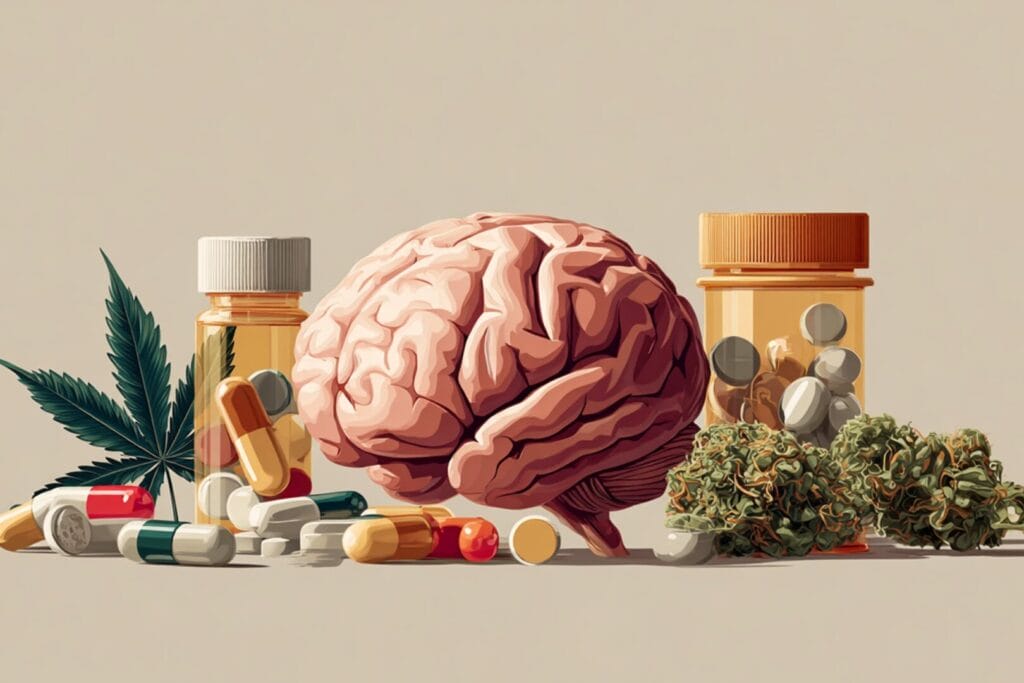
Whether you’re worried about your own substance use or want to help someone you love, understanding the basics of substance use disorders makes the next step less intimidating. Addiction can feel overwhelming, but knowledge replaces fear with clarity and shows that recovery is possible. Below, you’ll learn more about what qualifies as a substance use disorder, how drugs and alcohol alter brain chemistry, and why certain people face higher risks. Along the way, we’ll highlight evidence-based insights that inform every service at San Diego Detox, so you finish with practical facts and a trusted resource if you need professional support. What Is a Substance Use Disorder? A substance use disorder (SUD) is a medical condition marked by continued use of alcohol or other drugs despite negative consequences. There are eleven criteria, such as cravings, tolerance, and withdrawal, used to diagnose the disorder and rate its severity as mild, moderate, or severe. Meeting just two criteria within twelve months signals a mild SUD, while six or more indicate a severe form that requires comprehensive care. Importantly, SUD is not a moral failing or lack of willpower. Repeated exposure to addictive substances rewires brain circuits that govern reward, stress, and self-control, making quitting without help extremely difficult. Recognizing SUD as a health issue removes blame and opens the door to effective treatments like medical detox, therapy, and medication support. How Addiction Changes the Brain Picture your brain’s reward system like a volume knob. The first time you use alcohol or another drug, it cranks the dopamine “feel-good” dial way up. Pretty quickly, though, the brain turns that dial back down by making less dopamine or dulling the receptors that notice it. Suddenly, the same hit doesn’t feel as good, so you take more to chase the old high, and that’s tolerance. Keep repeating the cycle, and your brain starts relying on the substance just to feel normal. That’s how dependence settles in. Decision-making regions, such as the prefrontal cortex, also become less active, weakening impulse control and amplifying the power of cravings. Stress circuits grow more sensitive, so everyday pressures feel harder to manage without the drug. Together, these brain changes pull a person into a loop—chasing quick relief while long-term health slips further out of reach. Seeing addiction in this light makes it clear: it’s a medical condition, not a moral failing, and that’s why professional care and therapy are so important for lasting recovery. Addiction Risk Factors and Causes No single factor determines who develops an addiction; instead, risk rises when several influences overlap. Genetics: Family studies suggest that inherited traits account for roughly half of a person’s vulnerability to substance use disorders. Early exposure: Using drugs or alcohol during adolescence, when the brain is still developing, increases the chance of long-term problems. Trauma and stress: Experiencing physical, emotional, or sexual trauma can lead people to self-medicate painful memories or anxiety. Mental health conditions: Depression, anxiety, PTSD, and other disorders often coexist with substance misuse, each making the other harder to treat. Social environment: Peer pressure, community norms, and easy access to substances lower the barrier to experimentation and continued use. Protective factors, such as stable relationships, healthy coping skills, and early intervention, can help offset these risks. Signs and Symptoms Addiction usually reveals itself in three overlapping ways. Physical signs include tolerance needing larger or more frequent doses to feel normal and withdrawal, which can bring sweating, shaking, nausea, or insomnia when the substance wears off. Psychological signs arise next: persistent cravings crowd out other thoughts, while mood swings or anxiety flare whenever access is limited. Finally, behavioral signs become hard to miss. Someone may skip work or class, drift from friends, or abandon hobbies because substance use fills their schedule. They often grow secretive, hiding bottles, pills, or paraphernalia and offering thin excuses for missing money or time. Spotting several of these red flags together is a strong cue that professional help could prevent the situation from worsening. The Spectrum of Severity Substance use exists on a sliding scale. Misuse refers to risky patterns like binge drinking that haven’t yet caused major fallout. Dependence develops when the body adapts, triggering tolerance and withdrawal. A diagnosable substance use disorder (SUD) is confirmed when multiple clinical criteria, including cravings, impaired control, and neglected duties, cluster within a year. The more criteria met, the more severe the SUD. Acting early, while use is still in the misuse or mild range, usually means fewer health complications, shorter treatment, and better long-term outcomes. San Diego Detox encourages screening at the first signs, allowing recovery to start from a stronger baseline. Consequences of Untreated Addiction Leaving addiction unaddressed rarely means it stays static. Physically, chronic substance use strains nearly every organ system, fueling heart disease, liver damage, respiratory issues, or overdose. Relationships suffer as trust erodes and loved ones shoulder emotional and financial burdens. Jobs and classes start to suffer—missed shifts, late assignments, warnings that can turn into lost positions or failing grades. Legal trouble may follow, with DUIs and court dates piling on stress. At the same time, anxiety ramps up, moods sink, and dark thoughts creep in, making another drink or dose feel like the only escape. The longer this cycle rolls downhill, the fewer options you see and the steeper the climb back feels. The upside? Stepping into evidence-based care can stop that spiral in its tracks, clearing a path toward health, stability, and renewed hope. Evidence-Based Treatment Paths True recovery leans on what research shows works, not on guesswork. It starts with a medically supervised detox, the safest way to clear drugs or alcohol from your system. Throughout detox, medical providers and nurses keep a close eye on your vital signs, fine-tune taper schedules, and give relief meds whenever withdrawal kicks up. Once your body is steady, therapy steps in to untangle the thoughts, feelings, and routines behind the substance use. Evidence-based approaches, such as cognitive-behavioral therapy, motivational interviewing, and trauma-focused counseling, help individuals develop new coping skills. For