
What To Look For in an Accredited Detox Center

Learn how licensing, accreditation and ASAM levels can help you compare detox centers with greater confidence.
Fentanyl Withdrawal: Symptoms, Timeline and What Treatment Looks Like

Understand fentanyl withdrawal symptoms, timing, risks and treatment options at San Diego Detox.
What Life After Detox Looks Like: Continuing Care and Long-Term Recovery

Learn what life after detox can look like, from routines and relapse prevention to sober support and long-term recovery.
Medical Detox vs. Detoxing at Home: What’s the Difference?

Compare medical detox and detoxing at home, including safety risks, supervision, and when inpatient detox may be needed.
Types of Addictions: Alcohol, Drugs, Prescription Medications
Addiction isn’t a single story. For some, it’s the wine glass that crept from dinner treat to nightly need; for others, it’s a syringe or the little orange pill bottle meant to ease pain. Whether the substance is alcohol, street drugs, or doctor-prescribed medications, each hooks the brain differently, and each deserves a tailored response. San Diego Detox, a boutique treatment center situated in scenic San Diego, California, offers clients a comprehensive range of services, including confidential medical detoxification, medication-assisted treatment (MAT), private residential suites, and holistic therapies such as yoga and sound healing. Add onsite chefs and lush outdoor spaces, and healing feels both safe and dignified. By pairing round-the-clock medical oversight with resort-style comforts, the team turns a daunting first step into a reassuring doorway to long-term recovery. Alcohol Addiction: America’s Legal Drug Reach for a cold beer after work, toast a birthday with bubbly, or meet friends for margaritas. Alcohol is woven into daily life, which makes it easy to miss when casual use turns into dependence. In San Diego County, about one in five adults report binge or heavy drinking, topping the state average and hinting at how common hidden struggles are. Know the red flags. Needing more drinks to relax, waking up shaky, losing stretches of memory, or feeling edgy when you try to cut back all point toward alcohol use disorder. Withdrawal effects can start six to eight hours after the last drink and may include sweating, anxiety, tremors, or (at its worst) seizures and hallucinations. Blackouts, when entire hours disappear from memory, warn that the brain’s memory centers are already being disrupted and often precede more severe neurological harm. Short- and long-term fallout. Even one binge raises the risk of accidents, heart rhythm problems, and next-day depression. Over months, heavy drinking taxes every organ: fatty liver, gastritis, hypertension, weakened immunity, and higher cancer risk are just a few dangers. The emotional cost of strained relationships and stalled careers cuts just as deep. Why supervised detox matters. Stopping alcohol “cold turkey” can trigger delirium tremens, a medical emergency. San Diego Detox’s 24/7 medical team uses evidence-based protocols and, when appropriate, MAT to ease symptoms while protecting the heart and brain. Once vitals stabilize, clients can begin private residential care and start counseling, nutrition support, and holistic therapies that help rebuild their body and spirit. Left untreated, alcohol addiction rarely fades on its own. With prompt medical attention and a compassionate plan, lifelong health and genuine joy can be restored. How San Diego Detox Treats Alcohol Misuse Medical detox at San Diego Detox is staffed 24/7 so nurses or medical providers can ease withdrawal the moment tremors, spikes in blood pressure, or hallucinations appear. Guests recover in spacious private suites that feel more like a boutique hotel than a hospital. Once vitals stabilize, staff escort clients directly into the on-site residential wing, ensuring no jarring transfers and minimal loss of momentum. When cravings keep nagging, doctors can add safe, FDA-approved meds on top of counseling to quiet the noise. From gentle bedside check-ins to chef-crafted meals, every detail here protects your privacy and treats you like family. Drug Addiction: Illicit Substances From late-night cocaine “boosts” to fentanyl-laced counterfeit pills, today’s drug landscape is a minefield. Stimulants such as cocaine and methamphetamine rev the nervous system, driving up heart rate, blood pressure, and anxiety while exhausting dopamine reserves, often ending in paranoia, depression, or cardiac events. Depressants like heroin or illicit fentanyl slow breathing so dramatically that a single mis-measured dose can stop it altogether. In San Diego County, EMS calls involving opioids now routinely uncover a cocktail of substances, highlighting the rise of polysubstance use where stimulants and downers are taken together to chase a specific “balance.” The physical fallout ranges from collapsed veins and infections to liver and kidney failure; mentally, users face mood swings, memory loss, and heightened risk for psychosis or suicidal thoughts. Yet shame keeps many silent. Remember: dependence is a neurologic condition, not a moral failing. Talking openly about addiction chips away at stigma and invites conversation, treatment, and hope. At San Diego Detox, medical teams customize detox protocols to each drug’s profile, managing everything from stimulant crashes to dangerous opioid withdrawals. Rapid tox screens identify hidden fentanyl so the right antidotes are on hand, while therapists begin relapse prevention work early, teaching clients how triggers and cravings weave through daily life. Holistic Care for Drug Dependence Getting through detox is like crossing the first checkpoint in a marathon. You’re moving, but the real race has just begun. At San Diego Detox, the next stretch digs into why you leaned on drugs in the first place: maybe childhood trauma, chronic pain, or plain old burnout. You’ll discuss that with a therapist, then roll out a yoga mat to loosen tight muscles, splash some color on a canvas to release feelings, or lie back for a crystal-bowl sound bath that soothes an overworked nervous system. That mix of straight-talk counseling and body-calming rituals helps you sleep, tames stress hormones, and reminds you that feeling good doesn’t have to come from a pill or a pipe. Treating mind and body together builds the kind of strength you’ll still feel months after you’ve packed your bags and headed home. Prescription Medication Addiction Not every addiction starts in a party or on a street corner. Many begin at a doctor’s office, when pills meant to heal quietly reshape brain chemistry. Opioid painkillers such as oxycodone or hydrocodone dampen pain and release a wave of calm, until tolerance demands stronger or more frequent doses. Benzodiazepines like Xanax or Ativan soothe anxiety but slow the central nervous system; when taken for weeks, they can spark rebound panic or life-threatening withdrawal. Even ADHD medicines, such as methylphenidate and amphetamine salts, boost focus yet can be misused for appetite control or late-night study sessions. Legitimate prescriptions slide toward dependence through subtle shifts: finishing bottles early “because the pain flared,” requesting dose increases, or feeling edgy between doses.
How to Deal with Teenage Drug Addiction

One of the most challenging experiences a family can face is the reality of a loved one who’s dealing with teenage drug addiction. The journey is characterized by fear, heartache, and confusion, but there is hope, and it can also be a journey that ultimately leads to understanding, growth, and healing. If you have a child or loved one you believe is dealing with addiction, it’s not a trend or phase. Addiction is a complex issue with deeply rooted causes and far-reaching consequences. Naturally, you might feel overwhelmed and unsure how to navigate the situation, but we aim to provide guidance and practical advice if you’ve found yourself in this situation. Understanding Teen Drug Addiction For teens, addiction often starts with experimentation. There could be a sense of curiosity or the desire to fit in that drives teens to try drugs or alcohol initially. For many teens, occasional substance use, while it can still have dire consequences, may not lead to addiction. For others, it can escalate quickly into a pattern of compulsive use. Risk factors that can affect teens and contribute to addiction include: Genetic predisposition can play a role in teens’ susceptibility to addiction. If there’s a family history of substance abuse, the risk can be higher. Growing up in an environment with prevalent drug or alcohol use, whether that’s at home, school, or among peers, can normalize substance use, leading to experimentation. Teens struggling with depression, mental issues, or trauma could use drugs or alcohol to self-medicate. Peer influence is a decisive factor for teens. Pressure to socialize or fit in can lead to drug experimentation that a teenager wouldn’t otherwise consider. Traumatic experiences like abuse or neglect can contribute to substance abuse, becoming a coping mechanism. Once a teen has used drugs, factors that can turn that use into an addiction include: Brain changes occur because of drugs’ effects on the brain’s reward system. The reward system gets flooded with dopamine, which is responsible for the euphoria associated with drugs initially. Over time, the brain adapts to these artificial stimuli, leading to dependence and tolerance. Psychological dependence can occur if teens are relying on drugs to deal with uncomfortable emotions, anxiety, stress, or low self-esteem. Positive experiences while under the influence of drugs can reinforce addictive behaviors. This makes it hard to quit, even if a teen recognizes the negative consequences that are arising as a result of drug use. Among teens, commonly used drugs include: Marijuana Prescription drugs include stimulants, opioids, and benzodiazepines. Synthetic drugs like Spice and K2 are synthetic cannabinoids. What Are the Signs of Addiction in Teens? It’s not easy to recognize addiction signs in teenagers because there can be quite a bit of overlap with typical behaviors associated with adolescence. Even so, some red flags or things to watch for include: There are noticeable and significant changes in behavior, like aggression, irritability, or withdrawal from family and friends. Attendance issues, a lack of interest in school, or a drop in grades can indicate drug use is interfering with academic responsibilities. Suddenly, they don’t seem to care about personal hygiene or appearance. Significant changes in their social circle or spending time with friends who display risky behaviors or who are known to use drugs. Physical signs that include dilated or tiny pupils, sudden weight changes, and bloodshot eyes. They attempt to conceal their activities or whereabouts and become evasive or defensive when asked. Sudden requests for money without explaining how it’ll be spent. Changes in sleep patterns like problems sleeping or oversleeping. Losing interest in activities they were once interested in or passionate about. Engaging in reckless behaviors. What Can You Do If You Suspect a Teen Has an Addiction? If a parent or loved one suspects a teen is using drugs or addicted to them, the situation has to be promptly addressed. A good starting point is educating yourself about the signs and symptoms of addiction in teens and learning more about the science of addiction. You are prepared to address addiction more effectively when you thoroughly understand it. Once you’ve learned what you can, initiate a non-judgemental conversation where you express your concerns calmly and empathetically and encourage the teen to share their feelings and thoughts. When you’re approaching a teen about drug use, be an active listener and fully engage with what’s being said. You can validate their experiences or feelings without agreeing with their choices. Communicate your expectations and set consequences for violating the boundaries, but let your teen know you’re there to support them. It’s also essential to prioritize finding available treatment options and discussing them with your teen. Some parents consider an intervention, which can be an effective tool to motivate a person to get help for addiction. Still, it should be done cautiously, especially involving a teenager. An intervention may be an option if your teen’s addiction is severe or life-threatening, but be aware that if your family dynamics include a history of conflict or dysfunction, an intervention can make things worse. Talk to addiction specialists, professional interventionists, or therapists who have experience working specifically with teens. They can give guidance on whether an intervention would be appropriate in your situation and, if so, help you plan and execute it. What Not to Do When Dealing with Teen Drug Addiction As important as what you actually do is, it’s also critical to understand what can be counterproductive. Ignoring the problem is one example. Address the situation early on to prevent further harm. Don’t react with anger, criticism, or blame because you risk alienating your teen and hindering communication. At the same time, avoid enabling behavior, including making up excuses for your teen or covering for them. Using guilt and shame as a form of motivation may drive a teen further into their addiction by making their emotional distress worse. How to Get Help for a Teen If you can steer your teen toward professional treatment options, that’s ideal in a situation where
The Facts About Fentanyl Test Strips
Fentanyl has played a devastating role in the opioid epidemic in the United States. If you’ve been impacted by fentanyl, directly or indirectly, you may know how potent it is. There are families across the country who are losing loved ones every day because of fentanyl; in many cases, they didn’t know they were using it. Fentanyl test strips have become one potential harm reduction method, but the only way to avoid an overdose with complete certainty is to abstain from drugs. There is a role for fentanyl test strips in harm reduction, but with that, there should be efforts aimed at helping more people get treatment for substance abuse and addiction. Why Is Fentanyl So Deadly? Every day, there are headlines focused on fentanyl and its effects, so why is it so much more impactful than other opioids at the moment? While fentanyl works like other opioids, including heroin and prescription painkillers, it’s much stronger. It’s as much as 100 times stronger than morphine, so even tiny doses can end up being lethal. If you’re unaware that you’re even consuming fentanyl, you’re at an exceptionally high risk of overdosing. Fentanyl is frequently added to other substances, like cocaine, heroin, and counterfeit pills, without the knowledge of the user. Adding fentanyl to other drugs is becoming increasingly common in the illegal drug market because it can mimic the effects of other opioids or make medicines stronger. Fentanyl is sometimes pressed into counterfeit pills that look like prescription drugs, including Xanax or oxycodone. The pills are then sold on the illegal market and can contain a variable amount of fentanyl. There are also situations where fentanyl is mixed with other drugs while they’re being manufactured. The residue can contaminate surfaces where other drugs are handled, leading to unintentional exposure. The uptick in fentanyl-related overdoses in recent years has gone up in part because it’s highly potent and also because it’s increasingly available. Compared to other opioids, it’s cheaper to produce fentanyl as well. Drug markets, given their illegal nature, make it incredibly hard to determine what’s in substances being consumed. What Are Fentanyl Test Strips? Fentanyl test strips are a tool to detect whether fentanyl is present in counterfeit pills, cocaine, heroin, or other drugs sold illegally. The test strips are meant to be a simple, fast way to determine if a drug sample has fentanyl in it. The goal is to help detect even small amounts of fentanyl for more informed decision-making about drug use, potentially preventing an accidental overdose. How Do Fentanyl Test Strips Work? Fentanyl test strips work in a way similar to home pregnancy tests and some other rapid diagnostic tests. They’re based on the concept of an immunoassay. So, what does that mean? First, if someone’s going to use a fentanyl test strip, they take a small amount of the substance. Then, it’s mixed with a buffer solution, which prepares the sample to be tested. The sample is then applied to the fentanyl test strip. The test strip has antibodies that bind to fentanyl molecules. If the drug sample has fentanyl, it will bind to the test strip. After the binding step, a test strip is washed, which removes substances that aren’t bound. The fentanyl molecules, if they’re present, stay attached when the strip is washed. The test strip then has a reactive indicator, usually made of colloidal gold particles. The fentanyl molecules captured by the primary antibodies on the test strip attach to secondary antibodies, creating a visible signal, usually a line. If the line or signal appears on a test strip, fentanyl is present. The intensity of the line corresponds with the concentration of fentanyl in the sample. Are Fentanyl Test Strips Accurate? While fentanyl test strips are considered reliable tools, as is valid with any diagnostic test, the accuracy can be influenced by several factors. For example, a fentanyl test strip has a detection threshold, and below that, fentanyl’s presence might not be reliably detected. The strips’ sensitivity can vary depending on the quality of the testing procedure and how concentrated fentanyl is in the sample. Properly preparing a sample is essential to get an accurate result, so using it improperly or not mixing it correctly can lead to false negatives or false positives. Another factor affecting accuracy is the interpretation of the results. Users should be trained to interpret test strips and their results, reducing the risk of errors. While fentanyl test strips can be essential harm-reduction tools, they’re not infallible. The Benefits of Fentanyl Test Strips Some benefits come with these test strips, including preventing accidental overdoses. They can save lives and help empower people to make informed decisions surrounding drug use. The strips encourage safer drug use practices, which is the goal of harm reduction strategies. Other harm reduction practices include encouraging substance use only when with different people and having naloxone on hand. Naloxone is a medicine that reverses opioid overdoses. They’re relatively inexpensive and easily accessible, encouraging people within the community to be proactive in addressing the opioid overdose crisis. Test strips are available in various places, including pharmacies and online retailers. Many community-based harm reduction organizations and health centers distribute them to prevent drug overdoses, and specific public health initiatives and community health programs also make them available. Final Thoughts The prevalence of fentanyl contamination in illegal drugs is an ongoing public health challenge that’s reached a crisis point. Fentanyl test strips are one part of a more extensive harm reduction approach, but it’s still essential that we all recognize the importance of comprehensive approaches to substance use disorders. This includes access to evidence-based treatment and support services. If you or someone you know is struggling with addiction, treatment is essential. At San Diego Detox, we offer compassionate, effective detoxification and treatment services to help individuals begin their recovery. Contact us today. Frequently Asked Questions (FAQs) Q: What are fentanyl test strips?A: Fentanyl test strips are small paper strips designed to detect whether a sample of
How To Stop Prescription Drug Addiction
What Is Prescription Drug Abuse? The use of a drug for a purpose other than its prescribed use is known as prescription drug abuse. Opioid painkillers, anti-anxiety meds, sedatives, and stimulants are the most common prescription drugs that can lead to addiction. Some people abuse prescription drugs because they think they will help them have more fun, lose weight, fit in, and even study more effectively. Some misuse prescription drugs to feel good or get high, unwind or release tension, suppress hunger, or even to boost alertness. What Are the Most Commonly Abused Prescription Drugs? Some of the most common prescription drugs that can cause substance abuse disorders include: Prescription Opioids: Opioids are drugs used to treat and relieve pain. They have an impact on the brain regions that control emotion and lessen the intensity of pain signals that reach the brain, which lessens the impact of painful stimuli. Oxycodone: Oxycodone is most commonly known by the brand name OxyContin. It’s also marketed as Percocet when combined with acetaminophen. It alters how your central nervous system (CNS) reacts to pain. Hydrocodone: This is an opioid narcotic medication that relieves moderate to severe pain. When taken orally or crushed and inhaled, it induces feelings of euphoria and sedation. Fentanyl: Fentanyl is a type of synthetic opioid. It’s often recommended for acute and chronic pain in cancer patients. It’s 50 to 100 times more potent than morphine and induces a state of exhilaration and relaxation. Codeine: Codeine relieves mild to moderate pain. It’s often used with other drugs to treat cold and flu symptoms and is popular in prescription-strength cough syrup. Codeine-based cough medication has a sedative effect when used in large doses. Co-codamol: This is a combination of paracetamol and codeine, two distinct painkillers. It’s used to treat a variety of aches and pains, including headaches, migraines, and tooth discomfort. Tramadol: Tramadol is a synthetic opioid and acts in the central nervous system to reduce the amount of pain you feel. It is a strong pain medication used to treat moderate to severe pain. Prescription Stimulants Your body gets a jump start from stimulant medicines, giving you a substantial increase in alertness, energy, and focus. They increase your blood pressure, blood sugar, and heart rate. They also widen your airways and open your blood vessels. Doctors started using stimulants to treat asthma and obesity. They prescribe them for conditions such as ADHD, ADD, depression, and narcolepsy. Commonly Abused Prescription Stimulants Here are the two common types of prescription stimulants people abuse: Methylphenidate: Methylphenidate is a central nervous system stimulant used to treat ADHD and sleep disorder (narcolepsy). It is used to increase the ability to pay attention, stay focused, and control behavioral problems. Dextroamphetamine: Dextroamphetamine, known by its brand name, Dexedrine, is a potent Central Nervous System (CNS) Stimulant. Dextroamphetamine is prescribed to treat Attention Deficit Hyperactivity Disorder (ADHD) and narcolepsy. Dextroamphetamine promotes focus and calm in people with ADHD and energy and wakefulness in those with sleep disorders. Prescription Drug Abuse Signs and Symptoms Signs of abuse of prescription drugs can depend on the drug involved. Some of the signs and symptoms of prescription drug abuse are: Dizziness Depression or anxiety Mood swings Poor coordination Slow or shallow breathing Slurred speech Upset stomach, vomiting, or constipation Benzodiazepines and Stimulants There are two other classes of drugs, benzodiazepines and stimulants, that often get abused as well. Benzodiazepines are a class of drugs generally used for treating anxiety, but they also are effective in treating several other conditions such as seizures, acute stress reactions, insomnia, and panic attacks. The central nervous system is affected by benzodiazepines, which results in drowsiness, muscle relaxation, and a reduction in anxiety. These drugs are often safe and efficient when taken for a brief period of time, but prolonged usage might result in tolerance, dependency, and other negative effects. Commonly Abused Benzodiazepines Here are some common benzodiazepines drugs that people abuse: Diazepam: Diazepam is a long-lasting, rapidly-acting benzodiazepine frequently used to treat seizures, severe anxiety, muscle spasms, alcohol withdrawal , and panic disorders. Alprazolam: Anxiety disorders, panic disorders, and anxiety brought on by depression are all treated with alprazolam. It functions by reducing excessive cerebral excitation. Chlordiazepoxide: An approved drug for people with mild-moderate to severe anxiety, preoperative anxiety, and alcohol withdrawal is chlordiazepoxide, a long-acting benzodiazepine. Before surgery, it is often used to reduce anxiety and fear. Zolpidem: Zolpidem belongs to a class of drugs known as sedative-hypnotics. It is a short-acting benzodiazepine prescription pill used to treat insomnia and other sleeping difficulties. Causes Of Prescription Drug Abuse Below are some of the common causes of prescription drug abuse. To Feel Good or Get High A lot of people abuse drugs just for the feeling that it gives them. This happens mainly among the youths, and most believe that prescription drug use makes them feel good and high. To Relax or Relieve Tension While some abuse drugs to feel good and high, others abuse the drug to relax and ease tension. To Reduce Appetite Prescription drug abuse has been a way for some people to reduce their appetite and the level of their food consumption. Many use it to try and maintain weight loss. To Experiment Others abuse the drug to test the mental effect of the drug and how active the substances can be. To Prevent Withdrawal Many users, once they know they might have a substance abuse disorder, simply keep using the substance in order to prevent a withdrawal from their drug dependence and the feelings they get from using the drugs. This can therefore lead to serious complications. To Be Accepted Pills addiction and negative peer group pressure are often linked. This type of peer pressure leads to undesirable habits such as using illegal prescription drugs, overuse of drugs, or alcohol abuse. Several youths become addicted because that is the only way to be accepted among their peer groups. How To Stop Prescription Drug Addiction Below are some ways for how to
How Long do Barbiturates Stay in Your System?
Understanding Barbiturates Barbiturates are a class of drugs that have been historically prescribed to manage conditions such as anxiety and insomnia. The way these drugs work is by interacting with GABA receptors in our brain, thereby regulating feelings of calmness and sleep. However, while they can be therapeutic in controlled doses, they carry the risk of addiction and can lead to harmful side effects when misused. Determining the length of time barbiturates stay in ones system heavily depends on several factors. Understanding what barbiturates are, and how they are metabolized can be helpful in understanding how long barbiturates stay in the body. What Exactly Are Barbiturates? Initially synthesized back in 1864, barbiturates depress the central nervous system. Although once popular as sedatives and hypnotics, their potential for abuse and addictive properties led to a decline in medical usage. Some examples of these drugs include Amobarbital (Amytal), Butabarbital (Butisol), Methohexital (Brevital), Pentobarbital (Nembutal), and Secobarbital (Seconal). Barbiturates: Current Uses and Abuses Currently, barbiturates are used to manage insomnia and anxiety disorders. They are also employed as anesthetics for surgical procedures. Unfortunately, these drugs are also sought after recreationally for their calming effects, bearing similarities to substances like Xanax or alcohol. However, they pose serious risks when consumed in large amounts or combined with other substances, including prescription drugs like benzodiazepines. Comparing Barbiturates vs. Benzodiazepines Both benzodiazepines and barbiturates serve as sedative-hypnotics, inducing sleepiness. They can help manage insomnia, anxiety, seizures, and muscle spasms. However, barbiturates pose a higher risk of withdrawal symptoms than benzodiazepines. Long-term usage of barbiturates can lead to substance dependence and, if stopped abruptly or reduced too quickly, can result in withdrawal symptoms like nausea, vomiting, sweating, tremors, and seizures. Classifications of Barbiturates: Short-Acting vs Long-Acting There are two classifications of barbiturates: short-acting and long-acting. Short-acting barbiturates such as Amobarbital, Butabarbital, and Butalbital take effect within 30 minutes and last four to six hours, used primarily to induce sleep. In contrast, long-acting barbiturates like Phenobarbital, Pentobarbital, and Secobarbital take longer to work but last 12 to 24 hours, used for sedation and anesthesia. How Long Do Barbiturates Stay in Your System? Determining how long barbiturates stay in your system largely depends on the drug’s half-life and systemic clearance. These factors hinge on how long the body takes to metabolize the drug into an inactive form. For instance, the half-life of a barbiturate increases with each additional carbon atom added to the molecule. Additionally, being fat-soluble, barbiturates bind with fats in the body, which makes them harder to eliminate than other drugs like heroin or cocaine, which are water-soluble. Determining Factors of Barbiturates’ Half-Life Three significant factors determine how long barbiturates stay in your system: the duration of usage, the amount taken each time, and the specific type of barbiturate used. Analyzing biological samples provides varying results, with barbiturates generally detectable in urine for about three days, blood for one to two days, saliva for up to three days, and hair for up to 90 days. Impact on Treatment and Recovery Understanding how long barbiturates stay in the system is crucial for managing withdrawal and planning detoxification. Due to the risk of severe withdrawal symptoms, such as seizures and delirium, professional medical supervision is often required during the detox process. The prolonged presence of long-acting barbiturates necessitates a carefully monitored tapering process to minimize withdrawal risks. Treatment for Barbiturates Abuse and Addiction Treatment for barbiturate abuse and addiction typically involves detoxification and rehabilitation. It’s important to seek professional help if you or a loved one are struggling with barbiturate addiction. San Diego Detox offers a range of services to help individuals recover from barbiturate addiction in a safe, supportive environment. For more information, visit our website or call us today at 619.433.6560. Don’t wait to take the first step towards recovery. Remember, every journey begins with a single step, and we’re here to support you every step of the way. The Risks of Barbiturate Abuse and Addiction As barbiturates change how the brain functions, they can lead to addiction. Those with a constant intake may develop a dependence, leading to the onset of addiction. This reliance can lead to withdrawal symptoms when usage is suddenly stopped. Individuals who are prescribed these drugs can unintentionally fall into addiction, experiencing difficulty in stopping their use even after their treatment should have concluded. Understanding the Causes and Risks of Barbiturate Abuse Barbiturates can rapidly induce feelings of euphoria and relaxation, making them an easy target for those looking to escape stress or achieve a high. Unknowing abuse can also stem from poor medication compliance or a lack of understanding about the drug regimen in clinical settings. Barbiturate abuse can lead to severe health problems, such as confusion, hallucinations, respiratory depression, and in rare cases, coma, liver damage, and kidney failure. Furthermore, taking barbiturates during pregnancy or breastfeeding can harm the infant, leading to breathing problems and developmental issues.
What’s the Prescription Drug That You Can Overdose On?
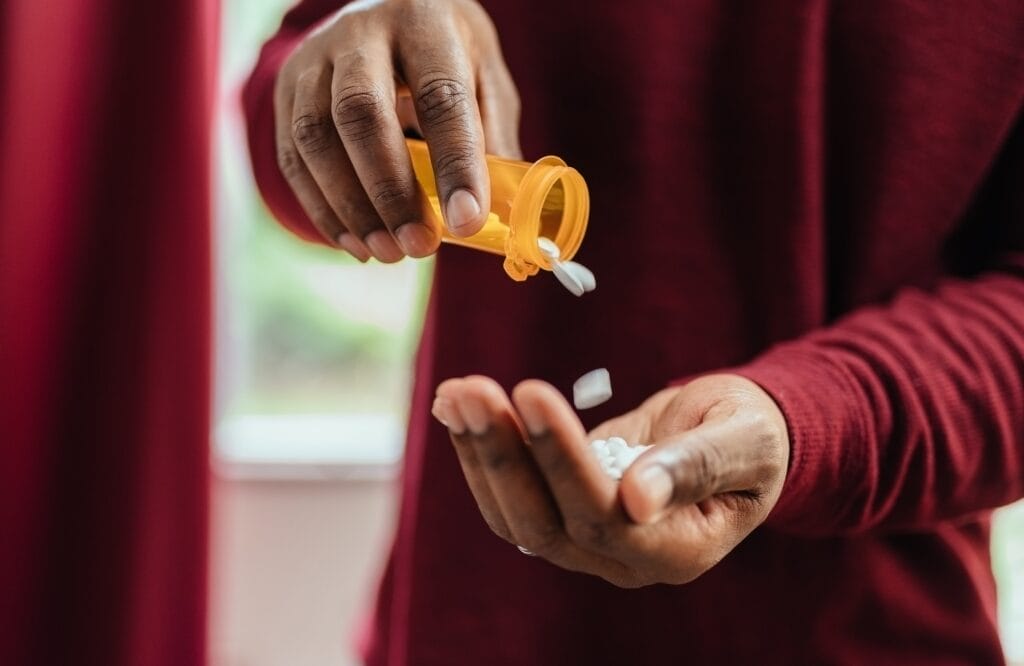
What is an Opiate Overdose? Opiate drugs fall into several categories, including prescription and illicit drugs. Therefore, it is not uncommon for someone to experience opiate overdose symptoms even though they use a medication prescribed to them by a medical provider. All opiate and opioid drugs are potent drugs with a high potential for addiction and fatal overdose. Therefore, if you or a loved one struggles with an addiction to opiates, it is crucial to seek help at a detox and treatment program like San Diego Detox Center. Opiate Overdose Statistics Data released by the Centers for Disease Control and Prevention in early 2020 suggest that more than 70% of the drug overdose deaths in the United States in 2019 involved at least one opiate drug. Also, the rate of death attributed to the misuse of synthetic opiate drugs increased by nearly 20% in the last year. The overall fatality rate linked to all opiate drugs increased by approximately 6%. Between 2010 and 2020, more than half a million people lost their lives to opiate drug overdose.1 Opiate vs. Opioid: What is the Difference? Opioid drugs are derived from three sources. Opioids are either all-natural, synthetic, or semi-synthetic. The term opiate refers to natural opioids. Perhaps, it is best to understand the term opiate as a subcategory of opioids.2 Someone with an opiate addiction may be addicted to prescription pain medications such as oxycodone or codeine or illegal opioids like heroin.2 Signs and Symptoms of Opiate Overdose A crucial part of opiate overdose prevention is knowing the warning signs of an overdose. In many cases, opiate overdose happens rapidly, and opiate overdose signs will differ from person to person. Some of the more common signs of opiate overdose include:3 Slow and shallow breathing Vomiting Gurgling or choking sounds Constricted (pinpoint) pupils Blue or cold skin Loss of consciousness Faint heartbeat Purple lips and fingernails Inability to communicate or speak clearly or effectively Opiate Overdose Causes and Risk Factors An opiate overdose occurs when someone takes too much of a drug and elevated amounts of the substance reach their brain. When this happens, it overwhelms the brain’s natural function leading to the inability of the brain and central nervous system to perform vital functions such as breathing. Because medical providers use opiates as part of a prescription plan, many people do not realize the harms these drugs can cause. Who Is at Risk for an Opiate Overdose? Specific factors related to the individual using the drug may increase their risk for addiction and overdose. Examples of overdose risk factors include age and underlying medical conditions such as impaired liver function, kidney disease, or sleep apnea.4 There are many possible causes of opiate overdose. Some of the more prominent examples are combining an opiate with other drugs or alcohol, taking more than prescribed, and using illicit (street) drugs that may contain unregulated or harmful additives.3 Treatment for Opiate Addiction and Overdose in San Diego Narcan nasal spray for opiate overdose or Narcan injections is an excellent emergency use drug used for opiate overdose. In the short-term, drugs to reverse opiate overdose can help save someone’s life. However, Narcan is not a long-term substitute for opiate addiction treatment. A professional treatment program in San Diego can help you find freedom from addiction and begin a journey towards lasting health and wellness. Opiate Addiction Treatment Options The best opiate addiction treatment options involve several steps. It is important to remember that achieving lasting sobriety is a highly individual process. Choosing a program that offers individualized addiction treatment plans provides the most significant opportunities for treatment success. For most, the first step of treatment is comprehensive detox. The Benefits of Detox Although challenging, detox is a necessary step in therapy. It is difficult (if not impossible) to focus on healing when still impacted by the effects of opiate use. Detoxing in a safe and comforting environment is vital to ensuring access to the medical and mental health support you need to help manage withdrawal symptoms. Get Help at San Diego Detox Once detox is complete, you will begin therapy to learn more about the root causes of addiction and how to manage relapse triggers in the future. The journey to overcoming opiate addiction is challenging. With help from our skilled, compassionate team, sobriety and a drug-free future are within reach. Contact us today to learn more about our programs and how you can get help to defeat addiction at San Diego Detox. Narcan for Opiate Overdose The Centers for Disease Control and Prevention (CDC) indicate that almost 50,000 people died from an opioid or opiate-related overdose in 2019. The same study suggests that in as many as 40% of cases. Had these bystanders provided Narcan, they could have saved a life. Understanding more about how Narcan helps with opiate overdose reversal can help to save thousands of lives each year. Auto-Injector and Nasal Spray Naloxone or Narcan is a medication that can rapidly reverse opioid overdose. Narcan for opiate overdose comes in two FDA-approved delivery methods.4 These include an auto-injector and prepackaged nasal sprays. Narcan injections must be drawn from a vial and injected into the body. Medical providers such as emergency services personnel or emergency room doctors often choose this method. The second delivery method of Narcan for opiate overdose is a nasal spray. Narcan nasal sprays are a needle-free option that one can spray directly into the nostril. Because nasal Narcan comes in a prepackaged form, monitoring the amount of medication administered is not necessary. Nasal Narcan is significantly easier for loved ones or bystanders to administer. It does not require formal training, knowledge of medication dosing, or the use of a needle. How Does Narcan Reverse the Effects of an Opiate Overdose? Narcan is a category of drug known as an opioid agonist. When used at the first sign of an opiate overdose, Narcan prevents opiate drugs from attaching to opioid receptors in the brain because the agonist binds there instead.