
What To Look For in an Accredited Detox Center

Learn how licensing, accreditation and ASAM levels can help you compare detox centers with greater confidence.
Fentanyl Withdrawal: Symptoms, Timeline and What Treatment Looks Like

Understand fentanyl withdrawal symptoms, timing, risks and treatment options at San Diego Detox.
What Life After Detox Looks Like: Continuing Care and Long-Term Recovery

Learn what life after detox can look like, from routines and relapse prevention to sober support and long-term recovery.
Medical Detox vs. Detoxing at Home: What’s the Difference?

Compare medical detox and detoxing at home, including safety risks, supervision, and when inpatient detox may be needed.
Inpatient vs. Outpatient Detox: Which Level of Care Do You Need?

Compare inpatient and outpatient detox through ASAM criteria to find the safest level of care for withdrawal.
How Much Does Detox Cost? Insurance, Private Pay, and What to Expect

Learn how much detox costs, what insurance may cover, and how to verify benefits with San Diego Detox.
What Is Kratom Withdrawal? Symptoms, Timeline and Treatment

Kratom withdrawal can affect your body and mind. Learn the symptoms, timeline, and when medical detox may help.
Dual Diagnosis: Mental Health and Addiction
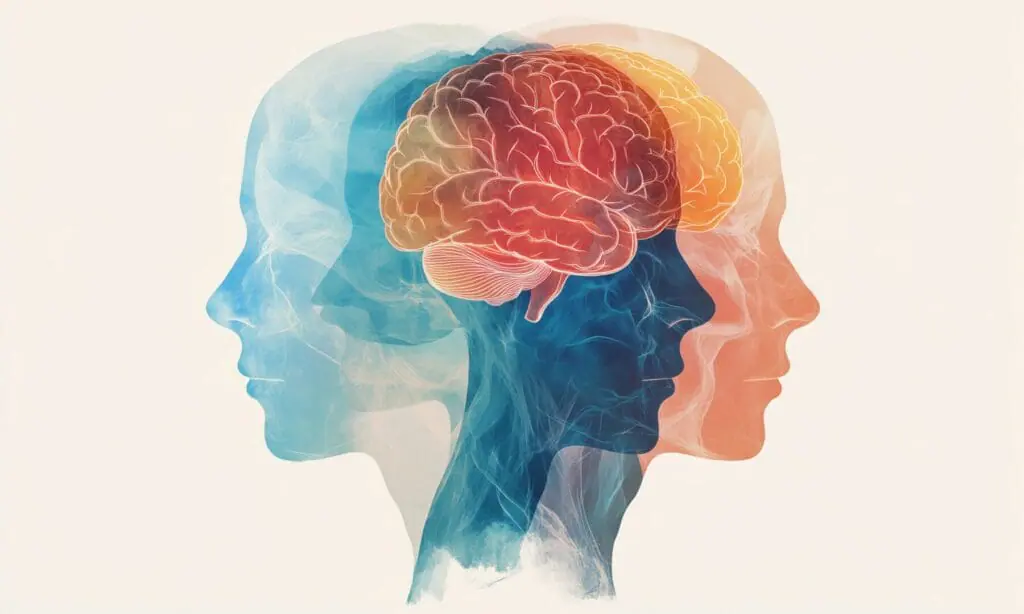
Feeling anxious and reaching for a drink, numbing depression with pain pills, or staying awake after a nightmare by using stimulants– when mental-health symptoms and substance use twist together, neither issue remains in its own lane. This overlap is known as dual diagnosis, and it requires a comprehensive plan that addresses both the mind and body simultaneously. San Diego Detox is built for exactly that moment. The campus combines 24/7 medical detox, on-site psychiatry, private suites, and holistic comforts like chef-prepared meals and yoga, so you can address anxiety, depression, or PTSD without pausing addiction care or vice versa. In a discreet setting, treatment providers simultaneously address both problems, transforming a daunting first step into a safer and more dignified beginning. What “Dual Diagnosis” Really Means A dual diagnosis (or co-occurring disorder) exists when someone meets criteria for both a mental health condition and a substance use disorder at the same time. It is far more common than most people realize. Federal data show about 21.5 million U.S. adults live with this overlap, and national surveys repeatedly find that roughly one in two people who experience a mental illness during their lives will also battle addiction, and vice versa. Treating only half of the problem rarely works: unmanaged depression can spark relapse into drinking; untreated opioid withdrawal can worsen anxiety; and using meth to push away PTSD nightmares simply deepens both disorders. Long-term recovery rates climb when care teams address mood, thought patterns, and cravings together through integrated medication, therapy, and relapse prevention planning. How Mental Health and Addiction Feed Each Other Think of your brain’s mood-and-reward wiring as a bundle of messy earbuds. Alcohol or opioids flood the brain, tangle with feel-good chemicals, giving quick relief from stress or sadness, but the surge also turns down your natural “happy” volume, so the next low feels even lower without another hit. Trauma-related hyper-arousal can drive stimulant use to stay hyper-vigilant, while depressive lethargy might invite sedatives for escape. Over time, this self-medication loop rewires the nervous system, intensifying cravings and emotional swings. The fallout extends beyond biology: missed workdays, strained relationships, and legal or financial crises add new layers of stress that fuel further use. Recognizing dual diagnosis as a medical condition, not a moral failing, breaks stigma and opens the door to evidence-based help: supervised detox that prevents dangerous withdrawals, psychiatric evaluation to balance brain chemistry, and therapies that teach coping skills healthier than any substance. Integrated care doesn’t just treat two problems; it repairs the feedback loop that binds them. San Diego Detox’s Integrated Model Everything you need for a strong start happens on one serene campus. San Diego Detox begins with physician-led medical detox, then guides you directly into residential care, eliminating the need for hotel shuttles or off-site referrals. Board-certified psychiatrists adjust medications while therapists launch evidence-based groups, so mental health and addiction goals move forward together. Holistic options, ranging from yoga flows to chef-crafted nutrition plans, complement the schedule, providing equal attention to both mind and body under one roof. It’s a seamless, door-to-door approach that saves energy for healing instead of logistics. 24/7 Medical Detox with Psychiatric Oversight Detoxification begins the moment you arrive: nurses check your vitals, run laboratory tests, and relay the findings to an on-site physician who tailors a taper or comfort medication protocol. Because many clients battle anxiety, depression, or trauma alongside withdrawal, psychiatric staff screen for suicide risk and adjust mood-stabilizing or anti-craving meds right away. Around-the-clock monitoring means tremors, spikes in blood pressure, or hallucinations are handled before they escalate, making the first days safer and far less frightening. Residential Program with Evidence-Based Therapies Once medically stable, you’ll move a few steps down the hall to a private suite. Days mix CBT, DBT, and trauma counseling with small-group sessions that practice relapse prevention skills in real time. Evening chef-prepared meals and optional gender-responsive groups help protect dignity and comfort while addressing the root causes of use. By combining solid science with everyday comforts, the residential program transforms therapy into something you’ll look forward to, not just endure. Holistic Services for Mind-Body Healing Recovery at San Diego Detox includes practical ways to support your physical and emotional health. Daily activities, such as yoga, guided meditation, and walks around the property, help reduce stress and improve focus. Clients can also take advantage of nearby nature trails and quiet outdoor spaces to reset between sessions. Meals are prepared by on-site chefs and built around fresh produce, lean proteins, and hydration, all of which support brain function and mood stability. These services work in conjunction with medical care to help you feel steadier and clearer-headed during the early stages of recovery. Common Dual-Diagnosis Pairings Anxiety & Alcohol – When thoughts won’t slow down, a glass of wine can feel like an “off” switch. Soon, one drink turns into three just to get through social events or sleep. Over time, the brain needs alcohol to reach baseline, which ramps up anxiety between drinks and sets the stage for shaky, irritable mornings. Depression & Opioids – Painkillers don’t just dull physical aches; they can cloud emotional ones, too. Someone battling a low mood may start taking extra pills for the warmth and calm they provide. Tolerance then demands higher doses, and the next thing you know, afternoon drowsiness, slowed breathing, and mounting apathy keep life on pause. Stopping abruptly can trigger flu-like withdrawal and an even deeper crash in mood. PTSD & Stimulants – Trauma survivors often fight hyper-vigilance and sleepless nights. Amphetamines or high-dose caffeine promise alertness and temporary control, but they also spike heart rate, worsen nightmares, and feed paranoia. Exhaustion follows the crash, leading to a cycle of stimulants during the day and sedatives at night. When to seek help – Any substance used to manage emotions rather than enhance life is a red flag. Look for escalating doses, combining substances, missed work, or mounting secrecy. If mental health symptoms intensify or withdrawal symptoms appear, professional integrated care can prevent
Types of Addictions: Alcohol, Drugs, Prescription Medications
Addiction isn’t a single story. For some, it’s the wine glass that crept from dinner treat to nightly need; for others, it’s a syringe or the little orange pill bottle meant to ease pain. Whether the substance is alcohol, street drugs, or doctor-prescribed medications, each hooks the brain differently, and each deserves a tailored response. San Diego Detox, a boutique treatment center situated in scenic San Diego, California, offers clients a comprehensive range of services, including confidential medical detoxification, medication-assisted treatment (MAT), private residential suites, and holistic therapies such as yoga and sound healing. Add onsite chefs and lush outdoor spaces, and healing feels both safe and dignified. By pairing round-the-clock medical oversight with resort-style comforts, the team turns a daunting first step into a reassuring doorway to long-term recovery. Alcohol Addiction: America’s Legal Drug Reach for a cold beer after work, toast a birthday with bubbly, or meet friends for margaritas. Alcohol is woven into daily life, which makes it easy to miss when casual use turns into dependence. In San Diego County, about one in five adults report binge or heavy drinking, topping the state average and hinting at how common hidden struggles are. Know the red flags. Needing more drinks to relax, waking up shaky, losing stretches of memory, or feeling edgy when you try to cut back all point toward alcohol use disorder. Withdrawal effects can start six to eight hours after the last drink and may include sweating, anxiety, tremors, or (at its worst) seizures and hallucinations. Blackouts, when entire hours disappear from memory, warn that the brain’s memory centers are already being disrupted and often precede more severe neurological harm. Short- and long-term fallout. Even one binge raises the risk of accidents, heart rhythm problems, and next-day depression. Over months, heavy drinking taxes every organ: fatty liver, gastritis, hypertension, weakened immunity, and higher cancer risk are just a few dangers. The emotional cost of strained relationships and stalled careers cuts just as deep. Why supervised detox matters. Stopping alcohol “cold turkey” can trigger delirium tremens, a medical emergency. San Diego Detox’s 24/7 medical team uses evidence-based protocols and, when appropriate, MAT to ease symptoms while protecting the heart and brain. Once vitals stabilize, clients can begin private residential care and start counseling, nutrition support, and holistic therapies that help rebuild their body and spirit. Left untreated, alcohol addiction rarely fades on its own. With prompt medical attention and a compassionate plan, lifelong health and genuine joy can be restored. How San Diego Detox Treats Alcohol Misuse Medical detox at San Diego Detox is staffed 24/7 so nurses or medical providers can ease withdrawal the moment tremors, spikes in blood pressure, or hallucinations appear. Guests recover in spacious private suites that feel more like a boutique hotel than a hospital. Once vitals stabilize, staff escort clients directly into the on-site residential wing, ensuring no jarring transfers and minimal loss of momentum. When cravings keep nagging, doctors can add safe, FDA-approved meds on top of counseling to quiet the noise. From gentle bedside check-ins to chef-crafted meals, every detail here protects your privacy and treats you like family. Drug Addiction: Illicit Substances From late-night cocaine “boosts” to fentanyl-laced counterfeit pills, today’s drug landscape is a minefield. Stimulants such as cocaine and methamphetamine rev the nervous system, driving up heart rate, blood pressure, and anxiety while exhausting dopamine reserves, often ending in paranoia, depression, or cardiac events. Depressants like heroin or illicit fentanyl slow breathing so dramatically that a single mis-measured dose can stop it altogether. In San Diego County, EMS calls involving opioids now routinely uncover a cocktail of substances, highlighting the rise of polysubstance use where stimulants and downers are taken together to chase a specific “balance.” The physical fallout ranges from collapsed veins and infections to liver and kidney failure; mentally, users face mood swings, memory loss, and heightened risk for psychosis or suicidal thoughts. Yet shame keeps many silent. Remember: dependence is a neurologic condition, not a moral failing. Talking openly about addiction chips away at stigma and invites conversation, treatment, and hope. At San Diego Detox, medical teams customize detox protocols to each drug’s profile, managing everything from stimulant crashes to dangerous opioid withdrawals. Rapid tox screens identify hidden fentanyl so the right antidotes are on hand, while therapists begin relapse prevention work early, teaching clients how triggers and cravings weave through daily life. Holistic Care for Drug Dependence Getting through detox is like crossing the first checkpoint in a marathon. You’re moving, but the real race has just begun. At San Diego Detox, the next stretch digs into why you leaned on drugs in the first place: maybe childhood trauma, chronic pain, or plain old burnout. You’ll discuss that with a therapist, then roll out a yoga mat to loosen tight muscles, splash some color on a canvas to release feelings, or lie back for a crystal-bowl sound bath that soothes an overworked nervous system. That mix of straight-talk counseling and body-calming rituals helps you sleep, tames stress hormones, and reminds you that feeling good doesn’t have to come from a pill or a pipe. Treating mind and body together builds the kind of strength you’ll still feel months after you’ve packed your bags and headed home. Prescription Medication Addiction Not every addiction starts in a party or on a street corner. Many begin at a doctor’s office, when pills meant to heal quietly reshape brain chemistry. Opioid painkillers such as oxycodone or hydrocodone dampen pain and release a wave of calm, until tolerance demands stronger or more frequent doses. Benzodiazepines like Xanax or Ativan soothe anxiety but slow the central nervous system; when taken for weeks, they can spark rebound panic or life-threatening withdrawal. Even ADHD medicines, such as methylphenidate and amphetamine salts, boost focus yet can be misused for appetite control or late-night study sessions. Legitimate prescriptions slide toward dependence through subtle shifts: finishing bottles early “because the pain flared,” requesting dose increases, or feeling edgy between doses.
Withdrawal Symptoms by Substance

Quit drinking, skip a pain pill, or run out of Adderall, and your body won’t react the same way. Alcohol may bring on shaky hands and night sweats; opioids can trigger bone-deep aches; benzodiazepines risk seizures; stimulants leave you exhausted and sad. Each substance tweaks different brain chemicals, so each has its own withdrawal “fingerprint” and its dangers if you try to tough it out alone. That’s why San Diego Detox combines 24/7 medical detox, on-site psychiatry, and holistic comforts on one secure campus. Whether you’re facing alcohol jitters or opioid chills, the team tailors medications, nutrition, and therapy to match the substance and the person, turning a frightening process into the first step toward feeling human again. Alcohol Withdrawal Symptoms Timeline. Trouble can start as soon as six hours after the last drink with tremors, anxiety, and a racing heart. Symptoms often peak around 24–48 hours, and in some people, they escalate by day three into delirium tremens (DT), a medical emergency marked by confusion, hallucinations, or seizures. Untreated, DT carries a mortality rate as high as 35 percent, but prompt medical care can drive that risk close to zero. Common signs. Early clues include sweating, nausea, shaky hands, headache, and sleep disruption. As withdrawal deepens, blood pressure spikes, fever, and severe agitation can appear. Seizures often strike without warning in the first two days, making home detox risky. Risk factors. Daily heavy drinking, past withdrawal seizures, liver disease, or older age raise the odds of severe symptoms. Mixing alcohol with benzodiazepines or sleep medications complicates the picture further. Why medical oversight matters. At San Diego Detox, nurses monitor vital signs around the clock and administer symptom-triggered benzodiazepine protocols, along with IV fluids and vitamins that protect the brain. If hallucinations start, antipsychotic rescue meds and a quiet private suite keep you safe while the storm passes. With medical guidance, most clients transition to residential care within three to five days, already sleeping better and thinking more clearly, proof that supervised detox saves lives and jump-starts recovery. How San Diego Detox Manages Alcohol Withdrawal At San Diego Detox, registered nurses track vitals around the clock and follow a symptom-triggered protocol that calms tremors before they snowball into seizures. When cravings linger, physicians can start FDA-approved medications such as acamprosate to steady brain chemistry or disulfiram to deter relapse. As soon as blood pressure and electrolytes normalize, staff walk clients across the hall to luxurious residential suites, so momentum isn’t lost in transit. Medical oversight seamlessly blends with chef-prepared meals and private rooms, transforming a high-risk process into a safer, more dignified first step toward recovery. Opioid Withdrawal Symptoms (Rx & Heroin) Early phase (6–12 hours for short-acting opioids, ~30 hours for long-acting): Yawning, runny nose, watery eyes, restlessness, gooseflesh, and insomnia signal the body’s alarm system coming online. Peak phase (48–72 hrs for short-acting; 3–5 days for long-acting): muscle and bone pain, stomach cramps with vomiting or diarrhea, dilated pupils, sweating, rapid heartbeat, and surging blood pressure. Cravings and mood swings are intense, raising relapse risk. Late phase (4–7 days for short-acting; up to 10 days for long-acting): lingering anxiety, fatigue, chills, and depression gradually taper off, but some people develop Post-Acute Withdrawal Syndrome (PAWS) weeks or months of low energy, sleep problems, and emotional volatility. Why the differences? Short-acting drugs like heroin or immediate-release oxycodone exit quickly, so withdrawal hits fast and hard but resolves sooner. Long-acting opioids like methadone or extended-release formulations leave the system slowly; symptoms start later, peak later, and can feel drawn out. Because dehydration, electrolyte shifts, or hidden heart issues can turn “just flu-like” discomfort into a medical crisis, supervised detox with medication-assisted treatment (buprenorphine, methadone, or non-opioid comfort meds) is strongly recommended over quitting cold turkey. Benzodiazepine Withdrawal Symptoms Benzos calm the nervous system by boosting GABA. Take them daily for more than a few weeks, and the brain trims its own GABA supply. When pills stop, the “brakes” vanish and the body slams into overdrive. Rebound anxiety often surfaces first, shakier than before the prescription, along with insomnia, racing pulse, and pounding ears. Within 24 hours for short-acting brands such as Xanax (48 hours for longer-acting Klonopin), many people develop sensory hypersensitivity to light and sound, pins-and-needles skin, and jerking muscles. The most dangerous window arrives between days 2 and 5, when runaway electrical activity can trigger grand-mal seizures or hallucinations. Quitting “cold turkey” is therefore never advised. A slow taper, typically a 5–10 percent dose reduction every one to two weeks under medical supervision, allows brain chemistry to rebalance safely. Acute symptoms fade in one to two weeks, but mild anxiety or sleep trouble (sometimes called post-acute withdrawal) can linger for months, underscoring the need for continued therapy and lifestyle support. With patience and a structured plan, even long-term benzodiazepine dependence can unwind without life-threatening complications. Safe Benzo Detox & Taper at San Diego Detox Detoxification often begins with a physician-designed taper schedule that gradually replaces short-acting benzodiazepines with a longer-acting equivalent, then reduces the dosage in micro-steps. Nurses monitor blood pressure and tremors 24/7, while doctors are ready with anti-seizure medications if EEGs indicate spiking activity. Daily psychiatric check-ins fine-tune sleep aids or non-addictive anxiolytics, preventing rebound panic. All of this unfolds in suites, far from bright lights and sudden noises, where small details help keep adrenaline levels down and healing on track. By combining medical precision with a serene setting, San Diego Detox transforms a high-risk process into a calm and controlled return to equilibrium. Stimulant Withdrawal Symptoms (Cocaine & Meth) When stimulants drop out of the bloodstream, the brain’s reward system slams into reverse. First comes the “crash”: anywhere from 12 to 36 hours of heavy sleep, bottomless hunger, and a feeling of being weighed down by lead. Over the next few days, energy fluctuates between jittery restlessness and fatigue; mood swings veer from agitation to flat-line anhedonia, as nothing feels good because dopamine stores are depleted. For some, the emotional plunge gets dangerous. Studies show