
How Does Narcan Reverse the Effect of an Opiate Overdose?

What is an Opiate Overdose? Opiate drugs fall into several categories, including prescription and illicit drugs. Therefore, it is not uncommon for someone to experience opiate overdose symptoms even though they use a medication prescribed to them by a medical provider. All opiate and opioid drugs are potent drugs with a high potential for addiction and fatal overdose. Therefore, if you or a loved one struggles with an addiction to opiates, it is crucial to seek help at a detox and treatment program like San Diego Detox Center. Opiate Overdose Statistics Data released by the Centers for Disease Control and Prevention in early 2020 suggest that more than 70% of the drug overdose deaths in the United States in 2019 involved at least one opiate drug. Also, the rate of death attributed to the misuse of synthetic opiate drugs increased by nearly 20% in the last year. The overall fatality rate linked to all opiate drugs increased by approximately 6%. Between 2010 and 2020, more than half a million people lost their lives to opiate drug overdose. Opiate vs. Opioid: What is the Difference? Opioid drugs are derived from three sources. Opioids are either all-natural, synthetic, or semi-synthetic. The term opiate refers to natural opioids. Perhaps, it is best to understand the term opiate as a subcategory of opioids. Someone with an opiate addiction may be addicted to prescription pain medications such as oxycodone or codeine or illegal opioids like heroin. Signs and Symptoms of Opiate Overdose A crucial part of opiate overdose prevention is knowing the warning signs of an overdose. In many cases, opiate overdose happens rapidly, and opiate overdose signs will differ from person to person. Some of the more common signs of opiate overdose include: Slow and shallow breathing Vomiting Gurgling or choking sounds Constricted (pinpoint) pupils Blue or cold skin Loss of consciousness Faint heartbeat Purple lips and fingernails Inability to communicate or speak clearly or effectively Opiate Overdose Causes and Risk Factors An opiate overdose occurs when someone takes too much of a drug and elevated amounts of the substance reach their brain. When this happens, it overwhelms the brain’s natural function leading to the inability of the brain and central nervous system to perform vital functions such as breathing. Because medical providers use opiates as part of a prescription plan, many people do not realize the harms these drugs can cause. Who Is at Risk for an Opiate Overdose? Specific factors related to the individual using the drug may increase their risk for addiction and overdose. Examples of overdose risk factors include age and underlying medical conditions such as impaired liver function, kidney disease, or sleep apnea. There are many possible causes of opiate overdose. Some of the more prominent examples are combining an opiate with other drugs or alcohol, taking more than prescribed, and using illicit (street) drugs that may contain unregulated or harmful additives. Treatment for Opiate Addiction and Overdose in San Diego Narcan nasal spray for opiate overdose or Narcan injections is an excellent emergency use drug used for opiate overdose. In the short-term, drugs to reverse opiate overdose can help save someone’s life. However, Narcan is not a long-term substitute for opiate addiction treatment. A professional treatment program in San Diego can help you find freedom from addiction and begin a journey towards lasting health and wellness. Opiate Addiction Treatment Options The best opiate addiction treatment options involve several steps. It is important to remember that achieving lasting sobriety is a highly individual process. Choosing a program that offers individualized addiction treatment plans provides the most significant opportunities for treatment success. For most, the first step of treatment is comprehensive detox. The Benefits of Detox Although challenging, medical detox is a necessary step in therapy. It is difficult (if not impossible) to focus on healing when still impacted by the effects of opiate use. Detoxing in a safe and comforting environment is vital to ensuring access to the medical and mental health support you need to help manage withdrawal symptoms. Get Help at San Diego Detox Once detox is complete, you will begin therapy to learn more about the root causes of addiction and how to manage relapse triggers in the future. The journey to overcoming opiate addiction is challenging. With help from our skilled, compassionate team, sobriety and a drug-free future are within reach. Contact us today to learn more about our programs and how you can get help to defeat addiction at San Diego Detox. Narcan for Opiate Overdose The Centers for Disease Control and Prevention (CDC) indicate that almost 50,000 people died from an opioid or opiate-related overdose in 2019. The same study suggests that in as many as 40% of cases. Had these bystanders provided Narcan, they could have saved a life. Understanding more about how Narcan helps with opiate overdose reversal can help to save thousands of lives each year. Auto-Injector and Nasal Spray Naloxone or Narcan is a medication that can rapidly reverse opioid overdose. Narcan for opiate overdose comes in two FDA-approved delivery methods. These include an auto-injector and prepackaged nasal sprays. Narcan injections must be drawn from a vial and injected into the body. Medical providers such as emergency services personnel or emergency room doctors often choose this method. The second delivery method of Narcan for opiate overdose is a nasal spray. Narcan nasal sprays are a needle-free option that one can spray directly into the nostril. Because nasal Narcan comes in a prepackaged form, monitoring the amount of medication administered is not necessary. Nasal Narcan is significantly easier for loved ones or bystanders to administer. It does not require formal training, knowledge of medication dosing, or the use of a needle. How Does Narcan Reverse the Effects of an Opiate Overdose? Narcan is a category of drug known as an opioid antagonist. When used at the first sign of an opiate overdose, Narcan prevents opiate drugs from attaching to opioid receptors in the brain because the agonist binds there
What Is the Best Way to Overcome an Addiction to Opiates
Understanding Opiate Addiction Opiates are substances derived naturally from opium poppy plants, which are native to South America. Opiates are used for various medical conditions, including severe pain relief, to treat patients who have advanced cancer, and other terminal conditions. Opiates have very high potency and for that reason, many people find it even harder to overcome opiate addiction. Opiates come in both prescription medication and as illegal drugs, such as heroin. Two out of every three drug overdose deaths in 2018 involved an opioid. With this, it is important to not only understand the fundamentals of opioid addiction, but to know what to look for in terms of symptoms, risk factors, and available treatment options. Fundamentals of Opioid Addiction How Do Opiates Affect the Brain? When drugs stimulate opioid receptors in the brain, cells produce dopamine, which is a neuron that gives rise to feelings of pleasure and pain relief when released into the brain. The brain’s reward system will, again and again, want the feelings of intense pleasure during the early stages of abuse, which is what makes opiate addiction so prevalent. Approximately a quarter of patients who are prescribed opioids for chronic pain or terminal diseases misuse the drugs. Opiates vs. Opioids: What is the Difference? An opiate is described as a narcotic derived from the opium poppy plant, which is naturally occurring and can include drugs such as opium, codeine, and morphine. An opioid, however, is any substance, either synthetic or semi-synthetic, that binds to opioid receptors. Moreover, all opiates are opioids, but not all opioids can be classified as an opiate. Semi-synthetic opioids are created in labs from naturally occurring opiates, while synthetic opioids are made entirely in a lab. What is Opiate Addiction? Opioid addiction is a chronic relapsing disease that can cause significant health, social, and economic problems. Opiate addiction is characterized by a powerful, compulsive urge to seek and use opioids, even when they are no longer required medically and can have harmful consequences. Those with an opioid substance abuse disorder often find themselves prioritizing seeking, getting, and using these drugs over other activities in their lives, often negatively negatively affecting their professional and personal relationships. People’s priorities become deeply warped when they find themselves addicted to opiates. Opioids alter the chemistry of a person’s brain and lead to drug tolerance as well. If you or a loved one are suffering from opioid addiction, you can experience life-threatening health problems, including the risk of overdose and even death. Opiate Overdose and Addiction Symptoms An overdose occurs when one consumes high doses of opioids, causing their breathing to slow or stop entirely. This may lead to unconsciousness and death if the overdose is not treated immediately. Both legal and illegal opioids carry a high risk of overdose, especially if one combines opioids with other drugs and substances, such as tranquilizers or alcohol. The symptoms may differ depending on the type of opiate used, the amount of opiate used, and how long it has been used. Opiate Overdose Symptoms There are a few signs and symptoms to pay attention to in the case of a possible overdose. Respiratory depression – this includes snoring, choked breathing, shallow breathing, irregular or halted breathing, or no breathing altogether Loss of consciousness or unresponsiveness Blue, purple, or greyish skin, lips, or fingertips, signifying lack of oxygen The inability to speak Frequent vomiting Confusion and delirium Very limp body Cold, pale, or clammy skin Low blood pressure Lack of pulse or slow erratic pulse rate Small pupils Opiate Addiction Symptoms When one is addicted to a drug, they will feel the urge to get the drugs even using unscrupulous means, including lying to loved ones in order to get them. The drug-seeking behavior becomes intolerable and irresponsible. Signs and symptoms of opiate addiction can be classified as either physical, psychological, or behavioral. Physical Symptoms Some of the physical symptoms of opiate addiction include, but are not limited to: Sedation Dizziness Nausea Vomiting Constipation Physical dependence Tolerance Respiratory depression Psychological and Behavioral Symptoms These are some of the psychological and behavioral signs and symptoms of opiate addiction: Physical agitation Poor decision making Abandoning responsibilities Mood swings Irritability Depression Lowered motivation Anxiety attacks Treatment Options for Overcoming Opiate Addiction There are many treatment options available for those looking to overcome opiate substance abuse disorder. These interventions include both medications and therapies, and other various avenues. It is important to consult a medical professional for optimal results as well as connecting with those who can offer support, both regarding managing the effects and dangers of withdrawal and detox, and for achieving and maintaining long-term sobriety. Medications The FDA has approved several medications to treat opiate and opioids withdrawal. These are best paired with counseling and behavior therapy to truly help overcome addiction. Buprenorphine, methadone, and naltrexone are used to treat opioid use disorders for short-acting opioids such as heroin, morphine, and codeine, along with semi-synthetic opioids like oxycodone and hydrocodone. Buprenorphine is a drug approved by the FDA to treat opioid use disorder as medication-assisted treatment (MAT). Methadone reduces opioid cravings and withdrawal symptoms by blocking the effects of opioids. It is available in liquid, powder, and diskettes forms when one takes it daily. Methadone is also approved by the FDA as part of MAT and pain management. If you take it as prescribed, it is safe and effective. It’s used as part of comprehensive treatment, including counseling and other behavioral health therapies. These medications are safe to use for months, years, or even a lifetime. You should always consult your doctor on when to stop or reduce the dosage. Counseling and Behavioral Therapies It can be essential to include different types of talk therapy along with medication to help air out concerns and find lasting solutions for these concerns. Medicine alone cannot always ensure a lasting recovery, as most substance use disorders come with underlying mental health issues that have to be addressed too. Below are a few such therapies.
How Long do Barbiturates Stay in Your System?
Understanding Barbiturates Barbiturates are a class of drugs that have been historically prescribed to manage conditions such as anxiety and insomnia. The way these drugs work is by interacting with GABA receptors in our brain, thereby regulating feelings of calmness and sleep. However, while they can be therapeutic in controlled doses, they carry the risk of addiction and can lead to harmful side effects when misused. Determining the length of time barbiturates stay in ones system heavily depends on several factors. Understanding what barbiturates are, and how they are metabolized can be helpful in understanding how long barbiturates stay in the body. What Exactly Are Barbiturates? Initially synthesized back in 1864, barbiturates depress the central nervous system. Although once popular as sedatives and hypnotics, their potential for abuse and addictive properties led to a decline in medical usage. Some examples of these drugs include Amobarbital (Amytal), Butabarbital (Butisol), Methohexital (Brevital), Pentobarbital (Nembutal), and Secobarbital (Seconal). Barbiturates: Current Uses and Abuses Currently, barbiturates are used to manage insomnia and anxiety disorders. They are also employed as anesthetics for surgical procedures. Unfortunately, these drugs are also sought after recreationally for their calming effects, bearing similarities to substances like Xanax or alcohol. However, they pose serious risks when consumed in large amounts or combined with other substances, including prescription drugs like benzodiazepines. Comparing Barbiturates vs. Benzodiazepines Both benzodiazepines and barbiturates serve as sedative-hypnotics, inducing sleepiness. They can help manage insomnia, anxiety, seizures, and muscle spasms. However, barbiturates pose a higher risk of withdrawal symptoms than benzodiazepines. Long-term usage of barbiturates can lead to substance dependence and, if stopped abruptly or reduced too quickly, can result in withdrawal symptoms like nausea, vomiting, sweating, tremors, and seizures. Classifications of Barbiturates: Short-Acting vs Long-Acting There are two classifications of barbiturates: short-acting and long-acting. Short-acting barbiturates such as Amobarbital, Butabarbital, and Butalbital take effect within 30 minutes and last four to six hours, used primarily to induce sleep. In contrast, long-acting barbiturates like Phenobarbital, Pentobarbital, and Secobarbital take longer to work but last 12 to 24 hours, used for sedation and anesthesia. How Long Do Barbiturates Stay in Your System? Determining how long barbiturates stay in your system largely depends on the drug’s half-life and systemic clearance. These factors hinge on how long the body takes to metabolize the drug into an inactive form. For instance, the half-life of a barbiturate increases with each additional carbon atom added to the molecule. Additionally, being fat-soluble, barbiturates bind with fats in the body, which makes them harder to eliminate than other drugs like heroin or cocaine, which are water-soluble. Determining Factors of Barbiturates’ Half-Life Three significant factors determine how long barbiturates stay in your system: the duration of usage, the amount taken each time, and the specific type of barbiturate used. Analyzing biological samples provides varying results, with barbiturates generally detectable in urine for about three days, blood for one to two days, saliva for up to three days, and hair for up to 90 days. Impact on Treatment and Recovery Understanding how long barbiturates stay in the system is crucial for managing withdrawal and planning detoxification. Due to the risk of severe withdrawal symptoms, such as seizures and delirium, professional medical supervision is often required during the detox process. The prolonged presence of long-acting barbiturates necessitates a carefully monitored tapering process to minimize withdrawal risks. Treatment for Barbiturates Abuse and Addiction Treatment for barbiturate abuse and addiction typically involves detoxification and rehabilitation. It’s important to seek professional help if you or a loved one are struggling with barbiturate addiction. San Diego Detox offers a range of services to help individuals recover from barbiturate addiction in a safe, supportive environment. For more information, visit our website or call us today at 619.433.6560. Don’t wait to take the first step towards recovery. Remember, every journey begins with a single step, and we’re here to support you every step of the way. The Risks of Barbiturate Abuse and Addiction As barbiturates change how the brain functions, they can lead to addiction. Those with a constant intake may develop a dependence, leading to the onset of addiction. This reliance can lead to withdrawal symptoms when usage is suddenly stopped. Individuals who are prescribed these drugs can unintentionally fall into addiction, experiencing difficulty in stopping their use even after their treatment should have concluded. Understanding the Causes and Risks of Barbiturate Abuse Barbiturates can rapidly induce feelings of euphoria and relaxation, making them an easy target for those looking to escape stress or achieve a high. Unknowing abuse can also stem from poor medication compliance or a lack of understanding about the drug regimen in clinical settings. Barbiturate abuse can lead to severe health problems, such as confusion, hallucinations, respiratory depression, and in rare cases, coma, liver damage, and kidney failure. Furthermore, taking barbiturates during pregnancy or breastfeeding can harm the infant, leading to breathing problems and developmental issues.
Overdose Epidemic: Statistics and Prevention Strategy

The Dangers of Drug Overdose An overdose occurs when dangerous substances reach toxic levels within the body. It is possible to overdose on many substances, including opioids, alcohol, and other drugs. Usually, overdose happens very quickly. For example, in some cases, opioid overdose can occur immediately after using an opioid. A person does not have to be addicted to opioids or use them frequently to overdose. In addition, the symptoms of an overdose do not necessarily present in a specific order, so opioid overdose may look different from person to person. It is vital to know what the potential signs of an overdose may be as it may help save someone’s life. Overdose Epidemic When someone overdoses on a drug, too much of the substance reaches their brain and overwhelms its natural function. It can lead to the inability to breathe or struggles with other life-sustaining body functions. When someone’s breathing stops or slows to dangerous levels (as happens during an overdose), it can cause brain damage or death. Thus, the ability to recognize the symptoms of an opioid overdose is vital to preventing death or permanent brain injury. Overdose Epidemic Statistics Data released by the Centers for Disease Control and Prevention (CDC) indicate the opioid overdose epidemic is far from over. The number of opioid overdose deaths connected to opioid drugs of all kinds increased by almost 5% between 2018 and 2019 and quadrupled between 1999 and 2019. Of the nearly 71,000 deaths in 2019, a staggering 70% involved an opioid drug. Between 2018 and 2019, the number of opioid-involved deaths increased by more than 6%. These statistics include any opioid, including natural, synthetic, and semi-synthetic opioids. The Impact of the Opioid Epidemic The epidemic of overdose deaths also rose among synthetic opioids. This category of opioid drugs includes the powerful and very dangerous drug fentanyl. Across the nation, the number of synthetic opioid (primarily fentanyl) deaths between 2019 and 2020 rose by 56,516 overdose deaths. The number of deaths caused by prescription opioids decreased from 17,029 in 2017 to 14,139 in 2019 but unfortunately increased in 2020 to 16,416. Lastly, the number of heroin-related deaths decreased, from 15,469 deaths in 2016 to 13,165 in 2020. While the deaths related to heroin have declined, other opioid-involved deaths continue to rise. Therefore, helping those affected by the opioid crisis is vital. San Diego Detox Strategy for Combating the Overdose Epidemic At San Diego Detox, we understand that combating the overdose crisis takes time and effort. Our strategy for combating this epidemic includes several crucial steps. Medication for Overdoses The first step is ensuring those who need it have access to lifesaving naloxone treatment. Naloxone is an FDA-approved medication that can rapidly reverse opioid overdose. As an opioid agonist, it attaches to the opioid receptors in the brain, preventing opioids from doing so and reducing the effects of opioid drugs. Research released in 2019 suggests that naloxone devices approved by the FDA deliver higher blood levels of naloxone than improvised nasal devices. Anyone can use naloxone to help prevent detrimental opioid overdose outcomes, making it an ideal and preferred medication. Harm Reduction Another part of our strategy is harm reduction. Harm reduction is the process of providing help and support to those with opioid use disorder without stigma, discrimination, or judgment. This strategy helps reduce the fear and apprehension felt by many when they consider going to a drug treatment program. The rate of deaths caused by drug overdose has increased by 250% since 1999. Thus, it is imperative to utilize harm reduction strategies to prevent drug use, overdose, and death. Learn More About San Diego Detox At our facility, we provide comprehensive and evidence-based treatments and educational therapies. Incorporating trusted and proven therapeutic models into our programs offers the most significant opportunities for effective treatment outcomes. Each therapy model addresses addiction treatment in a slightly different way. We ensure every individual situation and need is met with proper care and support by providing many treatment options. Addiction is a disease unique to the person, and with our several educational therapy models, we can effectively support our patients. If you or a loved one struggles with opioid addiction, don’t wait another day to begin the journey towards freedom. Let San Diego Detox help you overcome addiction at our safe, supportive California rehab center. Call us today for more information about our programs. Overdose Epidemic Prevention Strategy The opioid epidemic in the United States has not been resolved; however, it does continue to change. As organizations like the Centers for Disease Control and Prevention (CDC) release annual opioid epidemic statistics and overdose death data, we can see that the specific substances that contribute to overdose deaths vary from year to year. This indicates that despite all the work done at state and national levels, there is far more to do before we will see an end to the opioid crisis in America. Steps for Prevention There are several steps both state and federal agencies can take to help reduce the impact of the overdose epidemic. Public Awareness A first step is increasing public awareness about the dangers of opioid drugs. Teaching people about addiction overdose awareness may help reduce the rate of overdose death. In addition, by providing accessible public education about addiction and addiction treatment, we can begin the process of defeating the overdose epidemic by reducing the misunderstandings and stigma that continue to surround addiction and addiction treatment. As the viewpoint around addiction changes, those who struggle with addiction will feel safer seeking help to overcome addiction. Support Healthcare Providers and Systems Another essential step towards overdose epidemic prevention is providing support to healthcare providers and systems. The overdose crisis will not improve without access to emergency medical intervention and ongoing medical treatment. New Substance Use Disorder Treatment Options Related to increased support in healthcare is developing new treatment options to address substance use disorders. It is essential for the public and the medical community alike to learn more
Why Is It Important to Treat Drug and Alcohol Addiction

The Impacts of Addictions on Society Drug addiction can be devastating on an individual level, but it can also be harmful to communities and society. People with substance use disorders often struggle with family issues, including domestic violence and financial problems. Additionally, nationwide studies have shown that parents with substance use disorder usually put the need to obtain and abuse drugs before taking care of their children. Addiction can also add to the problem of overcrowded institutions; hospitals and prisons contain large populations of people treated for or incarcerated because of drug use. Crime related to drug addiction can wreak havoc on communities and increase the amount of money spent on law enforcement and incarceration. In 2007, the economic cost of drug abuse in the United States was $193 billion, with criminal justice costs accounting for $61 billion of that total. It is evident the importance of seeking drug addiction treatment. Social Effects of Drug Abuse on the Community When people neglect to seek drug addiction treatment, they will likely face negative social effects; problems at work, school, and in society. Drug Abuse and the Home One in five children grows up in a household where a parent abuses drugs or alcohol. Not only does this create an unstable environment for the children – potentially leading to mental illness like anxiety or depression – but it also puts them at a higher risk for developing substance use disorder themselves. Drug Abuse and the Workplace When substance use is brought into the workplace, major issues for those with drug addiction and the companies or businesses they work for can arise. For example, the quality of work may suffer, safety concerns can arise, and people can lose their job. For the individual struggling with substance use disorder, this can lead to financial insecurity and risk of future employment. For the business, this can lead to losses in revenue, customers, and employees. Drug Abuse and School It’s no secret that drug abuse in adolescents is a growing problem, and students who use drugs are more likely to drop out. Studies show that 18% of teens enrolled in high school use illicit drugs, while 31% of high school dropouts use drugs. The Harmful Effects of Drugs and Alcohol The dangers of drug and alcohol use are serious, which is why drug addiction treatment is crucial. Some of the ways drugs can affect people’s brain, body, and life include: Brain Chemistry Addictive substances change the way the brain processes rewards, meaning the experience of pleasure from non-addictive things is often muted or nonexistent; temporarily or permanently. Health Complications Substance abuse can lead to a plethora of mental disorders, such as depression, anxiety, and schizophrenia, and various health problems, such as cancer, lung disease, cardiovascular disease, and dental health issues. Infections Using drugs weakens the immune system, making it more likely for people with substance use disorder to get illnesses and infections. Legal Consequences Sometimes people with substance use disorder may engage in illegal actions, leading to arrest. Legal consequences can seriously disrupt a person’s life, leading to job loss, debt, and other potential problems. Financial Problems Addiction may lead to people spending all of their money acquiring drugs, frivolous spending, and job loss. Injuries and Death The most severe outcomes of drug use are injuries and death. Intoxication can impair the senses and cause a major lack of judgment, making injury more likely. The risk of death is always present with drugs, as it can be caused by overdose, injury, accidents while under the influence, or health issues. These issues point to the importance of drug and alcohol addiction treatment and intervening as soon as possible. The earlier addiction is addressed, the more likely a person will recover. How to Treat Drug Addiction Various approaches and strategies are available to treat drug addiction, but there are two methods that stand out. The first is treating drug addiction as a disease, and the second is utilizing medication. Treating Drug Addiction as a Disease Addiction is not a moral failing or character flaw, so it’s important to emphasize treating drug addiction as a disease rather than a choice. It has been confirmed that addiction is a chronic illness that alters the brain’s function and chemical levels. Thus, the only way to treat drug addiction properly is by creating and utilizing treatment plans and methods that are usually followed for illness and disease. Addiction Treatment Options Like any other disease, drug addiction can be treated with several methods. Whether addressing drug addiction in adults or treating drug addiction in adolescents, the following interventions can be useful in drug addiction treatment: Behavioral counseling, such as cognitive behavioral therapy (CBT) and motivational interviewing Medications like Antabuse and methadone Evaluation and treatment for co-occurring mental health issues, such as depression and anxiety Long-term follow-up to prevent relapse Remembering the importance of treating drug addiction as a disease means recognizing that treatment requires maintenance and may need adjustments over time. Treating Drug Addiction With Methadone An effective and commonly used intervention for opioid use disorder is methadone, a prescription drug. Treating drug addiction with methadone blocks the pain caused by opiate withdrawal and allows people to resume their daily lives while recovering from addiction. This is an effective treatment and emphasizes the importance of drug and alcohol addiction treatment that works for a person’s individual needs. Methadone provides pain relief for around four to eight hours and should be prescribed for a minimum of twelve months. Research shows that methadone treatment is effective in high doses and helps clients stay in treatment programs longer, especially those with heroin addiction. Alcohol and Drug Addiction Treatment at San Diego Detox There are many options for drug addiction treatment, including rehab, medications, and therapy. At San Diego Detox, we treat drug addiction as a disease and understand that each client’s situation and condition are different. So, we offer a full range of services to help people recover, from a state-of-the-art detox program to evidence-based
What’s the Prescription Drug That You Can Overdose On?
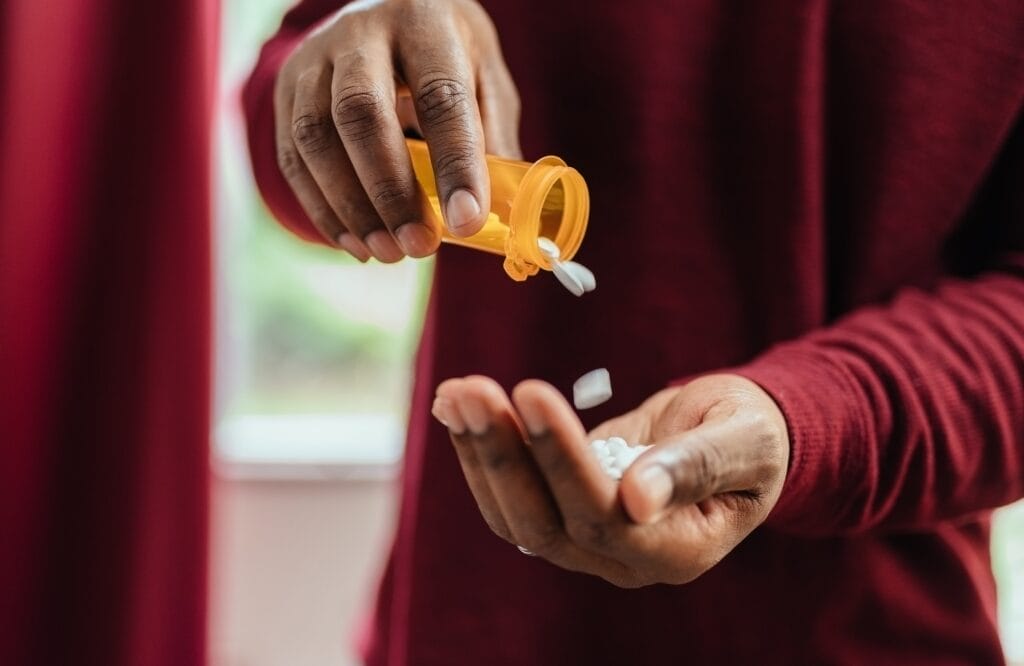
What is an Opiate Overdose? Opiate drugs fall into several categories, including prescription and illicit drugs. Therefore, it is not uncommon for someone to experience opiate overdose symptoms even though they use a medication prescribed to them by a medical provider. All opiate and opioid drugs are potent drugs with a high potential for addiction and fatal overdose. Therefore, if you or a loved one struggles with an addiction to opiates, it is crucial to seek help at a detox and treatment program like San Diego Detox Center. Opiate Overdose Statistics Data released by the Centers for Disease Control and Prevention in early 2020 suggest that more than 70% of the drug overdose deaths in the United States in 2019 involved at least one opiate drug. Also, the rate of death attributed to the misuse of synthetic opiate drugs increased by nearly 20% in the last year. The overall fatality rate linked to all opiate drugs increased by approximately 6%. Between 2010 and 2020, more than half a million people lost their lives to opiate drug overdose.1 Opiate vs. Opioid: What is the Difference? Opioid drugs are derived from three sources. Opioids are either all-natural, synthetic, or semi-synthetic. The term opiate refers to natural opioids. Perhaps, it is best to understand the term opiate as a subcategory of opioids.2 Someone with an opiate addiction may be addicted to prescription pain medications such as oxycodone or codeine or illegal opioids like heroin.2 Signs and Symptoms of Opiate Overdose A crucial part of opiate overdose prevention is knowing the warning signs of an overdose. In many cases, opiate overdose happens rapidly, and opiate overdose signs will differ from person to person. Some of the more common signs of opiate overdose include:3 Slow and shallow breathing Vomiting Gurgling or choking sounds Constricted (pinpoint) pupils Blue or cold skin Loss of consciousness Faint heartbeat Purple lips and fingernails Inability to communicate or speak clearly or effectively Opiate Overdose Causes and Risk Factors An opiate overdose occurs when someone takes too much of a drug and elevated amounts of the substance reach their brain. When this happens, it overwhelms the brain’s natural function leading to the inability of the brain and central nervous system to perform vital functions such as breathing. Because medical providers use opiates as part of a prescription plan, many people do not realize the harms these drugs can cause. Who Is at Risk for an Opiate Overdose? Specific factors related to the individual using the drug may increase their risk for addiction and overdose. Examples of overdose risk factors include age and underlying medical conditions such as impaired liver function, kidney disease, or sleep apnea.4 There are many possible causes of opiate overdose. Some of the more prominent examples are combining an opiate with other drugs or alcohol, taking more than prescribed, and using illicit (street) drugs that may contain unregulated or harmful additives.3 Treatment for Opiate Addiction and Overdose in San Diego Narcan nasal spray for opiate overdose or Narcan injections is an excellent emergency use drug used for opiate overdose. In the short-term, drugs to reverse opiate overdose can help save someone’s life. However, Narcan is not a long-term substitute for opiate addiction treatment. A professional treatment program in San Diego can help you find freedom from addiction and begin a journey towards lasting health and wellness. Opiate Addiction Treatment Options The best opiate addiction treatment options involve several steps. It is important to remember that achieving lasting sobriety is a highly individual process. Choosing a program that offers individualized addiction treatment plans provides the most significant opportunities for treatment success. For most, the first step of treatment is comprehensive detox. The Benefits of Detox Although challenging, detox is a necessary step in therapy. It is difficult (if not impossible) to focus on healing when still impacted by the effects of opiate use. Detoxing in a safe and comforting environment is vital to ensuring access to the medical and mental health support you need to help manage withdrawal symptoms. Get Help at San Diego Detox Once detox is complete, you will begin therapy to learn more about the root causes of addiction and how to manage relapse triggers in the future. The journey to overcoming opiate addiction is challenging. With help from our skilled, compassionate team, sobriety and a drug-free future are within reach. Contact us today to learn more about our programs and how you can get help to defeat addiction at San Diego Detox. Narcan for Opiate Overdose The Centers for Disease Control and Prevention (CDC) indicate that almost 50,000 people died from an opioid or opiate-related overdose in 2019. The same study suggests that in as many as 40% of cases. Had these bystanders provided Narcan, they could have saved a life. Understanding more about how Narcan helps with opiate overdose reversal can help to save thousands of lives each year. Auto-Injector and Nasal Spray Naloxone or Narcan is a medication that can rapidly reverse opioid overdose. Narcan for opiate overdose comes in two FDA-approved delivery methods.4 These include an auto-injector and prepackaged nasal sprays. Narcan injections must be drawn from a vial and injected into the body. Medical providers such as emergency services personnel or emergency room doctors often choose this method. The second delivery method of Narcan for opiate overdose is a nasal spray. Narcan nasal sprays are a needle-free option that one can spray directly into the nostril. Because nasal Narcan comes in a prepackaged form, monitoring the amount of medication administered is not necessary. Nasal Narcan is significantly easier for loved ones or bystanders to administer. It does not require formal training, knowledge of medication dosing, or the use of a needle. How Does Narcan Reverse the Effects of an Opiate Overdose? Narcan is a category of drug known as an opioid agonist. When used at the first sign of an opiate overdose, Narcan prevents opiate drugs from attaching to opioid receptors in the brain because the agonist binds there instead.
What is Withdrawal Like After Using Heroin for the First Time?

What Is Heroin Withdrawal? Heroin addiction is a serious and life-changing disorder that can lead to severe, even fatal, outcomes. National statistics show that over 902,000 people use heroin each year, with 6.25 million trying heroin at least once in their lifetime. Withdrawal from heroin is a harrowing experience that refers to the set of symptoms that occur shortly after a person tries getting off heroin. Symptoms can last for days or weeks and make it difficult for people attempting to remain abstinent. Thankfully, treatment for heroin addiction can make withdrawal from heroin a much simpler and easier process. Typically, signs of heroin withdrawal won’t occur after using heroin for the first time, but continued use will inevitably lead to withdrawal symptoms of increasing severity. What Happens During Withdrawal? Heroin withdrawal is the result of a rebound effect. When heroin is used repeatedly, the brain and body adjust to the narcotic effects of the drug. When heroin use stops suddenly, they rebound in the opposite direction, creating intense withdrawal symptoms that directly oppose the effects produced by heroin itself. Treatment for heroin addiction focuses on alleviating these symptoms while helping people build the tools and skills needed to maintain recovery. Heroin Withdrawal Symptoms The degree to which people experience heroin withdrawal symptoms depends on several factors, including the duration, frequency, and amount used, the person’s age, and overall body health. Withdrawal symptoms fall into three categories: mild, moderate, and severe. The heroin withdrawal timeline occurs over a period of about a week, with symptom severity peaking on day three or four. Mild Withdrawal Symptoms Mild withdrawal symptoms are the first to appear in the heroin withdrawal timeline. The first signs of heroin withdrawal can occur as early as eight hours after heroin was last used. It includes symptoms such as: Nausea Abdominal cramps Tearing Runny nose Sweats Chills Excessive yawning Muscle and bone aches While some people only experience mild symptoms, long-term heroin use or use in greater amounts will result in even worse symptoms. Moderate Withdrawal Symptoms Moderate withdrawal symptoms occur in addition to mild symptoms, so people can still experience the heroin cold sweats, nausea, and other mild symptoms during this next phase. Moderate symptoms typically occur after one or two days and include: Vomiting Diarrhea Agitation Restlessness Tremors Trouble concentrating Goosebumps Fatigue When experiencing these symptoms, it is vital for people who are getting off heroin to drink plenty of fluids, eat nutritious foods, and get plenty of rest. Severe Withdrawal Symptoms The most severe signs of heroin withdrawal occur three to four days into the heroin withdrawal timeline. These symptoms have the shortest window but are the hardest to cope with during heroin detox. They include: Anxiety Insomnia Depression Hypertension Rapid heart rate Muscle spasms Impaired respiration Difficulty feeling pleasure Drug cravings Severe withdrawal symptoms typically only last a day or two before subsiding back into moderate and mild symptoms. How Long Does It Take to Detox from Heroin? Heroin detox generally takes about four or five days to complete its course, though symptoms may linger for up to fourteen days. Nonetheless, even after the physical symptoms of withdrawal from heroin have decreased, many people will continue to experience psychological symptoms for months, known as “post-acute withdrawal syndrome.” How Can a Heroin Rehab Center Help? A heroin detox center has several tools available to help people experiencing withdrawal from heroin. Medication Buprenorphine is a partial opioid agonist, meaning it targets the same brain receptors that heroin does. As a result, this medication effectively reduces heroin cravings and lessens withdrawal symptoms without producing the euphoric and addictive effects of heroin. Buprenorphine is also available in combination with naloxone, commonly known by the brand name Suboxone. One study found that 100% of patients given a placebo relapsed and stopped treatment, compared to only 25% of patients given buprenorphine. Therapy and Relapse Prevention Furthermore, a detox program offers medical and counseling support, twenty-four-seven observation, and a safe place to achieve heroin recovery. Is It Dangerous to Detox Heroin at Home? Heroin detox at home is not recommended. While detox from heroin isn’t necessarily life-threatening, heroin withdrawal deaths have been reported. For example, ten deaths occurred between 2013 and 2016 in jails across the U.S. due to untreated opioid withdrawal. Fatal outcomes of heroin withdrawal typically occur due to dehydration and hypernatraemia (elevated blood sodium level) from diarrhea and vomiting. Cravings are another significant risk during detox, strongly influencing the temptation to return to active heroin use to relieve withdrawal symptoms. Therefore, detoxing off heroin at a professional addiction treatment facility is much safer. How to Ease Heroin Withdrawal Symptoms Alleviating the symptoms of withdrawal from heroin is possible with the help of trained medical professionals. At a detox center, heroin withdrawal treatment can reduce or even eliminate many of the adverse effects of withdrawal. Facts You Should Know About Heroin Withdrawal There are a few key facts you should remember about heroin withdrawal: The first signs of heroin withdrawal happen within twenty-four hours of the last use Love and support can help people make it through this critical phase Heroin withdrawal is temporary and typically lasts about a week The consequences of continued heroin use are worse than withdrawal Impact of Heroin Addiction and Withdrawal Heroin addiction has several consequences that can last a lifetime, including: Major organ damage Loss of close relationships with others Decreased mental health Cognitive changes Death These consequences of heroin are not worth the risk of continuing using the drug, no matter how difficult withdrawals can be. Get Treatment for Heroin Withdrawal at San Diego Detox When you’re ready to start treatment for heroin withdrawal, reach out to the professionals at San Diego Detox. At San Diego Detox, our comprehensive Detox Program offers medically supervised care tailored to your unique needs, ensuring a safe and supportive environment for healing. Our team has decades of experience providing treatment for heroin addiction. We have the tools and techniques required to help relieve withdrawal symptoms and
How to Deal with Depression from Opiate Withdrawal

Depression from opiate withdrawal is a common side effect. It can have long-lasting effects. Fortunately, depression and opiate addiction are both highly treatable. Several medications and therapies are available that have been proven to reduce opiate withdrawal symptoms. They help people find recovery. Understanding Opiate Withdrawal Opiate withdrawal, also frequently referred to as opioid withdrawal, is the set of symptoms that occurs when opiate use suddenly stops. Opiates and opioids include drugs such as heroin, morphine, oxycodone, hydrocodone, and fentanyl. These drugs all similarly affect the brain and body. Opioid withdrawal symptoms are very uncomfortable. They closely resemble severe flu symptoms. Fortunately, opiate withdrawal is not typically life-threatening. Opiate withdrawal treatment can vastly improve symptoms and help people break through this first phase of recovery. Common Withdrawal Symptoms Symptoms of opiate withdrawal include: Muscle aches and pains Sweating and chills Nausea and vomiting Diarrhea Anxiety and restlessness Insomnia Rapid heartbeat Dilated pupils The Withdrawal Timeline The opiate withdrawal timeline differs for everyone. It depends on factors like: Which specific opiate was used How long the person used opiates The dosage taken Individual body chemistry Overall health condition Typically, detox from opiates results in symptoms that resolve in a week or two. The withdrawal symptoms of drugs such as heroin or oxycodone are the same. However, they may vary in intensity or length depending on which drug has been used. Opiate detox can last up to two weeks. The severity of symptoms typically peaks after just a few days. Then symptoms gradually get better. Post-Acute Withdrawal and Depression After the peak period, the major symptoms of opiate withdrawal begin to subside. People may still feel sick for up to two weeks. However, symptoms are at a much lower intensity than during the peak period. Post-acute withdrawal can last for months or even years. This is where depression from opiate withdrawal can kick in. Lingering symptoms can lead people to feel that the promises of recovery have been left unfulfilled. Oxycodone and depression go hand-in-hand during withdrawal. Mood changes can happen with several drugs, including heroin, morphine, and fentanyl. Depression is the most commonly reported symptom of post-acute withdrawal. How Opiates Impact Mental Health Opioids impact mental health by changing brain chemistry, emotional regulation, and cognitive functions. While they initially provide a sense of euphoria and relief from pain or emotional distress, their long-term use leads to significant mental health challenges. Changes in Brain Chemistry Opiates contribute to depression in several ways, both directly and indirectly: The Dopamine Disruption Regular opiate use changes the brain’s reward system Opiates flood the brain with dopamine This creates an artificial sense of pleasure and well-being Over time, the brain adapts by reducing its natural dopamine production The brain also becomes less sensitive to dopamine This makes it difficult for individuals to feel joy or satisfaction without the drug This reduction can lead to an inability to feel pleasure. This is a core symptom of depression. Depression and opiate addiction can be related, as in the case of oxycodone and depression. Many drugs affect the brain through the dopamine pathway in the brain’s reward network. Opiate use causes a flood of dopamine to enter the brain. This gives a strong sense of reward. The longer drug use continues, the more the brain adjusts to these new dopamine levels. It does this by cutting back on the receptors which process dopamine when it arrives. This decrease in dopamine receptors can make people feel less and less rewarded by everyday experiences. The Cycle of Dependence The cycle of dependence on opioids, followed by withdrawal, further worsens emotional lows. The post-acute withdrawal phase is when symptoms linger after the initial detox period. This can leave individuals feeling: Hopeless Fatigued Unmotivated Deeply depressed These feelings deepen depressive symptoms significantly. Pre-existing vs. Resulting Depression When people feel depressed during the post-acute withdrawal phase, it happens for one of two reasons: Depression preceded opioid use: For some, depression may have existed before their opioid use. This led them to self-medicate with these substances. Depression resulted from opioid use: For others, depression can develop as a result of prolonged opiate use. This highlights the complex and two-way relationship between opiate addiction and depression. The Impact on Daily Life Opioid misuse can impair cognitive functions. This includes memory and decision-making. It contributes to increased impulsivity and difficulty coping with stress. This impairment can worsen feelings of anxiety, irritability, and mood swings. These are common among those struggling with opioid dependence. The connection between opioid use and mental health issues is well-documented. This includes anxiety, depression, and suicidal thoughts. For instance, as the effects of opioids wear off, individuals often experience mood crashes or intense anxiety. In the long term, the brain chemistry imbalances caused by opioids can leave individuals vulnerable to persistent mood disorders. This happens even after they stop using the drugs. Tolerance and Worsening Depression Opiates like oxycodone, morphine, and fentanyl are often misused for their euphoric effects. They eventually become less effective over time due to tolerance. This tolerance requires higher doses to achieve the same effects. This can worsen depression as dependence grows. Overall, the impact of opiates on mental health is profound. This makes professional treatment and support essential for recovery. Opiates Sometimes Used for Depression Some people may misuse opiates in an attempt to self-treat depression. Common opiates include: Heroin Oxycodone (OxyContin) Hydrocodone (Vicodin) Morphine Fentanyl Codeine Tramadol It’s important to note that using opiates to treat depression is dangerous and ineffective. It leads to addiction and worsens depression over time. Treatment Options for Depression During Withdrawal Medical Support Professional medical detox programs can provide: Medication-assisted treatment (MAT) to ease withdrawal symptoms Antidepressant medications when appropriate 24/7 medical monitoring A safe, comfortable environment Therapeutic Approaches Evidence-based therapies that help include: Cognitive Behavioral Therapy (CBT) Individual counseling Group therapy Dual diagnosis treatment for co-occurring disorders Holistic therapies such as mindfulness and meditation Lifestyle Changes That Help Natural ways to support recovery from depression during withdrawal: Physical Activity Exercise
What Is Heroin Withdrawal?
Heroin withdrawal refers to the physical and psychological symptoms that occur when a person who is dependent on heroin stops using the drug or significantly reduces use. These symptoms can range from uncomfortable to severe. In some cases, they can be dangerous without medical supervision. Heroin is a powerful opioid that alters brain chemistry over time. When heroin use stops, the body must adjust to functioning without the drug. This adjustment process is known as heroin withdrawal. What Is Heroin? Heroin is an illegal opioid derived from morphine. It affects the brain by binding to opioid receptors. This produces intense feelings of euphoria and pain relief. Repeated heroin use changes how the brain regulates pain, mood, and reward. Over time, the body becomes dependent on heroin to function normally. This increases the risk of withdrawal when use stops. Risk of Heroin Addiction Heroin is highly addictive. Dependence can develop quickly, especially with repeated use. As tolerance increases, individuals may need larger amounts of heroin to achieve the same effects. This pattern increases both physical dependence and the risk of overdose. What Causes Heroin Withdrawal? Heroin withdrawal occurs because the body has adapted to the presence of opioids. When heroin use stops, the brain experiences a sudden imbalance in neurotransmitters. This imbalance triggers withdrawal symptoms as the body works to restore equilibrium. The severity of withdrawal depends on factors such as duration of use, dosage, frequency, and overall health. Medical Detox for Heroin Medical detox is often the first step in treating heroin dependence. Detox focuses on managing withdrawal symptoms safely while the drug leaves the body. WHAT IS MEDICAL DETOX? Medical detox involves supervised care to help individuals through the withdrawal process. Medical professionals monitor symptoms and may use medications to reduce discomfort and complications. Detox does not treat addiction itself, but it provides a safer foundation for ongoing treatment. MEDICATIONS USED DURING DETOX Certain medications may be used to ease heroin withdrawal symptoms. These medications can help stabilize brain chemistry and reduce cravings. Medical professionals determine appropriate medications based on individual needs and health history. CAN HEROIN WITHDRAWAL BE DANGEROUS? Heroin withdrawal is rarely life-threatening on its own, but it can be extremely uncomfortable. Complications such as dehydration, heart strain, and relapse risk make medical supervision strongly recommended. Heroin Withdrawal Symptoms Heroin withdrawal symptoms often begin within hours after the last use and may worsen over several days. Common symptoms include: Muscle aches and body pain Anxiety or agitation Sweating and chills Nausea, vomiting, or diarrhea Insomnia Cravings for heroin The intensity of symptoms varies depending on the individual and their history of use. How Long Does Heroin Withdrawal Last? The timeline for heroin withdrawal can vary, but symptoms typically follow a general pattern. TIMELINE OF HEROIN WITHDRAWAL Early symptoms often begin within 6 to 12 hours after the last dose. These may include anxiety, restlessness, and muscle aches. Symptoms usually peak within 1 to 3 days. During this period, individuals may experience intense cravings, gastrointestinal distress, and flu-like symptoms. Acute symptoms often begin to improve after several days. However, some individuals experience lingering symptoms such as fatigue, mood changes, or sleep disturbances for weeks. Coping and Relief from Heroin Withdrawal Managing heroin withdrawal without support can be difficult. Medical care can significantly reduce discomfort and health risks. Supportive care may include hydration, nutrition, rest, and medications prescribed by healthcare professionals. Emotional support is also important during withdrawal and early recovery. Attempting to detox alone increases the risk of relapse, which can be especially dangerous due to lowered tolerance. Get Help for Heroin Withdrawal at San Diego Detox Heroin withdrawal can be physically and emotionally overwhelming. Professional support can help make the process safer and more manageable. San Diego Detox provides medically supervised detox services in a structured, supportive environment. Treatment plans are individualized to address both withdrawal symptoms and long-term recovery needs. If you or a loved one are experiencing heroin withdrawal, professional support can make a difference. Contact our team to learn more about treatment options and available support. Frequently Asked Questions What symptoms are typical when someone withdraws from heroin?Heroin withdrawal typically produces both physical and psychological symptoms, including restlessness; muscle, bone, or joint pain; insomnia; cold flashes or “cold sweats”; goosebumps; uncontrollable leg movements; nausea, vomiting or diarrhea; and strong cravings. How long does heroin withdrawal usually last?Acute heroin withdrawal symptoms typically peak in the first 1–3 days and decline over the next several days, with many common symptoms resolving within 4–7 days. Some psychological effects — like anxiety, depression, or cravings — may linger for much longer depending on the person What factors affect the severity and duration of heroin withdrawal?The severity and duration of withdrawal can depend on how long and how heavily someone used heroin, their tolerance, whether they also used other substances (polysubstance use), their physical health, past opioid dependence, and other individual factors. Can you detox from heroin at home safely?Detoxing from heroin at home is generally not recommended for heavy or long-term users. Home detox increases risk of relapse or serious complications; medically supervised detox — typically as an inpatient — is the safest option. What does “medical detox” for heroin involve?Medical detox typically begins with a full evaluation of health and drug history, followed by stabilization under supervision by medical staff (doctors, nurses, therapists), and then transitioning into a longer-term treatment or rehab program rather than purely detox — because detox alone doesn’t guarantee long-term sobriety. Resources https://nida.nih.gov/publications/drugfacts/heroin https://www.verywellmind.com/what-is-withdrawal-how-long-does-it-last-63036 https://www.verywellmind.com/what-to-expect-from-heroin-withdrawal-22049 https://www.ncbi.nlm.nih.gov/pmc/articles/PMC4014033/ https://pubmed.ncbi.nlm.nih.gov/28443503/ https://www.healthline.com/health/coping-opiate-withdrawal#dependence-andaddiction https://www.ncbi.nlm.nih.gov/pmc/articles/PMC4822281/
Addiction and Relationship Issues
Why Relationships Matter Time and time again, research has proven the importance of relationships. In fact, healthy relationships make people live longer, cope with stress better, maintain better habits, and be more resistant to colds.1 Learn more about the benefits of healthy relationships below. Live Longer In a meta-analysis containing 308,849 participants, scientists discovered that social connections lengthen lifespans. On average, a healthy long-term relationship reduces the risk of early death by 50% compared to being alone. Living without these connections is as bad as smoking in terms of life expectancy.2 Manage Stress Better Because we are social beings, our interactions impact our mental, emotional, and physical health. As a result, healthy relationships increase people’s ability to maintain anxiety and fear, allowing them to manage and cope with stress better. Better Emotional Control Compassion in relationships helps us control our emotions, quiet our primitive warning systems, and extend our periods of health. People discover that they may securely manage their anxieties, fears, goals, and dreams in good partnerships. This ability fosters connection, closeness, and a secure feeling that significantly affects emotional control and flexibility. One study found that, over a ten-year period, greater involvement with formal social groups (e.g., religious organizations, charities, educational clubs), friends, and family members leads to more positive health behaviors.3 Increases Happiness and Self-Worth A sense of belonging, connection, and having the support of others all psychologically boost emotions of optimism and self-worth, which in turn increases happiness. How to Build a Healthy Relationship Healthy connections with family and friends can improve people’s quality of life and boost self-esteem. Individuals can build healthy relationships over time when focusing on the following: Understanding Honesty Care Providing emotional support Common values about money, parenting, and other significant issues Respect Equality Healthy communication Most Common Problems in Relationships Problems in relationships can occur due to a variety of different factors. The most common reasons and risk factors for relationship turmoil will be detailed below. Addiction Addiction doesn’t only harm the individual with this chronic disorder; it also impacts all facets of their life, including relationships with family, friends, and partners. It can affect any relationship at different levels, romantic or platonic. One study found that marriages characterized by close relationships between partners are less associated with cocaine and heroin use.4 Relationships between those with an addiction and their loved ones can undergo a lot of stress, pain, and tension. For example, friends can feel frustrated for not knowing how to provide proper support, parents may feel helpless, and significant others may question why their partner engages in substance abuse. Fortunately, these connections and personal scars may be mended with time, counseling, and proper care. Arguments It is normal for people to argue in relationships, but consistent arguments may lead to withdrawal. This will eventually lead to a communication gap between partners resulting in communication problems. Intimacy For romantic relationships, not making time for each other may lead to significant relationship issues in the long run. For example, some people could get so preoccupied with their jobs that they hardly have time to see their significant others. As a result, intimacy between partners can decline, causing hostility, disconnection, and detachment. Money Money may cause issues in relationships. Money disputes frequently reflect power imbalances or relational concerns, as well as expectations and plans for the future. Struggles Over Home Chores Struggling over home chores in the family may impede family connection and cause relationship issues. Trust and Jealousy Trust issues and jealousy can quickly cause tension and problems in any type of relationship. The inability to trust a friend, family member, or partner can lead to arguments and increased stress. Signs of Serious Relationship Problems Indications of serious relationship issues include: Selfishness or self-involvement Keeping secrets Controlling behavior Use of drugs or alcohol How to Know When to Stay and When to Leave a Relationship It can be hard to decide when issues in a relationship are normal or indications that you should leave. Consider the factors below to help determine when to stay and when to leave a relationship. When to Stay in a Relationship You should continue if the good times exceed the bad in your relationship. Ask yourself the following questions: Do I still want to talk to my significant other after a difficult day? Is my partner the first person I want to contact when I have good news? Are there more good memories than bad ones? If you answer ‘yes’ to these questions, it may signify that the relationship is going well. When to Leave a Relationship Relationships are about giving to one another rather than taking; the best partnerships succeed when both partners contribute equally. Without equal contribution, the relationship may feel one-sided, causing hostility and tension. Furthermore, other red flags indicating you should leave a relationship include if your spouse or significant other ignores you, does not respect you, takes advantage of you, or verbally and/or physically abuses you. It could be time to break up if you feel strongly that your partner no longer values you. Even while you can learn how to avoid conflicts, you might not be able to resolve the more serious issues caused by unhealthy communication. Tips for Building a Healthy Relationship Here are a few tips for building a healthy relationship: Spend quality time face to face Stay connected through communication Keep physical intimacy alive Learn to give and take in your relationship Be prepared for ups and downs San Diego Detox: Opportunities for Healing If you or your partner struggles with substance misuse, and that is leading to problematic areas to develop within your relationship, it is important to utilize the resources available to you. At San Diego Detox, we can help you achieve and maintain long-term sobriety and wellness. Don’t hesitate to reach out for support today. Resources https://www.psychalive.org/healthy-relationships-matter/#:~:text=The%20Vital%20Benefits%20of%20Good,that%20social%20relationships%20improve%20lifespans https://www.ncbi.nlm.nih.gov/pmc/articles/PMC2910600/ https://journals.sagepub.com/doi/pdf/10.1177/0022146510383501 https://www.ncbi.nlm.nih.gov/pmc/articles/PMC2640222/