
Long-Term Effects of Opioids
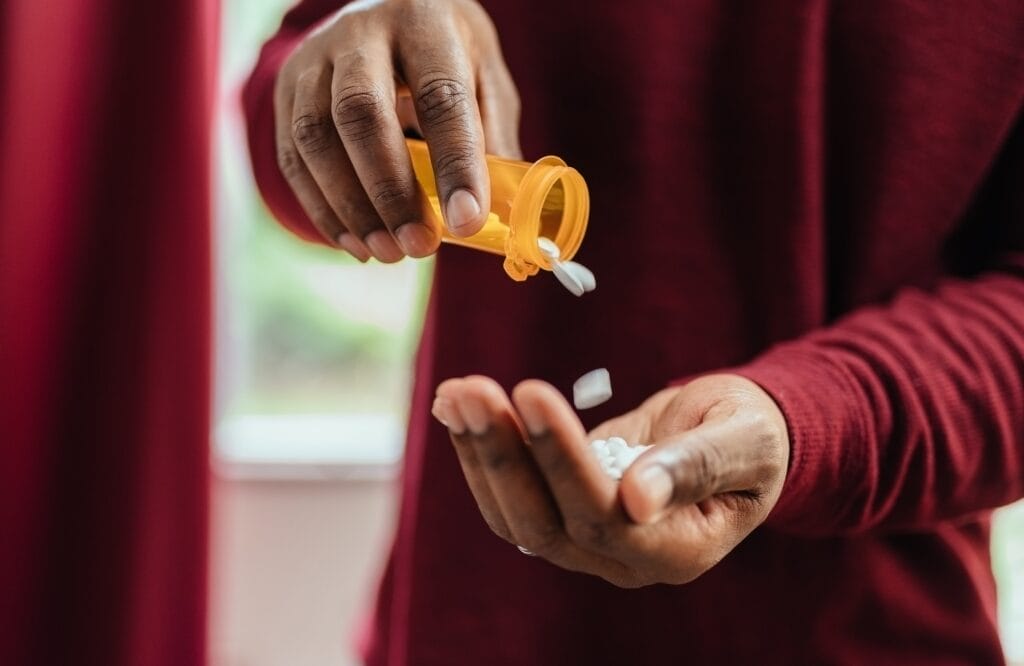
Opioids include prescription painkillers and illegal substances like heroin. They are effective for pain management, but their use comes with risks, especially over an extended period. Long-term opioid use can lead to consequences that are physical, mental and social and extend far beyond the initial reasons for taking them. Understanding the potential effects is critical whether you’re personally struggling with opioids or you have a loved one who is. What Happens When You First Take Opioids? The initial short-term effects of opioids can be felt quickly. Administration: If you take an opioid orally, like as a pill, it passes through the digestive system. It’s absorbed into the bloodstream through the intestines, and it’s a process that can take 20 to 30 minutes. When they’re injected into a vein, the effects are almost immediate. Smoking opioids also leads to rapid effects. Initial onset: Once in your bloodstream, opioids travel to the brain and bind to opioid receptors in areas of the brain responsible for pain and pleasure. This reduces pain signals that make their way to the brain. The process can also trigger dopamine to be released, which is why opioids cause you to feel high or euphoric. Physiological effects: Opioids cause respiratory depression because they affect the brain stem. This slowdown in breathing is one of their most dangerous short-term effects. Other short-term effects include lethargy, drowsiness, nausea and vomiting. Short-term behavior changes: You might initially feel an elevated mood from opioids, but that can then be followed by mood swings or irritability when the effects wear off. Impaired judgment, coordination, and reaction times also can happen with opioids. Dependence: Over time, you might develop a tolerance to opioids, leading you to use higher doses, and your body may start relying on the drug for normal functioning. At that point, withdrawal can happen if you’re not using opioids. Physical Long-Term Effects of Opioid Use Opioid use over extended periods can lead to serious consequences. Tolerance and dependence: As mentioned, with continued use of opioids, your body becomes tolerant to the effects. Over time, you need bigger doses, and dependence leads to withdrawal symptoms when you’re not taking the drug. Opioid withdrawal symptoms can include flu-like symptoms, gastrointestinal distress and severe pain. There’s a higher risk of overdosing when you develop a tolerance as well. Respiratory issues: Opioids depress the respiratory system, and over time, this can weaken your breathing function, making it hard for your body to get enough oxygen. Chronic opioid use can lead to hypoxia – low oxygen levels in the blood. That can damage organs, including the brain. Hormonal imbalances: Opioids affect the production of hormones like estrogen and testosterone because they affect the hypothalamus, which is the part of the brain that regulates hormone production. For men, this potentially leads to erectile dysfunction, low libido and infertility. Women can experience reduced fertility, irregular menstrual cycles and other reproductive issues. Gastrointestinal problems: Taking opioids causes a slowdown in the digestive system because they bind to opioid receptors here. Chronic constipation can be a side effect and lead to more serious complications, including bowel obstruction or perforation. Cardiovascular issues: There are changes in heart rate and blood pressure that happen when you take opioids. Over time, the effects can lead to cardiovascular disease and elevate the risk of heart attacks and arrhythmia. Immune system suppression: Long-term opioid use impacts the production of white blood cells, increasing the risk of infections and the ability to heal from injuries or illnesses. Liver damage: Opioids are metabolized by the liver, and prolonged use can put too much stress on it and cause damage, especially if you’re combining opioids with other substances like alcohol or acetaminophen. Chronic opioid use can contribute to fibrosis or cirrhosis, impairing liver function and contributing to life-threatening complications. Kidney damage: When taking opioids, they reduce blood flow to the kidneys and can throw off electrolyte balance. This is worsened by dehydration, which often comes with opioid use. Over time, stress on the kidneys can cause chronic kidney disease or acute kidney failure. These conditions can require dialysis or, in severe cases, lead to the need for a kidney transplant. Mental Effects of Long-Term Opioid Use Addiction and behavioral changes: Opioids interact with the reward system of the brain and release large amounts of dopamine. That’s what creates feelings of pleasure and reinforces drug-taking behavior. With long-term use, this can change your brain’s function and structure. Addiction is when you’re compulsively seeking drugs, even when facing negative consequences because of it. Cognitive impairment: Chronic opioid use can affect areas of the brain that are part of decision-making, memory and learning. With long-term use, users might face problems with problem-solving and attention, which can affect their day-to-day functioning. This can impact their overall quality of life as they struggle with tasks that require mental clarity. Mood disorders: Long-term opioid use raises the risk of developing mood disorders like depression. That can make drug use worse if it becomes a means of self-medicating. There’s also the risk of other mental health conditions like anxiety, and they can be harder to treat when they’re occurring along with addiction. What Else Should You Know About the Long-Term Effects of Opioids? As well as effects on your physical and mental health, long-term opioid use has other consequences as well. If drug use becomes a priority, as is the case with addiction, it can damage relationships. That leads to social isolation and the loss of key support systems. Financial instability also often stems from addiction, and there may be legal issues that arise. The longer someone uses opioids, the tougher it can be to quit. The brain chemistry changes that come from prolonged opioid use make it hard to break free from addiction without professional help. Over time, the risk of overdose increases, and that puts a person’s immediate life in danger. Why Receive Treatment At San Diego Detox? At San Diego Detox, we take a comprehensive and luxurious approach to opioid addiction
How Does Heroin Affect the Body?

Heroin addiction can be an overwhelming and deeply isolating experience affecting every part of a person’s life. Whether you or someone you love is struggling with this powerful drug, it’s important to know you aren’t alone in this fight. Addiction doesn’t define who you are, and seeking to understand how heroin impacts the body is an important part of taking back control. The physical, mental and emotional toll of heroin can feel impossible to escape, but with the right information and support, healing is within reach. We’ll explore how heroin affects the body in the short term and over time. By gaining an understanding of the physical consequences of heroin use, you’ll hopefully be better equipped to recognize its impact and take the necessary steps toward recovery. Knowledge can be a powerful tool in moving forward. What Is Heroin? Heroin is a very addictive opioid made from morphine. Morphine is a substance found in the seed pod of some poppy plants. Classified as a Schedule I drug because of the high potential for abuse and lack of accepted medical use, heroin affects the reward system in the brain. Once used recreationally, heroin can quickly take hold of a user, causing intense cravings and physical dependence that’s difficult to break without professional help. Heroin comes in forms, including a white or brown powder and a sticky, black substance called black tar heroin. It’s consumed in a few different ways, each of which can impact the body differently. Injection delivers heroin directly into the bloodstream, creating an intense, almost immediate high. There’s a higher risk of overdose that comes with injecting heroin, and there’s also the risk of infections from needle sharing. Snorting heroin leads to a slower onset of effects compared to injection but can still cause significant damage to nasal passages over time. Smoking lets the drug reach the brain quickly through the lungs, creating a rapid effect similar to injection but with its own set of respiratory risks. Regardless of the method of use, heroin quickly changes the way the brain and body function, leading to devastating short- and long-term consequences. Immediate Effects on the Body In the short term, the effects of heroin include: Initial Euphoria and Relief When heroin enters the brain, it binds to opioid receptors, flooding the brain with dopamine. The dopamine surge creates the euphoric high of heroin, often described as a wave of warmth, relaxation and pain relief. For many, the feeling of escape from physical or emotional discomfort is the driving force behind repeated use. The temporary relief comes at a steep cost, though, as the brain’s reward system is quickly hijacked, leading to cravings and dependency. Depressed Respiratory System The initial high may feel euphoric, but heroin has a powerful depressant effect on the body, especially the respiratory system. It slows down breathing and heart rate, often to dangerously low levels. The decrease in oxygen flow, known as hypoxia, can lead to short-term consequences like confusion and unconsciousness and, in severe cases, permanent brain damage. Overdosing on heroin is especially dangerous because breathing can slow to the point of stopping altogether. Effects on the Central Nervous System Heroin significantly disrupts normal brain function by interfering with communication between neurons in the central nervous system. The disruption leads to drowsiness, clouded thinking and delayed motor responses. As the brain struggles to process signals, users often say they experience a heavy, sluggish sensation called “on the nod.” This may feel like a momentary escape from reality, but it significantly impairs decision-making abilities and motor skills, putting users at risk for accidents, injuries and further health complications. Short-Term Physical Health Effects Some of the potential short-term physical effects of heroin can include: Nausea and vomiting: Shortly after the drug is taken, many users experience sudden bouts of sickness. This happens because heroin interacts with the brain’s chemoreceptor trigger zone, which controls vomiting. Dry mouth and skin flushing: In addition to nausea, heroin use can cause dry mouth and a warm flushing sensation on the skin. Users may notice itching or a dry feeling in their mouth. Potential for overdose: One of the most dangerous parts of heroin use is the ever-present risk of overdose. Long-Term Effects on the Body Along with the short-term effects above, long-term effects can include: Physical Dependence and Tolerance Over time, heroin users develop both physical dependence and tolerance. Physical dependence means the body has adapted to the constant presence of the drug, and stopping can cause intense withdrawal symptoms. Tolerance occurs when the body needs increasingly bigger amounts of heroin to get the same euphoric effects. The dangerous cycle can push users to take more frequent and higher doses, raising the risk of overdose and further damaging the body. Cardiovascular System Chronic heroin use takes a toll on the cardiovascular system. Injecting heroin can cause collapsed veins, so it’s hard for blood to circulate properly. The drug’s impurities can also introduce harmful bacteria into the bloodstream, increasing the risk of serious infections like endocarditis, an infection of the heart’s inner lining. The conditions can be life-threatening. Liver and Kidneys Heroin puts a strain on the liver and kidneys because these organs work to filter toxins from the bloodstream. Over time, this increased burden can lead to liver damage, including conditions like hepatitis or liver failure. The kidneys can similarly be overwhelmed by the repeated stress, possibly resulting in kidney disease or failure. Brain Damage One of the most concerning long-term effects of heroin use is the damage it causes to the brain. As previously mentioned, repeated hypoxia from slowed breathing during use can lead to cognitive decline and permanent brain damage. This can manifest as memory loss, impaired decision-making and difficulty concentrating. Over time, heroin’s effects on brain chemistry can also contribute to mental health disorders. Reversing the Effects—Seeking Treatment Seeking help is the first and most crucial step in reversing the damage caused by heroin. There are several treatment options available, including detox programs to manage
Is Medication-Assisted Therapy Right For Me?

It’s daunting to think about starting a recovery journey, and you may be unsure of the best path forward to achieve sobriety. In recent years, medication-assisted therapy, also known as medication-assisted treatment or MAT, has emerged as a powerful tool in the fight against addiction. However, the decision of whether or not MAT is suitable for you requires input from addiction treatment professionals and careful consideration of how appropriate it might be in your specific situation. What Is Medication-Assisted Therapy? Medication-assisted therapy is an evidence-based approach to managing substance use disorders. It combines medicines with behavioral therapies and counseling for comprehensive support when you’re in recovery. The primary goal of MAT is to reduce the harmful effects of substance abuse and alleviate withdrawal symptoms. MAT can also help prevent relapse and promote long-term recovery. The Food and Drug Administration (FDA) has approved medications for MAT that specifically target the same receptors in the brain that are affected by addictive substances. While beneficial for many, MAT isn’t a one-size-fits-all approach. A treatment plan has to be tailored to your specific needs, substance use patterns, and medical history. MAT also needs to be combined with counseling and supportive services. The integration of medications with therapeutic interventions offers a holistic, comprehensive way to treat addiction that addresses the physical and psychological components. Combining medicine with other approaches improves outcomes and increases retention in treatment programs. It also reduces the risk of overdose. What Is MAT Used to Treat? Medication-assisted therapy is used to treat opioid and alcohol use disorders. Medicines to treat opioid addiction and dependence include: Methadone: This is a long-acting opioid agonist. It binds to the same receptors in the brain that opioids like prescription painkillers or heroin do, but in a controlled way. Methadone can minimize withdrawal symptoms and cravings without the euphoria of other opioids. Buprenorphine: This acts as a partial opioid agonist, so it binds to opioid receptors but not as intensely as heroin or prescription pain medicines. It reduces cravings and withdrawal symptoms and has a lower risk of misuse and overdose. Naltrexone is an opioid antagonist, so it works by blocking opioid effects without activating the receptors. It reduces the rewarding effects of using opioids and minimizes cravings. For alcohol use disorder, medications include: Acamprosate: This medication stabilizes brain chemical imbalances that are caused by alcohol consumption. It modulates the activity of neurotransmitters like glutamate, which play a role in alcohol withdrawal and cravings. Disulfiram: It works by inhibiting an enzyme that’s part of alcohol metabolism. If you drink while you’re taking disulfiram, it causes unpleasant symptoms, helping to deter you. Naltrexone: Also used for opioid use disorder, naltrexone can be used to treat alcohol dependence because it reduces cravings and the rewarding effects of alcohol. Is MAT a Cure For Addiction? While medication-assisted therapy can be precious in the right situations, it’s not an addiction cure. Instead, it’s a tool to manage specific symptoms and support recovery. Addiction is complicated, and medicines don’t address all its aspects on their own. A combination of factors usually influences addiction, and MAT mainly addresses the biological aspect because it targets the brain’s receptors impacted by addictive substances. It’s not going to address the underlying social or psychological factors contributing to addiction, however. Addiction also involves ways of behaving and thinking that can be ongoing, even with MAT. This is where behavioral therapies and counseling are essential. You can change your underlying behavior patterns and develop coping skills in these ways. Rather than being a cure for addiction, MAT is viewed as playing a role in reducing the harm associated with substance abuse, promoting stability, and helping improve your quality of life. Successfully recovering from addiction usually requires a multifaceted approach. Who Can Benefit from Medication-Assisted Therapy? Many people might benefit from MAT, including individuals with a history of chronic alcohol or opioid use who haven’t been able to maintain sobriety through other interventions. People who are physically dependent on opioids or alcohol and are at risk of experiencing severe withdrawal symptoms can also be well-suited to MAT, as can people with medical or mental health conditions that could complicate withdrawal management. What Are the Pros and Cons of MAT? When you understand the pros and cons of medication-assisted therapy, you can have an informed discussion with your treatment team or help a loved one who might be struggling with addiction and want to explore treatment options. The benefits of medication-assisted treatment include: Reduced cravings and withdrawal symptoms, so it’s easier to abstain from using drugs or alcohol. Since MAT can stabilize your brain chemistry and reduce the rewarding effects of substances, it can lower the risk of relapse. Studies show that MAT is linked to higher treatment retention rates, better therapy adherence, and improved treatment outcomes. Medications like buprenorphine can reduce the risk of deadly opioid overdoses. The holistic approach that underlies MAT addresses the physical and mental parts of substance use disorders. The downsides to MAT are essential to consider as well. Some medicines used in MAT can lead to tolerance and dependence over time, especially methadone and buprenorphine. This could lead to needing higher doses to get the same therapeutic effects and withdrawal symptoms when stopping. Even though it’s an evidence-based and practical approach to treating addiction, sometimes MAT is still stigmatized. There’s a misconception that MAT is substituting one addiction for another, and unfortunately, that can discourage people from seeking treatment. MAT may be limited because of affordability and other access issues. MAT can cause side effects like nausea, constipation, and sleep disturbances. Some medicines used in MAT are subject to strict regulations, including providers needing special licensing. Even though there are some possible downsides, the overall benefits of MAT tend to outweigh these for many people. You can discuss it with your treatment providers and weigh the pros and cons carefully. When you receive treatment at San Diego Detox, each person’s treatment plan is built around their particular needs. Our multidisciplinary treatment
How to Prevent Fentanyl Overdose
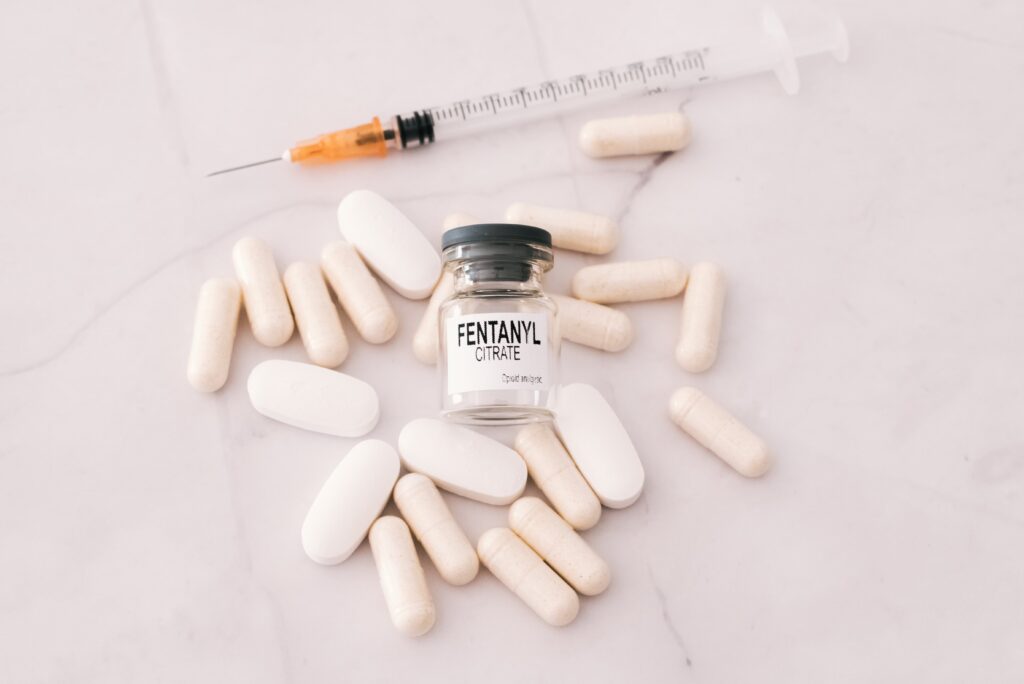
Fentanyl overdose is a significant and pressing public health concern right now because of the potency of the drug and its widespread availability. Preventing overdose requires a multifaceted approach, including education, harm reduction strategies, and access to medical interventions. When we talk about preventing fentanyl overdoses, it can be in the context of the individual level. For example, maybe you have a loved one you’re concerned about. It can also be more geared toward the community context. Why Is the Risk of Fentanyl Overdose So High? Fentanyl is a synthetic opioid and is significantly more potent than others, like heroin and morphine. What it does share in common with other opioids is how it affects the brain—through binding with opioid receptors. When the drug binds to those receptors, fentanyl changes how you perceive pain and induces euphoric feelings. The potency of fentanyl significantly increases the risk of overdose, however. Even tiny amounts can lead to an overdose. When a person takes fentanyl, and it binds to their brain’s opioid receptors, it activates the reward system in the brain. That’s what contributes to those pleasurable feelings associated with fentanyl and other opioids, as well as relaxation. It also depresses the central nervous system, slowing breathing and heart rate. If you take high doses or combine opioids with other things that suppress the central nervous system, like alcohol, the risk of overdose is even greater. Fentanyl has taken a center-stage role in the opioid epidemic. While initially developed as a pain reliever in strictly controlled medical settings, illicitly manufactured fentanyl has since flooded the illegal drug market. It’s often mixed into heroin or pressed into counterfeit pills as drug traffickers like the potency and low production costs of fentanyl. Frequently, people do not know they’re taking it. Unfortunately, not knowing you’re taking something containing fentanyl increases the risk of overdose. Fentanyl has become increasingly available, and as such, it’s contributed to a recent surge in deaths related to opioid overdoses. How Much Stronger Is Fentanyl Than Other Opioids? Estimates put fentanyl’s potency at anywhere from 50 to 100 times more than morphine and around 50 times stronger than heroin. As a result, even small amounts have profound effects, including intense euphoria, but also a very narrow margin between a therapeutic dose and a lethal dose. A dose of fentanyl that’s equal in weight to a few grains of salt can be deadly. When fentanyl is mixed with other drugs or substances, it makes it even more lethal. Even handling fentanyl in medical settings requires care, but illicitly made fentanyl is more dangerous because of the unregulated production and the variation in potency between batches. A user can’t gauge how strong the fentanyl they’re consuming, increasing the accidental overdose risk. Fentanyl slows breathing, and during an overdose, the effect becomes severe, leading to shallow, labored breathing and sometimes a complete stop. Preventing Fentanyl Overdose at An Individual Level Whether you have concerns about fentanyl for yourself or a loved one, the best thing to do to avoid an overdose is not to use substances. People are increasingly buying drugs on the street they think are something else, like Xanax, for example, and they’re tainted with fentanyl. Outside of avoiding unregulated and illegally sold substances, other ways to prevent fentanyl overdoses at an individual level include: When people have timely access to treatment, it reduces their overdose risk and also helps to promote long-term recovery. Preventing Overdoses at the Community Level In communities and organizations, overdose prevention strategies might include: Through implementing overdose prevention strategies at an individual and community level, it’s possible to reduce the harms linked to the use of this potent opioid and save lives. Using Naloxone A vital tool in the fight against the opioid epidemic, naloxone (Narcan) is an opioid antagonist medicine that works to displace fentanyl and other opioids by binding to the same receptor sites. Naloxone blocks opioids’ effects, rapidly reversing overdose symptoms, including unconsciousness and respiratory depression. Naloxone distribution programs are becoming increasingly available, and they often distribute naloxone kits so that people at risk of overdose and their friends, families and caregivers can have it on hand if needed. Fentanyl Test Strips Fentanyl test strips are used to detect the presence of fentanyl in substances like cocaine, heroin or counterfeit pills. They’re a fast, inexpensive way to assess drug safety before using them. The test strips don’t tell the user how much fentanyl could be present or anything about its potency. Instead, they just let the person know if it’s detected or not. Fentanyl test strips are available through harm reduction programs, online retailers and community organizations. Some locations have started pilot programs to distribute the strips to people who are at risk of overdose. What Else Can You Do? While strategies like distributing naloxone and fentanyl test strips mitigate the overdose risk, there’s no foolproof method to prevent overdose except drug abstinence. Fentanyl is unpredictable and potent, and that means any substance use is inherently risky. Getting professional help for an opioid or other addiction is key. Your best chance for personal recovery or to help someone you love is a program with comprehensive treatment and support services, including medication-assisted treatment and counseling. Contact our recovery experts to learn more or take the first step. Frequently Asked Questions Why is Fentanyl overdose risk so high compared to other opioids?Fentanyl is 50–100 times more potent than morphine (and far stronger than heroin), so even very small amounts can depress the central nervous system — slowing or stopping breathing — which drastically narrows the margin between a “dose” and a lethal amount. What are fentanyl test strips and how do they help prevent overdoses?Fentanyl test strips are inexpensive, simple strips that detect whether fentanyl is present in a sample of drugs — such as pills, heroin, or cocaine — helping users make informed decisions by showing if fentanyl contamination exists. While they don’t reveal the potency or exact amount, knowing fentanyl is present can prevent
The Facts About Fentanyl Test Strips
Fentanyl has played a devastating role in the opioid epidemic in the United States. If you’ve been impacted by fentanyl, directly or indirectly, you may know how potent it is. There are families across the country who are losing loved ones every day because of fentanyl; in many cases, they didn’t know they were using it. Fentanyl test strips have become one potential harm reduction method, but the only way to avoid an overdose with complete certainty is to abstain from drugs. There is a role for fentanyl test strips in harm reduction, but with that, there should be efforts aimed at helping more people get treatment for substance abuse and addiction. Why Is Fentanyl So Deadly? Every day, there are headlines focused on fentanyl and its effects, so why is it so much more impactful than other opioids at the moment? While fentanyl works like other opioids, including heroin and prescription painkillers, it’s much stronger. It’s as much as 100 times stronger than morphine, so even tiny doses can end up being lethal. If you’re unaware that you’re even consuming fentanyl, you’re at an exceptionally high risk of overdosing. Fentanyl is frequently added to other substances, like cocaine, heroin, and counterfeit pills, without the knowledge of the user. Adding fentanyl to other drugs is becoming increasingly common in the illegal drug market because it can mimic the effects of other opioids or make medicines stronger. Fentanyl is sometimes pressed into counterfeit pills that look like prescription drugs, including Xanax or oxycodone. The pills are then sold on the illegal market and can contain a variable amount of fentanyl. There are also situations where fentanyl is mixed with other drugs while they’re being manufactured. The residue can contaminate surfaces where other drugs are handled, leading to unintentional exposure. The uptick in fentanyl-related overdoses in recent years has gone up in part because it’s highly potent and also because it’s increasingly available. Compared to other opioids, it’s cheaper to produce fentanyl as well. Drug markets, given their illegal nature, make it incredibly hard to determine what’s in substances being consumed. What Are Fentanyl Test Strips? Fentanyl test strips are a tool to detect whether fentanyl is present in counterfeit pills, cocaine, heroin, or other drugs sold illegally. The test strips are meant to be a simple, fast way to determine if a drug sample has fentanyl in it. The goal is to help detect even small amounts of fentanyl for more informed decision-making about drug use, potentially preventing an accidental overdose. How Do Fentanyl Test Strips Work? Fentanyl test strips work in a way similar to home pregnancy tests and some other rapid diagnostic tests. They’re based on the concept of an immunoassay. So, what does that mean? First, if someone’s going to use a fentanyl test strip, they take a small amount of the substance. Then, it’s mixed with a buffer solution, which prepares the sample to be tested. The sample is then applied to the fentanyl test strip. The test strip has antibodies that bind to fentanyl molecules. If the drug sample has fentanyl, it will bind to the test strip. After the binding step, a test strip is washed, which removes substances that aren’t bound. The fentanyl molecules, if they’re present, stay attached when the strip is washed. The test strip then has a reactive indicator, usually made of colloidal gold particles. The fentanyl molecules captured by the primary antibodies on the test strip attach to secondary antibodies, creating a visible signal, usually a line. If the line or signal appears on a test strip, fentanyl is present. The intensity of the line corresponds with the concentration of fentanyl in the sample. Are Fentanyl Test Strips Accurate? While fentanyl test strips are considered reliable tools, as is valid with any diagnostic test, the accuracy can be influenced by several factors. For example, a fentanyl test strip has a detection threshold, and below that, fentanyl’s presence might not be reliably detected. The strips’ sensitivity can vary depending on the quality of the testing procedure and how concentrated fentanyl is in the sample. Properly preparing a sample is essential to get an accurate result, so using it improperly or not mixing it correctly can lead to false negatives or false positives. Another factor affecting accuracy is the interpretation of the results. Users should be trained to interpret test strips and their results, reducing the risk of errors. While fentanyl test strips can be essential harm-reduction tools, they’re not infallible. The Benefits of Fentanyl Test Strips Some benefits come with these test strips, including preventing accidental overdoses. They can save lives and help empower people to make informed decisions surrounding drug use. The strips encourage safer drug use practices, which is the goal of harm reduction strategies. Other harm reduction practices include encouraging substance use only when with different people and having naloxone on hand. Naloxone is a medicine that reverses opioid overdoses. They’re relatively inexpensive and easily accessible, encouraging people within the community to be proactive in addressing the opioid overdose crisis. Test strips are available in various places, including pharmacies and online retailers. Many community-based harm reduction organizations and health centers distribute them to prevent drug overdoses, and specific public health initiatives and community health programs also make them available. Final Thoughts The prevalence of fentanyl contamination in illegal drugs is an ongoing public health challenge that’s reached a crisis point. Fentanyl test strips are one part of a more extensive harm reduction approach, but it’s still essential that we all recognize the importance of comprehensive approaches to substance use disorders. This includes access to evidence-based treatment and support services. If you or someone you know is struggling with addiction, treatment is essential. At San Diego Detox, we offer compassionate, effective detoxification and treatment services to help individuals begin their recovery. Contact us today. Frequently Asked Questions (FAQs) Q: What are fentanyl test strips?A: Fentanyl test strips are small paper strips designed to detect whether a sample of
Alcohol Recovery vs. Drug Recovery: Understanding the Differences and What to Expect
When comparing alcohol recovery and drug recovery, both are highly individual processes. No two people’s recovery experiences are going to be the same, regardless of whether they’re affected by alcohol or drug addiction. With that being said, some differences can happen during the earliest stages of recovery when comparing alcohol addiction to drug dependence. Both types of recovery share common objectives, including attaining sobriety, rebuilding lives, and fostering a sense of lasting wellness, but the routes may differ. What Is Addiction Recovery? Addiction recovery is a process where you work to overcome dependence on drugs or alcohol to achieve sustained sobriety. While staying substance-free is a considerable part of recovery, it’s also about living a fulfilling life. Recovery should include a holistic approach to addressing the physical, psychological, and social elements of addiction. Substance recovery includes a set of strategies, therapies, and support systems tailored to your individual needs and situation. Some of the most critical parts of addiction recovery include: Detoxification or detox is the first phase of recovery, where your body is clearing substances from your system, and you’re going through withdrawal. To manage withdrawal symptoms safely, you may need medically supervised detox. Most people require participation in a treatment program that’s designed to address their specific substance abuse and co-occurring disorders. These treatment options can include an inpatient or outpatient rehab program, therapy on an individual or group basis, medication-assisted treatment, and holistic therapies. Behavioral therapies are central to recovery and aim to help you identify and change your unhealthy beliefs, thoughts, and behaviors as they relate to substance abuse. Many evidence-based therapies can be helpful in addiction treatment, such as cognitive-behavioral therapy, contingency management, dialectical behavior therapy, and motivational interviewing. Peer support groups provide an environment where people in recovery can receive and give encouragement, share experiences, and learn from others. These support groups include 12-step programs like Alcoholics Anonymous and Narcotics Anonymous, as well as alternatives like SMART Recovery. Relapse is a risk shared in alcohol and drug recovery, but you can lower your risk by identifying triggers, building coping skills, and creating a relapse prevention plan. Substance recovery is a journey you’ll be on for your entire life, requiring continual support and commitment. Once you complete a formal treatment program, you may benefit from aftercare services to ensure you continue to thrive in recovery. When you’re in recovery, whether from drugs or alcohol, it’s a process that helps you not only break free from addiction but rebuild your life and a sense of fulfillment and purpose, no matter the specific substance you’re addicted to. You can achieve a lasting recovery if you have the right support and resources. Alcohol Recovery vs. Drug Recovery Alcohol recovery and drug recovery share a lot of similarities. Still, there are also a few notable differences in the two processes that stem from alcohol’s unique characteristics, the different types of drugs, and the distinct challenges they present. Alcohol Recovery Some of the critical features of alcohol recovery that can set it apart from drug recovery include: Alcohol is legal and perceived as socially acceptable. That can make alcohol recovery challenging because it’s a pervasive presence in so many social settings, and there are a lot of cultural norms that encompass drinking. Alcohol withdrawal can be intense and life-threatening for some people. Many people who are dependent on alcohol do need medical supervision as they detox to deal with symptoms like tremors, seizures, hallucinations, and delirium tremens (DTs). Recovery from alcohol emphasizes behavioral therapies and support groups like AA. Counseling and therapy might focus on treating underlying mental and emotional issues and building coping skills and strategies for relapse prevention. Relapse triggers in alcohol recovery include stress, social pressure, and exposure to alcohol-related cues. Lifestyle changes in alcohol recovery can include avoiding environments where there’s alcohol use, establishing a support network, and ensuring you have a set of healthy coping strategies you can rely on. Drug Recovery Critical features of drug recovery that can make it distinct from being in recovery from alcohol addiction include: Drug recovery includes a range of substances, and each will have its effects, symptoms of withdrawal, and treatment considerations. Drugs include opioids, benzodiazepines, stimulants, and illicit substances like heroin and cocaine. Withdrawal symptoms vary depending on the particular substance but are usually flu-like symptoms, cravings, anxiety, and depression. It’s rare for drug withdrawal to be life-threatening, but it’s possible, especially with benzodiazepines. For some drugs, a medical detox may be necessary. Recovering from drugs usually includes a combination of medications, behavioral therapies, and holistic approaches. These are tailored to the specific drug of abuse and your individual needs. For example, medication-assisted treatment is frequently used for opioid addiction. Relapse patterns when you’re in drug recovery are influenced by factors like the addictive nature of the drug, environmental cues, and co-occurring mental disorders. Relapse prevention strategies include medication management, ongoing therapy, and support groups. If you’re in recovery from drugs, you might have to navigate environments where there’s prevalent or normalized drug use. So, what about the similarities between alcohol and drug recovery? Some have been discussed, but there are many commonalities, including: To achieve alcohol or drug recovery, participation in an individualized treatment plan is almost always needed. The underlying emotional, social, and psychological factors that contributed to addiction in the first place need to be addressed through therapy and counseling. Support from friends, family, peers, and professionals can be crucial in recovery. Recovery usually requires significant lifestyle changes, such as building healthier habits, prioritizing self-care, and finding other coping mechanisms. Recovery requires ongoing commitment and long-term management strategies. Navigating the complexities of addiction recovery, whether from drugs or alcohol, is a challenge. There are commonalities and differences, but the recovery path isn’t one you take alone. It requires compassionate professionals to guide you, peer support, and participation from loved ones. If you’re struggling with addiction, whether to drugs, alcohol, or both, you aren’t alone, and San Diego Detox is ready to provide the
Navigating Pain Management in Opioid Addiction Recovery

Opioid medications bind to receptors in the central nervous system. The activation of the receptors hinders the release of certain neurotransmitters that play a role in transmitting pain signals in the brain and spine. By reducing the release of these neurotransmitters, opioids can dampen the perception of pain. For people with chronic pain or even acute pain, there can be tangible benefits that come with the use of prescription opioids. Unfortunately, there are risks as well. Many people are now addicted to opioids because they need them for pain relief. Many individuals began using stronger, illegal opioids like heroin or fentanyl following a legitimate opioid prescription. Fortunately, there are several ways to effectively manage pain without opioids. The Risks and Side Effects of Opioids While opioids affect pain signals and how pain is perceived, they also affect other neurotransmitter processes, like the release of dopamine. Dopamine is part of the reward effect that comes with opioids and can trigger addiction. There can be a euphoric effect or a sense of deep relaxation that comes with the use of opioids. The brain is wired to compulsively seek out things that bring pleasure, so with the use of opioids, even by prescription, this response can lead to addiction. Once someone’s addicted to opioids their use isn’t in their control. There’s also the issue of physical dependence, which can occur even without addiction. Ongoing opioid use can lead to tolerance, meaning larger doses are needed because the body has adapted to the presence of the substance. Then, there’s physical dependence, where withdrawal symptoms can occur if an individual attempts to reduce or stop their use of opioids. Opioids can cause not only addiction and dependence but also severe respiratory depression. They slow down the entire central nervous system’s function, which can be life-threatening. Overdoses last year topped more than 100,000, and this almost always due to opioids like fentanyl. Opioid Addiction and Chronic Pain There are complicated interactions between opioids and chronic pain. People with chronic pain are at a greater risk of addiction than the general public for several reasons, some of which include: In the past, there was also a tendency to overprescribe opioids. Now, because of increased awareness of the risks and efforts to reduce the prescription of these powerful medicines, this is less of a risk than it was just a decade ago. Managing Pain When You’re In Recovery If you struggled with opioid addiction and dependence and you’re in recovery, there are some excellent, evidence-based ways to manage pain. Working with addiction professionals and your medical team can help ensure you’re getting a balance between your need for pain relief and the risk of relapse. Some of the pain management strategies that are effective when you’re in recovery include: The effectiveness of the above strategies varies based on the person and their situation, and there are many options outside of these to manage pain in recovery. Finding what works for you may take some time and will usually involve multiple approaches. Still, with the right help and guidance, it’s possible to create a plan for pain management that doesn’t include the use of opioids or other addictive substances. If you’re struggling with opioid addiction and dependence currently and would like to learn more about treatment and recovery, please reach out to San Diego Detox today. Frequently Asked Questions How do you manage pain without opioids in recovery?You can manage pain without opioids in recovery through approaches like physical therapy, low-impact exercise, cognitive behavioral therapy, mindfulness, acupuncture, biofeedback, and hot and cold therapy. Most people get the best relief by combining several strategies rather than relying on one. Working with both your medical team and addiction professionals helps you balance pain relief with protecting your recovery. Should you tell your doctor you’re in recovery from opioid addiction?Yes, you should tell your doctor, dentist, and any surgeon that you’re in recovery from opioid addiction so they can plan pain treatment that protects your sobriety. Being open allows them to prioritize non-opioid options and avoid prescribing medications that could trigger a relapse. It’s also important to share if you’re taking medication-assisted treatment, since it affects how pain should be managed. Why are people with chronic pain at higher risk for opioid addiction?People with chronic pain are at higher risk for opioid addiction because long-term opioid use leads to tolerance, meaning higher doses are needed over time for the same relief. Opioids can also become a way to self-medicate the stress, anxiety, and depression that often come with ongoing pain. And because opioids don’t treat the underlying cause of chronic pain, they can create a cycle of dependence. How does cognitive behavioral therapy help with chronic pain?Cognitive behavioral therapy (CBT) helps with chronic pain by changing the negative thought patterns and behaviors that can make pain feel worse and harder to cope with. It addresses the emotional and psychological side of pain, like stress, fear, and hopelessness. For people in recovery, CBT also builds coping skills that reduce the risk of turning to opioids.
What is MAT Treatment for Addiction? Everything You Should Know
What Is Medication-Assisted Treatment? There are several common addiction treatment and management options employed to help with recovery for patients. One of these treatment options that have proven effective for addiction therapy is medication-assisted treatment (MAT). MAT is a treatment method that employs medications alongside psychological therapy, such as behavioral and counseling therapies, to deliver an approach considered “whole-patient” for substance use disorders. MAT is mainly used for the treatment of addiction to substances known to contain New Windowopiates; examples of such opioids are heroin and prescribed pain relief. MAT helps block the euphoric effects of opioids and alcohol intake, thereby relieving physiological cravings and ensuring the body returns to its normal function without any effect of the used substance. It can help patients sustain recovery and prevent overdose. It also helps to reduce relapse events by treating issues that can cause self-medicating. MAT treatment plans are clinically designed to effectively meet each patient’s need; that is, MAT provides patients with a special design program of medication to suit their personal needs combined with psychological therapy. All the medication that is used for treatment in MAT are all approved by the Food and Drug Administration (FDA).1 Medication-Assisted Treatment Misconceptions Medication-Assisted Treatment Statistics Several statistics support MAT in managing addiction and substance abuse disorders. For example, studies have shown that MAT has not only been an effective addiction treatment choice, but it has also been used to curtail the spread of infectious diseases such as Hepatitis A, B, and C, HIV, and related diseases. MAT is also an effective treatment for preventing overdose occurrence as well as reducing the risk of relapse. In addition, a study carried out in Vermont showed that close to 1.5% of people currently residing in the state are on medication-assisted treatment, meaning it has helped many people overcome differing issues.2 Is Medication-Assisted Treatment Effective? MAT is an addiction treatment option that aims for a patient’s full recovery. They have been clinically proven in multiple settings to be effective in treating addictions to opioid cases. Overall, medication assisted treatment is effective for the following reasons: MAT has been shown to be effective in improving the survival of addiction patients during withdrawal therapy. It helps with the increased retention in treatment. It is effective in decreasing dependence on and use of illicit drugs, especially opioid-containing substances. MAT is also an effective treatment used to safely treat pregnant women with substance use disorder. A Deeper Look at Medication-Assisted Treatment for Opioid Use Alcohol Use Disorder Alcohol use disorder is a chronic addiction characterized by uncontrollable alcohol drinking and abuse. A person with alcohol use disorder has, in essence, developed an emotional and physical dependence on alcohol despite any accompanying health or financial issues. MAT helps in the treatment of alcohol use disorder by assisting in decreasing cravings for alcohol. The treatment may also cause unpleasant side effects that manifests when alcohol is consumed again. This decreases the urge or desire to drink. Stimulant Addiction Stimulant use disorders are the excessive consumption of a psychoactive drug. It can also be referred to as the non-medical use of a stimulant drug. This drug abuse usually results in emotional harm and physical and social injury. MAT treatment for stimulant addiction involves prescribing certain medications that aid in reducing cravings and withdrawal symptoms, causing a drastic decrease in addictive behavior and improving the mood of patients.4 How Does MAT Work? Medication-assisted treatment can be carried out in two different ways: In the first method, the doctor can give the patient undergoing addiction treatment an opiate that acts on similar receptors in the brain but does so via a different process. This “process difference” usually means that the opiate prescribed takes a longer period to be absorbed into the blood and distributed to the brain cells. This staves the urge and symptoms of withdrawal by severing the link between drug intake and the sudden high feeling.3 In the second method, doctors can also opt to prescribe an opioid antagonist instead of an opiate. In this case, the opioid antagonist will attach itself to the same receptors on the brain cell that opioids attach to, thereby preventing any opiate intake from actually having any effect, as they will be unable to bind with the now-occupied brain cell receptors. As a result, the patient will not experience any high feelings. However, if a patient stops using the opioid antagonist and continues to take opioid-containing substances during a relapse, the consequences can be fatal. Patient opioid tolerance levels decrease significantly after successfully completing the opioid antagonist treatment leading to sobriety.3 What Does Medication-Assisted Treatment Work For? MAT works and has proven to be successful for several cases of substance abuse and addictions. The following are some of the conditions that MAT can be used for. Opioid Use Disorder Opioid use disorder is the inability of a person to control the intake of an opiate substance. This usually occurs as a result of dependency from continuous opioid abuse. The “culprit” opioid is usually obtained from illegal substances, although opioid-containing pain relief meds have also been known to cause dependence. When there is prolonged, repeated exposure to these substances, the body eventually develops dependence, and it becomes unable to function properly without them, thereby causing withdrawal symptoms. MAT is effective for treating opioid use disorder thanks to its receptor-blocking effects. This means that MAT inhibits the effects opioids have on the body. New WindowMedication-assisted treatment for opioid addiction also helps to get rid of the withdrawal symptoms and cravings that might follow opioid withdrawal. Approved Medication for Opioid Addiction There have been several different drugs used in MAT over the years. Current MAT treatment options, like methadone and suboxone medication, along with other related medications, have proven to be quite effective in the treatment and management of substance use disorder. Medications that are currently employed for effective opioid addiction treatment include methadone, buprenorphine, and naltrexone. All these medications are approved by the FDA. Methadone This medication is used
Is Oxycontin Similar to Heroin
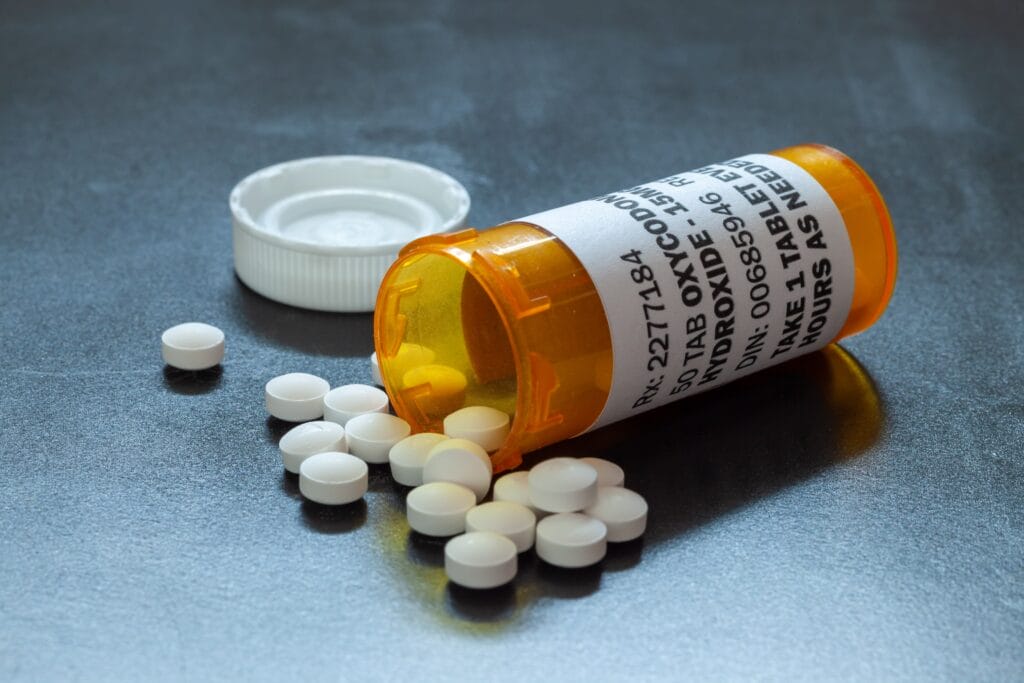
What is Heroin? Heroin is a psychoactive, addictive drug. It is an illegal or “street” drug, and it can be found in the form of a white or tan powder, or a black, sticky substance called “black tar” heroin. Most people who use heroin began after using other substances, like prescription painkillers. Heroin is part of a class of drugs known as opioids. Opioid overdoses have been on the rise in the last decade, and this increase can be attributed to the misuse of prescription painkillers like Vicodin and Oxycontin. Is Oxycontin Similar to Heroin? Oxycontin is similar to heroin in that it is an opioid that produces a euphoric high when used, but different in that it is a prescription drug that is legal when prescribed. However, many people use the drug illegally. Below, we’ll discuss more about Oxycontin, including Oxycontin side effects, Oxycontin vs. oxycodone, and how to spot Oxycontin addiction. Oxycontin vs. Oxycodone: Is Oxycodone the Same as Oxycontin? When thinking about Oxycontin vs. oxycodone, some may wonder the difference. Oxycontin and oxycodone are the same drug; Oxycontin is just the name brand for oxycodone. Oxycodone can be marketed alone or as Oxycontin 10 Mg up to 120 mg prolonged-release tablets. Some may have misconceptions concerning Oxycontin vs. oxycodone and believe the substances are different drugs, but essentially, they are just different names for the same substance. Behavioral Signs and Symptoms of Oxycontin Addiction People who use Oxycontin will typically experience immediate effects, including feelings of relaxation, euphoria, pain reduction, anxiety, and increased sedation. People misuse Oxycontin because of the euphoric high that can be achieved from the drug. However, someone using or misusing the substance may also exhibit the following Oxycontin side effects: Dry mouth Dilated pupils Sweating Weakness Poor hygiene or grooming Depression Constipation Extreme fatigue Dizziness Loss of appetite Several severe side effects can occur when using the drug, including low blood pressure, lightheadedness, slowed breathing, and cardiovascular issues—including heart attacks. In severe cases, death or coma can occur. Long-Term Issues with the Use of Oxycontin There are several issues associated with the use of Oxycontin, including long-term consequences. If someone uses the medication for more than a short amount of time, they may: Develop severe tolerance to the drug, where they need larger and larger amounts to feel its effects Develop opiate use disorder, which has the potential to take over your life to the point where your daily activities revolve around the drug Face liver and kidney failure, in some rare cases Experiences changes in the brain that can lead to issues with memory, attention, and problem-solving abilities In addition to these health effects, Oxycontin use can also create tension in relationships, problems in your career, and drag you down a negative life trajectory. Without addressing a substance use disorder, you put yourself at the risk of severe dependence and drug overdose in the worst-case scenario. Oxycontin Lawsuits Regardless of side effects, any drug must be determined by the FDA to be safe to use. Companies that produce the drug are supposed to warn consumers of potential risks, but this doesn’t always happen. Oxycontin lawsuits have unfortunately become common due to the increasing number of Oxycontin deaths and addictions. Purdue Pharma, the company that manufactures Oxycontin, did not warn patients or doctors about Oxycontin’s high potential for addiction. This lack of transparency is one of the leading allegations driving lawsuits against Purdue Pharma. Ultimately, these Oxycontin lawsuits may make the drug less accessible and increase awareness of the drug, ideally leading to fewer Oxycontin deaths. Warning Signs of Oxycontin Abuse It’s not always easy to spot the signs of opioid addiction, especially for people who are taking prescribed medication. Below are some common signs of Oxycontin abuse to look out for. Increase in Dosage or Frequency of Use It’s common for people to be prescribed low doses of painkillers, like Oxycontin 10 mg, unless they have incredibly severe injuries. However, if someone tries to increase their Oxycontin 10 mg dose to a higher amount or tries to dose up often, this may indicate Oxycontin abuse. Ongoing Use Painkillers are typically prescribed to treat acute pain and due to their addictive nature, are not intended to be used long-term. Someone using Oxycontin for longer than expected or longer than their doctor intended can indicate substance misuse. Neglect of Responsibilities Like other addictions, shunning usual responsibilities and daily tasks can indicate a substance use disorder, especially if this neglect of duties is new, sudden, or uncharacteristic. This can include missing appointments, neglecting personal hygiene, and missing work or school. Time Spent Seeking Out the Drug If you find yourself or someone else spending a lot of time and energy trying to get more Oxycontin—or even if you notice yourself or someone else thinking or talking about the drug often—this can point to Oxycontin addiction and abuse. Isolation Sometimes, people who become addicted to substances deal with feelings of shame that cause them to want to isolate themselves from others. Additionally, someone addicted to Oxycontin may become isolated from loved ones because the desire to acquire and use the drug has taken over their life. Treatment at San Diego Detox If you or someone you know is suffering from substance use disorder or Oxycontin addiction, there are many opportunities available for you to move forward and get better. You do not have to resign yourself to a life of addiction. At San Diego Detox, compassionate and caring professionals guide you through recovery with a full range of services. These services include detox, medication-assisted treatment, and inpatient rehab. You can heal on your own time while also rediscovering joy in your daily life, enjoying the facility’s onsite movie theater, swimming pool, and other luxury amenities. Reach Out Today If you or your loved one are looking for a family-oriented, close-knit organization with an experienced team to meet your unique needs, San Diego Detox may be the right fit for you. You deserve to recover and
How to Stop Heroin Addiction

What Is Heroin? The opioid epidemic has been an ongoing problem for nearly three decades now, with deaths caused by opioid-related overdoses rising to almost 400% from 2010 to 2017. While prescription opioids , like oxycodone and fentanyl, play a significant role in the opioid crisis, heroin use is another contributor that has been steadily rising since 2007. Heroin is an opioid narcotic drug made from a natural chemical called morphine, derived from the seed pods of opium poppy plants grown in Southeast and Southwest Asia, Mexico, and Colombia. Heroin is a highly addictive drug, often taking just one to two uses to get addicted. How Heroin Is Used Heroin can be smoked, injected, snorted, or sniffed. Injecting the drug into the veins is the most common way heroin is used, followed by smoking and snorting. Regardless of how heroin is consumed, it reaches the brain at a rapid pace, providing an immediate sense of euphoria and sedation. Physical Signs and Symptoms of Heroin Addiction Although people addicted to heroin exhibit a variety of signs and symptoms, not every person will respond to the drug the same way. The signs and symptoms of heroin usage vary based on genetic makeup, the duration of the misuse, and the quantity of heroin consumed. Heroin has the same depressive effects on the central nervous system as other opioids—it suppresses the central nervous system, fogging the mind and slowing down or ceasing regular body function. The following are some of the most typical physical signs of heroin abuse: Slow or Irregular Breathing Heroin decreases brain function, causing vital organs to slow or shut down completely. One of the most common symptoms of heroin addiction is impaired breathing, followed by an erratic heartbeat and a decline in blood pressure and body temperature. Itchy or Flushed Skin Opioids can cause itching by eliciting an immune system reaction that alters the receptor proteins on the surface of mast cells. Mast cells are a type of white blood cell located in connective tissue, specifically in the skin and nerves. Nausea and Vomiting Vomiting and nausea are two linked adverse effects of opiate use. A standard definition of nausea is an unpleasant feeling in the stomach and other body parts connected to a tendency to vomit. Constipation and Stomach Pains The gastrointestinal (GI) tract’s peristalsis and stomach emptying are inhibited by opioids, which causes delayed medicine absorption and increased fluid absorption. Constipation and hardness of the stool are caused by a lack of fluid in the colon. Falling Asleep Without Warning Heroin use disorders are no exception to disturbed sleep. There may be a complicated and reciprocal relationship between the two: substance use leads to sleep issues, but insomnia and insufficient sleep may also be risk factors for drug use and addiction. Constricted or Small Pupils When heroin binds to opioid receptors in the brain, it affects the autonomic nervous system’s parasympathetic processes. As a result, the pupils constrict, a condition known as miosis. Slurred or Incoherent Speech Because heroin affects brain function, slurred speech and difficulty articulating words can occur while under the influence. Signs of Heroin Overdose The signs of heroin overdose include both physical and mental symptoms. These will be detailed below. Irregular, Slow, or Not Breathing When the body is introduced to a large dose of heroin, the respiratory system can slow down or even stop functioning. Lack of Consciousness Heroin use impairs cognitive processes, including those that keep us awake and attentive. In addition, an overdose of heroin can have more severe effects on the heart and lungs and may deprive the brain of oxygen, a condition known as brain hypoxia. The loss of consciousness is accelerated by a lack of oxygen to the brain. Body Is Limp and Unresponsive As a central nervous system depressant, heroin has sedative effects; however, when too much of the drug is consumed, the body can go limp and unresponsive. Moreover, a person can go into a coma or experience brain damage due to a lack of oxygen in the brain from slowed breathing. Slow, Erratic, or No Pulse An irregular heartbeat is referred to as heart arrhythmia. When improperly coordinated electrical signals control how often the heartbeat, heart rhythm issues (heart arrhythmias) result. The heart beats excessively quickly (tachycardia), too slowly (bradycardia), or irregularly as a result of poor signaling. Face Is Pale and/or Clammy This indicates a drug overdose if the person’s complexion seems paler than usual and their skin is sweaty or clammy. Pupils Are Constricted Legal or illegal narcotic substances, such as fentanyl, hydrocodone, heroin, and morphine, can narrow the pupils. Additionally, an overdose of these medicines might cause pinpoint pupils, which occur when the eyes do not react to changes in light. Psychological and Behavioral Signs of Heroin Addiction Heroin use can exhibit psychological and behavioral symptoms, ranging from mild to severe. Long-term use of heroin can alter the physiological makeup of the brain, causing long-lasting abnormalities in the neuronal and hormonal systems that can be difficult to reverse. These will be further detailed below. Depression Heroin rewires the reward system in the brain, causing it to rely on the drug to produce feel-good hormones like serotonin, dopamine, and norepinephrine. Thus, the brain no longer produces regular levels of chemicals responsible for happiness, positive thoughts, and motivation, leading to depression. One study found that people who use opioids for at least thirty days are 25% more likely to develop treatment-resistant depression compared to those who use opioids for less than thirty days. Anxiety During withdrawal from heroin, it’s normal for someone to have bouts of extreme anxiety. Because of how severe this adverse effect is, people may become stuck in a harmful cycle of addiction due to the anxiety brought on by heroin withdrawal. Irritability Heroin slows down brain activity and causes sensations of relaxation and drowsiness since it is a central nervous system depressant. People who use heroin may have difficulties focusing and experience higher levels of irritability. Mood Swings Early