
How Often Are NA Meetings?

The program literature for NA emphasizes that each member should commit to attending one meeting each week. NA meetings are held almost daily. The number of times a person attends NA meetings determines how far they have progressed in their recovery journey. One meeting each week is typically sufficient for someone in long-term recovery to stay involved in their recovery. If they think their lives are out of control, they can always choose to go to more meetings. People unfamiliar with the 12-Step program should attend as many weekly meetings as possible. What Are NA Meetings? One of the key components of the Narcotics Anonymous recovery program is the meetings. At these sessions, NA members routinely gather to discuss their issues and share experiences with others going through similar issues. NA meetings also provide recovering individuals the chance to give and receive support and inspiration from their peers. What is Narcotics Anonymous (NA)? Narcotics Anonymous (NA) is a non-profit fellowship or community of men and women struggling with substance use addiction. In 1953, Narcotics Anonymous was established in Los Angeles. The second-largest 12-step organization, Narcotics Anonymous, was created for people with various substance use disorders. In a Narcotics Anonymous meeting, addicted individuals get together regularly to work on their recovery from substance use addiction. A Narcotics Anonymous meeting typically lasts 60 to 90 minutes. The objective of NA is to establish a secure setting where drug users can interact and aid one another in their recovery. There are different types of NA meetings. The Most Common Types of NA Meetings Common types of Narcotics Anonymous meetings include: Closed NA Meetings A Narcotics Anonymous closed meeting is for people who identify as addicts or are unsure if they have a drug issue. A closed Narcotics Anonymous meeting offers the privacy required for participants to share more intimately and personally. It achieves this by creating an environment where addicts feel more confident that those there can relate to them and share their experiences and hope. Open NA Meetings An open NA meeting is a meeting that anybody interested in how NA has achieved recovery from the disease of addiction is welcome to attend. However, only NA members are permitted to participate verbally. People from outside the fellowship are welcome to witness what Narcotics Anonymous is and how it operates at an open meeting. Virtual NA Meetings The Narcotics Anonymous online forums are where the online meetings take place. There are no rigid criteria for the NA virtual meetings. An online NA meeting might be hosted by a counselor or a former rehab patient. Most conversations in online NA forums take place over video calls, while some also happen over text or voice messaging. NA virtual meetings can also be open or closed sessions. The closed virtual sessions are only for certain people the moderator invites, whereas the open meetings are available to anyone with a substance use disorder. Discussion Meetings Discussion meetings, also known as Issue Discussion Topics, are topics on which recovering addicts in NA groups across the world focus on. NA communities discuss these issues in conversations and workshops for each two-year conference cycle. These discussions compel people to reflect more thoroughly on relevant issues and promote harmony within the NA social networks and professional organizations. Speaker Meetings In speaker sessions, one or two individuals provide a longer, more in-depth presentation of their narrative. The meeting can then be opened for participation by others. The NA Speaker sessions feature a guest speaker who leads conversations on issues about substance use disorders. Big Book Study Narcotics Anonymous (NA) also supplies its members with written materials such as pamphlets, booklets, and readings to further convey its objective. The White book is one of NA’s most popular books. The white book serves as the Fellowship of Narcotics Anonymous’ introduction leaflet. Preparing for NA Meetings It’s important to set aside preconceived preconceptions as individuals prepare for their first NA meeting. It’s critical to keep in mind that members are recovering at varying rates. Some persons can appear disheveled on their first day, while others might not exhibit any apparent signs of addiction. Individuals attending are anonymous. Members take their responsibility to preserve one another’s privacy extremely seriously. Participants are not required to adhere to any faith or religion. Anything they summon to aid themselves in their recovery can be called “God” or the “Higher Power.” What to Expect at Your First NA Meeting Each person is anxious to go to their first 12-step group. However, people can relax knowing that everyone in the room has already been where they are. Due to the influence of the local members, NA meetings vary somewhat, although attendees can anticipate a few regular features. People will frequently hear the phrase “addict” at NA meetings. NA members identify themselves in this way. Those who use prescription drugs, heroin, cocaine, and a wide range of other mind-altering chemicals are considered addicts. What Are the 12 Steps of NA Meetings? The twelve-step program of Narcotics Anonymous, which includes regular attendance at group meetings, offers recovery from the symptoms of addiction. To stay sober, 12-Step Narcotics Anonymous members must complete the program’s steps and activities. Many people who are battling alcohol and drug addictions will visit and revisit different NA Steps over time, even though the 12 Steps of NA are designed to be examined in order. NA encourages recovery through a 12-step program with peer support to encourage drug and alcohol abstinence. The 12 Steps of Narcotics Anonymous are: Step 1 “We admitted that we were powerless over our addiction—that our lives had become unmanageable.” Step 2 “We came to believe that a power greater than ourselves could restore us to sanity.” Step 3 “We made a decision to turn our will and our lives over the care of God as we understood Him.” Step 4 “We made a searching and fearless moral inventory of ourselves.” Step 5 “We admitted to God, to ourselves, and to another human being the
What Is the Rate of Relapse for Substance Abuse?

Understanding Relapse While we hope for a total recovery for anyone with substance use disorders, the unfortunate fact is that many will experience relapse. Relapse means the return of a medical condition after successful treatment. When someone goes back to substance abuse after recovery and a period of abstinence, that’s substance abuse relapse. If you or any of your loved ones have received treatment for substance use disorder, then there is a 40 to 60% chance of experiencing relapse. This relapse rate percentage is high. That’s why we must understand the reasons behind relapse and what we can do to prevent it. Why Do People Relapse On Drugs? “Why do addicts relapse?” you may wonder. No addiction recovery treatment can take away one’s freedom to choose. For many individuals who have received treatment for substance use disorders, a battle continues to rage in their minds. This is because the substance never completely loses its appeal; there will always be an urge to relapse. Relapse Risk Factors Several factors and conditions may trigger substance abuse relapse. These include: Peer Pressure: When people around you abuse the substance you have received treatment for, maintaining abstinence becomes an uphill task. Gradually, your resistance to such substances may begin to taper. Stress: Life can get fast-paced and unpredictable. In these moments, you are likely to fall back to the substance. Stress could come from a challenging home, school, or work environment. Depression: Depression could also induce relapse. During these periods, you may feel a heightened need for the substance. Failure to Follow Recovery Routines: Several recovery routines aim to guide you through abstinence. For example, failure to continue a twelve-step program or attend addiction support group meetings could leave you vulnerable. Group meetings provide peer support to maintain abstinence. Withdrawing from these programs could lessen your sense of responsibility and lead to a relapse. How Common Are Relapses? Drug relapse statistics have revealed a worrying trend in alcohol and drug abuse relapse rates. 65% to 70% of persons who experience substance abuse relapse do so within the first ninety days after treatment. What Do Relapse Rates Indicate? While we may be alarmed by the drug and alcohol relapse rate, relapse isn’t an indication of failure. Relapse should be embraced as part of the recovery process. People who experience relapse are closer to achieving permanent abstinence, but only if they refuse to throw in the towel. What is the Rate of Relapse for Substance Abuse? Relapse rates after rehab or treatment vary for different substances. Also, abstinence periods are not the same for people who experience substance abuse relapse. What Percentage of Patients Will Relapse In The First Year? 85% of people who have received treatment for substance abuse disorders suffer a relapse after the first year. However, each type of abused substance does not contribute equally to relapse statistics. Relapse rates by drug type are as follows: Alcohol: The likelihood of relapse among persons who have received treatment for alcohol use disorder is between 50% to 90% Heroin: The likelihood of relapse among persons who have received treatment for heroin addiction is about 75%. Cocaine: The likelihood of relapse among persons who have received treatment for cocaine addiction is about 73.1%. Methamphetamine: The likelihood of relapse among persons who have received treatment for methamphetamine addiction is 91% How You Can Avoid Substance Abuse Relapse Avoiding substance abuse relapse is possible. The first step is not to underestimate the possibility of relapse. While it isn’t healthy to fill your mind with a relapse consciousness, it is also important that you do not let your guard down. Below are steps you should take to ensure substance abuse relapse prevention. Monitor Signs and Symptoms of Relapse Relapse can occur at any time after recovery. Therefore, it is important to arm oneself in advance. One way to fortify oneself against relapse is to monitor for the signs and symptoms of relapse. Even though relapse seems to take individuals unawares, the signs of a possible relapse usually show way before it begins. Persons who have abstained from substances must be sensitive enough to spot these signals. First, list the circumstances that have induced substance use in the past. These may include stress, company, and depression. Most importantly, pay keen attention to the signs of relapse, which manifest in three stages. Create An Effective Relapse Prevention Plan As an individual progresses through the stages, the chances of relapse increase. For this reason, it is crucial to start early. Creating a relapse prevention plan before or immediately after addiction treatment. Better still, enroll in addiction treatment centers that provide robust relapse prevention programs Types of Relapse There are various types of relapse: emotional, mental, and physical. These will be detailed below. Emotional Relapse At this stage, the individual feels overconfident and dismissive of the possibility of a relapse. While there isn’t any urge to fall back to the substances yet, the individual may begin to neglect certain precautions and restrictions. Indications of Emotional Relapse The individual may begin to expose themselves to situations and environments that could encourage relapse. Signs of emotional relapse include: Overconfidence Poor eating and sleeping habits Isolation Frequent absence from group meetings Lack of contribution to group meeting activities Easing restrictions and flouting precautions. Mental Relapse At the stage of mental relapse, contentions begin to develop. The individual begins to rationalize or consider a return to substance use. These include the temptation to attempt slight use or contemplations that substance use may not be as bad as it seems. Signs of mental relapse include: Contemplating substance use Rationalizing substance use Downplaying the effect of substance use Setting money aside for substance purchase Physical Relapse At the stage of physical relapse, the individual has caved in to pressure. After attempting slight use, the individual quickly graduates to heavy use. Signs of physical relapse include: Slight use Heavy use Get Help for Relapse Prevention at San Diego Detox If you want to stop substance abuse, there is a
Pharmacologic Treatments for Opioid Dependence

What Is Opioid Dependence? The past decades have seen incredible progress in treating opioid dependence and addiction. As the academic communities have gravitated toward treating addiction with the medical model, several opioid dependence drugs and opioid use disorder therapies have been developed. Opioid dependence is characterized by tolerance and withdrawal. In other words, the body adapts to the substance, needing more to achieve the same effects and experiencing mental or physical symptoms without it. What Is the Difference Between Opioid Dependence and Opioid Addiction? Opioid dependence and opioid addiction are both terms that describe opioid abuse; however, dependence emphasizes the physical symptoms of a substance use disorder rather than the cognitive and social symptoms. Opioid addiction refers to the physical, mental, and social effects that impact a person due to drug abuse. Why People Become Addicted to Opioids Reports show that 10.1 million people in America aged twelve and older misused opioids in 2019. More specifically, 9.7 million misused prescription pain relievers and 745,000 used heroin. It is clear that prescription pain medication is responsible for the majority of opioid addiction cases. There are countless reasons opioid dependence occurs, but a few patterns and factors are more common and notable than others. These causes of opioid addiction include: Using opioids to cope with mental illness Taking large amounts of painkillers to deal with pain Using opioids to cover emotional pain, such as trauma or grief Using opioids to enhance other sensations Tolerance Escapism During the early stages of opioid dependence, drugs can seem like a universal palliative for many people. They produce feelings of pleasure and euphoria, relieve worries, and dampen pain. Regardless, after repeated use, opioid addiction will bring more negative consequences than any fleeting positives. Signs and Symptoms of Opioid Dependence The signs and symptoms of opioid dependence fall into several categories, including behavioral, physical, cognitive, and psychosocial. The following indicates opioid addiction treatment may be necessary. Behavioral Symptoms The behavioral symptoms of opioid dependence include: Constantly seeking out opioids Neglecting other hobbies or activities in favor of opioid misuse Spending an excessive amount of time using, recovering from, or looking for opioids Borrowing money Sleeping all the time, or falling asleep while standing or sitting In opioid addiction treatment, there are specific therapies designed to change these behavioral patterns. Physical Symptoms The physical symptoms of opioid dependence and withdrawal symptoms include: Sneezing Restlessness Fever Chills Sweats Shakes Nausea Diarrhea Tolerance Track marks along arms if taken intravenously Weight loss The physical symptoms of opioid use disorder can be treated with various therapies. Cognitive Symptoms The cognitive symptoms of opioid dependence include: Restlessness Anxiety Depression Persistent cravings for opioids Denial that a problem is present Evidence-based treatments address the cognitive symptoms and mental health issues caused by long-term opioid addiction. Psychosocial Symptoms Lastly, the psychosocial symptoms of an opioid use disorder refer to the damage this condition can cause to social aspects of life. They include: Loss of a job or occupation Strained relationships with friends and family members Housing instability Legal consequences At an opioid addiction treatment center, counselors and therapists are trained to help people deal with these psychosocial symptoms. Medical Treatments or Opioid Dependence Drugs to treat opioid addiction come in several varieties. These are some of the most effective opioid addiction treatment options and have helped millions of people to recover. The three main medications used as opioid addiction treatment medications are: Buprenorphine Methadone Naltrexone Buprenorphine Buprenorphine is an opioid partial agonist, meaning it binds to opioid receptors in the brain and mildly activates them. As a result, this medication produces lessened effects of opioids (e.g., euphoria), working as a replacement for harsh drugs like heroin to help treat addiction to opioids. In addition, buprenorphine has a ceiling effect (the effects are capped at a certain amount), preventing abuse and overdose. Research shows that buprenorphine resolves withdrawal symptoms more quickly and has better retention and completion rates compared to other opioid treatment medications. Methadone Methadone is a long-acting full opioid agonist, so its effects are similar to buprenorphine, but it fully activates the opioid receptors in the brain. Thus, methadone provides the full effects that other opioids do and does not have a cap (i.e., effects increase as the dose increases). Nonetheless, this medication effectively reduces opioid craving, lessens withdrawal symptoms, and blocks the effects of opioids. Studies found that methadone treatment was associated with a 76% reduction in overdose at three months and a 59% reduction at twelve months.3 Naltrexone Unlike buprenorphine and methadone, naltrexone is an opioid antagonist, meaning it reverses and blocks the effects of other opioids, preventing the effects of opioid drugs and reducing abuse. Multiple clinical trials studying the efficacy of naltrexone found that it reduced heroin cravings, and between 23% and 62% of participants remained in treatment after three to four weeks. In addition, two studies reported that 32% to 58% of participants who continued treatment maintained sobriety six to twelve months after their naltrexone treatment ended. How to Diagnose Opioid Dependence Diagnosing an opioid use disorder has to be performed by a licensed clinician. When clients start treatment at an opioid addiction treatment center, clinicians will typically ask several questions regarding their addiction, look over medical records, and determine whether they meet the criteria for opioid dependence. Receiving this diagnosis can help determine the next steps for opioid treatment. Psychological Treatments for Opioid Dependence Psychotherapy, also called talk therapy, is an effective tool for managing opioid use disorder. The best evidence-based treatment for opioid use disorder is to use a variety of psychological treatments alongside medication, but determining which treatment plan is right for you is between you, your physician, and your therapist. Talk therapies for opioid use disorder include: Motivational interviewing and motivational enhancement therapy Cognitive behavioral therapy (CBT) Family therapy Couples counseling Hypnotherapy Neurotherapy 12-Steps programs Opioid use disorder therapies have several targets, but in general, they aim to teach healthier coping mechanisms, reduce drug cravings, and reverse opioids’ effect on the brain. Getting
Medication-Assisted Treatment for Opioid Use Disorder

What is MAT? Medication-Assisted Treatment (MAT) is a standard method of treating substance use disorder within and outside the United States. It’s effective for individuals experiencing specific drug use challenges, such as opioid use disorder, and it usually follows in combination with behavioral therapies. Opioid Use Disorder Opioid Use Disorder is a condition that affects the brain due to the uncontrolled intake of opioids. Individuals experiencing the condition find it difficult to discontinue the drug’s intake, regardless of the harm it causes. For some, opioid abuse may begin with experimental intake before becoming more frequent. While for others, it starts with receiving prescription pain medications. A Further Look at MAT for Opioid Abuse Compared to many other medications, opioids have a significantly high tendency to be habit-forming. According to the Centers for Disease Control and Prevention, over 92,000 Americans lost their lives due to drug overdose in 2020.2 Note that the overdose cases include opioids, marking an approximate 30 percent increase from 2019. Reports show a 22-fold increase in the overall death rates involving synthetic opioids. In the United States, visits to the emergency department also rose by 30 percent from mid-2016 to September 2017. Later in October 2017 (a month after), the opioid crisis became a nationwide Health Emergency in the United States. What Causes Opioid Use Disorder? What causes the opioid disorder is typically due to the physical dependence people develop in a short time of intake. Researchers discovered that intake of opioids for over a few days increases the tendency of substance use disorder. Some of the significant risk factors of opioid addiction include a history of depression, anxiety, and stress. Opioid Use Disorder Symptoms and Dangers There are apparent opioid use disorder symptoms that individuals may observe. According to the Diagnostic and Statistical Manual of Mental Disorders, here are some signs associated with opioid addiction for proper diagnosis:3 Continued intake leads to social and interpersonal consequences Decreased social or recreational activities Difficulty fulfilling professional duties at school or work The individual is unable to reduce the amount used Tolerance Using despite it being physically dangerous settings Experiencing withdrawal Excessive time to obtain opioids or recover from taking them More taken than intended The individual has cravings Continued use despite worsening physical or psychological health Dangers of Opioid Use Disorder At lower dosages, intake of opioids is typically adequate for treating pain by making individuals feel sleepy. However, with constant intake leading to opioid addiction, individuals may experience slower breathing and heart rate. OUD can lead to an overdose without early medical attention, which is life-threatening. Due to the risks of opioid abuse, doctors typically recommend that individuals follow prescription instructions carefully. Medication-Assisted Treatment for Opioid Use Disorder Medication-assisted treatment is an effective treatment option for individuals experiencing OUD.4 This treatment approach involves using opioid use disorder medication, behavioral therapies, and counseling. It focuses on providing a “whole-patient” approach to treating the condition in individuals. MAT for opioid use disorder is specifically tailored to meet everyone’s needs for recovery. An estimated 2 million individuals were experiencing opioid use disorder in 2018, including prescription pain meds with heroin and opiates. Medication-assisted treatment for opioid use disorder proves to be a significantly effective treatment option for these individuals. MAT Medications for Opioid Use Disorder Treatment Here are some of the significant opioid use disorder medications: Methadone: The intake of Methadone for opioid use disorder is adequate and approved by the Food and Drug Administration. The substance is also helpful for pain management as an opioid use disorder treatment option. Buprenorphine: Apart from common opioid use disorder therapies, Buprenorphine is common for the effective treatment of OUD. It also helps treat acute and chronic pain. Doctors may administer sublingually, buccally, or intravenously. Naltrexone: Opioid use disorder specialists typically administer naltrexone for opioid use disorder by watching the individual take the drug. Individuals can take it with food or antacids. MAT Medications for Opioid Overdose Prevention Counseling In most cases, counseling is also applicable for OUD treatment. It improves the individual’s motivation for recovery. Counseling also helps individuals learn the necessary skills for discontinuation of opioid intake. Behavioral Therapies The use of behavioral therapies helps engage individuals in OUD treatment. This technique is important for the effective treatment of opioid use disorder symptoms in specific individuals. It helps their life skills and develops coping mechanisms to prevent relapse. Treatment for Opioid Use Disorder at San Diego Detox San Diego Detox helps provide an individual treatment approach to individuals experiencing OUD. MAT Program At San Diego Detox, the goal for the MAT program is full recovery. We also focus on helping individuals live lives filled with significant self-direction. Our medication-assisted treatment for opioid use disorder increases the ability to return to normal living. Note that MAT can also reduce the chances of individuals contracting hepatitis C or HIV. Opioid Use Disorder Therapies These OUD therapies may occur one-on-one with the individual or include a group or family. The therapy method typically depends on the individual’s needs. A therapy for opioid use disorder is Cognitive Behavioral Therapy (CBT). It focuses on recognizing negative thinking patterns causing OUD and changing such patterns. With CBT, individuals can handle overwhelming challenges more positively. Aftercare San Diego Detox offers aftercare programs for individuals recovering from OUD. Our aftercare plan helps individuals anticipate potential future challenges relating to OUD and come up with viable solutions. Loved ones and family members can show support during this period by celebrating successes and encouraging healthy living. If you or your loved one is experiencing opioid use disorder symptoms, please consider reaching out for support. Contact us today at San Diego Detox. FAQs About Opioid Use Disorder What is opioid use disorder (OUD)? Opioid use disorder is a chronic substance use disorder marked by a strong desire to use opioids, inability to control or cut down use, increased tolerance, cravings, and withdrawal symptoms when use stops. What are common signs and symptoms of opioid use disorder? Common signs include strong cravings,
Lifesaving Naloxone Treatment

Naloxone treatment, also sold under the brand name Narcan, is a lifesaving medication that can reverse an opioid overdose if used correctly. In contrast to other medications for opioid use disorder, naloxone administration is designed specifically for immediate crisis intervention. Knowing how naloxone works and having it available could make a life-or-death difference for friends or loved ones struggling with an opioid use disorder. The first step to understanding naloxone treatment is learning how this drug works as an opioid overdose medication. Naloxone uses different routes of administration, but the effect in a person who is overdosing is typically the same. What is Naloxone? Naloxone is an opioid overdose medication. Pharmacologically, it is known as a full opioid receptor antagonist. This means that naloxone medication will “kick out” any drugs on an opioid receptor and prevent them from attaching again.1 In practice, this means that a naloxone injection or naloxone nasal spray will reverse the effects of powerful opioids such as heroin, morphine, oxycodone, or even fentanyl. Is Naloxone an Opioid? Naloxone is not an opioid; instead, it is an opioid “blocker.” This medication cannot be abused and is not considered a controlled substance. What is Naloxone Used for? Naloxone treatment uses a powerful medication to reverse opioid overdose. If you see that somebody is experiencing the symptoms of an opioid overdose and have naloxone (Narcan) nearby, administering this medication can literally save their life. Opioid Overdose Symptoms The first step to naloxone opioid overdose treatment is recognizing the symptoms of an opioid overdose.2 Somebody who is experiencing an opioid overdose may show signs such as: Loss of consciousness Pinpoint pupils Face or lips turning blue Breathing that has completely stopped or slowed dramatically Unresponsiveness Cold, clammy skin Gurgling sounds coming from the throat When left untreated, an opioid overdose can quickly lead to death. Opioids are central nervous symptom depressants, which means they can stop the body from breathing and dramatically slow the heart rate. If you recognize that somebody is overdosing, the first thing you should do is call 911. These operators can guide you through administering naloxone, send paramedics, and help you treat the person overdosing. Side Effects of Naloxone Treatment Naloxone treatment, when delivered correctly, will not only wake the person from an opioid overdose but send them instantly into severe opioid withdrawal. This includes naloxone side effects such as:3 Fever Body aches Sweating Runny nose Sneezing Restlessness Anxiety Diarrhea Naloxone side effects closely parallel severe flu symptoms and are pointedly the opposite effects of an opioid overdose. Other Information You Should Know About Naloxone Treatment Lastly, you should know a few other things about naloxone (Narcan). The first is that there is no upper limit to naloxone, which means that you can administer this medication repeatedly without fearing that you will cause any damage to the person receiving the medication. The second is that you can receive a naloxone prescription if you use opioids, illicit or prescribed. Finally, many states let you buy naloxone at a pharmacy, and several have free naloxone programs, usually alongside needle exchange services.4 How is Naloxone Used? There are two forms of naloxone medication used as an opioid overdose treatment: naloxone injections and naloxone nasal spray. Knowing how to use these treatments before an overdose occurs is essential to ensure you can help somebody in need. Injectable Naloxone The first form of naloxone (Narcan) widely available is the injectable version. Narcan injections either come with a needle and a vial or a prefilled syringe. Naloxone in a Vial If your naloxone medication comes in a vial, remove the cap from the needle, insert the needle into the vial, and fill the syringe. Then, take the needle and drive it directly into the muscle of the person overdosing, like a flu shot. You can deliver the medication into the shoulder or top of the thigh, and it is okay to go through clothing. Naloxone in a Syringe If you have a prefilled syringe, remove the cap and follow the same instructions as above, skipping filling from the vial. Make sure that your syringe is designed for injection — some nasal sprays come in a package that looks like a syringe, but they are designed to be sprayed into the nostrils. If the person does not snap out of their overdose within two to three minutes, administer a second shot. Continue this every two to three minutes until paramedics arrive or you run out of naloxone. Naloxone Nasal Spray The naloxone nasal spray is the other common and effective method of naloxone treatment. To administer the nasal spray, remove the cap from the spray, place it into the person who is overdosing’s nostrils, and push the plunger. The medication should spray into their nostrils and quickly reach their bloodstream through the inside of the nose. Like with the injectable naloxone, you should administer a second dose two to three minutes after the first if the person is not responding and repeat until paramedics arrive. Treatment for Opioid Addiction and Overdose at San Diego Detox While there is no such thing as a naloxone treatment program, treating an opioid use disorder is an effective way of helping people break free from their addiction. At San Diego Detox, our team is dedicated to helping people overcome opioid use disorders, and we are trained in using naloxone in the case of overdose. Coming to our treatment facility can help show you that recovery is possible and can also be enjoyable and sustainable. We will help you through the detoxification process in the safest and most comfortable manner possible. In addition to the detoxification process, our program emphasizes the need for continuing care after detox. Aftercare programs are a key indicator of long-term abstinence and provide lasting support to those who need it most, and we will guide you towards the best aftercare programs. When you are ready to start treatment, reach out to the team at San Diego Detox today, and start the road
Is Suboxone a Good Treatment for Opiate Addiction
What Is Suboxone? Suboxone is the brand name for a prescription medication combining two substances: buprenorphine and naloxone. It is an effective medication for treating opioid addiction, dependency, and withdrawal. What Does Suboxone Treat? In 2019, an estimated 70% of drug overdoses were related to opioids—a 6% increase from the previous year. Unfortunately, the opioid crisis continues to affect millions of people’s lives each year. Opioid addiction treatments are vital in helping those impacted by this highly addictive substance. Fortunately, various forms of treatments, like Suboxone, have been developed to help people recover from opioid addiction. Suboxone is a medication used to treat opioid use disorder. Not only does it help prevent opioids from working in the body, reducing their addictivity, but it can also help manage and reduce the severity of the symptoms of opioid withdrawal. How Does Suboxone Work? As a combination medication, Suboxone is both an opioid partial agonist (buprenorphine) and opioid antagonist (naloxone). Buprenorphine is responsible for decreasing withdrawal symptoms and cravings, increasing safety in case of overdose, and lowering the risk of abuse. Naloxone can reverse an opioid overdose and block the effects of other opioids. How Does Suboxone Help Addiction Treatment? Proper treatment—and its availability—is crucial for those with opioid addiction to recover safely. Data between 2016 and 2018 shows a 142% increase in people receiving medication-assisted treatment at health centers funded by the Health Resources & Services Administration (HRSA). One of the reasons that Suboxone is so beneficial for addiction is its multifaceted treatment option. Because of the two substances that make up this medication, it can target addiction itself and simultaneously manage the symptoms of opioid use and withdrawal. Suboxone Effects Some of the elements Suboxone provides during addiction treatment include: Pain relief Calmness and overall well-being Reduced worry and stress levels Relaxation Side Effects of Suboxone Like any substance, Suboxone can result in side effects, even when taken as prescribed. Some of the side effects of Suboxone people may experience include: Joint and muscle pain Irritability Dilated pupils Insomnia Feeling jittery Diarrhea Flu-like symptoms Vomiting Sweating Suboxone Withdrawal Symptoms Despite its ability to reduce the symptoms of opioid withdrawal, Suboxone is still a substance that the body can grow accustomed to. As a result, a sudden stop in usage can result in withdrawal symptoms, although these won’t be as severe as other types of opioids. Some of the Suboxone withdrawal symptoms that may be experienced are: Nausea Headaches Muscle aches Insomnia Anxiety Psychological cravings for Suboxone Benefits of Suboxone One reason that Suboxone is highly recommended for opioid addiction treatment is because of its many benefits. Increased Overdose Safety When looking at Suboxone vs. Subutex, one of the most notable benefits is Suboxone’s ability to reverse an opioid overdose and decrease abuse by blocking the effects of opioids. This is because Suboxone combines buprenorphine with naloxone. Some may know naloxone by the brand names Narcan and Evzio. It is commonly used in the instance of an opioid overdose, as it can rapidly reverse the symptoms. Decreased Risk of Misuse The chemical makeup of Suboxone provides a lower risk of misuse and addiction. This is because it doesn’t create the same euphoric sensations as other opioids, and its opioid antagonist properties change the way it interacts with the brain compared to other opioids. Long-acting effects May Allow for Alternate-Day Dosing Subutex is often viewed as an alternative to Suboxone. While we’ve already discussed how Suboxone has an increased overdose safety compared to Subutex, it also lasts longer, allowing for alternate-day dosing when appropriate. Research shows that alternate-day dosing can be an efficient way to partake in medication-assisted therapy (MAT) while reducing the negative effects of the medication. Get Suboxone Treatment at San Diego Detox Suboxone can be a good choice when searching for the right opioid addiction treatment. However, it is still an opioid, so it is important to undergo treatment with the help of a medical professional. San Diego Detox provides professional care and compassion throughout each client’s recovery journey. Under the guidance of one of our certified staff members, clients will be able to partake in MAT with Suboxone to help alleviate withdrawal symptoms and restore balance in their lives. Suboxone Dosage The dosage for Suboxone varies from person to person because many factors contribute to what amount is needed. Below are some of the most notable determinants. Type and Severity of Opioid Dependence Suboxone is only effective when treating short-acting opioids, such as heroin, codeine, oxycodone, and hydrocodone. Depending on the severity, the dosage may start low and gradually be increased if withdrawal symptoms persist (usually occurring in more severe opioid addiction cases). On the first day, the Suboxone dose can start at 2 mg of buprenorphine/0.5 mg of naloxone or 4 mg of buprenorphine/1 mg of naloxone sublingual (SL) and cannot exceed 8 mg/2 mg. On the second day and in future doses, no more than 16 mg/4 mg SL can be taken daily.3 One of the leading factors in Suboxone dosages is where clients are in their treatment and recovery journey. Early Stage In order for Suboxone to truly be effective, it should be taken twelve to twenty-four hours after the last opioid use. Thus, it is best prescribed when a client is experiencing opioid withdrawal symptoms, allowing the full effects of the medication to set in. Late Stage Later in treatment, clients may not even need Suboxone anymore and instead can focus on a transition to medications like Subutex. Because Suboxone is geared to those with more risk for an overdose, such as those experiencing the severe cravings associated with withdrawal, it may not be necessary once this risk subsides. Other Medical Conditions Suboxone should be avoided by anyone who is still using opioids or has an allergy to either of the substances making up Suboxone. However, it is considered safe for pregnant women. Before beginning a treatment plan with Suboxone, people should discuss any medical conditions with their doctor.
Is Methadone an Effective Treatment for Opioid Addiction

What Is Methadone? Methadone is a prescription medication often used as part of an addiction treatment program. While methadone is classified as an opioid drug, it is prescribed to help people taper off opioids safely. Methadone Therapy Methadone therapy works because it “replaces” other opioids in the body. When someone takes an opioid, such as heroin, the drug attaches to specific receptor sites in the brain known as opioid receptors—which is how the relaxation and pleasure effects occur. Methadone medication binds to the same receptor sites, preventing the illicit opioid from producing desirable effects. Methadone therapy has been used for over forty years to help individuals struggling with opioid addiction. While medication-assisted treatment (MAT) is not for everyone, it may help many who have a severe addiction or a chronic relapse overcome an opioid use disorder. Methadone Treatment for Opiate Addiction Opioid abuse and addiction is a serious issue and affects millions of people each year. In 2019, an estimated 10.1 million people aged twelve and older reported opioid misuse, with 9.7 million misusing prescription opioids and 745,000 using heroin.1 Thus, effective treatment for opioid and opiate use disorder is crucial. Fortunately, methadone treatment helps people struggling with opiate addiction, including heroin, oxycodone, and codeine, overcome dependency as part of a comprehensive treatment program. It is important to remember that methadone medication alone is not a standalone treatment for substance use disorders. Methadone therapy is effective with a full treatment program that includes detox, therapy, and aftercare. Methadone Side Effects and Risks Although generally safe to use in most cases, methadone can produce side effects. The side effects of methadone can be severe in some cases, so it is important to participate in methadone therapy in a monitored addiction treatment program. Common Side Effects Common side effects of methadone include: Constipation Restlessness Upset stomach Vomiting Slowed breathing Itchy skin Heavy sweating Weight gain Flushed skin Difficulties sleeping Problems with sexual function Severe Side Effects In more severe circumstances, the side effects of methadone may include: Breathing difficulties Feeling faint Chest pain Racing heart Confusion Hallucinations Seizures Methadone Risks Methadone treatment is proven to decrease the severity of withdrawal symptoms in those recovering from severe opioid addiction. Although using methadone for opioid addiction treatment is highly effective, it is worth noting that several long-term effects of methadone can occur in some people. Because the potential long-term effects of methadone use can be severe, the drug is not typically prescribed for long-term use. Long-Term Consequences Examples of potential long-term side effects of methadone use include:2 Cardiovascular problems, such as heart disease Electrolyte imbalances Liver or kidney diseases Difficulties with urination Difficulties breathing Lung disease Heart rhythm disorders In addition, long-term use can lead to dependency and methadone addiction. How Effective Is Methadone Treatment? Methadone’s medical uses are well documented. Significant evidence shows that methadone helps reduce opioid use and symptoms connected to opioid use disorders. For example, one study found that people on methadone had 33% fewer opioid-positive drug tests and were 4.44 times more likely to stay in treatment compared to controls.4 Decreases Deaths From Overdose Because methadone affects how opioids act on the brain by directly inhibiting their ability to impact dopamine release, it vastly reduces the risk of death from an opioid overdose. When methadone is used as part of a drug treatment program, the use of opioids like heroin does not produce the same desirable effects. Therefore, the risk of harm and overdose death declines. Crime Reduction Methadone drug treatment can reduce criminal activity related to opioid use and abuse. Because the need to obtain and use opioid drugs declines with methadone-assisted treatment, the urge to seek opioids through illegal means also declines. This inevitably leads to less involvement with law enforcement. Decreased Spread of Blood-Borne Illnesses Methadone treatment may also reduce the spread of AIDS and other blood-borne illnesses. Because methadone helps people overcome heroin addiction, intravenous (IV) drug use may also decline, reducing potential exposure to blood-borne viruses such as HIV and AIDS. Improved Physical, Emotional, and Mental Health Methadone drug therapy helps individuals struggling with opioid addiction overcome their dependence on substances. As a result, physical, emotional, and spiritual health is vastly improved. In addition, as part of a methadone addiction treatment program, participants learn more about the root causes of addiction and how to manage relapse triggers after treatment is complete safely. This leads to a greater sense of health and well-being. What Methadone Treatment Can Help With Methadone can be an effective option for several situations; these will be detailed below. Opioid Addiction In 1972, the Food and Drug Administration (FDA) approved methadone as an opioid addiction treatment medication. Although new drugs for medication-assisted treatments have entered the market in the past forty years, methadone for opioid addiction often remains the first course of treatment for many. It is estimated that over 115,000 people have received methadone treatment for opioid addiction thus far.3 Relapse and Alternative Options In addition to helping those struggling with a severe opioid addiction, methadone can help those who relapsed after completing addiction treatment, tried other treatment methods, and tried other forms of MAT without success. Pain Management Methadone can also be used for pain management. Patients who experience severe or chronic pain may be prescribed methadone to help reduce symptoms. This prescription is closely monitored by a doctor and tailored to the individual. It is essential to remember that while methadone has many beneficial uses, the dangers of methadone should not go unnoticed. Is Methadone an Opioid? It is important to remember that despite it being highly beneficial as part of an opioid addiction treatment program, methadone itself is an opioid. Thus, when methadone is prescribed, the dose, duration, frequency, and patients’ well-being are highly regulated. In addition, those who have a history of opioid dependency are at a higher risk of developing a methadone addiction. So, it is important for medical professionals to regularly monitor and observe any symptoms of addiction or methadone dependency. Will Methadone
How Easy Is It to Switch from Buprenorphine to Methadone

What is Buprenorphine and Methadone? Both buprenorphine and methadone are opioid drugs. Buprenorphine is a semi-synthetic compound and methadone is a fully synthetic compound. Both drugs help prevent or reduce withdrawal symptoms in those who struggle with opioid addiction.1 Medication-Assisted Treatment (MAT) There are many different types of treatment available for those affected by addiction, including medication-assisted treatment (MAT). MAT involves using medications to help ease withdrawal symptoms and prevent relapse during treatment. One of the most commonly used medications in MAT is buprenorphine. However, some people may find that buprenorphine treatment is not effective for them and may want to switch to methadone. This article will discuss how easy it is to switch from buprenorphine to methadone and if it is a good idea to switch between the two medications. How is Buprenorphine and Methadone Used? The most common methadone and buprenorphine uses are during addiction treatment. Buprenorphine and methadone may be used during addiction treatment to help ease withdrawal symptoms and prevent relapse from occurring. These drugs are often implemented as a form of drug replacement therapy to help taper someone off of another substance, such as an opioid drug.2 How Buprenorphine Works Buprenorphine works by binding to the opioid receptors in the brain. The effects of buprenorphine are weaker than other opioid drugs, which makes it a useful medication for drug replacement therapy to help someone slowly wean off of other opioid substances. There are many medical buprenorphine treatment uses, most notably that it is a safe and effective drug for addiction treatment. Common benefits of using buprenorphine drugs during treatment include: Lowering the potential for misuse Diminishing the effects of physical dependence to opioids Increasing safety in cases of overdose or substance abuse disorder3 Buprenorphine Alcohol Treatment There is a growing body of evidence that shows buprenorphine treatment helps people with alcohol addiction as well. It’s an effective treatment, and it can be combined with counseling or therapy for the best results. Buprenorphine Opioid Addiction Treatment Buprenorphine is an effective treatment for opioid substance abuse disorders. It’s used to help people recover from dependency on heroin and other prescription opioid drugs. It helps patients slowly stop taking other substances in a safe and healthy manner. Should You Switch from Buprenorphine to Methadone? Making a transfer from buprenorphine to methadone treatment may be a reasonable option if a patient is having side effects, or if buprenorphine treatment isn’t effective for them. However, switching between the drugs could have unseen side effects or might make addiction treatment take longer, so if buprenorphine treatment is stable and effective, it is not recommended to make the switch. How Do You Switch from Buprenorphine to Methadone? In order to switch from buprenorphine to methadone treatment, buprenorphine and opioid drugs must be tapered off and stopped completely. Once a patient has completely stopped taking buprenorphine for two days, then methadone treatment can begin. This is due to the buprenorphine half-life, as the patient needs to ensure that buprenorphine is entirely out of the system before starting methadone treatments instead. This will prevent any methadone side effects or drug interactions from occurring and will help stabilize the patient before moving forward with continuing treatment. Side Effects of Methadone and Buprenorphine Common side effects of methadone and buprenorphine include: Constipation Nausea and vomiting Drowsiness and fatigue Dilated pupils Insomnia Sweating Respiratory distress Double-vision Although there can be side effects to taking these drugs, both methadone and buprenorphine can be very effective in addiction treatment. If you or a loved one are receiving buprenorphine or methadone treatment from a treatment center, treatment professionals will help ensure that you are as safe and comfortable during the treatment process. The Three Phases of Buprenorphine Treatment Buprenorphine addiction treatment will typically happen in three phases. When you or a loved one go to an addiction treatment center that uses buprenorphine treatment, they will ensure that you get the right buprenorphine dosage and will help manage any buprenorphine side effects to keep the treatment process as safe and effective as possible through each stage. The Induction Phase The induction phase is the beginning of buprenorphine withdrawal treatment. The induction phase must be medically supervised to ensure that there aren’t any side effects that occur and to keep the process as safe as possible. Due to buprenorphine drug interactions with other opioids, the induction phase should begin twelve to twenty-four hours after the final dose of another opioid drug has been taken.4 The Stabilization Phase The next stage in buprenorphine treatment is stabilization. This phase typically lasts one to two months and patients will usually be seen on a weekly basis to monitor the dosage and make sure that no negative side effects are occurring. Typically, people will reduce or stop their drug usage entirely during this stage. If drug use continues, the dosage should be adjusted accordingly. The Maintenance Phase Once someone reaches the maintenance phase, they will remain on buprenorphine indefinitely until it is determined they can manage their addiction on their own without a high risk of relapse. Some form of counseling or therapy is important during this phase for patients to work on skills and coping mechanisms to help them learn how to manage their addiction on their own. Patients who discontinue buprenorphine use should be tapered off gradually to avoid withdrawal symptoms. Is Methadone Stronger Than Buprenorphine? While buprenorphine and methadone side effects may differ slightly, studies have shown that both drugs are equally as effective in addiction treatment and a dose of each substance has approximately the same effectiveness. Methadone has been around for much longer than buprenorphine, generally making it the more popular choice for addiction treatment centers to use. However, buprenorphine still is able to help patients with substance abuse treatment.5 Get Help at San Diego Detox If you or a loved one are struggling with addiction and have been prescribed buprenorphine, it may be a reasonable option to switch to methadone treatment if you are experiencing side effects or if
Drug Relapse Signs and Triggers

Overview of Addiction Recovery Drug addiction recovery is a process, not a single step. During that lifelong process, people recovering from addiction may experience the temptation to relapse or succumb to a drug relapse despite efforts to resist. A relapse is nothing to be ashamed of; however, it’s important to get back on the road to recovery quickly. Furthermore, individuals recovering from substance use disorder and their family members should know drug relapse signs and triggers. Understanding these signs and triggers can help avoid relapses in the future. Understanding Drug Addiction What Is a Drug Relapse? Drug relapse is both a process and an action outcome—it can include considering returning to substance abuse after already recovering from addiction or actively using the substance after attempting to stay sober. Drug relapse is a core concern of the addiction treatment process, and preventing relapses is a primary objective of all aftercare treatment plans. For many, relapse is defined as one or more setbacks on the road to recovery. How Common is Relapse? According to statistics, approximately 85% of recovering individuals relapse at one point or another. Usually, they return to drug use within a year following addiction treatment. Furthermore, two-thirds of individuals in recovery relapse at least once within several weeks to months of beginning their addiction treatment programs. Drug Relapse Does Not Mean Failure If you or someone you know struggles with drug addiction, it’s important to understand that a relapse is not a failure to recover. Instead, relapsing is a temporary mistake or setback and is part of the recovery process. It’s always ideal to minimize relapses when possible. Nonetheless, if a relapse does occur, the most important thing is to get back on the road to recovery, never to think the recovery was a failure. What Drug Has the Highest Relapse Rate? Many drugs have high relapse rates among those who are addicted to them. For example: Alcohol Alcohol addiction is very common in the United States and Europe. Around 88,000 individuals die because of alcohol-related causes every year, and roughly 90% of individuals with alcoholism relapse within four years of completing a treatment program. Opiates Opiate addiction is a worldwide epidemic, especially in certain areas throughout the United States. There are approximately twenty-six million to thirty-six million people who abuse opiates worldwide. Chances of opiate addiction relapse are higher than chances of relapsing for any other drug addiction. As much as 91% of individuals in recovery will experience a relapse at some point. Cocaine Cocaine is a very dangerous drug, and those recovering from cocaine addiction are vulnerable to relapsing due to the drug’s very uncomfortable withdrawal symptoms. Approximately 24% of people relapse to cocaine addiction within a year following an addiction treatment program. Heroin Heroin addiction can be very powerful because it interacts with opioid receptors in the brain. According to one study, 91% of individuals who completed an opiate detox program reported a relapse. 59% of those individuals relapsed within one week of discharge. Despite the high relapse rates, full recovery and lifelong sobriety are possible. As mentioned earlier, relapsing is just a bump in the road to recovery. Drug Relapse Signs and Symptoms Drug relapsing can happen to anyone, but there are notable signs and symptoms to watch out for. By understanding and anticipating these signs, people can better avoid relapsing and limit the probability of a relapse occurring. Early Indicators of Relapse Emotional Signs of Drug Relapse Several signs might be present in the emotional stage of a drug relapse. These signs are frequently behavioral, though they can also be personally expressed. Those at risk of relapsing might notice these emotional signs within their own feelings. The emotional signs of drug relapse include: Isolation from others, including perceived isolation (which can be just as real, even if it isn’t “true” in an objective sense) Attending meetings or meeting family members without sharing or engaging feelings Emphasizing or focusing on other people’s problems to the exclusion of their own Suppressing or ignoring emotions Problems with eating or sleeping properly Not attending support meetings or group therapy sessions, even when required Reduction in physical self-care Mental Signs of Drug Relapse The mental stage of relapse has several signs and symptoms to watch out for. These include: Craving drugs or alcohol Lying, cheating, or bargaining to get substances Minimizing past mistakes, consequences, or incidents that occurred when using drugs or alcohol Reminiscing about past incidents of using drugs or alcohol Planning ways to relapse while minimizing consequences Actively seeking ways to use Bargaining with or lying to themselves to make it seem as though drug or alcohol use is under control Physical Signs of Drug Relapse The physical signs of a drug relapse are typically easier to spot than the signs of the other relapse stages. They include: Using drugs or alcohol once again when they were previously sober Struggling to get to work on time or meet social appointments Becoming more isolated or only spending time with others who abuse drugs Signs Indicating a Relapse Is Close If someone is potentially in the midst of a relapse, look for the following signs and symptoms: Difficulty breathing Difficulty controlling their emotions or behavior Mood swings or irrational behavior Conspiracy theories or paranoia Sweating Shaking Vomiting If the signs or symptoms become serious, we highly recommend contacting a medical professional or treatment facility. A medical detox program may be necessary before further recovery steps can be taken. Drug Relapse Stages Drug relapses do not occur suddenly or randomly. Instead, it’s better to understand drug relapsing as a complex and progressive process. A given drug relapse typically progresses through three stages—the emotional stage, the mental stage, and the physical stage. Understanding these stages provides a better opportunity to prepare for prevention, relapse, and intervention as needed. Emotional Relapse The emotional relapse stage often occurs without realizing it. So, the individual suffering from substance abuse disorder does not think about using the substance. However, people recovering may recall when
How Does a Doctor Determine When to Prescribe Subutex
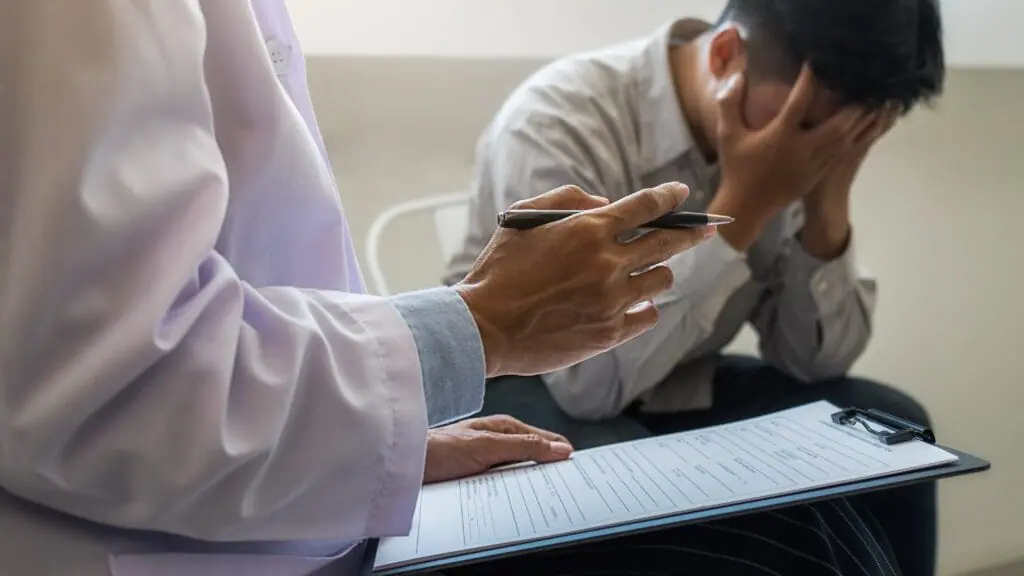
What Is Subutex? Subutex is a brand-name prescription medication for buprenorphine, a partial opioid agonist. When talking about Subutex treatment, it’s important to understand what an opioid agonist is versus an antagonist. An opioid agonist like buprenorphine interacts with certain receptors in the brain, while antagonists block reactions. What Does Subutex Treat? Because Subutex is a partial opioid agonist, it binds to opioid receptors in the brain and mildly activates them. Subutex gives lessened effects of opioids like euphoria, working as a replacement for harsh drugs such as heroin and methadone to help treat addiction to opioids. Research has shown that maintenance treatment for opioid addiction using buprenorphine is more effective than detoxification and psychological treatments. In addition to opioid use disorder (OUD), Subutex can be used to treat pain. This makes it twice as effective in treating addiction and the associated withdrawal symptoms. What Makes Subutex Different? There are many aspects that make Subutex unique compared to other types of opioids used for addiction treatment. First, it only contains buprenorphine—other agonist-antagonist opioids, like Suboxone, combine other substances with buprenorphine. Next, unlike Schedule II prescription opioids (e.g., morphine, oxycodone, methadone) that are highly addictive, Subutex is a Schedule III substance. Schedule III drugs have a lower chance for abuse and dependence, making Subutex a preferred choice for treatment. Additionally, Subutex comes only in a dissolvable tablet form. What Are the Significant Side Effects of Subutex? Although Subutex is an effective medication with a variety of benefits in healthcare, it’s still an unnatural substance that can impact the body. As a result, use may result in some significant side effects, even when prescribed by a doctor. Often, these side effects are of no concern; however, if they persist or seem severe, reaching out to your doctor can help. Some of the side effects of Subutex include: Stomach pain Nausea Drowsiness Fatigue Chills Increased sweating Should I Use Subutex? If you’re looking for opioid dependency or opioid addiction treatment, then Subutex might be a beneficial option. Nonetheless, talking with your healthcare provider is the best way to determine whether or not you should use this medication. They’ll go over your options with you and help you make an informed decision. Here are some of the situations in which Subutex may be right for you: You Are Struggling With Opioid Dependence While prescription opioids like oxycodone and codeine can be a beneficial treatment for chronic or severe pain, the risk of developing dependency and abuse is high. Unfortunately, even when taking the proper steps, the likelihood of dependency is still possible. In 2019, over 10 million people aged twelve and older reported abusing opioids in the past year. Subutex can reduce the symptoms of opioid dependency while treating the addiction itself. This can help restore your quality of life while reversing side effects and symptoms. You Are Motivated to Stop Using Opioids Motivation to stop using opioids is a great step to recovery. However, many treatment options include powerful opioids to assist in the recovery process, increasing the risk of dependency or opioid cravings. Thus, less potent medications like Subutex are ideal alternatives. Compared to methadone (a powerful and effective prescription medication commonly used to treat opioid addiction), Subutex is as effective and resolves withdrawal symptoms more quickly. In addition, Subutex has a lower overdose potential because of its ceiling effect—taking more will not result in increased effects. You Have a Stable Environment in Which to Recover Research has shown that Subutex is a safe option to take outside of medical facilities in a less-regulated manner. This is because it has lower overdose potential and produces uncomfortable withdrawal effects at higher doses—unlike methadone, which produces more favorable effects with higher doses. Nonetheless, there is a risk of dependency or craving a stronger opioid while taking Subutex—and the risk is higher when not in a stable environment. As a result, it is important to be in a stable environment with little to no triggers that could encourage the abuse of Subutex or other opioids. What’s the Difference Between Subutex and Suboxone? When it comes to Subutex vs. Suboxone, you’ll find that these two prescription drugs are quite different, despite both being helpful in the case of opioid addiction. Subutex Subutex is a dissolvable tablet of buprenorphine, a Schedule III partial opioid agonist. It’s a short-acting substance used in the treatment of opioid addiction. It can also be used to help treat pain. Suboxone Suboxone is a combination of buprenorphine and naloxone, an opioid antagonist. Naloxone reverses and blocks the effects of other opioids, preventing the effects of opioid drugs and reducing abuse. This medication comes in a tablet or film placed inside the cheek or under the tongue. Suboxone is an opioid used in the treatment of opioid dependency. Subutex or Suboxone—Which Is Better? Subutex and Suboxone have been approved by the FDA as safe and effective opioid addiction treatments since 2002. The main difference between the two medications is the naloxone in Suboxone, which causes unpleasant symptoms if abused and helps prevent opioid misuse. One study showed that Suboxone might be safer than other treatment medications for pregnant or nursing mothers. Another study found lessened reports of withdrawal in babies whose mothers took Subutex while pregnant. Benefits of Subutex There are many benefits to utilizing Subutex in the treatment of opioid dependency. Reduced Cravings and Symptoms One of the most notable is its ability to reduce psychological cravings and withdrawal symptoms that may occur during detox from opioids. This is because Subutex does not create a high or the ability to produce the same euphoric sensations as other, more addictive opioids. Nonetheless, Subutex still reacts in the brain in the same way as opioids would, excluding the euphoric effects. As a result, the body can slowly detox without the usual discomfort and withdrawal symptoms. Positive Effects Clients reported opioid treatment with buprenorphine as feeling more clear-headed, energetic, and aware of emotions when compared to methadone maintenance. Stabilize Symptoms Subutex can also help