
Is Day Drinking a Sign of Alcohol Addiction?

Whether it’s mimosas at brunch or an afternoon beer, plenty of people enjoy day drinking. While it can seem like a casual way to socialize or relax, you might question whether it is more than an indulgence and could signify a deeper issue with alcohol. Whether or not you have a problem with drinking or a dependency isn’t determined by the times of day you drink, however. There is a spectrum that alcohol use occurs on, and there’s a lot more to a diagnosable alcohol addiction than day drinking. At the same time, that doesn’t mean that day drinking isn’t a red flag. Why Do People Day Drink? The concept of day drinking has become increasingly popular on social media as brunches and other weekend activities are shared, making it seem like everyone is doing it. People might drink during the day for many reasons, including socializing and celebrating special occasions like weddings, holidays, or birthdays. Suppose you’re doing certain recreational activities like barbecuing or going to a sports event. In that case, day drinking might be normalized, and in some cultures, it’s normal to drink during the day when it’s part of celebrating or social customs. Day drinking can be harmless and fun for many people, but it is important to recognize that habitual or excessive drinking during the day or at any time can indicate an underlying issue. Being mindful and honest about your drinking habits and patterns is always good. Does Day Drinking Mean You’re an Alcoholic? Day drinking doesn’t automatically mean you have alcohol use disorder. You have to consider a lot of factors and behaviors when determining whether alcohol is an issue. Day drinking in moderation and within social contexts or special occasions can be no problem. It can become a problem when day drinking becomes regular and interferes with other responsibilities. When you’re evaluating your alcohol habits, think about the frequency at which you’re drinking, how much you drink, the impact it’s having on your functionality in your daily life, and other circumstances that are individual to you. An alcohol addiction is characterized by a compulsive need to drink, even in the face of adverse consequences. Other signs of an addiction include losing control over your drinking behaviors and experiencing withdrawal symptoms when you don’t drink. Day drinking could be a single aspect that’s considered when you evaluate your relationship with alcohol, but it’s not the sole determinant of addiction. Comparing Moderate Drinking to Problem Drinking and Addiction When we look at the spectrum of alcohol use, an excellent way to break it down is moderate, problem, and addicted drinking. Moderate drinking is when you consume alcohol in a way that’s not likely to harm your health or well-being. It’s considered low risk. You might drink alcohol in limited amounts and within the guidelines that health organizations advise. A moderate drinker might have alcohol when they’re socializing or as part of a meal, and they have control over it and can set limits on how much they drink. Problem drinking can be risky, and it’s somewhat of a gray area referring to alcohol consumption patterns that lead to negative consequences, but the other criteria for addiction aren’t met. A problem drinker might binge drink or drink to cope with difficult or uncomfortable emotions or stress. Problem drinkers might not depend physically on alcohol, but their drinking patterns can cause adverse effects in different parts of their lives. Despite realizing drinking has a negative impact, it may be a struggle for a problem drinker to reduce their intake. When you’re showing patterns of problem drinking, it can put you at risk of psychological health problems, accidents, and injuries, as well as a range of long-term issues, including addiction, if you don’t address it. Alcohol addiction is a diagnosable chronic disorder, also called alcohol use disorder or AUD. When you’re addicted to alcohol, you prioritize drinking above everything else in your life, and you experience strong cravings. Addiction can lead to continued drinking despite significant harmful effects, and physical dependence can develop, leading to withdrawal symptoms when not drinking. Alcohol addiction can damage organs, impair brain health, contribute to mental health disorders, and lead to social isolation and damaged relationships. Over time, alcoholism can contribute to legal and financial issues and a risk of death. Signs Moderate Drinking is Becoming Problem Drinking It’s vital to be honest with yourself about drinking so that you can recognize if your moderate habits are transitioning into something problematic. Signs this is happening can include: Drinking more frequently. Binge drinking. Not being able to limit intake. Drinking to cope. Neglecting responsibilities. Increased tolerance. Withdrawal symptoms. Preoccupation with alcohol and drinking. Interference with relationships. Continued use even with consequences occurring. Denial or minimizing the extent of drinking habits. Losing interest in other things. Many of the above can be signs of an addiction, but with problem drinking, you may show fewer signs, or they could be less impactful than they are with a full-blown addiction. Alcohol addiction also occurs along a spectrum. It’s diagnosed using a set of criteria, and how many of those you show signs of will determine whether a healthcare or addiction treatment provider would diagnose you with mild, moderate, or severe alcohol use disorder. Alcohol use disorders are also progressive in most cases, so the longer it goes untreated, the worse the symptoms can become and the more severe the complications. If you’re worried about your drinking habits or someone else’s, getting help is essential. Even if you aren’t sure whether you’re dealing with an addiction, the earlier you get help for signs of problem drinking, the better outcomes and the more you can prevent serious complications. There are a lot of routes that you can go through to get help or to encourage someone else. Contact us today to learn about some available options. Getting help is proactive and critical to ensure that you stay in control of your life or, depending on your situation,
7 Ways of Stopping Alcohol Addiction Naturally

Alcohol addiction is a complex condition that affects both physical and mental health. While natural strategies may help support recovery, it is important to understand that addiction is considered a medical condition. In many cases, professional treatment or medical supervision is necessary. Natural approaches may help some individuals build healthier habits, manage stress, and improve emotional awareness. However, these methods are not a replacement for structured, evidence-based treatment. Understanding how alcohol addiction develops can help determine whether natural strategies may play a supportive role in recovery. How Alcohol Addiction Develops Alcohol addiction, also referred to as alcohol use disorder or alcoholism, is recognized by the medical community as a chronic condition. It develops over time as repeated alcohol use alters brain chemistry. These changes affect impulse control, emotional regulation, and decision-making. As alcohol use continues, tolerance increases. This means a person may need to drink more alcohol to achieve the same effects. Over time, dependence can develop. This leads to withdrawal symptoms when alcohol use is reduced or stopped. Several factors may contribute to the development of alcohol addiction. These include genetic predisposition, mental health conditions, environmental influences, and ongoing stress. As dependence progresses, individuals may lose control over their drinking. Physical and psychological withdrawal symptoms can make quitting without support extremely difficult. 7 Natural Ways to Combat Alcohol Addiction The following natural strategies may offer support for individuals in recovery. These approaches are not cures for alcohol addiction. Instead, they may help promote emotional stability, physical health, and self-awareness when used alongside professional care. 1. MINDFULNESS AND MEDITATION Mindfulness and meditation practices may help individuals become more aware of their thoughts, emotions, and cravings. These techniques encourage observing urges without reacting impulsively. Over time, mindfulness may help reduce stress and improve emotional regulation. Some individuals find that meditation supports clearer thinking and greater self-control during recovery. 2. EXERCISING REGULARLY Regular physical activity can support both mental and physical well-being during recovery. Exercise stimulates the release of endorphins. These may help improve mood and reduce stress. Physical activity may also help restore healthier sleep patterns and increase energy levels. For some individuals, exercise becomes a positive outlet during early recovery. 3. HERBAL REMEDIES Some herbal remedies are believed to support liver function or reduce stress. Certain supplements may also help ease mild withdrawal-related discomfort. However, herbal remedies can interact with medications or cause unwanted side effects. It is important to consult a healthcare provider before using supplements, especially during alcohol withdrawal or detox. 4. NUTRITIONAL SUPPORT Alcohol use can lead to nutritional deficiencies over time. Improving overall diet quality may help support physical recovery and cognitive function. Balanced meals that include protein, vitamins, and minerals can help stabilize blood sugar levels and support energy. In some cases, nutritional supplementation may be recommended under medical supervision. 5. ACUPUNCTURE Acupuncture is sometimes used as a complementary therapy in addiction recovery. It may help promote relaxation and reduce stress. While acupuncture is not a primary treatment for alcohol addiction, some individuals find it helpful when combined with other recovery strategies and professional care. 6. PEER SUPPORT GROUPS Peer support groups can provide encouragement, accountability, and a sense of connection. Sharing experiences with others who understand addiction may reduce feelings of isolation. Programs such as Alcoholics Anonymous (AA) or SMART Recovery offer structured peer-based support. These groups are often used alongside professional treatment and other recovery methods. 7. HOLISTIC THERAPIES Holistic therapies focus on the connection between physical health, emotional well-being, and behavior. Approaches such as yoga, breathwork, or creative therapies may help individuals manage stress and emotional triggers. These therapies are most effective when used as part of a comprehensive recovery plan that includes evidence-based treatment. The Importance of Professional Treatment Natural approaches may offer supportive benefits, but alcohol addiction is a serious medical condition. Attempting to stop drinking without professional supervision can be dangerous, particularly for individuals with long-term or heavy alcohol use. Alcohol withdrawal can cause severe symptoms, including seizures and delirium tremens. Medically supervised detox helps manage these risks and provides monitoring during early recovery. Professional treatment may include medical detox, behavioral therapy, mental health evaluation, and relapse prevention planning. Structured care also addresses underlying mental health conditions that often contribute to addiction. At San Diego Detox, individualized treatment plans are designed to support physical stabilization and long-term recovery in a safe, supervised environment. You want a safe, effective, and sustainable path to recovery, which we can provide at San Diego Detox. Contact us to learn more. Frequently Asked Questions Can I overcome alcohol addiction naturally without professional treatment? While natural strategies such as mindfulness, exercise, nutrition, and support groups may support recovery, alcohol addiction is considered a chronic medical condition. Overcoming it often requires professional treatment or medical supervision. Are support groups effective for long-term sobriety? Support groups can provide accountability, encouragement, and peer connection. Many individuals find long-term participation helpful as part of a broader recovery plan. Why is nutrition important during alcohol recovery? Alcohol use can deplete essential nutrients and affect physical health. Proper nutrition supports energy levels, brain function, and overall recovery. What role does exercise play in recovery from alcohol addiction? Exercise may help reduce stress, improve mood, and support physical health. It can also provide structure and positive routines during recovery. When should someone consider professional treatment instead of relying on natural methods? Professional treatment should be considered if alcohol use is severe, long-term, or accompanied by withdrawal symptoms. Medical supervision improves safety and recovery outcomes.
The Top 10 Questions Busy Professionals Have About Rehab

What Is Acceptance and Commitment Therapy (ACT)?

Acceptance and Commitment Therapy, or ACT, can be a valuable part of an addiction treatment program. The focus of this therapeutic approach is to help people develop a flexible mindset. ACT is under the umbrella of cognitive-behavioral therapy (CBT), developed in the 1980s. What Is Cognitive-Behavioral Therapy? Cognitive behavioral therapy (CBT) is a widely used therapeutic approach focusing on the relationship between thoughts, feelings, and behaviors. It’s based on the idea that our thoughts can affect how we feel emotionally and behave. CBT aims to help individuals identify negative thought patterns or cognitive distortions and replace them with healthier, more constructive ways of thinking. In CBT, therapists work collaboratively with individuals to target specific issues or problems by exploring thought patterns and behaviors that contribute to those issues. The process involves: CBT is effective for various mental health concerns, such as anxiety disorders, depression, phobias, PTSD, and more. Its structured, goal-oriented nature often leads to relatively short-term treatment compared to other therapeutic approaches. CBT techniques can be adapted and applied in self-help settings or combined with other therapies for more comprehensive treatment plans. How Does Acceptance and Commitment Therapy Work? The overall goal of ACT is to help people gain psychological flexibility, which means being adaptable, open, and practical when facing difficult emotions or thoughts. Some of the main processes and components of this type of therapy include: Mindfulness The objective of mindfulness is to become more aware of the present moment, promoting an accepting stance towards thoughts and feelings without judgment. Different mindfulness exercises may be included in ACT sessions to help people observe thoughts and emotions without becoming overwhelmed. This helps to create more open, accepting relationships with your internal experiences. Acceptance When participating in ACT, this component is about acknowledging and making room for unpleasant thoughts and emotions instead of trying to suppress or control them. A client in ACT can learn to accept their internal experiences and their reality, with the recognition that specific thoughts and feelings are a natural part of being human. Emotional resilience can be increased through the acceptance aspect of ACT. Cognitive Defusion With cognitive defusion, people can detach from non-helpful thoughts; rather than seeing them as a set truth, they can view them as a passing mental event. Specific techniques are used to deal with thoughts so they can be viewed more objectively, shifting the relationship someone has with their thoughts. This can then reduce the impact on emotional and behavioral well-being. Clarifying Values This part of Acceptance and Commitment Therapy allows individuals to identify and clarify their values and what’s meaningful. Individuals can also explore their values in different parts of their lives, like work or relationships, using them to guide them in making choices and setting goals. Ultimately, this provides a sense of purpose and direction in the client’s life. Committing to Action This encourages individuals to take meaningful action based on their values. Individuals can set specific and realistic goals aligning with their values and then commit to the necessary steps to achieve them. Their larger goals can be broken down into smaller ones that are more attainable. Other components of ACT include: There’s also ongoing assessment and adaptation, where the therapist regularly assesses a client’s response to interventions and makes changes based on their needs and progress. How Is Acceptance and Commitment Therapy Helpful In Addiction Treatment? Along with other treatment approaches, ACT can be beneficial for people struggling with addiction for many reasons, including: What ACT does in addiction treatment is essential to give the tools to accept and respond more effectively to addiction challenges. It can be part of a comprehensive approach to substance abuse treatment, supporting the journey toward long-term recovery. Final Thoughts The core idea of ACT is that trying to control painful emotional or psychological experiences isn’t productive. Suppressing these feelings will only cause more distress, while ACT believes there are valid ways to change your thoughts, including mindfulness, attention to personal values, and committing to action. Individuals can gradually change their attitudes and shift their emotional states by taking the steps to change their behavior while also learning to accept mental experiences. ACT is one of many therapeutic approaches we use at San Diego Detox to provide the best possible care for each client individually. Contact our team to learn more about our addiction treatment programs, or take your first step toward recovery. Frequently Asked Questions (FAQs) about ACT What is Acceptance and Commitment Therapy (ACT)?Acceptance and Commitment Therapy is a mindfulness-based psychotherapy that helps people accept their thoughts and feelings while committing to actions aligned with their core values. How does ACT work?ACT works by combining acceptance and mindfulness strategies with behavior-change techniques so clients learn to notice and accept their inner experiences (thoughts, emotions, sensations) while choosing actions that reflect their values — rather than trying to suppress or control unwanted thoughts or feelings. What kinds of problems or conditions can ACT help with?ACT can be beneficial for a wide range of mental health and behavioral issues — including anxiety, depression, chronic pain, obsessive-compulsive disorder (OCD), substance use, stress, and even challenges related to recovery from addiction. Can ACT be used in addiction recovery programs?Yes — ACT can support addiction recovery by helping individuals become more mindful of cravings and emotional triggers, accept uncomfortable feelings without acting on them, and build a values-driven life that reduces reliance on substances.
What Is Heroin Withdrawal?

Heroin withdrawal refers to the physical and psychological symptoms that occur when a person who is dependent on heroin stops using the drug or significantly reduces use. These symptoms can range from uncomfortable to severe. In some cases, they can be dangerous without medical supervision. Heroin is a powerful opioid that alters brain chemistry over time. When heroin use stops, the body must adjust to functioning without the drug. This adjustment process is known as heroin withdrawal. What Is Heroin? Heroin is an illegal opioid derived from morphine. It affects the brain by binding to opioid receptors. This produces intense feelings of euphoria and pain relief. Repeated heroin use changes how the brain regulates pain, mood, and reward. Over time, the body becomes dependent on heroin to function normally. This increases the risk of withdrawal when use stops. Risk of Heroin Addiction Heroin is highly addictive. Dependence can develop quickly, especially with repeated use. As tolerance increases, individuals may need larger amounts of heroin to achieve the same effects. This pattern increases both physical dependence and the risk of overdose. What Causes Heroin Withdrawal? Heroin withdrawal occurs because the body has adapted to the presence of opioids. When heroin use stops, the brain experiences a sudden imbalance in neurotransmitters. This imbalance triggers withdrawal symptoms as the body works to restore equilibrium. The severity of withdrawal depends on factors such as duration of use, dosage, frequency, and overall health. Medical Detox for Heroin Medical detox is often the first step in treating heroin dependence. Detox focuses on managing withdrawal symptoms safely while the drug leaves the body. WHAT IS MEDICAL DETOX? Medical detox involves supervised care to help individuals through the withdrawal process. Medical professionals monitor symptoms and may use medications to reduce discomfort and complications. Detox does not treat addiction itself, but it provides a safer foundation for ongoing treatment. MEDICATIONS USED DURING DETOX Certain medications may be used to ease heroin withdrawal symptoms. These medications can help stabilize brain chemistry and reduce cravings. Medical professionals determine appropriate medications based on individual needs and health history. CAN HEROIN WITHDRAWAL BE DANGEROUS? Heroin withdrawal is rarely life-threatening on its own, but it can be extremely uncomfortable. Complications such as dehydration, heart strain, and relapse risk make medical supervision strongly recommended. Heroin Withdrawal Symptoms Heroin withdrawal symptoms often begin within hours after the last use and may worsen over several days. Common symptoms include: Muscle aches and body pain Anxiety or agitation Sweating and chills Nausea, vomiting, or diarrhea Insomnia Cravings for heroin The intensity of symptoms varies depending on the individual and their history of use. How Long Does Heroin Withdrawal Last? The timeline for heroin withdrawal can vary, but symptoms typically follow a general pattern. TIMELINE OF HEROIN WITHDRAWAL Early symptoms often begin within 6 to 12 hours after the last dose. These may include anxiety, restlessness, and muscle aches. Symptoms usually peak within 1 to 3 days. During this period, individuals may experience intense cravings, gastrointestinal distress, and flu-like symptoms. Acute symptoms often begin to improve after several days. However, some individuals experience lingering symptoms such as fatigue, mood changes, or sleep disturbances for weeks. Coping and Relief from Heroin Withdrawal Managing heroin withdrawal without support can be difficult. Medical care can significantly reduce discomfort and health risks. Supportive care may include hydration, nutrition, rest, and medications prescribed by healthcare professionals. Emotional support is also important during withdrawal and early recovery. Attempting to detox alone increases the risk of relapse, which can be especially dangerous due to lowered tolerance. Get Help for Heroin Withdrawal at San Diego Detox Heroin withdrawal can be physically and emotionally overwhelming. Professional support can help make the process safer and more manageable. San Diego Detox provides medically supervised detox services in a structured, supportive environment. Treatment plans are individualized to address both withdrawal symptoms and long-term recovery needs. If you or a loved one are experiencing heroin withdrawal, professional support can make a difference. Contact our team to learn more about treatment options and available support. Frequently Asked Questions What symptoms are typical when someone withdraws from heroin?Heroin withdrawal typically produces both physical and psychological symptoms, including restlessness; muscle, bone, or joint pain; insomnia; cold flashes or “cold sweats”; goosebumps; uncontrollable leg movements; nausea, vomiting or diarrhea; and strong cravings. How long does heroin withdrawal usually last?Acute heroin withdrawal symptoms typically peak in the first 1–3 days and decline over the next several days, with many common symptoms resolving within 4–7 days. Some psychological effects — like anxiety, depression, or cravings — may linger for much longer depending on the person What factors affect the severity and duration of heroin withdrawal?The severity and duration of withdrawal can depend on how long and how heavily someone used heroin, their tolerance, whether they also used other substances (polysubstance use), their physical health, past opioid dependence, and other individual factors. Can you detox from heroin at home safely?Detoxing from heroin at home is generally not recommended for heavy or long-term users. Home detox increases risk of relapse or serious complications; medically supervised detox — typically as an inpatient — is the safest option. What does “medical detox” for heroin involve?Medical detox typically begins with a full evaluation of health and drug history, followed by stabilization under supervision by medical staff (doctors, nurses, therapists), and then transitioning into a longer-term treatment or rehab program rather than purely detox — because detox alone doesn’t guarantee long-term sobriety. Resources https://nida.nih.gov/publications/drugfacts/heroin https://www.verywellmind.com/what-is-withdrawal-how-long-does-it-last-63036 https://www.verywellmind.com/what-to-expect-from-heroin-withdrawal-22049 https://www.ncbi.nlm.nih.gov/pmc/articles/PMC4014033/ https://pubmed.ncbi.nlm.nih.gov/28443503/ https://www.healthline.com/health/coping-opiate-withdrawal#dependence-andaddiction https://www.ncbi.nlm.nih.gov/pmc/articles/PMC4822281/
Can Soma Help With Opiate Withdrawal?

Managing Withdrawal Symptoms Opiate withdrawal can be challenging to deal with, and in some cases, it has become a regular part of daily life for those who have used opiates for a prolonged time. Despite opiate use and addiction being linked to some seriously debilitating health effects, people attempting to stop using opiates can experience full-intensity withdrawal symptoms. Some of these withdrawal symptoms are just as bad as the side effects of opiate abuse (if not worse).1 Several different medications have been prescribed for treating and managing opiate withdrawal symptoms – one of these is Soma, also known as carisoprodol. Soma is effective as an anxiety medication and muscle relaxant when taken as prescribed. There have, however, been some questions as to whether carisoprodol use genuinely helps with opiate withdrawal. What is Soma? Soma is the brand name for carisoprodol, a medication primarily prescribed as a skeletal muscle relaxant. Soma is usually prescribed to ease pain from muscle injuries like sprains and strains. In addition to using Soma for pain, it is also used in combination with other treatments and physical therapy to treat muscle pain and discomfort. Is Soma a Narcotic? Due to the fact that carisoprodol (Soma) has a powerful muscle relaxant effect, combined with its propensity for causing addiction when abused, many people think Soma is a narcotic; however, that’s not the case. Soma is classified as a musculoskeletal pain reliever, although not under the same class as its parent compound (benzodiazepine). One primary reason for this difference in classification is that although carisoprodol uses include use as a muscle relaxer, Soma for pain alleviation works differently from how narcotic drugs do. How is Soma Used? Carisoprodol (Soma) is a prescription-only drug because of its habit-forming potential, so Soma can only be prescribed by a doctor. You should also follow the exact dosage regimen. Soma is a tablet-form drug taken orally with or without water, as prescribed by a doctor. The normal dosage regimen for Soma is three times a day and at bedtime, for not more than 2-3 weeks. The exact dosage of Soma your doctor will prescribe is usually based on your response to treatment and medical condition. Do not use this drug for a long time or increase your dose as prolonged Soma use does not mean your condition will improve, and the risk of side effects increases. Soma Generic Name The generic name of Soma is carisoprodol. Soma Use During Pregnancy and Breastfeeding This medication should be used with caution for pregnant people, and for those lactating who are using the drug, it is likely that Soma would then be present in breast milk. Soma should only be used when necessary during pregnancy. Soma Overdose and Withdrawal When carisoprodol is taken in excess and for a long period, it can cause addiction. People addicted to Soma usually develop tolerance to the drug; that is, their body adjusts to the presence of Soma, so they will need more or higher doses of the drug to replicate the feeling they want. This eventually results in an overdose. Soma Overdose Symptoms Soma muscle relaxer overdose can be dangerous because it can lead to permanent brain damage or even death without immediate medical attention. You must identify the symptoms of soma overdose so you can call for help when necessary. Symptoms of Soma overdose resulting from Soma drug uses include the following: Chills Extreme sedation Coma Difficulty breathing Palpitations Shock Vomiting Soma Withdrawal Repeated Soma muscle relaxer use leads to the development of addiction and dependence. Abrupt reduction in carisoprodol levels in the body results in the manifestation of withdrawal symptoms as the body has already grown accustomed to and dependent on the presence of Soma. Soma Withdrawal Symptoms The severity and nature of symptoms experienced depend on factors like the quantity of drug you’ve been consuming, general physical and mental health, method of drug use, and how long you’ve been battling with addiction. These are some of the symptoms of Soma withdrawal: Excessive sweating Diarrhea Fatigue and exhaustion Chills Headaches Nausea and vomiting High temperature Restlessness Muscle and bone pain Heart palpitations Anxiety and paranoia Depression Auditory and visual hallucinations Panic attacks Seizures Soma Withdrawal Timeline When you stop using carisoprodol, withdrawal symptoms surface 12-48 hours after taking the last dose, and they might persist for at least two days after the onset. The severity and time of withdrawal symptoms depend on the length of use and dosage. Also, people who combine Soma medication with other medications like benzodiazepines, alcohol, and opiates might expA young doctor of Asian descent and an elderly patient of African descent are indoors at the woman’s home. The doctor is talking to the woman while holding a tablet computer. They’re both deciding what the woman’s next steps should be.erience more prolonged and severe withdrawal symptoms. If you notice any withdrawal symptoms after completing your Soma dose regimen, it is recommended that you seek medical attention immediately. What Is Soma Used for? Soma is used for two major types of conditions:5 Painful Musculoskeletal Conditions: Soma is usually used to provide relief from painful acute musculoskeletal conditions like tendonitis, bursitis, arthritis, and so on. Soma for pain is only used for acute pain treatment because it can cause addiction if used for too long, so it cannot be used for treating chronic pain conditions which can last for weeks or even months. Muscle Relaxant: Carisoprodol (soma) is also prescribed as a muscle relaxant, and it functions by stopping the transmission of pain sensation between the brain and nerves. Can Soma Help With Opiate Withdrawal? Although Soma is used to manage painful musculoskeletal conditions and injuries, soma can help with opiate withdrawal. When Soma is taken, its muscle relaxant effects help it produce a sort of “sedative” effect similar to benzodiazepines. This effect, in combination with its ability to provide excellent pain relief, ensures it can be used in conjunction with other medications and therapy to help with opiate withdrawal symptoms.6 Soma Side
What Is Trauma-Informed Therapy?

What Is Trauma? Trauma is defined by the American Psychological Association (APA) as a psychological reaction to a tragic occurrence, such as an accident, rape, or natural disaster. After an incident, shock and denial are common emotions. In the long run, reactions can lead to erratic emotions, flashbacks, strained relationships, and even physical discomfort like headaches or nausea. Causes of Trauma A bad experience that has a long-lasting effect on the victim’s emotional and mental stability might result in trauma. The major causes of trauma are physical acts of violence, while some are psychological. The following are a few typical contributing factors: Domestic abuse Rape Natural catastrophes loss of a close relative severe injury or illness witnessing a violent crime Even though a traumatic incident frequently triggers trauma, it is not always the case. One could occasionally experience shock because of seeing something from a distance. Trauma Signs and Symptoms There are a few fundamental signals one must watch out, for even though there are many trauma symptoms When someone has observed a distressing event, they frequently appear confused and unsettled. They might not engage in conversation as frequently as they normally would and seem reserved when speaking. Trauma-Induced Anxiety Anxiety is one of the typical symptoms of a trauma victim. Trauma-induced anxiety can occasionally appear as jitteriness, anger, night terrors, mood changes, and difficulty concentrating. A person who has experienced trauma may have a variety of emotions, including: Denial Rage Fear Grief Humiliation Confusion Anxiety Despair What Is Trauma-Informed Therapy? Trauma-informed therapy considers the influence of individuals’ trauma on their behavior, mental health, and capacity to participate in treatment. Who Is a Trauma-Informed Therapist? Trauma-informed therapists assume that a client may have experienced trauma in the past and take precautions to prevent unintentionally triggering or re-traumatizing the client during therapy. This is an extremely important part of the process and will help lead to positive results. Why Is a Trauma-Informed Approach Necessary? As its name suggests, trauma-informed therapy helps treat those who have gone through trauma, whether as children or adults. This method can guarantee emotional safety in sessions, even if a person is not receiving treatment specifically for their trauma. A trauma-informed approach won’t hurt someone who doesn’t require trauma-informed care, even though not everyone has experienced trauma. This is why many healthcare professionals adopt a trauma-informed approach during all sessions, not just when a particular experience is connected to the presenting issue. Benefits of Trauma-Focused Therapy Various benefits of trauma-focused therapy will be discussed further below. Understand Your Trauma Trauma-focused therapy gives children and their families a place to learn about typical reactions to trauma and how a traumatic incident has affected the child and family. Re-Establish Safety By definition, a traumatic event causes a breach in your child’s sense of security. This involves abuse of one’s psychological, relational, emotional, or bodily safety. Through exercises and talks that focus on these areas, trauma-focused therapy can help a child redevelop internal (emotional, psychological, relational) and physical (contact, environment) perceptions of safety. Identify Triggers Another advantage of the treatment is that a person can learn to identify the situations or emotions that might serve as triggers for traumatic memories and better control how they react to them in the future. Develop Healthy Coping Skills The goal of trauma-focused therapy sessions is to assist people in learning skills and enhancing coping mechanisms so they can react to memories and emotions connected to the traumatic incident more effectively. Techniques for managing anxiety and relaxation are a few of these characteristics. Decrease In Traumatic Stress Symptoms Individuals can learn and put their abilities to use to lessen traumatic stress symptoms and other mental health symptoms related to the trauma by participating in trauma-focused therapy and working closely with the therapist. Rebuild Your Sense of Self One objective of trauma-informed therapy is to assist a patient in taking back control of their life by gently helping them retell their story. What are The Principles of Trauma-Informed Care? The core principles of trauma-informed care will be detailed below. Safety While receiving treatment from medical personnel, patients must feel secure. Therapists should ensure that their patients and their families experience physical, emotional, and psychological safety. Organizations in the healthcare industry should create secure environments for patients and their families. For instance, waiting rooms should provide enough room for people who might be re-traumatized by sitting next to someone else. Trustworthiness + Transparency When dealing with patients who have experienced traumatic experiences like domestic abuse, assault, or other forms of abuse, therapists must be open and honest to establish a sense of trust. Due to a lack of trust, patients are frequently reluctant to seek medical attention. These patients may believe that if their loved ones can harm them, then anybody else might. Peer Support Therapists, physicians, and other medical professionals must fully understand the many traumatic conditions and how they impact patient care to deliver trauma-informed care. Medical personnel must accept the possibility that each patient has gone through a traumatic experience that prevents them from being upfront about their medical issues. Instead of attempting to “cure” or “heal” a problem, experts can ascertain a patient’s requirements by actively listening to them. Collaboration Creating treatment programs should be collaborative between therapists and medical institutions. Patients, therapists, and medical institutions will collaborate to produce the intended outcome. Patients take an active role in making their healthcare decisions when there is teamwork. Patient Empowerment and Choice The goal of therapy is to provide individuals who have experienced trauma the ability to regain control of their health. They should encourage patients to feel at ease telling their stories to do this. Therapists should effectively communicate with patients about their treatment options and allow them to play an active role in making decisions regarding their care. Obstacles to Receiving Trauma-Informed Therapy Listed below are obstacles to receiving trauma-informed therapy: People don’t understand different kinds of therapy. Avoidance and trauma disclosure: people who have gone through trauma avoid opening
How Helpful Is Dialectical Behavioral Therapy?

What Is Dialectical Behavior Therapy? Dialectical behavior therapy (DBT) is a form of cognitive behavioral therapy (CBT). It is an evidence-based treatment that helps people manage emotions and stress. DBT is a talk therapy specially adapted for people who feel intense feelings to help them accept their emotions, develop new skills to manage them, and improve their quality of life. An essential part of DBT therapy is the practice and mastery of DBT skills, such as mindfulness, to help reduce harmful behaviors and improve mental health. What Does Dialectical Mean? The term “dialectics” is based on the premise that everything is made up of opposites and dialogue between opposing ends (acceptance and change in the case of DBT) can bring fruitful results. Three assumptions can be deduced from the dialectics theory: Everything is linked together Change is constant Opposing ends can be integrated to uncover the truth Multiple Solutions Idea The information above forms the basics of DBT. If you understand dialectics, you can begin to recognize that there are multiple solutions to a given issue and that two seemingly incompatible ideas can coexist. Dialectical thinking involves saying things like, “I messed up, and I can try to make things better” rather than “I messed up, but I can try to make things better.” It involves integrating opposites to make a change. Marsha Linehan and the Creation of DBT Marsha Linehan worked to develop dialectical behavior therapy in the late 1970s as a treatment for multiproblematic, suicidal women. Linehan introduced a treatment approach intended to convey the patient’s acceptance and help them accept their emotions and the world. As a result, DBT was built on the basis of dialectical theory, where therapists constantly work to balance and combine change and acceptance-focused techniques. Biosocial Theory According to the DBT Biosocial Theory, some people are genetically predisposed to feel things more intensely than others. To break it down, we have the bio and the social. It would be rational to assume the emergence of maladaptive behavioral patterns when pairing biological vulnerabilities with invalidating social situations. The Principles of DBT The core principles of dialectical behavior therapy include the following: Support-Oriented: Clients are assisted in recognizing and capitalizing on their strengths to build self-confidence. Collaborative: Patients work together with their therapists to resolve issues. Cognitive-Based: DBT aids people in recognizing patterns in their assumptions, beliefs, and attitudes that make life more challenging. Five Functions For DBT to be comprehensive, it must adhere to five fundamental functions. These include: Improving clients’ motivation Teaching and enhancing clients’ skills Generalizing skills to natural environments through homework, phone, and email consultation, review of therapy tapes, or in vivo interventions Structuring the treatment environment Motivating and improving therapists’ capabilities to offer effective treatments Difference Between CBT and DBT While DBT is a type of CBT, a proper understanding of both behavioral therapies will uncover some differences. The primary distinction is that dialectical behavior therapy emphasizes balance and the interplay between acceptance and change (dialectics), while cognitive behavioral therapy emphasizes harmful thought patterns and their redirection. We can further bolster the distinctions between CBT and DBT in the two headings below: Inside Out: Cognitive behavioral therapy works from the inside out. By changing negative thought patterns on the inside, a person can develop positive habits and boost their mental health. Outside In: Unlike CBT, dialectical behavioral therapy works from the outside in. By learning DBT skills, people are equipped with tools to help them manage intense emotions to take control of their life. What Can DBT Help Treat? Generally, DBT can be effective for the following disorders: Posttraumatic disorder (PTSD) Disruptive behaviors Mood swings Suicidal behaviors Depression Anxiety Anger issues Eating disorders Borderline Personality Disorder (BPD) Dialectical behavioral therapy was developed initially to treat borderline personality disorder (BPD) and remains an effective and successful therapeutic treatment option. For example, one study examining thirty-one patients with BPD who received DBT and nineteen who received treatment as usual (TAU) found that the DBT group showed more significant improvements and reduced self-injurious behaviors than the TAU group. Additionally, 42% of those who received DBT were considered clinically recovered after four months. Eating Disorders Nevertheless, it is also effective in treating some psychiatric disorders. For instance, one study found that, after twenty weeks, DBT greatly decreased the occurrence of binge/purge episodes in patients with bulimia nervosa. DBT for Adolescents Furthermore, families can adopt DBT for teenagers with psychiatric disorders to help reduce problematic behavior patterns. Research has shown that DBT decreases hospitalization rates and effectively treats adolescents with BPD, depression, suicidal ideation, eating disorders, bipolar disorder, and impulsive and aggressive behavior. How Is DBT Helpful for Addiction Treatment? Self-destructive behaviors and dysfunctional emotions typically fuel addiction. Consequently, the instability caused by long-term drug or alcohol use can worsen these behaviors. Participating in dialectical behavior therapy and mastery of dialectical behavior therapy skills will help clients manage their emotions and cope with life stressors in a way that contributes to healthy living. One study found that DBT significantly reduced drug use, had greater retention rates, and resulted in better global and social adjustment compared to TAU. The scope of DBT in addiction treatment includes: DBT for Drug Rehab: DBT can help people recovering from substance use disorder achieve and maintain sobriety by addressing emotional, physical, and environmental triggers that could bring about drug abuse. DBT for Alcohol Rehab: Dialectic behavioral therapy is employed in alcohol rehab to help people in recovery develop coping skills and reduce self-destructive tendencies. DBT to Build Sober Living Skills: DBT promotes sobriety by equipping clients with tools to manage triggers and emphasizing the need to change environments that contribute to drug and alcohol abuse. Dialectical Behavioral Therapy at San Diego Detox If you or your loved one is ready to pursue treatment opportunities, such as DBT, we are ready to help guide you. At San Diego Detox, your health, wellness, and long-term sobriety is our top priority. Don’t hesitate to reach out today and begin healing. Behavioral Components
How Does Cognitive Behavioral Therapy Work?
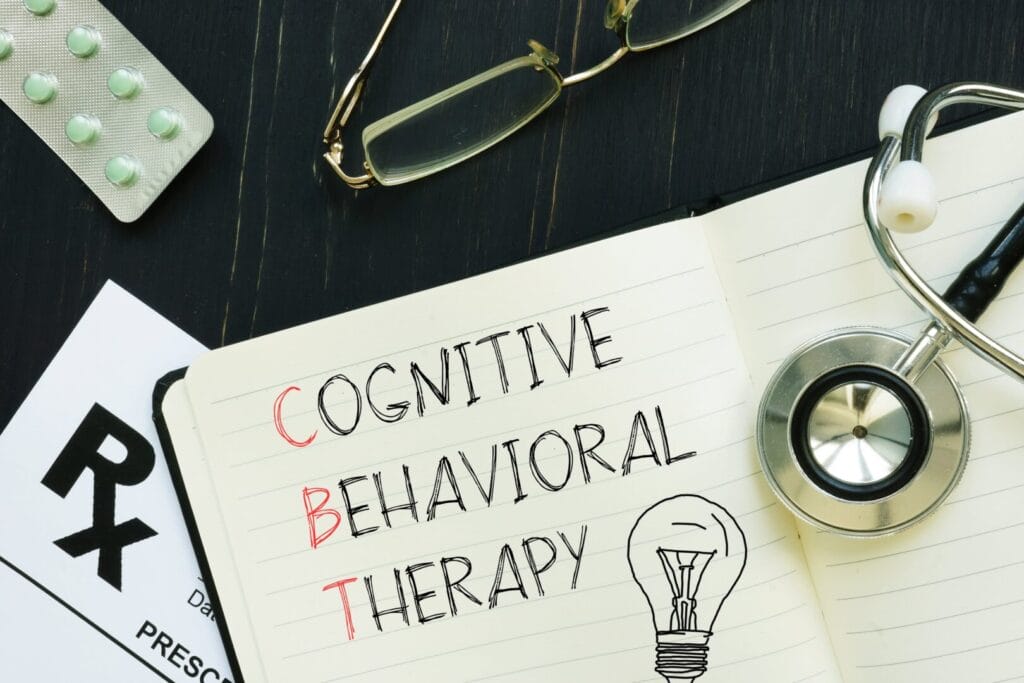
What Is Cognitive Behavioral Therapy (CBT)? Cognitive behavioral therapy (CBT) is a short-term, evidence-based therapy. It combines ideas from cognitive and behavioral therapy. CBT helps people recognize and explore negative thought patterns and emotions. These patterns often contribute to distressing feelings and behaviors. The therapy challenges these patterns and replaces them with positive, healthy coping skills. Is CBT Effective? CBT is one of the most researched psychotherapies. Abundant evidence supports its effectiveness. Studies show CBT works well for many disorders: Depression Anxiety Post-traumatic stress disorder (PTSD) Schizophrenia Eating disorders Chronic pain Some research shows CBT works better than antidepressants for treating adult depression. What Conditions Can CBT Treat? CBT can address various mental health conditions. Strong evidence supports CBT for: Addiction Anger issues Bipolar disorder Eating disorders Panic attacks Personality disorders Phobias Additional Benefits of CBT CBT also helps with non-psychological issues and life challenges: Chronic pain or serious illnesses Divorce or breakups Grief or loss Insomnia Low self-esteem Relationship problems Stress management How Does Cognitive Behavioral Therapy (CBT) Work? CBT provides a supportive, non-judgmental approach. You can talk openly with a trained therapist. The practice focuses on changing thoughts and behaviors that cause problems in your life. Understanding Your Problem During the first few sessions, your therapist works to understand the problem. They learn why you’re seeking treatment. It’s important to provide as much information as possible. The therapist may give you intake forms to learn more about your history. Identifying Problematic Thoughts Your therapist will ask specific questions. These are called Socratic questions. They help open dialogue between you and your therapist. The questions help identify: Thoughts that may contribute to the problem Values and beliefs that might be unhelpful Unhealthy emotions or behaviors Adjusting Your Thoughts and Behaviors Your therapist helps you change your perspective. You’ll work on skills to adopt more positive thought patterns. What Are the Types of Cognitive Behavioral Therapy (CBT)? CBT includes several approaches. Each addresses the connection between thoughts, feelings, and behaviors. Cognitive Therapy Cognitive therapy focuses on challenging negative thought patterns. It helps change unwanted behaviors by changing how you think about yourself and the world. Dialectical Behavior Therapy (DBT) DBT is a well-known type of CBT. It addresses intense emotions and destructive behaviors. DBT uses these strategies: Mindfulness Emotion regulation Distress tolerance Multimodal Therapy Multimodal therapy combines various techniques. It addresses the whole person. This approach may include: Cognitive therapy Psychoanalysis DBT Acceptance and commitment therapy (ACT) Relaxation training Medication when appropriate One study found multimodal therapy significantly reduced depression and anxiety symptoms. After 39 days, 47% of patients with depression entered remission. For anxiety, 50% entered remission. Rational Emotive Behavior Therapy (REBT) REBT focuses on how our thinking affects emotions and behaviors. It’s our thoughts about events that lead to disturbances, not the events themselves. REBT helps people: Cope with and overcome challenges Reach their goals Develop healthy skills Improve overall quality of life Cognitive Behavioral Therapy Techniques CBT uses five main techniques to improve your life: 1. Identifying Negative Thoughts Your thoughts, feelings, and situations can lead to unhealthy behaviors. Identifying negative thoughts is the first step. Once you recognize them, you can address and change them. 2. Practicing New Skills You’ll learn and practice new skills for real-life situations. These help you avoid falling into negative patterns. Coping skills include: Deep breathing Progressive muscle relaxation Listing pros and cons Engaging in pleasurable activities 3. Goal-Setting Setting goals is an essential part of CBT. You’ll work with your therapist to: Identify your goals Distinguish between short-term and long-term goals Determine steps to achieve your goals 4. Problem-Solving CBT teaches you how to identify and solve problems. The process involves: Identifying the problem Listing potential solutions Evaluating these solutions Choosing and implementing the best solution 5. Self-Monitoring Self-monitoring involves keeping a diary or journal. You track your thoughts, feelings, behaviors, and experiences. Research shows self-monitoring can increase positive behaviors and improve treatment results. How Long Is Cognitive Behavioral Therapy? CBT is typically short-term. Most people need between 5 and 20 sessions. Sessions usually last 30 to 60 minutes. They occur once a week. Several factors determine how long treatment lasts: Type of issue: More severe problems may require longer treatment Severity of symptoms: More severe or long-lasting symptoms may need more time Speed of progress: Everyone progresses at their own pace Amount of stress: High stress may require a longer treatment plan Support system: Strong family or friend support can speed progress Benefits of Cognitive Behavioral Therapy CBT offers many benefits that can improve your life: Supportive Environment CBT provides a safe, supportive space. You can focus on yourself and improve your quality of life. Improved Self-Esteem CBT helps you identify your strengths and achieve goals. This builds confidence and empowers you to keep improving. Positive Thinking By challenging negative thoughts, CBT helps create positive thought patterns. This leads to healthier behaviors. Better Anger Management CBT teaches you to identify thoughts and feelings that lead to negative outcomes. You learn to think before acting, helping you manage anger better. Improved Communication When you can accurately identify your feelings, you communicate better with others. Better Coping Skills Using CBT strategies in everyday life improves your ability to cope with challenges. Relapse Prevention CBT helps prevent relapse. You learn to identify thoughts, feelings, and behaviors while using healthy coping skills. One study found that patients with major depression who received CBT plus medication had much lower relapse rates (36%) than those who only received medication (62%) over 78 weeks. CBT extended the time before relapse by three months. How to Get Started With Cognitive Behavioral Therapy Consult Your Physician Talk to your doctor about CBT. They can provide resources and referrals to experienced therapists. Consider Your Preferences Think about what type of treatment works best for you: In-person or online sessions? How often do you want to attend? What qualities do you prefer in a therapist? Contact Your Insurance Call your insurance provider to learn about coverage. Ask about: Types of treatment covered Number of
How Does Outpatient Rehab Work?

What Is Outpatient Alcohol Rehab? One of the best treatments for alcohol use disorder is a rehabilitation program. Many people think of alcohol rehab and envision inpatient rehab, where a person lives at the rehabilitation facility while receiving treatment. However, another option allows people to get treatment while also working and maintaining other responsibilities in life: outpatient alcohol rehab. So, what is outpatient rehab for alcohol? Outpatient treatment for alcohol abuse offers treatment in the form of medication, therapy, and other activities while also allowing you to return home. Some outpatient programs only require visits once or twice a week, while others require you to stay from 4-6 hours each day. Who Would Benefit From Outpatient Rehab? Anyone with an alcohol use disorder seeking treatment can benefit from outpatient rehab, but it’s beneficial for people who want to continue working and living their lives while also receiving treatment. It can also be a good option for people who are exiting inpatient treatment but need time to transition into their normal daily life. Types of Outpatient Alcohol Rehab Programs If you’re seeking outpatient rehab for alcohol addiction, you generally have three options. Outpatient alcohol treatment programs will be detailed below. Standard Outpatient Programs In standard outpatient alcohol treatment, you attend group therapy and/or individual counseling sessions once or twice weekly. Aside from these sessions, you are free to go about your daily life. Intensive Outpatient Programs (IOP). An intensive outpatient alcohol rehab program requires more of a time commitment but still allows you to continue your daily activities. Intensive outpatient programs are typically around four hours, three to five times a week. The services provided by intensive outpatient alcohol rehab are more involved and can include family therapy, group therapy, and medical management. Partial Hospitalization Programs (PHP) PHPs are more involved than the other types of outpatient alcohol rehab programs and involve treatment for up to six hours per day, up to five days each week. This can be an excellent next option for people leaving inpatient treatment, as it offers the most thorough treatment options, including individual, group, and family therapy, medication management, and other supportive interventions. How Does Outpatient Alcohol Rehab Work? The activities and therapeutic interventions in outpatient rehab for alcohol addiction are similar to those in inpatient rehab for substance use. Typically, an outpatient alcohol treatment program will consist of: Medically-Supervised Detox Some people have withdrawal symptoms when they quit using alcohol. Many treatment programs include a medically-supervised detox, where individuals can go through the withdrawal process with the support of medical staff and, in some cases, medications to make the withdrawal symptoms less severe. Outpatient alcohol detox is also an option and can include medical supervision. Alcohol Counseling Sessions Outpatient alcohol counseling sessions may occur at residential facilities, hospitals, clinics, and physician’s offices. They will focus on addiction, its role in the individual’s life, and how to move past it. Different Types of Therapies Other therapies (such as cognitive behavioral or art therapy) will be implemented to help individuals learn to cope without alcohol. Support Groups Groups like AA are often implemented in an outpatient treatment program. Group therapy is also implemented in outpatient programs, which can help individuals connect with others who can relate to their struggles. Benefits of Outpatient Rehab for Alcohol One of the great things about outpatient alcohol rehab is that it allows for flexibility, making it a more accessible treatment for more people. Additionally, outpatient programs allow you to put the things you’ve learned into action in your everyday life. Some other benefits of outpatient alcohol rehab programs include: Safety It is possible to quit using alcohol on your own, but it’s not necessarily as safe as using outpatient programs. When you participate in an outpatient rehab alcohol program, you have professionals to help you every step of the way. This makes the process safer, as any withdrawal side effects or other potential issues you have can be resolved with the support of your recovery team. Effectiveness Participation in outpatient programs—especially intensive outpatient programs—can be as effective as attending residential treatment. Flexibility of Scheduling Outpatient rehab for alcohol allows you to return home each day, but many programs are also flexible and allow you to schedule counseling sessions around your work or school schedule. Rehab/Life balance Not everyone can or wants to disconnect from their daily life when healing from alcohol use disorder. When you participate in outpatient rehab for alcohol or drugs, you can still go to work, see your children or your spouse, and generally keep a good rehab/life balance. Low Cost Often, outpatient alcohol rehab programs are much cheaper than inpatient programs since they do not require you to live at the facility. Allows Patients to Remain At Home During Treatment Outpatient alcohol treatment programs will enable you to heal from alcohol use disorder in your own home, where you are most comfortable. Additionally, many outpatient programs offer virtual services, so some of your treatment can take place from home as well. How to Choose Outpatient Alcohol Rehab Centers Choosing which outpatient alcohol rehabilitation center is the right fit for you can be overwhelming. Some questions to think about when choosing outpatient alcohol rehab include: What therapeutic interventions or practices am I interested in receiving from treatment? Does this program offer outpatient alcohol detox? What degree of treatment am I interested in receiving (standard, IOP, PHP)? What is the patient-to-staff ratio? Does this treatment facility accept my insurance? How long does the outpatient alcohol treatment last? Additional Considerations It’s also important to remember that the best outpatient alcohol rehabilitation centers are accredited by the Joint Commission or the Commission on Accreditation of Rehabilitation Facilities, independent, non-profit organizations that confirm whether a rehab offers demonstrated results, quality, and value. Additionally, staff should be licensed and accredited. Outpatient Alcohol Rehabilitation at San Diego Detox One barrier to outpatient alcohol recovery is the cost of treatment programs. However, many insurance policies cover at least a portion of outpatient treatment for