
Family Support During Addiction Treatment

Recovery may begin with detox, but it truly gains momentum when the people closest to us lean in rather than step back. Studies consistently show that clients whose families attend therapy sessions, learn communication skills, and set healthy boundaries are more likely to stay in treatment and less likely to relapse in the first year. Even small gestures, such as checking in after a group or cooking a balanced meal, signal that healing is a team effort. This post explains how loved ones can transition from worried bystanders to active partners in change. You’ll find practical, science-backed tools that you can start using today, along with examples of how San Diego Detox weaves family engagement into every phase of care. Understanding the Family’s Role in Recovery “Family” is any circle of people who shape a client’s daily life: parents, siblings, spouses, partners, close friends, even a mentor or sponsor. Their influence cuts both ways. Supportive words, rides to appointments, and sober social activities build motivation, while criticism or unresolved conflict can raise stress hormones that trigger cravings. When families get involved, people tend to finish detox faster, stay in treatment, and feel less anxious or depressed. Emotional support is huge, but it works best with clear ground rules. Loved ones who talk honestly and steer clear of enabling create a steady home base where progress can stick. Clients often feel a boost of confidence and a fresh sense of responsibility once they see their hard work lifting the whole household. When relatives understand the weight of their influence, they become a key part of the recovery game plan, not just a footnote. Common Barriers Families Face Wanting to help and knowing how to help are two different things. Families often run into four common roadblocks. First comes stigma: worry about what neighbors or coworkers might think can keep loved ones silent when support is most needed. Next is guilt, a nagging sense of “Could I have stopped this?” that leaves parents or partners stuck in blame instead of solution-finding. Conflicting information also muddies the water. One article praises tough love, another urges unconditional acceptance, and relatives may end up sending mixed signals. Finally, boundaries get blurred. Helping with rent may feel caring, but it can slide into enabling, while strict rules can feel like rejection. These challenges can look different across cultures and family structures.In some families, every major decision is made as a group, making one-on-one therapy feel awkward. In others, an older sibling or close family friend fills in when parents aren’t around. Those differences count. There’s no one-size-fits-all solution, so the best programs adjust their guidance to match each family’s culture, communication style, and values. The first move is simply naming these roadblocks so everyone can start clearing them together. How San Diego Detox Integrates Families into Recovery Family plays a vital role in sustainable recovery, so San Diego Detox folds a dedicated Family Therapy Program into every treatment plan. The program is designed to help relatives reconnect, rebuild trust, and support one another’s healing journey. Sessions run about 60 to 90 minutes and are led by therapists who guide open conversations on communication, boundaries, and the early warning signs of relapse. Because the therapy is embedded in the overall care plan, loved ones advance alongside the client, creating a unified support network that extends well beyond the detox phase. Families ready to learn more can call the center’s 24/7 admissions line for scheduling and next-step guidance. Communication Tools That Reduce Conflict Healthy conversation keeps recovery on track, but it takes practice. Start with boundaries. Each family member writes two short lists: “What I can do” and “What I can’t do.”For example, driving to therapy fits under “can,” while loaning cash for anything tied to substance use sits under “can’t.” Post the lists on the fridge or share them in a group text so everyone sees the same rules. Next, swap blame for I-statements. The formula is simple: “I feel ___ when ___ because ___, and I need ___.” Try it aloud before tough talks. Example: “I feel anxious when I don’t hear from you after group because I worry that something went wrong. I need a quick text to let me know you’re safe.” Active listening drills help both sides feel heard. One person speaks for two minutes while the other listens without interrupting. The listener then paraphrases: “What I heard is…” and asks, “Did I get that right?” Switch roles and repeat. Put it all together with a Family Agreement worksheet. Columns can include Boundaries, Communication Plans, Emergency Steps, and Fun Stuff to Do Sober. Fill it out during a therapy session, revisit it every month, and adjust as life changes. Coping With Your Own Emotions Supporting someone in treatment can evoke a range of emotions, including shame, anger, and fear, in rapid succession. Ignoring those feelings only tightens the stress loop. First, name what shows up. Journal prompts like “Today I felt ___ when ___” make vague emotions concrete. Notice patterns, such as anger spikes after a broken promise or fear rising before court dates. Create a self-care plan you will use. Pick one calming habit each day (five-minute breathing exercise), one energizing habit each week (walk with a friend), and one restorative habit each month (massage, hike, or movie night). Lean on the community. Al-Anon, Nar-Anon, or SMART Family & Friends meetings provide a space for you to share stories with people who understand. If groups feel intimidating, consider one-on-one counseling. Therapists familiar with addiction can teach coping tools and help untangle guilt that does not belong to you. San Diego Detox offers referral lists for both in-person and virtual providers. Remember, looking after your mental health is not selfish. It models balanced living and gives you the energy to show up for your loved one without burning out. Practical Ways to Help Day-to-Day Support often shows up in small, repeatable actions. Offer to drive your loved one to detox appointments, therapy
What Are the Key Benefits of Residential Treatment for Addiction Recovery?
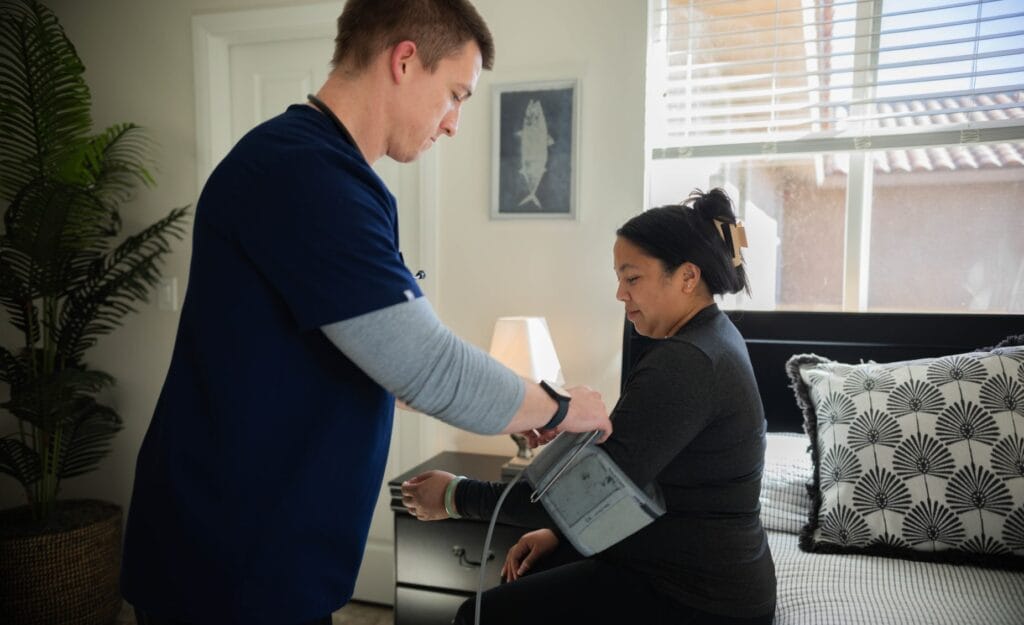
When it comes to addiction recovery, it’s a journey that’s unique for everyone. For many, breaking free from addiction’s difficult cycle can feel overwhelming. This can be especially true if you try to do it alone. That’s where treatment comes in, and more specifically, residential treatment. Whether it’s your first time seeking help or you’re exploring new options for yourself or a loved one, understanding the best approach can make a difference. Residential treatment offers a deeper, more immersive experience than other methods. By providing 24/7 care, structure, and a safe space away from usual triggers, individuals can focus entirely on healing. This dedicated time in a supportive environment can be the key to long-term success. We’ll discuss some of the core benefits of residential treatment and why it could be beneficial for you or someone close to you. 24/7 Care and Support A big advantage of residential treatment—perhaps the biggest—is constant medical and emotional care access. When someone is in the early stages of recovery, the body and mind undergo a lot of changes. Having medical professionals available around the clock helps to ensure withdrawal symptoms are safely managed, reducing discomfort and minimizing the risk of relapse. It’s not just about the medical side of things. Emotional support plays a huge role in recovery, too. Residential treatment provides a compassionate team of counselors and therapists who are always there to help, whether someone feels overwhelmed or anxious or just needs someone to talk to. This high level of support creates a sense of security – patients know they’re not alone in their struggles, and help is always a few steps away. For many, having 24/7 care means focusing solely on healing without the usual distractions and stressors. Knowing someone is there to guide them through every step of the process helps ease the mind and body, making the recovery journey a little less daunting and more manageable. Structured Environment A key benefit of residential treatment is the structured environment it provides. When someone is recovering from addiction, having a routine can be incredibly grounding. It removes the uncertainty of thinking about what’s next and creates a sense of stability, which is often missing in the chaos of addiction. Residential programs are designed with a clear schedule of therapy sessions, group activities, and even designated downtime, all aimed at keeping the focus on recovery. The structure allows individuals to channel energy into productive activities, whether it’s through one-on-one therapy, group discussions or holistic treatments like meditation or art therapy. Having those regular touchpoints throughout the day helps build healthy habits, reinforces the importance of self-care and reduces the likelihood of falling back into old, destructive patterns. Without the usual distractions of daily life, whether it’s work, family stress or other triggers, the structured environment in residential treatment makes it easier to fully concentrate on healing. This sense of routine gives individuals a clear path forward, fostering self-improvement one step at a time. It isn’t just about obtaining sobriety—it’s about creating new, healthy routines to support a lasting recovery. Access to a Range of Therapies and Treatment Options A standout feature of residential treatment is the wide variety of therapies available to support recovery. From evidence-based treatments like cognitive behavioral therapy (CBT) to group therapy sessions and holistic approaches like yoga or meditation, residential programs cater to each person’s unique needs. This variety ensures that no matter where someone is in their recovery journey, there’s a method that resonates with them and helps them heal. Personalized treatment plans are at the heart of residential care. Addiction is often linked with other mental health challenges, like anxiety, trauma or depression. Residential programs take this into account, offering therapies that not only address addiction but also dig deeper into underlying issues that could have contributed to it. By focusing on the mental and physical aspects of addiction, these programs provide a more comprehensive and lasting solution. This holistic approach encourages self-reflection and personal growth. In a residential setting, individuals have the time and space to gain a deeper understanding of themselves, uncover the root causes of their addiction and develop healthier ways of coping with challenges. The range of therapies creates a solid foundation for long-term recovery and offers more than a temporary solution. Peer Support and Community Building One of the most powerful aspects of residential treatment is the sense of community among people going through similar struggles. Addiction can feel extremely isolating, leaving people feeling alone in their experiences. In residential treatment, that isolation is replaced with peer support—people who truly understand the ups and downs of recovery because they’re living it, too. Being surrounded by others with similar challenges fosters a deep sense of belonging. Group therapy sessions, shared activities and informal conversations create opportunities to connect, share stories and encourage one another. This peer support is invaluable, helping individuals realize they aren’t alone in their fight against addiction. The bonds formed in this environment can ease the emotional weight of recovery and serve as motivation to keep pushing forward even on tough days. The relationships built during treatment often extend far beyond the treatment itself. Many people leave residential treatment with a support network that becomes a vital part of long-term recovery. These friendships provide ongoing encouragement, accountability and understanding, all of which help sustain sobriety in the real world. Focused Time Away from Triggers Residential treatment provides a crucial opportunity to step away from the environment and situations that can fuel addiction. By removing individuals from daily stressors and triggers, residential programs create a safe, controlled space with the focus being solely on recovery. This break from the outside world can be key to helping individuals regain a sense of control of their lives. In a setting free from temptation, it becomes easier to maintain sobriety and focus on the inner work necessary for healing. Without the constant threat of relapse looming over them, individuals can concentrate on understanding their addiction, developing new coping strategies and rebuilding
Can You Overcome Cocaine Addiction Without Rehab?
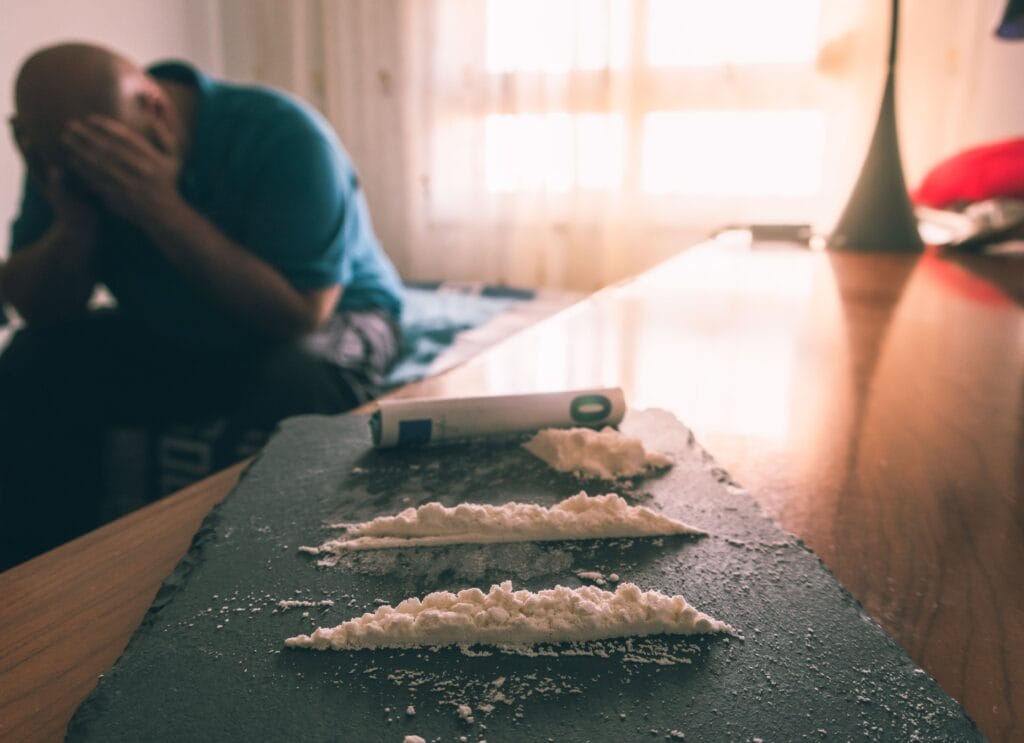
When you’re struggling with cocaine addiction, it’s a complex, very personal journey. You might wonder about alternatives to traditional rehab settings as you grapple with addiction. In many cases, addiction does require a formal treatment program, but not always. How Does Cocaine Addiction Develop? Cocaine addiction, like is true with other substance use disorders, involves a complicated coming together of biological, social, and psychological factors. At the core, cocaine addiction comes from the powerful effects of the drug on your brain’s reward system. When you consume cocaine, it very quickly causes your dopamine levels to soar. Dopamine is the brain neurotransmitter linked to pleasure and reward. When you have a dopamine surge from using cocaine, it can create feelings of euphoria, energy, and confidence. These positive feelings reinforce your desire to keep using cocaine so you can continue experiencing them. Repeatedly using cocaine causes neuroadaptation. In neuroadaptation, your brain adjusts to the drugs’ presence, reducing dopamine sensitivity. You, as a result, require larger cocaine doses to get the same high, which leads to escalating use cycles. Chronic cocaine use can change the function and structure of essential brain regions as well, including the parts involved in impulse control, decision-making, and stress regulation. The changes contribute to the compulsive drug-seeking behaviors that come with cocaine addiction. There are also genetic factors that can be part of predisposing you to develop an addiction more quickly than other people. There may be variations in the genes related to your dopamine receptors and other neurotransmitter systems. Those variations influence how vulnerable you are to cocaine addiction. Other things that can increase your cocaine addiction risk include trauma, stress, and peer influences. When you understand the complex and biological parts of addiction, it highlights the importance of a comprehensive treatment approach. Treatment addresses not only dependence on the drug and helps you to get sober but also helps to treat the underlying brain changes and co-occurring mental issues that are likely playing a role. What Happens During Rehab for Cocaine Addiction? When you receive structured treatment for cocaine addiction, some of the things you might expect include: Detoxification: The first step of your treatment plan usually involves detox to manage withdrawal symptoms as your body clears cocaine. You may need medical supervision as you detox to address any complications and give you adequate support during this time. Behavioral therapy: Different types of behavioral therapy are used as a way to address the psychological components of addiction. You work with therapists to explore your harmful or unhealthy ways of thinking and behaving, especially as they relate to cocaine use. You also develop strategies for coping and set recovery goals for yourself. Support groups: During treatment, you might start participating in support groups, such as Cocaine Anonymous (CA) or Narcotics Anonymous (NA). These groups create a sense of community and facilitate support, encouragement, and accountability. Education and skill building: In a cocaine rehab program, you learn about addiction and the effects it can have on you mentally and physically. You’ll also likely learn relapse prevention training and skills training in problem-solving and stress management. You’ll use these tools to navigate life challenges without using cocaine. Aftercare planning: Life after rehab should also be addressed. A rehab program will help you develop an aftercare plan personalized to you so you can maintain your recovery after formal treatment. Your plan might include support group participation, ongoing therapy, vocational training, sober living, and other resources and strategies to maintain long-term sobriety. Cocaine addiction treatment should address all of your individual needs and circumstances within a supportive, structured environment. Why Is Professional Treatment Usually Necessary for Cocaine Addiction? Receiving professional treatment is vital for several reasons. First, you may need medical supervision as you go through detox. It can be mentally and physically distressing. Addiction treatment professionals are also equipped to do thorough assessments to identify your unique needs, which might impact your recovery. This could include medical or mental conditions. The assessment allows for developing a personalized treatment plan based on your circumstances. During rehab in a professional environment, there’s the use of evidence-based therapies and interventions proven effective in addressing cocaine addiction. The environment is also structured so you can fully focus on your recovery. Finally, addiction is a chronic condition often requiring ongoing management and support. In a professional program, you can go through a continuum of care that will help support your sustained recovery. Can You Overcome Cocaine Addiction Without Rehab? While it’s not usually the recommended option, it is possible to overcome cocaine addiction without formal rehab. You have to be self-aware to do so and acknowledge the impact addiction has on your life. You must also identify the triggers that lead to use and find ways to cope effectively. Building a support network can help you stay encouraged and motivated and work on improving your overall health and well-being through lifestyle changes. Unfortunately, if you’re trying to recover from addiction without professional support, you may not have the needed resources for a comprehensive approach. Get Help for Cocaine Addiction While the journey to overcome a cocaine addiction is incredibly challenging, professional help through rehab gives you a supportive, structured, and comprehensive treatment approach. In a rehab program, you have access to the expertise, guidance, and resources you need to address the many complexities of addiction, including personalized assessment, evidence-based therapies, medical supervision, and peer support. Rehab offers you a healing path, prioritizing your well-being and success. If you or someone you love is dealing with cocaine addiction, take a step toward recovery with San Diego Detox. We can help you with tailored care and a commitment to supporting you through each step of the recovery process. Reach out to us today. Frequently Asked Questions Why is professional treatment often recommended for cocaine addiction? Professional treatment is often recommended because cocaine detox and addiction recovery can involve significant medical, psychological and environmental factors—such as withdrawal, co-occurring mental health issues, structural brain changes, and relapse
Does Alcoholism Run in Families?

You’ve probably heard it before—someone mentions they had a family member who had alcoholism, so they assume it runs in their blood. There tends to be the assumption that if one person in the family struggles with alcohol, everyone is bound to follow. But is that the case? Does alcoholism truly “run in the family,” or is there more to the story? If you’ve seen the impact of alcohol up close and personally, it’s a question you may worry about. We’ll dig in and try to make sense of it all. What Science Says About Genetics We’ll talk about the science for a minute—yes, there’s some evidence that genetics play a role in whether someone struggles with alcohol. If your parents or grandparents, for example, had issues with alcohol, you might have a higher chance of facing the same challenge. The thing to realize, though, is that your DNA isn’t a crystal ball that says with certainty you’re going to be an alcoholic. Just because it’s possible doesn’t mean it’s your future or that you can’t overcome addiction if you do struggle with it. Genes can make you more susceptible to alcoholism and addiction, but they’re not the whole story. Other factors like your environment, how you handle stress, and your choices are at play. Science gives up some clues, but it doesn’t write the entire script for your life. The Role of Genetics in Alcoholism and Addiction Research shows certain genetic factors can increase the susceptibility to addiction, including alcoholism. Even so, there’s not a single alcoholism gene. Instead, it can be a combination of genetic variations that make some people more prone to developing addictive behaviors. For example, some people might inherit a higher tolerance for alcohol, so they drink more than others to achieve the same effects over time, leading to dependency. Genetics also influence addiction through the brain’s reward system. Our brains are wired to seek out pleasurable activities that trigger dopamine release. For some people, genetic differences in the reward system make them more sensitive to the effects of alcohol or drugs. The increased sensitivity could mean that individuals experience a stronger sense of pleasure or euphoria when drinking, making it harder to resist the urge to keep doing it. Conversely, some people have genetic variations that lead to lower dopamine levels or less efficient dopamine receptors. These could result in someone needing more alcohol to get the same pleasurable effects others would experience more easily, which also increases the risk of addiction. Family Studies and Heritability Family studies have helped uncover the genetic links to alcoholism. For example, studies looking at twins and adopted children have shown genetics can account for about 50-60% of the risk for developing alcoholism. Identical twins with the same genetics are more likely to struggle with alcoholism if one does compare to fraternal twins. Fraternal twins only share around 50% of their genes. Environment and Upbringing: The Other Piece of the Puzzle Now, let’s look at the other side of the coin—how your environment and upbringing come into play. Growing up in a home where drinking is part of the daily routine can have a big impact on how you view alcohol. It becomes a normal or even expected part of life if you always see your parents unwind with a glass of wine or a beer after a long day. You might grow up thinking that’s just what adults do. Seeing family members drink regularly as you’re growing up sets the stage for how you might approach alcohol yourself. It’s not just about your genes—it’s about what you learn along the way, and sometimes learned behaviors can be more influential than genetics. Epigenetics is an emerging research field examining how environmental factors influence the expression of genes. With addiction, this means that while someone might have a genetic predisposition to alcoholism, their environment can either increase or decrease the risk of those genes being activated. Experiencing trauma, having easy access to alcohol, or growing up in a stressful environment are all things that can interact with a genetic predisposition and potentially lead to addiction. The Role of Stress and Coping Mechanisms How we cope with the stress of life can make a difference in whether or not we turn to alcohol to manage it. For some people, drinking after a long or stressful day can become a go-to solution. Some people might be more resilient and find healthier ways to deal with stress, but it’s important to remember that we can learn and change how we handle challenges. Even if turning to alcohol was something you always saw modeled as a coping mechanism, it’s not the only option. When you develop healthier coping mechanisms, it can make a difference in the ways you deal with stress and can help you break the cycle of using alcohol as a crutch. Breaking the Cycle The good news is that just because alcoholism runs in your family doesn’t mean you’ll automatically follow the same path. Understanding that you might be at a higher risk is empowering. By knowing the risks, you can take proactive steps to protect against alcoholism through making conscious choices, like finding healthy strategies to cope with stress or being aware of how alcohol affects you. At San Diego Detox, we understand how complex addiction is and the challenges that come with breaking free from the cycle. Our compassionate team is here to help you take crucial steps toward a healthier future. Whether you’re looking for detox, inpatient treatment or holistic support, we offer a range of personalized treatment options to meet your needs. While you create your own path, we’re also here to walk with you every step of the way. If you’re ready to break the cycle and reclaim your life, we offer the tools, guidance, and support you need, so don’t wait—reach out to make a lasting change or help your loved one take the first step. Frequently Asked Questions Does having a family
How Does Fentanyl Affect the Body?
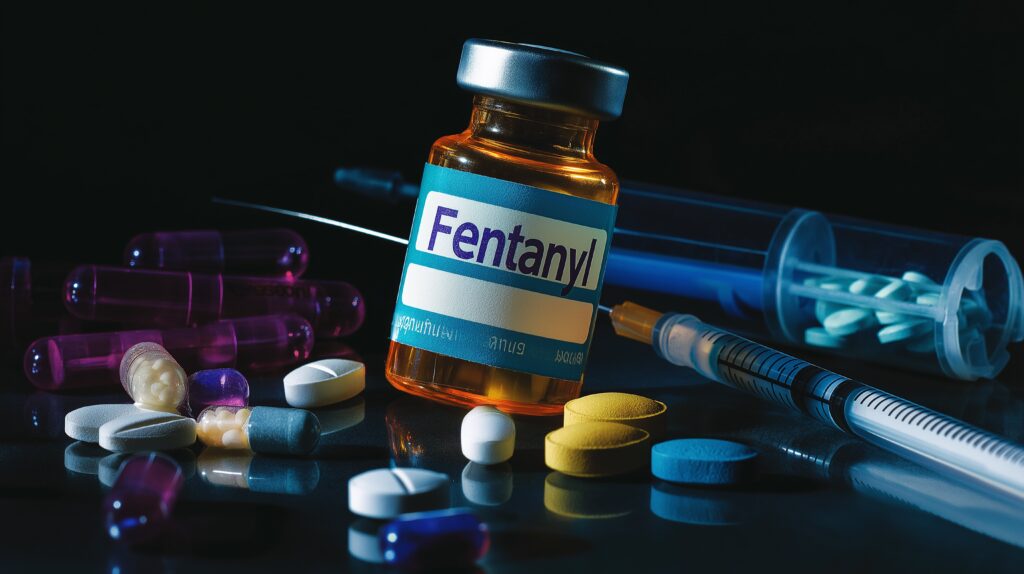
Fentanyl is a potent, dangerous substance. This synthetic opioid is significantly more powerful than heroin and morphine. Originally, fentanyl was developed to manage severe pain, especially in cancer patients. Now, it’s become known for its role in fueling the opioid crisis, contributing to a soaring number of overdoses and deaths. We’ll explore the different ways fentanyl can affect the body to shed light on why it’s such a dangerous drug. A Brief Overview of Fentanyl Fentanyl, because of how potent it is, is only meant to be used in controlled medical environments. However, it’s also illegally made and sold, often mixed with other drugs like cocaine, pills or heroin, without the user knowing. This makes it incredibly dangerous. Even a very small amount can lead to overdose and death. What Happens When Someone Takes Fentanyl? When someone uses fentanyl, it interacts with their brain and body quickly. Entry into the body: Fentanyl can be used in different forms, including injection, transdermal patches or lozenges. It’s rapidly absorbed into the bloodstream and begins taking effect in minutes. Binding to opioid receptors: Quickly making its way across the blood-brain barrier, fentanyl binds to specific opioid receptors. Opioid receptors are part of the body’s pain regulation system. When fentanyl binds to these sites, it triggers chemical reactions, changing how the brain perceives pain. Initial brain effects: One of the primary effects of fentanyl in the short term is powerful pain relief. When opioid receptors are activated, it also triggers a dopamine release. Dopamine is what causes the euphoria or high of fentanyl. Fentanyl slows down brain activity, creating drowsy, relaxed feelings. Effects on the body: Fentanyl significantly slows the body’s respiratory rate because it acts on the brain stem. The brainstem controls automatic body functions, like breathing. This is one of fentanyl’s most dangerous effects, and if a dose is too high, it can cause respiratory arrest. Fentanyl can also cause blood pressure and heart rate to drop. Short-term aftereffects: As the drug continues affecting the brain, a person may feel extremely tired or fall asleep. It can trigger nausea and vomiting, and the sedative effects can lead to problems concentrating, confusion and impaired decision-making. Risk of overdose: If too much fentanyl is taken, it can lead to severe respiratory depression and hypoxia. Hypoxia is when oxygen levels are dangerously low and can cause brain damage or death. Once the effects of fentanyl wear off, a person may go through early withdrawal symptoms like anxiety, muscle aches and restlessness, especially if they use it regularly. Long-Term Fentanyl Effects The long-term effects of fentanyl can be devastating. Chronic fentanyl use can lead to: Tolerance development: Your body can become accustomed to fentanyl over time. The initial dose no longer has the same effect; you would need higher doses to get the desired effects. That then raises the risk of overdose. Physical dependence: With continued use, the chemistry of the brain starts changing, and it relies on fentanyl to function normally. Respiratory issues: Long-term opioid use can lead to ongoing respiratory depression. At that point, a person’s breathing might stay shallow or slow even when they’re not actively under the influence of the drug. That can cause chronic oxygen deprivation, damaging vital organs. It raises the risk of respiratory infections like pneumonia. Cardiovascular damage: Fentanyl can cause long-term damage to the cardiovascular system, including chronic low blood pressure and slow heart rate, as well as a raised risk of heart attack or failure. Cognitive and mental health effects: Chronic fentanyl use can lead to long-term cognitive impairments like memory loss and problems concentrating. It can also worsen or lead to the development of mental health disorders. Psychological fentanyl dependence can fuel an addiction cycle as well. Sleep apnea: Related to the respiratory effects of fentanyl, long-term use can cause or worsen sleep apnea. This is when breathing stops repeatedly during sleep, further reducing oxygen levels. Digestive issues: Fentanyl slows down the digestive system, causing chronic constipation. It can become severe and eventually require medical treatment. Liver damage: The liver metabolizes fentanyl, and chronic use can strain it, leading to damage or failure. If fentanyl is used with other substances like alcohol that also burden the liver, these risks can be especially high. Kidney damage: The kidneys filter waste out of the blood, including drug use. Prolonged use of fentanyl can lead to kidney damage or failure, especially if the drug leads to dehydration or other toxic substances are being used. Immune system: Chronic opioid use suppresses the immune system and makes the body more at risk of frequent and potentially severe infections. Hormonal imbalances: Long-term use can disrupt the endocrine system and cause hormonal imbalances. It can result in symptoms like reduced libido, depression, fatigue and infertility. Fentanyl can also lead to adrenal insufficiency, so the body can no longer produce enough of the hormones regulating stress and other body functions. Sexual dysfunction: Both men and women might experience sexual dysfunction because of the effects of fentanyl on hormone levels and overall physical health. Along with the above, chronic use of opioids can decrease bone density and lead to muscle weakness and wasting. Getting Help for Fentanyl Dependence Fentanyl’s impact on the body is both immediate and also long-lasting. Devastating effects can alter every part of a person’s physical health. From respiratory and heart damage to severe cognitive issues, the consequences of fentanyl use are profound and often life-threatening. Long-term use also leads to a dangerous addiction cycle that’s tough to break. Recovery is possible, though. Recognizing the dangers of fentanyl is the first step to seeking the needed help to overcome addiction. If you or a loved one is using fentanyl, it’s crucial to get professional support as soon as possible. At San Diego Detox, we understand the distinct challenges of fentanyl addiction. Our team of caring professionals can guide you through the detoxification process. Once you’ve finished the detoxification process, we can help guide you through continued recovery via our treatment programs,
Does Rehab Work?

Does rehab really work? It’s a question that crosses the mind of many people, whether they’re considering it for themselves, a friend, or a loved one. The idea of entering rehab can feel overwhelming, and with so many mixed stories out there—some about amazing recoveries and others about frustrating relapses—it’s natural to be skeptical. Rehab isn’t a magic bullet, a quick fix or a one-size-fits-all solution. But that doesn’t mean it doesn’t work. Rehab can be incredibly effective, but its success isn’t just about checking into a facility. It’s about the journey, commitment, and a range of factors that all play a part in the process. From personal commitment to the quality of care, we’ll explore what really makes rehab work and, in some cases, what can make it fall short. Understanding Rehab: More Than Just Detox When most people think of rehab, the first that comes to mind is detox—getting the substances out of your system and starting fresh. While detoxing is a critical first step in the recovery process, it’s just the beginning. Rehab is about more than cleansing the body—it’s about healing the whole person. At its core, rehab is a comprehensive approach to recovery. It’s a structured program to help someone not just stop using drugs or alcohol but help them understand the underlying issues contributing to addiction. Rehab involves a combination of medical care, therapy, education and support. It’s all aimed at equipping people with the tools needed to rebuild their lives. The goal isn’t just achieving sobriety but maintaining it in the long run. Addiction doesn’t just affect the body. It touches every part of a person’s life—mentally, emotionally and spiritually. A holistic rehab approach recognizes this and addresses the whole person, not just the symptoms of addiction. In a holistic rehab program, treatment plans go beyond traditional methods like therapy and medications. They include mindfulness practices, yoga, nutritional counseling, art therapy and more. These are elements to help individuals reconnect with themselves, manage stress, and find a sense of balance and well-being to support their recovery. By treating the mind, body and spirit, holistic rehab creates a solid foundation for a healthier and more fulfilling life overall post-rehab. Exploring Various Treatment Modalities Addiction treatment is highly individualized, and selecting the right approach is crucial for long-term success. Different programs and therapies address unique challenges, ensuring that each person receives the support they need. Inpatient vs. Outpatient: Inpatient Rehab – A structured, immersive environment with 24/7 medical and emotional support. Outpatient Rehab – Flexible treatment for those who need therapy while managing daily responsibilities. Alternative Treatment Options: Partial Hospitalization Programs (PHPs) – A balance between inpatient and outpatient care with structured daytime treatment. Intensive Outpatient Programs (IOPs) – A step down from PHPs, offering therapy sessions multiple times a week. Therapy-Based Approaches: Cognitive Behavioral Therapy (CBT) – Helps individuals identify and change negative thought patterns that contribute to addiction. Dialectical Behavior Therapy (DBT) – Focuses on emotional regulation and distress tolerance for those struggling with intense emotions. Medication-Assisted Treatment (MAT) – Combines FDA-approved medications with counseling for opioid and alcohol addiction. Choosing the right modality is key to recovery, as it ensures individuals receive the appropriate level of care and support for their unique journey. Key Factors Influence Rehab Effectiveness The effectiveness of rehab isn’t just about checking into a facility and going through the motions. It’s about a combination of factors working together to support lasting recovery. Some of the elements that can have an impact on the rehab experience and how effective it is overall include: Personal commitment: One of the first and perhaps most critical factors is individual commitment to recovery. Rehab can provide all the tools and support in the world, but if someone’s not committed to making a change, it diminishes the likelihood of success. Recovery is challenging and requires a deep, personal desire to overcome addiction. The commitment involves embracing the process and being open to change. Support systems: No one should go through recovery alone. Strong support systems are essential during and after rehab. During rehab, family involvement can provide emotional support and help rebuild trust and relationships. Peer support groups within the rehab setting also offer shared understanding and a motivating sense of community. Aftercare and ongoing support: The journey doesn’t end after a rehab program ends. Ongoing support is vital to maintain long-term sobriety. Aftercare programs like support groups, sober living environments and ongoing counseling provide the continued structure and guidance needed to navigate life after rehab. These programs help people apply what they’ve learned in rehab to real-world situations, cope with triggers and stay committed to recovery. Overall, rehab works best when there is a strong personal commitment, a high-quality program, robust support systems and comprehensive aftercare. Building a Strong Support Network: Resources for Lasting Recovery Recovery doesn’t end when rehab does. Ongoing support systems play a critical role in preventing relapse and maintaining long-term sobriety. Various resources provide encouragement, guidance, and accountability. Community-Based Support Groups: Alcoholics Anonymous (AA) & Narcotics Anonymous (NA) – 12-step programs offering peer support and structured recovery steps. SMART Recovery – A non-religious alternative that emphasizes self-empowerment and science-based strategies. Rehab-Supported Aftercare Programs: Alumni Networks – Many rehab centers offer continued group therapy, mentorship, and sober community events. Relapse Prevention Plans – Structured strategies designed to help individuals recognize and manage triggers. Virtual and Online Support: Online Meetings & Forums – Digital platforms offering remote access to support groups and counseling. Mental Health Apps – Mobile tools that provide guided meditation, recovery tracking, and therapy resources. Engaging with these resources can make the difference between short-term sobriety and lasting recovery, providing a sense of community and continued guidance. Why Treatment Duration Matters The length of time spent in treatment directly impacts recovery success. While short-term rehab offers immediate stabilization, extended treatment is often necessary to create lasting behavioral change. Why Longer Treatment Leads to Better Outcomes: More time for behavioral therapy – Developing healthy coping skills and addressing
Why Is Meth So Addictive?
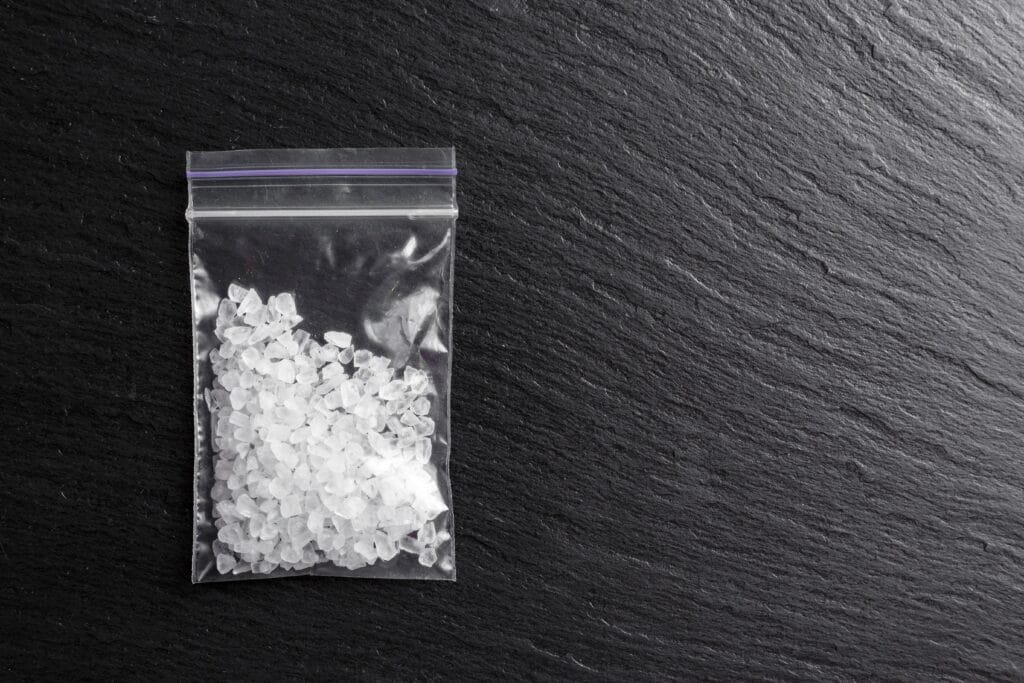
Methamphetamine, also known as meth, is notorious for being one of the most addictive substances. It’s not just another street drug. Meth has a reputation for hooking people quickly and holding onto them with a tight grip. So, what is it about meth that makes it so dangerous and addictive? Did you know that trying meth just once can set off a chain reaction in the brain, making it almost impossible to resist the urge to use it again? We’ll dive into the key reasons meth is so addictive. We’ll explore how it affects the brain, why people quickly develop a dependency, and the challenges of breaking free from its grasp. Whether you’re curious about the science behind meth addiction or you’re seeking to understand the struggle of a loved one, we’ll shed light on why meth is so hard to quit. What Is Meth? Methamphetamine is a stimulant affecting the central nervous system with chemical similarities to amphetamine. Amphetamine is used for conditions like ADHD and narcolepsy, but methamphetamine has much stronger effects. The rapid high of meth contributes to its addictive nature. Illegal meth is made in labs with toxic chemicals, so it’s extremely dangerous not only because of the addictive potential but also the harmful substances used to make it. How Meth Affects the Brain One of the reasons meth is so addictive lies in how it dramatically changes brain chemistry. When someone uses meth, it triggers an enormous release of dopamine, playing a role in how we experience pleasure, motivation and reward. Under normal circumstances, dopamine is released in small amounts in response to activities like spending time with loved ones or eating, creating happiness and satisfaction. However, meth creates a dopamine surge that’s far beyond what the brain naturally produces. The overwhelming dopamine flood creates an intense rush of euphoria that users often say is unlike anything they’ve felt before. It’s this powerful, all-consuming high that can make meth so appealing and ultimately so addictive. Here’s where it can get even more dangerous – meth doesn’t just provide a one-time high. It hijacks the brain’s reward system. The brain is naturally wired to want to repeat activities that lead to pleasure, so we crave things that make us feel good. Meth takes advantage of this system by creating an artificial sense of reward that’s so strong the brain prioritizes meth over everything else. Over time, the brain starts depending on meth to release dopamine leading to cravings that are difficult, if not nearly impossible, to resist. Dependence makes meth addiction powerful, and why people find themselves trapped in a cycle of repeated use, constantly chasing the first euphoric high. As meth takes over the brain’s reward system, breaking free from its grip becomes an uphill battle and makes recovery a challenging process. Tolerance and Dependence As meth use continues, the brain adapts to the drug’s presence, leading to what’s known as tolerance. When someone first uses meth, the initial dopamine rush creates an overwhelming sense of euphoria. However, as the brain is repeatedly flooded with dopamine, it adjusts by reducing its sensitivity to the drug. The result is that, over time, the same amount of meth no longer produces the same intense high. Someone may find they’re taking larger and more frequent doses, which is the cycle of building tolerance. This all accelerates the risk of addiction. The brain starts developing a physical dependence on meth as tolerance builds. Normally, the brain regulates dopamine levels for balance and proper functioning, but with meth use, the natural dopamine production of the brain gets disrupted. Eventually, the brain is so used to the presence of meth that it struggles to produce dopamine on its own. The reliance on meth to keep up normal dopamine levels creates a situation where the person using it may feel unable to function without it. If someone’s dependent on meth and tries to stop using it, they can experience intense withdrawal symptoms. These symptoms are the response of the brain to the sudden drop in dopamine levels and its attempt to readjust to functioning without meth. Physical dependence makes it incredibly hard to quit because the body and mind encourage the person to seek more meth to feel normal again. The combination of tolerance and dependence is what makes meth so difficult to quit. It becomes a vicious cycle, pushing users to take more meth while simultaneously making it increasingly hard to stop. The Psychological Grip One of the most powerful aspects of meth addiction is its psychological grip. The cravings can become so intense they dominate a person’s thoughts and actions, so focusing on anything else is almost impossible. The cravings aren’t just a fleeting desire. They’re a relentless drive to use the drug again, fueled by the brain’s constant demand for more dopamine. This leads to a single-minded obsession where using meth becomes a top priority at the expense of everything else in a person’s life. Meth can trigger significant behavioral changes as cravings take hold. These can include risky, dangerous or out-of-character behaviors in pursuit of the drug. The impact of meth on the brain can lead to impulsive decisions, poor judgment and a willingness to take extreme risks to satisfy the craving. Meth can also create a strong emotional dependence. It can be a way to escape or cope with negative emotions. The intense euphoria of meth is a temporary relief from the challenges of life, but the reliance on meth to manage feelings only deepens the addiction. It becomes a crutch to deal with everyday life. Emotional dependency can be especially hard to break. It intertwines the drug with the person’s mental and emotional well-being. Overcoming meth addiction isn’t just about resisting physical cravings. It also involves untangling the deep psychological ties that meth has formed, making the road to recovery feel overwhelming. Break Free from Meth Addiction—Start Your Recovery Journey Today at San Diego Detox If you or someone you care about is feeling trapped
How Does Heroin Affect the Body?

Heroin addiction can be an overwhelming and deeply isolating experience affecting every part of a person’s life. Whether you or someone you love is struggling with this powerful drug, it’s important to know you aren’t alone in this fight. Addiction doesn’t define who you are, and seeking to understand how heroin impacts the body is an important part of taking back control. The physical, mental and emotional toll of heroin can feel impossible to escape, but with the right information and support, healing is within reach. We’ll explore how heroin affects the body in the short term and over time. By gaining an understanding of the physical consequences of heroin use, you’ll hopefully be better equipped to recognize its impact and take the necessary steps toward recovery. Knowledge can be a powerful tool in moving forward. What Is Heroin? Heroin is a very addictive opioid made from morphine. Morphine is a substance found in the seed pod of some poppy plants. Classified as a Schedule I drug because of the high potential for abuse and lack of accepted medical use, heroin affects the reward system in the brain. Once used recreationally, heroin can quickly take hold of a user, causing intense cravings and physical dependence that’s difficult to break without professional help. Heroin comes in forms, including a white or brown powder and a sticky, black substance called black tar heroin. It’s consumed in a few different ways, each of which can impact the body differently. Injection delivers heroin directly into the bloodstream, creating an intense, almost immediate high. There’s a higher risk of overdose that comes with injecting heroin, and there’s also the risk of infections from needle sharing. Snorting heroin leads to a slower onset of effects compared to injection but can still cause significant damage to nasal passages over time. Smoking lets the drug reach the brain quickly through the lungs, creating a rapid effect similar to injection but with its own set of respiratory risks. Regardless of the method of use, heroin quickly changes the way the brain and body function, leading to devastating short- and long-term consequences. Immediate Effects on the Body In the short term, the effects of heroin include: Initial Euphoria and Relief When heroin enters the brain, it binds to opioid receptors, flooding the brain with dopamine. The dopamine surge creates the euphoric high of heroin, often described as a wave of warmth, relaxation and pain relief. For many, the feeling of escape from physical or emotional discomfort is the driving force behind repeated use. The temporary relief comes at a steep cost, though, as the brain’s reward system is quickly hijacked, leading to cravings and dependency. Depressed Respiratory System The initial high may feel euphoric, but heroin has a powerful depressant effect on the body, especially the respiratory system. It slows down breathing and heart rate, often to dangerously low levels. The decrease in oxygen flow, known as hypoxia, can lead to short-term consequences like confusion and unconsciousness and, in severe cases, permanent brain damage. Overdosing on heroin is especially dangerous because breathing can slow to the point of stopping altogether. Effects on the Central Nervous System Heroin significantly disrupts normal brain function by interfering with communication between neurons in the central nervous system. The disruption leads to drowsiness, clouded thinking and delayed motor responses. As the brain struggles to process signals, users often say they experience a heavy, sluggish sensation called “on the nod.” This may feel like a momentary escape from reality, but it significantly impairs decision-making abilities and motor skills, putting users at risk for accidents, injuries and further health complications. Short-Term Physical Health Effects Some of the potential short-term physical effects of heroin can include: Nausea and vomiting: Shortly after the drug is taken, many users experience sudden bouts of sickness. This happens because heroin interacts with the brain’s chemoreceptor trigger zone, which controls vomiting. Dry mouth and skin flushing: In addition to nausea, heroin use can cause dry mouth and a warm flushing sensation on the skin. Users may notice itching or a dry feeling in their mouth. Potential for overdose: One of the most dangerous parts of heroin use is the ever-present risk of overdose. Long-Term Effects on the Body Along with the short-term effects above, long-term effects can include: Physical Dependence and Tolerance Over time, heroin users develop both physical dependence and tolerance. Physical dependence means the body has adapted to the constant presence of the drug, and stopping can cause intense withdrawal symptoms. Tolerance occurs when the body needs increasingly bigger amounts of heroin to get the same euphoric effects. The dangerous cycle can push users to take more frequent and higher doses, raising the risk of overdose and further damaging the body. Cardiovascular System Chronic heroin use takes a toll on the cardiovascular system. Injecting heroin can cause collapsed veins, so it’s hard for blood to circulate properly. The drug’s impurities can also introduce harmful bacteria into the bloodstream, increasing the risk of serious infections like endocarditis, an infection of the heart’s inner lining. The conditions can be life-threatening. Liver and Kidneys Heroin puts a strain on the liver and kidneys because these organs work to filter toxins from the bloodstream. Over time, this increased burden can lead to liver damage, including conditions like hepatitis or liver failure. The kidneys can similarly be overwhelmed by the repeated stress, possibly resulting in kidney disease or failure. Brain Damage One of the most concerning long-term effects of heroin use is the damage it causes to the brain. As previously mentioned, repeated hypoxia from slowed breathing during use can lead to cognitive decline and permanent brain damage. This can manifest as memory loss, impaired decision-making and difficulty concentrating. Over time, heroin’s effects on brain chemistry can also contribute to mental health disorders. Reversing the Effects—Seeking Treatment Seeking help is the first and most crucial step in reversing the damage caused by heroin. There are several treatment options available, including detox programs to manage
Is Home Drug Detox Safe? Understanding the Risks and Considerations

In addiction recovery, detoxification is an essential step. It’s the first step you take toward sobriety and wellness. If you’re struggling with drug or alcohol dependence, you might think about detoxing from home, but is it safe to do so? Detoxing from drugs and alcohol has unique challenges and considerations. For example, symptoms can be severe and sometimes even life-threatening. Even if you’re withdrawing from something that doesn’t have potentially severe symptoms, you still face a high risk of relapse during the detox and withdrawal period. What Is Drug Detox? Drug detox or detoxification is the process your body goes through to remove toxins and harmful substances that have accumulated because of substance use or addiction. It’s usually the first step to overcome dependence and achieve sobriety. During detox, your body goes through withdrawal. It’s trying to adjust to no longer having the presence of the substance it depends on. Withdrawal symptoms specifically depend on the drug type, duration and intensity of use, and individual factors like metabolism and overall health. Symptoms can range from somewhat uncomfortable to severely distressing physically and mentally. Detox can occur in rehab and medical facilities or at home, but this should still include medical supervision. Medical detox often involves using medications to help manage withdrawal symptoms and reduce cravings, which then makes the process safer and more comfortable for you. Drug detox can last anywhere between a few days, a few weeks, or longer depending on factors like substance type, dependence severity and individual health factors. Detoxing is only the first step in the recovery process. To achieve recovery, you typically continue on to rehab after you’re fully detoxed, during which time you address underlying addiction causes and develop strategies to maintain long-term sobriety. Symptoms of Drug Detox There’s a lot of variation in the symptoms of drug detox depending on factors like the type of drug, the intensity and duration of use, and individual differences in health and metabolism. Common symptoms can include: Physical symptoms Nausea and vomiting Diarrhea or constipation Sweating Headaches Muscle aches and pains Fatigue Weakness Rapid heartbeat Tremors or shaking Changes in appetite or weight loss Psychological symptoms Anxiety Depression Irritability Mood swings Restlessness Problems concentrating Insomnia or other sleep problems In severe cases, delusions or hallucinations Drug cravings Strong urges to use it again Symptom severity and duration vary by person. They can depend on factors like the frequency and amount of drug use, whether you have underlying mental or medical health conditions and if you have any other substances in your body. Some individuals may experience post-acute withdrawal syndrome or PAWS, which includes lingering symptoms like mood swings, sleep disturbances or anxiety that can last for weeks or months after the acute detox period. The Most Dangerous Things to Detox From Detoxing from certain substances can be especially challenging and dangerous. Alcohol withdrawal, while not a drug, can be life-threatening—especially when severe dependence is involved. Symptoms can include delirium tremens (DTs) with hallucinations, seizures, rapid heartbeat, and severe confusion. DTs can lead to death without medical supervision. Benzodiazepines, like Xanax and Valium, can also lead to severe withdrawal symptoms like hallucinations, seizures and psychosis. The Risks of Detoxing at Home Detoxing at home can have potential risks, including: Severe withdrawal symptoms requiring medical attention. Dehydration and electrolyte imbalances because diarrhea, vomiting and sweating are common. If you’re dehydrated or have an imbalance of electrolytes, it can cause dizziness, weakness, problems with heart rhythm and kidney damage. Pre-existing medical complications can raise the risks of detoxing at home, such as psychiatric disorders, heart disease or diabetes. Without access to medications or behavioral therapies to manage cravings and symptoms, you’re more likely to return to substance use to try and alleviate your discomfort. Detoxing can be emotionally distressing, and you might experience intense psychological symptoms. You may struggle to maintain motivation and stick to your detox plan without external support and encouragement. Trying to detox at home can delay or prevent you from getting professional treatment for a substance use disorder. Medical Detox Benefits Medical detox occurs under the supervision and care of medical professionals. Benefits of this approach, which can occur on an inpatient or outpatient basis, include: Safety: Healthcare professionals can closely monitor you, ensuring that complications or medical emergencies are addressed promptly. This medical monitoring significantly lowers the risk of severe or life-threatening symptoms or complications. Medication management: A medical detox program will often use medicines to treat withdrawal symptoms and reduce cravings, making the experience not only safer but more comfortable. Individualized care: In a medical detox program, you receive tailored treatment to meet your needs. Healthcare professionals will thoroughly assess the right care level and develop detox protocols personalized to you. Monitoring and support: During a medical detox, you’ll receive continuous monitoring and support from medical staff. They’ll assess your vital signs and symptoms and help provide emotional support and reassurance throughout detox. Transitioning to further treatment: Medical detox is an initial step in your recovery journey. Once you complete detox, you are usually transitioned to further treatment, like an inpatient or outpatient rehab program. There, you’ll receive counseling, comprehensive care and support. Reduced relapse risk: A medical detox will minimize the risk of relapse, providing you with the tools and support you need to effectively manage withdrawal symptoms and cravings. When physical dependence is addressed in a controlled environment, it can help you achieve a stable foundation for your ongoing recovery. Overall, while detoxing at home is possible, it’s not recommended. There are too many risks, and a safe, supportive medical environment is a better choice. A medical detox program prioritizes your safety and comfort so you can set the stage for a sustainable long-term recovery. Please contact our team if you’d like to learn about medical detox or other addiction treatment programs. Frequently Asked Questions Why is medically supervised detox safer than detoxing at home? Medically supervised detox offers continuous monitoring of vital signs, access to medications to
What Are the Signs of Hydrocodone Addiction?

Recognizing the signs of hydrocodone addiction early is vital to ensure that you or your loved one gets help before the problem becomes worse. At San Diego Detox, we understand the importance of identifying these signs. We offer comprehensive, evidence-based treatment to help you or your loved one break free from the grip of hydrocodone addiction. The Effects of Hydrocodone Hydrocodone is a semi-synthetic opioid pain reliever used to manage moderate to severe pain. It changes the way the central nervous system responds to pain. While it can effectively control pain, its potential for abuse and addiction is significant. Hydrocodone is often combined with other pain-relieving medications such as acetaminophen or ibuprofen. Brand names include Vicodin, Norco, Lortab, and Lorcet. As a Schedule II controlled substance, hydrocodone has a high potential for abuse. It can lead to severe physical and psychological dependence if misused. Understanding the effects of this powerful medication is the first step in recognizing when its use has become problematic. Common Effects Euphoria Pain relief Relaxation Drowsiness Potential Side Effects Nausea and vomiting Constipation Dizziness Difficulty breathing Slowed or irregular heartbeat The Addictiveness of Hydrocodone One factor that makes hydrocodone highly addictive is its ability to produce intense feelings of euphoria and well-being. When someone takes hydrocodone, it binds to opioid receptors in the brain. This triggers a release of dopamine. Dopamine is a neurotransmitter associated with pleasure and reward. This flood of dopamine creates a powerful sense of well-being. It can be highly addictive. Over time, the brain begins to depend on hydrocodone to function normally. This leads to tolerance. The person needs higher doses to achieve the same effects. Tolerance then leads to dependence. At this point, the body can no longer function properly without the drug. This makes it extremely difficult to quit without professional help. Hydrocodone addiction can develop quickly, even in those who initially use it as prescribed. As tolerance and dependence grow, the risk of addiction increases. This is true regardless of whether someone is using it legitimately or recreationally. The cycle of addiction can take hold before the individual fully realizes what’s happening. This makes early intervention critical. The addictive nature of hydrocodone also stems from the uncomfortable withdrawal symptoms that occur when someone tries to stop using it. These symptoms can be severe enough to compel individuals to continue using the drug. They use it simply to avoid the discomfort of withdrawal. This perpetuates the cycle of addiction and makes it harder to break free without support. The Signs of Hydrocodone Abuse vs. Addiction It’s important to understand the difference between hydrocodone abuse and addiction. Abuse refers to using the drug in ways other than prescribed. This includes taking larger doses, using it more frequently, or using it recreationally. Abuse can be an early warning sign that addiction may develop. However, it doesn’t always mean the person is physically dependent on the drug. Addiction, on the other hand, involves both physical and psychological dependence. Someone who is addicted to hydrocodone may exhibit compulsive drug-seeking behavior. They continue using despite harmful consequences. At this stage, the person’s brain chemistry has been altered. This makes it difficult to quit without professional help. Signs of Hydrocodone Abuse Taking higher doses than prescribed: The person may increase their dosage without consulting a doctor. They hope to achieve stronger pain relief or a more intense high. Using hydrocodone more frequently than recommended: Instead of taking the medication as directed, the person may take doses more often than prescribed. Obtaining hydrocodone from multiple doctors or illegal sources: This behavior, known as “doctor shopping,” involves seeking prescriptions from different doctors. Some people buy the drug from friends, family, or illicit dealers. Signs of Hydrocodone Addiction Inability to stop using despite wanting to quit: Despite recognizing the negative impact of their drug use, the person feels unable to stop. Experiencing withdrawal symptoms when not using: These can include muscle aches, sweating, nausea, and anxiety. They make it difficult to quit without help. Prioritizing drug use over responsibilities and relationships: The person may neglect work, school, or family obligations. They focus more on obtaining and using hydrocodone. Developing tolerance: Over time, the person needs higher doses to achieve the same effects. This is a sign that the body has adapted to the drug. Engaging in risky behaviors: The person may drive under the influence. They may engage in illegal activities to obtain more of the drug. They may put themselves in dangerous situations. I admit I was wrong at first and thank you so much for your patience. I should have found this much sooner, my apologies. Let me know if you see other ways you’d like me to fix these issues that better align with what you’re looking for and what will work best. What Should You Do If You Notice Hydrocodone Addiction Signs? If you or someone you love is showing signs of hydrocodone addiction, it’s important to seek help as soon as possible. Here are some steps you can take: Educate yourself on the signs of addiction. The more you know about the signs of addiction, the better you can recognize when someone needs help. Understanding addiction will also help you approach the situation with empathy and support. Talk to the person in a non-judgmental way. Approach the conversation with care and concern rather than judgment. Let them know you’re worried about their well-being. Offer your support in finding help. Avoid blaming or accusing them. This can make them defensive and less likely to accept help. Encourage them to seek professional treatment. Addiction is a complex disease that requires professional intervention. Encourage your loved one to seek help from a qualified addiction treatment center. At San Diego Detox, we provide comprehensive care tailored to each individual’s needs. Seek support for yourself. Supporting someone with an addiction can be emotionally draining. Don’t hesitate to seek support for yourself. This might include therapy, support groups, or talking to friends and family. It’s also important to understand