
How Often Are NA Meetings?

The program literature for NA emphasizes that each member should commit to attending one meeting each week. NA meetings are held almost daily. The number of times a person attends NA meetings determines how far they have progressed in their recovery journey. One meeting each week is typically sufficient for someone in long-term recovery to stay involved in their recovery. If they think their lives are out of control, they can always choose to go to more meetings. People unfamiliar with the 12-Step program should attend as many weekly meetings as possible. What Are NA Meetings? One of the key components of the Narcotics Anonymous recovery program is the meetings. At these sessions, NA members routinely gather to discuss their issues and share experiences with others going through similar issues. NA meetings also provide recovering individuals the chance to give and receive support and inspiration from their peers. What is Narcotics Anonymous (NA)? Narcotics Anonymous (NA) is a non-profit fellowship or community of men and women struggling with substance use addiction. In 1953, Narcotics Anonymous was established in Los Angeles. The second-largest 12-step organization, Narcotics Anonymous, was created for people with various substance use disorders. In a Narcotics Anonymous meeting, addicted individuals get together regularly to work on their recovery from substance use addiction. A Narcotics Anonymous meeting typically lasts 60 to 90 minutes. The objective of NA is to establish a secure setting where drug users can interact and aid one another in their recovery. There are different types of NA meetings. The Most Common Types of NA Meetings Common types of Narcotics Anonymous meetings include: Closed NA Meetings A Narcotics Anonymous closed meeting is for people who identify as addicts or are unsure if they have a drug issue. A closed Narcotics Anonymous meeting offers the privacy required for participants to share more intimately and personally. It achieves this by creating an environment where addicts feel more confident that those there can relate to them and share their experiences and hope. Open NA Meetings An open NA meeting is a meeting that anybody interested in how NA has achieved recovery from the disease of addiction is welcome to attend. However, only NA members are permitted to participate verbally. People from outside the fellowship are welcome to witness what Narcotics Anonymous is and how it operates at an open meeting. Virtual NA Meetings The Narcotics Anonymous online forums are where the online meetings take place. There are no rigid criteria for the NA virtual meetings. An online NA meeting might be hosted by a counselor or a former rehab patient. Most conversations in online NA forums take place over video calls, while some also happen over text or voice messaging. NA virtual meetings can also be open or closed sessions. The closed virtual sessions are only for certain people the moderator invites, whereas the open meetings are available to anyone with a substance use disorder. Discussion Meetings Discussion meetings, also known as Issue Discussion Topics, are topics on which recovering addicts in NA groups across the world focus on. NA communities discuss these issues in conversations and workshops for each two-year conference cycle. These discussions compel people to reflect more thoroughly on relevant issues and promote harmony within the NA social networks and professional organizations. Speaker Meetings In speaker sessions, one or two individuals provide a longer, more in-depth presentation of their narrative. The meeting can then be opened for participation by others. The NA Speaker sessions feature a guest speaker who leads conversations on issues about substance use disorders. Big Book Study Narcotics Anonymous (NA) also supplies its members with written materials such as pamphlets, booklets, and readings to further convey its objective. The White book is one of NA’s most popular books. The white book serves as the Fellowship of Narcotics Anonymous’ introduction leaflet. Preparing for NA Meetings It’s important to set aside preconceived preconceptions as individuals prepare for their first NA meeting. It’s critical to keep in mind that members are recovering at varying rates. Some persons can appear disheveled on their first day, while others might not exhibit any apparent signs of addiction. Individuals attending are anonymous. Members take their responsibility to preserve one another’s privacy extremely seriously. Participants are not required to adhere to any faith or religion. Anything they summon to aid themselves in their recovery can be called “God” or the “Higher Power.” What to Expect at Your First NA Meeting Each person is anxious to go to their first 12-step group. However, people can relax knowing that everyone in the room has already been where they are. Due to the influence of the local members, NA meetings vary somewhat, although attendees can anticipate a few regular features. People will frequently hear the phrase “addict” at NA meetings. NA members identify themselves in this way. Those who use prescription drugs, heroin, cocaine, and a wide range of other mind-altering chemicals are considered addicts. What Are the 12 Steps of NA Meetings? The twelve-step program of Narcotics Anonymous, which includes regular attendance at group meetings, offers recovery from the symptoms of addiction. To stay sober, 12-Step Narcotics Anonymous members must complete the program’s steps and activities. Many people who are battling alcohol and drug addictions will visit and revisit different NA Steps over time, even though the 12 Steps of NA are designed to be examined in order. NA encourages recovery through a 12-step program with peer support to encourage drug and alcohol abstinence. The 12 Steps of Narcotics Anonymous are: Step 1 “We admitted that we were powerless over our addiction—that our lives had become unmanageable.” Step 2 “We came to believe that a power greater than ourselves could restore us to sanity.” Step 3 “We made a decision to turn our will and our lives over the care of God as we understood Him.” Step 4 “We made a searching and fearless moral inventory of ourselves.” Step 5 “We admitted to God, to ourselves, and to another human being the
Does Counseling Work for Drug Addiction?

What Is Drug Counseling? Drug counseling is used to treat a person’s dependency on psychoactive substances with medicine or psychotherapy. These substances include prescription drugs such as cocaine, methamphetamine, cannabis, or amphetamines. Drug counseling assists people in quitting both substance and process abuse. Drug Counseling Definition Drug counseling is a type of addiction treatment that teaches patients how to stop using drugs after becoming dependent on them. Drug abuse counseling assists addicted individuals in ending their drug seeking behavior while also helping them to function in society. Why Do I Need Counseling? Physical dependence on drugs or alcohol is only one aspect of a substance use disorder. The danger of relapsing is considerable, even after detox when the body is no longer reliant. Drug treatment facilities assist patients in recovering from addiction disorders and preventing relapse into old habits. Some psychological and societal elements have the potential to behave as potent relapse risks. Counseling assists in overcoming cravings and dealing skillfully with these risks. Does Counseling Work for Drug Addiction? Counseling does help with drug addiction. Any program for people struggling with substance abuse recovery and therapy must include some type of counseling. Many types of drug abuse counseling help people struggling with drug addiction and ensure they stay sober. Counseling facilities also incorporate psychotherapy into their drug addiction treatment plans to treat the mental health issues that might lead to the abuse of prescription medicines and other substances. How Does Counseling Help Drug Addicts? Stopping substance use presents a variety of challenges. Alcohol and drug abuse alter the brain’s self-control-related regions. How certain brain parts operate changes when a person continues to use drugs or alcohol, making it difficult to stop or effectively regulate compulsive substance use. Counseling helps a person to retrain how their brain functions after drug use. Here are some ways in which counseling helps drug addicts: Exploring the causes of drug use Sharing and processing feelings Increasing the awareness of behavior patterns Learning healthy coping skills Identifying potential relapse risks Sustaining sobriety by creating a long-term plan Types of Therapy That May Be Included in Drug Counseling Sessions Several therapies are employed during addiction counseling to assist persons suffering from a substance use disorder. The following include: Cognitive Behavioral Therapy (CBT) Cognitive behavioral therapy (CBT) is a helpful treatment method because it can be utilized for many different types of addiction. CBT assists people in identifying harmful behavioral patterns. It aids in the development of coping mechanisms and the identification of potential risks for addicts. This therapy can be combined with other therapeutic techniques to treat drug addiction. Dialectical Behavior Therapy (DBT) A modified form of cognitive behavioral therapy is dialectical behavior therapy (DBT). DBT assists addicts in finding constructive ways to manage stress, control their emotions, and improve relationships. DBT has been modified to treat various mental health issues even though it was first developed to address borderline personality disorder (BPD). Drug counseling centers use this therapy to treat addicts with underlying mental disorders. Biofeedback and Neurofeedback Biofeedback and neurofeedback are intended to improve patients’ ability to cope with their current circumstances, and typically numerous treatment sessions are necessary. With the help of electrodes positioned on the scalp, neurofeedback monitors the functioning of the central nervous system by measuring and controlling brainwave activity. The goal of neurofeedback training is to enable the individual to alter cortical activity patterns and normalize brain function. Meditation and Mindfulness A form of psychotherapy known as mindfulness-based cognitive therapy (MBCT) combines cognitive therapy, meditation, and the development of mindfulness. A method of MBCT is meditation. Self-directed or guided meditation can help people become more conscious of their bodies, thoughts, and breathing. Holistic Therapies A type of therapy known as holistic therapy deals with the whole person. This therapy combines spiritual, emotional, physical, and mental well-being. Its objective is to assist people in learning more about themselves on each level. It employs an evidence-based approach and a comprehensive framework and is frequently customized to meet the particular requirements of the addicted individual. There are numerous variations of holistic therapy, and it frequently borrows from different types of therapy as well. Other Therapies Multidimensional family therapy is another type of therapy that may be used in addiction counseling sessions. Multidimensional family therapy has been established for families and adolescents with drug abuse issues. This type of therapy aims to enhance overall family functioning by addressing various factors that may be influencing their drug addiction problems. Common Forms of Drug Counseling Drug counseling helps addicted individuals understand what the cause of their addiction is. Addiction counseling also assists individuals in acquiring coping mechanisms for difficult circumstances and learning to identify relapse risk factors. Common forms of drug counseling will be detailed below. Individual Counseling The symptoms of an individual’s addiction and the areas of their life that substance usage has affected are addressed in individual drug counseling. This kind of drug counseling helps people keep up with their ongoing recovery plans. Any drug rehabilitation program must include individual therapy, as it deals with drug addiction’s psychological and emotional issues. Addicts who receive this kind of counseling develop a certain level of self-awareness that they can utilize as a tool to prevent relapse. Group Counseling The goals of group counseling therapy are to reduce drug abuse and accelerate recovery in two or more people. A certified therapist will lead the group counseling session. Group therapy provides members with information regarding the healing process. This type of counseling provides peer support and inspiration to help participants keep their recovery goals in mind. Participants in group therapy have the chance to observe the problems that others in recovery face and their approaches to tackling those problems. Family Counseling Every family member’s ability to operate can be negatively impacted by addiction. A therapy strategy called family counseling aims to leverage the family’s strengths and skills to help them maintain a drug- and alcohol-free lifestyle. Family counseling frequently takes the form of education in programs for
What Is the Rate of Relapse for Substance Abuse?

Understanding Relapse While we hope for a total recovery for anyone with substance use disorders, the unfortunate fact is that many will experience relapse. Relapse means the return of a medical condition after successful treatment. When someone goes back to substance abuse after recovery and a period of abstinence, that’s substance abuse relapse. If you or any of your loved ones have received treatment for substance use disorder, then there is a 40 to 60% chance of experiencing relapse. This relapse rate percentage is high. That’s why we must understand the reasons behind relapse and what we can do to prevent it. Why Do People Relapse On Drugs? “Why do addicts relapse?” you may wonder. No addiction recovery treatment can take away one’s freedom to choose. For many individuals who have received treatment for substance use disorders, a battle continues to rage in their minds. This is because the substance never completely loses its appeal; there will always be an urge to relapse. Relapse Risk Factors Several factors and conditions may trigger substance abuse relapse. These include: Peer Pressure: When people around you abuse the substance you have received treatment for, maintaining abstinence becomes an uphill task. Gradually, your resistance to such substances may begin to taper. Stress: Life can get fast-paced and unpredictable. In these moments, you are likely to fall back to the substance. Stress could come from a challenging home, school, or work environment. Depression: Depression could also induce relapse. During these periods, you may feel a heightened need for the substance. Failure to Follow Recovery Routines: Several recovery routines aim to guide you through abstinence. For example, failure to continue a twelve-step program or attend addiction support group meetings could leave you vulnerable. Group meetings provide peer support to maintain abstinence. Withdrawing from these programs could lessen your sense of responsibility and lead to a relapse. How Common Are Relapses? Drug relapse statistics have revealed a worrying trend in alcohol and drug abuse relapse rates. 65% to 70% of persons who experience substance abuse relapse do so within the first ninety days after treatment. What Do Relapse Rates Indicate? While we may be alarmed by the drug and alcohol relapse rate, relapse isn’t an indication of failure. Relapse should be embraced as part of the recovery process. People who experience relapse are closer to achieving permanent abstinence, but only if they refuse to throw in the towel. What is the Rate of Relapse for Substance Abuse? Relapse rates after rehab or treatment vary for different substances. Also, abstinence periods are not the same for people who experience substance abuse relapse. What Percentage of Patients Will Relapse In The First Year? 85% of people who have received treatment for substance abuse disorders suffer a relapse after the first year. However, each type of abused substance does not contribute equally to relapse statistics. Relapse rates by drug type are as follows: Alcohol: The likelihood of relapse among persons who have received treatment for alcohol use disorder is between 50% to 90% Heroin: The likelihood of relapse among persons who have received treatment for heroin addiction is about 75%. Cocaine: The likelihood of relapse among persons who have received treatment for cocaine addiction is about 73.1%. Methamphetamine: The likelihood of relapse among persons who have received treatment for methamphetamine addiction is 91% How You Can Avoid Substance Abuse Relapse Avoiding substance abuse relapse is possible. The first step is not to underestimate the possibility of relapse. While it isn’t healthy to fill your mind with a relapse consciousness, it is also important that you do not let your guard down. Below are steps you should take to ensure substance abuse relapse prevention. Monitor Signs and Symptoms of Relapse Relapse can occur at any time after recovery. Therefore, it is important to arm oneself in advance. One way to fortify oneself against relapse is to monitor for the signs and symptoms of relapse. Even though relapse seems to take individuals unawares, the signs of a possible relapse usually show way before it begins. Persons who have abstained from substances must be sensitive enough to spot these signals. First, list the circumstances that have induced substance use in the past. These may include stress, company, and depression. Most importantly, pay keen attention to the signs of relapse, which manifest in three stages. Create An Effective Relapse Prevention Plan As an individual progresses through the stages, the chances of relapse increase. For this reason, it is crucial to start early. Creating a relapse prevention plan before or immediately after addiction treatment. Better still, enroll in addiction treatment centers that provide robust relapse prevention programs Types of Relapse There are various types of relapse: emotional, mental, and physical. These will be detailed below. Emotional Relapse At this stage, the individual feels overconfident and dismissive of the possibility of a relapse. While there isn’t any urge to fall back to the substances yet, the individual may begin to neglect certain precautions and restrictions. Indications of Emotional Relapse The individual may begin to expose themselves to situations and environments that could encourage relapse. Signs of emotional relapse include: Overconfidence Poor eating and sleeping habits Isolation Frequent absence from group meetings Lack of contribution to group meeting activities Easing restrictions and flouting precautions. Mental Relapse At the stage of mental relapse, contentions begin to develop. The individual begins to rationalize or consider a return to substance use. These include the temptation to attempt slight use or contemplations that substance use may not be as bad as it seems. Signs of mental relapse include: Contemplating substance use Rationalizing substance use Downplaying the effect of substance use Setting money aside for substance purchase Physical Relapse At the stage of physical relapse, the individual has caved in to pressure. After attempting slight use, the individual quickly graduates to heavy use. Signs of physical relapse include: Slight use Heavy use Get Help for Relapse Prevention at San Diego Detox If you want to stop substance abuse, there is a
Drug Relapse Signs and Triggers

Overview of Addiction Recovery Drug addiction recovery is a process, not a single step. During that lifelong process, people recovering from addiction may experience the temptation to relapse or succumb to a drug relapse despite efforts to resist. A relapse is nothing to be ashamed of; however, it’s important to get back on the road to recovery quickly. Furthermore, individuals recovering from substance use disorder and their family members should know drug relapse signs and triggers. Understanding these signs and triggers can help avoid relapses in the future. Understanding Drug Addiction What Is a Drug Relapse? Drug relapse is both a process and an action outcome—it can include considering returning to substance abuse after already recovering from addiction or actively using the substance after attempting to stay sober. Drug relapse is a core concern of the addiction treatment process, and preventing relapses is a primary objective of all aftercare treatment plans. For many, relapse is defined as one or more setbacks on the road to recovery. How Common is Relapse? According to statistics, approximately 85% of recovering individuals relapse at one point or another. Usually, they return to drug use within a year following addiction treatment. Furthermore, two-thirds of individuals in recovery relapse at least once within several weeks to months of beginning their addiction treatment programs. Drug Relapse Does Not Mean Failure If you or someone you know struggles with drug addiction, it’s important to understand that a relapse is not a failure to recover. Instead, relapsing is a temporary mistake or setback and is part of the recovery process. It’s always ideal to minimize relapses when possible. Nonetheless, if a relapse does occur, the most important thing is to get back on the road to recovery, never to think the recovery was a failure. What Drug Has the Highest Relapse Rate? Many drugs have high relapse rates among those who are addicted to them. For example: Alcohol Alcohol addiction is very common in the United States and Europe. Around 88,000 individuals die because of alcohol-related causes every year, and roughly 90% of individuals with alcoholism relapse within four years of completing a treatment program. Opiates Opiate addiction is a worldwide epidemic, especially in certain areas throughout the United States. There are approximately twenty-six million to thirty-six million people who abuse opiates worldwide. Chances of opiate addiction relapse are higher than chances of relapsing for any other drug addiction. As much as 91% of individuals in recovery will experience a relapse at some point. Cocaine Cocaine is a very dangerous drug, and those recovering from cocaine addiction are vulnerable to relapsing due to the drug’s very uncomfortable withdrawal symptoms. Approximately 24% of people relapse to cocaine addiction within a year following an addiction treatment program. Heroin Heroin addiction can be very powerful because it interacts with opioid receptors in the brain. According to one study, 91% of individuals who completed an opiate detox program reported a relapse. 59% of those individuals relapsed within one week of discharge. Despite the high relapse rates, full recovery and lifelong sobriety are possible. As mentioned earlier, relapsing is just a bump in the road to recovery. Drug Relapse Signs and Symptoms Drug relapsing can happen to anyone, but there are notable signs and symptoms to watch out for. By understanding and anticipating these signs, people can better avoid relapsing and limit the probability of a relapse occurring. Early Indicators of Relapse Emotional Signs of Drug Relapse Several signs might be present in the emotional stage of a drug relapse. These signs are frequently behavioral, though they can also be personally expressed. Those at risk of relapsing might notice these emotional signs within their own feelings. The emotional signs of drug relapse include: Isolation from others, including perceived isolation (which can be just as real, even if it isn’t “true” in an objective sense) Attending meetings or meeting family members without sharing or engaging feelings Emphasizing or focusing on other people’s problems to the exclusion of their own Suppressing or ignoring emotions Problems with eating or sleeping properly Not attending support meetings or group therapy sessions, even when required Reduction in physical self-care Mental Signs of Drug Relapse The mental stage of relapse has several signs and symptoms to watch out for. These include: Craving drugs or alcohol Lying, cheating, or bargaining to get substances Minimizing past mistakes, consequences, or incidents that occurred when using drugs or alcohol Reminiscing about past incidents of using drugs or alcohol Planning ways to relapse while minimizing consequences Actively seeking ways to use Bargaining with or lying to themselves to make it seem as though drug or alcohol use is under control Physical Signs of Drug Relapse The physical signs of a drug relapse are typically easier to spot than the signs of the other relapse stages. They include: Using drugs or alcohol once again when they were previously sober Struggling to get to work on time or meet social appointments Becoming more isolated or only spending time with others who abuse drugs Signs Indicating a Relapse Is Close If someone is potentially in the midst of a relapse, look for the following signs and symptoms: Difficulty breathing Difficulty controlling their emotions or behavior Mood swings or irrational behavior Conspiracy theories or paranoia Sweating Shaking Vomiting If the signs or symptoms become serious, we highly recommend contacting a medical professional or treatment facility. A medical detox program may be necessary before further recovery steps can be taken. Drug Relapse Stages Drug relapses do not occur suddenly or randomly. Instead, it’s better to understand drug relapsing as a complex and progressive process. A given drug relapse typically progresses through three stages—the emotional stage, the mental stage, and the physical stage. Understanding these stages provides a better opportunity to prepare for prevention, relapse, and intervention as needed. Emotional Relapse The emotional relapse stage often occurs without realizing it. So, the individual suffering from substance abuse disorder does not think about using the substance. However, people recovering may recall when
Finding Hope and Healing: Addiction Treatment Los Angeles Residents Can Trust

What Is Addiction? Addiction is a complex and chronic condition that can profoundly impact an individual’s physical, mental, and emotional well-being. However, there are several effective evidence-based treatment approaches for dealing with addiction. Many addiction treatment Los Angeles centers can help individuals work through and cope with the symptoms and side effects of their substance use.1 Characterizing Addiction Addiction is characterized by compulsive drug seeking behavior and use. One common characteristic feature of addiction is that drug use often continues despite harmful consequences. It is often associated with physical and psychological dependence on a substance, such as drugs or alcohol. Addiction is multifaceted and can result from genetic, environmental, and behavioral factors.2 How Does Addiction Happen? Chemical Changes With Substance Use When a person becomes reliant or dependent upon a substance, their brain undergoes chemical changes. These changes make it difficult to control cravings and behaviors related to addiction. Over time, the brain’s reward center becomes less responsive to other natural rewards. Instead, it becomes more responsive to the addictive substance or behavior. This can lead to a cycle of compulsive drug use, even in the face of consequences such as job loss and health problems. Seeking help from addiction treatment Los Angeles can help manage and lessen the side effects of these chemical changes. Common Substance Addictions When the topic of substance abuse comes up, many individuals tend to only think about illicit substances. While this can and does occur, the fact is that there are many other substances that people can also become reliant on. Both legal substances, like alcohol, and illegal ones, like stimulants, have been associated with substance abuse. Addiction treatment Los Angeles can help individuals get the help and support they deserve. Here are some of the most common substance addictions:3 Alcohol Alcohol substance abuse disorder affects millions worldwide. According to the National Institute on Alcohol Abuse and Alcoholism, over 29.5 million people who are 12 or older in the United States had an alcohol use disorder (AUD) in the past year. Statistics also show that men are more likely to develop this condition than women.4 An Overview of Alcohol Use Disorder Risk Factors Of Alcohol Use Disorder Risk factors for alcohol use include the following:5 Genetic predisposition: Research suggests that genetics play a role in alcohol addiction. People with a family history of alcoholism are more likely to develop alcohol addiction. Environmental factors: Social and cultural norms can also influence the development of alcohol addiction. Mental health conditions: Mental health disorders, such as depression and anxiety, can exacerbate or create symptoms of substance use. Age of onset: Individuals who begin drinking early are likely to have an alcohol addiction. This may be due to changes in the developing brain that make it more susceptible to the effects of alcohol. Poor impulse control: People with difficulty controlling their impulses and behaviors may be more likely to develop alcohol addiction. You should know that not everyone who has these risk factors will develop alcohol addiction. Some individuals may develop an addiction to alcohol without any of these risk factors. If you or a loved one have any of these risk factors, reaching out to addiction treatment Los Angeles centers can make sure you receive support. Risk Factors Of Nicotine Use Disorder There are several potential risk factors for an individual developing nicotine use disorder, including:7 Age of onset: Individuals who begin smoking at an early age are at an increased risk of developing nicotine addiction. Genetics: Research suggests that genetics play a role in nicotine addiction, just as with alcohol. Social environment: If you have friends or family who smoke, you may also develop nicotine addiction. Mental health conditions: People with mental health conditions such as depression, anxiety, and substance use disorders are likely to use tobacco products and develop nicotine addiction. Easy access to tobacco products: People who have easy access to tobacco products are likely to develop nicotine addiction. Symptoms and Side Effects of Nicotine Use Disorder Some common symptoms or side effects of nicotine use disorder may include: Strong cravings for nicotine Increased tolerance Spending significant time and money on tobacco products Health problems like mental health problems, lung disease, and heart disease. Difficulty quitting Continued tobacco use despite negative consequences Withdrawal symptoms Respiratory problems Cardiovascular problems Reproductive problems Oral health problems Skin problems Mental health problems Financial strain If you or a loved one are struggling with nicotine use disorder, finding help at addiction treatment Los Angeles centers can give you the support and help you deserve. Symptoms Of Alcohol Use Disorder Symptoms of alcohol addiction can vary depending on the individual, but may include the following: Inability to control drinking Preoccupation with drinking Increased tolerance Withdrawal symptoms when attempting to stop using the substance Continued drinking despite negative consequences Loss of interest in previous activities that brought enjoyment Health problems like liver damage, heart disease, and depression Not everyone with alcohol addiction will experience all of these symptoms. If you or someone you know is experiencing symptoms of alcohol addiction, seek professional help from addiction treatment Los Angeles options. Side Effects Of Alcohol Use Disorder Depending on the length and severity of usage, side effects may vary. Depending on the severity of side effects, seeking addiction treatment Los Angeles may be imperative for healthy detox and recovery. However, some common side effects may include: Liver damage Cardiovascular problems Digestive problems Mental health problems Cognitive impairment Sexual dysfunction Relationship problems Legal problems Financial strain Nicotine According to the Centers for Disease Control and Prevention (CDC), nicotine addiction is one of the leading causes of preventable death worldwide. The CDC also marks smoking as responsible for nearly half a million deaths yearly in the United States alone. Nicotine is an addictive substance in tobacco products such as cigarettes and cigars.6 Nicotine use disorder occurs when the brain becomes dependent on nicotine. This leads to a range of physical and psychological symptoms. The symptoms become severe when affected individuals try to quit or reduce
Fentanyl Detox
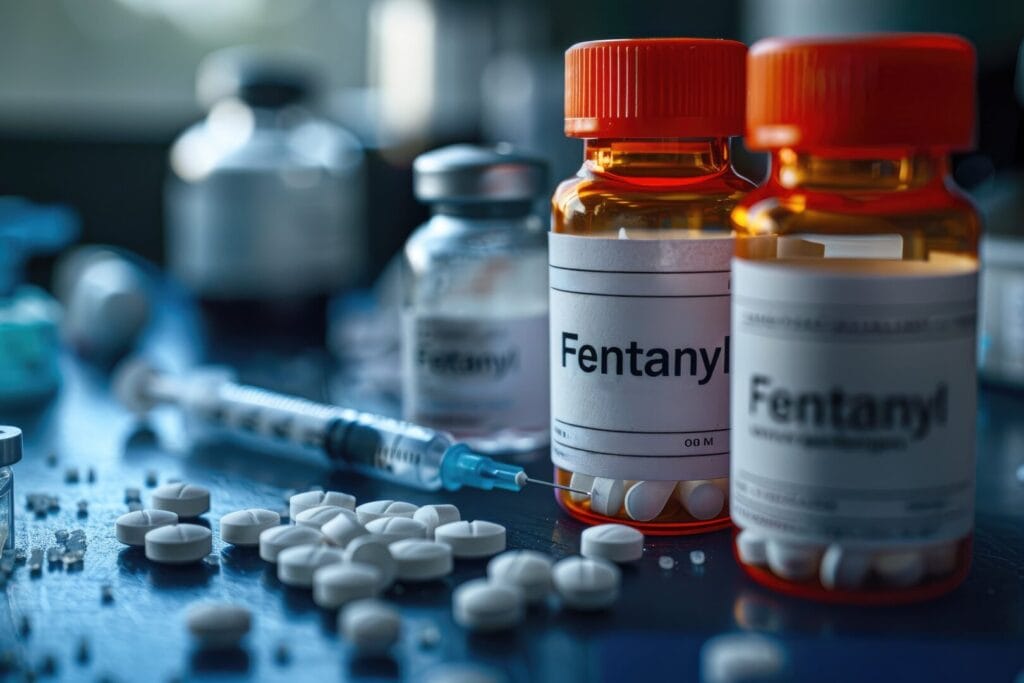
What is Fentanyl? Fentanyl is a powerful synthetic opioid that is used medically to manage severe pain. It is prescribed in instances such as post-surgery or cancer-related pain. It is estimated to be 50 to 100 times more potent than morphine and has a rapid onset of action. This makes it very effective in managing acute pain. However, it is also a highly addictive drug, and its misuse has led to a significant increase in overdose deaths in recent years. It is important to understand the risks of use and what to expect if you need fentanyl detox.1 Scope of Fentanyl Misuse According to the Centers for Disease Control and Prevention (CDC), in 2020, fentanyl was involved in nearly 82% of all opioid-related overdose deaths in the United States.2 In fact, more than 71,000 people lost their lives due to fentanyl in 2021. That is why it’s important to understand that fentanyl should only be used under the strict guidance of a medical professional, and recreational use of this drug can have devastating consequences.3 Why Do People Use Fentanyl? From pain management to anesthesia, fentanyl has a range of valuable medical applications. However, there is widespread misuse that leads to addiction. Below are some points to consider in this regard. Medical Use of Fentanyl Fentanyl is prescribed to patients who are experiencing acute pain after surgery, injury, or cancer-related pain that is not effectively managed by other medications. The drug is available in various forms, including patches, lozenges, tablets, and injections. It is usually administered under the supervision of a healthcare professional. Fentanyl is used medically because it is highly effective at relieving pain. It works by binding to opioid receptors in the brain and spinal cord, which helps to block pain signals and provides rapid pain relief. It is particularly useful in situations when quick and potent pain relief is necessary. Fentanyl as a Substitute for Other Opioids Some individuals may use fentanyl as a substitute for other opioids, such as heroin. This may occur when an individual has developed a tolerance to other opioids and requires higher doses to achieve the same level of pain relief or euphoria. In such cases, individuals may turn to fentanyl, which is more potent than many other opioids, as a way to manage their pain or maintain their opioid dependence. However, using fentanyl as a substitute for other opioids without proper medical supervision is dangerous and can increase the risk of overdose and other serious health complications. It is important to note that using fentanyl or any other opioid without a prescription from a healthcare provider is illegal and can have severe consequences. Illicit Use of Fentanyl Unfortunately, some people also use fentanyl illegally for recreational purposes. Illicitly manufactured fentanyl, which is often referred to as “street fentanyl,” is much more potent than pharmaceutical fentanyl and can be extremely dangerous. It is often mixed with other drugs, such as heroin or cocaine, without the user’s knowledge, which can result in unintentional overdose and death. Why is it Becoming More Popular? One of the reasons why people may use fentanyl illicitly is because of its intense euphoric effects. Fentanyl can produce a rapid and intense high, which can be appealing to those seeking a pleasurable and altered state of mind. However, the use of fentanyl without a prescription is illegal and highly dangerous, as it can lead to severe respiratory depression, overdose, and death, especially if used in combination with other substances. Fentanyl Detox Fentanyl detox is the process of safely and gradually allowing the body to rid itself of fentanyl and its byproducts. This process can be challenging due to intense withdrawal symptoms. These symptoms can occur as the body adjusts to functioning without the drug. Fentanyl detox typically involves medically supervised tapering of fentanyl doses over time. It also includes other medications and supportive care to manage withdrawal symptoms. When to Consider Fentanyl Detox Here are some situations when you should consider fentanyl detox: If you have been prescribed fentanyl for pain management and have been taking it for an extended period of time, leading to physical dependence. If you have been using fentanyl recreationally or abusing it for non-medical purposes and have developed an addiction. You have experienced an overdose on fentanyl or have a history of overdosing on opioids, which may indicate a need for detoxification to safely discontinue the drug and prevent further harm. If you are struggling with fentanyl cravings and are unable to quit or reduce your use despite attempts to do so on your own. If you have co-occurring medical or mental health conditions that require specialized care during fentanyl detox, such as individuals with liver or kidney disease, respiratory issues, or psychiatric disorders. The Harsh Reality of Fentanyl Addiction Like other opioids, fentanyl can produce feelings of relaxation and sedation, which may be appealing to some individuals. However, repeated use of fentanyl can lead to tolerance, dependence, and addiction, which can have devastating effects on an individual’s physical and mental health, relationships, and overall quality of life. Symptoms of Fentanyl Use/Addiction If someone is using fentanyl or has developed an addiction to it, they may exhibit various signs and symptoms. These signs and symptoms can be categorized into body and behavioral changes. Physical Symptoms Fentanyl addiction can have a profound impact on your body. Below are some physical symptoms to look out for: Shallow breathing Weakness and fatigue Drowsiness or sleepiness Constricted pupils Slurred speech Nausea and vomiting Difficulty breathing Behavioral Symptoms Behavioral symptoms of fentanyl addiction include: Cravings and preoccupation with getting and using the drug Withdrawal from social activities Changes in sleep patterns Depression and anxiety Lying or hiding drug use Aggressive or violent behavior Symptoms of Fentanyl Overdose If you suspect someone has taken too much fentanyl, recognizing these symptoms of an overdose is crucial: Slow breathing or complete cessation of breathing Unresponsiveness or unconsciousness Blue or pale skin Slow heartbeat Pinpoint pupils Cold and clammy skin Fainting Should You
How Can Luxury Detox Centers Help You Recover From Substance Use?

What Is a Substance Use Disorder? A substance use disorder (SUD) is a medical condition that affects millions worldwide. It is a chronic and long-lasting disorder. It features repeated use of drugs or alcohol despite the negative consequences it causes. People with a SUD often have difficulty controlling their drug or alcohol use and may experience withdrawal symptoms when they try to stop their usage. Attending luxury detox centers can help those with substance use disorders get the care and help they need. Factors that Influence SUD Diagnosis Substance use disorders are generally diagnosed based on a range of factors, some of which include: Severity and frequency of drug or alcohol use The impact of drug use on daily life and relationships The presence of withdrawal symptoms Common Indications of SUD It is a complex condition that can be caused by a combination of genetic, environmental, and psychological factors. Some common signs of a SUD include: A strong urge to use drugs or alcohol Difficulty controlling drug or alcohol use Using larger amounts of drugs or alcohol over time (due to tolerance) Spending a lot of time getting and using drugs or alcohol SUD can have a range of negative consequences on a person’s physical, mental, and social well-being. However, with appropriate treatment and support, people with substance use disorders can achieve long-term recovery and live healthy, fulfilling lives. Are Substance Use Disorders Different From Addiction? Substance use disorders and addiction are terms often used interchangeably. However, they have distinct differences. A SUD is a medical condition that is diagnosed based on a range of criteria. These criteria include the severity and frequency of drug or alcohol use, the impact on daily life and relationships, and the presence of withdrawal symptoms. Addiction, on the other hand, is a complex brain disease that is characterized by compulsive drug seeking and use despite negative consequences. Addiction is a broader term that encompasses a range of conditions, including a SUD. Addiction involves changes in the brain that affect a person’s ability to control their drug use and lead to compulsive drug-seeking behaviors. These changes can also cause withdrawal symptoms when a person tries to stop using drugs. How Can These Disorders Affect You? Substance use disorders and addiction can have a range of negative consequences on a person’s physical, mental, and social well-being. However, the severity and impact of these consequences can vary depending on the individual and the specific substance being used. Treatment for substance use disorders and addiction often involves a combination of medication and behavioral therapies. It is important to seek professional help if you or someone you know is struggling with a SUD or addiction. Managing these conditions and achieving long-term recovery with appropriate treatment and support is possible, especially at luxury detox centers. Why Is Detox Important? Detoxification is a crucial part of recovery for people struggling with substance use disorder. Detox at luxury detox centers involves removing drugs or alcohol from the body and managing withdrawal symptoms that can occur when a person stops using. Here are some other reasons why detox is an imperative part of the recovery process: Safety Detox can be dangerous if not done properly. This is especially true for people with severe addictions or medical conditions. This is because severe withdrawal symptoms may occur. In a medically supervised detox program, especially at luxury detox centers, healthcare professionals monitor your vital signs and provide medication to manage symptoms, making the process safer and more comfortable. Preparation Detox is often the first step in the recovery process, and it can help prepare a person for further treatment. Once the body is free from drugs or alcohol, a person can better focus on the psychological and emotional aspects of addiction and begin to develop coping strategies for managing risks and cravings. Motivation Going through detox can be a challenging and uncomfortable experience, but it can also be a powerful motivator to continue on the path to recovery. Successfully completing detox can give a person a sense of accomplishment and the confidence to continue with treatment. Physical Healing Detox can also help the body begin to heal from the damage caused by substance use. Drugs and alcohol can take a toll on the liver, kidneys, and other organs. Detox can give these organs a chance to recover and function more effectively. You should note that detox is just the first step in the recovery process. Ongoing treatment and support are essential for long-term recovery. Working closely with a healthcare provider or addiction specialist at luxury detox centers can help ensure that you receive the care and resources you need to overcome substance use disorder and achieve a healthier, happier life. Addiction Recovery: Steps of the Process The recovery process for substance use disorder can be a complex and challenging journey. It typically involves several steps, each designed to address different aspects of the condition and support long-term recovery. Here is a detailed overview of what addiction recovery steps look like: Detoxification Detoxification, or detox, is the removal of toxic substances from the body. These substances could be drugs or alcohol. They could also be several different illicit substances of abuse. Detoxification is a medically supervised process, which may include medication to manage withdrawal symptoms. Detox can take several days or weeks depending on the severity of the addiction and the type of substance an individual is detoxing from. Withdrawal The withdrawal stage occurs when a person stops using drugs or alcohol. When this happens, the person may experience unpleasant physical and psychological symptoms depending on the severity of their substance use. Withdrawal symptoms can vary widely depending on a number of factors. Some of these include the substance being used, the length of use, and the individual’s overall health. Withdrawal symptoms can include nausea, vomiting, insomnia, anxiety, depression, and seizures. These symptoms can be dangerous, so it is imperative to work alongside luxury detox centers to get the care and help needed. Rehabilitation The rehabilitation
The Benefits of Luxury Rehab for Addiction Treatment

Addiction is a complex and challenging condition. It has severe physical, emotional, and social consequences. The road to recovery can be difficult. But with the right treatment plan and support, achieving recovery is possible. Luxury rehab facilities offer a unique approach to addiction treatment. Luxury rehabs combine evidence-based therapies, personalized care, and luxurious amenities. Want to explore the benefits of luxury rehab for addiction treatment? Read on to find out what it is and how it can help you achieve successful long-term recovery. What is Addiction? Addiction is a complex and chronic mental health condition. It affects the brain and behavior of individuals and causes compulsive drug use. People struggling with addiction have trouble quitting the substance. This is despite the negative consequences they may have on their health, relationships, and well-being. It involves changes in the brain’s reward, motivation, and memory centers. This makes it difficult for affected individuals to control their substance use or behavior. Addiction can stem from a blend of genetic, environmental, and behavioral factors. Because of this, it can result in severe physical, emotional, and social repercussions. How Does Addiction Happen? Common Substance Addictions When people hear the term “substance addiction,” they tend to think only of illegal substances. In truth, there are quite a lot of different substances people abuse. These substances are not limited to illicit drugs alone. Below are some of the most common substance addictions that people struggle with. Alcohol Addiction: Alcohol addiction is a chronic and often progressive disease. It involves the use of alcohol despite adverse effects on health, relationships, and well-being. Nicotine Addiction: Nicotine is a highly addictive substance found in tobacco products like cigarettes and cigars. Nicotine addiction is when people can’t stop using tobacco products even though they know they are bad for their health. This compulsive use continues even in the face of adverse health effects. Opioid Addiction: Opioids include prescription painkillers, such as oxycodone and hydrocodone. They also include illegal drugs like heroin. Opioid addiction is when someone can’t stop using these drugs, even though they are experiencing harmful effects on their health, relationships, and well-being. Prescription Drug Addiction: Prescription drug addiction is when an individual abuses prescription medications. These include painkillers and sedatives. Drug use continues even when there are harmful effects on health and relationships. Prescription addiction can occur even when a healthcare professional prescribes the medication. Over time, individuals may develop a tolerance to the drug. This leads to increased usage and a higher risk of overdose. Marijuana Addiction: Marijuana is a commonly used drug that is legal for medical or recreational use in some states. However, long-term and heavy use of marijuana can lead to addiction and a range of negative health consequences. Cocaine Addiction: Cocaine is a highly addictive stimulant drug. When taken, it can lead to a range of negative physical and psychological effects. Cocaine addiction is characterized by the compulsive use of the drug. This is despite its negative impact on health and relationships. Methamphetamine Addiction: Methamphetamine, or meth, is a powerful stimulant drug that is highly addictive. Why Do SUDs Often Necessitate Rehab? Substance use disorders (SUDs) can be challenging to overcome. Because of this, they often need professional treatment to achieve lasting recovery. SUDs can affect an individual’s physical and mental health, work, and well-being. When a person develops an SUD, they may find it difficult to stop using the substance or substances that they are addicted to. This is because the body and brain become dependent on the substance and its effects. This causes the affected individual to experience intense cravings, withdrawal symptoms, and other negative consequences when they try to quit. Different Types Of Rehab There are several types of rehabilitation programs available for individuals seeking addiction treatment. Inpatient Rehab Inpatient or residential rehab involves staying at a treatment facility 24/7 for a designated period, typically 30 to 90 days. Inpatient rehab is intensive and offers a structured environment with round-the-clock support from healthcare professionals. Treatment includes individual and group therapy, addiction education, and medical and psychiatric care access. Inpatient rehab is typically more expensive than other rehab options, but it may be covered by insurance. Outpatient Rehab Outpatient rehab allows patients to live at home while attending treatment sessions. Outpatient rehab offers more flexibility than inpatient rehab and is less expensive. However, it requires greater self-discipline and a strong support system. The intensity and duration of outpatient rehab vary depending on the individual’s needs. It could also depend on the program’s design. Partial Hospitalization Program (PHP) PHP offers more intensive treatment than traditional outpatient rehab. Patients attend therapy sessions for several hours a day, several days a week, while still living at home or in a sober living facility. Partial hospitalization programs often include individual and group therapy, psychiatric care, medication management, and addiction education. The duration of PHP typically ranges from 30 to 90 days, depending on the individual’s needs. Intensive Outpatient Program (IOP) IOP provides intensive treatment for several hours per day, several days a week. IOP typically lasts several months. Patients can continue living at home while attending therapy sessions. IOP offers more flexibility than inpatient rehab. This makes it easier for patients to maintain employment or other commitments while receiving treatment. 12-Step Programs 12-Step programs, such as Alcoholics Anonymous (AA) and Narcotics Anonymous (NA), are peer support groups. They offer a structured recovery program based on the 12-Step model of recovery. These programs are free to attend. They provide a community for individuals in recovery. These people can offer support and accountability. Members are encouraged to attend meetings regularly as a part of their ongoing recovery. Luxury Rehab Luxury rehab offers high-end amenities and luxurious accommodations. These include private rooms, spas, and gourmet meals. Treatment options typically include individual and group therapy, and medical and psychiatric care. Luxury rehab facilities also offer holistic treatments like yoga and meditation. Luxury rehab is often more expensive than other types of rehab, so insurance may not cover it. The cost,
How Long Does Cocaine Stay In Your System?
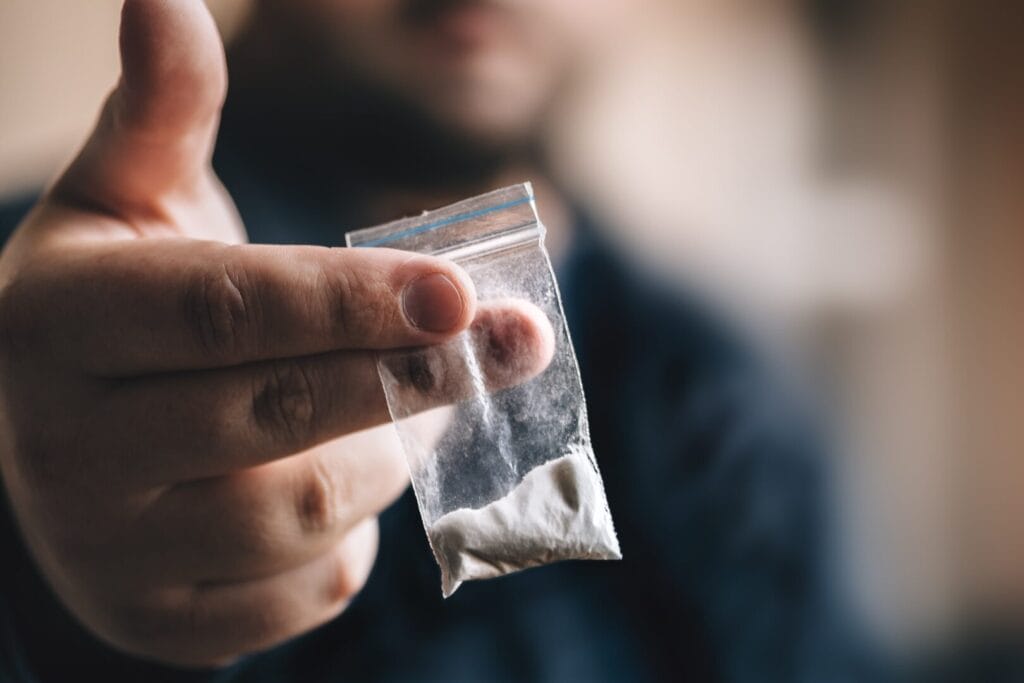
What Is Cocaine? Cocaine is a powerfully addictive drug that is derived from coca or prepared synthetically, used as an illegal stimulant, and sometimes used medicinally as a local anesthetic. The drug speeds up messages traveling between the brain and body and can have serious harmful effects on overall health and well-being. Cocaine comes from the leaves of the coca bush (Erythroxylum coca), native to South America. People who use cocaine describe a feeling of alertness, power, and energy. They are likely to feel more confident and excited, and they may also experience anxiety, paranoia, and agitation. The period after the effects of the cocaine have worn off can also be physically and psychologically unpleasant. The Effects of Cocaine Cocaine has a very powerful stimulating effect on the nervous system. It raises levels of dopamine, a neurotransmitter linked to pleasure, movement, and the brain’s reward circuit. Normally, neurons release dopamine in response to a pleasurable stimulus, such as the smell of good food. Once the dopamine has passed on its message, it returns to the neuron, and the signal stop. Cocaine prevents dopamine from getting back into the neuron, so it accumulates and continues to send a pleasurable message to the brain. The excess dopamine gives the user a feeling of enhanced well-being, euphoria, alertness, motor activity, and energy. What Are the Short-Term Effects of Cocaine? Cocaine is a fast-acting drug and can produce an immediate and intense effect on the body. Some of the most immediate and short-term effects of cocaine usage include, but are not limited to: Constricted blood vessels Dilated pupils Increased body temperature, heart rate, and blood pressure Bizarre, erratic, and sometimes violent behavior Restlessness, irritability, anxiety, panic, and paranoia Implications of Cocaine Consumption Because cocaine is a local anesthetic, it causes numbness of the throat and tongue when snorted, of the mouth when smoked, and of the injection site if injected. The effects generally last between ten to thirty minutes, though how quickly these effects are experienced depends on the mode of administration. Cocaine use raises body temperature, blood pressure, and heart rate. Thus, the use of large amounts can lead to overheating, strokes, and heart attacks, which can be fatal. How Is Cocaine Detected? When an individual ingests cocaine, the body begins to break it down into substances called metabolites. Metabolites remain in the system for an extended period of time, and they can be detected by tests used to find cocaine in the body system. Types of Tests for Cocaine Addiction Cocaine can be detected in blood, hair, saliva, and urine. Blood Test Blood analysis may be appropriate in situations when a person is suspected of being under the influence of drugs or alcohol. Since drugs are rapidly metabolized and eliminated from the body, blood analysis offers a very brief detection window. Drugs in the blood are typically detectable within minutes, depending on the drug and the dose, versus one to several days in urine. Hair Test A hair follicle test screens for illicit drug use and the misuse of prescription medication. During this test, a small amount of hair is removed from the head using scissors. The sample is then analyzed for signs of drug use during the ninety days preceding the test. During testing, the collected hair is washed and tested for environmental contamination that could change the results of the test. Your results will be affected if you wash your hair, dye your hair, or use a styling product. Saliva Test Detection times for oral fluid saliva drug testing depends on the type and brand of saliva drug test kit used and the drug that is being tested for, but as a general rule, drugs are usually only detectable on a saliva drug test for up to 48 hours after last use. An oral saliva drug test can be performed at any time of day but must be at least twenty minutes after the individual last ate, drank, smoked, or put anything in their mouth. The saliva drug test is performed using a mouth swab drug test kit that is then either inserted into a container with an inbuilt drug screen, or the mouth swab is built into the drug test kit. Urine Test Urine tests may test for cocaine itself or its metabolite, benzoylecgonine. A urine test can directly test for cocaine for a day or less but will detect cocaine metabolites for one to two days. Prolonged use, large doses, and very pure cocaine may have a slightly longer detection window. Determining Factors of Cocaine Staying in Your System There are a variety of factors that can contribute to how long cocaine can be detectable in your system. Factors that affect how long cocaine could stay in the body include: Drug use history Genetics Health & pre-existing conditions Duration and frequency of cocaine use Symptoms of Cocaine Addiction There is a wide variety of symptoms of cocaine addiction that can range from mild to severe. Some of the most obvious symptoms of cocaine addiction to look for include: Anxiety Panic attacks Insomnia Psychosis Paranoia Intense mood swings Cocaine Addiction Rehab With San Diego Detox Recovery from cocaine addiction is achievable, and the professionals at San Diego Detox are here to help. The typical recovery program will follow the steps detailed below. Detox for Cocaine Medical detox is the safest treatment for cocaine. If any complications or severe cocaine withdrawal symptoms arise, individuals will be closely monitored and treated in our professional setting. Rehabilitation Treatment programs for cocaine addiction typically focus on remaining drug-free and resuming function within social, professional, and family responsibilities. Our fully licensed residential facility is available to structure a 24-hour care program, provide a safe housing environment, and supply any necessary medical interventions or assistance. Therapies We offer different treatment therapies like cognitive behavioral therapy to help you maintain recovery. Therapy is essential for developing a healthy and positive lifestyle to ensure long-term sobriety and prevent relapse. Aftercare Recovery from cocaine addiction does not end after rehabilitation. We offer an aftercare
How Long is Meth Detoxification?

What is Meth? Methamphetamine is a potent, extremely addictive stimulant that affects the central nervous system. It appears as a white, flavorless, bitter-tasting powder that dissolves readily in water or alcohol. Drug Class The U.S. Drug Enforcement Administration has classified methamphetamine as a Schedule II stimulant, making it only legally obtainable with a nonrefillable prescription. Medically, it may be prescribed to treat attention deficit hyperactivity disorder (ADHD) and as a temporary weight-loss aid, although both applications are rare, and the dosages prescribed are far lower than those that are frequently abused. Drug Schedule Methamphetamine is a Schedule II drug. Using Schedule II drugs increases the likelihood that someone will develop a substance use disorder (SUD), which may lead to severe physical or psychological dependence. Both prescription and illicit drugs fall under this category, and the risk of addiction is reduced when taking prescription Schedule II drugs as recommended and under a doctor’s supervision. Cocaine, morphine, Adderall, and Ritalin are some other examples of Schedule II substances. Effects of Methamphetamine Methamphetamine abuse can have both long and short-term effects on the mind and body. These effects will be detailed below. Short Term Effects When methamphetamine is injected or inhaled, a euphoric sensation known as a “rush” or “flash” is immediately experienced due to the release of an excess of dopamine into the brain. Inhaling methamphetamine results in a euphoric feeling, but not a rush. Methamphetamine has similar side effects to other stimulants, such as: Agitation Diminished appetite Feelings of satisfaction Enhanced sociability Limited inhibition Mental haziness Physical attentiveness Boosted wakefulness and physical activity Is Meth Addictive? Methamphetamine is a highly addictive substance, so much so that person would experience withdrawal symptoms upon ceasing meth use. Statistics on Methamphetamine Abuse The widespread use and abuse of methamphetamine can be seen in the following statistics: Among people aged twelve or older in 2020, 0.9% (or about 2.6 million people) reported using methamphetamine in the past twelve months. Among people aged twelve or older in 2020, an estimated 0.6% (or about 1.5 million people) had a methamphetamine use disorder in the past twelve months. In 2020, approximately 23,837 people died from an overdose involving psychostimulants with abuse potential other than cocaine (primarily methamphetamine). Long Term Effects HIV and hepatitis B and C are among the infectious diseases that are more likely to be acquired by methamphetamine injectors due to contact with blood or other bodily fluids that may stay on medical equipment and spread these infections. In addition to impairing cognition and decision-making, methamphetamine use can lead to dangerous behaviors, such as unprotected intercourse, which raises the chance of contracting an infection. The use of methamphetamine may accelerate the spread of HIV/AIDS and its effects. According to studies, those with HIV who use methamphetamine experience more cognitive issues and nerve cell damage than those with HIV who don’t use the drug. Extreme weight loss is just one of the detrimental effects of long-term methamphetamine use. Others include: Serious dental issues Severe itching that causes skin blisters as a result of scratching Anxiety Alterations to the structure and operation of the brain Delirium Memory loss Insomnia Violent misconduct Paranoia Hallucinations Signs and Symptoms of Meth Addiction There are a variety of signs and symptoms that accompany methamphetamine addiction. When addicted to meth, users will experience: Sleeping problems Being unnaturally active Reduced appetite Rapid weight reduction or a bony build Sweating despite the temperature or lack of physical activity Nervous or jittery behavior Signs and Symptoms of Meth Overdose When experiencing a meth overdose, the signs and symptoms users experience will be much more serious and severe and require immediate medical attention. Signs of an overdose include: Irregular or quick heartbeat Increased blood pressure Restlessness and confusion Sweating and hyperthermia Abdominal pain Chest pain Renal failure Heart attack Stroke How Long Does Meth Stay in Your System? There are numerous factors that can influence how long a methamphetamine user stays high and how long meth stays present in the body. How Long Does the Meth High Last? Depending on the stage of meth high the user is in, a meth high can last anywhere from four to sixteen hours. The length of a methamphetamine user’s effects typically relies on when and how they ingested the substance. A meth high also comes in waves, beginning with an initial rush and ending with a crash. What Is the Half-Life of Meth? Meth has a half-life of roughly ten hours, meaning that it takes the body around ten hours to digest and remove 50% of the amount taken from the bloodstream. Drug tests for meth may reveal metabolites for days after consumption. For instance, up to four days after consuming meth, a person may have a positive urine test. A hair test can also reveal meth use up to three months later. Factors That Affect Detection Time How long meth will be detectable on a drug test is difficult to predict because detection varies based on the individual’s health, metabolism, age, level of physical activity, and frequency of use. Detecting Meth in Drug Tests When substances are taken, the gastrointestinal tract absorbs and distributes them into the body’s tissues. When a substance is injected, inhaled, or snorted, the gastrointestinal tract is not involved, and the substance is transported directly to the tissues. There are numerous methods through which drug testing occurs, including: Urine: Urine provides a slightly wider window of detection for drugs, typically ranging from one day to several weeks following consumption. Blood and breath: The earliest and shortest windows of detection for drugs are provided by blood and breath, which represent the current serum levels of a consumed substance. Saliva and sweat: Several hours later, the presence of a drug in the body can be detected in sweat and saliva. Hair: The longest detection window is provided by hair and meconium. Hair tests offer the advantage of detecting drug usage up to a year or more after the fact. False Positive Testing Most instances of false