
Alcohol Recovery vs. Drug Recovery: Understanding the Differences and What to Expect
When comparing alcohol recovery and drug recovery, both are highly individual processes. No two people’s recovery experiences are going to be the same, regardless of whether they’re affected by alcohol or drug addiction. With that being said, some differences can happen during the earliest stages of recovery when comparing alcohol addiction to drug dependence. Both types of recovery share common objectives, including attaining sobriety, rebuilding lives, and fostering a sense of lasting wellness, but the routes may differ. What Is Addiction Recovery? Addiction recovery is a process where you work to overcome dependence on drugs or alcohol to achieve sustained sobriety. While staying substance-free is a considerable part of recovery, it’s also about living a fulfilling life. Recovery should include a holistic approach to addressing the physical, psychological, and social elements of addiction. Substance recovery includes a set of strategies, therapies, and support systems tailored to your individual needs and situation. Some of the most critical parts of addiction recovery include: Detoxification or detox is the first phase of recovery, where your body is clearing substances from your system, and you’re going through withdrawal. To manage withdrawal symptoms safely, you may need medically supervised detox. Most people require participation in a treatment program that’s designed to address their specific substance abuse and co-occurring disorders. These treatment options can include an inpatient or outpatient rehab program, therapy on an individual or group basis, medication-assisted treatment, and holistic therapies. Behavioral therapies are central to recovery and aim to help you identify and change your unhealthy beliefs, thoughts, and behaviors as they relate to substance abuse. Many evidence-based therapies can be helpful in addiction treatment, such as cognitive-behavioral therapy, contingency management, dialectical behavior therapy, and motivational interviewing. Peer support groups provide an environment where people in recovery can receive and give encouragement, share experiences, and learn from others. These support groups include 12-step programs like Alcoholics Anonymous and Narcotics Anonymous, as well as alternatives like SMART Recovery. Relapse is a risk shared in alcohol and drug recovery, but you can lower your risk by identifying triggers, building coping skills, and creating a relapse prevention plan. Substance recovery is a journey you’ll be on for your entire life, requiring continual support and commitment. Once you complete a formal treatment program, you may benefit from aftercare services to ensure you continue to thrive in recovery. When you’re in recovery, whether from drugs or alcohol, it’s a process that helps you not only break free from addiction but rebuild your life and a sense of fulfillment and purpose, no matter the specific substance you’re addicted to. You can achieve a lasting recovery if you have the right support and resources. Alcohol Recovery vs. Drug Recovery Alcohol recovery and drug recovery share a lot of similarities. Still, there are also a few notable differences in the two processes that stem from alcohol’s unique characteristics, the different types of drugs, and the distinct challenges they present. Alcohol Recovery Some of the critical features of alcohol recovery that can set it apart from drug recovery include: Alcohol is legal and perceived as socially acceptable. That can make alcohol recovery challenging because it’s a pervasive presence in so many social settings, and there are a lot of cultural norms that encompass drinking. Alcohol withdrawal can be intense and life-threatening for some people. Many people who are dependent on alcohol do need medical supervision as they detox to deal with symptoms like tremors, seizures, hallucinations, and delirium tremens (DTs). Recovery from alcohol emphasizes behavioral therapies and support groups like AA. Counseling and therapy might focus on treating underlying mental and emotional issues and building coping skills and strategies for relapse prevention. Relapse triggers in alcohol recovery include stress, social pressure, and exposure to alcohol-related cues. Lifestyle changes in alcohol recovery can include avoiding environments where there’s alcohol use, establishing a support network, and ensuring you have a set of healthy coping strategies you can rely on. Drug Recovery Critical features of drug recovery that can make it distinct from being in recovery from alcohol addiction include: Drug recovery includes a range of substances, and each will have its effects, symptoms of withdrawal, and treatment considerations. Drugs include opioids, benzodiazepines, stimulants, and illicit substances like heroin and cocaine. Withdrawal symptoms vary depending on the particular substance but are usually flu-like symptoms, cravings, anxiety, and depression. It’s rare for drug withdrawal to be life-threatening, but it’s possible, especially with benzodiazepines. For some drugs, a medical detox may be necessary. Recovering from drugs usually includes a combination of medications, behavioral therapies, and holistic approaches. These are tailored to the specific drug of abuse and your individual needs. For example, medication-assisted treatment is frequently used for opioid addiction. Relapse patterns when you’re in drug recovery are influenced by factors like the addictive nature of the drug, environmental cues, and co-occurring mental disorders. Relapse prevention strategies include medication management, ongoing therapy, and support groups. If you’re in recovery from drugs, you might have to navigate environments where there’s prevalent or normalized drug use. So, what about the similarities between alcohol and drug recovery? Some have been discussed, but there are many commonalities, including: To achieve alcohol or drug recovery, participation in an individualized treatment plan is almost always needed. The underlying emotional, social, and psychological factors that contributed to addiction in the first place need to be addressed through therapy and counseling. Support from friends, family, peers, and professionals can be crucial in recovery. Recovery usually requires significant lifestyle changes, such as building healthier habits, prioritizing self-care, and finding other coping mechanisms. Recovery requires ongoing commitment and long-term management strategies. Navigating the complexities of addiction recovery, whether from drugs or alcohol, is a challenge. There are commonalities and differences, but the recovery path isn’t one you take alone. It requires compassionate professionals to guide you, peer support, and participation from loved ones. If you’re struggling with addiction, whether to drugs, alcohol, or both, you aren’t alone, and San Diego Detox is ready to provide the
Relapse Prevention Techniques for Cocaine Addiction
Over time, cocaine use can create a compulsion to seek it out and keep using it, even when it causes negative consequences. This is an addiction. While addiction is a complicated brain disease, it’s also one that’s treatable. When you’re recovering from addiction to cocaine or any substance, it’s essential to have a relapse prevention plan in place. While there may be similarities in strategies, everyone’s relapse prevention plan is unique to them. How Does Cocaine Addiction Happen? Cocaine, a stimulant, increases dopamine levels in your brain. Dopamine is the neurotransmitter primarily associated with pleasure and reward. Cocaine use can lead to feelings of euphoria, more energy, and an increased sense of confidence. Over time, the brain adjusts to the rise in dopamine levels, reducing its natural production. Tolerance develops, leading to needing higher cocaine doses to get the same desired or pleasurable effects. Chronic cocaine use can disrupt the regular communication that occurs between your brain’s neurons. Your dopamine regulation is impaired, and these factors contribute to addiction. As your brain becomes more dependent on cocaine to maintain normal functioning, you have intense cravings for cocaine. This leads to compulsive drug-seeking behavior, where cocaine use is the top priority above everything else. By understanding how addiction occurs and the effects it has on the brain, you can start to understand more about avoiding relapse once you’re in recovery. That’s why psychoeducation can be such a big part of a cocaine addiction treatment plan. Identifying Your Triggers When you’re in recovery from cocaine or any other addiction, you should identify triggers. This is what will help you anticipate and manage symptoms that could lead to cravings or a relapse. If you attend one, much of this work is done in a formal addiction treatment program. Some of the steps that can help you identify your triggers include: Common Relapse Triggers While identifying the triggers that are specific to you is a personal journey, some of the frequently shared triggers for people in cocaine recovery can include: Relapse Prevention Strategies for Cocaine Recovery By putting concrete relapse prevention strategies in place, you are better prepared to identify and manage triggers proactively. General relapse prevention strategies that can help you in your recovery from cocaine addiction include: Other more specific ways you can prevent a cocaine relapse can also include: If you’re struggling with cocaine use or other substances currently, please reach out to San Diego Detox. We can help you begin your path toward recovery and build a relapse prevention plan and strategy based on your unique needs. Frequently Asked Questions What is a relapse prevention plan for cocaine addiction?A relapse prevention plan for cocaine addiction is a personalized, written strategy that outlines your triggers, warning signs, and the specific steps you’ll take when cravings or high-risk situations come up. It usually includes coping skills, people you can call for support, and an emergency plan. Every plan is unique, because triggers and needs differ from person to person. What are the most common triggers for cocaine relapse?The most common triggers for cocaine relapse include high stress, negative emotions, social pressure, and environmental cues like people, places, or objects linked to past use. Positive emotions, such as celebrations, and feeling overconfident in your recovery can also be triggers. Physical discomfort, a lack of social support, and weak coping skills raise the risk too. How do you identify your cocaine relapse triggers?You can identify your cocaine relapse triggers by reflecting on the situations, emotions, and people connected to past use, and by keeping a journal of when cravings occur. Paying attention to both emotional cues, like stress or boredom, and physical cues, like sights or smells, helps reveal patterns. Therapy can uncover deeper triggers, including untreated mental health conditions. What are the stages of relapse?The stages of relapse are commonly described as emotional, mental, and physical relapse, and the process often starts well before someone uses again. In emotional relapse, a person may neglect self-care or isolate; in mental relapse, they begin thinking about or bargaining with using; physical relapse is the actual return to use. Recognizing the early stages gives you time to reach out for support and use your coping plan. How does cognitive behavioral therapy help prevent cocaine relapse?Cognitive behavioral therapy (CBT) helps prevent cocaine relapse by teaching you to identify and change the negative thought patterns that lead to cocaine use. It also builds practical coping skills for managing cravings and triggers so you can make healthier decisions in high-risk moments. CBT is one of the most widely used therapies in cocaine addiction treatment.
Is Bradycardia a Marker of Chronic Cocaine Use?
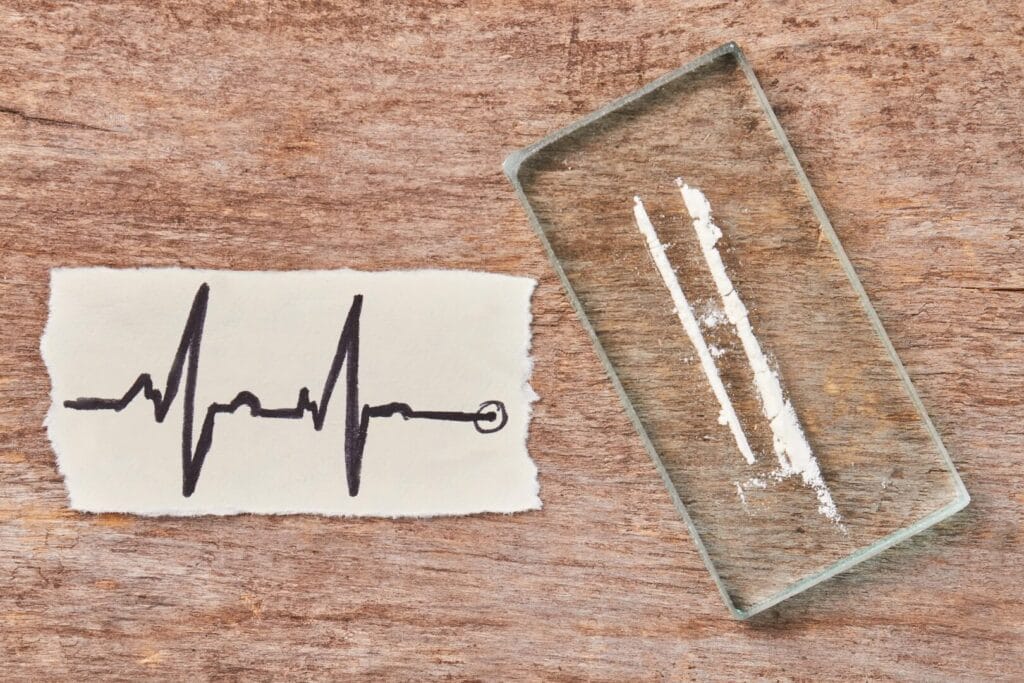
Understanding Bradycardia Bradycardia is clinically defined as a slow heart rate. The adult heart typically beats between 60 to 100 times per minute at rest. However, athletes and the elderly sometimes have a slow heart rate of 60 bpm or less when sitting or lying down. In athletes, slower heart rates result from heart muscle strengthening from constant exercise. As a result, more blood is supplied to the body with each heartbeat than non-athletes. Several drugs cause bradycardia, whereas bradycardia is sometimes caused by an abnormal cardiac rhythm (arrhythmia). What is Drug-Induced Bradycardia? Drug-induced bradycardia is slowed heart rate caused by the ingestion of a drug or medication. Bradycardia has been linked to cardiac and noncardiac medicine, affecting the heart rate. Clinical drugs that cause bradycardia include cardiac glycosides, calcium channel blockers, antidepressants, beta-blockers, neuromuscular blockers, and alpha/beta-adrenergic blockers. In addition, drug-induced bradycardia may help treat conditions that cause tachycardia (faster than average heart rate). According to some studies, some recreational drugs can also cause drug-induced bradycardia. Most psychostimulants have similar and frequently severe effects on the cardiovascular system. Cocaine, Amphetamines, and Methamphetamine are examples of drugs that cause bradycardia. Is Bradycardia a Marker of Chronic Cocaine Use? Cocaine use, especially when continued over a long time, is one of the drugs that cause bradycardia. Cocaine dependency was associated with a 95% increase in the risks of Bradycardia and severe Bradycardia, according to a 2014 study. Cocaine dependence is also associated with a 5.84 bpm reduction in resting heart rate. A similar study in 2010 also showed that chronic cocaine use was associated with a significantly increased incidence of sinus bradycardia. Therefore, regular cocaine use does not only cause bradycardia, but it is also one of the drugs that cause sinus Bradycardia. Bradycardia Causes and Risk Factors: What Causes Bradycardia? Several issues may result in the development of bradycardia. These will be detailed below. Drugs Several drugs, when ingested, may reduce heart rate over time or immediately. These drugs include the following: Amphetamines, verapamil, cocaine, antidepressants, beta-blockers, cardiac glycosides, and neuromuscular blockers. These are all examples of drugs that cause bradycardia. Other Causes Of Bradycardia Apart from the influence of drugs and certain substances, there are other causes of bradycardia due to physiological changes in the body. These include: Chemical imbalances in the blood, such as the imbalance of potassium or calcium Breathing pauses that repeatedly occur during sleep (obstructive sleep apnea) Inflammatory disorders such as rheumatoid arthritis and lupus Muscle inflammation of the heart Low thyroid function Risk Factors of Bradycardia During the diagnosis of bradycardia, certain factors are linked to the development of bradycardia. These include: Old age Hypertension History of heart disease Chronic cocaine use History of substance abuse Congenital heart defect Certain forms of anxiety and stress The use of medication and drugs that cause bradycardia Common Drugs That Cause Bradycardia Many clinical and non-clinical drugs cause bradycardia. These are a list of drugs that may cause bradycardia: Cocaine Cocaine is a highly addictive stimulant that affects the central nervous system. As part of its long-lasting effect, cocaine is commonly known to cause cardiovascular effects such as dysrhythmias, endocarditis, myocardial dysfunction, and aortic dissection. Studies have also shown cocaine users to be at a higher odd of developing bradycardia over prolonged use. Beta-Blockers Beta-blockers are utilized to help manage patients with abnormal heartbeat rates. For example, they effectively prevent a second heart attack in patients who have suffered an initial heart attack episode. Beta-blockers function by blocking adrenaline’s effects in your body, which invariably slows the heart rate. Some Beta-blocker drugs include Atenolol, Betaxolol, Carvedilol, and Nadolol. Non-Dihydropyridine Calcium Channel Antagonists These drugs treat heart-related problems, including irregular heartbeats (arrhythmia), hypertension, and angina. By blocking the calcium channels in the heart muscle, these drugs reduce the high flow of calcium into the cardiac muscle cells. This results in a reduced heartbeat and a well-contracted heart muscle. Examples of non-dihydropyridine calcium channel antagonists include Amlodipine, Azelnidipine, Benidipine, and Barnidipine. Digitalis Digitalis, commonly known as “foxglove,” is a drug gotten from the plant Digitalis Purpurea and is used in treating various heart conditions. Digitalis helps increase the heart’s output to meet the body’s demands when the heart becomes weakened due to disease, coronary artery, heart failure, etc. Even with its therapeutic benefits digitalis is one of the medications that cause bradycardia. Digitalis intake increases the inflow of calcium into the heart cells to stimulate the heart and cause an increased and stronger heartbeat. Digitalis drugs include Digoxin, Lanoxin, lanoxicaps, Digitex, etc. Anti-Arrhythmic Drugs Antiarrhythmic drugs are generally used for dealing with different abnormal heart rate conditions. These drugs essentially fall under four classes: Sodium-Channel blockers, Beta-blockers, Potassium channel blockers, and calcium-channel blockers. In addition, antiarrhythmic drugs include Flecainide, Procainamide, quinidine, etc. Other Drugs Apart from the above-listed medications that cause bradycardia, several other drugs with side effects are likely to induce bradycardia. Some of these drugs that cause bradycardia include: Sympatholytic antihypertensives Tedisamil Carbamazepine Cimetidine Antidepressants Lithium Opioid blockers Treatment for Bradycardia People with bradycardia would require treatment to prevent the worsening of their condition. In this case, doctors often administer treatments through bradycardia medications, pacemakers (a device used to maintain a steady heartbeat), and by treating other underlying conditions responsible for bradycardia. Medications for Bradycardia There are several bradycardia medications which include: Atropine/Atropen: Atropine belongs to a class of drugs called anesthetic premedication agents. Atropine is a commonly used bradycardia treatment drug. In surgical operations, these drugs combat low heart rates by blocking the slowing effect of the vagus nerve. This leads to a high electrical discharge responsible for the subsequent heart rate increase. AtropineAtropen can be taken alone or in conjunction with other medications. However, patients should avoid atropine use if bradycardia is caused by hypothermia. Atropine is one of the most effective low heart rate medications used for treatment of low heart rate. Epinephrine/Dopamine Epinephrine and Dopamine are used as backup drugs when treating bradycardia. In addition, they are used as an effective alternative
What Is the Best Way to Overcome an Addiction to Opiates

Understanding Opiate Addiction Opiates are substances derived naturally from opium poppy plants, which are native to South America. Opiates are used for various medical conditions, including severe pain relief, to treat patients who have advanced cancer, and other terminal conditions. Opiates have very high potency and for that reason, many people find it even harder to overcome opiate addiction. Opiates come in both prescription medication and as illegal drugs, such as heroin. Two out of every three drug overdose deaths in 2018 involved an opioid. With this, it is important to not only understand the fundamentals of opioid addiction, but to know what to look for in terms of symptoms, risk factors, and available treatment options. Fundamentals of Opioid Addiction How Do Opiates Affect the Brain? When drugs stimulate opioid receptors in the brain, cells produce dopamine, which is a neuron that gives rise to feelings of pleasure and pain relief when released into the brain. The brain’s reward system will, again and again, want the feelings of intense pleasure during the early stages of abuse, which is what makes opiate addiction so prevalent. Approximately a quarter of patients who are prescribed opioids for chronic pain or terminal diseases misuse the drugs. Opiates vs. Opioids: What is the Difference? An opiate is described as a narcotic derived from the opium poppy plant, which is naturally occurring and can include drugs such as opium, codeine, and morphine. An opioid, however, is any substance, either synthetic or semi-synthetic, that binds to opioid receptors. Moreover, all opiates are opioids, but not all opioids can be classified as an opiate. Semi-synthetic opioids are created in labs from naturally occurring opiates, while synthetic opioids are made entirely in a lab. What is Opiate Addiction? Opioid addiction is a chronic relapsing disease that can cause significant health, social, and economic problems. Opiate addiction is characterized by a powerful, compulsive urge to seek and use opioids, even when they are no longer required medically and can have harmful consequences. Those with an opioid substance abuse disorder often find themselves prioritizing seeking, getting, and using these drugs over other activities in their lives, often negatively negatively affecting their professional and personal relationships. People’s priorities become deeply warped when they find themselves addicted to opiates. Opioids alter the chemistry of a person’s brain and lead to drug tolerance as well. If you or a loved one are suffering from opioid addiction, you can experience life-threatening health problems, including the risk of overdose and even death. Opiate Overdose and Addiction Symptoms An overdose occurs when one consumes high doses of opioids, causing their breathing to slow or stop entirely. This may lead to unconsciousness and death if the overdose is not treated immediately. Both legal and illegal opioids carry a high risk of overdose, especially if one combines opioids with other drugs and substances, such as tranquilizers or alcohol. The symptoms may differ depending on the type of opiate used, the amount of opiate used, and how long it has been used. Opiate Overdose Symptoms There are a few signs and symptoms to pay attention to in the case of a possible overdose. Respiratory depression – this includes snoring, choked breathing, shallow breathing, irregular or halted breathing, or no breathing altogether Loss of consciousness or unresponsiveness Blue, purple, or greyish skin, lips, or fingertips, signifying lack of oxygen The inability to speak Frequent vomiting Confusion and delirium Very limp body Cold, pale, or clammy skin Low blood pressure Lack of pulse or slow erratic pulse rate Small pupils Opiate Addiction Symptoms When one is addicted to a drug, they will feel the urge to get the drugs even using unscrupulous means, including lying to loved ones in order to get them. The drug-seeking behavior becomes intolerable and irresponsible. Signs and symptoms of opiate addiction can be classified as either physical, psychological, or behavioral. Physical Symptoms Some of the physical symptoms of opiate addiction include, but are not limited to: Sedation Dizziness Nausea Vomiting Constipation Physical dependence Tolerance Respiratory depression Psychological and Behavioral Symptoms These are some of the psychological and behavioral signs and symptoms of opiate addiction: Physical agitation Poor decision making Abandoning responsibilities Mood swings Irritability Depression Lowered motivation Anxiety attacks Treatment Options for Overcoming Opiate Addiction There are many treatment options available for those looking to overcome opiate substance abuse disorder. These interventions include both medications and therapies, and other various avenues. It is important to consult a medical professional for optimal results as well as connecting with those who can offer support, both regarding managing the effects and dangers of withdrawal and detox, and for achieving and maintaining long-term sobriety. Medications The FDA has approved several medications to treat opiate and opioids withdrawal. These are best paired with counseling and behavior therapy to truly help overcome addiction. Buprenorphine, methadone, and naltrexone are used to treat opioid use disorders for short-acting opioids such as heroin, morphine, and codeine, along with semi-synthetic opioids like oxycodone and hydrocodone. Buprenorphine is a drug approved by the FDA to treat opioid use disorder as medication-assisted treatment (MAT). Methadone reduces opioid cravings and withdrawal symptoms by blocking the effects of opioids. It is available in liquid, powder, and diskettes forms when one takes it daily. Methadone is also approved by the FDA as part of MAT and pain management. If you take it as prescribed, it is safe and effective. It’s used as part of comprehensive treatment, including counseling and other behavioral health therapies. These medications are safe to use for months, years, or even a lifetime. You should always consult your doctor on when to stop or reduce the dosage. Counseling and Behavioral Therapies It can be essential to include different types of talk therapy along with medication to help air out concerns and find lasting solutions for these concerns. Medicine alone cannot always ensure a lasting recovery, as most substance use disorders come with underlying mental health issues that have to be addressed too. Below are a few such therapies.
How Long do Barbiturates Stay in Your System?
Understanding Barbiturates Barbiturates are a class of drugs that have been historically prescribed to manage conditions such as anxiety and insomnia. The way these drugs work is by interacting with GABA receptors in our brain, thereby regulating feelings of calmness and sleep. However, while they can be therapeutic in controlled doses, they carry the risk of addiction and can lead to harmful side effects when misused. Determining the length of time barbiturates stay in ones system heavily depends on several factors. Understanding what barbiturates are, and how they are metabolized can be helpful in understanding how long barbiturates stay in the body. What Exactly Are Barbiturates? Initially synthesized back in 1864, barbiturates depress the central nervous system. Although once popular as sedatives and hypnotics, their potential for abuse and addictive properties led to a decline in medical usage. Some examples of these drugs include Amobarbital (Amytal), Butabarbital (Butisol), Methohexital (Brevital), Pentobarbital (Nembutal), and Secobarbital (Seconal). Barbiturates: Current Uses and Abuses Currently, barbiturates are used to manage insomnia and anxiety disorders. They are also employed as anesthetics for surgical procedures. Unfortunately, these drugs are also sought after recreationally for their calming effects, bearing similarities to substances like Xanax or alcohol. However, they pose serious risks when consumed in large amounts or combined with other substances, including prescription drugs like benzodiazepines. Comparing Barbiturates vs. Benzodiazepines Both benzodiazepines and barbiturates serve as sedative-hypnotics, inducing sleepiness. They can help manage insomnia, anxiety, seizures, and muscle spasms. However, barbiturates pose a higher risk of withdrawal symptoms than benzodiazepines. Long-term usage of barbiturates can lead to substance dependence and, if stopped abruptly or reduced too quickly, can result in withdrawal symptoms like nausea, vomiting, sweating, tremors, and seizures. Classifications of Barbiturates: Short-Acting vs Long-Acting There are two classifications of barbiturates: short-acting and long-acting. Short-acting barbiturates such as Amobarbital, Butabarbital, and Butalbital take effect within 30 minutes and last four to six hours, used primarily to induce sleep. In contrast, long-acting barbiturates like Phenobarbital, Pentobarbital, and Secobarbital take longer to work but last 12 to 24 hours, used for sedation and anesthesia. How Long Do Barbiturates Stay in Your System? Determining how long barbiturates stay in your system largely depends on the drug’s half-life and systemic clearance. These factors hinge on how long the body takes to metabolize the drug into an inactive form. For instance, the half-life of a barbiturate increases with each additional carbon atom added to the molecule. Additionally, being fat-soluble, barbiturates bind with fats in the body, which makes them harder to eliminate than other drugs like heroin or cocaine, which are water-soluble. Determining Factors of Barbiturates’ Half-Life Three significant factors determine how long barbiturates stay in your system: the duration of usage, the amount taken each time, and the specific type of barbiturate used. Analyzing biological samples provides varying results, with barbiturates generally detectable in urine for about three days, blood for one to two days, saliva for up to three days, and hair for up to 90 days. Impact on Treatment and Recovery Understanding how long barbiturates stay in the system is crucial for managing withdrawal and planning detoxification. Due to the risk of severe withdrawal symptoms, such as seizures and delirium, professional medical supervision is often required during the detox process. The prolonged presence of long-acting barbiturates necessitates a carefully monitored tapering process to minimize withdrawal risks. Treatment for Barbiturates Abuse and Addiction Treatment for barbiturate abuse and addiction typically involves detoxification and rehabilitation. It’s important to seek professional help if you or a loved one are struggling with barbiturate addiction. San Diego Detox offers a range of services to help individuals recover from barbiturate addiction in a safe, supportive environment. For more information, visit our website or call us today at 619.433.6560. Don’t wait to take the first step towards recovery. Remember, every journey begins with a single step, and we’re here to support you every step of the way. The Risks of Barbiturate Abuse and Addiction As barbiturates change how the brain functions, they can lead to addiction. Those with a constant intake may develop a dependence, leading to the onset of addiction. This reliance can lead to withdrawal symptoms when usage is suddenly stopped. Individuals who are prescribed these drugs can unintentionally fall into addiction, experiencing difficulty in stopping their use even after their treatment should have concluded. Understanding the Causes and Risks of Barbiturate Abuse Barbiturates can rapidly induce feelings of euphoria and relaxation, making them an easy target for those looking to escape stress or achieve a high. Unknowing abuse can also stem from poor medication compliance or a lack of understanding about the drug regimen in clinical settings. Barbiturate abuse can lead to severe health problems, such as confusion, hallucinations, respiratory depression, and in rare cases, coma, liver damage, and kidney failure. Furthermore, taking barbiturates during pregnancy or breastfeeding can harm the infant, leading to breathing problems and developmental issues.
How Dangerous Is Drug Induced Psychosis?

What Is Drug-Induced Psychosis? Often, psychosis occurs as the result of a mental disorder; however, it can also develop through substance use. Drug-induced psychosis, also known as stimulant psychosis, is characterized as experiencing a psychotic episode (e.g., delusions, hallucinations, paranoia) triggered by substance abuse and misuse. Drug-Induced Psychosis vs. Schizophrenia While these two conditions share similarities, there are a few differences between drug-induced psychosis and schizophrenia. Schizophrenia Schizophrenia is a mental health disorder that causes an altered sense of reality, affecting how people think, feel, and behave due to periods of psychosis. While there is no singular established cause of schizophrenia, research shows that substance abuse can trigger schizophrenia symptoms. For example, one study found that 11% of participants with substance-induced psychotic disorder developed schizophrenia.1 Drug-Induced Psychosis Drug-induced psychosis is a psychotic episode that occurs from substance abuse. While it can develop during active drug use, it’s more common during withdrawal. In addition, unlike schizophrenia, which is a lifelong disorder, drug-induced psychosis is temporary, lasting no more than a few days. How Common Is Drug Induced Psychosis? Because the statistics surrounding drug-induced psychosis vary based on the substance, it can be difficult to understand exactly how common it is. Nonetheless, a study has provided perspective on the prevalence of drug-induced psychosis for amphetamines, cannabis, cocaine, and opiates in individuals ranging from no substance use disorder to severe substance use disorder. Different Drugs That Can Trigger Drug Induced Psychosis The findings of this study will be detailed below:2 Amphetamines: 5.2% to 100% Cannabis: 12.4% to 80.0% Cocaine: 6.7% to 80.7% Opiates: 6.7% to 58.2% How Long Does Drug-Induced Psychosis Last? The drug-induced psychosis timeline can vary based on many factors, including the substance, severity of abuse, and duration of abuse. However, research has found that only 10% of drug-induced psychosis cases last longer than six months after use. The majority usually resolve one month following the last time the substance was abused.3 How Dangerous Is Drug-Induced Psychosis? Due to the nature of drug-induced psychosis symptoms, this condition can pose a significant risk to the people affected and those around them. In addition, the short-term and long-term effects pose a risk of their own, especially without treatment. Short-Term Effects of Drug-Induced Psychosis Drug-induced psychosis may not be recognized while the substance is still active in the body. However, as the body begins to metabolize and eliminate the drug, the short-term effects of drug-induced psychosis can become more apparent. These can include: Delusions Hallucinations Social withdrawal Agitation Confusion Long-Term Effects of Drug-Induced Psychosis Psychosis can have a lasting impact on the brain and mind, especially when treatment is postponed or avoided altogether. While many of the effects of drug-induced psychosis will fade within a couple of days, others can take weeks, months, or possibly even longer, depending on the severity. Some of the long-term effects of drug-induced psychosis can include: Structural brain damage Continued hallucinations and delusions Social struggles Development of mental health disorders, such as New Windowpost-traumatic stress disorder Drug-Induced Psychosis Symptoms Drug-induced psychosis can lead to a variety of symptoms, many of which are similar to other mental health disorders, such as schizophrenia. Paranoia Paranoia is an unrealistic thought or feeling of being threatened, especially when no risk is presented. While it can often be a mild symptom of drug-induced psychosis, it can vary in severity, with more severe instances of paranoia possible. Delusions Delusions are false beliefs. These can be about yourself or your surroundings, including other people. Types of delusions include: Grandeur Erotomania, or delusion of love Somatic Persecutory Jealousy Hallucinations Hallucinations are false perceptions. They can affect all five senses, meaning people may hear, smell, taste, see, or feel things that aren’t there. Types of hallucinations include: Auditory Visual Olfactory Gustatory Tactile Anti-Social Behavior Paranoia, delusions, and hallucinations can make it difficult to connect with friends and loved ones and feel safe in public spaces. As a result, drug-induced psychosis may lead to anti-social behaviors such as avoidance and isolationism. This can also lead to panic attacks and confusion. Drug-Induced Psychosis Causes and Risks Drug-induced psychosis can make it difficult for people to differentiate between reality and false beliefs and perceptions caused by psychotic episodes. As a result, it can introduce an elevated risk for dangers such as suicide, violent outbursts, and injury. Because of this, drug-induced psychosis often requires hospitalization. What Causes Drug-Induced Psychosis? Drug-induced psychosis typically occurs when the body is introduced to a toxic amount of drugs. This can be caused by taking too much of a single substance or a combination of substances. In addition, this condition can occur during substance withdrawal. What Drugs Cause Drug-Induced Psychosis? The drugs that are most often reported to cause psychosis are mind-altering substances, especially cannabis. In fact, recent studies have shown that cannabis can increase the risk of psychosis and has the highest conversion rate to schizophrenia at 47%. Nonetheless, many different substances can cause drug-induced psychosis, including: Cannabis Alcohol Amphetamines, such as methamphetamine, ecstasy, and MDMA Stimulants, such as cocaine Hallucinogens, such as LSD, PCP, and psilocybe mushrooms Risk Factors There are certain factors that can elevate the risk of drug-induced psychosis. They include: Abnormal brain changes, such as through an injury or stroke Family history of psychotic disorders Brain disorders Brain tumors and cysts Diagnosis for Drug-Induced Psychosis Because drug-induced psychosis can mimic other conditions, including psychosis caused by a psychotic disorder, it is important to properly diagnose the condition either through a drug-induced psychosis test or by utilizing drug-induced psychosis diagnostic criteria. Because drug-induced psychosis relies on a substance to be present in the body, that is one of the leading determinate factors when identifying a diagnosis. Treatment for Drug-Induced Psychosis While drug-induced psychosis can be distressing, there is treatment available to help. Drug-Induced Psychosis Treatment Program Drug-induced psychosis treatment programs combine a New Windowvariety of treatment methods for a multifaceted approach. Detox The first step is a medically supervised detox, a process that safely eliminates the substance from the body to begin
Dangers of Drug Overdose
What is an Overdose? Hazards due to an overdose of drugs emerge when people consume more medication than their bodies can fully break down, regardless of whether the drug is legal. A person using a legal or illegal drug can experience an overdose of a drug taken for a medical reason or recreationally, and an overdose can be accidental or intentional. How Does Drug Overdose Happen? An overdose happens when a toxic quantity of a substance or medicine is consumed. It is crucial to remember that not all overdoses are fatal or life-threatening; however, if an overdose is suspected or has happened, medical help should always be sought. Dangers of Drug Overdose What an individual feels during an overdose depends on the substance used. Overdoses are prevalent when a person consumes too much of a particular drug, but they can also occur when a person consumes more than one substance, and the interactions between the substances cause unforeseen consequences.1 A stimulant or alcohol overdose might result in seizures. Seizures can cause injuries by striking body parts against the ground or other objects, but they can also cause brief confusion, loss of consciousness, severe headaches, and brain damage. How Long Does a Drug Overdose Last? The duration of a drug overdose varies widely depending on the individual, what was taken, and how promptly they received medical assistance. For example, a person may overdose on alcohol and require stomach pumping. In this case, they may be back at home within a day, and their overdose will be finished. While an overdose of drugs can be frightening, it does not always have to result in death. After an overdose, a person can still live a happy and healthy life, provided the situation is handled correctly. What Does Overdosing Feel Like? Overdoses are hazardous reactions that occur when the effects of a specific chemical exceed the brain and body’s usual working limitations. Severe types of these reactions can have fatal implications in many circumstances. The particular effects of overdose-producing chemicals vary greatly, which means that the sensations experienced during an overdose episode are dependent on the type of substance that caused the reaction. Intentional Overdose Intentional overdoses are considered a kind of self-harm. The figures are significant despite accounting for a small proportion of drug-related mortality. It’s also a shockingly prevalent act among teenagers across the world. In most of these cases, the person is escalating their use of substances, which is the act of drug overdose for suicide. These attempts may include exceeding authorized amounts of a prescription or substance and combining various substances.4 What Drugs Do People Overdose On? Drugs people may overdose on include: Opioids: Because of how they work, opioids are one of the most deadly medications for overdosing because of the drug’s toxicity. Opioids are derived from poppy seeds (or synthesized from comparable substances) and interact with opioid receptors in the brain. Alcohol: When you consume more alcohol than your body can adequately absorb, you have an alcohol overdose. Many people do not consider alcohol when discussing drug overdoses, yet it is possible to overdose on alcohol, which is regarded as a depressant. Stimulants: A stimulant drug, such as ecstasy, speed, or cocaine, raises the heart rate, body temperature, and blood pressure while also increasing breathing. This can potentially result in a deadly heart attack, seizure, or stroke. Long-Term Effects of an Overdose Long-term effects of an overdose include: Liver Damage A pill overdose can permanently damage your liver, causing irreversible scarring of liver tissue (cirrhosis) and, in severe circumstances, leading to life-threatening liver failure. Brain Damage The frontal lobe is particularly vulnerable to injury from overdose-induced oxygen deprivation, which can impair executive function. They may struggle with planning, problem-solving, emotional control, organizing, and paying attention. Damage to the Heart Irregular heartbeats, heart attacks, and strokes can all be caused by drug misuse. Rising heart rate and blood pressure. Some medicines can also slow blood flow to the heart, which can cause the muscles and body to stop working. Neurological Consequences The risk of pharmaceutical overdose is quite real and should not be underestimated. When a person becomes reliant on medicine, they may begin using ever-greater doses of the medication to obtain the same results. This can lead to an overdose and neurological consequences. Higher Risk of Developing Emotional and Mental Problems When people are under the influence of alcohol or drugs, they develop substance-induced problems. Which can affect their mental and emotional state of mind. Higher Risk of Drug Addiction Taking an overdose drug can lead to drug addiction. Signs And Symptoms Of Drug Overdose The possibility of severe side effects, including overdose, is always present with drug usage. Addiction development will always be a risk whether you abuse alcohol, an illegal drug such as cocaine, or prescriptions prescribed by a doctor, such as opiate pills. In many circumstances, if substance misuse behavior continues, there is a significant risk of drug misuse. The signs and symptoms of a drug overdose will be detailed below.2 Dilated Pupils Almost any substance taken in excess has the potential to induce alterations in the user’s eyes. Depending on the type of drug used, different chemicals impact the parasympathetic, sympathetic, or both systems. Unsteady Walking Drug overdose can cause unsteady walking or injury to the legs, feet, joints, bones, muscles, blood vessels, and other soft tissues or the neurological system that governs the movements required for walking. Chest Pain Chest pain is conceivable and can be caused by injury to the heart or lungs. Shortness of breath is possible. Breathing might become quick, slow, deep, or shallow. Difficulty Breathing Opioids can cause respiratory difficulties due to their pharmacological effects, and an opioid overdose can result in mortality. Blue Lips or Fingers Lips and fingers turn blue when the body does not obtain enough oxygen. These are the warning indications of an overdose. Nausea or Vomiting It is possible to experience nausea, vomiting, abdominal pain, and diarrhea. Vomiting blood or passing blood in
How to Minimize Post-Acute Withdrawal Syndrome from Opiates?

What is Post-Acute Withdrawal Syndrome? When you’re in the early stages of recovering from opioid dependence, post-acute withdrawal syndrome (PAWS), whether mildly unpleasant or extremely uncomfortable, is unavoidable. If the post-acute syndrome persists for a long time, it can become a risk factor for relapse. Post-acute withdrawal syndrome describes a collection of symptoms following the “acute” stage of opiate withdrawal. Acute withdrawal occurs after a professionally supervised detox, and it can result in life-threatening complications and signs of physical discomfort like elevated heart rate, headaches, nausea, and muscular aches. Usually, these symptoms go away in two weeks or less. PAWS refers to the psychological and emotional symptoms that occur during the second withdrawal phase. You are more likely to experience PAWS if you used opioids for a long period of time, and usually in greater doses. When Does Post-Acute Withdrawal Syndrome Occur? Stress or circumstances involving people, places, or things that remind the individual of using opiates can often lead to symptoms. Many people in the recovery phase compare the symptoms of PAWS to a roller coaster that goes up and down, or waves that come and go. Symptoms can switch minute by minute in the early process of quitting substances. The symptoms become less frequent as people enter long-term recovery from alcohol or drug addiction. What Are the Most Common Symptoms of PAWS? To reduce the risk of relapse, you need to be able to recognize some of the symptoms of PAWs. Some of the most common symptoms include: Foggy Thinking/Trouble Remembering: This is also known as mental fuzz. Individuals might notice they have a hard time processing information and remembering things. Cravings: This is one of the common symptoms. You might feel the urge to take opiates, or may feel uneasy if you cannot get opiates. Irritability, Hostility, or Mood Swings: Abstinence from opiates can make you feel overly agitated and hostile. Insomnia or Vivid Dreams Fatigue or Inability to Focus: An individual with PAWS will also experience feelings of extreme tiredness due to the combination of all other symptoms. Issues With Fine Motor Coordination: You might find it difficult to do simple things like tying your shoelaces or buttoning a shirt. Stress Sensitivity: This is when little things bother you more than they used to. Anxiety or Panic: People experiencing acute substance withdrawal syndrome often feel anxious. They may also have panic attacks, increased heartbeat, and shortness of breath. Depression: Individuals experiencing acute substance withdrawal syndrome may be depressed. Why Do We Experience Post-Acute Withdrawal? Whether moderate or severe, post-acute withdrawal is a common step in the early stages of recovering from alcohol or other drug dependence. Consider the withdrawal symptoms as the brain’s attempt to restore the chemical imbalances created when the addiction was active. During the period of drug use, the brain would have adapted and reconfigured to function with those drugs present, so once there’s drug withdrawal, the brain is unable to function properly, which results in the manifestation of post-acute withdrawal symptoms. How to Minimize Post-Acute Withdrawal Syndrome? To minimize post-acute withdrawal syndrome from opiates, the first thing that must be done is gradually reducing the concentration of opiates in the body. This helps to reduce the severity of any of the withdrawal symptoms. Can PAWS Be Avoided? Avoiding PAWS isn’t entirely possible. However, you can effectively manage your symptoms and improve emotionally and physically by sticking to your treatment regimen. It will reduce the risk of relapse and boost your motivation. How Long Do Post-Acute Withdrawal Syndrome Symptoms Usually Last? Depending on the type of alcohol or drug addiction, the amount and frequency of substance use, and other factors (everyone’s withdrawal pattern is a little different), the majority of symptoms only last a few days at a time. In some cases, however, symptoms could last for weeks or even months. How to Cope With Post-Acute Withdrawal Syndrome Here are some of the practical tips on how you can manage the symptoms of PAWS effectively: Self-Care: Self-care is essential to effectively treat the symptoms of post-acute withdrawal syndrome, especially in the first year or two. Take plenty of breaks during the day, and most importantly, take care of your mental and spiritual well-being. Seeking Support: This involves sharing emotions, feelings, and PAWS symptoms you are experiencing with people you trust, like your close friends, peers in 12-steps meetings, family, or counselors. They help you express yourself. Taking Medications: If your doctor prescribes medication, taking it as prescribed is essential even after the symptom has vanished. Avoiding Potential Causes: Avoid scenarios that can cause you to become anxious, stressed, or remind you of past drug use. This will help minimize the symptoms of PAWS. Taking it One Day at a Time: It’s crucial to avoid taking on too much. Putting more emphasis on daily self-care and the victories each day provides can be more beneficial. Common Drugs And Their Associated Post-Acute Withdrawal Symptoms Some drugs can cause severe symptoms of post-acute withdrawal syndrome. These will be detailed below. Marijuana Research shows that abruptly stopping the use of marijuana can cause post-acute withdrawal symptoms once acute detox is over. Common post-acute withdrawal opiate symptoms from marijuana are anxiety, headache, irritability, insomnia, and several physical conditions like changes in appetite and stomach pain. As many people use marijuana daily, and sometimes multiple times a day, suddenly stopping its usage might cause the body to go into enough of a “shock” that causes PAWS. Methamphetamine Common PAWS symptoms for methamphetamine are irritability, insomnia, and poor impulse control. Opioids Common symptoms of post-acute withdrawal syndrome for opioids include poor impulse control, muscle tension, intense craving, anxiety, depression, and insomnia. Cocaine Cocaine is well known for having a variety of long-lasting symptoms. Several users experience sadness, low motivation, weariness, and issues with impulse control. Benzodiazepines Benzodiazepines like Klonopin, Ativan, and Xanax cause common PAWS symptoms, including insomnia, sleep disturbance, irritability, panic attacks, and intense anxiety. Diagnosis of Post-Acute Withdrawal Symptoms There is no specific diagnostic test to confirm
Addiction and Relationship Issues
Why Relationships Matter Time and time again, research has proven the importance of relationships. In fact, healthy relationships make people live longer, cope with stress better, maintain better habits, and be more resistant to colds.1 Learn more about the benefits of healthy relationships below. Live Longer In a meta-analysis containing 308,849 participants, scientists discovered that social connections lengthen lifespans. On average, a healthy long-term relationship reduces the risk of early death by 50% compared to being alone. Living without these connections is as bad as smoking in terms of life expectancy.2 Manage Stress Better Because we are social beings, our interactions impact our mental, emotional, and physical health. As a result, healthy relationships increase people’s ability to maintain anxiety and fear, allowing them to manage and cope with stress better. Better Emotional Control Compassion in relationships helps us control our emotions, quiet our primitive warning systems, and extend our periods of health. People discover that they may securely manage their anxieties, fears, goals, and dreams in good partnerships. This ability fosters connection, closeness, and a secure feeling that significantly affects emotional control and flexibility. One study found that, over a ten-year period, greater involvement with formal social groups (e.g., religious organizations, charities, educational clubs), friends, and family members leads to more positive health behaviors.3 Increases Happiness and Self-Worth A sense of belonging, connection, and having the support of others all psychologically boost emotions of optimism and self-worth, which in turn increases happiness. How to Build a Healthy Relationship Healthy connections with family and friends can improve people’s quality of life and boost self-esteem. Individuals can build healthy relationships over time when focusing on the following: Understanding Honesty Care Providing emotional support Common values about money, parenting, and other significant issues Respect Equality Healthy communication Most Common Problems in Relationships Problems in relationships can occur due to a variety of different factors. The most common reasons and risk factors for relationship turmoil will be detailed below. Addiction Addiction doesn’t only harm the individual with this chronic disorder; it also impacts all facets of their life, including relationships with family, friends, and partners. It can affect any relationship at different levels, romantic or platonic. One study found that marriages characterized by close relationships between partners are less associated with cocaine and heroin use.4 Relationships between those with an addiction and their loved ones can undergo a lot of stress, pain, and tension. For example, friends can feel frustrated for not knowing how to provide proper support, parents may feel helpless, and significant others may question why their partner engages in substance abuse. Fortunately, these connections and personal scars may be mended with time, counseling, and proper care. Arguments It is normal for people to argue in relationships, but consistent arguments may lead to withdrawal. This will eventually lead to a communication gap between partners resulting in communication problems. Intimacy For romantic relationships, not making time for each other may lead to significant relationship issues in the long run. For example, some people could get so preoccupied with their jobs that they hardly have time to see their significant others. As a result, intimacy between partners can decline, causing hostility, disconnection, and detachment. Money Money may cause issues in relationships. Money disputes frequently reflect power imbalances or relational concerns, as well as expectations and plans for the future. Struggles Over Home Chores Struggling over home chores in the family may impede family connection and cause relationship issues. Trust and Jealousy Trust issues and jealousy can quickly cause tension and problems in any type of relationship. The inability to trust a friend, family member, or partner can lead to arguments and increased stress. Signs of Serious Relationship Problems Indications of serious relationship issues include: Selfishness or self-involvement Keeping secrets Controlling behavior Use of drugs or alcohol How to Know When to Stay and When to Leave a Relationship It can be hard to decide when issues in a relationship are normal or indications that you should leave. Consider the factors below to help determine when to stay and when to leave a relationship. When to Stay in a Relationship You should continue if the good times exceed the bad in your relationship. Ask yourself the following questions: Do I still want to talk to my significant other after a difficult day? Is my partner the first person I want to contact when I have good news? Are there more good memories than bad ones? If you answer ‘yes’ to these questions, it may signify that the relationship is going well. When to Leave a Relationship Relationships are about giving to one another rather than taking; the best partnerships succeed when both partners contribute equally. Without equal contribution, the relationship may feel one-sided, causing hostility and tension. Furthermore, other red flags indicating you should leave a relationship include if your spouse or significant other ignores you, does not respect you, takes advantage of you, or verbally and/or physically abuses you. It could be time to break up if you feel strongly that your partner no longer values you. Even while you can learn how to avoid conflicts, you might not be able to resolve the more serious issues caused by unhealthy communication. Tips for Building a Healthy Relationship Here are a few tips for building a healthy relationship: Spend quality time face to face Stay connected through communication Keep physical intimacy alive Learn to give and take in your relationship Be prepared for ups and downs San Diego Detox: Opportunities for Healing If you or your partner struggles with substance misuse, and that is leading to problematic areas to develop within your relationship, it is important to utilize the resources available to you. At San Diego Detox, we can help you achieve and maintain long-term sobriety and wellness. Don’t hesitate to reach out for support today. Resources https://www.psychalive.org/healthy-relationships-matter/#:~:text=The%20Vital%20Benefits%20of%20Good,that%20social%20relationships%20improve%20lifespans https://www.ncbi.nlm.nih.gov/pmc/articles/PMC2910600/ https://journals.sagepub.com/doi/pdf/10.1177/0022146510383501 https://www.ncbi.nlm.nih.gov/pmc/articles/PMC2640222/
Support Groups & 12-Step Programs for Addiction

What is a Support Group? Participating in drug treatment programs and support groups can offer several benefits. A support group may aid in your recovery by providing social support, assisting you in developing coping mechanisms for healing, boosting your motivation, lowering depressive symptoms, and improving your psychological well-being. Support groups are an essential part of many treatments for mental and behavioral health issues and addiction recovery. Meetings are generally held in groups under the direction of a particular leader. The leader could be a peer leader, social worker, or trained counselor. Support groups help several people find understanding and empathy among people who are passing through the same challenging situation at a particular time. Are Support Groups a Substitute for Therapy or Rehab? It’s important to note that support groups for recovering addicts are meant to enhance rehabilitation results, but they’re not meant to be a substitute for therapy. Instead, they provide a network of support to keep you sober and help you heal after rehabilitation is over. How Do They Work? A support group works to bring together different people who have gone or are going through similar experiences. These similar experiences can be grief, chronic medical conditions, addiction, or cancer. Individual members share their experiences, coping mechanisms, and information or treatment about a disease. Support groups can also provide a form of emotional support to members. Types of Support Groups There are different types of support groups. We’ll discuss the four major types below. 12-Step Groups 12-step programs are created for people with an addiction, such as drugs, alcohol, sex, or gambling. During group meetings, members work through the steps to recovery designed by groups such as Alcoholics Anonymous. Like mutual support groups, 12-step groups are free, peer-led, and frequently offer different support group meetings for the family of those with affliction. Support Groups in Clinical Settings These kinds of support groups are found in hospital settings. They’re primarily for patients with the same conditions. They come together to discuss ways to get better and improve their situation. Mutual Support Groups for Friends or Family This is a kind of support group for friends and family. Family members or friends who deal with similar things, like mood disorders, grief, and domestic abuse, can come together to share their situation and inspire members on how to get better. They are also known as peer-led groups. Online Support Groups An online support group is the best when it is difficult to meet in person. It is a great alternative for people with distance or transportation barriers, or if family or a tight schedule prevents someone from attending a physical support group. However, it has its disadvantages, as it doesn’t often need as much accountability as in-person meetings, meaning it could be difficult to stay on track. What are the Benefits of Addiction Support Groups? Many people often downplay the importance of the role of a support group in drug addiction treatment; however, support groups can be very beneficial. Some of the benefits of support groups will be detailed below. Higher Likelihood of Abstinence and Better Substance Use Outcomes Many people will need new coping skills when they’re recovering from an addiction, as it’s important to create new ways of living life. Support group groups will help you learn tips like journaling and meditation from people who were once in that situation. You’ll also be able to pick up tips and approaches on abstaining and staying healthy. Improved Relationships, Family Stability, and Reduced Criminal Activity Being with the other support group members can improve your attitude and optimism, giving you the emotional stamina to genuinely imagine a brighter future. Participants in support groups could share creative suggestions for how to look after themselves, handle stress, fight weariness, and feel mentally and physically stronger. This type of support often helps curb potential future criminal activity. Members Usually Feel Understood and Supported A support group offers you the chance to air your feelings. Sharing your personal experiences with the group will make you feel less emotionally burdened and supported. You can also learn about how others handle similar circumstances as they share their experiences with the group. Who Should Attend Addiction Support Groups? Different categories of people can attend addiction support groups, as there are usually no restrictions on membership, and they are mostly free to attend. If you’re in search of a support group, here are some drug and alcohol addiction support groups you can attend: Alcoholics Anonymous: These are groups of people who share their hope, strength, and experience and help each other recover from alcoholism and solve their common problems. Cocaine Anonymous: These are a group of people who come together to fight their addiction to cocaine and how to get better. Crystal Meth Anonymous: This group often encapsulates more than just crystal meth, as those trying to abstain from other mind-altering substances and inhalants also come together to learn how to stay away from such substances. Marijuana Anonymous: This is a fellowship of people who share hope and strength to resolve their common problem of marijuana addiction. Narcotics Anonymous: This is a gathering of men and women trying to deal with addiction to narcotics. Where Can I Find Addiction Support Groups? If you’re looking to enroll or join a support group but you don’t know how to find them, here are some places where you can find support groups: Outreach center or community center Free clinic City government office Hospital Local Support Groups in San Diego If you’re in San Diego, there are a wide range of local and virtual addiction support groups to help you maintain recovery: Alcoholics Anonymous (AA) & Narcotics Anonymous (NA): Daily in-person meetings across San Diego neighborhoods. Visit local AA or NA San Diego websites for times and locations. SMART Recovery: A science-based alternative to 12-step programs with several San Diego-based meetings. Ideal for those seeking a self-empowered path. Refuge Recovery: A mindfulness and Buddhist-inspired peer support model available in local meditation centers