
How Do Amphetamines Affect Addictive Behavior?

As potent stimulants of the central nervous system, amphetamines can profoundly impact your brain and body. As prescriptions, amphetamines are prescribed most often for ADHD, but also narcolepsy. The misuse of amphetamines has become a growing concern with the rise in prescribing rates, mainly because they can be very addictive. When you take amphetamines, it increases neurotransmitter levels in the brain—especially dopamine and norepinephrine. These surging brain chemicals increase your sense of alertness and raise energy levels. They also cause euphoria, which is why amphetamines can be so appealing. Unfortunately, the same ways they produce desirable effects also create the path to dependency and addiction. Amphetamines and Their Effects Amphetamines are synthetic compounds, and the neurotransmitters they affect regulate mood, attention, and arousal. Examples of amphetamines include: Adderall (amphetamine salts) Dexedrine (dextroamphetamine) Methamphetamine MDMA (ecstasy) There are both therapeutic and dangerous effects of amphetamines, depending on the dose and frequency of your use. Therapeutic effects can include: Increased attention and focus. Amphetamines are very effective at increasing concentration and reducing impulsivity in people with ADHD. More wakefulness. Improved mood and higher energy levels. The recreational and abusive effects of amphetamines include: Euphoria: Amphetamines can create a sense of well-being and exhilaration, which is the main reason for their abuse. Energy: If you take amphetamines, especially at high doses, you might have a surge of energy, so you’re more capable and motivated. Alertness: Taking amphetamines can increase your alertness and cognitive performance, leading to ongoing wakefulness. Weight loss: Stimulants will suppress your appetite, and that can lead to weight loss, which may be a reason that people seek out amphetamines for non-medical use and abuse. The risky and adverse potential effects of amphetamines include: Cardiovascular problems: These include elevated heart rate and blood pressure, as well as a higher risk of stroke or heart attack. Mental health problems: Aggression, anxiety, hallucinations and paranoia might become a problem, especially with chronic use of amphetamines or high doses. Physical health problems: Abuse of amphetamines can cause malnutrition, skin sores, and dental issues. Understanding Addictive Behaviors Addictive behaviors are compulsive and hard to control, even when you recognize their consequences. Along with substance addictions, other addictive behaviors can include things like shopping, gaming or gambling. The key features defining addictive behaviors include: Compulsion: There’s an overwhelming urge to participate in a certain behavior or use a substance. Loss of control: You can’t limit your behavior despite attempting to. Continued use: Your behavior persists even when it’s causing harm, whether social, physical, emotional or financial. Cravings: You’re preoccupied with the substance or behavior or have an overwhelming desire to use it or engage in it. Tolerance: More of the substance or behavior is needed for the same effect. Withdrawal: You might go through physical or psychological symptoms if you reduce or stop the behavior or substance. Usually, addictive behaviors are the result of a complicated relationship between biological, social, and psychological factors. Biological factors can include genetics, a family addiction history, and brain chemistry. Psychological factors include mental health disorders and personality traits. Also, if you use substances or engage in certain behaviors to cope with negative emotions, this can be a psychological factor. Social factors include being exposed to substance abuse or addictive behaviors in your environment, social and cultural norms and life circumstances like employment, education and socioeconomic status. How Amphetamines Affect Addictive Behaviors There are several key ways amphetamines affect addictive behaviors. They exert effects by increasing neurotransmitter levels in the brain, as touched on. Dopamine is needed for your brain’s reward system. Amphetamines stimulate its release and also block its reuptake, so it accumulates in the brain, producing euphoria, alertness, and energy. Surging dopamine levels stemming from amphetamine use reinforce your desire to want to repeat the behavior. That’s one big element of the development of addictive behaviors. Norepinephrine is a neurotransmitter that’s part of your fight-or-flight response, and it increases alertness and arousal. Amphetamine, because of its effects on norepinephrine, can lead to elevated energy, blood pressure and heart rate, and this can also reinforce your use of the drug. Repeatedly using amphetamines changes your reward circuitry in the brain. As your brain gets used to high dopamine levels, it can downregulate dopamine receptors, which become less sensitive. Because of that effect, you need higher doses to get the same euphoric effects—known as tolerance. Over time, your brain needs amphetamines to keep up normal dopamine levels, and if you’re not using the drug, your levels drop, and that leads to withdrawal symptoms. The physical dependence that can form makes it hard to stop using amphetamines, which is a big part of perpetuating the addiction cycle. Changes in brain chemistry because of amphetamines can lead to intense cravings and the desire to experience euphoria, to where you’re compulsively drug-seeking at the expense of health, relationships and responsibilities. Amphetamines cause judgment impairment and lead to impulsivity, which can mean you’re more likely to engage in illegal activities, unsafe sex and dangerous driving. Chronic amphetamine use can also lead to major mood swings, paranoia, anxiety and psychosis. Mental health issues can worsen addictive behaviors because you might be using it to self-medicate and reduce symptoms. Amphetamine addiction can also often result in the erosion of social relationships, financial issues, legal problems and job loss, and the consequences can further deepen your addiction as you’re turning to drugs to cope with resulting stress and negative emotions. Prolonged amphetamine use also contributes to addictive behavior because it causes significant changes in the structure and function of your brain. For example, chronic use of high amphetamine doses can lead to neurotoxic damage to dopamine and serotonin neurons. This causes deficits in memory, cognitive function and emotional regulation. Structural changes can occur in areas of the brain like the prefrontal cortex and the limbic system, which play a role in impulse control, decision-making and emotional regulation. Final Thoughts Amphetamines can have a major effect on addictive behaviors, primarily through their impact on brain chemistry. If you
How to Deal with Teenage Drug Addiction

One of the most challenging experiences a family can face is the reality of a loved one who’s dealing with teenage drug addiction. The journey is characterized by fear, heartache, and confusion, but there is hope, and it can also be a journey that ultimately leads to understanding, growth, and healing. If you have a child or loved one you believe is dealing with addiction, it’s not a trend or phase. Addiction is a complex issue with deeply rooted causes and far-reaching consequences. Naturally, you might feel overwhelmed and unsure how to navigate the situation, but we aim to provide guidance and practical advice if you’ve found yourself in this situation. Understanding Teen Drug Addiction For teens, addiction often starts with experimentation. There could be a sense of curiosity or the desire to fit in that drives teens to try drugs or alcohol initially. For many teens, occasional substance use, while it can still have dire consequences, may not lead to addiction. For others, it can escalate quickly into a pattern of compulsive use. Risk factors that can affect teens and contribute to addiction include: Genetic predisposition can play a role in teens’ susceptibility to addiction. If there’s a family history of substance abuse, the risk can be higher. Growing up in an environment with prevalent drug or alcohol use, whether that’s at home, school, or among peers, can normalize substance use, leading to experimentation. Teens struggling with depression, mental issues, or trauma could use drugs or alcohol to self-medicate. Peer influence is a decisive factor for teens. Pressure to socialize or fit in can lead to drug experimentation that a teenager wouldn’t otherwise consider. Traumatic experiences like abuse or neglect can contribute to substance abuse, becoming a coping mechanism. Once a teen has used drugs, factors that can turn that use into an addiction include: Brain changes occur because of drugs’ effects on the brain’s reward system. The reward system gets flooded with dopamine, which is responsible for the euphoria associated with drugs initially. Over time, the brain adapts to these artificial stimuli, leading to dependence and tolerance. Psychological dependence can occur if teens are relying on drugs to deal with uncomfortable emotions, anxiety, stress, or low self-esteem. Positive experiences while under the influence of drugs can reinforce addictive behaviors. This makes it hard to quit, even if a teen recognizes the negative consequences that are arising as a result of drug use. Among teens, commonly used drugs include: Marijuana Prescription drugs include stimulants, opioids, and benzodiazepines. Synthetic drugs like Spice and K2 are synthetic cannabinoids. What Are the Signs of Addiction in Teens? It’s not easy to recognize addiction signs in teenagers because there can be quite a bit of overlap with typical behaviors associated with adolescence. Even so, some red flags or things to watch for include: There are noticeable and significant changes in behavior, like aggression, irritability, or withdrawal from family and friends. Attendance issues, a lack of interest in school, or a drop in grades can indicate drug use is interfering with academic responsibilities. Suddenly, they don’t seem to care about personal hygiene or appearance. Significant changes in their social circle or spending time with friends who display risky behaviors or who are known to use drugs. Physical signs that include dilated or tiny pupils, sudden weight changes, and bloodshot eyes. They attempt to conceal their activities or whereabouts and become evasive or defensive when asked. Sudden requests for money without explaining how it’ll be spent. Changes in sleep patterns like problems sleeping or oversleeping. Losing interest in activities they were once interested in or passionate about. Engaging in reckless behaviors. What Can You Do If You Suspect a Teen Has an Addiction? If a parent or loved one suspects a teen is using drugs or addicted to them, the situation has to be promptly addressed. A good starting point is educating yourself about the signs and symptoms of addiction in teens and learning more about the science of addiction. You are prepared to address addiction more effectively when you thoroughly understand it. Once you’ve learned what you can, initiate a non-judgemental conversation where you express your concerns calmly and empathetically and encourage the teen to share their feelings and thoughts. When you’re approaching a teen about drug use, be an active listener and fully engage with what’s being said. You can validate their experiences or feelings without agreeing with their choices. Communicate your expectations and set consequences for violating the boundaries, but let your teen know you’re there to support them. It’s also essential to prioritize finding available treatment options and discussing them with your teen. Some parents consider an intervention, which can be an effective tool to motivate a person to get help for addiction. Still, it should be done cautiously, especially involving a teenager. An intervention may be an option if your teen’s addiction is severe or life-threatening, but be aware that if your family dynamics include a history of conflict or dysfunction, an intervention can make things worse. Talk to addiction specialists, professional interventionists, or therapists who have experience working specifically with teens. They can give guidance on whether an intervention would be appropriate in your situation and, if so, help you plan and execute it. What Not to Do When Dealing with Teen Drug Addiction As important as what you actually do is, it’s also critical to understand what can be counterproductive. Ignoring the problem is one example. Address the situation early on to prevent further harm. Don’t react with anger, criticism, or blame because you risk alienating your teen and hindering communication. At the same time, avoid enabling behavior, including making up excuses for your teen or covering for them. Using guilt and shame as a form of motivation may drive a teen further into their addiction by making their emotional distress worse. How to Get Help for a Teen If you can steer your teen toward professional treatment options, that’s ideal in a situation where
7 Signs You Need Residential Treatment for a Cocaine or Meth Addiction

When you’re battling cocaine or methamphetamine addiction, you will likely need more than willpower to overcome it. Cocaine and meth are both very addictive stimulants, and they can take a severe toll on your physical, emotional, and social life. When you recognize the signs you or a loved one need residential treatment, it becomes a critical step toward recovery. Cocaine Addiction Cocaine addiction is a complex disorder that is defined by an uncontrollable urge to use the drug despite the consequences it has on your health, social functioning, and relationships. When consumed, cocaine raises your dopamine levels. Dopamine is a neurotransmitter linked with reward and pleasure. Typically, dopamine will recycle back into the cell from which it was released, which turns off the signals between nerve cells. Cocaine, however, prevents the dopamine from being reabsorbed. That means large amounts of it will build up in the space between nerve cells, stopping normal communication. The dopamine flood is why cocaine makes you feel high, and it also causes addictive effects. Cocaine addiction signs can be physical, psychological or behavioral. Over time, tolerance usually develops, so you’ll consume larger amounts to get the same high. The cocaine addiction cycle usually starts with recreational use, which can escalate to regular use, then dependence and addiction. Treating cocaine addiction usually includes a combination of medical detox, behavioral therapy, support group participation and counseling. Meth Addiction Methamphetamine is a stimulant impacting the central nervous system and is highly addictive. Also known as meth, crystal meth or ice, it’s usually smoked, snorted or ingested. Similar to cocaine, it works by increasing the amount of natural dopamine in your brain and stimulating your brain cells. The result is enhanced mood and body movement, an intense rush of pleasure, and high energy levels and alertness. However, it also causes detrimental changes to the function and structure of the brain, especially in areas related to memory and emotion. Meth addiction tends to involve a rapid transition from pleasure to compulsive use. As you build tolerance, you need increasingly large doses to feel the effects. The cycle of addiction to meth is hard to break because of the strong cravings and withdrawal symptoms it produces. What Is Residential Treatment? Residential treatment is also called inpatient rehab, and it’s an intensive approach to treating severe addictions, mental disorders or both. During inpatient rehab, you live at the facility for a period of time. How long exactly will depend on your needs and treatment plan, but it can often range from weeks to months. Some of the features of residential treatment include: Structured environment: Residential treatment is highly structured, and your days include various therapeutic activities like group sessions, individual therapy and holistic approaches. The structure helps you establish a sense of stability and routine. Supervision: A key feature of a residential program compared to outpatient treatment is that you have 24-hour supervision for support and safety at all times. This can be especially important if you’re in the early recovery stages and you’re dealing with the risk of relapse or withdrawal symptoms. Medical support: Most residential treatment centers have on-site medical staff, including doctors, nurses and psychiatrists who provide medical detox and ongoing treatment for co-occurring conditions. Therapeutic modalities: A residential rehab center will be equipped to provide a range of therapy approaches tailored to treating addiction and underlying mental health issues. Peer and community support: Living with others facing similar challenges creates a peer support network. You can share experiences and coping strategies, enhancing the recovery process. Aftercare: Most residential treatment programs also focus on aftercare planning so that you can maintain your sobriety and recovery after leaving the facility. 7 Signs You Need Residential Treatment While outpatient treatment is an option, the following are seven signs you need residential treatment for cocaine or meth addiction: Loss of control: One of the primary signs of addiction that would benefit from inpatient treatment is a loss of control over drug use. You might use more of the drug than you intend or use it more frequently, even though you have a desire to cut back or stop. Compulsive use and cravings: If you’re experiencing intense urges or cravings for cocaine or meth, it’s a sign of addiction. If your desire to use the drug is your primary focus to the point that it’s disrupting your daily responsibilities and activities, you might consider residential treatment. Continued use despite consequences: If you use a drug despite clear harm to your health, employment, relationships or legal situation, it indicates a serious problem requiring inpatient treatment. If you, for example, continue to use the substance even though it’s led to something like an arrest or the breakdown of a relationship, it could suggest you’d benefit from a structured treatment environment. Withdrawal symptoms: Withdrawal can include both physical and psychological symptoms that indicate dependence. When you’re dependent on a substance, professional help in a structured environment is usually needed. Social isolation: Increasingly isolating from your friends and family and not participating in social activities you once enjoyed can signal you need residential treatment. This usually happens as your lifestyle starts to focus more on drug use. Risky behaviors: If your meth or cocaine use is leading to increasingly dangerous behaviors like unsafe sexual practices or driving under the influence, it greatly increases your risk for serious consequences. This underscores the need for intensive treatment in a residential environment. Failed attempts to quit: If you’ve repeatedly tried and failed to quit cocaine or meth on your own, it’s an indicator you could benefit from more comprehensive help. Residential treatment can give you the support, structure, and tools to finally break the addiction cycle. Recognizing the need for a residential rehab program is a necessary step toward recovery when you’re dealing with cocaine or meth addiction. The signs that it might be time for you to seek this level of care include being unable to stop using substances, having physical withdrawal symptoms, and substance use dominating
Is Bradycardia a Marker of Chronic Cocaine Use?
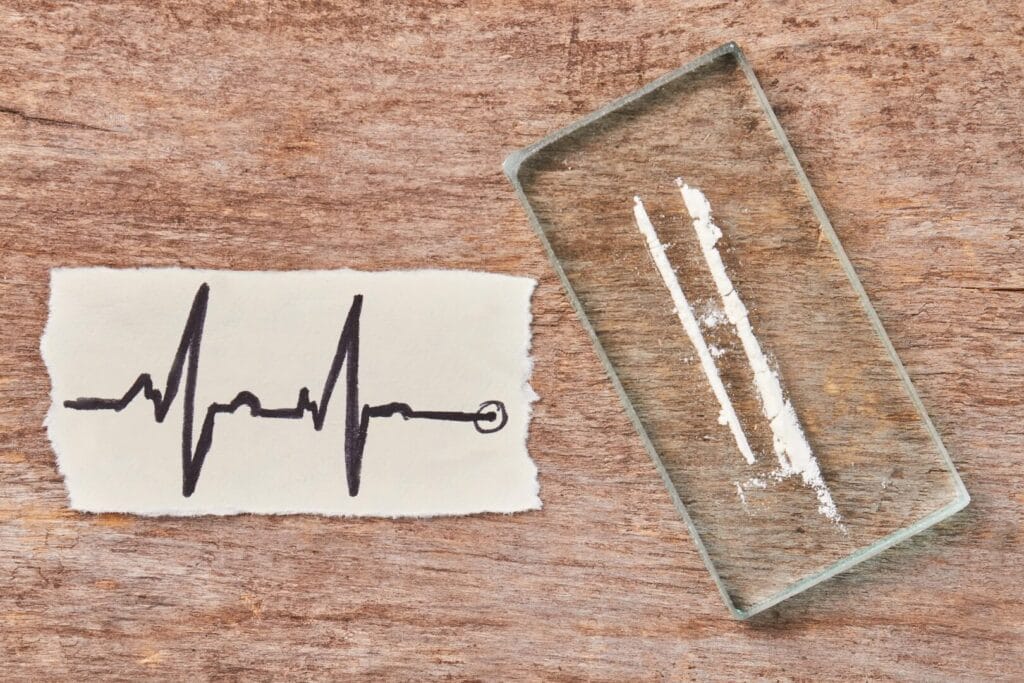
Understanding Bradycardia Bradycardia is clinically defined as a slow heart rate. The adult heart typically beats between 60 to 100 times per minute at rest. However, athletes and the elderly sometimes have a slow heart rate of 60 bpm or less when sitting or lying down. In athletes, slower heart rates result from heart muscle strengthening from constant exercise. As a result, more blood is supplied to the body with each heartbeat than non-athletes. Several drugs cause bradycardia, whereas bradycardia is sometimes caused by an abnormal cardiac rhythm (arrhythmia). What is Drug-Induced Bradycardia? Drug-induced bradycardia is slowed heart rate caused by the ingestion of a drug or medication. Bradycardia has been linked to cardiac and noncardiac medicine, affecting the heart rate. Clinical drugs that cause bradycardia include cardiac glycosides, calcium channel blockers, antidepressants, beta-blockers, neuromuscular blockers, and alpha/beta-adrenergic blockers. In addition, drug-induced bradycardia may help treat conditions that cause tachycardia (faster than average heart rate). According to some studies, some recreational drugs can also cause drug-induced bradycardia. Most psychostimulants have similar and frequently severe effects on the cardiovascular system. Cocaine, Amphetamines, and Methamphetamine are examples of drugs that cause bradycardia. Is Bradycardia a Marker of Chronic Cocaine Use? Cocaine use, especially when continued over a long time, is one of the drugs that cause bradycardia. Cocaine dependency was associated with a 95% increase in the risks of Bradycardia and severe Bradycardia, according to a 2014 study. Cocaine dependence is also associated with a 5.84 bpm reduction in resting heart rate. A similar study in 2010 also showed that chronic cocaine use was associated with a significantly increased incidence of sinus bradycardia. Therefore, regular cocaine use does not only cause bradycardia, but it is also one of the drugs that cause sinus Bradycardia. Bradycardia Causes and Risk Factors: What Causes Bradycardia? Several issues may result in the development of bradycardia. These will be detailed below. Drugs Several drugs, when ingested, may reduce heart rate over time or immediately. These drugs include the following: Amphetamines, verapamil, cocaine, antidepressants, beta-blockers, cardiac glycosides, and neuromuscular blockers. These are all examples of drugs that cause bradycardia. Other Causes Of Bradycardia Apart from the influence of drugs and certain substances, there are other causes of bradycardia due to physiological changes in the body. These include: Chemical imbalances in the blood, such as the imbalance of potassium or calcium Breathing pauses that repeatedly occur during sleep (obstructive sleep apnea) Inflammatory disorders such as rheumatoid arthritis and lupus Muscle inflammation of the heart Low thyroid function Risk Factors of Bradycardia During the diagnosis of bradycardia, certain factors are linked to the development of bradycardia. These include: Old age Hypertension History of heart disease Chronic cocaine use History of substance abuse Congenital heart defect Certain forms of anxiety and stress The use of medication and drugs that cause bradycardia Common Drugs That Cause Bradycardia Many clinical and non-clinical drugs cause bradycardia. These are a list of drugs that may cause bradycardia: Cocaine Cocaine is a highly addictive stimulant that affects the central nervous system. As part of its long-lasting effect, cocaine is commonly known to cause cardiovascular effects such as dysrhythmias, endocarditis, myocardial dysfunction, and aortic dissection. Studies have also shown cocaine users to be at a higher odd of developing bradycardia over prolonged use. Beta-Blockers Beta-blockers are utilized to help manage patients with abnormal heartbeat rates. For example, they effectively prevent a second heart attack in patients who have suffered an initial heart attack episode. Beta-blockers function by blocking adrenaline’s effects in your body, which invariably slows the heart rate. Some Beta-blocker drugs include Atenolol, Betaxolol, Carvedilol, and Nadolol. Non-Dihydropyridine Calcium Channel Antagonists These drugs treat heart-related problems, including irregular heartbeats (arrhythmia), hypertension, and angina. By blocking the calcium channels in the heart muscle, these drugs reduce the high flow of calcium into the cardiac muscle cells. This results in a reduced heartbeat and a well-contracted heart muscle. Examples of non-dihydropyridine calcium channel antagonists include Amlodipine, Azelnidipine, Benidipine, and Barnidipine. Digitalis Digitalis, commonly known as “foxglove,” is a drug gotten from the plant Digitalis Purpurea and is used in treating various heart conditions. Digitalis helps increase the heart’s output to meet the body’s demands when the heart becomes weakened due to disease, coronary artery, heart failure, etc. Even with its therapeutic benefits digitalis is one of the medications that cause bradycardia. Digitalis intake increases the inflow of calcium into the heart cells to stimulate the heart and cause an increased and stronger heartbeat. Digitalis drugs include Digoxin, Lanoxin, lanoxicaps, Digitex, etc. Anti-Arrhythmic Drugs Antiarrhythmic drugs are generally used for dealing with different abnormal heart rate conditions. These drugs essentially fall under four classes: Sodium-Channel blockers, Beta-blockers, Potassium channel blockers, and calcium-channel blockers. In addition, antiarrhythmic drugs include Flecainide, Procainamide, quinidine, etc. Other Drugs Apart from the above-listed medications that cause bradycardia, several other drugs with side effects are likely to induce bradycardia. Some of these drugs that cause bradycardia include: Sympatholytic antihypertensives Tedisamil Carbamazepine Cimetidine Antidepressants Lithium Opioid blockers Treatment for Bradycardia People with bradycardia would require treatment to prevent the worsening of their condition. In this case, doctors often administer treatments through bradycardia medications, pacemakers (a device used to maintain a steady heartbeat), and by treating other underlying conditions responsible for bradycardia. Medications for Bradycardia There are several bradycardia medications which include: Atropine/Atropen: Atropine belongs to a class of drugs called anesthetic premedication agents. Atropine is a commonly used bradycardia treatment drug. In surgical operations, these drugs combat low heart rates by blocking the slowing effect of the vagus nerve. This leads to a high electrical discharge responsible for the subsequent heart rate increase. AtropineAtropen can be taken alone or in conjunction with other medications. However, patients should avoid atropine use if bradycardia is caused by hypothermia. Atropine is one of the most effective low heart rate medications used for treatment of low heart rate. Epinephrine/Dopamine Epinephrine and Dopamine are used as backup drugs when treating bradycardia. In addition, they are used as an effective alternative
How To Stop Prescription Drug Addiction

What Is Prescription Drug Abuse? The use of a drug for a purpose other than its prescribed use is known as prescription drug abuse. Opioid painkillers, anti-anxiety meds, sedatives, and stimulants are the most common prescription drugs that can lead to addiction. Some people abuse prescription drugs because they think they will help them have more fun, lose weight, fit in, and even study more effectively. Some misuse prescription drugs to feel good or get high, unwind or release tension, suppress hunger, or even to boost alertness. What Are the Most Commonly Abused Prescription Drugs? Some of the most common prescription drugs that can cause substance abuse disorders include: Prescription Opioids: Opioids are drugs used to treat and relieve pain. They have an impact on the brain regions that control emotion and lessen the intensity of pain signals that reach the brain, which lessens the impact of painful stimuli. Oxycodone: Oxycodone is most commonly known by the brand name OxyContin. It’s also marketed as Percocet when combined with acetaminophen. It alters how your central nervous system (CNS) reacts to pain. Hydrocodone: This is an opioid narcotic medication that relieves moderate to severe pain. When taken orally or crushed and inhaled, it induces feelings of euphoria and sedation. Fentanyl: Fentanyl is a type of synthetic opioid. It’s often recommended for acute and chronic pain in cancer patients. It’s 50 to 100 times more potent than morphine and induces a state of exhilaration and relaxation. Codeine: Codeine relieves mild to moderate pain. It’s often used with other drugs to treat cold and flu symptoms and is popular in prescription-strength cough syrup. Codeine-based cough medication has a sedative effect when used in large doses. Co-codamol: This is a combination of paracetamol and codeine, two distinct painkillers. It’s used to treat a variety of aches and pains, including headaches, migraines, and tooth discomfort. Tramadol: Tramadol is a synthetic opioid and acts in the central nervous system to reduce the amount of pain you feel. It is a strong pain medication used to treat moderate to severe pain. Prescription Stimulants Your body gets a jump start from stimulant medicines, giving you a substantial increase in alertness, energy, and focus. They increase your blood pressure, blood sugar, and heart rate. They also widen your airways and open your blood vessels. Doctors started using stimulants to treat asthma and obesity. They prescribe them for conditions such as ADHD, ADD, depression, and narcolepsy. Commonly Abused Prescription Stimulants Here are the two common types of prescription stimulants people abuse: Methylphenidate: Methylphenidate is a central nervous system stimulant used to treat ADHD and sleep disorder (narcolepsy). It is used to increase the ability to pay attention, stay focused, and control behavioral problems. Dextroamphetamine: Dextroamphetamine, known by its brand name, Dexedrine, is a potent Central Nervous System (CNS) Stimulant. Dextroamphetamine is prescribed to treat Attention Deficit Hyperactivity Disorder (ADHD) and narcolepsy. Dextroamphetamine promotes focus and calm in people with ADHD and energy and wakefulness in those with sleep disorders. Prescription Drug Abuse Signs and Symptoms Signs of abuse of prescription drugs can depend on the drug involved. Some of the signs and symptoms of prescription drug abuse are: Dizziness Depression or anxiety Mood swings Poor coordination Slow or shallow breathing Slurred speech Upset stomach, vomiting, or constipation Benzodiazepines and Stimulants There are two other classes of drugs, benzodiazepines and stimulants, that often get abused as well. Benzodiazepines are a class of drugs generally used for treating anxiety, but they also are effective in treating several other conditions such as seizures, acute stress reactions, insomnia, and panic attacks. The central nervous system is affected by benzodiazepines, which results in drowsiness, muscle relaxation, and a reduction in anxiety. These drugs are often safe and efficient when taken for a brief period of time, but prolonged usage might result in tolerance, dependency, and other negative effects. Commonly Abused Benzodiazepines Here are some common benzodiazepines drugs that people abuse: Diazepam: Diazepam is a long-lasting, rapidly-acting benzodiazepine frequently used to treat seizures, severe anxiety, muscle spasms, alcohol withdrawal , and panic disorders. Alprazolam: Anxiety disorders, panic disorders, and anxiety brought on by depression are all treated with alprazolam. It functions by reducing excessive cerebral excitation. Chlordiazepoxide: An approved drug for people with mild-moderate to severe anxiety, preoperative anxiety, and alcohol withdrawal is chlordiazepoxide, a long-acting benzodiazepine. Before surgery, it is often used to reduce anxiety and fear. Zolpidem: Zolpidem belongs to a class of drugs known as sedative-hypnotics. It is a short-acting benzodiazepine prescription pill used to treat insomnia and other sleeping difficulties. Causes Of Prescription Drug Abuse Below are some of the common causes of prescription drug abuse. To Feel Good or Get High A lot of people abuse drugs just for the feeling that it gives them. This happens mainly among the youths, and most believe that prescription drug use makes them feel good and high. To Relax or Relieve Tension While some abuse drugs to feel good and high, others abuse the drug to relax and ease tension. To Reduce Appetite Prescription drug abuse has been a way for some people to reduce their appetite and the level of their food consumption. Many use it to try and maintain weight loss. To Experiment Others abuse the drug to test the mental effect of the drug and how active the substances can be. To Prevent Withdrawal Many users, once they know they might have a substance abuse disorder, simply keep using the substance in order to prevent a withdrawal from their drug dependence and the feelings they get from using the drugs. This can therefore lead to serious complications. To Be Accepted Pills addiction and negative peer group pressure are often linked. This type of peer pressure leads to undesirable habits such as using illegal prescription drugs, overuse of drugs, or alcohol abuse. Several youths become addicted because that is the only way to be accepted among their peer groups. How To Stop Prescription Drug Addiction Below are some ways for how to
The Physical and Psychological Aspects of Withdrawal

At San Diego Detox we understand that the journey to recovery can be challenging, and one of the crucial phases is dealing with withdrawal symptoms. In this article, we will delve into the physical and psychological aspects of withdrawal, providing valuable insights to help you or your loved one navigate this challenging process. Understanding Withdrawal: Withdrawal is the body’s natural response to the absence of a substance it has become dependent on, such as drugs or alcohol. It is an essential step towards recovery and healing, but it can be an uncomfortable and daunting experience. Let’s break down the physical and psychological aspects of withdrawal to help you prepare for this crucial phase of detoxification. Physical Symptoms of Withdrawal When undergoing withdrawal, individuals may experience a range of physical symptoms, which can vary in intensity depending on factors like substance type, duration of use, and individual health. Some common physical withdrawal symptoms include: Nausea and vomiting Sweating and chills Muscle aches and pains Headaches Fatigue and insomnia Tremors or seizures (in severe cases) Changes in appetite These physical symptoms can be distressing, but it’s important to remember that they are temporary and a sign that your body is healing. Psychological Symptoms of Withdrawal In addition to physical discomfort, withdrawal can also manifest as psychological symptoms, often challenging an individual’s emotional well-being. Common psychological withdrawal symptoms include: Anxiety and panic attacks Depression Irritability and mood swings Confusion and difficulty concentrating Cravings for the substance These psychological symptoms can be overwhelming, but with the right support and treatment, they can be managed effectively. Managing Withdrawal Safely To manage withdrawal safely and effectively, it’s crucial to seek professional help from a reputable detox center like ours. Our experienced medical staff and therapists will develop a personalized detox plan that includes: Medically supervised detoxification Medications to alleviate withdrawal symptoms Therapeutic interventions to address psychological symptoms Emotional support and counseling Our Comprehensive Detox Program At San Diego Detox, we understand that the journey to recovery begins with a safe and supportive detoxification process. Our medically supervised detox program is designed to manage withdrawal symptoms effectively while preparing individuals for the next steps in their recovery journey. Personalized Care Our dedicated team conducts comprehensive assessments to develop a detox plan tailored to your unique needs, substance use history, and overall health. This individualized approach ensures that you receive the appropriate level of care and support throughout the detox process. Holistic Support Recognizing that detoxification involves more than just physical healing, we integrate holistic therapies to address the emotional and psychological aspects of withdrawal. Continuity of Care Detox is the first step in a comprehensive treatment plan. Following detoxification, clients have the opportunity to transition seamlessly into our residential treatment programs, ensuring continuity of care and ongoing support as they work towards lasting recovery. At San Diego Detox, your safety, comfort, and long-term success are our top priorities. Our compassionate team is here to guide you through every step of the detox process, laying the foundation for a healthier, substance-free life. Contact San Diego Detox Today Withdrawal is a challenging but necessary step on the path to recovery. Understanding the physical and psychological aspects of withdrawal is essential for individuals seeking help at a detox center. At San Diego Detox, we are here to provide the guidance, care, and support you need to overcome withdrawal and start your journey towards a healthier, substance-free life. Don’t hesitate to reach out to us for assistance with your detoxification process and dual diagnosis treatment. Your recovery is our priority. FAQS What is dual diagnosis, and why is it important in detoxification?Dual diagnosis refers to the presence of both a substance use disorder and a mental health disorder in an individual. It’s crucial in detox because treating both conditions simultaneously greatly improves the chances of successful recovery. Addressing only one aspect may lead to relapse or incomplete healing. How long does withdrawal typically last, and what can I expect during this period?The duration and severity of withdrawal symptoms can vary widely depending on factors like the substance used, the individual’s overall health, and the length of addiction. In general, withdrawal symptoms may last anywhere from a few days to several weeks. Expect a combination of physical discomfort and psychological challenges during this time, but remember that they are temporary and manageable with professional support. Is detox safe to do at home, or should I seek professional help?While some people attempt to detox at home, it is not recommended, especially for individuals with a long history of substance use or dual diagnosis. Detox can be physically and psychologically taxing, and it’s safer to undergo detoxification under the supervision of medical professionals who can provide medication-assisted treatment and monitor your progress. Are there any specific detox methods for different substances?Yes, there are different detox methods tailored to the type of substance and the individual’s needs. Alcohol, opioids, stimulants, and other substances require different approaches. A professional detox center like San Diego Detox will create a customized detoxification plan based on your specific situation. What happens after detoxification at a dual diagnosis center?After completing detox, individuals typically transition to a comprehensive treatment program. This may include therapies, counseling, group support, and ongoing mental health treatment to address the underlying issues contributing to addiction. The goal is long-term recovery and a healthier, substance-free life.
How Does Narcan Reverse the Effect of an Opiate Overdose?

What is an Opiate Overdose? Opiate drugs fall into several categories, including prescription and illicit drugs. Therefore, it is not uncommon for someone to experience opiate overdose symptoms even though they use a medication prescribed to them by a medical provider. All opiate and opioid drugs are potent drugs with a high potential for addiction and fatal overdose. Therefore, if you or a loved one struggles with an addiction to opiates, it is crucial to seek help at a detox and treatment program like San Diego Detox Center. Opiate Overdose Statistics Data released by the Centers for Disease Control and Prevention in early 2020 suggest that more than 70% of the drug overdose deaths in the United States in 2019 involved at least one opiate drug. Also, the rate of death attributed to the misuse of synthetic opiate drugs increased by nearly 20% in the last year. The overall fatality rate linked to all opiate drugs increased by approximately 6%. Between 2010 and 2020, more than half a million people lost their lives to opiate drug overdose. Opiate vs. Opioid: What is the Difference? Opioid drugs are derived from three sources. Opioids are either all-natural, synthetic, or semi-synthetic. The term opiate refers to natural opioids. Perhaps, it is best to understand the term opiate as a subcategory of opioids. Someone with an opiate addiction may be addicted to prescription pain medications such as oxycodone or codeine or illegal opioids like heroin. Signs and Symptoms of Opiate Overdose A crucial part of opiate overdose prevention is knowing the warning signs of an overdose. In many cases, opiate overdose happens rapidly, and opiate overdose signs will differ from person to person. Some of the more common signs of opiate overdose include: Slow and shallow breathing Vomiting Gurgling or choking sounds Constricted (pinpoint) pupils Blue or cold skin Loss of consciousness Faint heartbeat Purple lips and fingernails Inability to communicate or speak clearly or effectively Opiate Overdose Causes and Risk Factors An opiate overdose occurs when someone takes too much of a drug and elevated amounts of the substance reach their brain. When this happens, it overwhelms the brain’s natural function leading to the inability of the brain and central nervous system to perform vital functions such as breathing. Because medical providers use opiates as part of a prescription plan, many people do not realize the harms these drugs can cause. Who Is at Risk for an Opiate Overdose? Specific factors related to the individual using the drug may increase their risk for addiction and overdose. Examples of overdose risk factors include age and underlying medical conditions such as impaired liver function, kidney disease, or sleep apnea. There are many possible causes of opiate overdose. Some of the more prominent examples are combining an opiate with other drugs or alcohol, taking more than prescribed, and using illicit (street) drugs that may contain unregulated or harmful additives. Treatment for Opiate Addiction and Overdose in San Diego Narcan nasal spray for opiate overdose or Narcan injections is an excellent emergency use drug used for opiate overdose. In the short-term, drugs to reverse opiate overdose can help save someone’s life. However, Narcan is not a long-term substitute for opiate addiction treatment. A professional treatment program in San Diego can help you find freedom from addiction and begin a journey towards lasting health and wellness. Opiate Addiction Treatment Options The best opiate addiction treatment options involve several steps. It is important to remember that achieving lasting sobriety is a highly individual process. Choosing a program that offers individualized addiction treatment plans provides the most significant opportunities for treatment success. For most, the first step of treatment is comprehensive detox. The Benefits of Detox Although challenging, medical detox is a necessary step in therapy. It is difficult (if not impossible) to focus on healing when still impacted by the effects of opiate use. Detoxing in a safe and comforting environment is vital to ensuring access to the medical and mental health support you need to help manage withdrawal symptoms. Get Help at San Diego Detox Once detox is complete, you will begin therapy to learn more about the root causes of addiction and how to manage relapse triggers in the future. The journey to overcoming opiate addiction is challenging. With help from our skilled, compassionate team, sobriety and a drug-free future are within reach. Contact us today to learn more about our programs and how you can get help to defeat addiction at San Diego Detox. Narcan for Opiate Overdose The Centers for Disease Control and Prevention (CDC) indicate that almost 50,000 people died from an opioid or opiate-related overdose in 2019. The same study suggests that in as many as 40% of cases. Had these bystanders provided Narcan, they could have saved a life. Understanding more about how Narcan helps with opiate overdose reversal can help to save thousands of lives each year. Auto-Injector and Nasal Spray Naloxone or Narcan is a medication that can rapidly reverse opioid overdose. Narcan for opiate overdose comes in two FDA-approved delivery methods. These include an auto-injector and prepackaged nasal sprays. Narcan injections must be drawn from a vial and injected into the body. Medical providers such as emergency services personnel or emergency room doctors often choose this method. The second delivery method of Narcan for opiate overdose is a nasal spray. Narcan nasal sprays are a needle-free option that one can spray directly into the nostril. Because nasal Narcan comes in a prepackaged form, monitoring the amount of medication administered is not necessary. Nasal Narcan is significantly easier for loved ones or bystanders to administer. It does not require formal training, knowledge of medication dosing, or the use of a needle. How Does Narcan Reverse the Effects of an Opiate Overdose? Narcan is a category of drug known as an opioid antagonist. When used at the first sign of an opiate overdose, Narcan prevents opiate drugs from attaching to opioid receptors in the brain because the agonist binds there
How Dangerous Is Drug Induced Psychosis?
What Is Drug-Induced Psychosis? Often, psychosis occurs as the result of a mental disorder; however, it can also develop through substance use. Drug-induced psychosis, also known as stimulant psychosis, is characterized as experiencing a psychotic episode (e.g., delusions, hallucinations, paranoia) triggered by substance abuse and misuse. Drug-Induced Psychosis vs. Schizophrenia While these two conditions share similarities, there are a few differences between drug-induced psychosis and schizophrenia. Schizophrenia Schizophrenia is a mental health disorder that causes an altered sense of reality, affecting how people think, feel, and behave due to periods of psychosis. While there is no singular established cause of schizophrenia, research shows that substance abuse can trigger schizophrenia symptoms. For example, one study found that 11% of participants with substance-induced psychotic disorder developed schizophrenia.1 Drug-Induced Psychosis Drug-induced psychosis is a psychotic episode that occurs from substance abuse. While it can develop during active drug use, it’s more common during withdrawal. In addition, unlike schizophrenia, which is a lifelong disorder, drug-induced psychosis is temporary, lasting no more than a few days. How Common Is Drug Induced Psychosis? Because the statistics surrounding drug-induced psychosis vary based on the substance, it can be difficult to understand exactly how common it is. Nonetheless, a study has provided perspective on the prevalence of drug-induced psychosis for amphetamines, cannabis, cocaine, and opiates in individuals ranging from no substance use disorder to severe substance use disorder. Different Drugs That Can Trigger Drug Induced Psychosis The findings of this study will be detailed below:2 Amphetamines: 5.2% to 100% Cannabis: 12.4% to 80.0% Cocaine: 6.7% to 80.7% Opiates: 6.7% to 58.2% How Long Does Drug-Induced Psychosis Last? The drug-induced psychosis timeline can vary based on many factors, including the substance, severity of abuse, and duration of abuse. However, research has found that only 10% of drug-induced psychosis cases last longer than six months after use. The majority usually resolve one month following the last time the substance was abused.3 How Dangerous Is Drug-Induced Psychosis? Due to the nature of drug-induced psychosis symptoms, this condition can pose a significant risk to the people affected and those around them. In addition, the short-term and long-term effects pose a risk of their own, especially without treatment. Short-Term Effects of Drug-Induced Psychosis Drug-induced psychosis may not be recognized while the substance is still active in the body. However, as the body begins to metabolize and eliminate the drug, the short-term effects of drug-induced psychosis can become more apparent. These can include: Delusions Hallucinations Social withdrawal Agitation Confusion Long-Term Effects of Drug-Induced Psychosis Psychosis can have a lasting impact on the brain and mind, especially when treatment is postponed or avoided altogether. While many of the effects of drug-induced psychosis will fade within a couple of days, others can take weeks, months, or possibly even longer, depending on the severity. Some of the long-term effects of drug-induced psychosis can include: Structural brain damage Continued hallucinations and delusions Social struggles Development of mental health disorders, such as New Windowpost-traumatic stress disorder Drug-Induced Psychosis Symptoms Drug-induced psychosis can lead to a variety of symptoms, many of which are similar to other mental health disorders, such as schizophrenia. Paranoia Paranoia is an unrealistic thought or feeling of being threatened, especially when no risk is presented. While it can often be a mild symptom of drug-induced psychosis, it can vary in severity, with more severe instances of paranoia possible. Delusions Delusions are false beliefs. These can be about yourself or your surroundings, including other people. Types of delusions include: Grandeur Erotomania, or delusion of love Somatic Persecutory Jealousy Hallucinations Hallucinations are false perceptions. They can affect all five senses, meaning people may hear, smell, taste, see, or feel things that aren’t there. Types of hallucinations include: Auditory Visual Olfactory Gustatory Tactile Anti-Social Behavior Paranoia, delusions, and hallucinations can make it difficult to connect with friends and loved ones and feel safe in public spaces. As a result, drug-induced psychosis may lead to anti-social behaviors such as avoidance and isolationism. This can also lead to panic attacks and confusion. Drug-Induced Psychosis Causes and Risks Drug-induced psychosis can make it difficult for people to differentiate between reality and false beliefs and perceptions caused by psychotic episodes. As a result, it can introduce an elevated risk for dangers such as suicide, violent outbursts, and injury. Because of this, drug-induced psychosis often requires hospitalization. What Causes Drug-Induced Psychosis? Drug-induced psychosis typically occurs when the body is introduced to a toxic amount of drugs. This can be caused by taking too much of a single substance or a combination of substances. In addition, this condition can occur during substance withdrawal. What Drugs Cause Drug-Induced Psychosis? The drugs that are most often reported to cause psychosis are mind-altering substances, especially cannabis. In fact, recent studies have shown that cannabis can increase the risk of psychosis and has the highest conversion rate to schizophrenia at 47%. Nonetheless, many different substances can cause drug-induced psychosis, including: Cannabis Alcohol Amphetamines, such as methamphetamine, ecstasy, and MDMA Stimulants, such as cocaine Hallucinogens, such as LSD, PCP, and psilocybe mushrooms Risk Factors There are certain factors that can elevate the risk of drug-induced psychosis. They include: Abnormal brain changes, such as through an injury or stroke Family history of psychotic disorders Brain disorders Brain tumors and cysts Diagnosis for Drug-Induced Psychosis Because drug-induced psychosis can mimic other conditions, including psychosis caused by a psychotic disorder, it is important to properly diagnose the condition either through a drug-induced psychosis test or by utilizing drug-induced psychosis diagnostic criteria. Because drug-induced psychosis relies on a substance to be present in the body, that is one of the leading determinate factors when identifying a diagnosis. Treatment for Drug-Induced Psychosis While drug-induced psychosis can be distressing, there is treatment available to help. Drug-Induced Psychosis Treatment Program Drug-induced psychosis treatment programs combine a New Windowvariety of treatment methods for a multifaceted approach. Detox The first step is a medically supervised detox, a process that safely eliminates the substance from the body to begin
Does Depression Make You More Prone to Addiction

What Is Depression? Depression, also known as a major depressive disorder, is a prevalent medically severe condition that negatively affects how a person feels, thinks, and acts. Depression is considered, in most cases, a treatable condition. Clinical depression causes sadness and a loss of interest in any activity that a person typically enjoys. Being depressed may make a person feel various emotional and physical problems and subsequently decreases an individual’s ability to function properly. Depression is, in the simplest terms, a mood disorder that mainly involves persistent feelings of sadness and loss of interest. Depression is different from mood swings or mood fluctuations which are a part of people’s everyday lives. Depression can be caused by major life-changing events, such as losing a loved one or being fired. It is, however, essential to note that medical professionals only consider feelings of grief as a part of depression if those feelings persist. Does Depression Make You Prone to Addiction? Depression and substance abuse tend to go hand in hand, with individuals seeking to relieve depressive feelings with drugs or alcohol. Depression increases the likelihood of developing an addiction. Addiction and depression, as co-occurring disorders, can be, in most cases, an effect of each other. The Most Common Types of Depression There are different types of depression; there are, however, seven prevalent types of depression; they include the following: Major Depressive Disorder (MDD) This is chronic depression; feelings of sadness and loss characterize it. Persistent Depressive Disorder (PDD) This is also referred to as Dysthymia, it’s not as severe as the MDD, but it can be challenging. The symptoms of persistent depressive disorder usually last for about two months. Bipolar Disorder (BD) This is a mood disorder characterized by some periods of abnormally elevated moods known as Mania. This type of depression comes with physical and emotional symptoms such as feelings of fatigue and pain. Postpartum Depression (PD) This Depression arises from the hormonal imbalance that comes from pregnancy; it can occur during pregnancy or after the birth of a child. It is often called “baby blues”; this could last for about two weeks or even longer. Premenstrual Dysphoric Disorder (PMDD) This type of depression comes before the female monthly menstrual period. It presents as feelings of sadness, irritability, hopelessness, anxiety, and fatigue. Seasonal Affective Disorder (SAD) This variant of depression comes mostly during winter. It comes with a feeling of sleeplessness and weight loss. It is the most difficult to pinpoint, making it easier to go unnoticed for an extended period. Atypical Depression This form of depression does not follow the usual symptoms of depression; it comes with symptoms such as overeating, oversleeping, weight gain, oversensitivity to rejection, etc. in most cases, people who have this kind of depression might not be aware they are depressed as it doesn’t take the face of the usual symptoms of depression. Depression and Co-occurring Addiction Alcohol addiction and depression are common. Individuals who suffer from depression tend to depend on excessive use of alcohol to gain a temporary feeling of euphoria. Alcohol is used to suppress feelings of sadness and anxiety due to its effects on the brain. Depression in Alcohol Addiction Alcohol has a relatively high addictive potential, and its effects are only temporary in masking depression-related symptoms. Alcohol can worsen depressive symptoms as time goes by, leading to addiction and increased addiction severity. Depression and Marijuana Addiction Users have indicated marijuana use to ease the symptoms of depression. It is important to note that this benefit is usually short-term. Consistent use of marijuana to numb depressive feelings can cause high levels of dependency, which often may grow into a full-on addiction. Although marijuana hasn’t been found to cause depression, marijuana smokers are more likely to be diagnosed with depression than individuals who do not smoke marijuana. Depression and Stimulants Addiction Specific forms of depression occur due to a reduction in dopamine levels in the brain. In contrast, most stimulants work by increasing dopamine levels. Although stimulants can help manage depressive symptoms, they often make things worse. Certain studies show that exposure to heightened dopamine levels can cause depression. This is due to different mechanisms in the brain, most notably dopamine receptor downregulation. How to Help Someone with Substance Addiction Empathy involves understanding and sharing another person’s feelings. People who struggle with Addiction and depression go through many physical and, at times, emotional hardships. Try to see things from their perspective and offer them as much support, love, and care as possible. Set Boundaries Setting boundaries can help the road to recovery a lot quicker and avoid relapses. Set financial limits to make it hard for them to fund their addictions and develop specific levels of emotional boundaries without being mean to help them see how serious the problem is. Be Non-Judgmental Try to be supportive and apprehensive of negative behavior without appearing judgmental. This is especially important when dealing with depressed individuals to prevent them from feeling even worse about their situation. Be Honest About the Problem Make the situation clear so they can see the challenges and work through overcoming them. Be apprehensive of negative behavior and call out telltale signs that indicate relapses. Offer Solutions Please read up on their condition and how it affects them. Seek expert care and offer to initiate interactions with professionals who can help. Offer viable solutions and take things one at a time while ensuring they get the care they require. Signs and Symptoms of Depression and Addiction There are several symptoms of depression and substance abuse. Common Symptoms of Depression These include the following: Hopeless outlook on life Loss of interest Lack of sleep Increased fatigue Anxiety Uncontrolled emotions Severe Symptoms of Depression These include: Suicidality Guilt and worthlessness Loss of appetite Common Signs of Addiction These include: Financial issues Extreme mood change Lying Sudden energy change Sense of urgency Secretiveness, etc. How Does Depression Make You Prone to Addiction? Depression and substance abuse are often found together in most cases. Addiction
Dangers of Drug Overdose

What is an Overdose? Hazards due to an overdose of drugs emerge when people consume more medication than their bodies can fully break down, regardless of whether the drug is legal. A person using a legal or illegal drug can experience an overdose of a drug taken for a medical reason or recreationally, and an overdose can be accidental or intentional. How Does Drug Overdose Happen? An overdose happens when a toxic quantity of a substance or medicine is consumed. It is crucial to remember that not all overdoses are fatal or life-threatening; however, if an overdose is suspected or has happened, medical help should always be sought. Dangers of Drug Overdose What an individual feels during an overdose depends on the substance used. Overdoses are prevalent when a person consumes too much of a particular drug, but they can also occur when a person consumes more than one substance, and the interactions between the substances cause unforeseen consequences.1 A stimulant or alcohol overdose might result in seizures. Seizures can cause injuries by striking body parts against the ground or other objects, but they can also cause brief confusion, loss of consciousness, severe headaches, and brain damage. How Long Does a Drug Overdose Last? The duration of a drug overdose varies widely depending on the individual, what was taken, and how promptly they received medical assistance. For example, a person may overdose on alcohol and require stomach pumping. In this case, they may be back at home within a day, and their overdose will be finished. While an overdose of drugs can be frightening, it does not always have to result in death. After an overdose, a person can still live a happy and healthy life, provided the situation is handled correctly. What Does Overdosing Feel Like? Overdoses are hazardous reactions that occur when the effects of a specific chemical exceed the brain and body’s usual working limitations. Severe types of these reactions can have fatal implications in many circumstances. The particular effects of overdose-producing chemicals vary greatly, which means that the sensations experienced during an overdose episode are dependent on the type of substance that caused the reaction. Intentional Overdose Intentional overdoses are considered a kind of self-harm. The figures are significant despite accounting for a small proportion of drug-related mortality. It’s also a shockingly prevalent act among teenagers across the world. In most of these cases, the person is escalating their use of substances, which is the act of drug overdose for suicide. These attempts may include exceeding authorized amounts of a prescription or substance and combining various substances.4 What Drugs Do People Overdose On? Drugs people may overdose on include: Opioids: Because of how they work, opioids are one of the most deadly medications for overdosing because of the drug’s toxicity. Opioids are derived from poppy seeds (or synthesized from comparable substances) and interact with opioid receptors in the brain. Alcohol: When you consume more alcohol than your body can adequately absorb, you have an alcohol overdose. Many people do not consider alcohol when discussing drug overdoses, yet it is possible to overdose on alcohol, which is regarded as a depressant. Stimulants: A stimulant drug, such as ecstasy, speed, or cocaine, raises the heart rate, body temperature, and blood pressure while also increasing breathing. This can potentially result in a deadly heart attack, seizure, or stroke. Long-Term Effects of an Overdose Long-term effects of an overdose include: Liver Damage A pill overdose can permanently damage your liver, causing irreversible scarring of liver tissue (cirrhosis) and, in severe circumstances, leading to life-threatening liver failure. Brain Damage The frontal lobe is particularly vulnerable to injury from overdose-induced oxygen deprivation, which can impair executive function. They may struggle with planning, problem-solving, emotional control, organizing, and paying attention. Damage to the Heart Irregular heartbeats, heart attacks, and strokes can all be caused by drug misuse. Rising heart rate and blood pressure. Some medicines can also slow blood flow to the heart, which can cause the muscles and body to stop working. Neurological Consequences The risk of pharmaceutical overdose is quite real and should not be underestimated. When a person becomes reliant on medicine, they may begin using ever-greater doses of the medication to obtain the same results. This can lead to an overdose and neurological consequences. Higher Risk of Developing Emotional and Mental Problems When people are under the influence of alcohol or drugs, they develop substance-induced problems. Which can affect their mental and emotional state of mind. Higher Risk of Drug Addiction Taking an overdose drug can lead to drug addiction. Signs And Symptoms Of Drug Overdose The possibility of severe side effects, including overdose, is always present with drug usage. Addiction development will always be a risk whether you abuse alcohol, an illegal drug such as cocaine, or prescriptions prescribed by a doctor, such as opiate pills. In many circumstances, if substance misuse behavior continues, there is a significant risk of drug misuse. The signs and symptoms of a drug overdose will be detailed below.2 Dilated Pupils Almost any substance taken in excess has the potential to induce alterations in the user’s eyes. Depending on the type of drug used, different chemicals impact the parasympathetic, sympathetic, or both systems. Unsteady Walking Drug overdose can cause unsteady walking or injury to the legs, feet, joints, bones, muscles, blood vessels, and other soft tissues or the neurological system that governs the movements required for walking. Chest Pain Chest pain is conceivable and can be caused by injury to the heart or lungs. Shortness of breath is possible. Breathing might become quick, slow, deep, or shallow. Difficulty Breathing Opioids can cause respiratory difficulties due to their pharmacological effects, and an opioid overdose can result in mortality. Blue Lips or Fingers Lips and fingers turn blue when the body does not obtain enough oxygen. These are the warning indications of an overdose. Nausea or Vomiting It is possible to experience nausea, vomiting, abdominal pain, and diarrhea. Vomiting blood or passing blood in