
How to Recognize Signs of Addiction in Loved Ones

Addiction rarely kicks down the door all at once; it sneaks in through small changes that are easy to shrug off, like skipped meals, missing cash, or a friend who’s suddenly “too busy” to show up. Because denial is common and excuses sound believable, weeks can pass before anyone realizes a pattern has taken root. Catching those clues early isn’t about blame; it’s about safety. The sooner a problem is named, the sooner detox and treatment can stop worsening health issues, legal trouble, or overdose risk. If you’re worried but unsure, San Diego Detox in California offers a judgment-free 24/7 helpline where nurses walk you through the next steps, even if that’s just answering questions today. Knowing what to look for and where to turn can save a life. Behavioral Signs You Might Notice Most addictions announce themselves through behavior long before physical symptoms appear. Watch for sudden, unexplained mood swings, euphoric highs followed by irritability, agitation, or deep fatigue. Secrecy is another red flag: locking bedroom doors, hiding phones, or giving vague answers about where they’ve been. Reliable people who begin missing work or class without reasonable explanations may be juggling hangovers or withdrawal symptoms. Money often tells the story as well. Look for financial problems such as unexplained ATM withdrawals, unpaid bills, or valuables that “disappear.” A shift toward new friends who appear only at odd hours or no friends at all can hint at a lifestyle change centered on substance use. You may also notice lying or defensiveness over small questions (“Why are you home late?” “Did you take my card?”), a sign they feel cornered by secrets. Remember, anyone can have a bad day. What matters is patterns over time: repeated absences, ongoing money issues, or mood swings that become the new normal. If you notice a consistent pattern, it’s time to initiate a compassionate conversation and, if necessary, seek professional support. Physical Red Flags Rapid weight changes, like belt notches moving in weeks, often hint at appetite swings from stimulants or alcohol. Eyes speak loudest: pinpoint pupils after opioids, wide dilation with stimulants, or constant bloodshot whites from heavy drinking. Notice a subtle hand tremor when they lift a coffee mug, or small scabs over veins that could be old track marks. A persistently raw or flaky nostril may come from snorting powders. Morning hugs that carry a stale alcohol odor, paired with a pocket full of breath mints, raise questions. When grooming slips, unwashed hair, rumpled clothes, and skipped showers add the clue to your mental tally. Substance-Specific Clues Alcohol: Slurred speech at dinner, glassy eyes, and “one quick beer” turning into an all-night binge stand out. Watch for morning drinks disguised as coffee add-ins, frequent “hair of the dog” jokes, or unexplained bruises from falls. Opioids (prescription or heroin): Long pauses in conversation as they nod off, tiny pupils even in dim rooms, chronic constipation, and pill bottles that empty faster than refills allow. They may layer deodorant to mask body odor from infrequent showers. Stimulants (cocaine, meth, ADHD meds): Endless energy followed by days of exhaustion; insomnia, rapid talking, and jaw clenching or tooth grinding you can hear across the room. Nosebleeds or reddened nostrils signal snorted drugs, while rapid weight loss hints at appetite suppression. Benzodiazepines: Forgetting entire chunks of a movie, misplaced keys, or half-finished text reveals memory gaps. You may notice slow, drowsy falls, slurred but low-volume speech, and spilled drinks due to impaired coordination. Remember, many people mix substances: stimulants to wake up, and benzos to sleep, so that the signs can overlap or cancel each other out. Focus on consistent patterns rather than a single symptom, and trust your intuition if the puzzle pieces continue to fall into place. Polysubstance Masking Many people “balance” stimulants and depressants—think Adderall by day, Xanax by night—hoping each drug cancels the other’s extremes. In reality, the combo masks warning signs: pinpoint pupils from opioids may widen after cocaine, while benzo calm can hide meth-induced jitters. Overlapping withdrawals muddy the waters even more; nausea could belong to alcohol, opioids, or both, making self-diagnosis almost impossible. These shifting symptoms can trick loved ones (and the user) into underestimating risk until a medical emergency or sudden mood crash forces the truth. Integrated detox is the only reliable way to sort one drug’s fallout from another’s. Emotional & Social Indicators Addiction’s ripple effect shows up in feelings and relationships long before legal trouble hits. Isolation is common: someone who once loved game night now disappears behind a locked door or a silent phone. Passions fade, too; guitars gather dust, and running shoes stay boxed, signaling a loss of interest in hobbies that once defined them. Growing irritability over small frustrations can hint at withdrawals brewing beneath the surface, while sudden bursts of reckless spending, speeding, or unprotected sex reveal risky behaviors fueled by lowered inhibition. Relationships strain under the weight of secrecy. Partners juggle excuses for missed events; children notice broken promises or emotional unavailability. Arguments about money or schedule changes spark defensiveness that feels out of character. Friends may pull back after canceled plans or uncomfortable encounters, leaving the person even more isolated. If these social and emotional shifts stack up alongside physical or behavioral red flags, it’s time to address the possibility of substance use with compassion and concrete resources before the patterns harden into crisis. Compassionate Conversation Tips Choose a quiet, distraction-free setting and open with an “I” statement: “I’ve noticed you’re missing work and I’m worried about you.” Keep the focus on care, not blame, and resist labeling anyone an “addict.” Have resources at hand, including the SAMHSA helpline, local meeting information, and the confidential admissions line for San Diego Detox (619-655-3328), so the next step feels concrete rather than abstract. Expect push-back or denial; respond with empathy (“I hear you, but I’m still concerned”) rather than arguments. If they agree to talk further, offer to sit with them while they call San Diego Detox’s 24/7 nurses for a private
The Detox Process: What You Need to Know

Every real recovery story starts with a body that’s finally free of lingering toxins. Before therapy can stick or coping skills can work, alcohol, opioids, or other drugs have to leave the system, and doing that at home can turn uncomfortable symptoms into medical emergencies. San Diego Detox was built to make this crucial first step feel less like a crisis and more like a fresh start. Guests settle into private, resort-style suites while physicians and nurses watch vitals around the clock, adjust medications, and ease cravings. Holistic touches, such as chef-prepared meals, yoga classes, and tranquil outdoor spaces, help the mind unwind while the body rejuvenates. With medical care and comforts under one roof, the center turns a risky do-it-yourself detox into a safe launchpad for long-term recovery. Step 1: Pre-Admission and Arrival The path to detox often begins with a phone that feels too heavy to dial, so the admissions team keeps the first call simple. They’ll ask basic questions, such as the substances used, the last dose, and current medications, and can approve same-day admission once a nurse reviews the answers. Next comes the quick Verify Benefits form: snap a photo of your insurance card, upload it, and get a clear coverage breakdown in about an hour. If you’re flying in, a discreet driver can meet you curbside at San Diego International and bring you straight to the campus. Upon arrival, you’ll bypass crowded lobbies and proceed directly to a private intake room, where vital signs, labs, and a gentle orientation set the tone for the days ahead. By the time your bags are unpacked, a personalized detox roadmap will already be in place, allowing you to focus on rest while the team handles logistics. Insurance Verification Made Easy No need to dig through paperwork for hours. When you call San Diego Detox, have a couple of things handy: your insurance policy number, and (if possible) a quick smartphone snapshot of the front and back of your insurance card. Because the team is staffed 24/7, coverage questions never stall admission, and you’ll know right away what detox and residential services your plan will fund. That clarity lets you focus on packing instead of paperwork. Step 2: Medical Assessment Upon arrival at San Diego Detox, a nurse will take your vital signs, including blood pressure, temperature, and oxygen levels, to establish a clear baseline. Next, a brief lab panel screens electrolytes, liver enzymes, and infection markers, while an ECG checks heart rhythm if you’ve used stimulants or alcohol heavily. A licensed medical provider then walks through your substance-use history, noting what you took, how much, and when your last dose was. Because detox is also emotional, a staff psychiatrist conducts a psych evaluation the same day, assessing mood, anxiety, trauma history, and suicide risk. Together, these data points shape your personalized detox roadmap: which medications you’ll receive, how slowly a benzo taper should proceed, whether MAT is appropriate, and which holistic therapies like yoga for anxiety or nutrition shakes for malnourishment will be added. By day’s end, everyone from the doctors to the kitchen crew has read your care plan and synced up, so every shift meets the exact medical and emotional needs discovered during your assessment. Step 3: Managing Withdrawal Safely Once the assessment is complete, the round-the-clock work of detox truly begins. Any spike in anxiety, tremor intensity, or heart rate prompts an immediate page to the on-site physician, who adjusts medications on a symptom-triggered schedule rather than a rigid clock. That flexibility keeps you comfortable without over-sedation. Medication-Assisted Treatment (MAT) comes into play when it can shorten discomfort or lower relapse risk. Buprenorphine eases opioid agony; acamprosate steadies alcohol-sensitive brain chemistry; gabapentin calms benzo shivers. Comfort medications, anti-nausea tablets, muscle relaxers, and sleep aids round out the toolbox, and IV fluids replace lost electrolytes. Communication is constant: nurses brief physicians at every shift change, and the psychiatrist checks in daily to review mood, cravings, and any suicidal thoughts. If vitals trend downward smoothly over 24 hours, the team begins tapering rescue medications while incorporating light holistic activities, such as breathwork and gentle stretching, to maintain circulation and reduce cortisol levels. By combining continuous monitoring with responsive dosing, San Diego Detox turns withdrawal from a white-knuckle ordeal into a medically guided transition toward clear thinking and restful sleep. Medication-Assisted & Symptom-Triggered Care Buprenorphine: Starts within 12 hours of the last short-acting opioid dose to cut pain, chills, and diarrhea without creating a new high. Benzodiazepine protocol: Doses rise or fall based on a six-point symptom scale; the goal is steady hands, not sedation. Comfort stack: Clonidine for blood pressure spikes, ondansetron for nausea, hydroxyzine for itching or mild anxiety, melatonin for insomnia. Daily reviews: Physicians sign off on every change, ensuring yesterday’s relief doesn’t become today’s side effect. This blend of MAT and symptom-triggered care meets the body where it is, hour by hour, helping you stay relaxed, hydrated, and motivated to move into the next phase of treatment. Step 4: Comfort Measures and Daily Support After medical stabilization, the focus shifts to helping your body and mind recover from the stress of withdrawal. At San Diego Detox, comfort is part of the daily routine—not an add-on. You might start the day with light yoga to reduce tension or join a mindfulness group to learn practical techniques for managing anxiety or cravings. Meals are prepared by in-house chefs and built around nutrition that supports brain function, including lean proteins, complex carbs, and vegetables high in magnesium. Staff check in regularly to track hydration, blood pressure, and energy levels. Evenings are kept low-key, with options like light stretching or quiet activities to help you wind down and sleep more easily. The goal is to help you maintain low stress levels while supporting your body’s natural recovery process. Step 5: Typical Detox Timeline Day 1: Arrival, medical assessment, first doses of symptom-triggered or MAT medications; many clients nap between vitals checks. Day 2–3: Withdrawal often peaks—alcohol tremors,
Understanding Medication-Assisted Treatment (MAT) and Its Role in Recovery

Addiction recovery can be a long, winding road, and it’s full of ups and downs. For anyone walking the path, it’s always important to remember that recovery isn’t the same for everyone. Each person’s journey looks a little different, and that’s okay. What works for one person may not work for another, so exploring all the options is important. One approach that’s made a big impact in the world of addiction recovery is medication-assisted treatment or MAT. It combines the use of medications with support and counseling to help people manage cravings and withdrawal symptoms while working on deeper aspects of their recovery. For many, MAT can be a supportive tool to make the path to sobriety a little more manageable. What Is Medication-Assisted Treatment (MAT)? Medication-assisted treatment, or MAT, is a treatment approach combining prescribed medications with counseling and behavioral therapies to help people recover from addiction. It’s a way to give the mind and body the support they need while you’re working through the recovery process. The medications used in MAT help with managing withdrawal symptoms and reducing cravings so you can focus on healing and then rebuilding your life without the constant pull of addiction. MAT is commonly used to treat addiction and dependence on opioids like heroin or prescription painkillers and alcohol addiction. Both can be particularly tough to quit on your own. The idea behind MAT is that it doesn’t just treat the physical aspects of addiction, but also the emotional and psychological sides, giving you a comprehensive recovery plan. There’s also something important to clear up—MAT isn’t just swapping one addiction for another. The medications prescribed in MAT are carefully monitored by medical professionals and designed to help manage your symptoms, not create new dependencies. It’s a tool that can make recovery more achievable, particularly when combined with therapy and other supports. How MAT Supports Recovery One of the toughest parts of addiction recovery is dealing with cravings and withdrawal symptoms, especially in the early stages. The mediations in MAT work by helping to reduce the intensity of cravings and easing the discomfort of withdrawal so it’s easier to focus on the bigger picture of recovery. When your body isn’t constantly fighting against you, it gives you the space to work on healing. MAT isn’t just about medication—it’s about creating a well-rounded plan to support your recovery from all angles. That’s where counseling and behavioral therapies are relevant. Along with medication, therapy is a key part of MAT because it helps you tackle the emotional and psychological roots of addiction. Whether you’re learning to cope with triggers, building healthier relationships or working through past traumas, counseling gives you the tools to make long-lasting changes. MAT approaches recovery by addressing the whole person, including mental, emotional and physical health. By combining medicine with therapy, MAT helps create a balanced approach that treats both the symptoms and the underlying causes of addiction. Common Medications Used in MAT In MAT, there are a few key medicines used to help manage addiction, each working in its own way. These include: Methadone helps reduce cravings and withdrawal symptoms through the activation of the same receptors in the brain that opioids do but in a safer and more controlled way. It stabilizes the body without the intense highs and lows of opioid use. Buprenorphine (Suboxone) targets opioid receptors, but unlike methadone, it’s a partial agonist. It controls cravings and withdrawal symptoms but has a lower risk of misuse. Suboxone combines buprenorphine with naloxone to further reduce the risk of abuse. Naltrexone doesn’t reduce cravings but instead blocks opioid or alcohol effects, preventing the high and making relapse less tempting. It’s a tool to maintain sobriety after detox. Dosing must be carefully managed, and ongoing monitoring is crucial to ensure the medicines work safely and effectively. Benefits of MAT MAT offers powerful benefits, one of which is that it improves the chances of achieving long-term sobriety. Another major benefit of MAT is the reduced overdose risk, especially for individuals struggling with opioid addiction. Since medications like methadone and buprenorphine stabilize the body and reduce cravings, they can help prevent dangerous relapses when someone might take more than their body can handle after a period of abstinence. MAT helps with maintaining sobriety and restoring balance in daily life. When the body is stable, a person can function more fully and create the foundation for a healthier and more stable life. Debunking MAT Myths There are a lot of misconceptions floating around about MAT, and it’s important to clear those up. One of the biggest myths is that MAT is just a shortcut to recovery or a quick fix. MAT can be a long-term solution to support recovery over time. It’s not about masking the problem or avoiding the hard work it takes to heal. It’s about giving the needed stability to tackle recovery head-on and stay on track for the long haul. Another common myth is using medication in recovery means you’re not really sober, which is entirely untrue. MAT doesn’t mean you’re not in true recovery—it’s just a different path to the same goal. Just like therapy or group support, mediation is a tool that helps people heal. It’s important to personalize the narrative. There’s no one-size-fits-all approach to overcoming addiction. Every path is unique, and what works for one person may not work for another. MAT is just one of many ways to get there. For many people, it’s the right fit. The Role of MAT at San Diego Detox At San Diego Detox, we incorporate medication-assisted treatment as a comprehensive approach to addiction recovery. MAT is paired with personalized counseling and medical support to ensure each person receives needed care on every level—physical, emotional and mental. Our team works closely with you to create a treatment plan tailored to your needs. We provide ongoing medical supervision to keep you safe and comfortable. We also offer ongoing support in residential treatment so you continue to have the guidance and
Opioid Withdrawal Symptoms and Timeline

Opioid withdrawal is a difficult but necessary part of the recovery journey if you’re struggling with addiction. When you stop using opioids after a period of being dependent on them, your body is probably going to struggle to adjust to functioning without drugs. It leads to a range of withdrawal symptoms varying in duration and intensity. The withdrawal process can feel daunting, and it is often one of the biggest barriers to overcoming opioid addiction. The discomfort and distress of withdrawal can lead you back to using opioids to get relief. With that being said, at San Diego Detox, we understand the complexities and challenges of opioid withdrawal and provide programs to help maintain your comfort and safety. What Happens with Opioid Dependence? Opioid dependence is something that occurs when your body is adapted to opioids being present regularly. You come to a point where you physically rely on them for normal functioning. Over time, as you use opioids, your body acclimates to their effects. You might need higher doses to get the same impact. If you’re physically dependent and stop using opioids, you’ll go through withdrawal symptoms. These symptoms are the result of your body struggling to adjust to the absence of opioids. When you use opioids, whether prescription pain medicines, heroin, or fentanyl, your natural production of dopamine can decline. Opioid receptors in your brain might be less responsive, and your body starts to physically depend on opioids. Without them, your brain and body are in a state of imbalance. Opioid dependence is primarily a physical condition, and it’s not the same as psychological addiction. That’s a term describing the behavioral and emotional parts of drug use. A psychological addiction indicates you have a compulsive, out-of-control urge to use opioids even though they’re causing harmful consequences. While the two conditions usually occur together, they aren’t the same, and the combination of both makes overcoming opioid addiction more complex and requires a comprehensive treatment approach. Opioid Withdrawal Symptoms Symptoms of opioid withdrawal can include: Anxiety and agitation: Opioids calm the brain. With the drug’s removal, the brain is overstimulated, leading to agitation. Muscle aches: Without opioids, the body’s pain signals can get overactive, leading to aches and pains. Sweating and goosebumps: The autonomic nervous system controls temperature regulation and sweating. During withdrawal, it’s dysregulated, leading to these symptoms. Nausea, vomiting and diarrhea: Opioids slow the gastrointestinal system down. When they’re removed, it can speed the system back up. Insomnia: Taking opioids disrupts natural sleep patterns, and without the drug, the body can struggle to regulate sleep, causing insomnia. Dilated pupils and runny nose: These symptoms again stem from the autonomic nervous system. During withdrawal, the body overcompensates, causing the pupils to dilate and increase secretions, leading to eye tearing and a runny nose. Rapid heartbeat and elevated blood pressure: Opioids depress the central nervous system, including your heart rate and blood pressure. Removing the drug can lead to a rebound effect, increasing both heart rate and blood pressure. Depression and cravings: Taking opioids elevates dopamine levels in the brain, causing euphoria. When the drug is removed, dopamine levels can drop. That can result in depression and strong cravings as your brain is working to restore the sense of reward. Understanding why symptoms occur can help you prepare for withdrawal and seek the appropriate medical support to manage them. What Does the Opioid Withdrawal Timeline Look Like? The general timeline can include the following stages: Early Withdrawal (6-12 Hours After the Last Dose) For short-acting opioids like oxycodone and heroin, early withdrawal symptoms usually start 6-12 hours after they’re last taken. For long-acting opioids like extended-release formulations or methadone, these symptoms might not begin for around 30 hours after the last dose. Early symptoms include agitation, restlessness, muscle aches, anxiety, and a runny nose. Yawning and insomnia are also common during this time. Early opioid withdrawal symptoms can be similar to a severe flu. Peak Withdrawal Symptoms (72 Hours After the Last Dose) Peak symptoms usually occur within 48-72 hours after the last dose for short-acting opioids, and for long-acting drugs, it can be three to five days after the previous dose. Common peak symptoms include nausea and vomiting, abdominal cramping and diarrhea. Goosebumps, dilated pupils, elevated heartbeat and blood pressure are also possible. You might experience intense cravings, depression and irritability. This phase can be the most intense and challenging, and the risk of relapse is especially high. Late Withdrawal Symptoms (4-7 Days After the Last Dose) For short-acting opioids, symptoms usually start subsiding after around five to seven days, and for longer-acting opioids, it can be ten days or longer. Late-phase symptoms include anxiety, fatigue, weakness, irritability, mood swings and depression, as well as continued opioid cravings. Most intense symptoms will start fading, but you could still have lingering emotional and physical discomfort. Some people will have post-acute withdrawal syndrome (PAWS) for weeks to months after the last dose. These symptoms might include depression, fatigue, emotional instability and ongoing cravings. Factors affecting your withdrawal timeline include the type of opioid you often use, the duration and dosage and your individual health. Treating Opioid Withdrawal The most effective treatment approach for symptoms of opioid withdrawal involves a comprehensive and supervised detoxification process. At San Diego Detox, we offer medical supervision and support. Medical professionals monitor your vital signs and provide medicines to help with symptoms, reduce cravings and prevent complications. Medications like buprenorphine and clonidine, for example, can help the detox process. Counseling and therapy can be integrated into the detox process to address the psychological elements of withdrawal. A safe, comfortable environment is critical to detox; we offer around-the-clock care. Every person’s opioid dependence and withdrawal experience will be unique, so individualized treatment plans are necessary. We design plans to address specific needs such as the type of opioid used, duration of use, and co-occurring mental conditions. If you’d like to learn more about detoxing at our center, which fosters a supportive and compassionate atmosphere, please
The Psychological Effects of Long-Term Substance Abuse

Long-term substance abuse doesn’t just affect the body – it takes a significant toll on the mind as well. The psychological impacts of addiction can be profound and far-reaching, often intertwining with emotional and mental health struggles that can feel overwhelming. Addiction is a complicated disease, and while the physical damage is often visible, the mental and emotional effects can be harder to recognize but are equally important to address. Understanding the psychological impacts is a crucial step toward healing for those struggling with substance abuse as well as their loved ones. By exploring how long-term substance use affects the mind, individuals can better understand what they’re facing and how treatment can help them reclaim their mental health, find peace and rebuild their lives. How Substance Abuse Affects the Brain There’s a profound effect on the brain stemming from substance use, affecting both its chemistry and structure. The brain relies on a chemical balance (neurotransmitters) to regulate mood, emotions and behavior. Drugs and alcohol disrupt this balance in significant ways. Disruption of Neurotransmitters When someone uses substances over a long period, it changes the brain’s natural production of neurotransmitters, including dopamine, serotonin and endorphins. These chemicals are responsible for how we feel pleasure, happiness and reward. Alcohol, opioids, stimulants and other addictive substances flood the brain with feel-good chemicals, and that creates a temporary high. Over time, the brain depends on these external substances to feel normal, reducing natural neurotransmitter production. This contributes to feelings of anxiety, depression and an inability to experience pleasure without the substance. Brain Structure Changes In addition to chemical imbalances, long-term substance abuse contributes to physical changes in the brain’s structure, especially in areas like the prefrontal cortex and the reward center. The prefrontal cortex is responsible for decision-making, impulse control, and rational thinking. When weakened, it becomes harder to resist cravings or make sound judgments. At the same time, the reward center becomes overactive, making the brain crave more of the substance to feel the same effects. These changes can make breaking the cycle of addiction even more challenging, but with proper treatment, the brain can start to heal and restore balance. Psychological Conditions Linked to Long-Term Substance Abuse Long-term substance abuse doesn’t just create physical dependence. It also often leads to or worsens psychological conditions. The effects on mental health can be severe, impacting a person’s ability to manage emotions, cope with stress, and engage in everyday life. Anxiety and Depression Substance abuse frequently goes hand-in-hand with anxiety and depression. In some cases, a person may start using drugs or alcohol to self-medicate these mental health conditions only to find that prolonged use ends up making them worse. Over time, substances interfere with the brain’s ability to regulate mood, leading to increased feelings of hopelessness, constant worry or deep sadness. Many people find themselves trapped in a cycle, using substances to numb these feelings only to have them return even stronger once the effects wear off. Paranoia and Psychosis Certain substances, especially stimulants like methamphetamine, cocaine and hallucinogens, can lead to extreme psychological symptoms, including paranoia and psychosis. Paranoia involves intense feelings of fear or distrust, often with no real basis in reality. Psychosis, on the other hand, can include hallucinations, delusions and a complete break from reality. These experiences can be terrifying and persistent even after someone stops using the substance, requiring professional help to manage. Mood Disorders Substance abuse can throw off the natural ability of the brain to regulate mood, leading to significant instability. Individuals could find themselves experiencing sudden, intense mood swings, ranging from irritability and aggression to deep sadness or empathy. Emotional volatility strains relationships, causes problems at work and at home and can create chaos. Over time, the destabilization of mood can develop into a more permanent mood disorder. Cognitive Decline Long-term substance abuse can impair cognitive functions, affecting the ability to think clearly, focus and make decisions. The brain’s capacity to process information and regulate behavior diminishes over time, deeply impacting day-to-day life. Memory and Concentration Problems One of the most noticeable effects of long-term substance abuse is a decline in memory and concentration. Substances disrupt the brain’s ability to form new memories, leading to frequent lapses in short-term memory. A person may struggle to remember recent events, tasks or conversations. Along with memory issues, concentration can be impaired significantly. People find it difficult to focus on tasks for extended periods, easily losing track of what they’re doing or getting distracted. Cognitive challenges stemming from substance abuse can affect everything from performance at work to personal relationships. Decision-Making and Impulse Control Substance abuse particularly impacts the prefrontal cortex, the area of the brain responsible for decision-making, impulse control and rational thinking. Over time, substances weaken this part of the brain, making it harder for individuals to think through the consequences of their actions or resist the urge to engage in risky behaviors. This decline in impulse control can lead to dangerous decisions such as continuing to use despite negative consequences, engaging in illegal activities or putting oneself in harmful situations. The reduced ability to make sound decisions and control impulses is a hallmark of long-term addiction, which can further complicate the path to recovery. Social and Behavioral Effects Substance abuse doesn’t just affect the individual struggling with addiction. It ripples outward, impacting relationships, social interactions and overall behavior. As the psychological effects of long-term substance use intensify, they can erode the fabric of a person’s social life, leading to isolation and risky behaviors that can further damage well-being and relationships. One of the most painful social consequences of long-term substance abuse is the gradual isolation it causes. Substance abuse often erodes trust, making it difficult for loved ones to keep healthy connections with the person using drugs or alcohol. Loved ones may feel betrayed, frustrated or emotionally exhausted, leading to distance and strained relationships. Substance abuse can also foster shame and guilt and further push a person into isolation. The cycle of isolation can be
How Does Fentanyl Affect the Body?
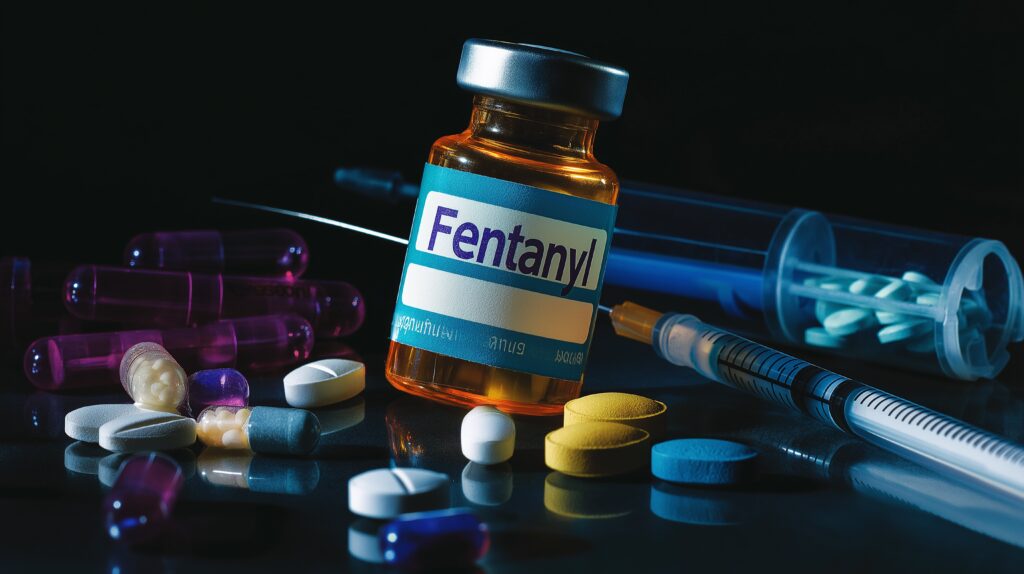
Fentanyl is a potent, dangerous substance. This synthetic opioid is significantly more powerful than heroin and morphine. Originally, fentanyl was developed to manage severe pain, especially in cancer patients. Now, it’s become known for its role in fueling the opioid crisis, contributing to a soaring number of overdoses and deaths. We’ll explore the different ways fentanyl can affect the body to shed light on why it’s such a dangerous drug. A Brief Overview of Fentanyl Fentanyl, because of how potent it is, is only meant to be used in controlled medical environments. However, it’s also illegally made and sold, often mixed with other drugs like cocaine, pills or heroin, without the user knowing. This makes it incredibly dangerous. Even a very small amount can lead to overdose and death. What Happens When Someone Takes Fentanyl? When someone uses fentanyl, it interacts with their brain and body quickly. Entry into the body: Fentanyl can be used in different forms, including injection, transdermal patches or lozenges. It’s rapidly absorbed into the bloodstream and begins taking effect in minutes. Binding to opioid receptors: Quickly making its way across the blood-brain barrier, fentanyl binds to specific opioid receptors. Opioid receptors are part of the body’s pain regulation system. When fentanyl binds to these sites, it triggers chemical reactions, changing how the brain perceives pain. Initial brain effects: One of the primary effects of fentanyl in the short term is powerful pain relief. When opioid receptors are activated, it also triggers a dopamine release. Dopamine is what causes the euphoria or high of fentanyl. Fentanyl slows down brain activity, creating drowsy, relaxed feelings. Effects on the body: Fentanyl significantly slows the body’s respiratory rate because it acts on the brain stem. The brainstem controls automatic body functions, like breathing. This is one of fentanyl’s most dangerous effects, and if a dose is too high, it can cause respiratory arrest. Fentanyl can also cause blood pressure and heart rate to drop. Short-term aftereffects: As the drug continues affecting the brain, a person may feel extremely tired or fall asleep. It can trigger nausea and vomiting, and the sedative effects can lead to problems concentrating, confusion and impaired decision-making. Risk of overdose: If too much fentanyl is taken, it can lead to severe respiratory depression and hypoxia. Hypoxia is when oxygen levels are dangerously low and can cause brain damage or death. Once the effects of fentanyl wear off, a person may go through early withdrawal symptoms like anxiety, muscle aches and restlessness, especially if they use it regularly. Long-Term Fentanyl Effects The long-term effects of fentanyl can be devastating. Chronic fentanyl use can lead to: Tolerance development: Your body can become accustomed to fentanyl over time. The initial dose no longer has the same effect; you would need higher doses to get the desired effects. That then raises the risk of overdose. Physical dependence: With continued use, the chemistry of the brain starts changing, and it relies on fentanyl to function normally. Respiratory issues: Long-term opioid use can lead to ongoing respiratory depression. At that point, a person’s breathing might stay shallow or slow even when they’re not actively under the influence of the drug. That can cause chronic oxygen deprivation, damaging vital organs. It raises the risk of respiratory infections like pneumonia. Cardiovascular damage: Fentanyl can cause long-term damage to the cardiovascular system, including chronic low blood pressure and slow heart rate, as well as a raised risk of heart attack or failure. Cognitive and mental health effects: Chronic fentanyl use can lead to long-term cognitive impairments like memory loss and problems concentrating. It can also worsen or lead to the development of mental health disorders. Psychological fentanyl dependence can fuel an addiction cycle as well. Sleep apnea: Related to the respiratory effects of fentanyl, long-term use can cause or worsen sleep apnea. This is when breathing stops repeatedly during sleep, further reducing oxygen levels. Digestive issues: Fentanyl slows down the digestive system, causing chronic constipation. It can become severe and eventually require medical treatment. Liver damage: The liver metabolizes fentanyl, and chronic use can strain it, leading to damage or failure. If fentanyl is used with other substances like alcohol that also burden the liver, these risks can be especially high. Kidney damage: The kidneys filter waste out of the blood, including drug use. Prolonged use of fentanyl can lead to kidney damage or failure, especially if the drug leads to dehydration or other toxic substances are being used. Immune system: Chronic opioid use suppresses the immune system and makes the body more at risk of frequent and potentially severe infections. Hormonal imbalances: Long-term use can disrupt the endocrine system and cause hormonal imbalances. It can result in symptoms like reduced libido, depression, fatigue and infertility. Fentanyl can also lead to adrenal insufficiency, so the body can no longer produce enough of the hormones regulating stress and other body functions. Sexual dysfunction: Both men and women might experience sexual dysfunction because of the effects of fentanyl on hormone levels and overall physical health. Along with the above, chronic use of opioids can decrease bone density and lead to muscle weakness and wasting. Getting Help for Fentanyl Dependence Fentanyl’s impact on the body is both immediate and also long-lasting. Devastating effects can alter every part of a person’s physical health. From respiratory and heart damage to severe cognitive issues, the consequences of fentanyl use are profound and often life-threatening. Long-term use also leads to a dangerous addiction cycle that’s tough to break. Recovery is possible, though. Recognizing the dangers of fentanyl is the first step to seeking the needed help to overcome addiction. If you or a loved one is using fentanyl, it’s crucial to get professional support as soon as possible. At San Diego Detox, we understand the distinct challenges of fentanyl addiction. Our team of caring professionals can guide you through the detoxification process. Once you’ve finished the detoxification process, we can help guide you through continued recovery via our treatment programs,
Long-Term Effects of Opioids

Opioids include prescription painkillers and illegal substances like heroin. They are effective for pain management, but their use comes with risks, especially over an extended period. Long-term opioid use can lead to consequences that are physical, mental and social and extend far beyond the initial reasons for taking them. Understanding the potential effects is critical whether you’re personally struggling with opioids or you have a loved one who is. What Happens When You First Take Opioids? The initial short-term effects of opioids can be felt quickly. Administration: If you take an opioid orally, like as a pill, it passes through the digestive system. It’s absorbed into the bloodstream through the intestines, and it’s a process that can take 20 to 30 minutes. When they’re injected into a vein, the effects are almost immediate. Smoking opioids also leads to rapid effects. Initial onset: Once in your bloodstream, opioids travel to the brain and bind to opioid receptors in areas of the brain responsible for pain and pleasure. This reduces pain signals that make their way to the brain. The process can also trigger dopamine to be released, which is why opioids cause you to feel high or euphoric. Physiological effects: Opioids cause respiratory depression because they affect the brain stem. This slowdown in breathing is one of their most dangerous short-term effects. Other short-term effects include lethargy, drowsiness, nausea and vomiting. Short-term behavior changes: You might initially feel an elevated mood from opioids, but that can then be followed by mood swings or irritability when the effects wear off. Impaired judgment, coordination, and reaction times also can happen with opioids. Dependence: Over time, you might develop a tolerance to opioids, leading you to use higher doses, and your body may start relying on the drug for normal functioning. At that point, withdrawal can happen if you’re not using opioids. Physical Long-Term Effects of Opioid Use Opioid use over extended periods can lead to serious consequences. Tolerance and dependence: As mentioned, with continued use of opioids, your body becomes tolerant to the effects. Over time, you need bigger doses, and dependence leads to withdrawal symptoms when you’re not taking the drug. Opioid withdrawal symptoms can include flu-like symptoms, gastrointestinal distress and severe pain. There’s a higher risk of overdosing when you develop a tolerance as well. Respiratory issues: Opioids depress the respiratory system, and over time, this can weaken your breathing function, making it hard for your body to get enough oxygen. Chronic opioid use can lead to hypoxia – low oxygen levels in the blood. That can damage organs, including the brain. Hormonal imbalances: Opioids affect the production of hormones like estrogen and testosterone because they affect the hypothalamus, which is the part of the brain that regulates hormone production. For men, this potentially leads to erectile dysfunction, low libido and infertility. Women can experience reduced fertility, irregular menstrual cycles and other reproductive issues. Gastrointestinal problems: Taking opioids causes a slowdown in the digestive system because they bind to opioid receptors here. Chronic constipation can be a side effect and lead to more serious complications, including bowel obstruction or perforation. Cardiovascular issues: There are changes in heart rate and blood pressure that happen when you take opioids. Over time, the effects can lead to cardiovascular disease and elevate the risk of heart attacks and arrhythmia. Immune system suppression: Long-term opioid use impacts the production of white blood cells, increasing the risk of infections and the ability to heal from injuries or illnesses. Liver damage: Opioids are metabolized by the liver, and prolonged use can put too much stress on it and cause damage, especially if you’re combining opioids with other substances like alcohol or acetaminophen. Chronic opioid use can contribute to fibrosis or cirrhosis, impairing liver function and contributing to life-threatening complications. Kidney damage: When taking opioids, they reduce blood flow to the kidneys and can throw off electrolyte balance. This is worsened by dehydration, which often comes with opioid use. Over time, stress on the kidneys can cause chronic kidney disease or acute kidney failure. These conditions can require dialysis or, in severe cases, lead to the need for a kidney transplant. Mental Effects of Long-Term Opioid Use Addiction and behavioral changes: Opioids interact with the reward system of the brain and release large amounts of dopamine. That’s what creates feelings of pleasure and reinforces drug-taking behavior. With long-term use, this can change your brain’s function and structure. Addiction is when you’re compulsively seeking drugs, even when facing negative consequences because of it. Cognitive impairment: Chronic opioid use can affect areas of the brain that are part of decision-making, memory and learning. With long-term use, users might face problems with problem-solving and attention, which can affect their day-to-day functioning. This can impact their overall quality of life as they struggle with tasks that require mental clarity. Mood disorders: Long-term opioid use raises the risk of developing mood disorders like depression. That can make drug use worse if it becomes a means of self-medicating. There’s also the risk of other mental health conditions like anxiety, and they can be harder to treat when they’re occurring along with addiction. What Else Should You Know About the Long-Term Effects of Opioids? As well as effects on your physical and mental health, long-term opioid use has other consequences as well. If drug use becomes a priority, as is the case with addiction, it can damage relationships. That leads to social isolation and the loss of key support systems. Financial instability also often stems from addiction, and there may be legal issues that arise. The longer someone uses opioids, the tougher it can be to quit. The brain chemistry changes that come from prolonged opioid use make it hard to break free from addiction without professional help. Over time, the risk of overdose increases, and that puts a person’s immediate life in danger. Why Receive Treatment At San Diego Detox? At San Diego Detox, we take a comprehensive and luxurious approach to opioid addiction
What Happens to the Body During Withdrawal and Detox?

Going through withdrawal and detox can feel overwhelming and even scary. For many people, the thought of withdrawal brings up feelings of fear or uncertainty. It’s entirely normal to feel this way. After all, withdrawal is your body adjusting to life without the substance it’s grown dependent on, and that can be tough. Even so, it’s important to remember withdrawal is a natural part of the recovery process. Many people successfully navigate this stage with the right support. We’re here to help you understand what happens to your body during withdrawal and detox. Our goal is to provide reassurance, answer questions and show you that while the journey can be challenging, it’s also the first step toward a healthier, more fulfilling life. What Is Withdrawal? Withdrawal is essentially your body’s way of reacting to the absence of a substance it’s gotten used to. When you’ve been using alcohol, drugs or other substances for a while, your body starts relying on them to function normally. Once you stop taking those substances, your body has to readjust. That process is called withdrawal. It’s like when you’re used to drinking coffee every day and then miss a day. You might feel tired, get a headache or notice you’re more irritable than normal. Withdrawal from addictive substances is similar, but it can be more intense depending on the substance and how long you’ve been using it. While it can be uncomfortable, withdrawal is a temporary part of recovery. Your body is working hard to heal and regain its natural balance. While it might feel difficult at the moment, withdrawal is necessary and an important step toward getting better. Many people have gone through withdrawal and come out stronger on the other side. The discomfort is temporary and a sign that your body is on the path to healing. Physical Symptoms of Withdrawal When you’re going through withdrawal, you might physically experience a range of symptoms. Some of the most common include: Headaches Nausea Sweating Shaking Fatigue The symptoms are uncomfortable and exhausting, but they’re your body’s way of adjusting to the absence of a substance it’s come to depend on. Withdrawal symptoms vary depending on the substance you’ve been using, how long you’ve been using it and your body’s unique response. For example, someone going through alcohol withdrawal could experience sweating and shaking, while someone coming off opioids could feel very tired or nauseous. The symptoms can be tough, but knowing they’re temporary is always reassuring. In a medical detox setting, professionals help manage these symptoms and keep you as comfortable as possible. You don’t have to go through the detox process alone, and with the right support, your body begins healing and recovering. Emotional and Psychological Effects Withdrawal doesn’t just affect your body – it can take a toll on your emotions and mental state as well. Many people experience anxiety, depression, irritability or mood swings during withdrawal. It’s completely normal to feel emotionally off-balance during this time. As your brain adjusts to life without the substance it once relied on, it can cause feelings of unease or sadness. The emotional ups and downs can feel overwhelming, and it’s okay to acknowledge this part of withdrawal is just as challenging as the physical symptoms. You might feel anxious or on edge one minute and sad or frustrated the next. These emotional shifts are part of the healing process as your brain works to regain stability and function without the substance. How the Body Reacts During Detox Detox is your body’s natural process to clear out toxins that accumulate from substance use. During detox, your body is working hard to flush out harmful substances. At the same time, your brain and nervous system are trying to rebalance. Detox is the first step toward feeling better and regaining control over your health. You may experience physical and mental symptoms, but they’re signs your body is working to re-regulate itself. The Importance of Medical Detox Undergoing detox in a professional, supportive setting, such as what’s available at San Diego Detox, is one of the safest, most effective ways to begin your recovery journey. Medical detox offers a level of care and safety that makes the process more manageable to ensure you have needed support at every step. One of the main benefits of medical detox is that professionals closely monitor and manage your symptoms. Detox can be unpredictable, so having medical supervision means any physical or emotional discomfort you experience is immediately addressed. In many cases, medications or other treatments can be used to ease withdrawal symptoms, make the process more comfortable and reduce the risks of certain types of withdrawal. Beyond physical care, the emotional support available during medical detox is just as important. It can be comforting to know you aren’t going through this alone. At San Diego Detox, our team is there to provide reassurance, answer questions and help manage any anxiety or stress you might feel. With the right support, medical detox sets the foundation for a safer and more successful recovery. The Importance of Treatment Following Detox Detox is just the first step on the road to recovery. It helps your body begin to heal, but long-term recovery requires ongoing treatment and support. After detox, it’s crucial to continue with inpatient treatment, therapy, support groups or outpatient programs to build on the progress you’ve made. These resources help you address the underlying causes of addiction, develop healthy coping strategies and provide the needed support to maintain sobriety. Get Help Today Withdrawal may feel tough, but remember it’s just a temporary phase in your larger recovery journey. With the right support, you can get through this and don’t have to do it alone. Professional help during detox is key to staying safe and comfortable. San Diego Detox provides expert medical supervision, compassionate care and a supportive environment to help you start your recovery on the right foot. If you’re ready to take that first step, reach out to San Diego
Is Home Drug Detox Safe? Understanding the Risks and Considerations

In addiction recovery, detoxification is an essential step. It’s the first step you take toward sobriety and wellness. If you’re struggling with drug or alcohol dependence, you might think about detoxing from home, but is it safe to do so? Detoxing from drugs and alcohol has unique challenges and considerations. For example, symptoms can be severe and sometimes even life-threatening. Even if you’re withdrawing from something that doesn’t have potentially severe symptoms, you still face a high risk of relapse during the detox and withdrawal period. What Is Drug Detox? Drug detox or detoxification is the process your body goes through to remove toxins and harmful substances that have accumulated because of substance use or addiction. It’s usually the first step to overcome dependence and achieve sobriety. During detox, your body goes through withdrawal. It’s trying to adjust to no longer having the presence of the substance it depends on. Withdrawal symptoms specifically depend on the drug type, duration and intensity of use, and individual factors like metabolism and overall health. Symptoms can range from somewhat uncomfortable to severely distressing physically and mentally. Detox can occur in rehab and medical facilities or at home, but this should still include medical supervision. Medical detox often involves using medications to help manage withdrawal symptoms and reduce cravings, which then makes the process safer and more comfortable for you. Drug detox can last anywhere between a few days, a few weeks, or longer depending on factors like substance type, dependence severity and individual health factors. Detoxing is only the first step in the recovery process. To achieve recovery, you typically continue on to rehab after you’re fully detoxed, during which time you address underlying addiction causes and develop strategies to maintain long-term sobriety. Symptoms of Drug Detox There’s a lot of variation in the symptoms of drug detox depending on factors like the type of drug, the intensity and duration of use, and individual differences in health and metabolism. Common symptoms can include: Physical symptoms Nausea and vomiting Diarrhea or constipation Sweating Headaches Muscle aches and pains Fatigue Weakness Rapid heartbeat Tremors or shaking Changes in appetite or weight loss Psychological symptoms Anxiety Depression Irritability Mood swings Restlessness Problems concentrating Insomnia or other sleep problems In severe cases, delusions or hallucinations Drug cravings Strong urges to use it again Symptom severity and duration vary by person. They can depend on factors like the frequency and amount of drug use, whether you have underlying mental or medical health conditions and if you have any other substances in your body. Some individuals may experience post-acute withdrawal syndrome or PAWS, which includes lingering symptoms like mood swings, sleep disturbances or anxiety that can last for weeks or months after the acute detox period. The Most Dangerous Things to Detox From Detoxing from certain substances can be especially challenging and dangerous. Alcohol withdrawal, while not a drug, can be life-threatening—especially when severe dependence is involved. Symptoms can include delirium tremens (DTs) with hallucinations, seizures, rapid heartbeat, and severe confusion. DTs can lead to death without medical supervision. Benzodiazepines, like Xanax and Valium, can also lead to severe withdrawal symptoms like hallucinations, seizures and psychosis. The Risks of Detoxing at Home Detoxing at home can have potential risks, including: Severe withdrawal symptoms requiring medical attention. Dehydration and electrolyte imbalances because diarrhea, vomiting and sweating are common. If you’re dehydrated or have an imbalance of electrolytes, it can cause dizziness, weakness, problems with heart rhythm and kidney damage. Pre-existing medical complications can raise the risks of detoxing at home, such as psychiatric disorders, heart disease or diabetes. Without access to medications or behavioral therapies to manage cravings and symptoms, you’re more likely to return to substance use to try and alleviate your discomfort. Detoxing can be emotionally distressing, and you might experience intense psychological symptoms. You may struggle to maintain motivation and stick to your detox plan without external support and encouragement. Trying to detox at home can delay or prevent you from getting professional treatment for a substance use disorder. Medical Detox Benefits Medical detox occurs under the supervision and care of medical professionals. Benefits of this approach, which can occur on an inpatient or outpatient basis, include: Safety: Healthcare professionals can closely monitor you, ensuring that complications or medical emergencies are addressed promptly. This medical monitoring significantly lowers the risk of severe or life-threatening symptoms or complications. Medication management: A medical detox program will often use medicines to treat withdrawal symptoms and reduce cravings, making the experience not only safer but more comfortable. Individualized care: In a medical detox program, you receive tailored treatment to meet your needs. Healthcare professionals will thoroughly assess the right care level and develop detox protocols personalized to you. Monitoring and support: During a medical detox, you’ll receive continuous monitoring and support from medical staff. They’ll assess your vital signs and symptoms and help provide emotional support and reassurance throughout detox. Transitioning to further treatment: Medical detox is an initial step in your recovery journey. Once you complete detox, you are usually transitioned to further treatment, like an inpatient or outpatient rehab program. There, you’ll receive counseling, comprehensive care and support. Reduced relapse risk: A medical detox will minimize the risk of relapse, providing you with the tools and support you need to effectively manage withdrawal symptoms and cravings. When physical dependence is addressed in a controlled environment, it can help you achieve a stable foundation for your ongoing recovery. Overall, while detoxing at home is possible, it’s not recommended. There are too many risks, and a safe, supportive medical environment is a better choice. A medical detox program prioritizes your safety and comfort so you can set the stage for a sustainable long-term recovery. Please contact our team if you’d like to learn about medical detox or other addiction treatment programs. Frequently Asked Questions Why is medically supervised detox safer than detoxing at home? Medically supervised detox offers continuous monitoring of vital signs, access to medications to
Is Medication-Assisted Therapy Right For Me?

It’s daunting to think about starting a recovery journey, and you may be unsure of the best path forward to achieve sobriety. In recent years, medication-assisted therapy, also known as medication-assisted treatment or MAT, has emerged as a powerful tool in the fight against addiction. However, the decision of whether or not MAT is suitable for you requires input from addiction treatment professionals and careful consideration of how appropriate it might be in your specific situation. What Is Medication-Assisted Therapy? Medication-assisted therapy is an evidence-based approach to managing substance use disorders. It combines medicines with behavioral therapies and counseling for comprehensive support when you’re in recovery. The primary goal of MAT is to reduce the harmful effects of substance abuse and alleviate withdrawal symptoms. MAT can also help prevent relapse and promote long-term recovery. The Food and Drug Administration (FDA) has approved medications for MAT that specifically target the same receptors in the brain that are affected by addictive substances. While beneficial for many, MAT isn’t a one-size-fits-all approach. A treatment plan has to be tailored to your specific needs, substance use patterns, and medical history. MAT also needs to be combined with counseling and supportive services. The integration of medications with therapeutic interventions offers a holistic, comprehensive way to treat addiction that addresses the physical and psychological components. Combining medicine with other approaches improves outcomes and increases retention in treatment programs. It also reduces the risk of overdose. What Is MAT Used to Treat? Medication-assisted therapy is used to treat opioid and alcohol use disorders. Medicines to treat opioid addiction and dependence include: Methadone: This is a long-acting opioid agonist. It binds to the same receptors in the brain that opioids like prescription painkillers or heroin do, but in a controlled way. Methadone can minimize withdrawal symptoms and cravings without the euphoria of other opioids. Buprenorphine: This acts as a partial opioid agonist, so it binds to opioid receptors but not as intensely as heroin or prescription pain medicines. It reduces cravings and withdrawal symptoms and has a lower risk of misuse and overdose. Naltrexone is an opioid antagonist, so it works by blocking opioid effects without activating the receptors. It reduces the rewarding effects of using opioids and minimizes cravings. For alcohol use disorder, medications include: Acamprosate: This medication stabilizes brain chemical imbalances that are caused by alcohol consumption. It modulates the activity of neurotransmitters like glutamate, which play a role in alcohol withdrawal and cravings. Disulfiram: It works by inhibiting an enzyme that’s part of alcohol metabolism. If you drink while you’re taking disulfiram, it causes unpleasant symptoms, helping to deter you. Naltrexone: Also used for opioid use disorder, naltrexone can be used to treat alcohol dependence because it reduces cravings and the rewarding effects of alcohol. Is MAT a Cure For Addiction? While medication-assisted therapy can be precious in the right situations, it’s not an addiction cure. Instead, it’s a tool to manage specific symptoms and support recovery. Addiction is complicated, and medicines don’t address all its aspects on their own. A combination of factors usually influences addiction, and MAT mainly addresses the biological aspect because it targets the brain’s receptors impacted by addictive substances. It’s not going to address the underlying social or psychological factors contributing to addiction, however. Addiction also involves ways of behaving and thinking that can be ongoing, even with MAT. This is where behavioral therapies and counseling are essential. You can change your underlying behavior patterns and develop coping skills in these ways. Rather than being a cure for addiction, MAT is viewed as playing a role in reducing the harm associated with substance abuse, promoting stability, and helping improve your quality of life. Successfully recovering from addiction usually requires a multifaceted approach. Who Can Benefit from Medication-Assisted Therapy? Many people might benefit from MAT, including individuals with a history of chronic alcohol or opioid use who haven’t been able to maintain sobriety through other interventions. People who are physically dependent on opioids or alcohol and are at risk of experiencing severe withdrawal symptoms can also be well-suited to MAT, as can people with medical or mental health conditions that could complicate withdrawal management. What Are the Pros and Cons of MAT? When you understand the pros and cons of medication-assisted therapy, you can have an informed discussion with your treatment team or help a loved one who might be struggling with addiction and want to explore treatment options. The benefits of medication-assisted treatment include: Reduced cravings and withdrawal symptoms, so it’s easier to abstain from using drugs or alcohol. Since MAT can stabilize your brain chemistry and reduce the rewarding effects of substances, it can lower the risk of relapse. Studies show that MAT is linked to higher treatment retention rates, better therapy adherence, and improved treatment outcomes. Medications like buprenorphine can reduce the risk of deadly opioid overdoses. The holistic approach that underlies MAT addresses the physical and mental parts of substance use disorders. The downsides to MAT are essential to consider as well. Some medicines used in MAT can lead to tolerance and dependence over time, especially methadone and buprenorphine. This could lead to needing higher doses to get the same therapeutic effects and withdrawal symptoms when stopping. Even though it’s an evidence-based and practical approach to treating addiction, sometimes MAT is still stigmatized. There’s a misconception that MAT is substituting one addiction for another, and unfortunately, that can discourage people from seeking treatment. MAT may be limited because of affordability and other access issues. MAT can cause side effects like nausea, constipation, and sleep disturbances. Some medicines used in MAT are subject to strict regulations, including providers needing special licensing. Even though there are some possible downsides, the overall benefits of MAT tend to outweigh these for many people. You can discuss it with your treatment providers and weigh the pros and cons carefully. When you receive treatment at San Diego Detox, each person’s treatment plan is built around their particular needs. Our multidisciplinary treatment