
Overdose Epidemic: Statistics and Prevention Strategy

The Dangers of Drug Overdose An overdose occurs when dangerous substances reach toxic levels within the body. It is possible to overdose on many substances, including opioids, alcohol, and other drugs. Usually, overdose happens very quickly. For example, in some cases, opioid overdose can occur immediately after using an opioid. A person does not have to be addicted to opioids or use them frequently to overdose. In addition, the symptoms of an overdose do not necessarily present in a specific order, so opioid overdose may look different from person to person. It is vital to know what the potential signs of an overdose may be as it may help save someone’s life. Overdose Epidemic When someone overdoses on a drug, too much of the substance reaches their brain and overwhelms its natural function. It can lead to the inability to breathe or struggles with other life-sustaining body functions. When someone’s breathing stops or slows to dangerous levels (as happens during an overdose), it can cause brain damage or death. Thus, the ability to recognize the symptoms of an opioid overdose is vital to preventing death or permanent brain injury. Overdose Epidemic Statistics Data released by the Centers for Disease Control and Prevention (CDC) indicate the opioid overdose epidemic is far from over. The number of opioid overdose deaths connected to opioid drugs of all kinds increased by almost 5% between 2018 and 2019 and quadrupled between 1999 and 2019. Of the nearly 71,000 deaths in 2019, a staggering 70% involved an opioid drug. Between 2018 and 2019, the number of opioid-involved deaths increased by more than 6%. These statistics include any opioid, including natural, synthetic, and semi-synthetic opioids. The Impact of the Opioid Epidemic The epidemic of overdose deaths also rose among synthetic opioids. This category of opioid drugs includes the powerful and very dangerous drug fentanyl. Across the nation, the number of synthetic opioid (primarily fentanyl) deaths between 2019 and 2020 rose by 56,516 overdose deaths. The number of deaths caused by prescription opioids decreased from 17,029 in 2017 to 14,139 in 2019 but unfortunately increased in 2020 to 16,416. Lastly, the number of heroin-related deaths decreased, from 15,469 deaths in 2016 to 13,165 in 2020. While the deaths related to heroin have declined, other opioid-involved deaths continue to rise. Therefore, helping those affected by the opioid crisis is vital. San Diego Detox Strategy for Combating the Overdose Epidemic At San Diego Detox, we understand that combating the overdose crisis takes time and effort. Our strategy for combating this epidemic includes several crucial steps. Medication for Overdoses The first step is ensuring those who need it have access to lifesaving naloxone treatment. Naloxone is an FDA-approved medication that can rapidly reverse opioid overdose. As an opioid agonist, it attaches to the opioid receptors in the brain, preventing opioids from doing so and reducing the effects of opioid drugs. Research released in 2019 suggests that naloxone devices approved by the FDA deliver higher blood levels of naloxone than improvised nasal devices. Anyone can use naloxone to help prevent detrimental opioid overdose outcomes, making it an ideal and preferred medication. Harm Reduction Another part of our strategy is harm reduction. Harm reduction is the process of providing help and support to those with opioid use disorder without stigma, discrimination, or judgment. This strategy helps reduce the fear and apprehension felt by many when they consider going to a drug treatment program. The rate of deaths caused by drug overdose has increased by 250% since 1999. Thus, it is imperative to utilize harm reduction strategies to prevent drug use, overdose, and death. Learn More About San Diego Detox At our facility, we provide comprehensive and evidence-based treatments and educational therapies. Incorporating trusted and proven therapeutic models into our programs offers the most significant opportunities for effective treatment outcomes. Each therapy model addresses addiction treatment in a slightly different way. We ensure every individual situation and need is met with proper care and support by providing many treatment options. Addiction is a disease unique to the person, and with our several educational therapy models, we can effectively support our patients. If you or a loved one struggles with opioid addiction, don’t wait another day to begin the journey towards freedom. Let San Diego Detox help you overcome addiction at our safe, supportive California rehab center. Call us today for more information about our programs. Overdose Epidemic Prevention Strategy The opioid epidemic in the United States has not been resolved; however, it does continue to change. As organizations like the Centers for Disease Control and Prevention (CDC) release annual opioid epidemic statistics and overdose death data, we can see that the specific substances that contribute to overdose deaths vary from year to year. This indicates that despite all the work done at state and national levels, there is far more to do before we will see an end to the opioid crisis in America. Steps for Prevention There are several steps both state and federal agencies can take to help reduce the impact of the overdose epidemic. Public Awareness A first step is increasing public awareness about the dangers of opioid drugs. Teaching people about addiction overdose awareness may help reduce the rate of overdose death. In addition, by providing accessible public education about addiction and addiction treatment, we can begin the process of defeating the overdose epidemic by reducing the misunderstandings and stigma that continue to surround addiction and addiction treatment. As the viewpoint around addiction changes, those who struggle with addiction will feel safer seeking help to overcome addiction. Support Healthcare Providers and Systems Another essential step towards overdose epidemic prevention is providing support to healthcare providers and systems. The overdose crisis will not improve without access to emergency medical intervention and ongoing medical treatment. New Substance Use Disorder Treatment Options Related to increased support in healthcare is developing new treatment options to address substance use disorders. It is essential for the public and the medical community alike to learn more
How to Deal with Depression from Opiate Withdrawal

Depression from opiate withdrawal is a common side effect. It can have long-lasting effects. Fortunately, depression and opiate addiction are both highly treatable. Several medications and therapies are available that have been proven to reduce opiate withdrawal symptoms. They help people find recovery. Understanding Opiate Withdrawal Opiate withdrawal, also frequently referred to as opioid withdrawal, is the set of symptoms that occurs when opiate use suddenly stops. Opiates and opioids include drugs such as heroin, morphine, oxycodone, hydrocodone, and fentanyl. These drugs all similarly affect the brain and body. Opioid withdrawal symptoms are very uncomfortable. They closely resemble severe flu symptoms. Fortunately, opiate withdrawal is not typically life-threatening. Opiate withdrawal treatment can vastly improve symptoms and help people break through this first phase of recovery. Common Withdrawal Symptoms Symptoms of opiate withdrawal include: Muscle aches and pains Sweating and chills Nausea and vomiting Diarrhea Anxiety and restlessness Insomnia Rapid heartbeat Dilated pupils The Withdrawal Timeline The opiate withdrawal timeline differs for everyone. It depends on factors like: Which specific opiate was used How long the person used opiates The dosage taken Individual body chemistry Overall health condition Typically, detox from opiates results in symptoms that resolve in a week or two. The withdrawal symptoms of drugs such as heroin or oxycodone are the same. However, they may vary in intensity or length depending on which drug has been used. Opiate detox can last up to two weeks. The severity of symptoms typically peaks after just a few days. Then symptoms gradually get better. Post-Acute Withdrawal and Depression After the peak period, the major symptoms of opiate withdrawal begin to subside. People may still feel sick for up to two weeks. However, symptoms are at a much lower intensity than during the peak period. Post-acute withdrawal can last for months or even years. This is where depression from opiate withdrawal can kick in. Lingering symptoms can lead people to feel that the promises of recovery have been left unfulfilled. Oxycodone and depression go hand-in-hand during withdrawal. Mood changes can happen with several drugs, including heroin, morphine, and fentanyl. Depression is the most commonly reported symptom of post-acute withdrawal. How Opiates Impact Mental Health Opioids impact mental health by changing brain chemistry, emotional regulation, and cognitive functions. While they initially provide a sense of euphoria and relief from pain or emotional distress, their long-term use leads to significant mental health challenges. Changes in Brain Chemistry Opiates contribute to depression in several ways, both directly and indirectly: The Dopamine Disruption Regular opiate use changes the brain’s reward system Opiates flood the brain with dopamine This creates an artificial sense of pleasure and well-being Over time, the brain adapts by reducing its natural dopamine production The brain also becomes less sensitive to dopamine This makes it difficult for individuals to feel joy or satisfaction without the drug This reduction can lead to an inability to feel pleasure. This is a core symptom of depression. Depression and opiate addiction can be related, as in the case of oxycodone and depression. Many drugs affect the brain through the dopamine pathway in the brain’s reward network. Opiate use causes a flood of dopamine to enter the brain. This gives a strong sense of reward. The longer drug use continues, the more the brain adjusts to these new dopamine levels. It does this by cutting back on the receptors which process dopamine when it arrives. This decrease in dopamine receptors can make people feel less and less rewarded by everyday experiences. The Cycle of Dependence The cycle of dependence on opioids, followed by withdrawal, further worsens emotional lows. The post-acute withdrawal phase is when symptoms linger after the initial detox period. This can leave individuals feeling: Hopeless Fatigued Unmotivated Deeply depressed These feelings deepen depressive symptoms significantly. Pre-existing vs. Resulting Depression When people feel depressed during the post-acute withdrawal phase, it happens for one of two reasons: Depression preceded opioid use: For some, depression may have existed before their opioid use. This led them to self-medicate with these substances. Depression resulted from opioid use: For others, depression can develop as a result of prolonged opiate use. This highlights the complex and two-way relationship between opiate addiction and depression. The Impact on Daily Life Opioid misuse can impair cognitive functions. This includes memory and decision-making. It contributes to increased impulsivity and difficulty coping with stress. This impairment can worsen feelings of anxiety, irritability, and mood swings. These are common among those struggling with opioid dependence. The connection between opioid use and mental health issues is well-documented. This includes anxiety, depression, and suicidal thoughts. For instance, as the effects of opioids wear off, individuals often experience mood crashes or intense anxiety. In the long term, the brain chemistry imbalances caused by opioids can leave individuals vulnerable to persistent mood disorders. This happens even after they stop using the drugs. Tolerance and Worsening Depression Opiates like oxycodone, morphine, and fentanyl are often misused for their euphoric effects. They eventually become less effective over time due to tolerance. This tolerance requires higher doses to achieve the same effects. This can worsen depression as dependence grows. Overall, the impact of opiates on mental health is profound. This makes professional treatment and support essential for recovery. Opiates Sometimes Used for Depression Some people may misuse opiates in an attempt to self-treat depression. Common opiates include: Heroin Oxycodone (OxyContin) Hydrocodone (Vicodin) Morphine Fentanyl Codeine Tramadol It’s important to note that using opiates to treat depression is dangerous and ineffective. It leads to addiction and worsens depression over time. Treatment Options for Depression During Withdrawal Medical Support Professional medical detox programs can provide: Medication-assisted treatment (MAT) to ease withdrawal symptoms Antidepressant medications when appropriate 24/7 medical monitoring A safe, comfortable environment Therapeutic Approaches Evidence-based therapies that help include: Cognitive Behavioral Therapy (CBT) Individual counseling Group therapy Dual diagnosis treatment for co-occurring disorders Holistic therapies such as mindfulness and meditation Lifestyle Changes That Help Natural ways to support recovery from depression during withdrawal: Physical Activity Exercise
Pharmacologic Treatments for Opioid Dependence

What Is Opioid Dependence? The past decades have seen incredible progress in treating opioid dependence and addiction. As the academic communities have gravitated toward treating addiction with the medical model, several opioid dependence drugs and opioid use disorder therapies have been developed. Opioid dependence is characterized by tolerance and withdrawal. In other words, the body adapts to the substance, needing more to achieve the same effects and experiencing mental or physical symptoms without it. What Is the Difference Between Opioid Dependence and Opioid Addiction? Opioid dependence and opioid addiction are both terms that describe opioid abuse; however, dependence emphasizes the physical symptoms of a substance use disorder rather than the cognitive and social symptoms. Opioid addiction refers to the physical, mental, and social effects that impact a person due to drug abuse. Why People Become Addicted to Opioids Reports show that 10.1 million people in America aged twelve and older misused opioids in 2019. More specifically, 9.7 million misused prescription pain relievers and 745,000 used heroin. It is clear that prescription pain medication is responsible for the majority of opioid addiction cases. There are countless reasons opioid dependence occurs, but a few patterns and factors are more common and notable than others. These causes of opioid addiction include: Using opioids to cope with mental illness Taking large amounts of painkillers to deal with pain Using opioids to cover emotional pain, such as trauma or grief Using opioids to enhance other sensations Tolerance Escapism During the early stages of opioid dependence, drugs can seem like a universal palliative for many people. They produce feelings of pleasure and euphoria, relieve worries, and dampen pain. Regardless, after repeated use, opioid addiction will bring more negative consequences than any fleeting positives. Signs and Symptoms of Opioid Dependence The signs and symptoms of opioid dependence fall into several categories, including behavioral, physical, cognitive, and psychosocial. The following indicates opioid addiction treatment may be necessary. Behavioral Symptoms The behavioral symptoms of opioid dependence include: Constantly seeking out opioids Neglecting other hobbies or activities in favor of opioid misuse Spending an excessive amount of time using, recovering from, or looking for opioids Borrowing money Sleeping all the time, or falling asleep while standing or sitting In opioid addiction treatment, there are specific therapies designed to change these behavioral patterns. Physical Symptoms The physical symptoms of opioid dependence and withdrawal symptoms include: Sneezing Restlessness Fever Chills Sweats Shakes Nausea Diarrhea Tolerance Track marks along arms if taken intravenously Weight loss The physical symptoms of opioid use disorder can be treated with various therapies. Cognitive Symptoms The cognitive symptoms of opioid dependence include: Restlessness Anxiety Depression Persistent cravings for opioids Denial that a problem is present Evidence-based treatments address the cognitive symptoms and mental health issues caused by long-term opioid addiction. Psychosocial Symptoms Lastly, the psychosocial symptoms of an opioid use disorder refer to the damage this condition can cause to social aspects of life. They include: Loss of a job or occupation Strained relationships with friends and family members Housing instability Legal consequences At an opioid addiction treatment center, counselors and therapists are trained to help people deal with these psychosocial symptoms. Medical Treatments or Opioid Dependence Drugs to treat opioid addiction come in several varieties. These are some of the most effective opioid addiction treatment options and have helped millions of people to recover. The three main medications used as opioid addiction treatment medications are: Buprenorphine Methadone Naltrexone Buprenorphine Buprenorphine is an opioid partial agonist, meaning it binds to opioid receptors in the brain and mildly activates them. As a result, this medication produces lessened effects of opioids (e.g., euphoria), working as a replacement for harsh drugs like heroin to help treat addiction to opioids. In addition, buprenorphine has a ceiling effect (the effects are capped at a certain amount), preventing abuse and overdose. Research shows that buprenorphine resolves withdrawal symptoms more quickly and has better retention and completion rates compared to other opioid treatment medications. Methadone Methadone is a long-acting full opioid agonist, so its effects are similar to buprenorphine, but it fully activates the opioid receptors in the brain. Thus, methadone provides the full effects that other opioids do and does not have a cap (i.e., effects increase as the dose increases). Nonetheless, this medication effectively reduces opioid craving, lessens withdrawal symptoms, and blocks the effects of opioids. Studies found that methadone treatment was associated with a 76% reduction in overdose at three months and a 59% reduction at twelve months.3 Naltrexone Unlike buprenorphine and methadone, naltrexone is an opioid antagonist, meaning it reverses and blocks the effects of other opioids, preventing the effects of opioid drugs and reducing abuse. Multiple clinical trials studying the efficacy of naltrexone found that it reduced heroin cravings, and between 23% and 62% of participants remained in treatment after three to four weeks. In addition, two studies reported that 32% to 58% of participants who continued treatment maintained sobriety six to twelve months after their naltrexone treatment ended. How to Diagnose Opioid Dependence Diagnosing an opioid use disorder has to be performed by a licensed clinician. When clients start treatment at an opioid addiction treatment center, clinicians will typically ask several questions regarding their addiction, look over medical records, and determine whether they meet the criteria for opioid dependence. Receiving this diagnosis can help determine the next steps for opioid treatment. Psychological Treatments for Opioid Dependence Psychotherapy, also called talk therapy, is an effective tool for managing opioid use disorder. The best evidence-based treatment for opioid use disorder is to use a variety of psychological treatments alongside medication, but determining which treatment plan is right for you is between you, your physician, and your therapist. Talk therapies for opioid use disorder include: Motivational interviewing and motivational enhancement therapy Cognitive behavioral therapy (CBT) Family therapy Couples counseling Hypnotherapy Neurotherapy 12-Steps programs Opioid use disorder therapies have several targets, but in general, they aim to teach healthier coping mechanisms, reduce drug cravings, and reverse opioids’ effect on the brain. Getting
Lifesaving Naloxone Treatment

Naloxone treatment, also sold under the brand name Narcan, is a lifesaving medication that can reverse an opioid overdose if used correctly. In contrast to other medications for opioid use disorder, naloxone administration is designed specifically for immediate crisis intervention. Knowing how naloxone works and having it available could make a life-or-death difference for friends or loved ones struggling with an opioid use disorder. The first step to understanding naloxone treatment is learning how this drug works as an opioid overdose medication. Naloxone uses different routes of administration, but the effect in a person who is overdosing is typically the same. What is Naloxone? Naloxone is an opioid overdose medication. Pharmacologically, it is known as a full opioid receptor antagonist. This means that naloxone medication will “kick out” any drugs on an opioid receptor and prevent them from attaching again.1 In practice, this means that a naloxone injection or naloxone nasal spray will reverse the effects of powerful opioids such as heroin, morphine, oxycodone, or even fentanyl. Is Naloxone an Opioid? Naloxone is not an opioid; instead, it is an opioid “blocker.” This medication cannot be abused and is not considered a controlled substance. What is Naloxone Used for? Naloxone treatment uses a powerful medication to reverse opioid overdose. If you see that somebody is experiencing the symptoms of an opioid overdose and have naloxone (Narcan) nearby, administering this medication can literally save their life. Opioid Overdose Symptoms The first step to naloxone opioid overdose treatment is recognizing the symptoms of an opioid overdose.2 Somebody who is experiencing an opioid overdose may show signs such as: Loss of consciousness Pinpoint pupils Face or lips turning blue Breathing that has completely stopped or slowed dramatically Unresponsiveness Cold, clammy skin Gurgling sounds coming from the throat When left untreated, an opioid overdose can quickly lead to death. Opioids are central nervous symptom depressants, which means they can stop the body from breathing and dramatically slow the heart rate. If you recognize that somebody is overdosing, the first thing you should do is call 911. These operators can guide you through administering naloxone, send paramedics, and help you treat the person overdosing. Side Effects of Naloxone Treatment Naloxone treatment, when delivered correctly, will not only wake the person from an opioid overdose but send them instantly into severe opioid withdrawal. This includes naloxone side effects such as:3 Fever Body aches Sweating Runny nose Sneezing Restlessness Anxiety Diarrhea Naloxone side effects closely parallel severe flu symptoms and are pointedly the opposite effects of an opioid overdose. Other Information You Should Know About Naloxone Treatment Lastly, you should know a few other things about naloxone (Narcan). The first is that there is no upper limit to naloxone, which means that you can administer this medication repeatedly without fearing that you will cause any damage to the person receiving the medication. The second is that you can receive a naloxone prescription if you use opioids, illicit or prescribed. Finally, many states let you buy naloxone at a pharmacy, and several have free naloxone programs, usually alongside needle exchange services.4 How is Naloxone Used? There are two forms of naloxone medication used as an opioid overdose treatment: naloxone injections and naloxone nasal spray. Knowing how to use these treatments before an overdose occurs is essential to ensure you can help somebody in need. Injectable Naloxone The first form of naloxone (Narcan) widely available is the injectable version. Narcan injections either come with a needle and a vial or a prefilled syringe. Naloxone in a Vial If your naloxone medication comes in a vial, remove the cap from the needle, insert the needle into the vial, and fill the syringe. Then, take the needle and drive it directly into the muscle of the person overdosing, like a flu shot. You can deliver the medication into the shoulder or top of the thigh, and it is okay to go through clothing. Naloxone in a Syringe If you have a prefilled syringe, remove the cap and follow the same instructions as above, skipping filling from the vial. Make sure that your syringe is designed for injection — some nasal sprays come in a package that looks like a syringe, but they are designed to be sprayed into the nostrils. If the person does not snap out of their overdose within two to three minutes, administer a second shot. Continue this every two to three minutes until paramedics arrive or you run out of naloxone. Naloxone Nasal Spray The naloxone nasal spray is the other common and effective method of naloxone treatment. To administer the nasal spray, remove the cap from the spray, place it into the person who is overdosing’s nostrils, and push the plunger. The medication should spray into their nostrils and quickly reach their bloodstream through the inside of the nose. Like with the injectable naloxone, you should administer a second dose two to three minutes after the first if the person is not responding and repeat until paramedics arrive. Treatment for Opioid Addiction and Overdose at San Diego Detox While there is no such thing as a naloxone treatment program, treating an opioid use disorder is an effective way of helping people break free from their addiction. At San Diego Detox, our team is dedicated to helping people overcome opioid use disorders, and we are trained in using naloxone in the case of overdose. Coming to our treatment facility can help show you that recovery is possible and can also be enjoyable and sustainable. We will help you through the detoxification process in the safest and most comfortable manner possible. In addition to the detoxification process, our program emphasizes the need for continuing care after detox. Aftercare programs are a key indicator of long-term abstinence and provide lasting support to those who need it most, and we will guide you towards the best aftercare programs. When you are ready to start treatment, reach out to the team at San Diego Detox today, and start the road
Fentanyl Detox
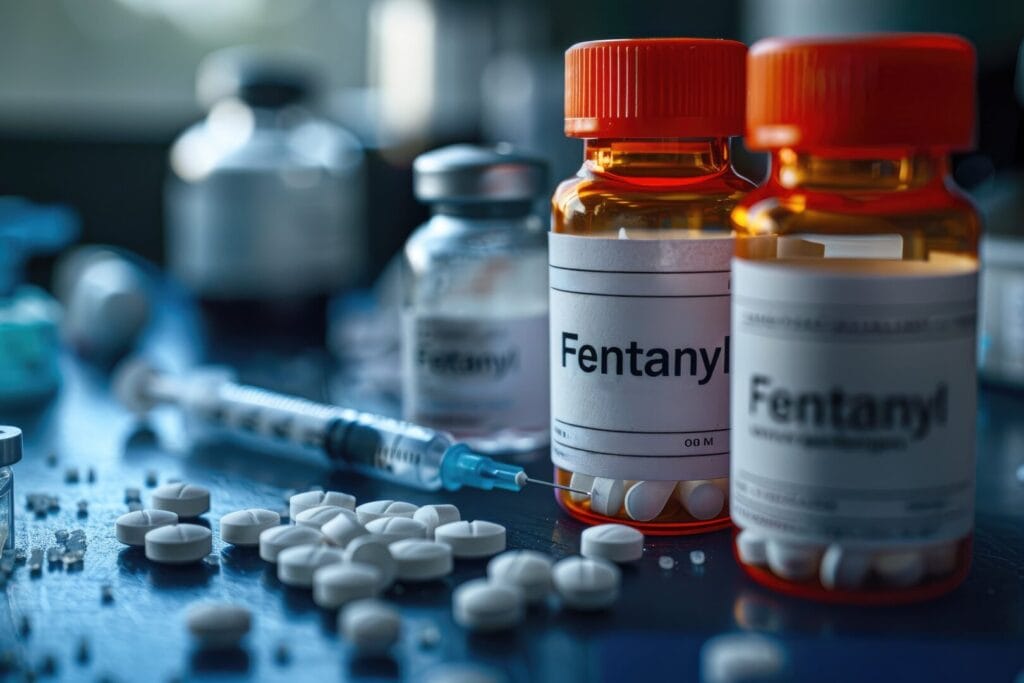
What is Fentanyl? Fentanyl is a powerful synthetic opioid that is used medically to manage severe pain. It is prescribed in instances such as post-surgery or cancer-related pain. It is estimated to be 50 to 100 times more potent than morphine and has a rapid onset of action. This makes it very effective in managing acute pain. However, it is also a highly addictive drug, and its misuse has led to a significant increase in overdose deaths in recent years. It is important to understand the risks of use and what to expect if you need fentanyl detox.1 Scope of Fentanyl Misuse According to the Centers for Disease Control and Prevention (CDC), in 2020, fentanyl was involved in nearly 82% of all opioid-related overdose deaths in the United States.2 In fact, more than 71,000 people lost their lives due to fentanyl in 2021. That is why it’s important to understand that fentanyl should only be used under the strict guidance of a medical professional, and recreational use of this drug can have devastating consequences.3 Why Do People Use Fentanyl? From pain management to anesthesia, fentanyl has a range of valuable medical applications. However, there is widespread misuse that leads to addiction. Below are some points to consider in this regard. Medical Use of Fentanyl Fentanyl is prescribed to patients who are experiencing acute pain after surgery, injury, or cancer-related pain that is not effectively managed by other medications. The drug is available in various forms, including patches, lozenges, tablets, and injections. It is usually administered under the supervision of a healthcare professional. Fentanyl is used medically because it is highly effective at relieving pain. It works by binding to opioid receptors in the brain and spinal cord, which helps to block pain signals and provides rapid pain relief. It is particularly useful in situations when quick and potent pain relief is necessary. Fentanyl as a Substitute for Other Opioids Some individuals may use fentanyl as a substitute for other opioids, such as heroin. This may occur when an individual has developed a tolerance to other opioids and requires higher doses to achieve the same level of pain relief or euphoria. In such cases, individuals may turn to fentanyl, which is more potent than many other opioids, as a way to manage their pain or maintain their opioid dependence. However, using fentanyl as a substitute for other opioids without proper medical supervision is dangerous and can increase the risk of overdose and other serious health complications. It is important to note that using fentanyl or any other opioid without a prescription from a healthcare provider is illegal and can have severe consequences. Illicit Use of Fentanyl Unfortunately, some people also use fentanyl illegally for recreational purposes. Illicitly manufactured fentanyl, which is often referred to as “street fentanyl,” is much more potent than pharmaceutical fentanyl and can be extremely dangerous. It is often mixed with other drugs, such as heroin or cocaine, without the user’s knowledge, which can result in unintentional overdose and death. Why is it Becoming More Popular? One of the reasons why people may use fentanyl illicitly is because of its intense euphoric effects. Fentanyl can produce a rapid and intense high, which can be appealing to those seeking a pleasurable and altered state of mind. However, the use of fentanyl without a prescription is illegal and highly dangerous, as it can lead to severe respiratory depression, overdose, and death, especially if used in combination with other substances. Fentanyl Detox Fentanyl detox is the process of safely and gradually allowing the body to rid itself of fentanyl and its byproducts. This process can be challenging due to intense withdrawal symptoms. These symptoms can occur as the body adjusts to functioning without the drug. Fentanyl detox typically involves medically supervised tapering of fentanyl doses over time. It also includes other medications and supportive care to manage withdrawal symptoms. When to Consider Fentanyl Detox Here are some situations when you should consider fentanyl detox: If you have been prescribed fentanyl for pain management and have been taking it for an extended period of time, leading to physical dependence. If you have been using fentanyl recreationally or abusing it for non-medical purposes and have developed an addiction. You have experienced an overdose on fentanyl or have a history of overdosing on opioids, which may indicate a need for detoxification to safely discontinue the drug and prevent further harm. If you are struggling with fentanyl cravings and are unable to quit or reduce your use despite attempts to do so on your own. If you have co-occurring medical or mental health conditions that require specialized care during fentanyl detox, such as individuals with liver or kidney disease, respiratory issues, or psychiatric disorders. The Harsh Reality of Fentanyl Addiction Like other opioids, fentanyl can produce feelings of relaxation and sedation, which may be appealing to some individuals. However, repeated use of fentanyl can lead to tolerance, dependence, and addiction, which can have devastating effects on an individual’s physical and mental health, relationships, and overall quality of life. Symptoms of Fentanyl Use/Addiction If someone is using fentanyl or has developed an addiction to it, they may exhibit various signs and symptoms. These signs and symptoms can be categorized into body and behavioral changes. Physical Symptoms Fentanyl addiction can have a profound impact on your body. Below are some physical symptoms to look out for: Shallow breathing Weakness and fatigue Drowsiness or sleepiness Constricted pupils Slurred speech Nausea and vomiting Difficulty breathing Behavioral Symptoms Behavioral symptoms of fentanyl addiction include: Cravings and preoccupation with getting and using the drug Withdrawal from social activities Changes in sleep patterns Depression and anxiety Lying or hiding drug use Aggressive or violent behavior Symptoms of Fentanyl Overdose If you suspect someone has taken too much fentanyl, recognizing these symptoms of an overdose is crucial: Slow breathing or complete cessation of breathing Unresponsiveness or unconsciousness Blue or pale skin Slow heartbeat Pinpoint pupils Cold and clammy skin Fainting Should You