
What Is Delirium Tremens

Delirium Tremens Meaning and Definition What is delirium tremens? Simply defined, delirium tremens (DTs) is the onset of confusion and disorientation often brought on by alcohol withdrawal. People experiencing delirium tremens can suddenly forget where they are and how they got there and may even experience visual and auditory hallucinations. They might experience panic attacks and show signs of extreme paranoia. In addition, they may have a hyperactive central nervous system, which can lead to shakes and potentially life-threatening delirium tremens seizures. How Common Is Delirium Tremens? Delirium tremens is one of the most severe symptoms of alcohol withdrawal. As such, it only affects about 3% to 5% of all people recovering from alcohol use disorder, usually those with a severe alcohol problem. Delirium Tremens vs. Alcohol Withdrawal Delirium tremens is only one component of alcohol withdrawal. Other symptoms of alcohol withdrawal include: Restlessness Anxiety Shakes Sweating Intense alcohol cravings People experiencing DTs are likely to experience several other withdrawal effects since they are in the most severe withdrawal group. Delirium Tremens Causes Prolonged, heavy alcohol use and its lasting effects on the body cause delirium tremens when alcohol consumption ceases. Alcohol is a central nervous system depressant, and drinking repeatedly will cause the body to adjust to these depressant effects, known as dependency. The body works harder to maintain the brain’s function with alcohol in its system. When the body is no longer exposed to alcohol, it still continues working in that defending state, causing withdrawal symptoms. During alcohol withdrawal, the central nervous system bounces back in the other direction, leading to delirium tremens, seizures, shakes, and other symptoms. Delirium Tremens Risk Factors There are several risk factors for delirium tremens. These include: Amount of alcohol consumed Number of previous episodes of alcohol withdrawal Underlying health issues Age Medications or supplements General health By far, the biggest risk factors for delirium tremens are the amount of alcohol consumed and previous episodes of alcohol withdrawal. What Is the Timeline of Delirium Tremens? Delirium tremens is usually not the first symptom to occur during alcohol withdrawal. First Day of Withdrawal After a person with an alcohol use disorder stops drinking, it usually takes twelve to twenty-four hours for their first symptoms to appear. Initial symptoms may include cravings, anxiety, and restlessness. Second Day of Withdrawal During the next couple of days, these symptoms can intensify. About forty-eight hours after their last drink, people may begin to sweat profusely and experience shakes. They may develop a fever, high blood pressure, and a racing heart. Third Day of Withdrawal Delirium tremens usually sets in on the third day and is characterized by the confusion and delusions described above. This is often considered the most dangerous stage of withdrawal, as it is also when people are likely to experience seizures. This intense stage typically lasts from the third day until the fifth day, at which point symptoms begin to improve. Signs and Symptoms of Delirium Tremens While there are several symptoms of alcohol withdrawal, the signs of delirium tremens are distinct. Confusion and Panic People experiencing delirium tremens may be confused and unable to remember information or where they are. Panic attacks and extreme paranoia are also common, and many people report a sense of impending doom. Hallucinations The hallucinations involved in delirium tremens can also cause confusion or panic. For example, people report seeing movement on the walls (e.g., shifting patterns) and feeling as though something is crawling on their skin, even though they know nothing is there. Severe Symptoms Noticing delirium tremens symptoms in a timely fashion is key to ensuring that the person withdrawing gets the appropriate treatment. Those who do not receive treatment have an anticipated mortality rate of 37%. Since DTs is such a severe withdrawal symptom, it often indicates that other dangerous symptoms may arise next, such as seizures or Wernicke-Korsakoff syndrome, also known as wet brain. Delirium tremens specialists can ensure that the people withdrawing from alcohol get the medications, therapies, and support they need to remain safe and healthy. Treatment for Delirium Tremens Since delirium tremens is associated with potentially life-threatening consequences, it is essential that people recovering from an alcohol use disorder attend a medical detox center. Delirium tremens treatment at a medical detoxification facility offers a safe space to recover from drugs and alcohol. With medical staff available around the clock to monitor symptoms, they can ensure each client is comfortable throughout the process and provide the support needed to recover. Delirium Tremens Medications During detox, people will likely be prescribed medications designed to help with alcohol withdrawal. These medications are central nervous system depressants, just like alcohol, and are given in controlled doses that slowly get reduced over time. This process is referred to as a “medical taper,” which slowly weans the body off substances over an extended period. Delirium tremens medications include benzodiazepines, barbiturates, and blood pressure medications. Multiple studies have shown benzodiazepines to be most effective in reducing alcohol withdrawal severity and the occurrence of seizures and DTs. Nonetheless, every situation is different, so the type of medication prescribed varies from person to person. Fortunately, medical professionals at detox facilities know which medications are best for their clients and can guide them through the withdrawal and recovery process. Therapy In addition to medication, several therapies are available to help people through the alcohol withdrawal process. While medications focus on the physical symptoms of alcohol withdrawal, therapy can help people deal with triggers, cravings, and psychological problems that can lead to relapse. Studies have shown relapse prevention to be most effective in alcohol use disorder treatment when offered in conjunction with medication. Support Groups Finally, support groups, such as Alcoholics Anonymous (AA), are an important component of delirium tremens treatment. These groups can show that recovery is possible, teach how to manage cravings and withdrawal symptoms, and create a lasting support network for life in recovery. Get Help at San Diego Detox For those ready to get the care and
How Long do Barbiturates Stay in Your System?

Understanding Barbiturates Barbiturates are a class of drugs that have been historically prescribed to manage conditions such as anxiety and insomnia. The way these drugs work is by interacting with GABA receptors in our brain, thereby regulating feelings of calmness and sleep. However, while they can be therapeutic in controlled doses, they carry the risk of addiction and can lead to harmful side effects when misused. Determining the length of time barbiturates stay in ones system heavily depends on several factors. Understanding what barbiturates are, and how they are metabolized can be helpful in understanding how long barbiturates stay in the body. What Exactly Are Barbiturates? Initially synthesized back in 1864, barbiturates depress the central nervous system. Although once popular as sedatives and hypnotics, their potential for abuse and addictive properties led to a decline in medical usage. Some examples of these drugs include Amobarbital (Amytal), Butabarbital (Butisol), Methohexital (Brevital), Pentobarbital (Nembutal), and Secobarbital (Seconal). Barbiturates: Current Uses and Abuses Currently, barbiturates are used to manage insomnia and anxiety disorders. They are also employed as anesthetics for surgical procedures. Unfortunately, these drugs are also sought after recreationally for their calming effects, bearing similarities to substances like Xanax or alcohol. However, they pose serious risks when consumed in large amounts or combined with other substances, including prescription drugs like benzodiazepines. Comparing Barbiturates vs. Benzodiazepines Both benzodiazepines and barbiturates serve as sedative-hypnotics, inducing sleepiness. They can help manage insomnia, anxiety, seizures, and muscle spasms. However, barbiturates pose a higher risk of withdrawal symptoms than benzodiazepines. Long-term usage of barbiturates can lead to substance dependence and, if stopped abruptly or reduced too quickly, can result in withdrawal symptoms like nausea, vomiting, sweating, tremors, and seizures. Classifications of Barbiturates: Short-Acting vs Long-Acting There are two classifications of barbiturates: short-acting and long-acting. Short-acting barbiturates such as Amobarbital, Butabarbital, and Butalbital take effect within 30 minutes and last four to six hours, used primarily to induce sleep. In contrast, long-acting barbiturates like Phenobarbital, Pentobarbital, and Secobarbital take longer to work but last 12 to 24 hours, used for sedation and anesthesia. How Long Do Barbiturates Stay in Your System? Determining how long barbiturates stay in your system largely depends on the drug’s half-life and systemic clearance. These factors hinge on how long the body takes to metabolize the drug into an inactive form. For instance, the half-life of a barbiturate increases with each additional carbon atom added to the molecule. Additionally, being fat-soluble, barbiturates bind with fats in the body, which makes them harder to eliminate than other drugs like heroin or cocaine, which are water-soluble. Determining Factors of Barbiturates’ Half-Life Three significant factors determine how long barbiturates stay in your system: the duration of usage, the amount taken each time, and the specific type of barbiturate used. Analyzing biological samples provides varying results, with barbiturates generally detectable in urine for about three days, blood for one to two days, saliva for up to three days, and hair for up to 90 days. Impact on Treatment and Recovery Understanding how long barbiturates stay in the system is crucial for managing withdrawal and planning detoxification. Due to the risk of severe withdrawal symptoms, such as seizures and delirium, professional medical supervision is often required during the detox process. The prolonged presence of long-acting barbiturates necessitates a carefully monitored tapering process to minimize withdrawal risks. Treatment for Barbiturates Abuse and Addiction Treatment for barbiturate abuse and addiction typically involves detoxification and rehabilitation. It’s important to seek professional help if you or a loved one are struggling with barbiturate addiction. San Diego Detox offers a range of services to help individuals recover from barbiturate addiction in a safe, supportive environment. For more information, visit our website or call us today at 619.433.6560. Don’t wait to take the first step towards recovery. Remember, every journey begins with a single step, and we’re here to support you every step of the way. The Risks of Barbiturate Abuse and Addiction As barbiturates change how the brain functions, they can lead to addiction. Those with a constant intake may develop a dependence, leading to the onset of addiction. This reliance can lead to withdrawal symptoms when usage is suddenly stopped. Individuals who are prescribed these drugs can unintentionally fall into addiction, experiencing difficulty in stopping their use even after their treatment should have concluded. Understanding the Causes and Risks of Barbiturate Abuse Barbiturates can rapidly induce feelings of euphoria and relaxation, making them an easy target for those looking to escape stress or achieve a high. Unknowing abuse can also stem from poor medication compliance or a lack of understanding about the drug regimen in clinical settings. Barbiturate abuse can lead to severe health problems, such as confusion, hallucinations, respiratory depression, and in rare cases, coma, liver damage, and kidney failure. Furthermore, taking barbiturates during pregnancy or breastfeeding can harm the infant, leading to breathing problems and developmental issues.
How to Minimize Post-Acute Withdrawal Syndrome from Opiates?

What is Post-Acute Withdrawal Syndrome? When you’re in the early stages of recovering from opioid dependence, post-acute withdrawal syndrome (PAWS), whether mildly unpleasant or extremely uncomfortable, is unavoidable. If the post-acute syndrome persists for a long time, it can become a risk factor for relapse. Post-acute withdrawal syndrome describes a collection of symptoms following the “acute” stage of opiate withdrawal. Acute withdrawal occurs after a professionally supervised detox, and it can result in life-threatening complications and signs of physical discomfort like elevated heart rate, headaches, nausea, and muscular aches. Usually, these symptoms go away in two weeks or less. PAWS refers to the psychological and emotional symptoms that occur during the second withdrawal phase. You are more likely to experience PAWS if you used opioids for a long period of time, and usually in greater doses. When Does Post-Acute Withdrawal Syndrome Occur? Stress or circumstances involving people, places, or things that remind the individual of using opiates can often lead to symptoms. Many people in the recovery phase compare the symptoms of PAWS to a roller coaster that goes up and down, or waves that come and go. Symptoms can switch minute by minute in the early process of quitting substances. The symptoms become less frequent as people enter long-term recovery from alcohol or drug addiction. What Are the Most Common Symptoms of PAWS? To reduce the risk of relapse, you need to be able to recognize some of the symptoms of PAWs. Some of the most common symptoms include: Foggy Thinking/Trouble Remembering: This is also known as mental fuzz. Individuals might notice they have a hard time processing information and remembering things. Cravings: This is one of the common symptoms. You might feel the urge to take opiates, or may feel uneasy if you cannot get opiates. Irritability, Hostility, or Mood Swings: Abstinence from opiates can make you feel overly agitated and hostile. Insomnia or Vivid Dreams Fatigue or Inability to Focus: An individual with PAWS will also experience feelings of extreme tiredness due to the combination of all other symptoms. Issues With Fine Motor Coordination: You might find it difficult to do simple things like tying your shoelaces or buttoning a shirt. Stress Sensitivity: This is when little things bother you more than they used to. Anxiety or Panic: People experiencing acute substance withdrawal syndrome often feel anxious. They may also have panic attacks, increased heartbeat, and shortness of breath. Depression: Individuals experiencing acute substance withdrawal syndrome may be depressed. Why Do We Experience Post-Acute Withdrawal? Whether moderate or severe, post-acute withdrawal is a common step in the early stages of recovering from alcohol or other drug dependence. Consider the withdrawal symptoms as the brain’s attempt to restore the chemical imbalances created when the addiction was active. During the period of drug use, the brain would have adapted and reconfigured to function with those drugs present, so once there’s drug withdrawal, the brain is unable to function properly, which results in the manifestation of post-acute withdrawal symptoms. How to Minimize Post-Acute Withdrawal Syndrome? To minimize post-acute withdrawal syndrome from opiates, the first thing that must be done is gradually reducing the concentration of opiates in the body. This helps to reduce the severity of any of the withdrawal symptoms. Can PAWS Be Avoided? Avoiding PAWS isn’t entirely possible. However, you can effectively manage your symptoms and improve emotionally and physically by sticking to your treatment regimen. It will reduce the risk of relapse and boost your motivation. How Long Do Post-Acute Withdrawal Syndrome Symptoms Usually Last? Depending on the type of alcohol or drug addiction, the amount and frequency of substance use, and other factors (everyone’s withdrawal pattern is a little different), the majority of symptoms only last a few days at a time. In some cases, however, symptoms could last for weeks or even months. How to Cope With Post-Acute Withdrawal Syndrome Here are some of the practical tips on how you can manage the symptoms of PAWS effectively: Self-Care: Self-care is essential to effectively treat the symptoms of post-acute withdrawal syndrome, especially in the first year or two. Take plenty of breaks during the day, and most importantly, take care of your mental and spiritual well-being. Seeking Support: This involves sharing emotions, feelings, and PAWS symptoms you are experiencing with people you trust, like your close friends, peers in 12-steps meetings, family, or counselors. They help you express yourself. Taking Medications: If your doctor prescribes medication, taking it as prescribed is essential even after the symptom has vanished. Avoiding Potential Causes: Avoid scenarios that can cause you to become anxious, stressed, or remind you of past drug use. This will help minimize the symptoms of PAWS. Taking it One Day at a Time: It’s crucial to avoid taking on too much. Putting more emphasis on daily self-care and the victories each day provides can be more beneficial. Common Drugs And Their Associated Post-Acute Withdrawal Symptoms Some drugs can cause severe symptoms of post-acute withdrawal syndrome. These will be detailed below. Marijuana Research shows that abruptly stopping the use of marijuana can cause post-acute withdrawal symptoms once acute detox is over. Common post-acute withdrawal opiate symptoms from marijuana are anxiety, headache, irritability, insomnia, and several physical conditions like changes in appetite and stomach pain. As many people use marijuana daily, and sometimes multiple times a day, suddenly stopping its usage might cause the body to go into enough of a “shock” that causes PAWS. Methamphetamine Common PAWS symptoms for methamphetamine are irritability, insomnia, and poor impulse control. Opioids Common symptoms of post-acute withdrawal syndrome for opioids include poor impulse control, muscle tension, intense craving, anxiety, depression, and insomnia. Cocaine Cocaine is well known for having a variety of long-lasting symptoms. Several users experience sadness, low motivation, weariness, and issues with impulse control. Benzodiazepines Benzodiazepines like Klonopin, Ativan, and Xanax cause common PAWS symptoms, including insomnia, sleep disturbance, irritability, panic attacks, and intense anxiety. Diagnosis of Post-Acute Withdrawal Symptoms There is no specific diagnostic test to confirm
How Effective Is Buspar In Treating Opiate Withdrawal?

What Is BuSpar? BuSpar is a specific brand name for Buspirone (buspirone is the drug’s generic name). Buspirone (or BuSpar) is a type of medication that is classified as an anxiolytic drug, i.e., it is used in the treatment and management of anxiety conditions. Buspirone for anxiety has been proven effective, especially in managing Generalized Anxiety Disorder (GAD). Opiate withdrawal refers to treating and managing opiate withdrawal symptoms to ensure safe, effective opioid withdrawal. Opioid withdrawal is a very vital step in the treatment of addiction. However, it is usually accompanied by many adverse “withdrawal” effects, ranging from merely unpleasant to life-threatening; thus, managing these effects is important. How Effective is BuSpar? Over the years, several drug options have been employed to treat and manage opiate withdrawal, but they have met with limited success. However, one drug (BuSpar) has been touted to be very effective in treating and managing opiate withdrawal. The question is, just how effective is BuSpar medication in treating opiate withdrawal? Is Buspar an Antidepressant? Traditionally, most drugs used in treating and managing opiate withdrawal are mainly antidepressants, primarily due to their sedative and “numbing” effects. However, you should know that not all opiate withdrawal treatment and management drugs are antidepressants. Although BuSpar uses withdrawal treatment and management, and although it does have central activity, buspirone is not an antidepressant. It is an anxiolytic agent with no “direct” relationship with other anxiolytic drugs like benzodiazepines and barbiturates, although buspirone has been known to potentiate the effects of some of these other drugs. How Is Buspar Taken? Buspirone medication is formulated as an oral tablet. BuSpar dosage is usually twice a day, with or without food. It is, however, important that you decide early if you want to take your buspirone dosage for anxiety with or without food. This is because food affects the rate of buspirone absorption into the bloodstream, so if you keep alternating between taking buspirone with and without food, you may experience “variability” in dosage effectiveness. You should note that you must follow your buspirone prescription precisely as prescribed to you by your doctor. This is to prevent and reduce the intensity of the side effects of BuSpar use, as well as avoid BuSpar overdose. Buspar Drug Interactions Buspirone is also known to interact with other drugs and substances. BuSpar use can result in high blood pressure if used concomitantly with monoamine oxidase inhibitor drugs (MAOIs). Also, drugs that affect the functioning and levels of liver enzymes will impact BuSpar levels in the blood due to their effects on the metabolism of buspirone. The use of erythromycin with buspirone will also increase blood buspirone concentration. Buspirone may also interact with several antibiotics, antifungal drugs, antidepressants, and anti-seizure drugs.8 Buspar Warnings and Precautions There are some very important things that you should take note of concerning buspirone. These buspirone warnings and precautions will help safeguard you and ensure you can safely achieve the level of therapeutic results you want. They include: Do not take buspirone for any reason if you have hypersensitivity to the drug. Once you notice any hypersensitivity reactions, notify your doctor, and they will discontinue treatment immediately. If you have any liver-related medical condition or are currently using a drug that impacts liver enzyme levels, you should be very careful when using buspirone. This is because the liver plays a vital role in buspirone removal and elimination, so people with compromised liver function risk having high buspirone blood levels. Do not take buspirone if you’re pregnant or breastfeeding, as it could be dangerous to your baby’s health. Buspirone causes drowsiness, so it should not be taken with alcohol as this may result in further CNS depression. You should also not take it with grapefruits.8 BuSpar Overdose and Withdrawal It is important to note that buspirone overdose is a serious risk associated with buspirone use, so care must always be exercised. If your doctor prescribes buspirone to you, always ensure you follow the dose and dosage regimen strictly. BuSpar Severe Overdose Symptoms BuSpar overdose has been linked with some severe overdose symptoms such as: Nausea and vomiting Dizziness and drowsiness Blurred or impaired vision Stomach upsets Seizures Unconsciousness Ensure to immediately contact emergency services if you notice anyone with these symptoms of BuSpar overdose, as rapid medical intervention is critical to patient survival. Buspar Withdrawal Because buspirone must be taken for a relatively “long” period, it’s likely that the body adjusts to and becomes dependent on buspirone. As a result, it is common for patients who were previously on buspirone to experience buspirone withdrawal symptoms. These symptoms are not as severe as those noticed with benzodiazepine or barbiturates use. BuSpar Withdrawal Symptoms Some BuSpar withdrawal symptoms include: Psychological Symptoms: Increased anxiety Agitation Irritability Nervousness Depression Confusion or impaired judgment Physical Symptoms: Nausea and/or vomiting Dizziness or lightheadedness Headaches Unusual tiredness, drowsiness, or sedation Burning or tingling sensations in the extremities Muscle cramps or stiffness Sweating Changes in blood pressure Difficulty sleeping (insomnia) Abnormal dreams BuSpar Withdrawal Timeline Withdrawal symptoms can begin as soon as 24 hours after the last dose of buspirone. The duration and intensity of these symptoms vary based on factors such as the dosage taken, the length of time on the medication, and individual physiology. Some individuals may experience symptoms for a few days, while others might have lingering effects for several weeks. Generally, the withdrawal timeline depends on how long buspirone treatment was carried out. How Does BuSpar Work? When you use BuSpar for anxiety or any other medical condition, it works by altering the concentration or “levels” of some neurotransmitters in the brain (serotonin and dopamine). Buspirone stimulates the serotonin receptors in the brain, I.e., it is a serotonin agonist. This results in an increase in serotonin production and levels in the brain, thereby causing a lowering of anxiety levels. Serotonin is an important neurotransmitter in the brain associated with various functions, including mood regulation and anxiety reduction. What Is BuSpar Used For? Although BuSpar uses are
Can Muscle Relaxers Help With Withdrawal From Tramadol

Overview of Muscle Relaxers Muscle relaxers serve several purposes. Most notably, they help relieve pain related to acute or chronic muscle spasms. These drugs are widely prescribed by medical providers. Certain statistics show there were nearly 35 million prescriptions for particular muscle relaxers prescribed in 2017. When used as directed, muscle relaxants are beneficial components of a treatment plan. However, due to the effects of muscle relaxers on the body, they are also widely abused. Understanding Muscle Relaxers Muscle relaxers are medications prescribed by medical professionals to help reduce muscle tension and pain. Typically, muscle relaxant medications are used to temporarily relieve muscle strain related to an injury. They are beneficial for people experiencing pain and discomfort from muscle spasms associated with neck and back pain. They can also be used to address chronic (long-term) conditions that cause muscle pain, such as spinal injury, multiple sclerosis, and cerebral palsy.2 How do Muscle Relaxers Work? Muscle relaxants are central nervous system depressants. They produce a sedative effect helping you to feel calm and relaxed. In some cases, their sedative properties can help induce sleep. Potential for Misuse Prescription muscle relaxers also prevent your nerves from sending pain signals from the body to the brain. In addition to relieving pain and causing sedation, some muscle relaxant drugs can produce euphoric effects on the user, making muscle relaxers a target for abuse and misuse. Categories of Muscle Relaxers Muscle relaxant medications are classified into two categories. Antispasmodics (SMRs) and antispastice. Antispasmodics are used to treat muscle spasms, and antispastics are used to address muscle spasticity. Spasticity is a condition where one suffers from an abnormal increase in stiffness or tone in a muscle that may interfere with movement and cause discomfort or pain. The Most Common Muscle Relaxers Several different muscle relaxant medications are used by medical providers to address various medical needs. When adding a muscle relaxer to your treatment plan, it is crucial to consider the side effects of muscle relaxers and whether an alternative treatment model might better suit your needs. Although muscle relaxers help relieve painful symptoms of specific health conditions, their use is not without risk. The most commonly prescribed muscle relaxers include Cyclobenzaprine, Tizanidine, Baclofen, Methocarbamol, and Carisoprodol. Combined, these five muscle relaxants accounted for nearly 35.5 million prescriptions in 2019. Additional Muscle Relaxer Pills In addition to the top 5 prescribed muscle relaxer pills listed above, other commonly prescribed muscle relaxants include Carisoprodol (Soma), Chlorzoxazone (Lorzone), Dantrolene (Dantrium), Metaxalone, Orphenadrine, and various benzodiazepine drugs. Common Side Effects Mild side effects of muscle relaxants typically will subside as the drug wears off or after use stops. Common, mild side effects of most muscle relaxers include: Fatigue Dry mouth Nausea Constipation Headache Appetite changes Diarrhea Upset stomach Sleepiness Severe Side Effects Mild side effects of muscle relaxants typically will subside as the drug wears off or after use stops. Common, mild side effects of most muscle relaxers include: Blurred vision Difficulties urinating Fainting Light-headedness Ringing in the ears Yellow eyes or skin Hives Mental depression Clumsiness Extreme confusion How Do Muscle Relaxers Work? Muscle relaxant drugs work by encouraging your muscles to relax and become less tense and stiff. In turn, this helps to reduce pain and discomfort. Certain muscle relaxants accomplish this by impacting how the nerves communicate and send messages to the brain. Others work directly on the muscle itself. By blocking the signals sent to the brain from the body, muscle relaxers help reduce pain and discomfort. Practical Use Muscle relaxants are typically not the first treatment option for muscle pain; however, if over-the-counter measures are ineffective, your doctor may prescribe a muscle relaxer. If you struggle to manage acute muscle spasm pain or discomfort related to a chronic medical condition, these drugs may be a practical addition to a treatment plan. What Can Muscle Relaxers Help With? Although muscle relaxants can help with certain long-term pain conditions, medicine for muscle spasms is generally prescribed for acute pain conditions. This is due to muscle relaxer side effects and the potentially addictive nature of these drugs. Muscle relaxers can help with: Pain One of the most common uses for muscle spasm medication is to address pain. Muscle relaxants are often prescribed as a second-line treatment for back and neck pain when over-the-counter pain medications do not work. In some instances, such as a pinched nerve, sciatic nerve pain (sciatica), or spinal nerve pain, muscle relaxers help reduce pain and induce sedation allowing you to sleep and rest. Muscle relaxers also help with specific types of headaches, including tension headaches or migraines. Anxiety Benzodiazepines are a specific category of muscle relaxants used to manage anxiety symptoms. The five most commonly prescribed benzodiazepines are Xanax, Ativan, Klonopin, Valium, and Restoril. Although beneficial for managing anxiety symptoms, benzodiazepine muscle spasm medications are highly addictive with a significant potential for abuse and misuse. Opioid Withdrawal In 2018, the Food and Drug Administration approved the first muscle relaxant to reduce opioid withdrawal symptoms. Introducing this opioid withdrawal treatment option may help patients manage uncomfortable and unpleasant symptoms of tramadol withdrawal. Side Effects and Risks of Muscle Relaxers The side effects of muscle relaxers vary based on the specific medication and individual treatment needs. However, certain muscle relaxer side effects will present in most cases. Risk for Dependence and Addiction It is important to remember that muscle relaxers have several potential side effects, including the risk of dependency and addiction. Certain muscle relaxers are more addictive than others due to the side effects produced by their use. Minimizing Risk Because of the risk for dependence and addiction, most courses of treatment involving muscle relaxant drugs last no longer than two or three weeks to minimize the risk of experiencing withdrawal symptoms when you stop taking the medication. The risk of addiction is why your provider may turn to other treatment options before prescribing a muscle relaxant to manage muscle spasms and pain. Reach Out to San Diego Detox If you had
Can Soma Help With Opiate Withdrawal?

Managing Withdrawal Symptoms Opiate withdrawal can be challenging to deal with, and in some cases, it has become a regular part of daily life for those who have used opiates for a prolonged time. Despite opiate use and addiction being linked to some seriously debilitating health effects, people attempting to stop using opiates can experience full-intensity withdrawal symptoms. Some of these withdrawal symptoms are just as bad as the side effects of opiate abuse (if not worse).1 Several different medications have been prescribed for treating and managing opiate withdrawal symptoms – one of these is Soma, also known as carisoprodol. Soma is effective as an anxiety medication and muscle relaxant when taken as prescribed. There have, however, been some questions as to whether carisoprodol use genuinely helps with opiate withdrawal. What is Soma? Soma is the brand name for carisoprodol, a medication primarily prescribed as a skeletal muscle relaxant. Soma is usually prescribed to ease pain from muscle injuries like sprains and strains. In addition to using Soma for pain, it is also used in combination with other treatments and physical therapy to treat muscle pain and discomfort. Is Soma a Narcotic? Due to the fact that carisoprodol (Soma) has a powerful muscle relaxant effect, combined with its propensity for causing addiction when abused, many people think Soma is a narcotic; however, that’s not the case. Soma is classified as a musculoskeletal pain reliever, although not under the same class as its parent compound (benzodiazepine). One primary reason for this difference in classification is that although carisoprodol uses include use as a muscle relaxer, Soma for pain alleviation works differently from how narcotic drugs do. How is Soma Used? Carisoprodol (Soma) is a prescription-only drug because of its habit-forming potential, so Soma can only be prescribed by a doctor. You should also follow the exact dosage regimen. Soma is a tablet-form drug taken orally with or without water, as prescribed by a doctor. The normal dosage regimen for Soma is three times a day and at bedtime, for not more than 2-3 weeks. The exact dosage of Soma your doctor will prescribe is usually based on your response to treatment and medical condition. Do not use this drug for a long time or increase your dose as prolonged Soma use does not mean your condition will improve, and the risk of side effects increases. Soma Generic Name The generic name of Soma is carisoprodol. Soma Use During Pregnancy and Breastfeeding This medication should be used with caution for pregnant people, and for those lactating who are using the drug, it is likely that Soma would then be present in breast milk. Soma should only be used when necessary during pregnancy. Soma Overdose and Withdrawal When carisoprodol is taken in excess and for a long period, it can cause addiction. People addicted to Soma usually develop tolerance to the drug; that is, their body adjusts to the presence of Soma, so they will need more or higher doses of the drug to replicate the feeling they want. This eventually results in an overdose. Soma Overdose Symptoms Soma muscle relaxer overdose can be dangerous because it can lead to permanent brain damage or even death without immediate medical attention. You must identify the symptoms of soma overdose so you can call for help when necessary. Symptoms of Soma overdose resulting from Soma drug uses include the following: Chills Extreme sedation Coma Difficulty breathing Palpitations Shock Vomiting Soma Withdrawal Repeated Soma muscle relaxer use leads to the development of addiction and dependence. Abrupt reduction in carisoprodol levels in the body results in the manifestation of withdrawal symptoms as the body has already grown accustomed to and dependent on the presence of Soma. Soma Withdrawal Symptoms The severity and nature of symptoms experienced depend on factors like the quantity of drug you’ve been consuming, general physical and mental health, method of drug use, and how long you’ve been battling with addiction. These are some of the symptoms of Soma withdrawal: Excessive sweating Diarrhea Fatigue and exhaustion Chills Headaches Nausea and vomiting High temperature Restlessness Muscle and bone pain Heart palpitations Anxiety and paranoia Depression Auditory and visual hallucinations Panic attacks Seizures Soma Withdrawal Timeline When you stop using carisoprodol, withdrawal symptoms surface 12-48 hours after taking the last dose, and they might persist for at least two days after the onset. The severity and time of withdrawal symptoms depend on the length of use and dosage. Also, people who combine Soma medication with other medications like benzodiazepines, alcohol, and opiates might expA young doctor of Asian descent and an elderly patient of African descent are indoors at the woman’s home. The doctor is talking to the woman while holding a tablet computer. They’re both deciding what the woman’s next steps should be.erience more prolonged and severe withdrawal symptoms. If you notice any withdrawal symptoms after completing your Soma dose regimen, it is recommended that you seek medical attention immediately. What Is Soma Used for? Soma is used for two major types of conditions:5 Painful Musculoskeletal Conditions: Soma is usually used to provide relief from painful acute musculoskeletal conditions like tendonitis, bursitis, arthritis, and so on. Soma for pain is only used for acute pain treatment because it can cause addiction if used for too long, so it cannot be used for treating chronic pain conditions which can last for weeks or even months. Muscle Relaxant: Carisoprodol (soma) is also prescribed as a muscle relaxant, and it functions by stopping the transmission of pain sensation between the brain and nerves. Can Soma Help With Opiate Withdrawal? Although Soma is used to manage painful musculoskeletal conditions and injuries, soma can help with opiate withdrawal. When Soma is taken, its muscle relaxant effects help it produce a sort of “sedative” effect similar to benzodiazepines. This effect, in combination with its ability to provide excellent pain relief, ensures it can be used in conjunction with other medications and therapy to help with opiate withdrawal symptoms.6 Soma Side
Alcohol Withdrawal – Signs, Symptoms and Treatments

What is Alcohol Use Disorder (AUD)? Alcohol use disorder (AUD) is increasingly common globally. Alcohol withdrawal can be very tricky and challenging to navigate without proper medical intervention, considering the severity of possible alcohol withdrawal symptoms. Nevertheless, successful management of alcohol detox symptoms and overall alcohol withdrawal treatment is possible. It is important to consider treatment of not only withdrawal, but of treating the root of the problem: Alcohol Use Disorder. Addiction Misuse There are several different substances of addiction, including popular substances of abuse like opioids, marijuana, and alcohol. As seen and experienced with other substances of abuse, alcohol addiction does not happen spontaneously; instead, it happens with repeated and consistent intake of alcohol. Alcohol Intake Consequences and Risks This constant alcohol intake could have harmful health, social and psychological effects on people addicted to repeated alcohol intake. However, there is also the danger of alcohol withdrawal symptoms and effects linked with any attempt to halt alcohol intake. First Look at Alcohol Dependence and Withdrawal Excessive drinking includes heavy drinking, binge drinking, drinking by people who are under the age of 21 or drinking by pregnant women. The CDC defines binge drinking as four or more drinks per single occasion for women and five or more drinks per single occasion for men. What Is Alcohol Withdrawal? Alcohol withdrawal, also known as alcohol withdrawal syndrome (AWS), refers to the combination of symptoms that accompanies a partial or total decrease in alcohol intake levels. Simply put, alcohol withdrawal relates to the symptoms or side effects of quitting drinking. These alcohol withdrawal symptoms usually vary in severity ranging from mild to much more severe effects. These withdrawal symptoms from alcohol can be so severe that they are life-threatening. Timeline of Alcohol Withdrawal As earlier mentioned, the alcohol withdrawal symptoms that a person who drinks alcohol will experience upon partial or total withdrawal from alcohol vary in severity; that is, you can experience both mild and severe symptoms. However, you should note that the severity of withdrawal symptoms from alcohol experienced varies with the time you took your last drink and how long you have been drinking. There is a withdrawal from alcohol symptom “timeline” (alcohol withdrawal timeline). Six Hours After Last Drink According to the alcohol withdrawal timeline, you may begin to experience some mild symptoms of alcohol withdrawal, such as shaking hands, nausea, headache, anxiety, increased sweating, and even insomnia. All these are early signs of alcohol withdrawal. 12-48 Hours Post-Drinking At this point, you may begin to experience more severe signs of alcohol withdrawal such as auditory and visual hallucinations and seizures. Seizures usually begin within 24-48 hours after you withdraw from alcohol intake. After 72 Hours As the duration of alcohol withdrawal increases, the symptoms also increase in severity. After 72 hours, you may begin to experience delirium tremens. This alcohol withdrawal symptom can be so severe that withdrawal patients must be admitted into an intensive care unit. The symptoms of delirium can include dehydration, elevated blood pressure levels, insomnia, hallucinations, and even a decrease in brain blood flow. Although not everyone who undergoes alcohol withdrawal experiences delirium, it has been known to lead to the death of up to 5% of individuals that develop it. For the most part, alcohol detox withdrawal symptoms tend to improve after a short while, so most patients will experience relief after the duration of the above-listed alcohol withdrawal stages (alcohol detox symptoms should improve after five days). However, in a few cases, people who withdraw from alcohol may continue to experience signs of alcohol withdrawal well after a week. What Causes Alcohol Withdrawal Syndrome? Alcohol, when it is initially consumed, has an irritating effect on the nervous system; however, it also has a stimulatory effect. Upon repeated excessive alcohol consumption, this excitatory effect becomes very significant. The brain rewires itself and becomes increasingly dependent on alcohol intake to the point where the entire central nervous system will not be able to function correctly without it again. A sudden or acute alcohol withdrawal at this point of high alcohol dependency usually results in alcohol withdrawal syndrome (AWS). This is because, at this point, the body has become used to and cannot function properly without alcohol, so sudden alcohol withdrawal, in essence, “grounds” boy function since the nervous system is unable to work as it should again. Who is at Risk for Alcohol Withdrawal Syndrome? Alcohol Withdrawal Syndrome (AWS) is a severe condition that affects people who have an alcohol dependency or who drink extensively daily and cannot progressively reduce their consumption. Alcohol withdrawal syndrome occurs more frequently in adults, although it can also affect children and teens who often drink heavily. If you’ve ever experienced mild withdrawal symptoms like dizziness caused by alcohol withdrawal, chills from alcohol withdrawal, or needed medical detox for alcohol abuse problems, you are more likely to develop Alcohol Withdrawal Syndrome. Signs of Alcohol Withdrawal If you withdraw from alcohol use, you will exhibit several signs and symptoms. Some of these signs are mild, while others are much more severe. Some typical (mild) signs of acute alcohol withdrawal include the following: Anxiety Mood changes Headaches Fatigue Hallucinations Tremors or shakes Seizures Severe Alcohol Withdrawal Symptoms As earlier mentioned, acute alcohol withdrawal can lead to very severe withdrawal symptoms. Some of these painful withdrawal symptoms that can accompany a sudden stop of alcohol consumption include: Extreme confusion Extreme agitation Fever High blood pressure When is Drinking Excessive? Just in case you’re unsure what “heavy drinking” means, the Center for Disease Control and Prevention defines excessive drinking as a blanket term that includes binge drinking, heavy drinking, and drinking done by pregnant women and by people under the legal age limit. Binge Drinking Of all the above-listed examples of excessive drinking, the most prevalent kind of excessive drinking is binge drinking, which is described as consuming a large amount of alcohol in a short period. It may include: Four or more drinks at a single event for ladies. (Heavy
What Drugs Can Help in Benzodiazepine Withdrawal?
Benzodiazepine withdrawal occurs when a person who is physically dependent on benzodiazepines reduces or stops using them. Withdrawal symptoms can range from mild discomfort to severe and potentially dangerous complications. Because benzodiazepines affect brain chemistry, withdrawal should be approached carefully. Medical supervision is often necessary to reduce risks and manage symptoms safely. What Is Benzodiazepine Withdrawal? Benzodiazepines are central nervous system depressants commonly prescribed for anxiety, panic disorders, insomnia, and seizures. When used for extended periods, the body can become dependent on them. Benzodiazepine withdrawal happens because the brain has adapted to the presence of the drug. When the medication is reduced or stopped, the nervous system becomes overactive, leading to withdrawal symptoms. Withdrawal severity depends on factors such as dosage, length of use, type of benzodiazepine, and individual health. What Affects How You Stop Taking Benzodiazepines? Stopping benzodiazepines safely often requires a gradual taper rather than abrupt discontinuation. The tapering process allows the brain time to adjust. Healthcare providers consider several factors, including the specific medication used, how long it was taken, and whether other substances are involved. Attempting to stop suddenly can significantly increase withdrawal risks. Signs and Symptoms of Benzodiazepine Withdrawal Benzodiazepine withdrawal symptoms may be physical, psychological, or both. Symptoms often appear within hours or days after reducing or stopping use. Mild to Moderate Withdrawal Symptoms Mild to moderate symptoms may include anxiety, irritability, restlessness, insomnia, muscle tension, headaches, sweating, and difficulty concentrating. Benzodiazepine Withdrawal Timeline Withdrawal symptoms often follow a general pattern. Early symptoms may begin within 24 hours for short-acting benzos or several days for long-acting ones. Symptoms may intensify over the first several days. Acute symptoms often improve over time, though some effects may linger. Acute Withdrawal Symptoms Acute withdrawal symptoms can include panic attacks, tremors, nausea, sensitivity to light or sound, and sleep disturbances. These symptoms can be distressing and disruptive. Post-Acute Withdrawal Syndrome (PAWS) Some individuals experience lingering psychological symptoms after acute withdrawal resolves. These may include anxiety, mood changes, and difficulty sleeping. PAWS can last weeks or months, depending on individual factors and treatment support. Coping With Withdrawal From Benzos Managing benzodiazepine withdrawal without medical support can be extremely challenging. Professional care helps reduce discomfort and prevent complications. Supportive strategies may include hydration, nutrition, emotional support, and medications prescribed by healthcare professionals. Attempting withdrawal alone increases the risk of relapse. What Drugs Can Help in Benzodiazepine Withdrawal? Certain medications may be used to manage withdrawal symptoms during medically supervised detox. These medications are selected based on individual needs. Buspirone Buspirone, like benzodiazepines, is a medication used to treat anxiety. However, unlike benzodiazepines, it has almost no potential for misuse and does not produce feelings of euphoria or pleasure. Buspirone works to treat just one benzo withdrawal symptom: anxiety. Flumazenil Flumazenil is a benzodiazepine antagonist. It is commonly used in reversing benzodiazepine overdose, but it can also provide tangible relief from several benzo withdrawal symptoms. Furthermore, this medication can provide relief from long-term benzodiazepine withdrawal symptoms, improving the chances of stopping benzodiazepines for good. Multiple studies show that flumazenil successfully alleviates withdrawal symptoms and significantly reduces relapse rates. Benzodiazepines Certain benzodiazepines are often used in benzodiazepine withdrawal treatment. Since suddenly stopping the use of benzos is dangerous, many detoxification centers will opt for a medically-controlled taper using drugs like diazepam. The difference between diazepam and benzodiazepines is minimal; diazepam belongs to the benzodiazepine class, but its effects last longer in the bloodstream than other common benzo drugs. In a medical taper, detox professionals will administer benzodiazepines in a controlled fashion. The dose and frequency of administration will drop over the period of a week or so, ensuring that any dangerous side effects of withdrawal are minimized. This can extend the benzo withdrawal timeline but increases safety and comfort. Benzodiazepine Withdrawal Risk Factors Certain factors can increase withdrawal severity. These include long-term use, high dosages, short-acting benzodiazepines, and co-occurring substance use. Underlying medical or mental health conditions may also affect the withdrawal process. Long-Term Recovery Planning Successful recovery from benzodiazepine dependence involves more than detox. Long-term treatment focuses on relapse prevention and addressing underlying causes of use. Ongoing therapy, medical follow-up, and support systems play an important role in sustained recovery. Get Benzo Withdrawal Help at San Diego Detox Benzodiazepine withdrawal can be complex and difficult to manage alone. Professional treatment improves safety and comfort during detox. San Diego Detox provides medically supervised detox designed to support withdrawal and long-term recovery in a structured, supportive environment. Contact us today at San Diego Detox to learn more about our extensive substance use disorder treatment services and how you could benefit from professional support. Frequently Asked Questions What are common symptoms of benzodiazepine withdrawal?Common symptoms include anxiety, restlessness, sleep problems (insomnia), irritability, nausea, appetite loss, dizziness, muscle aches, fatigue, and nervous energy. How long can benzodiazepine withdrawal last?Withdrawal often peaks within the first 5–14 days, but some symptoms can persist or fluctuate for weeks or even months depending on individual factors like how long the drug was used. Can benzodiazepine withdrawal be life-threatening?Yes — abrupt cessation, especially after long-term or heavy use, can lead to severe complications such as seizures, hallucinations, or psychosis. What is the safest way to stop taking benzodiazepines?The safest way is a medically supervised taper — gradually reducing the dose over weeks rather than stopping “cold turkey” to minimize withdrawal severity. Resources Alcohol’s Effects on Health – niaaa.nih.gov Short-Term Effects of Alcohol – drugfreeworld.org Sex Difference in Alcoholism – pmc.ncbi.nlm.nih.gov Do I Have an Alcohol Problem? – webmd.com
How Does a Doctor Determine When to Prescribe Subutex
What Is Subutex? Subutex is a brand-name prescription medication for buprenorphine, a partial opioid agonist. When talking about Subutex treatment, it’s important to understand what an opioid agonist is versus an antagonist. An opioid agonist like buprenorphine interacts with certain receptors in the brain, while antagonists block reactions. What Does Subutex Treat? Because Subutex is a partial opioid agonist, it binds to opioid receptors in the brain and mildly activates them. Subutex gives lessened effects of opioids like euphoria, working as a replacement for harsh drugs such as heroin and methadone to help treat addiction to opioids. Research has shown that maintenance treatment for opioid addiction using buprenorphine is more effective than detoxification and psychological treatments. In addition to opioid use disorder (OUD), Subutex can be used to treat pain. This makes it twice as effective in treating addiction and the associated withdrawal symptoms. What Makes Subutex Different? There are many aspects that make Subutex unique compared to other types of opioids used for addiction treatment. First, it only contains buprenorphine—other agonist-antagonist opioids, like Suboxone, combine other substances with buprenorphine. Next, unlike Schedule II prescription opioids (e.g., morphine, oxycodone, methadone) that are highly addictive, Subutex is a Schedule III substance. Schedule III drugs have a lower chance for abuse and dependence, making Subutex a preferred choice for treatment. Additionally, Subutex comes only in a dissolvable tablet form. What Are the Significant Side Effects of Subutex? Although Subutex is an effective medication with a variety of benefits in healthcare, it’s still an unnatural substance that can impact the body. As a result, use may result in some significant side effects, even when prescribed by a doctor. Often, these side effects are of no concern; however, if they persist or seem severe, reaching out to your doctor can help. Some of the side effects of Subutex include: Stomach pain Nausea Drowsiness Fatigue Chills Increased sweating Should I Use Subutex? If you’re looking for opioid dependency or opioid addiction treatment, then Subutex might be a beneficial option. Nonetheless, talking with your healthcare provider is the best way to determine whether or not you should use this medication. They’ll go over your options with you and help you make an informed decision. Here are some of the situations in which Subutex may be right for you: You Are Struggling With Opioid Dependence While prescription opioids like oxycodone and codeine can be a beneficial treatment for chronic or severe pain, the risk of developing dependency and abuse is high. Unfortunately, even when taking the proper steps, the likelihood of dependency is still possible. In 2019, over 10 million people aged twelve and older reported abusing opioids in the past year. Subutex can reduce the symptoms of opioid dependency while treating the addiction itself. This can help restore your quality of life while reversing side effects and symptoms. You Are Motivated to Stop Using Opioids Motivation to stop using opioids is a great step to recovery. However, many treatment options include powerful opioids to assist in the recovery process, increasing the risk of dependency or opioid cravings. Thus, less potent medications like Subutex are ideal alternatives. Compared to methadone (a powerful and effective prescription medication commonly used to treat opioid addiction), Subutex is as effective and resolves withdrawal symptoms more quickly. In addition, Subutex has a lower overdose potential because of its ceiling effect—taking more will not result in increased effects. You Have a Stable Environment in Which to Recover Research has shown that Subutex is a safe option to take outside of medical facilities in a less-regulated manner. This is because it has lower overdose potential and produces uncomfortable withdrawal effects at higher doses—unlike methadone, which produces more favorable effects with higher doses. Nonetheless, there is a risk of dependency or craving a stronger opioid while taking Subutex—and the risk is higher when not in a stable environment. As a result, it is important to be in a stable environment with little to no triggers that could encourage the abuse of Subutex or other opioids. What’s the Difference Between Subutex and Suboxone? When it comes to Subutex vs. Suboxone, you’ll find that these two prescription drugs are quite different, despite both being helpful in the case of opioid addiction. Subutex Subutex is a dissolvable tablet of buprenorphine, a Schedule III partial opioid agonist. It’s a short-acting substance used in the treatment of opioid addiction. It can also be used to help treat pain. Suboxone Suboxone is a combination of buprenorphine and naloxone, an opioid antagonist. Naloxone reverses and blocks the effects of other opioids, preventing the effects of opioid drugs and reducing abuse. This medication comes in a tablet or film placed inside the cheek or under the tongue. Suboxone is an opioid used in the treatment of opioid dependency. Subutex or Suboxone—Which Is Better? Subutex and Suboxone have been approved by the FDA as safe and effective opioid addiction treatments since 2002. The main difference between the two medications is the naloxone in Suboxone, which causes unpleasant symptoms if abused and helps prevent opioid misuse. One study showed that Suboxone might be safer than other treatment medications for pregnant or nursing mothers. Another study found lessened reports of withdrawal in babies whose mothers took Subutex while pregnant. Benefits of Subutex There are many benefits to utilizing Subutex in the treatment of opioid dependency. Reduced Cravings and Symptoms One of the most notable is its ability to reduce psychological cravings and withdrawal symptoms that may occur during detox from opioids. This is because Subutex does not create a high or the ability to produce the same euphoric sensations as other, more addictive opioids. Nonetheless, Subutex still reacts in the brain in the same way as opioids would, excluding the euphoric effects. As a result, the body can slowly detox without the usual discomfort and withdrawal symptoms. Positive Effects Clients reported opioid treatment with buprenorphine as feeling more clear-headed, energetic, and aware of emotions when compared to methadone maintenance. Stabilize Symptoms Subutex can also help
Medication Assisted Treatment for Alcohol Use Disorder
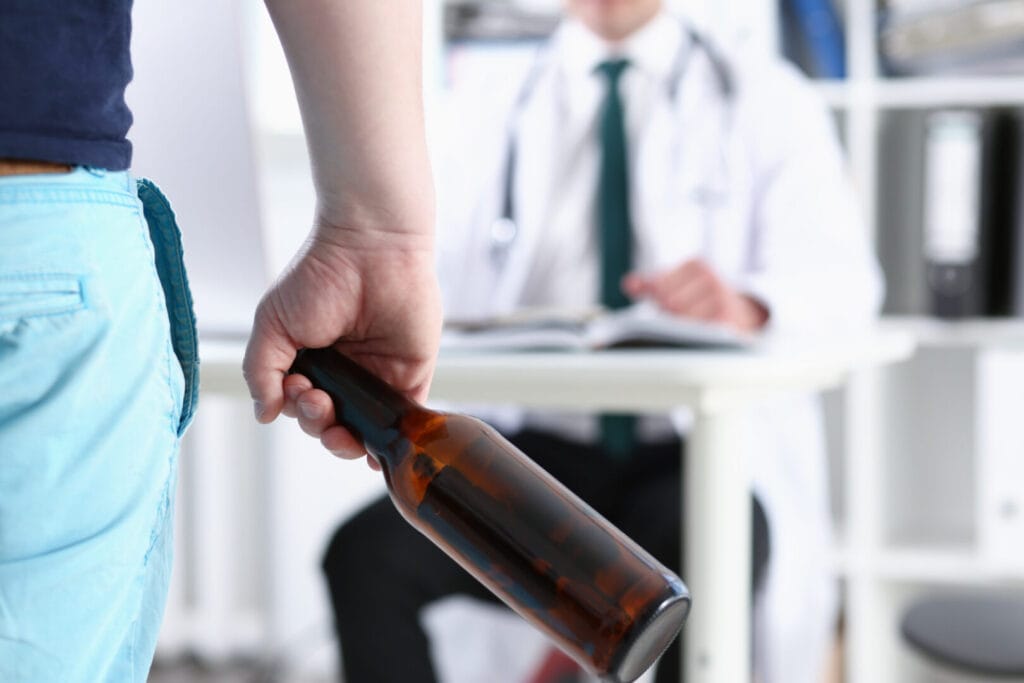
The Impact of Alcohol Use Disorder A high percentage of adults and young people in the United States consume alcohol at least once in their lifetime. Due to consistent substance intake, nearly 16 million adolescents and adults develop dependence and alcohol use disorder. The use of disulfiram and acamprosate are significantly common forms of alcohol medication-assisted treatment (MAT) options. Keep reading to learn more about these medications as forms of alcohol MAT. Alcohol Use Disorder (AUD) Alcohol Use Disorder involves challenges in controlling the intake of alcohol. Individuals experiencing the condition continue intake, even when it causes health problems. Such persons may also continue the intake of alcohol despite other adverse social and occupational consequences. AUD may also involve individuals drinking more alcohol for a certain feeling or experiencing withdrawal symptoms after discontinued intake. A Closer Look at AUD Specific health experts refer to AUD as a brain disorder. Depending on the factors around the disorder, it could be mild, moderate, or severe in terms of symptoms. Due to the risks surrounding the intake of alcohol, health experts also recommend moderation. That signifies no more than two drinks a day for men, while it signifies one drink for women. Note that one drink is 1.5 ounces of liquor, 5 ounces of wine, and 12 ounces of beer. Drinking above the “moderate” amount may lead to dependence, which is one of the major causes of AUD. According to the DSM IV criteria, individuals who have alcohol dependence, may experience tolerance, alcohol withdrawal symptoms, and increased cravings. Certain factors can increase the risks of AUD in individuals. Examples of these include early drinking, genetics, and mental health conditions. Common Symptoms of Alcohol Use Disorder Reputable healthcare professionals use the Diagnostic and Statistical Manual of Mental Disorders, Fifth Edition (DSM-5) to assess the presence of AUD. Here are the significant symptoms to note: Being unable to limit the amount of alcohol you drink Continuing to drink alcohol even though you know it’s causing physical, social, or interpersonal problems Giving up or reducing social and work activities and hobbies Withdrawal symptoms — such as nausea, sweating, and shaking — when you don’t drink, or drinking to avoid these symptoms Wanting to cut down on how much you drink or making unsuccessful attempts to do so Spending a lot of time drinking, getting alcohol, or recovering from alcohol use Using alcohol in situations where it’s not safe, such as when driving or swimming Developing a tolerance to alcohol, so you need more to feel its effect, or you have a reduced impact from the same amount. Feeling an intense craving or urge to drink alcohol. Failing to fulfill significant obligations at work, school, or home due to repeated alcohol use MAT Medications for Alcohol Effective MAT for alcohol use disorder is evident with various FDA-approved medications. Some of these drugs include: Acamprosate This drug helps reduce alcohol cravings and lessens withdrawal symptoms of alcohol. Acamprosate functions by decreasing the brain’s alcohol dependency by interacting with other brain neurotransmitters. The medication modulates and normalizes brain activity. Disulfiram Intake of disulfiram causes hang-over-like effects and an unpleasant feeling, but it’s an effective MAT for alcohol use disorder. Individuals craving alcohol will find disulfiram an effective medication for alcohol abuse due to the hang-over effects. Some unwanted hang-over-like effects include nausea, vomiting, facial flushing, and chest pain. Naltrexone Although the first use of naltrexone was in opioid treatment, it appears to be a suitable alcohol abuse medication. People who take alcohol don’t enjoy the “reward” feeling with naltrexone. However, it’s imperative to note that individuals should go through detoxification before beginning treatment with alcohol addiction medication. Other Possible Forms of Alcohol MAT One of the other possible forms of alcohol MAT is benzodiazepines. These MAT drugs for alcohol are important in acute detoxification since they work on the same brain receptors as alcohol. Experts can administer benzodiazepines at the early stages of alcohol withdrawal, taper them down, and discontinue them later. The Role of Therapy in MAT For Alcohol Abuse Although MAT can significantly aid recovery, it is most effective when combined with counseling and behavioral therapies. Cognitive Behavioral Therapy (CBT), for example, helps individuals develop coping strategies to manage triggers and cravings. Motivational Interviewing (MI) supports individuals in strengthening their commitment to sobriety, while Contingency Management (CM) provides tangible rewards for maintaining abstinence. Many treatment programs incorporate a combination of these approaches to address both the physical and psychological aspects of addiction. Without therapy and ongoing support, medication alone may not be sufficient for long-term success Cognitive Behavioral Therapy (CBT) Cognitive behavioral therapy (CBT) teaches people that their thoughts can influence their feelings and behaviors rather than outside stimuli like people and situations. By understanding how their thoughts influence behavior, people can learn to better control their behavior, avoid situations that may trigger relapse, and cope with other problems contributing to addiction. Numerous studies have shown that CBT is an effective form of therapy to treat substance use disorder and is most effective when combined with other treatments. For example, cognitive behavioral therapy paired with participation in support groups like Alcoholics Anonymous usually leads to positive results. Motivational Enhancement Therapy (MET) Motivational enhancement therapy (MET) can be a good option for people who are resistant to therapy or feel some lingering desire to drink. It aims to help people quickly change their mindset, recognize that they present signs of alcohol dependency, and come to a place where wanting to get better is internally motivated. Marital and Family Counseling Marital or family counseling can be crucial in maintaining healthy relationships while recovering from alcohol use disorder. For instance, people may find that their drinking stemmed from family or marital problems, caused problems in their family or marriage, or both. No matter what the case may be, counseling can help the person with AUD, and their loved ones understand the issue, improve their relationship, and learn how to move through treatment together. In addition, marital and family counseling