
How Does Narcan Reverse the Effect of an Opiate Overdose?

What is an Opiate Overdose? Opiate drugs fall into several categories, including prescription and illicit drugs. Therefore, it is not uncommon for someone to experience opiate overdose symptoms even though they use a medication prescribed to them by a medical provider. All opiate and opioid drugs are potent drugs with a high potential for addiction and fatal overdose. Therefore, if you or a loved one struggles with an addiction to opiates, it is crucial to seek help at a detox and treatment program like San Diego Detox Center. Opiate Overdose Statistics Data released by the Centers for Disease Control and Prevention in early 2020 suggest that more than 70% of the drug overdose deaths in the United States in 2019 involved at least one opiate drug. Also, the rate of death attributed to the misuse of synthetic opiate drugs increased by nearly 20% in the last year. The overall fatality rate linked to all opiate drugs increased by approximately 6%. Between 2010 and 2020, more than half a million people lost their lives to opiate drug overdose. Opiate vs. Opioid: What is the Difference? Opioid drugs are derived from three sources. Opioids are either all-natural, synthetic, or semi-synthetic. The term opiate refers to natural opioids. Perhaps, it is best to understand the term opiate as a subcategory of opioids. Someone with an opiate addiction may be addicted to prescription pain medications such as oxycodone or codeine or illegal opioids like heroin. Signs and Symptoms of Opiate Overdose A crucial part of opiate overdose prevention is knowing the warning signs of an overdose. In many cases, opiate overdose happens rapidly, and opiate overdose signs will differ from person to person. Some of the more common signs of opiate overdose include: Slow and shallow breathing Vomiting Gurgling or choking sounds Constricted (pinpoint) pupils Blue or cold skin Loss of consciousness Faint heartbeat Purple lips and fingernails Inability to communicate or speak clearly or effectively Opiate Overdose Causes and Risk Factors An opiate overdose occurs when someone takes too much of a drug and elevated amounts of the substance reach their brain. When this happens, it overwhelms the brain’s natural function leading to the inability of the brain and central nervous system to perform vital functions such as breathing. Because medical providers use opiates as part of a prescription plan, many people do not realize the harms these drugs can cause. Who Is at Risk for an Opiate Overdose? Specific factors related to the individual using the drug may increase their risk for addiction and overdose. Examples of overdose risk factors include age and underlying medical conditions such as impaired liver function, kidney disease, or sleep apnea. There are many possible causes of opiate overdose. Some of the more prominent examples are combining an opiate with other drugs or alcohol, taking more than prescribed, and using illicit (street) drugs that may contain unregulated or harmful additives. Treatment for Opiate Addiction and Overdose in San Diego Narcan nasal spray for opiate overdose or Narcan injections is an excellent emergency use drug used for opiate overdose. In the short-term, drugs to reverse opiate overdose can help save someone’s life. However, Narcan is not a long-term substitute for opiate addiction treatment. A professional treatment program in San Diego can help you find freedom from addiction and begin a journey towards lasting health and wellness. Opiate Addiction Treatment Options The best opiate addiction treatment options involve several steps. It is important to remember that achieving lasting sobriety is a highly individual process. Choosing a program that offers individualized addiction treatment plans provides the most significant opportunities for treatment success. For most, the first step of treatment is comprehensive detox. The Benefits of Detox Although challenging, medical detox is a necessary step in therapy. It is difficult (if not impossible) to focus on healing when still impacted by the effects of opiate use. Detoxing in a safe and comforting environment is vital to ensuring access to the medical and mental health support you need to help manage withdrawal symptoms. Get Help at San Diego Detox Once detox is complete, you will begin therapy to learn more about the root causes of addiction and how to manage relapse triggers in the future. The journey to overcoming opiate addiction is challenging. With help from our skilled, compassionate team, sobriety and a drug-free future are within reach. Contact us today to learn more about our programs and how you can get help to defeat addiction at San Diego Detox. Narcan for Opiate Overdose The Centers for Disease Control and Prevention (CDC) indicate that almost 50,000 people died from an opioid or opiate-related overdose in 2019. The same study suggests that in as many as 40% of cases. Had these bystanders provided Narcan, they could have saved a life. Understanding more about how Narcan helps with opiate overdose reversal can help to save thousands of lives each year. Auto-Injector and Nasal Spray Naloxone or Narcan is a medication that can rapidly reverse opioid overdose. Narcan for opiate overdose comes in two FDA-approved delivery methods. These include an auto-injector and prepackaged nasal sprays. Narcan injections must be drawn from a vial and injected into the body. Medical providers such as emergency services personnel or emergency room doctors often choose this method. The second delivery method of Narcan for opiate overdose is a nasal spray. Narcan nasal sprays are a needle-free option that one can spray directly into the nostril. Because nasal Narcan comes in a prepackaged form, monitoring the amount of medication administered is not necessary. Nasal Narcan is significantly easier for loved ones or bystanders to administer. It does not require formal training, knowledge of medication dosing, or the use of a needle. How Does Narcan Reverse the Effects of an Opiate Overdose? Narcan is a category of drug known as an opioid antagonist. When used at the first sign of an opiate overdose, Narcan prevents opiate drugs from attaching to opioid receptors in the brain because the agonist binds there
What Is the Best Way to Overcome an Addiction to Opiates
Understanding Opiate Addiction Opiates are substances derived naturally from opium poppy plants, which are native to South America. Opiates are used for various medical conditions, including severe pain relief, to treat patients who have advanced cancer, and other terminal conditions. Opiates have very high potency and for that reason, many people find it even harder to overcome opiate addiction. Opiates come in both prescription medication and as illegal drugs, such as heroin. Two out of every three drug overdose deaths in 2018 involved an opioid. With this, it is important to not only understand the fundamentals of opioid addiction, but to know what to look for in terms of symptoms, risk factors, and available treatment options. Fundamentals of Opioid Addiction How Do Opiates Affect the Brain? When drugs stimulate opioid receptors in the brain, cells produce dopamine, which is a neuron that gives rise to feelings of pleasure and pain relief when released into the brain. The brain’s reward system will, again and again, want the feelings of intense pleasure during the early stages of abuse, which is what makes opiate addiction so prevalent. Approximately a quarter of patients who are prescribed opioids for chronic pain or terminal diseases misuse the drugs. Opiates vs. Opioids: What is the Difference? An opiate is described as a narcotic derived from the opium poppy plant, which is naturally occurring and can include drugs such as opium, codeine, and morphine. An opioid, however, is any substance, either synthetic or semi-synthetic, that binds to opioid receptors. Moreover, all opiates are opioids, but not all opioids can be classified as an opiate. Semi-synthetic opioids are created in labs from naturally occurring opiates, while synthetic opioids are made entirely in a lab. What is Opiate Addiction? Opioid addiction is a chronic relapsing disease that can cause significant health, social, and economic problems. Opiate addiction is characterized by a powerful, compulsive urge to seek and use opioids, even when they are no longer required medically and can have harmful consequences. Those with an opioid substance abuse disorder often find themselves prioritizing seeking, getting, and using these drugs over other activities in their lives, often negatively negatively affecting their professional and personal relationships. People’s priorities become deeply warped when they find themselves addicted to opiates. Opioids alter the chemistry of a person’s brain and lead to drug tolerance as well. If you or a loved one are suffering from opioid addiction, you can experience life-threatening health problems, including the risk of overdose and even death. Opiate Overdose and Addiction Symptoms An overdose occurs when one consumes high doses of opioids, causing their breathing to slow or stop entirely. This may lead to unconsciousness and death if the overdose is not treated immediately. Both legal and illegal opioids carry a high risk of overdose, especially if one combines opioids with other drugs and substances, such as tranquilizers or alcohol. The symptoms may differ depending on the type of opiate used, the amount of opiate used, and how long it has been used. Opiate Overdose Symptoms There are a few signs and symptoms to pay attention to in the case of a possible overdose. Respiratory depression – this includes snoring, choked breathing, shallow breathing, irregular or halted breathing, or no breathing altogether Loss of consciousness or unresponsiveness Blue, purple, or greyish skin, lips, or fingertips, signifying lack of oxygen The inability to speak Frequent vomiting Confusion and delirium Very limp body Cold, pale, or clammy skin Low blood pressure Lack of pulse or slow erratic pulse rate Small pupils Opiate Addiction Symptoms When one is addicted to a drug, they will feel the urge to get the drugs even using unscrupulous means, including lying to loved ones in order to get them. The drug-seeking behavior becomes intolerable and irresponsible. Signs and symptoms of opiate addiction can be classified as either physical, psychological, or behavioral. Physical Symptoms Some of the physical symptoms of opiate addiction include, but are not limited to: Sedation Dizziness Nausea Vomiting Constipation Physical dependence Tolerance Respiratory depression Psychological and Behavioral Symptoms These are some of the psychological and behavioral signs and symptoms of opiate addiction: Physical agitation Poor decision making Abandoning responsibilities Mood swings Irritability Depression Lowered motivation Anxiety attacks Treatment Options for Overcoming Opiate Addiction There are many treatment options available for those looking to overcome opiate substance abuse disorder. These interventions include both medications and therapies, and other various avenues. It is important to consult a medical professional for optimal results as well as connecting with those who can offer support, both regarding managing the effects and dangers of withdrawal and detox, and for achieving and maintaining long-term sobriety. Medications The FDA has approved several medications to treat opiate and opioids withdrawal. These are best paired with counseling and behavior therapy to truly help overcome addiction. Buprenorphine, methadone, and naltrexone are used to treat opioid use disorders for short-acting opioids such as heroin, morphine, and codeine, along with semi-synthetic opioids like oxycodone and hydrocodone. Buprenorphine is a drug approved by the FDA to treat opioid use disorder as medication-assisted treatment (MAT). Methadone reduces opioid cravings and withdrawal symptoms by blocking the effects of opioids. It is available in liquid, powder, and diskettes forms when one takes it daily. Methadone is also approved by the FDA as part of MAT and pain management. If you take it as prescribed, it is safe and effective. It’s used as part of comprehensive treatment, including counseling and other behavioral health therapies. These medications are safe to use for months, years, or even a lifetime. You should always consult your doctor on when to stop or reduce the dosage. Counseling and Behavioral Therapies It can be essential to include different types of talk therapy along with medication to help air out concerns and find lasting solutions for these concerns. Medicine alone cannot always ensure a lasting recovery, as most substance use disorders come with underlying mental health issues that have to be addressed too. Below are a few such therapies.
How Does Alcohol Affect Mental Health

Is Alcohol a Depressant? Abuse of alcohol and mental health issues can often go hand in hand. This article will explore how alcohol can affect mental health and discuss some of the consequences of abusing alcohol. We will also provide information on seeking help if you struggle with an alcohol use disorder and a mental health condition. Alcohol is a depressant. While the depressant properties of drinking alcohol may not affect someone too much in the short-term, excessive consumption of alcohol or long-term abuse can negatively affect someone’s life and mental health. Frequent and excessive drinking can lead to symptoms of depression and other mental illnesses. It may exacerbate any existing mental health issues. Alcohol and Mental Health Statistics Statistics on alcohol and mental health show just how severe of a problem co-occurring conditions of mental health and alcohol use disorders can be. According to a research report from the Mental Health Foundation: Research in the U.S. has suggested that alcohol dependence in those with psychiatric disorders is almost twice as high as in the general population. As many as 65% of suicides have been linked to excessive drinking, and alcohol problems are one of the highest risk factors for suicides. At least two-thirds of alcohol-dependent individuals entering treatment show evidence of anxiety, sadness, depression, or manic-like symptoms. The combination of alcoholism and mental illness is prevalent and can have many adverse effects on someone’s life. This is why proper treatment and support for those struggling with alcohol abuse and mental health is so important. Do All Alcoholics Have Mental Health Issues? While there is a strong link between co-occurring alcohol and mental health problems, not all alcoholics will have mental health issues. Alcoholism can occur for several reasons that are unrelated to mental health, including: Injuries or physical health issues Growing up in an environment where heavy alcohol use is common Peer pressure Genetic factors Since many contributing factors can lead to alcoholism, treatment professionals should consider all aspects of someone’s life and well-being when providing treatment for alcohol addiction. Alcohol and Mental Health: How Does Alcohol Affect Mental Health? Alcohol abuse can affect someone’s mental health and well-being in many ways. Alcohol and Depression One of the primary forms of co-occurring alcoholism and mental illness is those who struggle with alcohol abuse and depression. Alcohol is a depressant that can slow down the brain’s cognitive functions. This can lead to symptoms of depression occurring in individuals who drink excessively for an extended period of time. Alcohol and Anxiety Alcohol and anxiety are co-occurring alcohol use and mental health issues. Alcohol addiction can lead to the development or exacerbation of anxiety symptoms due to the effects that alcohol can have on dopamine and other neurotransmitters in the brain. Alcohol and Trauma Past trauma can often be an underlying condition that causes alcohol abuse. Many people who struggle with past trauma will use alcohol to self-medicate or cope with how they are feeling. Alcohol and Psychosis Another issue with alcohol abuse and mental health is psychosis. Long-term alcohol abuse can lead to psychosis, where individuals will struggle with hallucinations or delusions. Psychosis is also a possible withdrawal symptom during alcohol detox. Proper support is necessary during mental health and alcohol detox treatment. Alcohol and Suicide & Self-Harm Alcohol and mental health issues can also cause someone to be more likely to commit suicide or self-harm. The risk of suicide or self-harm may also be more common during alcohol withdrawal, so proper treatment and support are necessary during mental health and alcohol abuse treatment. How Does Alcohol Affect the Brain? Studies have found many adverse short and long-term effects of alcohol on the brain. This shows the direct impact of alcohol on mental health and how alcohol abuse can significantly impact someone’s life and well-being. Alcoholic Brain vs. Normal Brain There are many psychological effects of alcohol abuse. Alcohol interferes with the brain’s communication pathways and can affect how the brain looks and works. This can lead to many cognitive and mental health issues, which is why alcohol and mental health problems often go hand in hand. Long-Term Effects of Alcohol on the Brain In the long term, alcohol abuse can affect the brain. Therefore alcohol and mental illness often co-occur. Long-term effects of alcohol on the brain include: Brain shrinkage Cognitive impairment Damage to neurotransmitters Psychological withdrawal symptoms Wernicke-Korsakoff Syndrome Short-Term Effects of Alcohol on the Brain In the short term, alcohol abuse can affect the brain in many ways. Short-term effects of alcohol abuse on the brain include: Disrupted sleep patterns Impaired judgment Impaired memory Lack of coordination Slowed cognitive and motor functions Alcohol and Mental Health Disorders Treatment Options Many mental health and alcohol abuse treatment options are available that can help. It is important that during mental health and alcohol treatment, both the addiction to alcohol and mental illness are treated simultaneously to get the best results. Detoxification Detoxification will be the first step in treating mental health and alcohol addiction. Withdrawal symptoms will be experienced during this time, which is why proper support and medical care are recommended during this time. Mental health and alcohol rehab centers can provide the best level of care to ensure that this process is as safe and effective as possible. Inpatient Rehab Inpatient rehab is often a good option for mental health and alcohol addiction. Inpatient treatment at alcohol and mental health treatment centers will involve therapy, support groups, and working on life skills that will help with maintaining long-term sobriety. During inpatient treatment, mental health and alcohol support will be provided around the clock to ensure you get the best possible results. Outpatient Rehab Outpatient rehab can also effectively treat addiction to alcohol and mental illness. Outpatient rehab will involve going to a treatment center at designated times throughout the week to work through a treatment program. Treatment for Alcoholism and Mental Illnesses at San Diego Detox If you are looking for alcoholism and mental illness treatment, San
How Long do Barbiturates Stay in Your System?
Understanding Barbiturates Barbiturates are a class of drugs that have been historically prescribed to manage conditions such as anxiety and insomnia. The way these drugs work is by interacting with GABA receptors in our brain, thereby regulating feelings of calmness and sleep. However, while they can be therapeutic in controlled doses, they carry the risk of addiction and can lead to harmful side effects when misused. Determining the length of time barbiturates stay in ones system heavily depends on several factors. Understanding what barbiturates are, and how they are metabolized can be helpful in understanding how long barbiturates stay in the body. What Exactly Are Barbiturates? Initially synthesized back in 1864, barbiturates depress the central nervous system. Although once popular as sedatives and hypnotics, their potential for abuse and addictive properties led to a decline in medical usage. Some examples of these drugs include Amobarbital (Amytal), Butabarbital (Butisol), Methohexital (Brevital), Pentobarbital (Nembutal), and Secobarbital (Seconal). Barbiturates: Current Uses and Abuses Currently, barbiturates are used to manage insomnia and anxiety disorders. They are also employed as anesthetics for surgical procedures. Unfortunately, these drugs are also sought after recreationally for their calming effects, bearing similarities to substances like Xanax or alcohol. However, they pose serious risks when consumed in large amounts or combined with other substances, including prescription drugs like benzodiazepines. Comparing Barbiturates vs. Benzodiazepines Both benzodiazepines and barbiturates serve as sedative-hypnotics, inducing sleepiness. They can help manage insomnia, anxiety, seizures, and muscle spasms. However, barbiturates pose a higher risk of withdrawal symptoms than benzodiazepines. Long-term usage of barbiturates can lead to substance dependence and, if stopped abruptly or reduced too quickly, can result in withdrawal symptoms like nausea, vomiting, sweating, tremors, and seizures. Classifications of Barbiturates: Short-Acting vs Long-Acting There are two classifications of barbiturates: short-acting and long-acting. Short-acting barbiturates such as Amobarbital, Butabarbital, and Butalbital take effect within 30 minutes and last four to six hours, used primarily to induce sleep. In contrast, long-acting barbiturates like Phenobarbital, Pentobarbital, and Secobarbital take longer to work but last 12 to 24 hours, used for sedation and anesthesia. How Long Do Barbiturates Stay in Your System? Determining how long barbiturates stay in your system largely depends on the drug’s half-life and systemic clearance. These factors hinge on how long the body takes to metabolize the drug into an inactive form. For instance, the half-life of a barbiturate increases with each additional carbon atom added to the molecule. Additionally, being fat-soluble, barbiturates bind with fats in the body, which makes them harder to eliminate than other drugs like heroin or cocaine, which are water-soluble. Determining Factors of Barbiturates’ Half-Life Three significant factors determine how long barbiturates stay in your system: the duration of usage, the amount taken each time, and the specific type of barbiturate used. Analyzing biological samples provides varying results, with barbiturates generally detectable in urine for about three days, blood for one to two days, saliva for up to three days, and hair for up to 90 days. Impact on Treatment and Recovery Understanding how long barbiturates stay in the system is crucial for managing withdrawal and planning detoxification. Due to the risk of severe withdrawal symptoms, such as seizures and delirium, professional medical supervision is often required during the detox process. The prolonged presence of long-acting barbiturates necessitates a carefully monitored tapering process to minimize withdrawal risks. Treatment for Barbiturates Abuse and Addiction Treatment for barbiturate abuse and addiction typically involves detoxification and rehabilitation. It’s important to seek professional help if you or a loved one are struggling with barbiturate addiction. San Diego Detox offers a range of services to help individuals recover from barbiturate addiction in a safe, supportive environment. For more information, visit our website or call us today at 619.433.6560. Don’t wait to take the first step towards recovery. Remember, every journey begins with a single step, and we’re here to support you every step of the way. The Risks of Barbiturate Abuse and Addiction As barbiturates change how the brain functions, they can lead to addiction. Those with a constant intake may develop a dependence, leading to the onset of addiction. This reliance can lead to withdrawal symptoms when usage is suddenly stopped. Individuals who are prescribed these drugs can unintentionally fall into addiction, experiencing difficulty in stopping their use even after their treatment should have concluded. Understanding the Causes and Risks of Barbiturate Abuse Barbiturates can rapidly induce feelings of euphoria and relaxation, making them an easy target for those looking to escape stress or achieve a high. Unknowing abuse can also stem from poor medication compliance or a lack of understanding about the drug regimen in clinical settings. Barbiturate abuse can lead to severe health problems, such as confusion, hallucinations, respiratory depression, and in rare cases, coma, liver damage, and kidney failure. Furthermore, taking barbiturates during pregnancy or breastfeeding can harm the infant, leading to breathing problems and developmental issues.
Overdose Epidemic: Statistics and Prevention Strategy

The Dangers of Drug Overdose An overdose occurs when dangerous substances reach toxic levels within the body. It is possible to overdose on many substances, including opioids, alcohol, and other drugs. Usually, overdose happens very quickly. For example, in some cases, opioid overdose can occur immediately after using an opioid. A person does not have to be addicted to opioids or use them frequently to overdose. In addition, the symptoms of an overdose do not necessarily present in a specific order, so opioid overdose may look different from person to person. It is vital to know what the potential signs of an overdose may be as it may help save someone’s life. Overdose Epidemic When someone overdoses on a drug, too much of the substance reaches their brain and overwhelms its natural function. It can lead to the inability to breathe or struggles with other life-sustaining body functions. When someone’s breathing stops or slows to dangerous levels (as happens during an overdose), it can cause brain damage or death. Thus, the ability to recognize the symptoms of an opioid overdose is vital to preventing death or permanent brain injury. Overdose Epidemic Statistics Data released by the Centers for Disease Control and Prevention (CDC) indicate the opioid overdose epidemic is far from over. The number of opioid overdose deaths connected to opioid drugs of all kinds increased by almost 5% between 2018 and 2019 and quadrupled between 1999 and 2019. Of the nearly 71,000 deaths in 2019, a staggering 70% involved an opioid drug. Between 2018 and 2019, the number of opioid-involved deaths increased by more than 6%. These statistics include any opioid, including natural, synthetic, and semi-synthetic opioids. The Impact of the Opioid Epidemic The epidemic of overdose deaths also rose among synthetic opioids. This category of opioid drugs includes the powerful and very dangerous drug fentanyl. Across the nation, the number of synthetic opioid (primarily fentanyl) deaths between 2019 and 2020 rose by 56,516 overdose deaths. The number of deaths caused by prescription opioids decreased from 17,029 in 2017 to 14,139 in 2019 but unfortunately increased in 2020 to 16,416. Lastly, the number of heroin-related deaths decreased, from 15,469 deaths in 2016 to 13,165 in 2020. While the deaths related to heroin have declined, other opioid-involved deaths continue to rise. Therefore, helping those affected by the opioid crisis is vital. San Diego Detox Strategy for Combating the Overdose Epidemic At San Diego Detox, we understand that combating the overdose crisis takes time and effort. Our strategy for combating this epidemic includes several crucial steps. Medication for Overdoses The first step is ensuring those who need it have access to lifesaving naloxone treatment. Naloxone is an FDA-approved medication that can rapidly reverse opioid overdose. As an opioid agonist, it attaches to the opioid receptors in the brain, preventing opioids from doing so and reducing the effects of opioid drugs. Research released in 2019 suggests that naloxone devices approved by the FDA deliver higher blood levels of naloxone than improvised nasal devices. Anyone can use naloxone to help prevent detrimental opioid overdose outcomes, making it an ideal and preferred medication. Harm Reduction Another part of our strategy is harm reduction. Harm reduction is the process of providing help and support to those with opioid use disorder without stigma, discrimination, or judgment. This strategy helps reduce the fear and apprehension felt by many when they consider going to a drug treatment program. The rate of deaths caused by drug overdose has increased by 250% since 1999. Thus, it is imperative to utilize harm reduction strategies to prevent drug use, overdose, and death. Learn More About San Diego Detox At our facility, we provide comprehensive and evidence-based treatments and educational therapies. Incorporating trusted and proven therapeutic models into our programs offers the most significant opportunities for effective treatment outcomes. Each therapy model addresses addiction treatment in a slightly different way. We ensure every individual situation and need is met with proper care and support by providing many treatment options. Addiction is a disease unique to the person, and with our several educational therapy models, we can effectively support our patients. If you or a loved one struggles with opioid addiction, don’t wait another day to begin the journey towards freedom. Let San Diego Detox help you overcome addiction at our safe, supportive California rehab center. Call us today for more information about our programs. Overdose Epidemic Prevention Strategy The opioid epidemic in the United States has not been resolved; however, it does continue to change. As organizations like the Centers for Disease Control and Prevention (CDC) release annual opioid epidemic statistics and overdose death data, we can see that the specific substances that contribute to overdose deaths vary from year to year. This indicates that despite all the work done at state and national levels, there is far more to do before we will see an end to the opioid crisis in America. Steps for Prevention There are several steps both state and federal agencies can take to help reduce the impact of the overdose epidemic. Public Awareness A first step is increasing public awareness about the dangers of opioid drugs. Teaching people about addiction overdose awareness may help reduce the rate of overdose death. In addition, by providing accessible public education about addiction and addiction treatment, we can begin the process of defeating the overdose epidemic by reducing the misunderstandings and stigma that continue to surround addiction and addiction treatment. As the viewpoint around addiction changes, those who struggle with addiction will feel safer seeking help to overcome addiction. Support Healthcare Providers and Systems Another essential step towards overdose epidemic prevention is providing support to healthcare providers and systems. The overdose crisis will not improve without access to emergency medical intervention and ongoing medical treatment. New Substance Use Disorder Treatment Options Related to increased support in healthcare is developing new treatment options to address substance use disorders. It is essential for the public and the medical community alike to learn more
Why Is It Important to Treat Drug and Alcohol Addiction

The Impacts of Addictions on Society Drug addiction can be devastating on an individual level, but it can also be harmful to communities and society. People with substance use disorders often struggle with family issues, including domestic violence and financial problems. Additionally, nationwide studies have shown that parents with substance use disorder usually put the need to obtain and abuse drugs before taking care of their children. Addiction can also add to the problem of overcrowded institutions; hospitals and prisons contain large populations of people treated for or incarcerated because of drug use. Crime related to drug addiction can wreak havoc on communities and increase the amount of money spent on law enforcement and incarceration. In 2007, the economic cost of drug abuse in the United States was $193 billion, with criminal justice costs accounting for $61 billion of that total. It is evident the importance of seeking drug addiction treatment. Social Effects of Drug Abuse on the Community When people neglect to seek drug addiction treatment, they will likely face negative social effects; problems at work, school, and in society. Drug Abuse and the Home One in five children grows up in a household where a parent abuses drugs or alcohol. Not only does this create an unstable environment for the children – potentially leading to mental illness like anxiety or depression – but it also puts them at a higher risk for developing substance use disorder themselves. Drug Abuse and the Workplace When substance use is brought into the workplace, major issues for those with drug addiction and the companies or businesses they work for can arise. For example, the quality of work may suffer, safety concerns can arise, and people can lose their job. For the individual struggling with substance use disorder, this can lead to financial insecurity and risk of future employment. For the business, this can lead to losses in revenue, customers, and employees. Drug Abuse and School It’s no secret that drug abuse in adolescents is a growing problem, and students who use drugs are more likely to drop out. Studies show that 18% of teens enrolled in high school use illicit drugs, while 31% of high school dropouts use drugs. The Harmful Effects of Drugs and Alcohol The dangers of drug and alcohol use are serious, which is why drug addiction treatment is crucial. Some of the ways drugs can affect people’s brain, body, and life include: Brain Chemistry Addictive substances change the way the brain processes rewards, meaning the experience of pleasure from non-addictive things is often muted or nonexistent; temporarily or permanently. Health Complications Substance abuse can lead to a plethora of mental disorders, such as depression, anxiety, and schizophrenia, and various health problems, such as cancer, lung disease, cardiovascular disease, and dental health issues. Infections Using drugs weakens the immune system, making it more likely for people with substance use disorder to get illnesses and infections. Legal Consequences Sometimes people with substance use disorder may engage in illegal actions, leading to arrest. Legal consequences can seriously disrupt a person’s life, leading to job loss, debt, and other potential problems. Financial Problems Addiction may lead to people spending all of their money acquiring drugs, frivolous spending, and job loss. Injuries and Death The most severe outcomes of drug use are injuries and death. Intoxication can impair the senses and cause a major lack of judgment, making injury more likely. The risk of death is always present with drugs, as it can be caused by overdose, injury, accidents while under the influence, or health issues. These issues point to the importance of drug and alcohol addiction treatment and intervening as soon as possible. The earlier addiction is addressed, the more likely a person will recover. How to Treat Drug Addiction Various approaches and strategies are available to treat drug addiction, but there are two methods that stand out. The first is treating drug addiction as a disease, and the second is utilizing medication. Treating Drug Addiction as a Disease Addiction is not a moral failing or character flaw, so it’s important to emphasize treating drug addiction as a disease rather than a choice. It has been confirmed that addiction is a chronic illness that alters the brain’s function and chemical levels. Thus, the only way to treat drug addiction properly is by creating and utilizing treatment plans and methods that are usually followed for illness and disease. Addiction Treatment Options Like any other disease, drug addiction can be treated with several methods. Whether addressing drug addiction in adults or treating drug addiction in adolescents, the following interventions can be useful in drug addiction treatment: Behavioral counseling, such as cognitive behavioral therapy (CBT) and motivational interviewing Medications like Antabuse and methadone Evaluation and treatment for co-occurring mental health issues, such as depression and anxiety Long-term follow-up to prevent relapse Remembering the importance of treating drug addiction as a disease means recognizing that treatment requires maintenance and may need adjustments over time. Treating Drug Addiction With Methadone An effective and commonly used intervention for opioid use disorder is methadone, a prescription drug. Treating drug addiction with methadone blocks the pain caused by opiate withdrawal and allows people to resume their daily lives while recovering from addiction. This is an effective treatment and emphasizes the importance of drug and alcohol addiction treatment that works for a person’s individual needs. Methadone provides pain relief for around four to eight hours and should be prescribed for a minimum of twelve months. Research shows that methadone treatment is effective in high doses and helps clients stay in treatment programs longer, especially those with heroin addiction. Alcohol and Drug Addiction Treatment at San Diego Detox There are many options for drug addiction treatment, including rehab, medications, and therapy. At San Diego Detox, we treat drug addiction as a disease and understand that each client’s situation and condition are different. So, we offer a full range of services to help people recover, from a state-of-the-art detox program to evidence-based
What’s the Prescription Drug That You Can Overdose On?
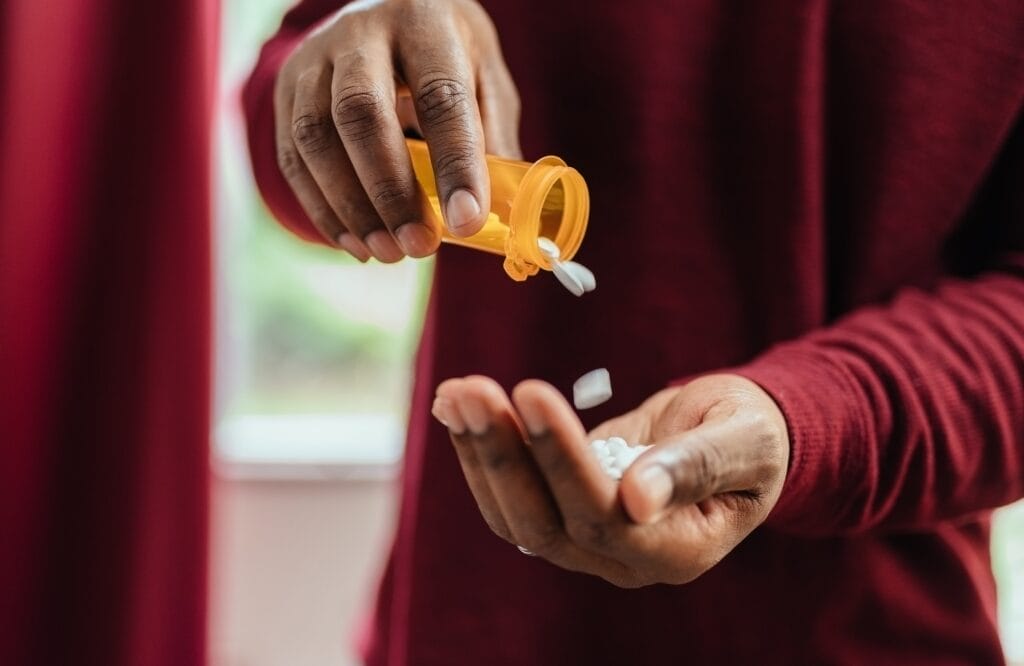
What is an Opiate Overdose? Opiate drugs fall into several categories, including prescription and illicit drugs. Therefore, it is not uncommon for someone to experience opiate overdose symptoms even though they use a medication prescribed to them by a medical provider. All opiate and opioid drugs are potent drugs with a high potential for addiction and fatal overdose. Therefore, if you or a loved one struggles with an addiction to opiates, it is crucial to seek help at a detox and treatment program like San Diego Detox Center. Opiate Overdose Statistics Data released by the Centers for Disease Control and Prevention in early 2020 suggest that more than 70% of the drug overdose deaths in the United States in 2019 involved at least one opiate drug. Also, the rate of death attributed to the misuse of synthetic opiate drugs increased by nearly 20% in the last year. The overall fatality rate linked to all opiate drugs increased by approximately 6%. Between 2010 and 2020, more than half a million people lost their lives to opiate drug overdose.1 Opiate vs. Opioid: What is the Difference? Opioid drugs are derived from three sources. Opioids are either all-natural, synthetic, or semi-synthetic. The term opiate refers to natural opioids. Perhaps, it is best to understand the term opiate as a subcategory of opioids.2 Someone with an opiate addiction may be addicted to prescription pain medications such as oxycodone or codeine or illegal opioids like heroin.2 Signs and Symptoms of Opiate Overdose A crucial part of opiate overdose prevention is knowing the warning signs of an overdose. In many cases, opiate overdose happens rapidly, and opiate overdose signs will differ from person to person. Some of the more common signs of opiate overdose include:3 Slow and shallow breathing Vomiting Gurgling or choking sounds Constricted (pinpoint) pupils Blue or cold skin Loss of consciousness Faint heartbeat Purple lips and fingernails Inability to communicate or speak clearly or effectively Opiate Overdose Causes and Risk Factors An opiate overdose occurs when someone takes too much of a drug and elevated amounts of the substance reach their brain. When this happens, it overwhelms the brain’s natural function leading to the inability of the brain and central nervous system to perform vital functions such as breathing. Because medical providers use opiates as part of a prescription plan, many people do not realize the harms these drugs can cause. Who Is at Risk for an Opiate Overdose? Specific factors related to the individual using the drug may increase their risk for addiction and overdose. Examples of overdose risk factors include age and underlying medical conditions such as impaired liver function, kidney disease, or sleep apnea.4 There are many possible causes of opiate overdose. Some of the more prominent examples are combining an opiate with other drugs or alcohol, taking more than prescribed, and using illicit (street) drugs that may contain unregulated or harmful additives.3 Treatment for Opiate Addiction and Overdose in San Diego Narcan nasal spray for opiate overdose or Narcan injections is an excellent emergency use drug used for opiate overdose. In the short-term, drugs to reverse opiate overdose can help save someone’s life. However, Narcan is not a long-term substitute for opiate addiction treatment. A professional treatment program in San Diego can help you find freedom from addiction and begin a journey towards lasting health and wellness. Opiate Addiction Treatment Options The best opiate addiction treatment options involve several steps. It is important to remember that achieving lasting sobriety is a highly individual process. Choosing a program that offers individualized addiction treatment plans provides the most significant opportunities for treatment success. For most, the first step of treatment is comprehensive detox. The Benefits of Detox Although challenging, detox is a necessary step in therapy. It is difficult (if not impossible) to focus on healing when still impacted by the effects of opiate use. Detoxing in a safe and comforting environment is vital to ensuring access to the medical and mental health support you need to help manage withdrawal symptoms. Get Help at San Diego Detox Once detox is complete, you will begin therapy to learn more about the root causes of addiction and how to manage relapse triggers in the future. The journey to overcoming opiate addiction is challenging. With help from our skilled, compassionate team, sobriety and a drug-free future are within reach. Contact us today to learn more about our programs and how you can get help to defeat addiction at San Diego Detox. Narcan for Opiate Overdose The Centers for Disease Control and Prevention (CDC) indicate that almost 50,000 people died from an opioid or opiate-related overdose in 2019. The same study suggests that in as many as 40% of cases. Had these bystanders provided Narcan, they could have saved a life. Understanding more about how Narcan helps with opiate overdose reversal can help to save thousands of lives each year. Auto-Injector and Nasal Spray Naloxone or Narcan is a medication that can rapidly reverse opioid overdose. Narcan for opiate overdose comes in two FDA-approved delivery methods.4 These include an auto-injector and prepackaged nasal sprays. Narcan injections must be drawn from a vial and injected into the body. Medical providers such as emergency services personnel or emergency room doctors often choose this method. The second delivery method of Narcan for opiate overdose is a nasal spray. Narcan nasal sprays are a needle-free option that one can spray directly into the nostril. Because nasal Narcan comes in a prepackaged form, monitoring the amount of medication administered is not necessary. Nasal Narcan is significantly easier for loved ones or bystanders to administer. It does not require formal training, knowledge of medication dosing, or the use of a needle. How Does Narcan Reverse the Effects of an Opiate Overdose? Narcan is a category of drug known as an opioid agonist. When used at the first sign of an opiate overdose, Narcan prevents opiate drugs from attaching to opioid receptors in the brain because the agonist binds there instead.
Why Do I Experience Anxiety the Day After Binging on Alcohol

What Is Anxiety? Anxiety can be defined as an emotion marked by tension, worrisome thoughts, at times, physiological changes such as increased blood pressure lasting for a prolonged period. While a certain amount of anxiety is essential for survival, understanding the difference between normal anxiety and an anxiety disorder that requires medical attention can aid in diagnosis and treatment. The duration or severity of emotions usually distinguishes between simply feeling nervous and having an anxiety attack. What Is Alcoholism? Alcohol Use Disorder (AUD), generally known as alcoholism, is a chronic medical condition marked by overdrinking alcohol. Alcoholism refers to the inability to control drinking due to physical and emotional dependence on alcohol despite adverse social, occupational, or health consequences. Alcoholism can be mild, moderate, or severe. The long-term effects of alcohol abuse on the brain can lead to dependence making individuals subject to relapse when alcohol use is discontinued. How Common Is Alcoholism? Alcoholism is quite common and affects people of all demographics and races. According to the 2019 National Survey on Drug Use and Health (NSDUH), 14.5 million (almost 15 million) persons in the United States from age 12 and older (5.3 percent) had some form of alcohol use disorder. The same survey recorded that men were more likely to have issues with alcoholism when compared to women. How Does Drinking Alcohol Affect Anxiety? Alcohol can, on its own, worsen and even cause anxiety. Although, alcohol and anxiety can occur independently. Anxiety can come about due to imbalances of neurotransmitters in the brain. Alcohol impairs the levels of certain neurotransmitters, such as serotonin. This process due to drinking alcohol has been seen to cause lasting anxiety, which persists hours to days after the initial intake of alcohol. Extreme forms of anxiety from alcohol are known as alcohol panic attacks. Unfortunately, certain people believe alcohol helps anxiety and may be drinking to cope with stress, not knowing alcohol triggers anxiety leading to severe anxiety after drinking. How Is Anxiety and Alcohol Use Related? Comorbidity involving alcohol use disorder and anxiety disorders is quite common. This can be due to individuals using alcohol to numb the effects of persistent anxiety and alcohol use itself, causing anxiety disorders. Alcohol has a depressant impact on the brain and, when ingested, may help in stress relief, but this benefit of alcohol and anxiety is only temporary. Inversely, the biochemical effects of alcohol on the brain have worsened and led to anxiety after drinking alcohol. Can Drinking Alcohol Lead to An Anxiety Disorder? Persistent anxiety from alcohol use disorder is more likely to occur in long-term heavy drinkers, which is described as alcohol causing anxiety. While occasional anxiety after drinking alcohol can be seen in anyone. Studies have shown that unregulated drinking and anxiety are quite common. Drinking can induce alcohol panic attacks, panic hangover symptoms, or anxiety while drinking in people prone to anxiety. On the other hand, moderate drinking (when overdrinking is avoided) does not cause anxiety. Does Alcohol Interact with Anxiety Medications? Anxiolytics of various classes are often prescribed to help treat and manage anxiety disorders. Many of these anxiety medications contain central nervous system depressive properties, which can interact with alcohol in the bloodstream. Alcohol is also a central nervous system depressant. When anxiety medications are taken with alcohol, side effects of anxiolytics such as sleepiness and worsened respiratory depression (slowed breathing) can worsen. As a result, alcohol must be avoided during the management or treatment of anxiety and alcoholism. Drinking and anxiety treatment can lead to serious adverse effects. How Much Is Too Much Alcohol? A moderate drink of alcohol depends on several factors, including the kind of alcohol preparation being taken (beer, wine, gin, etc.) and individual tolerance, amongst others. Too much alcohol would be alcohol intake above two drinks per day for males or one drink per day for women. As defined by the National Institute on Alcohol Abuse and Alcoholism (NIAAA), alcohol intake is said to be too much when alcohol consumption results in a blood alcohol concentration (BAC) of 0.08 percent (or 0.08 grams) of alcohol per deciliter, or higher. This pattern corresponds to a typical adult consuming five or more drinks (male) or four or more drinks (female) in two hours. What Are Healthy Ways to Cope with Anxiety? While most people with clinical anxiety disorders require psychotherapy or medication to manage their symptoms, lifestyle changes and healthy coping methods can also help recovery and anxiety management a whole lot easier. Some healthy coping ways to cope with and reduce anxiety include: Meditation: Employing Relaxation techniques involving meditation can help alleviate varying degrees of anxiety. Activities such as visualization and yoga are examples of stress management and relaxation strategies that can help with anxiety. Calming Exercise: Exercise is a potent stress reliever that can enhance general mood and health while battling anxiety. When dealing with anxiety, it’s critical to establish a pattern that includes light physical activity on most days of the week. This exercise should be self-paced and controlled to prevent physiological stress. Journaling: Keeping track of thoughts might help determine anxiety triggers and shed light on what aspect of treatment or the recovery process has been beneficial in managing anxiety. Types of Anxiety Disorders There are many different types of anxiety disorders, including: Generalized Anxiety Disorder (GAD): This form of anxiety disorder is marked by chronic anxiety, exaggerated worry, and tension, even when there is little or no trigger Panic Disorder: This is characterized by unexpected and recurring episodes of acute fear and physical symptoms such as chest pain, heart palpitations, shortness of breath and even abdominal discomfort. Social Phobia (or Social Anxiety Disorder): This anxiety disorder presents excessive self-consciousness and overwhelming anxiety in daily social interactions. This phobia might be specific to one setting (for example, a dread of speaking in formal or casual situations), or it can be so broad that a person has symptoms practically every time they are around others. Side Effects of Alcohol Misuse Alcohol is a
How Dangerous Is Drug Induced Psychosis?

What Is Drug-Induced Psychosis? Often, psychosis occurs as the result of a mental disorder; however, it can also develop through substance use. Drug-induced psychosis, also known as stimulant psychosis, is characterized as experiencing a psychotic episode (e.g., delusions, hallucinations, paranoia) triggered by substance abuse and misuse. Drug-Induced Psychosis vs. Schizophrenia While these two conditions share similarities, there are a few differences between drug-induced psychosis and schizophrenia. Schizophrenia Schizophrenia is a mental health disorder that causes an altered sense of reality, affecting how people think, feel, and behave due to periods of psychosis. While there is no singular established cause of schizophrenia, research shows that substance abuse can trigger schizophrenia symptoms. For example, one study found that 11% of participants with substance-induced psychotic disorder developed schizophrenia.1 Drug-Induced Psychosis Drug-induced psychosis is a psychotic episode that occurs from substance abuse. While it can develop during active drug use, it’s more common during withdrawal. In addition, unlike schizophrenia, which is a lifelong disorder, drug-induced psychosis is temporary, lasting no more than a few days. How Common Is Drug Induced Psychosis? Because the statistics surrounding drug-induced psychosis vary based on the substance, it can be difficult to understand exactly how common it is. Nonetheless, a study has provided perspective on the prevalence of drug-induced psychosis for amphetamines, cannabis, cocaine, and opiates in individuals ranging from no substance use disorder to severe substance use disorder. Different Drugs That Can Trigger Drug Induced Psychosis The findings of this study will be detailed below:2 Amphetamines: 5.2% to 100% Cannabis: 12.4% to 80.0% Cocaine: 6.7% to 80.7% Opiates: 6.7% to 58.2% How Long Does Drug-Induced Psychosis Last? The drug-induced psychosis timeline can vary based on many factors, including the substance, severity of abuse, and duration of abuse. However, research has found that only 10% of drug-induced psychosis cases last longer than six months after use. The majority usually resolve one month following the last time the substance was abused.3 How Dangerous Is Drug-Induced Psychosis? Due to the nature of drug-induced psychosis symptoms, this condition can pose a significant risk to the people affected and those around them. In addition, the short-term and long-term effects pose a risk of their own, especially without treatment. Short-Term Effects of Drug-Induced Psychosis Drug-induced psychosis may not be recognized while the substance is still active in the body. However, as the body begins to metabolize and eliminate the drug, the short-term effects of drug-induced psychosis can become more apparent. These can include: Delusions Hallucinations Social withdrawal Agitation Confusion Long-Term Effects of Drug-Induced Psychosis Psychosis can have a lasting impact on the brain and mind, especially when treatment is postponed or avoided altogether. While many of the effects of drug-induced psychosis will fade within a couple of days, others can take weeks, months, or possibly even longer, depending on the severity. Some of the long-term effects of drug-induced psychosis can include: Structural brain damage Continued hallucinations and delusions Social struggles Development of mental health disorders, such as New Windowpost-traumatic stress disorder Drug-Induced Psychosis Symptoms Drug-induced psychosis can lead to a variety of symptoms, many of which are similar to other mental health disorders, such as schizophrenia. Paranoia Paranoia is an unrealistic thought or feeling of being threatened, especially when no risk is presented. While it can often be a mild symptom of drug-induced psychosis, it can vary in severity, with more severe instances of paranoia possible. Delusions Delusions are false beliefs. These can be about yourself or your surroundings, including other people. Types of delusions include: Grandeur Erotomania, or delusion of love Somatic Persecutory Jealousy Hallucinations Hallucinations are false perceptions. They can affect all five senses, meaning people may hear, smell, taste, see, or feel things that aren’t there. Types of hallucinations include: Auditory Visual Olfactory Gustatory Tactile Anti-Social Behavior Paranoia, delusions, and hallucinations can make it difficult to connect with friends and loved ones and feel safe in public spaces. As a result, drug-induced psychosis may lead to anti-social behaviors such as avoidance and isolationism. This can also lead to panic attacks and confusion. Drug-Induced Psychosis Causes and Risks Drug-induced psychosis can make it difficult for people to differentiate between reality and false beliefs and perceptions caused by psychotic episodes. As a result, it can introduce an elevated risk for dangers such as suicide, violent outbursts, and injury. Because of this, drug-induced psychosis often requires hospitalization. What Causes Drug-Induced Psychosis? Drug-induced psychosis typically occurs when the body is introduced to a toxic amount of drugs. This can be caused by taking too much of a single substance or a combination of substances. In addition, this condition can occur during substance withdrawal. What Drugs Cause Drug-Induced Psychosis? The drugs that are most often reported to cause psychosis are mind-altering substances, especially cannabis. In fact, recent studies have shown that cannabis can increase the risk of psychosis and has the highest conversion rate to schizophrenia at 47%. Nonetheless, many different substances can cause drug-induced psychosis, including: Cannabis Alcohol Amphetamines, such as methamphetamine, ecstasy, and MDMA Stimulants, such as cocaine Hallucinogens, such as LSD, PCP, and psilocybe mushrooms Risk Factors There are certain factors that can elevate the risk of drug-induced psychosis. They include: Abnormal brain changes, such as through an injury or stroke Family history of psychotic disorders Brain disorders Brain tumors and cysts Diagnosis for Drug-Induced Psychosis Because drug-induced psychosis can mimic other conditions, including psychosis caused by a psychotic disorder, it is important to properly diagnose the condition either through a drug-induced psychosis test or by utilizing drug-induced psychosis diagnostic criteria. Because drug-induced psychosis relies on a substance to be present in the body, that is one of the leading determinate factors when identifying a diagnosis. Treatment for Drug-Induced Psychosis While drug-induced psychosis can be distressing, there is treatment available to help. Drug-Induced Psychosis Treatment Program Drug-induced psychosis treatment programs combine a New Windowvariety of treatment methods for a multifaceted approach. Detox The first step is a medically supervised detox, a process that safely eliminates the substance from the body to begin
How Dangerous is a Gabapentin Overdose?

What Is Gabapentin? Gabapentin is an anticonvulsant, meaning it is prescribed to help treat seizures. Another common use for this medication is treating nerve pain, especially from shingles. In 2016, there were an estimated sixty-two million prescriptions for gabapentin dispensed, making it one of the most popular prescription medications in the United States. As a commonly prescribed medication, gabapentin has an elevated risk for misuse and abuse, which can lead to an overdose. Despite being used as a medicine for pain relief, gabapentin is not a narcotic or opioid, nor is it a controlled substance. Instead, it’s found in its own class of medications Medication Assisted Treatment known as gabapentinoids. Can You Overdose on Gabapentin? Gabapentin is one of the safer methods of medicinal pain relief, as it is not an opioid. However, as with any substance, there is a possibility of overdose. This occurs when too much gabapentin is taken at once. How Much Gabapentin Leads to an Overdose? According to the FDA, gabapentin overdose reports have been caused by doses of up to 49 grams. Nonetheless, there are many factors that dictate how much gabapentin is considered excessive, including weight and age. Because there is no specific amount of gabapentin to overdose, it can occur at any time gabapentin is misused, which is why it is important always to take the recommended dose. Signs and Symptoms of Gabapentin Overdose If someone were to take too much gabapentin, they might experience a variety of symptoms due to overdose. A gabapentin overdose can be a dangerous medical emergency, so it is important to be able to recognize the signs and symptoms. Physical and Behavioral Signs Many behavioral signs of a gabapentin overdose stem from physical signs. For instance, poor coordination or inability to complete simple tasks may occur as a result of double vision or loss of muscle control. Thus, it’s important to understand both the behavioral and the physical signs when identifying a potential gabapentin overdose. Common behavioral and physical gabapentin overdose symptoms include: Poor or double vision Slurred speech Drowsiness Gastrointestinal upset Loss of control of muscles Changes in blood pressure Dizziness Shakiness or tremors Mood Changes Gabapentin overdose is most often witnessed through behavioral and physical signs. However, two main mood changes include confusion or difficulty thinking and increased agitation. Treatment for Gabapentin Overdose While a gabapentin overdose can be dangerous, there are New treatment options available. Gabapentin Overdose Treatment Options Gabapentin overdose treatments can target the side effects of the overdose itself and aid in the recovery from gabapentin abuse. Gabapentin Detox When a substance is consumed regularly for long periods of time, the body and mind can become dependent on it to function normally. This is true for gabapentin, although it has a lower risk of addiction than other substances. Thus, detox is necessary to help slowly restore the body to its natural form. However, in extreme abuse cases, detoxing, or withdrawing from the substance, can lead to harsh or severe withdrawal symptoms. Therefore, medically-assisted detox at a treatment facility is recommended to ensure a safe and comfortable recovery. Inpatient and Outpatient Treatment Programs Inpatient and outpatient treatments provide two similar but unique methods of approaching treatment for a gabapentin addiction. Inpatient treatment offers around-the-clock care with little to no access to triggers. This is better for more severe cases of substance use disorder or those with a higher risk for relapse, such as during detox. Outpatient treatment, however, is more time-efficient and allows individuals to receive care a few times a week while continuing their usual routine (e.g., work, at-home duties, school). Support Groups Sometimes, it can be difficult to connect with professionals. Support groups offer a way to connect with peers in similar situations and circumstances, providing the opportunity to be both a mentor and a mentee in a safe, secure environment. Find Help Today at San Diego Detox Gabapentin can be beneficial in the treatment of seizures and nerve pain. Nevertheless, while it isn’t an opioid or controlled substance, misuse is possible, and it can lead to a dangerous gabapentin overdose. San Diego Detox provides professional and compassionate care throughout the recovery journey. Under the guidance of our certified staff members, patients can partake in a variety of treatment options best suited to meet their unique needs. Contact us at San Diego Detox today to discover how to restore balance in your life and recover from a gabapentin overdose or addiction. Gabapentin Overdose Side Effects and Dangers Although gabapentin is a relatively safe method of pain relief, there is a risk of an overdose. This is especially true if gabapentin is abused alongside other substances, such as opioids. How Dangerous Is a Gabapentin Overdose? Any overdose is considered a medical emergency due to the risk of severe symptoms, such as permanent damage or even death. For gabapentin overdose, the side effects and symptoms range from mild to severe. Overdosing on gabapentin is dangerous, as it threatens people’s physical and mental health. Side Effects of Gabapentin Overdose A gabapentin overdose is a medical emergency that can be dangerous and potentially result in lasting side effects, including: Brain damage Nerve damage Mental health conditions, such as mania, depression, and anxiety In severe cases, the side effects of a gabapentin overdose can even include death. In Kentucky, gabapentin is the cause of one in every three overdose deaths. Gabapentin Drug Interactions and Precautions One of the leading causes of a gabapentin overdose is abuse in combination with other substances. This can lead to negative interactions and side effects. Drugs That Interact With Gabapentin There are several drugs and substances that interact with gabapentin. While some only cause mild interaction side effects, others can pose fatal risks. As a result, it is best to speak to a doctor about all medications and substances taken while on gabapentin. Some of the drugs that interact with gabapentin include: Alcohol Caffeine Magnesium oxide Losartan Phenytoin Mefloquine Ethacrynic acid Morphine and other strong painkillers Antidepressants, such as fluoxetine Antipsychotics Gabapentin Abuse Gabapentin is