
Effects of Alcohol on the Body and the Brain
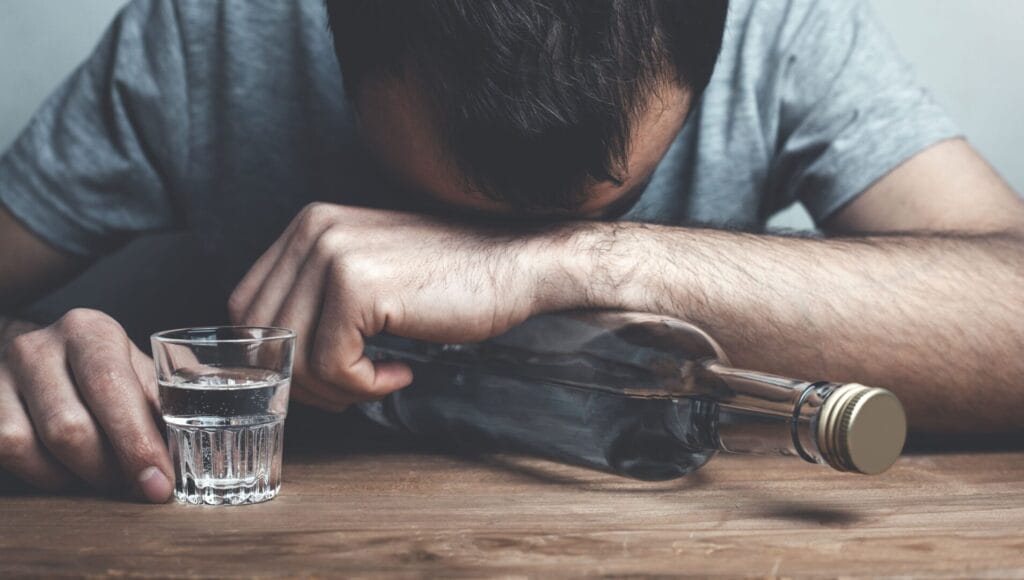
What Is Alcohol Use Disorder? Alcohol disorder, also known as alcohol use disorder (AUD) or alcohol addiction, is a chronic, relapsing brain disorder that affects an estimated 14.5 million people in the United States alone. AUD is characterized by uncontrollable use and preoccupation with alcohol despite its negative consequences. What Is Considered a Standard Drink? The U.S. government defines a “standard drink” as 14 grams of pure alcohol, the amount an average adult can fully process in one hour. In other words, it takes about a glass of beer, a shot of liquor, or half a glass of wine to consume a standard drink of alcohol. Excessive drinking is defined by the National Institute on Alcohol Abuse and Alcoholism (NIAAA) as more than four drinks per day for men or more than three drinks per day for women. Moderate drinking is considered up to two drinks per day for men and up to one drink per day for women. Effects of Alcohol Alcohol is one of the most widely consumed substances in the world. The side effects of alcohol on the body and brain can be hazardous, even deadly. Short-Term Effects of Alcohol Alcohol works as a depressant in the central nervous system, meaning it can slow down brain activity. Behavioral impairment sets in after one or two drinks, but the after-effects of alcohol depend on the person’s size, weight, and tolerance level. Impaired thinking can lead to poor decision-making, heightened aggression, and boldness. Alcohol also impairs physical abilities, especially motor skills and coordination. Short-term effects of alcohol include the following. Feelings of relaxation or drowsiness A sense of euphoria or giddiness Changes in mood Lowered inhibitions Impulsive behavior Slowed or slurred speech Nausea and vomiting Diarrhea Long-Term Effects of Alcohol The adverse effects of alcohol on the body can be devastating. Alcohol, when broken down, can act as a toxin that interferes with the normal function of the body’s system. The short-term effects of alcohol on the brain are well known, but few people realize the after-effects of alcohol on the brain’s long-term health. The long-term adverse effects of alcoholism on the brain include: Persistent changes in mood, including anxiety and irritability Insomnia and other sleep concerns A weakened immune system, meaning the body is more susceptible to illness and disease Changes in libido and sexual function Changes in appetite and weight Problems with memory and concentration Memory and Concentration While under the influence of alcohol, focusing on certain tasks or proper recollection of information may be quite difficult. This state of worsened memory and concentration can worsen the longer alcohol abuse treatment is withheld. Impulse Control Being able to act appropriately is another aspect of life that can be affected by an alcohol abuse disorder. People with this disorder may have trouble controlling their actions and making thoughtful decisions. Emotions, Mood, and Personality Individuals with alcohol use disorder may have negative feelings about themselves or other people. These feelings may grow into bouts of anxiety and may lead to depression. One study found that 63.8% of people with alcohol use disorder also showed prevalent symptoms of depression. Risk Factors for Alcohol Use Disorder Alcohol use disorder (AUD) is a medical diagnosis that describes a range of drinking problems. AUD can range from mild to severe and cause various mental, physical, social, and financial problems. Alcohol addiction affects people of different demographics, and some factors can increase the likelihood of developing a drinking problem or alcohol dependence. These risk factors include the following: Heavy Use of Alcohol If more than three drinks are consumed daily or seven or more in a week, there may be a risk of developing AUD. Binge Drinking Consuming more than four drinks in two hours for women and five drinks in two hours for men puts an individual at a higher risk of developing AUD. For some, binge drinking is one of the most recognizable phases of alcohol use disorder. Ongoing Stress, Anxiety, Depression, or Other Mental Health Conditions If these conditions are not treated properly, they can cause people to have unhealthy coping mechanisms to deal with their emotions. This leads to an increased chance of self-medicating with alcohol and possibly becoming dependent on it. Studies have shown that AUD and anxiety disorders are two to three times more likely to co-occur than on their own. Having Peers or Family Members Who Excessively Drink Alcohol The environment plays a significant role in an individual’s likelihood of developing AUD. Having Genes That Affect Your Sensitivity to Alcohol Some people develop physical alcohol dependence quickly, while others need to drink more before becoming dependent. This is due to their genetic makeup of having a lower tolerance for alcohol. This can make alcohol intake unpleasant for them and reduce the possibility of prolonged alcohol intake and subsequent alcohol use disorder development. Having a Close Relative, Especially a Parent With the Condition In addition to genes causing alcohol sensitivity, genetics does play a role in developing AUD. For example, children whose parents have an alcohol addiction are more likely to struggle with one when they grow up. Alcohol’s Physical Effects on the Body There are numerous physical side effects of alcoholism on certain parts of the body. The most common physical effects are listed below. Central Nervous System Alcohol is a depressant, meaning that it slows down and can even stop the signals sent between the brain and the body. This is why one of the health effects of alcohol involves feelings of relaxation or sleepiness while drinking. This also means that overdrinking can affect the heart rate, breathing rate, coordination, and body temperature. Circulatory System Overdrinking alcohol continually or sporadically can increase blood pressure and worsen existing health problems. Over time, it can also contribute to strokes and heart disease. It raises cholesterol levels (a fatty substance that clogs arteries), increasing heart disease risk. In addition, alcohol increases triglycerides (another type of fat found in the blood). Long-term heavy alcohol use causes severe damage to
Dual Diagnosis: Substance Abuse and Mental Health
What is Dual Diagnosis? Dual diagnosis is a term used to describe a person who has a co-occurring mental illness and a substance abuse disorder. A dual diagnosis can also be described as a co-occurring disorder. The term dual diagnosis is most used concerning addiction treatment and rehabilitation due to how substance abuse can affect an individual’s mental health and vice versa. For example, while struggling with depression, the development of a drinking problem can worsen depressive symptoms. A person with an anxiety disorder who initiates substance abuse may experience heightened anxiety over time. Studies show that people who have either a substance use disorder or a mental health disorder are likely to develop the other.1 Dual Diagnosis Statistics According to the National Institute on Drug Abuse (NIDA), about 50% of people who suffer from addiction suffer from other mental health conditions like anxiety or depression.2NIDA also reports that about 25% of people with a severe mental illness also struggle with substance abuse or dependence issues at some point in their lives.3 These numbers show how common it is for people with addictions to have mental health issues like insomnia or post-traumatic stress disorder. In a dual diagnosis mental illness and substance use go together. Common Co-occurring Disorders and Substance Abuse Substance abuse can lead to various problems. For example, it’s estimated that up to 60% of people with substance abuse disorders have at least one other condition.4 The following list some of the most common co-occurring mental illness and substance abuse problems. Depression The NIDA found that people with depression are twice as likely to develop alcohol or drug addiction compared to those without depression. According to the Anxiety and Depression Association of America (ADAA), patients with major depressive disorder were two times more likely to abuse drugs than those without depression.5 Anxiety Anxiety can cause fear and panic, leading to negative consequences like using drugs or alcohol to feel relief from these symptoms. Therefore, it is vital for people struggling with anxiety to seek treatment for their mental health and consider how their substance use may affect their moods or emotions. Signs and Symptoms of Dual Diagnosis The following are signs and symptoms to look out for in an individual that may be suffering from a dual diagnosis. Common Symptoms of Substance Use Disorder Symptoms of substance misuse include: Increased tolerance to a drugs or medication Withdrawal symptoms when substance use is halted Craving or obsession with the intake of a drug or substance Using certain drugs or substances in more significant quantities than intended Common Symptoms of Mental Health Issues Indicators of mental health issues include: Depression or anxiety Mood swings or irritability Severe mood changes Problems interacting socially Suicidal thoughts Self-harm Recognizing a Dual Diagnosis There are several ways to understand and recognize a dual diagnosis fully. The only way to know for sure is based on the analysis of a healthcare professional. Several criteria must be seen in a patient before a diagnosis is made according to the DSM-5. Suppose a dual diagnosis or any condition is suspected. In that case, it is always best to seek expert care from a trained health care practitioner. Bipolar Disorder This mental health disorder causes extreme shifts in mood, energy levels, and activity levels. It can also cause people to have unusual thoughts or behaviors, leading to substance abuse. ADHD Attention Deficit Hyperactivity Disorder (ADHD) is another mental health disorder that can lead to substance abuse. ADHD causes people to have difficulty focusing and paying attention, making it hard to finish tasks or stick with a plan. To cope with these issues, they may turn to drugs or alcohol to boost their energy levels or help them stay focused on one thing at a time. Borderline Personality Disorder BPD is another mental illness that has been linked with substance abuse and addiction. People who have BPD may have trouble controlling their anger, impulsivity, extreme mood swings, and unstable relationships, which can lead to substance abuse. Eating Disorders Eating disorders are mental illnesses characterized by extreme concern about being overweight and body image. These conditions often involve eating too little food or too much food, leading people struggling with an eating disorder down a dangerous path toward substance abuse. OCD A problem with substance abuse accompanies many Obsessive Compulsive Disorder cases. OCD is a condition marked by constant obsessive thoughts and behaviors that may be repetitive. PTSD People who have PTSD often use drugs or alcohol to numb their feelings of anxiety, depression, and other negative emotions caused by trauma. Unfortunately, substance abuse may also make it difficult for a person with PTSD to function normally in daily life without feeling overwhelmed by flashbacks or nightmares about their traumatic experiences. Schizophrenia Schizophrenia is a mental disorder that affects thoughts, feelings, and behaviors. It causes a breakdown in communication between the brain’s various regions, resulting in multiple symptoms. Schizophrenia leads to a much higher risk of developing substance abuse. In some cases, they are self-medicating to relieve their symptoms. Substance Abuse and Mental Health Disorders: Which One Comes First? It is hard to know which condition comes first because substance abuse and mental health disorders can occur due to one another. Depending on the individual of concern, either condition can come first. For instance, a person with alcohol substance abuse may get depressed. While, people with mental health issues have higher rates of substance abuse, leading to further mental health issues and substance abuse. Whatever condition comes first is dependent on the individual of concern. Risk Factors That May Contribute to Mental Disorders and Substance Abuse Several risk factors that may contribute to substance abuse and mental illness include the following; Genetics Some people have a genetic predisposition towards developing either substance use disorders or mental illnesses (or both). Stressful Life Events Events such as abuse, neglect, or other traumatic experiences can put a person at risk for developing mental health and drug addiction problems. Age Substance use disorders

Does Rehabilitation Work For Alcoholism? Many people struggle with alcoholism. Read on to learn about alcoholism, rehabilitation, and treatment options. Contact Us Us Today What is Alcoholism? The National Institute on Alcohol Abuse and Alcoholism estimates that millions of Americans have alcohol use disorders of varying severity. The occasional social drink or glass of wine with a meal does not signify alcohol dependency. However, when you can no longer control how much or how often you drink, it may be time to seek help. Alcohol addiction, also referred to as alcoholism, or more commonly an alcohol use disorder is a disease characterized by the inability to reduce or stop drinking alcohol. Someone who struggles with an alcohol addiction will continue to drink despite knowing their drinking leads to harmful consequences. Alcohol addiction is a disease that affects the brain. Long-term struggles with alcohol will lead to structural and functional changes in the brain, some of which may be permanent. How Common is Alcoholism? Alcohol use disorders are a struggle faced by many Americans of all ages. The Substance Abuse and Mental Health Services Administration indicates thousands of adolescents and teens, some as young as age twelve, have an alcohol use disorder or “alcoholism.” Data from the 2019 National Survey on Drug Use and Health indicates more than fourteen million adults over the age of eighteen and another 414,000 adolescents and teens ages twelve to seventeen had an alcohol use disorder in the previous year. Alcoholism Signs and Symptoms The signs of alcoholism will look different from person to person. This is because struggles with alcohol use vary in severity. Also, each person with an alcohol use disorder has differing underlying medical and mental health challenges that may impact their alcohol use. While there are several common signs of alcohol abuse, not every alcoholic will have the same symptoms. Some of the more frequent symptoms of alcohol use disorders include: Cravings or changes in mood when not drinking. Drinking alcohol despite the adverse impacts on relationships, finances, jobs, and physical and mental health Neglecting responsibilities at school, work, and at home in favor of drinking Experiencing withdrawal symptoms when you stop drinking Increased co-occurring mental health conditions resulting from alcohol use Increasing isolation and distancing from friends and family Changes in appearance or lack of concern about hygiene Drinking alone or making excuses for drinking Why is Alcohol Addictive? Alcohol is legal to purchase and easy to come by; however, it is also one of the most widely used addictive substances. Alcohol addictions develop for physical and psychological reasons. When you drink alcohol, it causes a “rush” of chemicals in the brain. These chemicals, specifically dopamine and endorphins, produce feelings of happiness, pain relief, and pleasure. When drinking, your brain releases more of these chemicals than it would under “normal” circumstances making you want to drink more and more often to achieve the same sensations. This pattern of alcohol use and abuse typically leads to dependency and addiction. Alcohol Addiction Rehabilitation Options Everybody has different needs to consider when going to rehab for alcoholism. Alcohol use disorders can range from mild to severe, depending on your unique relationship with alcohol. Because addiction is unique to the individual, the type of alcohol addiction treatment (level of care), rehab therapies for alcoholism, and duration of treatment needed will vary from person to person. Detoxification Alcohol detox involves someone choosing to stop drinking. During detox, your body must relearn how to function without substances, and often, this can be unpleasant, scary, or even dangerous. Often, the first step at any rehab for alcoholism is detox. Detox is essential for cleansing the body of any substance that may remain. Without detox, it is impossible to fully immerse yourself in therapy as the effects of alcohol remain. Residential/Inpatient Rehab Inpatient residential programs or inpatient rehabs for alcoholism provide the most effective and comprehensive treatment for individuals looking to overcome alcohol addiction. At an inpatient rehab for alcoholism, you can expect to receive high-level, professional care that addresses the full spectrum of addiction concerns. During alcoholism rehab treatment team will provide support and guidance at all stages of your journey, beginning with detox and continuing through supported aftercare planning. Outpatient Rehab Outpatient rehab programs share similarities to inpatient programs. A critical difference between outpatient rehab and inpatient treatment is the “overnight” component. At an outpatient alcoholism treatment program, you can expect to receive much of the same comprehensive care you would at an inpatient program, but you live at home with your family and loved ones throughout treatment. Many outpatient programs last longer than inpatient as your daily treatment hours are reduced. Intensive Outpatient Treatment Intensive outpatient programs follow the same model as outpatient programs; however, your therapy schedule is more intensive than a traditional outpatient program. For example, an outpatient program may require up to 15 hours each week of therapy, whereas an outpatient program may require 6-8 hours each day. Additional Alcoholism Treatment Options In addition to traditional alcoholism rehab programs, many rehabs like San Diego Detox offer additional treatment options to help patients overcome alcoholism. Examples include: Integrated Treatment Programs Integrated treatment options provide comprehensive, evidence-based care to those struggling with an alcohol use disorder and a co-occurring mental health condition. Holistic Recovery Programs Holistic recovery programs combine traditional therapy models with alternative treatment options such as yoga and mindfulness practices. MAT for Alcohol Rehab MAT or medication addicted therapy uses specific medications as part of the recovery process to help reduce the intensity of withdrawal symptoms and improve relapse prevention ability. Rehab Therapies for Alcoholism Alcoholism treatment involves several proven rehab therapies designed to help you understand alcohol addiction. Therapy teaches you about relapse prevention and safer, healthier ways to manage relapse triggers. Continuing Care The best alcoholism treatment programs ensure a seamless continuum of care that follows you throughout all stages of treatment and recovery, including transitioning from primary treatment to aftercare and beyond. Does Rehabilitation Work for Alcoholism? Alcoholism is
Does Depression Make You More Prone to Addiction

What Is Depression? Depression, also known as a major depressive disorder, is a prevalent medically severe condition that negatively affects how a person feels, thinks, and acts. Depression is considered, in most cases, a treatable condition. Clinical depression causes sadness and a loss of interest in any activity that a person typically enjoys. Being depressed may make a person feel various emotional and physical problems and subsequently decreases an individual’s ability to function properly. Depression is, in the simplest terms, a mood disorder that mainly involves persistent feelings of sadness and loss of interest. Depression is different from mood swings or mood fluctuations which are a part of people’s everyday lives. Depression can be caused by major life-changing events, such as losing a loved one or being fired. It is, however, essential to note that medical professionals only consider feelings of grief as a part of depression if those feelings persist. Does Depression Make You Prone to Addiction? Depression and substance abuse tend to go hand in hand, with individuals seeking to relieve depressive feelings with drugs or alcohol. Depression increases the likelihood of developing an addiction. Addiction and depression, as co-occurring disorders, can be, in most cases, an effect of each other. The Most Common Types of Depression There are different types of depression; there are, however, seven prevalent types of depression; they include the following: Major Depressive Disorder (MDD) This is chronic depression; feelings of sadness and loss characterize it. Persistent Depressive Disorder (PDD) This is also referred to as Dysthymia, it’s not as severe as the MDD, but it can be challenging. The symptoms of persistent depressive disorder usually last for about two months. Bipolar Disorder (BD) This is a mood disorder characterized by some periods of abnormally elevated moods known as Mania. This type of depression comes with physical and emotional symptoms such as feelings of fatigue and pain. Postpartum Depression (PD) This Depression arises from the hormonal imbalance that comes from pregnancy; it can occur during pregnancy or after the birth of a child. It is often called “baby blues”; this could last for about two weeks or even longer. Premenstrual Dysphoric Disorder (PMDD) This type of depression comes before the female monthly menstrual period. It presents as feelings of sadness, irritability, hopelessness, anxiety, and fatigue. Seasonal Affective Disorder (SAD) This variant of depression comes mostly during winter. It comes with a feeling of sleeplessness and weight loss. It is the most difficult to pinpoint, making it easier to go unnoticed for an extended period. Atypical Depression This form of depression does not follow the usual symptoms of depression; it comes with symptoms such as overeating, oversleeping, weight gain, oversensitivity to rejection, etc. in most cases, people who have this kind of depression might not be aware they are depressed as it doesn’t take the face of the usual symptoms of depression. Depression and Co-occurring Addiction Alcohol addiction and depression are common. Individuals who suffer from depression tend to depend on excessive use of alcohol to gain a temporary feeling of euphoria. Alcohol is used to suppress feelings of sadness and anxiety due to its effects on the brain. Depression in Alcohol Addiction Alcohol has a relatively high addictive potential, and its effects are only temporary in masking depression-related symptoms. Alcohol can worsen depressive symptoms as time goes by, leading to addiction and increased addiction severity. Depression and Marijuana Addiction Users have indicated marijuana use to ease the symptoms of depression. It is important to note that this benefit is usually short-term. Consistent use of marijuana to numb depressive feelings can cause high levels of dependency, which often may grow into a full-on addiction. Although marijuana hasn’t been found to cause depression, marijuana smokers are more likely to be diagnosed with depression than individuals who do not smoke marijuana. Depression and Stimulants Addiction Specific forms of depression occur due to a reduction in dopamine levels in the brain. In contrast, most stimulants work by increasing dopamine levels. Although stimulants can help manage depressive symptoms, they often make things worse. Certain studies show that exposure to heightened dopamine levels can cause depression. This is due to different mechanisms in the brain, most notably dopamine receptor downregulation. How to Help Someone with Substance Addiction Empathy involves understanding and sharing another person’s feelings. People who struggle with Addiction and depression go through many physical and, at times, emotional hardships. Try to see things from their perspective and offer them as much support, love, and care as possible. Set Boundaries Setting boundaries can help the road to recovery a lot quicker and avoid relapses. Set financial limits to make it hard for them to fund their addictions and develop specific levels of emotional boundaries without being mean to help them see how serious the problem is. Be Non-Judgmental Try to be supportive and apprehensive of negative behavior without appearing judgmental. This is especially important when dealing with depressed individuals to prevent them from feeling even worse about their situation. Be Honest About the Problem Make the situation clear so they can see the challenges and work through overcoming them. Be apprehensive of negative behavior and call out telltale signs that indicate relapses. Offer Solutions Please read up on their condition and how it affects them. Seek expert care and offer to initiate interactions with professionals who can help. Offer viable solutions and take things one at a time while ensuring they get the care they require. Signs and Symptoms of Depression and Addiction There are several symptoms of depression and substance abuse. Common Symptoms of Depression These include the following: Hopeless outlook on life Loss of interest Lack of sleep Increased fatigue Anxiety Uncontrolled emotions Severe Symptoms of Depression These include: Suicidality Guilt and worthlessness Loss of appetite Common Signs of Addiction These include: Financial issues Extreme mood change Lying Sudden energy change Sense of urgency Secretiveness, etc. How Does Depression Make You Prone to Addiction? Depression and substance abuse are often found together in most cases. Addiction
Dangers of Drug Overdose

What is an Overdose? Hazards due to an overdose of drugs emerge when people consume more medication than their bodies can fully break down, regardless of whether the drug is legal. A person using a legal or illegal drug can experience an overdose of a drug taken for a medical reason or recreationally, and an overdose can be accidental or intentional. How Does Drug Overdose Happen? An overdose happens when a toxic quantity of a substance or medicine is consumed. It is crucial to remember that not all overdoses are fatal or life-threatening; however, if an overdose is suspected or has happened, medical help should always be sought. Dangers of Drug Overdose What an individual feels during an overdose depends on the substance used. Overdoses are prevalent when a person consumes too much of a particular drug, but they can also occur when a person consumes more than one substance, and the interactions between the substances cause unforeseen consequences.1 A stimulant or alcohol overdose might result in seizures. Seizures can cause injuries by striking body parts against the ground or other objects, but they can also cause brief confusion, loss of consciousness, severe headaches, and brain damage. How Long Does a Drug Overdose Last? The duration of a drug overdose varies widely depending on the individual, what was taken, and how promptly they received medical assistance. For example, a person may overdose on alcohol and require stomach pumping. In this case, they may be back at home within a day, and their overdose will be finished. While an overdose of drugs can be frightening, it does not always have to result in death. After an overdose, a person can still live a happy and healthy life, provided the situation is handled correctly. What Does Overdosing Feel Like? Overdoses are hazardous reactions that occur when the effects of a specific chemical exceed the brain and body’s usual working limitations. Severe types of these reactions can have fatal implications in many circumstances. The particular effects of overdose-producing chemicals vary greatly, which means that the sensations experienced during an overdose episode are dependent on the type of substance that caused the reaction. Intentional Overdose Intentional overdoses are considered a kind of self-harm. The figures are significant despite accounting for a small proportion of drug-related mortality. It’s also a shockingly prevalent act among teenagers across the world. In most of these cases, the person is escalating their use of substances, which is the act of drug overdose for suicide. These attempts may include exceeding authorized amounts of a prescription or substance and combining various substances.4 What Drugs Do People Overdose On? Drugs people may overdose on include: Opioids: Because of how they work, opioids are one of the most deadly medications for overdosing because of the drug’s toxicity. Opioids are derived from poppy seeds (or synthesized from comparable substances) and interact with opioid receptors in the brain. Alcohol: When you consume more alcohol than your body can adequately absorb, you have an alcohol overdose. Many people do not consider alcohol when discussing drug overdoses, yet it is possible to overdose on alcohol, which is regarded as a depressant. Stimulants: A stimulant drug, such as ecstasy, speed, or cocaine, raises the heart rate, body temperature, and blood pressure while also increasing breathing. This can potentially result in a deadly heart attack, seizure, or stroke. Long-Term Effects of an Overdose Long-term effects of an overdose include: Liver Damage A pill overdose can permanently damage your liver, causing irreversible scarring of liver tissue (cirrhosis) and, in severe circumstances, leading to life-threatening liver failure. Brain Damage The frontal lobe is particularly vulnerable to injury from overdose-induced oxygen deprivation, which can impair executive function. They may struggle with planning, problem-solving, emotional control, organizing, and paying attention. Damage to the Heart Irregular heartbeats, heart attacks, and strokes can all be caused by drug misuse. Rising heart rate and blood pressure. Some medicines can also slow blood flow to the heart, which can cause the muscles and body to stop working. Neurological Consequences The risk of pharmaceutical overdose is quite real and should not be underestimated. When a person becomes reliant on medicine, they may begin using ever-greater doses of the medication to obtain the same results. This can lead to an overdose and neurological consequences. Higher Risk of Developing Emotional and Mental Problems When people are under the influence of alcohol or drugs, they develop substance-induced problems. Which can affect their mental and emotional state of mind. Higher Risk of Drug Addiction Taking an overdose drug can lead to drug addiction. Signs And Symptoms Of Drug Overdose The possibility of severe side effects, including overdose, is always present with drug usage. Addiction development will always be a risk whether you abuse alcohol, an illegal drug such as cocaine, or prescriptions prescribed by a doctor, such as opiate pills. In many circumstances, if substance misuse behavior continues, there is a significant risk of drug misuse. The signs and symptoms of a drug overdose will be detailed below.2 Dilated Pupils Almost any substance taken in excess has the potential to induce alterations in the user’s eyes. Depending on the type of drug used, different chemicals impact the parasympathetic, sympathetic, or both systems. Unsteady Walking Drug overdose can cause unsteady walking or injury to the legs, feet, joints, bones, muscles, blood vessels, and other soft tissues or the neurological system that governs the movements required for walking. Chest Pain Chest pain is conceivable and can be caused by injury to the heart or lungs. Shortness of breath is possible. Breathing might become quick, slow, deep, or shallow. Difficulty Breathing Opioids can cause respiratory difficulties due to their pharmacological effects, and an opioid overdose can result in mortality. Blue Lips or Fingers Lips and fingers turn blue when the body does not obtain enough oxygen. These are the warning indications of an overdose. Nausea or Vomiting It is possible to experience nausea, vomiting, abdominal pain, and diarrhea. Vomiting blood or passing blood in
Can Someone Go to AA and NA at the Same Time

What Are AA and NA? Alcoholics Anonymous (AA) is a popular nonprofit organization many people join to recover from alcohol addiction. The program promotes abstaining from alcohol through a spiritually inclined 12-Steps program. Going through the 12-Steps allows members to address the roots of their addiction, make amends with those they’ve hurt, and find healthy ways to improve their lives. Similarly, Narcotics Anonymous (NA) is an organization that uses the 12-Steps to help people recover from addiction to narcotics. Research shows that participation in these programs can lead to longer stretches of sobriety compared to people who don’t attend. History of Narcotics Anonymous While Alcoholics Anonymous was founded in 1935, Narcotics Anonymous wasn’t founded for another twenty years. NA was founded in Los Angeles, California, in 1953 by a man named Jimmy Kinnon. The group was created by AA group members who saw a need for fellowship for people addicted to substances other than alcohol. Narcotics Anonymous Meeting Types Narcotics Anonymous meetings are meant to be a refuge for people with addiction. To maintain the meetings as a safe space, rules and different types of meetings offered: Closed Meetings Closed meetings are intended for individuals who identify as having an addiction or believe they may have a drug problem. In closed meetings, people can speak openly and without fear or judgment, knowing that everyone present at the meeting understands what they are going through. Open Meetings Open meetings allow anyone to attend—judges, probation officers, family members, friends, and those who are simply curious about what the meeting entails are all welcome. While attendance is open to all, verbal participation is limited to NA members only. Online Meetings Those who are unable to attend in-person meetings can attend Narcotics Anonymous online meetings. Online NA meetings can be over the phone and through video chat. More information about when virtual meetings take place can be found online. The 12-Steps and Twelve Traditions of Narcotics Anonymous The 12-Steps of Narcotics Anonymous are geared toward the individual, as they consist of twelve principles a person must follow to recover from addiction successfully. The Twelve Traditions are a set of principles for the group to follow, allowing all members to work cohesively and support each other. A Closer Look at the Twelve Traditions The Twelve Traditions of Narcotics Anonymous emphasize common welfare, noting that individual recovery relies on NA unity and maintaining a sense of community. The only requirement to join the group is a desire to stop using, and the primary purpose of the group is to stop the cycle of addiction. NA also maintains a commitment to anonymity, reminding members to place principles before personalities. How Effective Is Narcotics Anonymous? Research has proven the efficacy of NA and its assistance in helping individuals maintain sobriety. One study found that 59% of participants who attended 12-Steps programs (AA and NA) remained abstinent after two years, and 58% still attended meetings regularly. Narcotics Anonymous vs. Alcoholics Anonymous (NA vs AA) While AA and NA are similar, there are some differences between the two groups. They were founded by different people and at different times, but perhaps the biggest difference is the information used to direct each meeting—the books that create the backbone of each program. Focus Alcoholics Anonymous focuses only on alcohol addiction, while Narcotics Anonymous focuses on substance use disorders. NA addresses all drugs, including alcohol. Literature For Alcoholics Anonymous, information for AA meetings and members is found in the Big Book and Alcoholics Anonymous: The Story of How More Than 100 Men Have Recovered from Alcoholism.Resources3 Members of Narcotics Anonymous use a workbook called Narcotics Anonymous Step Working Guide and a basic text, Narcotics Anonymous, as the backbone of their program. Meeting Length Another difference involves the typical length of meetings. An average AA meeting is around one hour, while Narcotics Anonymous meetings are closer to ninety minutes, though timeframes can vary depending on location. Can Someone Go to AA and NA at the Same Time? Yes, people can attend both types of meetings at the same time. For example, people with an alcohol use disorder and substance use disorder can go to Alcohol Anonymous and Narcotics Anonymous meetings. Each program has a different focus but provides similar support and information Treatment for Alcohol and Drug Addiction in San Diego For those interested in addressing a substance use disorder, Narcotics Anonymous meetings could be a great place to start. 12-Steps and group meetings are available in many locations around the world, including addiction treatment facilities like San Diego Detox. San Diego Detox offers 12-Steps programs and a range of other evidence-based therapeutic interventions to help end the cycle of addiction. Alternative Programs Although a Narcotics Anonymous support group can be a good option for treating addiction, it is not a one-size-fits-all approach. Different people respond to different treatment methods, so it’s important to find what works best for you. San Diego Detox offers alternative programs to NA, including proven-effective therapies like cognitive behavioral therapy (CBT), dialectical behavior therapy (DBT), and spiritually focused programs. Whether clients choose an inpatient, outpatient, or detox program, San Diego Detox offers compassionate and comforting care to make sure recovery is as smooth as possible. Don’t hesitate to get help. Contact us at San Diego Detox to learn more about the treatment process. Our team of dedicated professionals is prepared to help you begin the journey toward long-term recovery.
How to Minimize Post-Acute Withdrawal Syndrome from Opiates?

What is Post-Acute Withdrawal Syndrome? When you’re in the early stages of recovering from opioid dependence, post-acute withdrawal syndrome (PAWS), whether mildly unpleasant or extremely uncomfortable, is unavoidable. If the post-acute syndrome persists for a long time, it can become a risk factor for relapse. Post-acute withdrawal syndrome describes a collection of symptoms following the “acute” stage of opiate withdrawal. Acute withdrawal occurs after a professionally supervised detox, and it can result in life-threatening complications and signs of physical discomfort like elevated heart rate, headaches, nausea, and muscular aches. Usually, these symptoms go away in two weeks or less. PAWS refers to the psychological and emotional symptoms that occur during the second withdrawal phase. You are more likely to experience PAWS if you used opioids for a long period of time, and usually in greater doses. When Does Post-Acute Withdrawal Syndrome Occur? Stress or circumstances involving people, places, or things that remind the individual of using opiates can often lead to symptoms. Many people in the recovery phase compare the symptoms of PAWS to a roller coaster that goes up and down, or waves that come and go. Symptoms can switch minute by minute in the early process of quitting substances. The symptoms become less frequent as people enter long-term recovery from alcohol or drug addiction. What Are the Most Common Symptoms of PAWS? To reduce the risk of relapse, you need to be able to recognize some of the symptoms of PAWs. Some of the most common symptoms include: Foggy Thinking/Trouble Remembering: This is also known as mental fuzz. Individuals might notice they have a hard time processing information and remembering things. Cravings: This is one of the common symptoms. You might feel the urge to take opiates, or may feel uneasy if you cannot get opiates. Irritability, Hostility, or Mood Swings: Abstinence from opiates can make you feel overly agitated and hostile. Insomnia or Vivid Dreams Fatigue or Inability to Focus: An individual with PAWS will also experience feelings of extreme tiredness due to the combination of all other symptoms. Issues With Fine Motor Coordination: You might find it difficult to do simple things like tying your shoelaces or buttoning a shirt. Stress Sensitivity: This is when little things bother you more than they used to. Anxiety or Panic: People experiencing acute substance withdrawal syndrome often feel anxious. They may also have panic attacks, increased heartbeat, and shortness of breath. Depression: Individuals experiencing acute substance withdrawal syndrome may be depressed. Why Do We Experience Post-Acute Withdrawal? Whether moderate or severe, post-acute withdrawal is a common step in the early stages of recovering from alcohol or other drug dependence. Consider the withdrawal symptoms as the brain’s attempt to restore the chemical imbalances created when the addiction was active. During the period of drug use, the brain would have adapted and reconfigured to function with those drugs present, so once there’s drug withdrawal, the brain is unable to function properly, which results in the manifestation of post-acute withdrawal symptoms. How to Minimize Post-Acute Withdrawal Syndrome? To minimize post-acute withdrawal syndrome from opiates, the first thing that must be done is gradually reducing the concentration of opiates in the body. This helps to reduce the severity of any of the withdrawal symptoms. Can PAWS Be Avoided? Avoiding PAWS isn’t entirely possible. However, you can effectively manage your symptoms and improve emotionally and physically by sticking to your treatment regimen. It will reduce the risk of relapse and boost your motivation. How Long Do Post-Acute Withdrawal Syndrome Symptoms Usually Last? Depending on the type of alcohol or drug addiction, the amount and frequency of substance use, and other factors (everyone’s withdrawal pattern is a little different), the majority of symptoms only last a few days at a time. In some cases, however, symptoms could last for weeks or even months. How to Cope With Post-Acute Withdrawal Syndrome Here are some of the practical tips on how you can manage the symptoms of PAWS effectively: Self-Care: Self-care is essential to effectively treat the symptoms of post-acute withdrawal syndrome, especially in the first year or two. Take plenty of breaks during the day, and most importantly, take care of your mental and spiritual well-being. Seeking Support: This involves sharing emotions, feelings, and PAWS symptoms you are experiencing with people you trust, like your close friends, peers in 12-steps meetings, family, or counselors. They help you express yourself. Taking Medications: If your doctor prescribes medication, taking it as prescribed is essential even after the symptom has vanished. Avoiding Potential Causes: Avoid scenarios that can cause you to become anxious, stressed, or remind you of past drug use. This will help minimize the symptoms of PAWS. Taking it One Day at a Time: It’s crucial to avoid taking on too much. Putting more emphasis on daily self-care and the victories each day provides can be more beneficial. Common Drugs And Their Associated Post-Acute Withdrawal Symptoms Some drugs can cause severe symptoms of post-acute withdrawal syndrome. These will be detailed below. Marijuana Research shows that abruptly stopping the use of marijuana can cause post-acute withdrawal symptoms once acute detox is over. Common post-acute withdrawal opiate symptoms from marijuana are anxiety, headache, irritability, insomnia, and several physical conditions like changes in appetite and stomach pain. As many people use marijuana daily, and sometimes multiple times a day, suddenly stopping its usage might cause the body to go into enough of a “shock” that causes PAWS. Methamphetamine Common PAWS symptoms for methamphetamine are irritability, insomnia, and poor impulse control. Opioids Common symptoms of post-acute withdrawal syndrome for opioids include poor impulse control, muscle tension, intense craving, anxiety, depression, and insomnia. Cocaine Cocaine is well known for having a variety of long-lasting symptoms. Several users experience sadness, low motivation, weariness, and issues with impulse control. Benzodiazepines Benzodiazepines like Klonopin, Ativan, and Xanax cause common PAWS symptoms, including insomnia, sleep disturbance, irritability, panic attacks, and intense anxiety. Diagnosis of Post-Acute Withdrawal Symptoms There is no specific diagnostic test to confirm
How Effective Is Buspar In Treating Opiate Withdrawal?

What Is BuSpar? BuSpar is a specific brand name for Buspirone (buspirone is the drug’s generic name). Buspirone (or BuSpar) is a type of medication that is classified as an anxiolytic drug, i.e., it is used in the treatment and management of anxiety conditions. Buspirone for anxiety has been proven effective, especially in managing Generalized Anxiety Disorder (GAD). Opiate withdrawal refers to treating and managing opiate withdrawal symptoms to ensure safe, effective opioid withdrawal. Opioid withdrawal is a very vital step in the treatment of addiction. However, it is usually accompanied by many adverse “withdrawal” effects, ranging from merely unpleasant to life-threatening; thus, managing these effects is important. How Effective is BuSpar? Over the years, several drug options have been employed to treat and manage opiate withdrawal, but they have met with limited success. However, one drug (BuSpar) has been touted to be very effective in treating and managing opiate withdrawal. The question is, just how effective is BuSpar medication in treating opiate withdrawal? Is Buspar an Antidepressant? Traditionally, most drugs used in treating and managing opiate withdrawal are mainly antidepressants, primarily due to their sedative and “numbing” effects. However, you should know that not all opiate withdrawal treatment and management drugs are antidepressants. Although BuSpar uses withdrawal treatment and management, and although it does have central activity, buspirone is not an antidepressant. It is an anxiolytic agent with no “direct” relationship with other anxiolytic drugs like benzodiazepines and barbiturates, although buspirone has been known to potentiate the effects of some of these other drugs. How Is Buspar Taken? Buspirone medication is formulated as an oral tablet. BuSpar dosage is usually twice a day, with or without food. It is, however, important that you decide early if you want to take your buspirone dosage for anxiety with or without food. This is because food affects the rate of buspirone absorption into the bloodstream, so if you keep alternating between taking buspirone with and without food, you may experience “variability” in dosage effectiveness. You should note that you must follow your buspirone prescription precisely as prescribed to you by your doctor. This is to prevent and reduce the intensity of the side effects of BuSpar use, as well as avoid BuSpar overdose. Buspar Drug Interactions Buspirone is also known to interact with other drugs and substances. BuSpar use can result in high blood pressure if used concomitantly with monoamine oxidase inhibitor drugs (MAOIs). Also, drugs that affect the functioning and levels of liver enzymes will impact BuSpar levels in the blood due to their effects on the metabolism of buspirone. The use of erythromycin with buspirone will also increase blood buspirone concentration. Buspirone may also interact with several antibiotics, antifungal drugs, antidepressants, and anti-seizure drugs.8 Buspar Warnings and Precautions There are some very important things that you should take note of concerning buspirone. These buspirone warnings and precautions will help safeguard you and ensure you can safely achieve the level of therapeutic results you want. They include: Do not take buspirone for any reason if you have hypersensitivity to the drug. Once you notice any hypersensitivity reactions, notify your doctor, and they will discontinue treatment immediately. If you have any liver-related medical condition or are currently using a drug that impacts liver enzyme levels, you should be very careful when using buspirone. This is because the liver plays a vital role in buspirone removal and elimination, so people with compromised liver function risk having high buspirone blood levels. Do not take buspirone if you’re pregnant or breastfeeding, as it could be dangerous to your baby’s health. Buspirone causes drowsiness, so it should not be taken with alcohol as this may result in further CNS depression. You should also not take it with grapefruits.8 BuSpar Overdose and Withdrawal It is important to note that buspirone overdose is a serious risk associated with buspirone use, so care must always be exercised. If your doctor prescribes buspirone to you, always ensure you follow the dose and dosage regimen strictly. BuSpar Severe Overdose Symptoms BuSpar overdose has been linked with some severe overdose symptoms such as: Nausea and vomiting Dizziness and drowsiness Blurred or impaired vision Stomach upsets Seizures Unconsciousness Ensure to immediately contact emergency services if you notice anyone with these symptoms of BuSpar overdose, as rapid medical intervention is critical to patient survival. Buspar Withdrawal Because buspirone must be taken for a relatively “long” period, it’s likely that the body adjusts to and becomes dependent on buspirone. As a result, it is common for patients who were previously on buspirone to experience buspirone withdrawal symptoms. These symptoms are not as severe as those noticed with benzodiazepine or barbiturates use. BuSpar Withdrawal Symptoms Some BuSpar withdrawal symptoms include: Psychological Symptoms: Increased anxiety Agitation Irritability Nervousness Depression Confusion or impaired judgment Physical Symptoms: Nausea and/or vomiting Dizziness or lightheadedness Headaches Unusual tiredness, drowsiness, or sedation Burning or tingling sensations in the extremities Muscle cramps or stiffness Sweating Changes in blood pressure Difficulty sleeping (insomnia) Abnormal dreams BuSpar Withdrawal Timeline Withdrawal symptoms can begin as soon as 24 hours after the last dose of buspirone. The duration and intensity of these symptoms vary based on factors such as the dosage taken, the length of time on the medication, and individual physiology. Some individuals may experience symptoms for a few days, while others might have lingering effects for several weeks. Generally, the withdrawal timeline depends on how long buspirone treatment was carried out. How Does BuSpar Work? When you use BuSpar for anxiety or any other medical condition, it works by altering the concentration or “levels” of some neurotransmitters in the brain (serotonin and dopamine). Buspirone stimulates the serotonin receptors in the brain, I.e., it is a serotonin agonist. This results in an increase in serotonin production and levels in the brain, thereby causing a lowering of anxiety levels. Serotonin is an important neurotransmitter in the brain associated with various functions, including mood regulation and anxiety reduction. What Is BuSpar Used For? Although BuSpar uses are
Can Soma Help With Opiate Withdrawal?

Managing Withdrawal Symptoms Opiate withdrawal can be challenging to deal with, and in some cases, it has become a regular part of daily life for those who have used opiates for a prolonged time. Despite opiate use and addiction being linked to some seriously debilitating health effects, people attempting to stop using opiates can experience full-intensity withdrawal symptoms. Some of these withdrawal symptoms are just as bad as the side effects of opiate abuse (if not worse).1 Several different medications have been prescribed for treating and managing opiate withdrawal symptoms – one of these is Soma, also known as carisoprodol. Soma is effective as an anxiety medication and muscle relaxant when taken as prescribed. There have, however, been some questions as to whether carisoprodol use genuinely helps with opiate withdrawal. What is Soma? Soma is the brand name for carisoprodol, a medication primarily prescribed as a skeletal muscle relaxant. Soma is usually prescribed to ease pain from muscle injuries like sprains and strains. In addition to using Soma for pain, it is also used in combination with other treatments and physical therapy to treat muscle pain and discomfort. Is Soma a Narcotic? Due to the fact that carisoprodol (Soma) has a powerful muscle relaxant effect, combined with its propensity for causing addiction when abused, many people think Soma is a narcotic; however, that’s not the case. Soma is classified as a musculoskeletal pain reliever, although not under the same class as its parent compound (benzodiazepine). One primary reason for this difference in classification is that although carisoprodol uses include use as a muscle relaxer, Soma for pain alleviation works differently from how narcotic drugs do. How is Soma Used? Carisoprodol (Soma) is a prescription-only drug because of its habit-forming potential, so Soma can only be prescribed by a doctor. You should also follow the exact dosage regimen. Soma is a tablet-form drug taken orally with or without water, as prescribed by a doctor. The normal dosage regimen for Soma is three times a day and at bedtime, for not more than 2-3 weeks. The exact dosage of Soma your doctor will prescribe is usually based on your response to treatment and medical condition. Do not use this drug for a long time or increase your dose as prolonged Soma use does not mean your condition will improve, and the risk of side effects increases. Soma Generic Name The generic name of Soma is carisoprodol. Soma Use During Pregnancy and Breastfeeding This medication should be used with caution for pregnant people, and for those lactating who are using the drug, it is likely that Soma would then be present in breast milk. Soma should only be used when necessary during pregnancy. Soma Overdose and Withdrawal When carisoprodol is taken in excess and for a long period, it can cause addiction. People addicted to Soma usually develop tolerance to the drug; that is, their body adjusts to the presence of Soma, so they will need more or higher doses of the drug to replicate the feeling they want. This eventually results in an overdose. Soma Overdose Symptoms Soma muscle relaxer overdose can be dangerous because it can lead to permanent brain damage or even death without immediate medical attention. You must identify the symptoms of soma overdose so you can call for help when necessary. Symptoms of Soma overdose resulting from Soma drug uses include the following: Chills Extreme sedation Coma Difficulty breathing Palpitations Shock Vomiting Soma Withdrawal Repeated Soma muscle relaxer use leads to the development of addiction and dependence. Abrupt reduction in carisoprodol levels in the body results in the manifestation of withdrawal symptoms as the body has already grown accustomed to and dependent on the presence of Soma. Soma Withdrawal Symptoms The severity and nature of symptoms experienced depend on factors like the quantity of drug you’ve been consuming, general physical and mental health, method of drug use, and how long you’ve been battling with addiction. These are some of the symptoms of Soma withdrawal: Excessive sweating Diarrhea Fatigue and exhaustion Chills Headaches Nausea and vomiting High temperature Restlessness Muscle and bone pain Heart palpitations Anxiety and paranoia Depression Auditory and visual hallucinations Panic attacks Seizures Soma Withdrawal Timeline When you stop using carisoprodol, withdrawal symptoms surface 12-48 hours after taking the last dose, and they might persist for at least two days after the onset. The severity and time of withdrawal symptoms depend on the length of use and dosage. Also, people who combine Soma medication with other medications like benzodiazepines, alcohol, and opiates might expA young doctor of Asian descent and an elderly patient of African descent are indoors at the woman’s home. The doctor is talking to the woman while holding a tablet computer. They’re both deciding what the woman’s next steps should be.erience more prolonged and severe withdrawal symptoms. If you notice any withdrawal symptoms after completing your Soma dose regimen, it is recommended that you seek medical attention immediately. What Is Soma Used for? Soma is used for two major types of conditions:5 Painful Musculoskeletal Conditions: Soma is usually used to provide relief from painful acute musculoskeletal conditions like tendonitis, bursitis, arthritis, and so on. Soma for pain is only used for acute pain treatment because it can cause addiction if used for too long, so it cannot be used for treating chronic pain conditions which can last for weeks or even months. Muscle Relaxant: Carisoprodol (soma) is also prescribed as a muscle relaxant, and it functions by stopping the transmission of pain sensation between the brain and nerves. Can Soma Help With Opiate Withdrawal? Although Soma is used to manage painful musculoskeletal conditions and injuries, soma can help with opiate withdrawal. When Soma is taken, its muscle relaxant effects help it produce a sort of “sedative” effect similar to benzodiazepines. This effect, in combination with its ability to provide excellent pain relief, ensures it can be used in conjunction with other medications and therapy to help with opiate withdrawal symptoms.6 Soma Side
Does Gabapentin Help with Withdrawal Symptoms?

Role of Gabapentin in Detox Treatment for substance abuse usually commences with detoxification, encompassing withdrawal and gradual reduction of the abusive substance within the body. The process of detoxification or withdrawal, however, poses risks as it often goes hand-in-hand with various withdrawal side effects. These could potentially be hazardous or life-threatening. Numerous medications, such as Gabapentin, are prescribed during withdrawal to assure patient safety and overall well-being. Understanding Gabapentin for Alcohol Withdrawal Over the years, Gabapentin has been used successfully to treat and manage alcohol withdrawal symptoms and prevent addiction relapse. The success of Gabapentin for alcohol withdrawal could potentially be emulated for managing withdrawal symptoms associated with detoxification from other addictive substances. Various Applications of Gabapentin Though Gabapentin’s primary role is in treating and managing seizures (particularly partial seizures), it is utilized for various other conditions. The benefits of Gabapentin encompass: Prevention and Control of Partial Seizures: Gabapentin, functioning as a muscle relaxant, is a first-line medication for treating and managing focal or partial seizures. Nonetheless, it does not exhibit effectiveness for seizures triggered by generalized epilepsy. Relief from Nerve Pain Post Shingles in Adults: Shingles, also known as herpes zoster, is a viral infection characterized by a red skin rash causing pain and burning. Gabapentin can help alleviate nerve pain caused by shingles. Treatment for Moderate-to-Severe Primary Restless Legs Syndrome: Gabapentin also has a role in managing Restless Legs Syndrome (RLS), a medical condition marked by discomfort and a powerful urge to move legs, especially while sitting or lying down at night. Insomnia: Gabapentin is also frequently prescribed for treating insomnia. Administering Gabapentin Gabapentin comes in several different dosage forms, allowing you to select the one you’re most comfortable with. The dosage forms include tablets, oral solution, and capsules. Strict adherence to the recommended dosing regimen for Gabapentin is necessary for optimal treatment results. Always follow the Gabapentin dosage regimen as directed by your doctor. Common side effects of Gabapentin in adults encompass tiredness, dizziness, headache, nausea and vomiting, fever, difficulty speaking, recurring infections, memory loss, and weight gain. Using Gabapentin to manage addiction withdrawal symptoms has associated risks. In cases of missed doses or overdoses, contacting your healthcare provider for guidance is vital. Potential Interactions of Gabapentin Gabapentin can interact with other medications, occasionally leading to severe medical complications. Drugs known to interact with Gabapentin include those that can cause drowsiness or breathing difficulties, such as opioid pain relievers, cough relievers like codeine, alcohol, anti-anxiety drugs like lorazepam, antihistamines like diphenhydramine, and muscle relaxants like cyclobenzaprine. Other products, such as herbal medications and vitamins like vitamin B12 and C, have also shown interaction with Gabapentin. Addictive Nature and Withdrawal Symptoms of Gabapentin Though not as addictive as opioids and other substances, a recent surge in Gabapentin prescriptions suggests potential addictive qualities. Also, prolonged use of Gabapentin has been linked with mild to severe withdrawal symptoms. Addictive Nature and Withdrawal Symptoms of Gabapentin Though not as addictive as opioids and other substances, a recent surge in Gabapentin prescriptions suggests potential addictive qualities. Also, prolonged use of Gabapentin has been linked with mild to severe withdrawal symptoms. Gabapentin and San Diego Detox If you are currently on a Gabapentin prescription or considering Gabapentin for managing addiction withdrawal symptoms, San Diego Detox is ready to provide the necessary guidance and answers. Reach out today at 619.433.6560 for more information about relief from your withdrawals! Resources https://www.ncbi.nlm.nih.gov/books/NBK493228/ https://www.medicalnewstoday.com/articles/323681 https://www.healthline.com/health-news/is-gabapentin-effective-treatment-for-alcohol-withdrawal-symptoms https://medlineplus.gov/druginfo/meds/a694007.html https://www.healthline.com/health/shingles https://www.webmd.com/drugs/2/drug-14208-8217/gabapentin-oral/gabapentin-oral/details https://www.drugs.com/drug-interactions/gabapentin-with-norco-1147-0-71-8487.html https://www.verywellmind.com/gabapentin-withdrawal-symptoms-timeline-and-treatment-4176217