
Is Binge Drinking a Sign of Addiction?

What is Binge Drinking Binge drinking is the consumption of excessive amounts of alcohol in a short period. Binge drinking is the most widespread, costly, and dangerous form of alcohol misuse. In clinical terms, binge drinking is an episode of alcohol consumption that raises blood alcohol levels in the human body to as high as 80 miligrams of alcohol per 100 miligrams of blood or more. What is Considered Binge Drinking? Generally, four or more alcoholic drinks in two hours or less can be considered binge drinking. Also, drinking to get drunk quickly can be considered binge drinking if a person has to drink heavily in a short amount of time. However, it’s hard to determine how many drinks or how long constitutes binge drinking because of individual variability. When trying to pinpoint binge drinking, the number of drinks consumed is considered based on gender, age, height, and weight of the individual. Is Binge Drinking a Sign of Addiction? Binge drinking can be a sign of alcohol substance addiction, but this is not always the case. An individual can consume a seemingly excessive quantity of alcohol and have no signs of an addiction. However, when an individual can no longer cut back on excessive alcohol drinking when necessary, then a binge drinking habit can be classified as a sign of an addiction. Binge Drinking vs. Alcoholism The National Cancer Institute defines alcoholism as a chronic disease that causes constant cravings for alcohol and an inability to control alcohol drinking. Alcohol dependency is the hallmark of alcohol use disorders and alcoholism. This involves a physiological or psychological dependence and the precipitation of unpleasant withdrawal symptoms when alcohol use cessation is attempted. Not all binge drinkers develop alcohol drinking dependency, and some can quit alcohol abuse without resultant withdrawal symptoms. People binge drink for many reasons, including peer pressure, social interactions, and boredom. Most of these people can go through days without alcohol drinking. Also, unlike alcoholism, binge drinking is not considered a mental health condition. However, the risks of binge drinking are severe, likewise those of alcoholism. Binge Drinking, Causes and Risk Factors The causes of binge drinking encompass factors that can make an individual decide to binge drink. These factors act as triggers for excessive drinking alcohol or heavy drinking. Binge drinking risk factors increase an individual’s chances of developing a binge drinking problem. What Causes Binge Drinking? Here is the cause of binge drinking: Social Pressure To feel less awkward in social settings, some individuals may abuse alcohol due to the drinking habits of those around them. Others binge drink because they think alcohol can give them the confidence to interact with others. Young people may feel pressured to binge drink at seasonal events due to peer pressure or because the opportunity presents itself. Several individuals binge drink to temporarily relieve themselves of feelings such as sadness, anger, guilt, fear, anxiety, or anger. Risk Factors for Binge Drinking Risk factors for binge drinking include: Biological Factors Having a natural history of alcoholism in family history can increase individual chances of binge drinking. Mental Health Conditions Individuals suffering from mental health conditions like depression, anxiety, or bipolar disorders tend to turn to alcohol for comfort and coping methods. Environmental Factors In areas or events like parties with easy access to alcohol, individuals around such sites have higher chances of binge drinking. How Common is Binge Drinking? Binge drinking is common amongst several demographics. According to the 2019 National Survey on Drug Use and Health (NSDUH), 25.8% of people 18 years or older in the United States admitted to binge drinking in a month. Coincidentally, binge drinking is nearly twice as common in men than in women. Preteens and Teens According to a 2019 study by the NSDUH, approximately 11.1% of preteens and teens binge drink between the ages of 12 and 20. Binge drinking and alcohol usage within this age range is hazardous and can interfere with normal brain development and increase the risks of developing alcohol use disorders. Young Adults Research shows that binge drinking and other forms of heavy drinking are prevalent among young adults, especially college students. Another study also showed that college students are more likely to binge drink because of alcohol availability, academic-related stress, and increased peer and social pressure to drink. Young adults engaging in binge drinking are more likely to engage in other risky behaviors and face the most binge drinking health risks. Older Adults A study carried out in 2018 showed that when covering the older adult demographic in the US, in every six people, one person is a binge drinker. Research also noticed binge drinking among those with higher family incomes. Women Approximately 13% of women reported binge drinking four times within a month. Another study showed that 4.5% of women binge drink even while pregnant. Research also shows that women face high binge-drinking health risks. Health Risks and Negative Effects of Binge Drinking Binge drinking effects on the body can exist on physiological and psychological levels. Binge drinking is associated with many health problems, one of which is alcohol poisoning. Too much alcohol present in the system that the liver cannot clear may become poisonous and cause an immediate health emergency. Unintentional injuries, accidents that could be avoided, falls, and burns are also side effects of binge drinking. In addition, binge drinking can raise a person’s aggression level, increase episodes of self-harm through suicide and assault and violence directed at others, and impair a person’s ability to think and act appropriately. Short-Term Effects of Binge Drinking The short-term effects of binge drinking are the consequences of binge drinking felt almost immediately and can most times be gotten over within a short while. The short-term effects of binge drinking include a relaxed effect, reduced tension, and varying degrees of alcohol intolerance. Other short-term dangers of binge drinking include drowsiness, falls, accidents, inability to think correctly, speech, vision, and breathing difficulties. Some severe short-term effects include sudden heart failure and alcohol
What is MAT Treatment for Addiction? Everything You Should Know
What Is Medication-Assisted Treatment? There are several common addiction treatment and management options employed to help with recovery for patients. One of these treatment options that have proven effective for addiction therapy is medication-assisted treatment (MAT). MAT is a treatment method that employs medications alongside psychological therapy, such as behavioral and counseling therapies, to deliver an approach considered “whole-patient” for substance use disorders. MAT is mainly used for the treatment of addiction to substances known to contain New Windowopiates; examples of such opioids are heroin and prescribed pain relief. MAT helps block the euphoric effects of opioids and alcohol intake, thereby relieving physiological cravings and ensuring the body returns to its normal function without any effect of the used substance. It can help patients sustain recovery and prevent overdose. It also helps to reduce relapse events by treating issues that can cause self-medicating. MAT treatment plans are clinically designed to effectively meet each patient’s need; that is, MAT provides patients with a special design program of medication to suit their personal needs combined with psychological therapy. All the medication that is used for treatment in MAT are all approved by the Food and Drug Administration (FDA).1 Medication-Assisted Treatment Misconceptions Medication-Assisted Treatment Statistics Several statistics support MAT in managing addiction and substance abuse disorders. For example, studies have shown that MAT has not only been an effective addiction treatment choice, but it has also been used to curtail the spread of infectious diseases such as Hepatitis A, B, and C, HIV, and related diseases. MAT is also an effective treatment for preventing overdose occurrence as well as reducing the risk of relapse. In addition, a study carried out in Vermont showed that close to 1.5% of people currently residing in the state are on medication-assisted treatment, meaning it has helped many people overcome differing issues.2 Is Medication-Assisted Treatment Effective? MAT is an addiction treatment option that aims for a patient’s full recovery. They have been clinically proven in multiple settings to be effective in treating addictions to opioid cases. Overall, medication assisted treatment is effective for the following reasons: MAT has been shown to be effective in improving the survival of addiction patients during withdrawal therapy. It helps with the increased retention in treatment. It is effective in decreasing dependence on and use of illicit drugs, especially opioid-containing substances. MAT is also an effective treatment used to safely treat pregnant women with substance use disorder. A Deeper Look at Medication-Assisted Treatment for Opioid Use Alcohol Use Disorder Alcohol use disorder is a chronic addiction characterized by uncontrollable alcohol drinking and abuse. A person with alcohol use disorder has, in essence, developed an emotional and physical dependence on alcohol despite any accompanying health or financial issues. MAT helps in the treatment of alcohol use disorder by assisting in decreasing cravings for alcohol. The treatment may also cause unpleasant side effects that manifests when alcohol is consumed again. This decreases the urge or desire to drink. Stimulant Addiction Stimulant use disorders are the excessive consumption of a psychoactive drug. It can also be referred to as the non-medical use of a stimulant drug. This drug abuse usually results in emotional harm and physical and social injury. MAT treatment for stimulant addiction involves prescribing certain medications that aid in reducing cravings and withdrawal symptoms, causing a drastic decrease in addictive behavior and improving the mood of patients.4 How Does MAT Work? Medication-assisted treatment can be carried out in two different ways: In the first method, the doctor can give the patient undergoing addiction treatment an opiate that acts on similar receptors in the brain but does so via a different process. This “process difference” usually means that the opiate prescribed takes a longer period to be absorbed into the blood and distributed to the brain cells. This staves the urge and symptoms of withdrawal by severing the link between drug intake and the sudden high feeling.3 In the second method, doctors can also opt to prescribe an opioid antagonist instead of an opiate. In this case, the opioid antagonist will attach itself to the same receptors on the brain cell that opioids attach to, thereby preventing any opiate intake from actually having any effect, as they will be unable to bind with the now-occupied brain cell receptors. As a result, the patient will not experience any high feelings. However, if a patient stops using the opioid antagonist and continues to take opioid-containing substances during a relapse, the consequences can be fatal. Patient opioid tolerance levels decrease significantly after successfully completing the opioid antagonist treatment leading to sobriety.3 What Does Medication-Assisted Treatment Work For? MAT works and has proven to be successful for several cases of substance abuse and addictions. The following are some of the conditions that MAT can be used for. Opioid Use Disorder Opioid use disorder is the inability of a person to control the intake of an opiate substance. This usually occurs as a result of dependency from continuous opioid abuse. The “culprit” opioid is usually obtained from illegal substances, although opioid-containing pain relief meds have also been known to cause dependence. When there is prolonged, repeated exposure to these substances, the body eventually develops dependence, and it becomes unable to function properly without them, thereby causing withdrawal symptoms. MAT is effective for treating opioid use disorder thanks to its receptor-blocking effects. This means that MAT inhibits the effects opioids have on the body. New WindowMedication-assisted treatment for opioid addiction also helps to get rid of the withdrawal symptoms and cravings that might follow opioid withdrawal. Approved Medication for Opioid Addiction There have been several different drugs used in MAT over the years. Current MAT treatment options, like methadone and suboxone medication, along with other related medications, have proven to be quite effective in the treatment and management of substance use disorder. Medications that are currently employed for effective opioid addiction treatment include methadone, buprenorphine, and naltrexone. All these medications are approved by the FDA. Methadone This medication is used
Is Bradycardia a Marker of Chronic Cocaine Use?
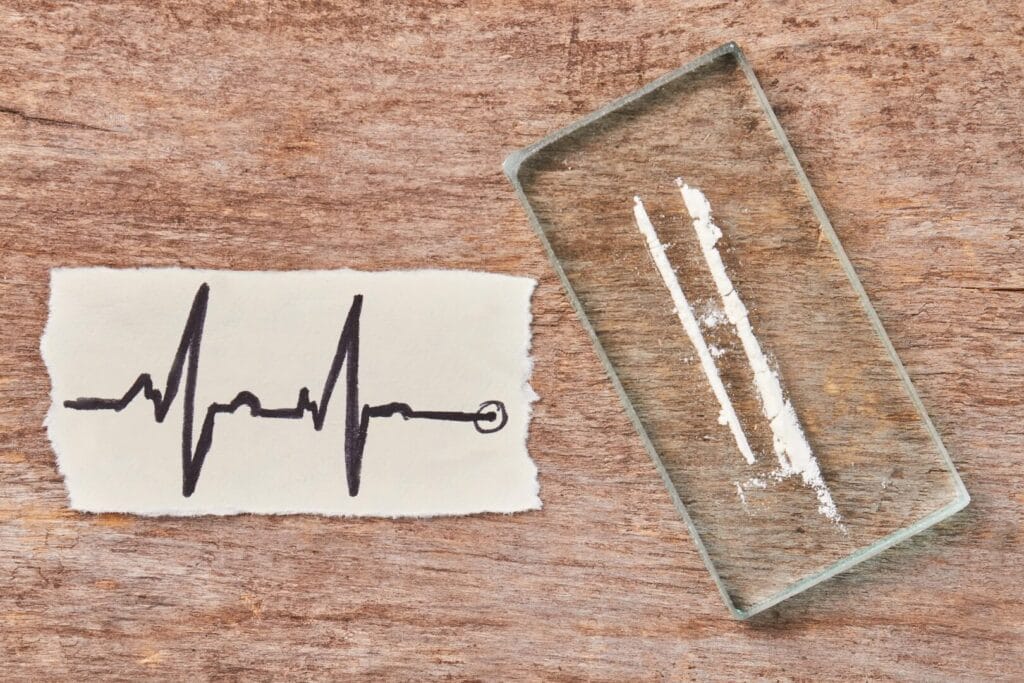
Understanding Bradycardia Bradycardia is clinically defined as a slow heart rate. The adult heart typically beats between 60 to 100 times per minute at rest. However, athletes and the elderly sometimes have a slow heart rate of 60 bpm or less when sitting or lying down. In athletes, slower heart rates result from heart muscle strengthening from constant exercise. As a result, more blood is supplied to the body with each heartbeat than non-athletes. Several drugs cause bradycardia, whereas bradycardia is sometimes caused by an abnormal cardiac rhythm (arrhythmia). What is Drug-Induced Bradycardia? Drug-induced bradycardia is slowed heart rate caused by the ingestion of a drug or medication. Bradycardia has been linked to cardiac and noncardiac medicine, affecting the heart rate. Clinical drugs that cause bradycardia include cardiac glycosides, calcium channel blockers, antidepressants, beta-blockers, neuromuscular blockers, and alpha/beta-adrenergic blockers. In addition, drug-induced bradycardia may help treat conditions that cause tachycardia (faster than average heart rate). According to some studies, some recreational drugs can also cause drug-induced bradycardia. Most psychostimulants have similar and frequently severe effects on the cardiovascular system. Cocaine, Amphetamines, and Methamphetamine are examples of drugs that cause bradycardia. Is Bradycardia a Marker of Chronic Cocaine Use? Cocaine use, especially when continued over a long time, is one of the drugs that cause bradycardia. Cocaine dependency was associated with a 95% increase in the risks of Bradycardia and severe Bradycardia, according to a 2014 study. Cocaine dependence is also associated with a 5.84 bpm reduction in resting heart rate. A similar study in 2010 also showed that chronic cocaine use was associated with a significantly increased incidence of sinus bradycardia. Therefore, regular cocaine use does not only cause bradycardia, but it is also one of the drugs that cause sinus Bradycardia. Bradycardia Causes and Risk Factors: What Causes Bradycardia? Several issues may result in the development of bradycardia. These will be detailed below. Drugs Several drugs, when ingested, may reduce heart rate over time or immediately. These drugs include the following: Amphetamines, verapamil, cocaine, antidepressants, beta-blockers, cardiac glycosides, and neuromuscular blockers. These are all examples of drugs that cause bradycardia. Other Causes Of Bradycardia Apart from the influence of drugs and certain substances, there are other causes of bradycardia due to physiological changes in the body. These include: Chemical imbalances in the blood, such as the imbalance of potassium or calcium Breathing pauses that repeatedly occur during sleep (obstructive sleep apnea) Inflammatory disorders such as rheumatoid arthritis and lupus Muscle inflammation of the heart Low thyroid function Risk Factors of Bradycardia During the diagnosis of bradycardia, certain factors are linked to the development of bradycardia. These include: Old age Hypertension History of heart disease Chronic cocaine use History of substance abuse Congenital heart defect Certain forms of anxiety and stress The use of medication and drugs that cause bradycardia Common Drugs That Cause Bradycardia Many clinical and non-clinical drugs cause bradycardia. These are a list of drugs that may cause bradycardia: Cocaine Cocaine is a highly addictive stimulant that affects the central nervous system. As part of its long-lasting effect, cocaine is commonly known to cause cardiovascular effects such as dysrhythmias, endocarditis, myocardial dysfunction, and aortic dissection. Studies have also shown cocaine users to be at a higher odd of developing bradycardia over prolonged use. Beta-Blockers Beta-blockers are utilized to help manage patients with abnormal heartbeat rates. For example, they effectively prevent a second heart attack in patients who have suffered an initial heart attack episode. Beta-blockers function by blocking adrenaline’s effects in your body, which invariably slows the heart rate. Some Beta-blocker drugs include Atenolol, Betaxolol, Carvedilol, and Nadolol. Non-Dihydropyridine Calcium Channel Antagonists These drugs treat heart-related problems, including irregular heartbeats (arrhythmia), hypertension, and angina. By blocking the calcium channels in the heart muscle, these drugs reduce the high flow of calcium into the cardiac muscle cells. This results in a reduced heartbeat and a well-contracted heart muscle. Examples of non-dihydropyridine calcium channel antagonists include Amlodipine, Azelnidipine, Benidipine, and Barnidipine. Digitalis Digitalis, commonly known as “foxglove,” is a drug gotten from the plant Digitalis Purpurea and is used in treating various heart conditions. Digitalis helps increase the heart’s output to meet the body’s demands when the heart becomes weakened due to disease, coronary artery, heart failure, etc. Even with its therapeutic benefits digitalis is one of the medications that cause bradycardia. Digitalis intake increases the inflow of calcium into the heart cells to stimulate the heart and cause an increased and stronger heartbeat. Digitalis drugs include Digoxin, Lanoxin, lanoxicaps, Digitex, etc. Anti-Arrhythmic Drugs Antiarrhythmic drugs are generally used for dealing with different abnormal heart rate conditions. These drugs essentially fall under four classes: Sodium-Channel blockers, Beta-blockers, Potassium channel blockers, and calcium-channel blockers. In addition, antiarrhythmic drugs include Flecainide, Procainamide, quinidine, etc. Other Drugs Apart from the above-listed medications that cause bradycardia, several other drugs with side effects are likely to induce bradycardia. Some of these drugs that cause bradycardia include: Sympatholytic antihypertensives Tedisamil Carbamazepine Cimetidine Antidepressants Lithium Opioid blockers Treatment for Bradycardia People with bradycardia would require treatment to prevent the worsening of their condition. In this case, doctors often administer treatments through bradycardia medications, pacemakers (a device used to maintain a steady heartbeat), and by treating other underlying conditions responsible for bradycardia. Medications for Bradycardia There are several bradycardia medications which include: Atropine/Atropen: Atropine belongs to a class of drugs called anesthetic premedication agents. Atropine is a commonly used bradycardia treatment drug. In surgical operations, these drugs combat low heart rates by blocking the slowing effect of the vagus nerve. This leads to a high electrical discharge responsible for the subsequent heart rate increase. AtropineAtropen can be taken alone or in conjunction with other medications. However, patients should avoid atropine use if bradycardia is caused by hypothermia. Atropine is one of the most effective low heart rate medications used for treatment of low heart rate. Epinephrine/Dopamine Epinephrine and Dopamine are used as backup drugs when treating bradycardia. In addition, they are used as an effective alternative
Is Alcoholics Anonymous The Most Effective Path to Alcohol Abstinence

What is Alcohol Abstinence? When someone struggles with an alcohol use disorder and wants to stop drinking alcohol, alcohol abstinence will likely be recommended. Many different treatment programs encourage abstinence from alcohol when someone struggles with a drinking problem, including alcoholics anonymous. This article will discuss alcohol abstinence and whether alcoholics anonymous is the best treatment option to achieve abstinence when trying to quit drinking alcohol. Alcohol Abstinence Meaning Alcohol abstinence means abstaining, or avoiding, drinking alcohol. Alcohol use disorder abstinence is common during addiction treatment when someone struggles with a drinking problem. Achieving long-term abstinence from alcohol can be a difficult task, but there are many resources available that can help when trying to stop drinking alcohol. Alcohol Abstinence Self-Efficacy Scale The alcohol abstinence self-efficacy (AASE) scale is a 20-item self-report that can be used to determine a person’s likelihood of successfully abstaining from alcohol use. The AASE scale has shown to be effective for determining the proper route of treatment for an individual struggling with alcohol abuse and helping people understand what triggers might cause trouble during abstinence from alcohol. Abstaining from alcohol has several health benefits that extend beyond recovery. Physically, it allows the liver to heal, reduces the risk of cardiovascular diseases, and improves sleep patterns. Mentally, individuals often experience better mood stability, enhanced cognitive function, and reduced anxiety and depression. For those struggling with alcohol use disorder, complete abstinence is often the safest and most effective approach to regaining control over their lives. Benefits of Alcohol Abstinence There are many positive effects of alcohol abstinence, especially those who struggle with addiction. Alcohol abstinence benefits include: Avoiding accidents or other adverse outcomes of heavy drinking Heart health may improve Liver health may improve Weight loss Improved relationships Better sleep Lower risk of cancer Lower blood pressure Improved cognitive functioning Alcohol Abstinence Timeline During alcohol addiction treatment, there is a common timeline of alcohol abstinence. Knowing the timeline for alcohol abstinence will help you get a good idea of what to expect from the treatment process. 2 to 12 Hours Within 2 to 12 hours of stopping drinking and beginning an alcohol detox, you will experience the onset of withdrawal symptoms. Many of the early withdrawal symptoms will be mild during this time. 12 to 24 Hours Withdrawal symptoms will continue and may worsen during this time. Many people will begin to experience alcohol cravings at this point. 24 to 48 Hours This is the period where the most severe withdrawal symptoms will occur. Medical attention is recommended during this time to ensure safety. 48 to 72 Hours During this period, withdrawal symptoms will begin to recede or become more manageable. 3 to 7 Days At this point, most withdrawal symptoms will have stopped. After this point, many people will still experience alcohol cravings, which makes it important for continued support and treatment to ensure success and maintain sobriety. Alcoholics Anonymous for Alcohol Abstinence Alcoholics Anonymous (AA) is an alcohol use disorder abstinence program. When trying to stop drinking alcohol, AA may be an excellent option to turn to. AA is a 12-step program that involves regular support group meetings while following 12 steps toward recovery and continued abstinence from alcohol. Many alcohol abuse abstinence programs will use AA or may recommend AA meetings as a form of aftercare after completing an entire addiction rehab program at a treatment center. How Effective is AA For Alcohol Abstinence? While AA can be an effective program for alcohol abstinence, it isn’t suitable for everyone. Those who struggle with severe alcohol use disorders may require more comprehensive treatment options provided at an addiction treatment center. Some people also don’t find AA suitable for them since it is based on religious concepts, and some of the wordings of the 12 steps can be off-putting to some people. So, while AA is effective, it is not the proper treatment method for everyone. If you are struggling with an alcohol use disorder, talking to your doctor or an addiction treatment professional is a good idea to understand the best options for your needs. AA can be an effective alcohol abstinence program, and there are many success stories of people who used AA meetings to achieve and maintain long-term sobriety. The effectiveness of AA will often depend on the individual, their needs, and their commitment to following the program. Alcohol Abstinence vs. Moderation While alcohol abstinence and alcohol moderation may sound like similar terms, there is a difference between the two. There are many different reasons why someone may choose either abstinence or moderation of alcohol use. It’s important to consider your individual circumstances and needs when choosing between the two. What is Alcohol Moderation? Alcohol moderation is when someone cuts back on drinking alcohol but does not completely stop drinking. There are many reasons why someone may choose to moderate alcohol use, including saving money, weight loss, or trying to avoid negative consequences that come with frequent alcohol use. Moderation of Abstinence in Drinking Alcohol There are many different reasons why someone may choose either moderation or abstinence from alcohol. To choose the one that is the best fit for you, it is important to determine your specific circumstances and the results you would like to achieve. When is it Better to Focus on Alcohol Abstinence? For those who struggle with alcohol addiction, total abstinence from alcohol is usually recommended. Alcohol use disorder abstinence is common in most addiction treatment programs, as those who struggle with a severe drinking problem will need to avoid drinking to recover appropriately. Other people who struggle with health issues or want to avoid the adverse effects of drinking alcohol may also choose to abstain from drinking, even if they don’t struggle with an alcohol use problem. When is Moderation a Better Strategy for Alcohol Use? If you don’t struggle with an alcohol use disorder but would like to cut back on drinking for many reasons, alcohol moderation may be a good option. Moderation of alcohol may
Is Oxycontin Similar to Heroin
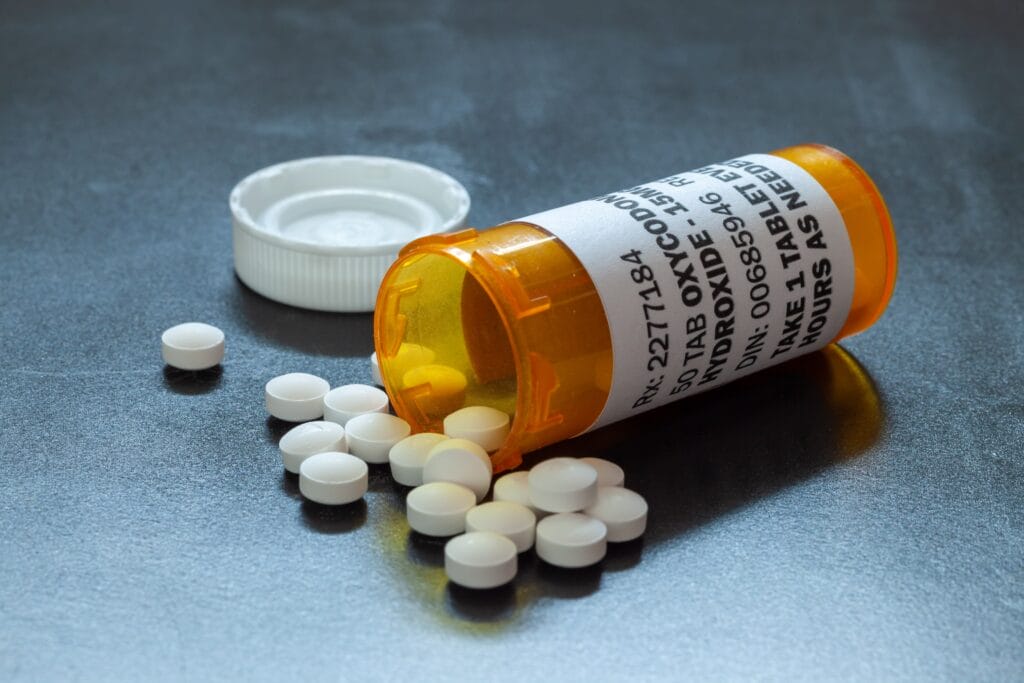
What is Heroin? Heroin is a psychoactive, addictive drug. It is an illegal or “street” drug, and it can be found in the form of a white or tan powder, or a black, sticky substance called “black tar” heroin. Most people who use heroin began after using other substances, like prescription painkillers. Heroin is part of a class of drugs known as opioids. Opioid overdoses have been on the rise in the last decade, and this increase can be attributed to the misuse of prescription painkillers like Vicodin and Oxycontin. Is Oxycontin Similar to Heroin? Oxycontin is similar to heroin in that it is an opioid that produces a euphoric high when used, but different in that it is a prescription drug that is legal when prescribed. However, many people use the drug illegally. Below, we’ll discuss more about Oxycontin, including Oxycontin side effects, Oxycontin vs. oxycodone, and how to spot Oxycontin addiction. Oxycontin vs. Oxycodone: Is Oxycodone the Same as Oxycontin? When thinking about Oxycontin vs. oxycodone, some may wonder the difference. Oxycontin and oxycodone are the same drug; Oxycontin is just the name brand for oxycodone. Oxycodone can be marketed alone or as Oxycontin 10 Mg up to 120 mg prolonged-release tablets. Some may have misconceptions concerning Oxycontin vs. oxycodone and believe the substances are different drugs, but essentially, they are just different names for the same substance. Behavioral Signs and Symptoms of Oxycontin Addiction People who use Oxycontin will typically experience immediate effects, including feelings of relaxation, euphoria, pain reduction, anxiety, and increased sedation. People misuse Oxycontin because of the euphoric high that can be achieved from the drug. However, someone using or misusing the substance may also exhibit the following Oxycontin side effects: Dry mouth Dilated pupils Sweating Weakness Poor hygiene or grooming Depression Constipation Extreme fatigue Dizziness Loss of appetite Several severe side effects can occur when using the drug, including low blood pressure, lightheadedness, slowed breathing, and cardiovascular issues—including heart attacks. In severe cases, death or coma can occur. Long-Term Issues with the Use of Oxycontin There are several issues associated with the use of Oxycontin, including long-term consequences. If someone uses the medication for more than a short amount of time, they may: Develop severe tolerance to the drug, where they need larger and larger amounts to feel its effects Develop opiate use disorder, which has the potential to take over your life to the point where your daily activities revolve around the drug Face liver and kidney failure, in some rare cases Experiences changes in the brain that can lead to issues with memory, attention, and problem-solving abilities In addition to these health effects, Oxycontin use can also create tension in relationships, problems in your career, and drag you down a negative life trajectory. Without addressing a substance use disorder, you put yourself at the risk of severe dependence and drug overdose in the worst-case scenario. Oxycontin Lawsuits Regardless of side effects, any drug must be determined by the FDA to be safe to use. Companies that produce the drug are supposed to warn consumers of potential risks, but this doesn’t always happen. Oxycontin lawsuits have unfortunately become common due to the increasing number of Oxycontin deaths and addictions. Purdue Pharma, the company that manufactures Oxycontin, did not warn patients or doctors about Oxycontin’s high potential for addiction. This lack of transparency is one of the leading allegations driving lawsuits against Purdue Pharma. Ultimately, these Oxycontin lawsuits may make the drug less accessible and increase awareness of the drug, ideally leading to fewer Oxycontin deaths. Warning Signs of Oxycontin Abuse It’s not always easy to spot the signs of opioid addiction, especially for people who are taking prescribed medication. Below are some common signs of Oxycontin abuse to look out for. Increase in Dosage or Frequency of Use It’s common for people to be prescribed low doses of painkillers, like Oxycontin 10 mg, unless they have incredibly severe injuries. However, if someone tries to increase their Oxycontin 10 mg dose to a higher amount or tries to dose up often, this may indicate Oxycontin abuse. Ongoing Use Painkillers are typically prescribed to treat acute pain and due to their addictive nature, are not intended to be used long-term. Someone using Oxycontin for longer than expected or longer than their doctor intended can indicate substance misuse. Neglect of Responsibilities Like other addictions, shunning usual responsibilities and daily tasks can indicate a substance use disorder, especially if this neglect of duties is new, sudden, or uncharacteristic. This can include missing appointments, neglecting personal hygiene, and missing work or school. Time Spent Seeking Out the Drug If you find yourself or someone else spending a lot of time and energy trying to get more Oxycontin—or even if you notice yourself or someone else thinking or talking about the drug often—this can point to Oxycontin addiction and abuse. Isolation Sometimes, people who become addicted to substances deal with feelings of shame that cause them to want to isolate themselves from others. Additionally, someone addicted to Oxycontin may become isolated from loved ones because the desire to acquire and use the drug has taken over their life. Treatment at San Diego Detox If you or someone you know is suffering from substance use disorder or Oxycontin addiction, there are many opportunities available for you to move forward and get better. You do not have to resign yourself to a life of addiction. At San Diego Detox, compassionate and caring professionals guide you through recovery with a full range of services. These services include detox, medication-assisted treatment, and inpatient rehab. You can heal on your own time while also rediscovering joy in your daily life, enjoying the facility’s onsite movie theater, swimming pool, and other luxury amenities. Reach Out Today If you or your loved one are looking for a family-oriented, close-knit organization with an experienced team to meet your unique needs, San Diego Detox may be the right fit for you. You deserve to recover and
How To Stop Prescription Drug Addiction

What Is Prescription Drug Abuse? The use of a drug for a purpose other than its prescribed use is known as prescription drug abuse. Opioid painkillers, anti-anxiety meds, sedatives, and stimulants are the most common prescription drugs that can lead to addiction. Some people abuse prescription drugs because they think they will help them have more fun, lose weight, fit in, and even study more effectively. Some misuse prescription drugs to feel good or get high, unwind or release tension, suppress hunger, or even to boost alertness. What Are the Most Commonly Abused Prescription Drugs? Some of the most common prescription drugs that can cause substance abuse disorders include: Prescription Opioids: Opioids are drugs used to treat and relieve pain. They have an impact on the brain regions that control emotion and lessen the intensity of pain signals that reach the brain, which lessens the impact of painful stimuli. Oxycodone: Oxycodone is most commonly known by the brand name OxyContin. It’s also marketed as Percocet when combined with acetaminophen. It alters how your central nervous system (CNS) reacts to pain. Hydrocodone: This is an opioid narcotic medication that relieves moderate to severe pain. When taken orally or crushed and inhaled, it induces feelings of euphoria and sedation. Fentanyl: Fentanyl is a type of synthetic opioid. It’s often recommended for acute and chronic pain in cancer patients. It’s 50 to 100 times more potent than morphine and induces a state of exhilaration and relaxation. Codeine: Codeine relieves mild to moderate pain. It’s often used with other drugs to treat cold and flu symptoms and is popular in prescription-strength cough syrup. Codeine-based cough medication has a sedative effect when used in large doses. Co-codamol: This is a combination of paracetamol and codeine, two distinct painkillers. It’s used to treat a variety of aches and pains, including headaches, migraines, and tooth discomfort. Tramadol: Tramadol is a synthetic opioid and acts in the central nervous system to reduce the amount of pain you feel. It is a strong pain medication used to treat moderate to severe pain. Prescription Stimulants Your body gets a jump start from stimulant medicines, giving you a substantial increase in alertness, energy, and focus. They increase your blood pressure, blood sugar, and heart rate. They also widen your airways and open your blood vessels. Doctors started using stimulants to treat asthma and obesity. They prescribe them for conditions such as ADHD, ADD, depression, and narcolepsy. Commonly Abused Prescription Stimulants Here are the two common types of prescription stimulants people abuse: Methylphenidate: Methylphenidate is a central nervous system stimulant used to treat ADHD and sleep disorder (narcolepsy). It is used to increase the ability to pay attention, stay focused, and control behavioral problems. Dextroamphetamine: Dextroamphetamine, known by its brand name, Dexedrine, is a potent Central Nervous System (CNS) Stimulant. Dextroamphetamine is prescribed to treat Attention Deficit Hyperactivity Disorder (ADHD) and narcolepsy. Dextroamphetamine promotes focus and calm in people with ADHD and energy and wakefulness in those with sleep disorders. Prescription Drug Abuse Signs and Symptoms Signs of abuse of prescription drugs can depend on the drug involved. Some of the signs and symptoms of prescription drug abuse are: Dizziness Depression or anxiety Mood swings Poor coordination Slow or shallow breathing Slurred speech Upset stomach, vomiting, or constipation Benzodiazepines and Stimulants There are two other classes of drugs, benzodiazepines and stimulants, that often get abused as well. Benzodiazepines are a class of drugs generally used for treating anxiety, but they also are effective in treating several other conditions such as seizures, acute stress reactions, insomnia, and panic attacks. The central nervous system is affected by benzodiazepines, which results in drowsiness, muscle relaxation, and a reduction in anxiety. These drugs are often safe and efficient when taken for a brief period of time, but prolonged usage might result in tolerance, dependency, and other negative effects. Commonly Abused Benzodiazepines Here are some common benzodiazepines drugs that people abuse: Diazepam: Diazepam is a long-lasting, rapidly-acting benzodiazepine frequently used to treat seizures, severe anxiety, muscle spasms, alcohol withdrawal , and panic disorders. Alprazolam: Anxiety disorders, panic disorders, and anxiety brought on by depression are all treated with alprazolam. It functions by reducing excessive cerebral excitation. Chlordiazepoxide: An approved drug for people with mild-moderate to severe anxiety, preoperative anxiety, and alcohol withdrawal is chlordiazepoxide, a long-acting benzodiazepine. Before surgery, it is often used to reduce anxiety and fear. Zolpidem: Zolpidem belongs to a class of drugs known as sedative-hypnotics. It is a short-acting benzodiazepine prescription pill used to treat insomnia and other sleeping difficulties. Causes Of Prescription Drug Abuse Below are some of the common causes of prescription drug abuse. To Feel Good or Get High A lot of people abuse drugs just for the feeling that it gives them. This happens mainly among the youths, and most believe that prescription drug use makes them feel good and high. To Relax or Relieve Tension While some abuse drugs to feel good and high, others abuse the drug to relax and ease tension. To Reduce Appetite Prescription drug abuse has been a way for some people to reduce their appetite and the level of their food consumption. Many use it to try and maintain weight loss. To Experiment Others abuse the drug to test the mental effect of the drug and how active the substances can be. To Prevent Withdrawal Many users, once they know they might have a substance abuse disorder, simply keep using the substance in order to prevent a withdrawal from their drug dependence and the feelings they get from using the drugs. This can therefore lead to serious complications. To Be Accepted Pills addiction and negative peer group pressure are often linked. This type of peer pressure leads to undesirable habits such as using illegal prescription drugs, overuse of drugs, or alcohol abuse. Several youths become addicted because that is the only way to be accepted among their peer groups. How To Stop Prescription Drug Addiction Below are some ways for how to
How to Stop Meth Addiction?

Use of Meth It is estimated that 5% of the American adult population has used meth at least once. Meth addiction is the uncontrollable use of methamphetamine without a doctor’s prescription. Meth addiction can significantly impact a person’s life, posing threats to their health, wellness, relationships, and financial situation. Methamphetamine is a highly addictive stimulant, and as a result, many people find themselves suffering from meth use disorder. With that, it is important that we address the problem, recognize signs of abuse, and administer proper treatment when necessary. What is Meth Addiction? Meth addiction is the use of methamphetamine without a doctor’s prescription that leads to its uncontrollable use. Meth addiction does not only affect your mental state but your emotional and physical state as well. What Does Meth Feel Like? Meth is a central nervous system (CNS) stimulant, and it increases activities in specific brain areas. Methamphetamine causes a dopamine rush in the brain, causing feelings of euphoria. The relationship between meth and the brain is closely studied, and it’s clear that during meth addiction, dopamine amounts increase. A high amount of dopamine can cause individuals to be alert, energized, and highly decisive. What are the Signs and Symptoms of Meth Addiction? The signs and symptoms of meth addiction differ because of the different tolerance levels in each person. Therefore, while some may experience the signs and symptoms earlier, others may experience them later. Below are the signs and symptoms of meth addiction: Faster breathing and heart rate Higher blood pressure and temperature Irregular heartbeat Anxiety Confusion Memory loss Violent behavior Paranoia Hallucinations or delusions How to Stop Meth Addiction If you or your loved one is experiencing meth addiction, it is vital that you seek help and regain sobriety. Below are the necessary steps to discontinuing meth addiction. Meth Detox Meth detox, a short form of methamphetamine detoxification, is the gradual removal of the substance from the body. It is done to reduce meth skin reactions or the withdrawal symptoms experienced during treatment. Behavior Treatment Meth behavioral treatment involves teaching patients how to cope with stress without the drug. It essentially involves unlearning unhealthy practices and inculcating healthy practices. Meth Addiction Rehab Meth addiction rehab is a clinic with professionals to help people suffering from substance use disorder, and to ensure safe withdrawal from addiction. Effects of Meth Addiction Meth effects on the body are a result of meth use, either long-term or short-term. There are physical meth effects and emotional meth effects, but its physical effects are more common. Some meth side effects include: Memory loss Aggression Meth mood swings Extreme weight loss Hallucinations Less focus Slower thinking Risk of stroke Brain damage Causes of Meth Addiction Meth addiction can be linked to many different causes; these causes will be detailed below. Biological and Genetic Factors Studies show that biological factors can be causes and risk factors for methamphetamine addiction. The study further explains that genetics play a role in causing meth addiction. Environmental Factors Environmental factors can cause meth addiction. For instance, exposure to meth use in an environment can cause one to take the substance. Having Higher Availability of the Drug Methamphetamine can be used to treat ADHD (Attention Deficit Hyperactivity Disorder) and obesity. But some patients abuse the substance after experiencing its effect on the body. Underlying Mental Issues Underlying mental issues are another cause of meth addiction. However, if an individual has underlying mental health issues, they can take methamphetamine to cover up the mental issues. And this can lead to meth addiction. How Do People Use Methamphetamine? Here are some of the ways individuals utilize meth: Smoking: Smoking meth is a common way of using meth. It produces a quick effect because it is introduced faster than the other routes except for injections. Swallowing: Swallowing meth is the least common way of taking it. And it takes a longer time for its effect to start kicking in. Snorting: Snorting takes longer to kick in. It takes about 3-5 minutes for effects to be felt if snorted. Injecting: Taking methamphetamine via injections introduces the drug directly into the bloodstream and quickly causes an intense dopamine rush. Understanding Meth Withdrawal Meth withdrawal symptoms are the symptoms individuals experience when trying to quit meth use. They result from a reduction of meth levels in the body. In short, they are responses to reducing meth medication in the body. Meth Withdrawal Symptoms Symptoms of meth withdrawal include: Suicidal Ideation and Suicide: Suicidal ideation is often the last of the symptoms of meth addiction. This symptom is especially dangerous, and should not be taken lightly. Depression: Depression often occurs after long-term use of a meth substance. It creates a feeling of hopelessness in individuals. Extreme Anxiety: Extreme anxiety occurs after short abstinence from meth. And it is a clear indication of addiction. Teeth Grinding: Teeth grinding is an effect and a symptom of meth addiction. It is often accompanied by tooth decay. Increased Sleeping: Long-term use of meth can cause distorted sleeping patterns and increased sleep in individuals. Decreased Energy: Decreased energy comes after meth has been exhausted in the body. So, individuals take more to restore the lost energy. Night Sweats: Night sweats accompany distorted sleep patterns in meth addiction. Find Help for Meth Addiction at San Diego Detox Being addicted to meth is not a death sentence. Individuals suffering from meth use disorder can seek medical assistance to alleviate the symptoms of meth addiction. There is a high meth treatment success rate for people after meth addiction treatment. The procedures are simple and might include addiction treatment medication. First but foremost, it will include drug detox. Meth detox helps alleviate the signs of meth use and supports withdrawal from meth during treatment. Reach out to San Diego Detox for more information today. Frequently Asked Questions What is methamphetamine addiction and how does it develop? Methamphetamine addiction is a chronic condition in which a person becomes dependent on meth due to its powerful effects on
SMART Recovery Vs AA
What Is SMART Recovery? Self-Management and Recovery Training (SMART) is a mental health support program that focuses on improving human behavior, attitudes, and feelings. The SMART addiction recovery program is built to assist people with substance use disorders to abstain from substance use and create healthy lifestyle patterns. The SMART addiction recovery approach embraces a more scientific method. It employs cognitive-behavioral therapy (CBT), Rational Emotive Behavior Therapy (REBT), and non-confrontational motivating strategies in treatment. In SMART addiction recovery, the individual’s ability to use the various tools and methods offered within the program to heal and change via self-empowerment is the sole source of power. SMART Recovery Statistics Numerous studies have demonstrated that the SMART Recovery program’s emphasis on self-empowerment leads to more long-lasting and sustainable recovery. The SMART Recovery method focuses on the individual’s strengths to effect the positive changes desired. SMART Recovery Success Rates There have been numerous success stories about the SMART Recovery method’s effectiveness. Scientific evidence supporting SMART’s efficacy in coping with alcohol dependence issues is the most recent. In July 2013, the Journal of Medical Internet Research released the results of a randomized clinical trial on the effectiveness of SMART Recovery, which was funded by the National Institute on Alcohol Abuse and Alcoholism (NIAAA). Researchers selected one hundred and eighty-nine heavy drinkers for the study. The study put them through a three-month recovery program. The results revealed a significant rise in their percent days abstinent (PDA) and a decrease in their alcohol-related difficulties and drinks per drinking day (DDD). Demonstrating that SMART Recovery is highly effective in helping people recover from alcohol addiction. SMART Recovery 4 Points Program The SMART Recovery approach consists of four steps. This implies that treatment and recovery phases are divided into four easy parts by the program’s principles and practices. These parts are not meant to be completed in any order. Instead, they will be equally successful regardless of which is attempted first. The SMART Recovery 4 points include: 1. Building and Maintaining Motivation This approach emphasizes the importance of sobriety to increase the willingness to stay sober. This is commonly achieved by highlighting the benefits of sober living while showing the disadvantages of backsliding. 2. Coping with Urges Participants are aided in building effective coping methods that lower the chances of relapsing. In addition, they are further equipped with proven techniques to help them resist these urges if they come up in the future. 3. Managing Thoughts, Feelings, and Behaviors Unfounded ideologies that can lead to relapse are addressed here from the ground up. This approach is based on knowing that recognizing distorted thinking about substance abuse is the first step in overcoming it. 4. Living a Balanced Life The main goal of this fourth point is to ensure that participants enjoy a more meaningful and long-term existence, even when the program is completed. The SMART Recovery program teaches participants how to create realistic objectives and plan for the future. 12 Steps of AA vs. SMART’s Stages of Change Alcoholics Anonymous uses the 12-step program, while SMART Recovery programs are based on “the six stages of change.” 12 Steps of Alcoholics Anonymous The 12 steps of AA are generally summed below: Honesty: Honesty includes admitting powerlessness over alcohol. Hope: Hope consists of believing in a higher power to restore sanity. Surrender: Surrendering equates to deciding to turn over one’s will and life to God. Courage: Courage means making a fearless moral search for oneself. Integrity: Integrity brings forth the process of admitting the exact nature of one’s wrongs. Willingness: With willingness, the individual shifts towards being entirely ready for God to remove all character defects. Humility: Humility means humbly asking God to remove one’s shortcomings. Love: Love is making a list of people one has harmed and being ready to make amends. Responsibility: Responsibility creates individuals reaching out to people one has harmed in the past, except in circumstances when doing so would cause more harm. Discipline: Discipline is a mindset wherein one is continually assessing one’s improvement and admitting when wrong. Awareness: Awareness means consciously maintaining contact with God. Responsibility: Responsibility creates individuals reaching out to people one has harmed in the past, except in circumstances when doing so would cause more harm. Service: To practice service, one will show others the light through principles that are practiced. SMART Recovery Stages of Change Since people tend to be in one or more stages of change, the SMART Recovery program is predicated on the notion that taking a different strategy at each step of the recovery process is the most effective method. Thus, the SMART Recovery goals aim to make these stages progressive. These stages include the following. Pre-Contemplation At this stage, the individual is unaware of the risks inherent with behavior and a refusal to change. Contemplation Here, the individual becomes aware of behavioral issues and explores the possibility of change. Determination In this process, one accepts responsibility for changing behavior and creates a strategy. Action Here, the individual participates in self-directed behavioral change and attempts to learn new things and build new skills. Maintenance In this stage, the person masters the ability to maintain new behavior with minimal effort. Graduation Finally, the individual adopts a new self-image congruent with desired behavior and lifestyle and resists temptation in all situations. SMART Recovery vs. AA While both the AA and SMART Addiction Recovery programs are based on group meetings and emphasize the need to seek recovery in a group setting, there is some substantial difference between AA and SMART Recovery in their approaches. Focus Alcoholics Anonymous (AA) is a support group program intended to inspire and encourage sobriety in people dealing largely with alcohol use disorder. Popularly known as the 12-step program, AA primarily focuses on using concepts such as tranquility, incapacity, and tolerance to assist a person struggling to overcome any alcohol-related dependency. In addition, through the SMART alcohol recovery initiative, SMART Recovery aims to help people seeking abstinence from alcohol, other substances, or activity dependency by equipping
What Are the Early Signs of Alcoholism

Alcoholism, clinically referred to as alcohol use disorder (AUD), is a chronic medical condition that affects both physical and mental health. The early signs of alcoholism can be subtle and may develop gradually over time. Recognizing these early warning signs is important. Early identification can make it easier to seek help before alcohol use becomes more severe or leads to serious health consequences. What Is Alcohol Use Disorder? Alcohol use disorder is a medical diagnosis used to describe problematic patterns of alcohol consumption. It involves an impaired ability to stop or control drinking despite negative consequences. AUD exists on a spectrum, ranging from mild to severe. Symptoms may worsen over time, especially without treatment or intervention. Is Alcohol Use Disorder a Disease? Yes, alcohol use disorder is considered a disease by the medical community. It affects brain function and behavior and is influenced by genetic, psychological, and environmental factors. Because AUD alters brain chemistry, quitting alcohol can be difficult without professional support. This is especially true for individuals who experience withdrawal symptoms. What Are the Symptoms of Alcohol Use Disorder? Symptoms of alcohol use disorder can vary from person to person. Early signs may be behavioral, emotional, or physical. Common symptoms include: Drinking more or longer than intended Difficulty cutting back or stopping alcohol use Spending significant time drinking or recovering from drinking Cravings or strong urges to drink Continued alcohol use despite problems at work, school, or home As alcohol use progresses, symptoms often become more severe and disruptive. What Are the Stages of Alcohol Use Disorder? Alcohol use disorder typically develops in stages. Each stage reflects increasing levels of dependence and loss of control. At-Risk Alcohol Use Disorder At this stage, individuals may drink more frequently or in larger amounts. Drinking may begin to interfere with responsibilities or relationships. Early Stage Alcohol Use Disorder Tolerance increases, meaning more alcohol is needed to feel the same effects. Individuals may begin drinking alone or hiding their alcohol use. Middle Stage Alcohol Use Disorder Loss of control becomes more apparent. Physical dependence may develop, and withdrawal symptoms can occur when alcohol use is reduced. End Stage Alcohol Use Disorder Alcohol use dominates daily life. Serious health complications, relationship problems, and legal or financial issues are common. Professional treatment is typically required at this stage. Complications of Alcohol Use Disorder Long-term alcohol use can lead to serious complications that affect many areas of life. Impact on Your Safety Alcohol use can increase the risk of accidents, injuries, and unsafe behaviors. Impaired judgment and coordination make daily activities more dangerous. Impact on Your Health Chronic alcohol use can damage vital organs and systems. Health complications may include liver disease, heart problems, weakened immune function, and mental health disorders. What Causes Alcohol Use Disorder? There is no single cause of alcohol use disorder. Instead, several factors may contribute to its development. Genetics A family history of alcoholism can increase the risk of developing AUD. Genetics may influence how the body responds to alcohol. Mental Health Conditions such as anxiety, depression, or trauma can increase vulnerability to alcohol misuse. Some individuals use alcohol to cope with emotional distress. Trauma or Life Events Stressful or traumatic experiences may trigger increased alcohol use. Over time, this coping mechanism can lead to dependence. Environmental Factors Social environments that normalize heavy drinking can contribute to unhealthy alcohol use patterns. Alcohol Use Disorder Treatment at San Diego Detox Treatment for alcohol use disorder often begins with medical detox. Detox helps manage withdrawal symptoms and reduces the risk of serious complications. At San Diego Detox, treatment plans are individualized based on each person’s needs. Care may include medical supervision, therapy, and support for long-term recovery. Professional treatment addresses both physical dependence and underlying mental health concerns. This comprehensive approach improves safety and recovery outcomes. For more information on seeking care for yourself or a loved one going through alcohol use disorder, call us at San Diego Detox today. Frequently Asked Questions What are the early warning signs of alcoholism? Early signs include drinking more than intended, unsuccessful attempts to cut down, spending significant time drinking or recovering from drinking, and experiencing strong cravings for alcohol. How can I differentiate between casual drinking and alcohol dependence? Casual drinking doesn’t typically interfere with daily life, whereas alcohol dependence often leads to neglect of responsibilities, continued use despite problems, and withdrawal symptoms when not drinking. What health complications are associated with long-term alcohol abuse? Chronic alcohol misuse can lead to liver diseases like cirrhosis, cardiovascular problems, digestive issues, weakened immune system, and neurological impairments. Is it possible to recover from alcoholism, and what treatments are available? Yes, recovery is possible through various treatments, including behavioral therapies, medications, and support groups like Alcoholics Anonymous. How can I support a loved one who may be struggling with alcoholism? Approach them with empathy, encourage open communication, and suggest seeking professional help. Support groups and counseling can also be beneficial for both the individual and their loved ones.