How Can Vivitrol Help in Recovery

What is Vivitrol? Vivitrol injections can help reduce (or eliminate) the “high” that comes from getting intoxicated on alcohol or using an opioid drug. Vivitrol is the only approved drug to address opioid dependence that is not a controlled substance.1 Many people who struggle with opioid addiction or an alcohol use disorder safely use Vivitrol to prevent relapse. Vivitrol is a medication that blocks the pleasurable feelings of using opioid drugs or alcohol. Vivitrol is also known by its generic name, naltrexone. Unlike Narcan, naltrexone injections do not reverse the effects of opioid overdose. Vivitrol injections are part of medication-assisted addiction treatment programs for drug or alcohol addiction. Because Vivitrol is only available via injection, it is only available from a trained medical professional. Vivitrol injections are an extended-release version of the generic naltrexone. Naltrexone medication is an opioid antagonist. It works by attaching to the opioid receptors in the brain, inhibiting opioid drugs or alcohol from doing the same. Vivitrol remains active for up to one month, helping reduce withdrawal symptoms and limit relapse during addiction treatment. Vivitrol Treatment Uses Vivitrol treatment helps with alcohol use disorders (alcoholism) and opioid use disorder treatment. As part of the medication-assisted treatment (MAT) program, Vivitrol treatment of opioid dependence helps prevent relapse in those who have an opioid addiction and have stopped using as part of a rehab program. Vivitrol treatment for opioid addiction received approval from the Food and Drug Administration (FDA) in 2010 (after its approval for use in alcohol addiction treatment). What Does Vivitrol Help? Vivitrol treatment can prevent someone in rehab (or recovery) from experiencing cravings or the “need” to use opioid drugs. Although Vivitrol is an excellent complementary treatment that helps prevent relapse, it is crucial to complete detox and be free from withdrawal symptoms before beginning Vivitrol treatment. Vivitrol works by removing opioids from the opioid receptors in the brain. Therefore, if you are still actively undergoing medically assisted detox and using a drug like buprenorphine, Vivitrol will reverse the effects of the medication, worsening withdrawal symptoms. Another use of Vivitrol medication is as a treatment for alcoholism. In fact, Vivitrol first received FDA approval in 2006 as a drug to help reduce relapse rates in those recovering from alcohol addiction. Research shows that using Vivitrol in conjunction with comprehensive therapy leads to higher abstinence rates and lower relapse rates. Vivitrol for alcohol abuse reduces the urge to consume alcohol. This can help with cravings, relapse, and trigger management for someone in rehab. Depending on the individual and the severity of their addiction, Vivitrol treatment for alcoholism may help achieve lasting sobriety. Psychological Side Effects Alcohol side effects on the brain include: Brain Changes Alcohol interferes with the brain’s communication pathways. Heavy drinking can change how the brain looks and works overtime, leading to poor mental health and cognitive functioning. Alcohol-Induced Mental Health Conditions Alcohol abuse can lead to mental health issues such as depression or anxiety. Excessive use of alcohol can also exacerbate existing mental health problems. Alcohol Dependence Excessive drinking over a long period can lead to dependence on alcohol. Alcohol dependence will make someone feel like they can’t function normally without drinking. Alcohol Withdrawal When someone has a physical alcohol dependence, they will experience withdrawal symptoms if they stop drinking. This is one of the main side effects of alcohol detox. Vivitrol Side Effects Vivitrol treatment is highly effective as part of a medication-assisted treatment program, but there are side effects of Vivitrol use. Vivitrol medication has both common and potentially severe side effects. Typical or common side effects of Vivitrol injection treatment include: Joint pain Muscle cramping Difficulties sleeping Cold symptoms Nausea Appetite loss Dizziness Drowsiness Vomiting Severe Side Effects In addition to common side effects of Vivitrol treatment, severe side effects can occur. Serious side effects of Vivitrol injection treatment include allergic reactions, injection site reactions, and overdose. Indications of an allergic reaction to Vivitrol may consist of: Difficulties breathing Swelling of the face, lips, tongue, or throat Chest pain Wheezing Hives In addition to a systemic (your entire body) reaction, localized injection site reactions may occur. Withdrawal Symptoms Another side effect of Vivitrol is potential opioid withdrawal symptoms. It is crucial to abstain from opioid use while participating in a Vivitrol treatment program. Using an opioid simultaneously with Vivitrol injection treatment can lead to opioid withdrawal symptoms or overdose. It is also essential to talk to your Vivitrol treatment providers and doctors about any other medications, vitamins, or herbal supplements you use as they may interact with Vivitrol. Vivitrol Overdose Vivitrol injections are administered by a healthcare professional, so the risk of overdose is dramatically reduced. However, understanding the symptoms of Vivitrol overdose can help you seek emergency medical attention should you experience an overdose. It is important to watch for nausea, dizziness, stomach pain, drowsiness, or other reactions. Additionally, there are few Vivitrol withdrawal symptoms as the drug itself is not an opioid. Vivitrol medication remains detectable in your system for 25-50 days helping you control opioid or alcohol cravings for a month or more while working towards sobriety in an addiction treatment program like San Diego Detox. Vivitrol Treatment at San Diego Detox Vivitrol helps those in recovery at a treatment center like San Diego Detox by significantly reducing the effects of cravings and other challenges that can lead to a relapse. One of the most challenging parts of ongoing addiction recovery is the cravings accompanying triggering situations. Incorporating Vivitrol into recovery, whether for opioid addiction or alcohol addiction, may help to significantly reduce (if not eliminate) challenges to your sobriety. Detoxing From Vivitrol Before beginning a Vivitrol treatment program, it is essential to detox from all substances entirely. The way Vivitrol works in your system requires you to be free from all opioid drugs before your first injection. Beginning Vivitrol treatment while still under the influence of opioids can lead to powerful and potentially dangerous withdrawal symptoms. Dosing guidance from the Food and Drug Administration suggests
Medication Assisted Treatment for Alcohol Use Disorder
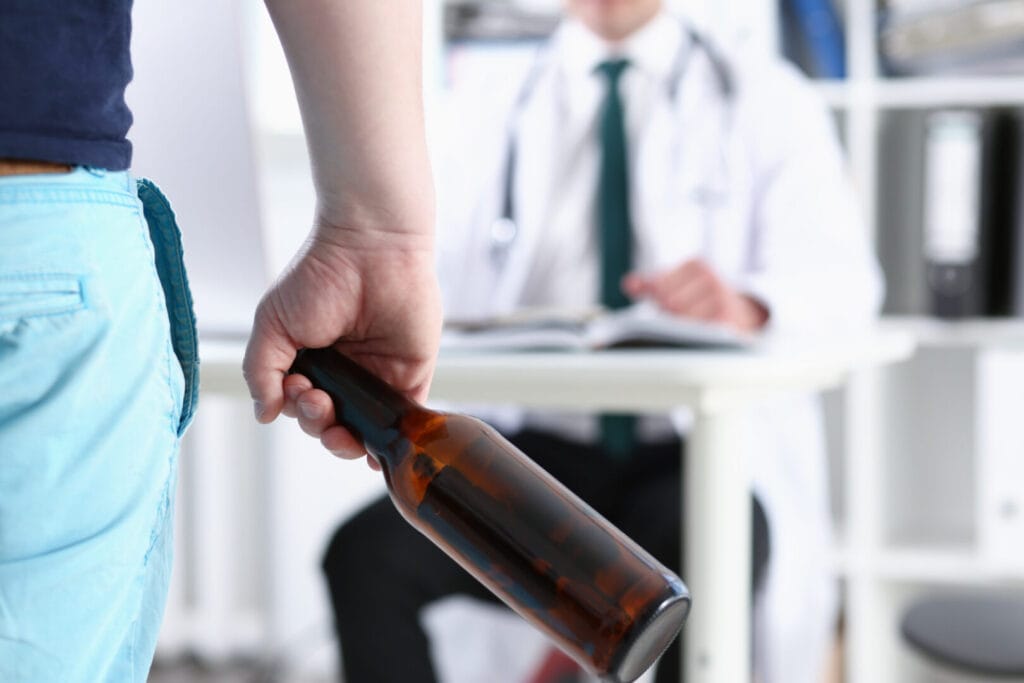
The Impact of Alcohol Use Disorder A high percentage of adults and young people in the United States consume alcohol at least once in their lifetime. Due to consistent substance intake, nearly 16 million adolescents and adults develop dependence and alcohol use disorder. The use of disulfiram and acamprosate are significantly common forms of alcohol medication-assisted treatment (MAT) options. Keep reading to learn more about these medications as forms of alcohol MAT. Alcohol Use Disorder (AUD) Alcohol Use Disorder involves challenges in controlling the intake of alcohol. Individuals experiencing the condition continue intake, even when it causes health problems. Such persons may also continue the intake of alcohol despite other adverse social and occupational consequences. AUD may also involve individuals drinking more alcohol for a certain feeling or experiencing withdrawal symptoms after discontinued intake. A Closer Look at AUD Specific health experts refer to AUD as a brain disorder. Depending on the factors around the disorder, it could be mild, moderate, or severe in terms of symptoms. Due to the risks surrounding the intake of alcohol, health experts also recommend moderation. That signifies no more than two drinks a day for men, while it signifies one drink for women. Note that one drink is 1.5 ounces of liquor, 5 ounces of wine, and 12 ounces of beer. Drinking above the “moderate” amount may lead to dependence, which is one of the major causes of AUD. According to the DSM IV criteria, individuals who have alcohol dependence, may experience tolerance, alcohol withdrawal symptoms, and increased cravings. Certain factors can increase the risks of AUD in individuals. Examples of these include early drinking, genetics, and mental health conditions. Common Symptoms of Alcohol Use Disorder Reputable healthcare professionals use the Diagnostic and Statistical Manual of Mental Disorders, Fifth Edition (DSM-5) to assess the presence of AUD. Here are the significant symptoms to note: Being unable to limit the amount of alcohol you drink Continuing to drink alcohol even though you know it’s causing physical, social, or interpersonal problems Giving up or reducing social and work activities and hobbies Withdrawal symptoms — such as nausea, sweating, and shaking — when you don’t drink, or drinking to avoid these symptoms Wanting to cut down on how much you drink or making unsuccessful attempts to do so Spending a lot of time drinking, getting alcohol, or recovering from alcohol use Using alcohol in situations where it’s not safe, such as when driving or swimming Developing a tolerance to alcohol, so you need more to feel its effect, or you have a reduced impact from the same amount. Feeling an intense craving or urge to drink alcohol. Failing to fulfill significant obligations at work, school, or home due to repeated alcohol use MAT Medications for Alcohol Effective MAT for alcohol use disorder is evident with various FDA-approved medications. Some of these drugs include: Acamprosate This drug helps reduce alcohol cravings and lessens withdrawal symptoms of alcohol. Acamprosate functions by decreasing the brain’s alcohol dependency by interacting with other brain neurotransmitters. The medication modulates and normalizes brain activity. Disulfiram Intake of disulfiram causes hang-over-like effects and an unpleasant feeling, but it’s an effective MAT for alcohol use disorder. Individuals craving alcohol will find disulfiram an effective medication for alcohol abuse due to the hang-over effects. Some unwanted hang-over-like effects include nausea, vomiting, facial flushing, and chest pain. Naltrexone Although the first use of naltrexone was in opioid treatment, it appears to be a suitable alcohol abuse medication. People who take alcohol don’t enjoy the “reward” feeling with naltrexone. However, it’s imperative to note that individuals should go through detoxification before beginning treatment with alcohol addiction medication. Other Possible Forms of Alcohol MAT One of the other possible forms of alcohol MAT is benzodiazepines. These MAT drugs for alcohol are important in acute detoxification since they work on the same brain receptors as alcohol. Experts can administer benzodiazepines at the early stages of alcohol withdrawal, taper them down, and discontinue them later. The Role of Therapy in MAT For Alcohol Abuse Although MAT can significantly aid recovery, it is most effective when combined with counseling and behavioral therapies. Cognitive Behavioral Therapy (CBT), for example, helps individuals develop coping strategies to manage triggers and cravings. Motivational Interviewing (MI) supports individuals in strengthening their commitment to sobriety, while Contingency Management (CM) provides tangible rewards for maintaining abstinence. Many treatment programs incorporate a combination of these approaches to address both the physical and psychological aspects of addiction. Without therapy and ongoing support, medication alone may not be sufficient for long-term success Cognitive Behavioral Therapy (CBT) Cognitive behavioral therapy (CBT) teaches people that their thoughts can influence their feelings and behaviors rather than outside stimuli like people and situations. By understanding how their thoughts influence behavior, people can learn to better control their behavior, avoid situations that may trigger relapse, and cope with other problems contributing to addiction. Numerous studies have shown that CBT is an effective form of therapy to treat substance use disorder and is most effective when combined with other treatments. For example, cognitive behavioral therapy paired with participation in support groups like Alcoholics Anonymous usually leads to positive results. Motivational Enhancement Therapy (MET) Motivational enhancement therapy (MET) can be a good option for people who are resistant to therapy or feel some lingering desire to drink. It aims to help people quickly change their mindset, recognize that they present signs of alcohol dependency, and come to a place where wanting to get better is internally motivated. Marital and Family Counseling Marital or family counseling can be crucial in maintaining healthy relationships while recovering from alcohol use disorder. For instance, people may find that their drinking stemmed from family or marital problems, caused problems in their family or marriage, or both. No matter what the case may be, counseling can help the person with AUD, and their loved ones understand the issue, improve their relationship, and learn how to move through treatment together. In addition, marital and family counseling
Common Misconceptions of MAT Treatment

What is Medication-Assisted Treatment? Medication-assisted treatment (MAT) combines medications and counseling or behavioral therapies to provide a “whole-patient” approach to treating substance use disorders. Because medically assisted treatment is a relatively new treatment modality, you may be unsure of its effectiveness. Read on to find out more about MAT. MAT Effectiveness According to Dr. Nora Volkow, the National Institute on Drug Abuse director, “Studies have shown that outcomes are much better when you are on medication-assisted treatment. For one, it decreases the risk of relapse — significantly. Second, MAT has also been shown to prevent infectious diseases like HIV. Third, the medication-assisted treatment effectively prevents overdoses.” Again, MAT is regarded as an evidence-based treatment, which means that it has been proven that medically assisted treatment is clinically effective. MAT Medications Several medications have been approved by the Food and Drug Administration (FDA) to be used in MAT treatment. MAT medications can be used for: Alcohol Abuse: The most common medications used for alcohol addiction are acamprosate, disulfiram, and naltrexone. Opioid Abuse: In treating opioid abuse using MAT, medications such as buprenorphine and naltrexone are commonly used. Other Substances: Depending on the substance, your doctor can prescribe any FDA-approved MAT medications suitable for the substance. Benefits of Medication-Assisted Treatment To enjoy the benefits of MAT, you must be placed under a licensed MAT treatment program. These benefits include the following: MAT Works Ongoing and recent research has proven the effectiveness of using a medically assisted treatment for substance use disorder. This means that MAT indeed works. MAT is Affordable MAT treatment is affordable, and when compared to the cost of sustaining an addiction, MAT treatment is way cheaper and much more beneficial to you. MAT Allows Greater Freedom MAT allows you to return to your normal routine while still receiving medical and psychological care to help you adapt and recover more quickly. MAT Can Be Part of a Greater Framework A variety of holistic therapies can assist MAT and help it reach its full potential in more extensive and patient-centered programs. MAT Can Bridge the Gap When you continue with MAT treatment after your initial treatment, you’ll feel secure and strong enough to proceed in your recovery journey with less assistance. Information About Medication-Assisted Treatment If you’re skeptical about engaging in a licensed MAT treatment program, this additional information might convince you. Prevent Relapse When used in conjunction with integrated treatment modalities that address other health factors, MAT can help avoid relapse and allow for more extended periods of sobriety. Normalize Brain Chemistry Medication-assisted treatment for opioid use disorder and alcohol addiction can assist persons in maintaining recovery until their brain structures and functions return to normal. Block the Euphoric Reaction of Substances Some MAT medications work by blocking the euphoric reaction induced by substances to prevent relapse. Alleviate Withdrawal Symptoms Medication-assisted treatment for opioid use disorder works to gradually wean patients off the narcotics so that the detox process does not surprise their bodies. Medication-assisted treatment for alcohol addiction is also effective in alleviating withdrawal symptoms. Reduce Cravings MAT programs can help you overcome intense cravings through MAT medications. Help Facilitate Therapy As a result of MAT medications, patients are in a better place to welcome therapy. How Does Medication-Assisted Treatment Work? There are two ways MAT treatment can be implemented: Doctors can prescribe opiates that activate the same receptors but take longer to absorb into the bloodstream, preventing withdrawal symptoms and breaking the psychological association between taking a drug and feeling euphoric right away, or, Doctors can also prescribe an opioid antagonist, which is a non-opioid medicine that binds to the same receptors as opioids and blocks them so that if someone relapses, they won’t feel anything. Below are what follows when one is placed on a MAT treatment program. Increased Treatment Success Rate The likelihood of treating substance use disorder is high with MAT treatment. Sometimes, the treatment plan can last years to allow more time for recovery. Decreased Likelihood of Relapses Of all people placed in a MAT treatment program for specific research, a good number of them reported abstinence from the drugs after different periods.5 This further proves that MAT treatment works effectively in reducing relapse rate. Increase the Patient’s Chances of Survival MAT medications and therapy work so that patients can stay longer in treatment, increasing their chances of survival. Reducing the Risk of HIV, AIDS, and Hepatitis C Hepatitis C and HIV are blood-borne diseases primarily transmitted through injection drug use. MAT is thought to reduce injection frequency, lessening the risk of contracting such diseases. Increased Ability of Patients to Retain Jobs and Enjoy a Social Life Patients on MAT treatment programs can better manage their jobs as the treatment helps them get back to carrying out their daily activities and interactions with more ease. Types of MAT Medications The various medications used in MAT treatment are given below: Buprenorphine: Approved by the FDA, buprenorphine is an opioid partial agonist. Naltrexone: Naltrexone is a non-opioid used for alcohol addiction treatment and opioid abuse treatment. The FDA approves it, and it works by blocking the sedative and euphoric effects of opioids. Naloxone (Narcan): Naloxone is an opioid antagonist used in MAT treatment to reverse opioid overdose effectively. Acamprosate: Acamprosate is a medication for alcoholism for people in recovery. In alcohol addiction treatment, acamprosate does not prevent withdrawal symptoms. It just works to prevent relapse for people in recovery. Acamprosate is usually used in conjunction with disulfiram in medication-assisted treatment for alcohol. Common Misconceptions of MAT Treatment Here are nine misconceptions you may hear from misinformed people about MAT treatment: MAT is Trading One Addiction for Another Some claim that taking a drug like methadone daily automatically indicates you are addicted to it. MAT medication helps those trying to stop using substances of abuse by maintaining the mental and emotional stability needed for other areas of recovery. MAT is Only for Short-Term Treatment MAT treatment can be used for however long the patient needs to
Finding Hope and Healing: Addiction Treatment Los Angeles Residents Can Trust

What Is Addiction? Addiction is a complex and chronic condition that can profoundly impact an individual’s physical, mental, and emotional well-being. However, there are several effective evidence-based treatment approaches for dealing with addiction. Many addiction treatment Los Angeles centers can help individuals work through and cope with the symptoms and side effects of their substance use.1 Characterizing Addiction Addiction is characterized by compulsive drug seeking behavior and use. One common characteristic feature of addiction is that drug use often continues despite harmful consequences. It is often associated with physical and psychological dependence on a substance, such as drugs or alcohol. Addiction is multifaceted and can result from genetic, environmental, and behavioral factors.2 How Does Addiction Happen? Chemical Changes With Substance Use When a person becomes reliant or dependent upon a substance, their brain undergoes chemical changes. These changes make it difficult to control cravings and behaviors related to addiction. Over time, the brain’s reward center becomes less responsive to other natural rewards. Instead, it becomes more responsive to the addictive substance or behavior. This can lead to a cycle of compulsive drug use, even in the face of consequences such as job loss and health problems. Seeking help from addiction treatment Los Angeles can help manage and lessen the side effects of these chemical changes. Common Substance Addictions When the topic of substance abuse comes up, many individuals tend to only think about illicit substances. While this can and does occur, the fact is that there are many other substances that people can also become reliant on. Both legal substances, like alcohol, and illegal ones, like stimulants, have been associated with substance abuse. Addiction treatment Los Angeles can help individuals get the help and support they deserve. Here are some of the most common substance addictions:3 Alcohol Alcohol substance abuse disorder affects millions worldwide. According to the National Institute on Alcohol Abuse and Alcoholism, over 29.5 million people who are 12 or older in the United States had an alcohol use disorder (AUD) in the past year. Statistics also show that men are more likely to develop this condition than women.4 An Overview of Alcohol Use Disorder Risk Factors Of Alcohol Use Disorder Risk factors for alcohol use include the following:5 Genetic predisposition: Research suggests that genetics play a role in alcohol addiction. People with a family history of alcoholism are more likely to develop alcohol addiction. Environmental factors: Social and cultural norms can also influence the development of alcohol addiction. Mental health conditions: Mental health disorders, such as depression and anxiety, can exacerbate or create symptoms of substance use. Age of onset: Individuals who begin drinking early are likely to have an alcohol addiction. This may be due to changes in the developing brain that make it more susceptible to the effects of alcohol. Poor impulse control: People with difficulty controlling their impulses and behaviors may be more likely to develop alcohol addiction. You should know that not everyone who has these risk factors will develop alcohol addiction. Some individuals may develop an addiction to alcohol without any of these risk factors. If you or a loved one have any of these risk factors, reaching out to addiction treatment Los Angeles centers can make sure you receive support. Risk Factors Of Nicotine Use Disorder There are several potential risk factors for an individual developing nicotine use disorder, including:7 Age of onset: Individuals who begin smoking at an early age are at an increased risk of developing nicotine addiction. Genetics: Research suggests that genetics play a role in nicotine addiction, just as with alcohol. Social environment: If you have friends or family who smoke, you may also develop nicotine addiction. Mental health conditions: People with mental health conditions such as depression, anxiety, and substance use disorders are likely to use tobacco products and develop nicotine addiction. Easy access to tobacco products: People who have easy access to tobacco products are likely to develop nicotine addiction. Symptoms and Side Effects of Nicotine Use Disorder Some common symptoms or side effects of nicotine use disorder may include: Strong cravings for nicotine Increased tolerance Spending significant time and money on tobacco products Health problems like mental health problems, lung disease, and heart disease. Difficulty quitting Continued tobacco use despite negative consequences Withdrawal symptoms Respiratory problems Cardiovascular problems Reproductive problems Oral health problems Skin problems Mental health problems Financial strain If you or a loved one are struggling with nicotine use disorder, finding help at addiction treatment Los Angeles centers can give you the support and help you deserve. Symptoms Of Alcohol Use Disorder Symptoms of alcohol addiction can vary depending on the individual, but may include the following: Inability to control drinking Preoccupation with drinking Increased tolerance Withdrawal symptoms when attempting to stop using the substance Continued drinking despite negative consequences Loss of interest in previous activities that brought enjoyment Health problems like liver damage, heart disease, and depression Not everyone with alcohol addiction will experience all of these symptoms. If you or someone you know is experiencing symptoms of alcohol addiction, seek professional help from addiction treatment Los Angeles options. Side Effects Of Alcohol Use Disorder Depending on the length and severity of usage, side effects may vary. Depending on the severity of side effects, seeking addiction treatment Los Angeles may be imperative for healthy detox and recovery. However, some common side effects may include: Liver damage Cardiovascular problems Digestive problems Mental health problems Cognitive impairment Sexual dysfunction Relationship problems Legal problems Financial strain Nicotine According to the Centers for Disease Control and Prevention (CDC), nicotine addiction is one of the leading causes of preventable death worldwide. The CDC also marks smoking as responsible for nearly half a million deaths yearly in the United States alone. Nicotine is an addictive substance in tobacco products such as cigarettes and cigars.6 Nicotine use disorder occurs when the brain becomes dependent on nicotine. This leads to a range of physical and psychological symptoms. The symptoms become severe when affected individuals try to quit or reduce
Substance Abuse Treatment Detox San Diego County

Are you or a loved one struggling with substance use disorder? If so, you know just how difficult it can be to navigate the complexities of the substance abuse treatment detox San Diego County offers. When you feel like there’s too much information and don’t know what to do, it can be overwhelming. But acknowledging that you need help is the first step towards regaining control. This blog post will explore what substance use disorder looks like, its risk factors, impacts, and treatment options available in San Diego County. By taking time to learn about the disease and how to get help, you can better begin your journey of recovery! What Is Substance Use Disorder? Substance use disorder (SUD) is a complex and chronic brain disease. It affects a person’s ability to control their drug or alcohol use despite the negative consequences that may arise. SUD causes compulsive drug-seeking behavior, the inability to abstain, and constant craving for the substance. It’s important to remember that addiction is not a moral failing or a lack of willpower. SUD is a medical condition that requires professional treatment and support. The severity of withdrawal is influenced by the type of substance used, the amount and frequency of use, and the duration of use. Additionally, an individual’s health, age, and genetics can play a role in the severity of withdrawal symptoms. Certain mental health conditions can exacerbate withdrawal. The environment in which an individual detoxes also impacts the severity of symptoms. A supportive and caring environment with access to medical care can reduce the risk of complications. San Diego detox centers tailor treatments to meet individual needs. Is SUD Recovery Possible? Substance Abuse Treatment Detox San Diego County Locals Can Rely On People with substance use disorder need help, and recovery is possible. There is a range of resources available for substance abuse treatment detox San Diego County residents can trust. Many effective treatment approaches are available, including: Medication Individual therapy Group therapy Support groups Seeking help is the first step towards living a fulfilling, healthy, and addiction-free life. The Importance of Recognizing SUD as a Disease SUD is a chronic and relapsing brain disease that affects millions of individuals worldwide. Recognizing SUD as a medical condition is of utmost importance as it is a complex issue that requires specialized treatment. It’s not just a matter of willpower or choice. In fact, research has shown that addiction affects the brain’s communication pathways. This leads to changes in priorities, decision-making abilities, and impulse control. Reducing Stigma for Improved Support By recognizing SUD as a disease, we can reduce the stigma associated with it and encourage those affected to seek the help they need. As a society, we need to focus on providing resources and support to those struggling with SUD. That way, we can help them achieve sustainable recovery and rebuild their lives. Effects and Impacts of Substance Misuse: Finding Substance Abuse Treatment Detox San Diego County Long-term and short-term side effects of substance abuse can be devastating for individuals, their families, and society. Short-Term Side Effects of Substance Abuse Short-term side effects may include: Impaired judgment Nausea Vomiting Confusion Long-Term Side Effects of Substance Abuse Long-term effects of substance abuse can be much more severe and long-lasting, including: Permanent damage to vital organs Impaired cognitive function Increased risk of mental health disorders Substance abuse can also lead to addiction, which can be incredibly difficult to overcome without professional help. Understanding the risks of substance abuse is crucial for preventing individuals from falling into addiction. It is also vital in ensuring they receive the support and treatment they need to overcome their substance use disorder. How Does Substance Use Disorder Affect Family and Loved Ones? Substance use disorder affects not only the person struggling but also their loved ones. It can lead to: Strained relationships Financial hardship Breakdown in trust between family members If you or a loved one are experiencing the negative impacts of SUD, it is important to pursue local substance abuse treatment detox San Diego County. Additional Impacts on Loved Ones The emotional toll alone is challenging. Watching a friend or family member battle addiction can cause: Stress Anxiety Frustration Sadness Guilt Helplessness It’s important for families to seek professional help and support to navigate these challenges and work toward recovery as a unit. What Are Some Risk Factors for Developing SUD? Substance use disorder occurs when a person becomes dependent on drugs or alcohol. It can be a devastating condition for both the sufferer and their loved ones. Understanding the risk factors for SUD is important in preventing its development. Some of the most common risk factors include: Genetics Environment Mental health How Does Genetics Influence SUD? Genetics can play a significant role in a person’s susceptibility to addiction. Individuals with a family history of addiction are at a higher risk of developing substance use disorder themselves. Genetics can influence brain chemistry and how the body responds to drugs or alcohol. Some genetic variations can cause a person to experience heightened pleasure and reward from substance use. They can contribute to a person’s ability to regulate impulse control and decision-making. Genetic Risk Factors While genetics may not be the sole cause of addiction, understanding how genes contribute is essential. For instance, it can help identify individuals at higher risk. Understanding genetics also allows treatment teams to develop tailored interventions. This can better help prevent addiction from taking hold. How Does the Environment Influence SUD? The environment can also increase the risk of developing SUD, especially if a person grows up in a home where drug or alcohol use is normalized. The following factors can contribute to the likelihood of engaging in substance use: Poverty Lack of access to education and employment opportunities Exposure to violence or trauma Availability and nor Unstable housing or familial conflict normalization of substance use within one’s social network It’s important for individuals and communities to understand these potential risk factors. By doing so, we can work
How to Get Off Xanax Safely and Effectively

What Is Xanax? Xanax is a brand name for alprazolam, which is a central nervous system (CNS) depressant in the class of medications called benzodiazepines. Xanax is used to manage conditions like panic and anxiety disorder. However, if you or a loved one are misusing Xanax, you may be wondering about how to get off Xanax safely. Is Xanax Addictive? It is a potent drug that improves the activity of gamma-aminobutyric acid (GABA), which is a calming neurotransmitter. However, the potency of Xanax makes it more likely for an individual to develop a dependence or addiction. Prolonged use also makes it easier for substance abuse to occur. Consequently, Xanax must be used safely and discontinued promptly according to the instruction of a healthcare professional. How to Manage Xanax Usage In this article, we will consider the potential side effects and risks of Xanax use, including dependence and addiction. We will also look into how to get off Xanax the right way, along with safe options for managing sobriety and anxiety. Why Should You Get Off Xanax? PAlprazolam is usually prescribed for the short term management of panic disorder, anxiety disorder, and sleep disorders. It is essential for the medical professional who prescribes it to put a plan in place to help the individual to stop the drug safely. Reasons to Detox From Xanax Misuse Since Xanax is potent, individuals can grow to rely on it to function normally. However, before side effects begin, learning how to get off Xanax safely is imperative. Here are some major reasons why you may need to get off Xanax include: Tolerance: If you notice that you have to start taking increased doses of the substance to function, you have developed a tolerance, which can also lead to addiction. Risk of addiction: Xanax has a high potential for dependence and addiction. Once you notice that you cannot function properly without the drug, you need to learn how to get off Xanax. Side effects: The drug has numerous side effects like drowsiness, vomiting, diarrhea, and others. Drug interactions: With the help of your physician and pharmacist, you can check whether Xanax will interact with your other medications. Sometimes, a new medication might cause a life-threatening reaction to Xanax. How Can Xanax Use Affect Your Daily Life and Relationships? It’s important to learn how to get off Xanax safely, as there are many side effects that can impact your daily life. Some examples of this include: Impaired cognitive function: If used long enough, Xanax can reduce your cognitive function and memory. This may affect your ability to meet goals and remember important events and dates. Fatigue: The sedative effects of Xanax can prevent you from engaging in fun activities and family or team-building programs without fatigue. Mood changes: Xanax use can cause your mood to change abruptly over short periods. Social isolation: The relaxing and sedating effects of Xanax use may cause you to isolate yourself and be disinterested in social engagements. Risky behavior: Impaired judgment is a potential risk of Xanax use. This can cause you to engage in risky behavior unless you know how to get off Xanax safely. Addiction: The intense drug-seeking behavior associated with addiction can also cause you to prioritize drugs over relationships. Xanax Addiction People may become physically and psychologically dependent on Xanax when it is used for too long or not as prescribed. Due to its addictive nature, learning how to get off Xanax safely and effectively is imperative for overall health. What Are Some Health Risks of Using Xanax? Using Xanax can lead to a variety of short- and long-term risks. Knowing what these risks are can help you or a loved one know when it may be time to learn how to get off Xanax safely. Some short-term health risks of Xanax use include: Sedation: While Xanax is supposed to help sedate individuals in some ways, it may also become life-altering or life-threatening in many situations. Cognitive impairment: Xanax can affect your concentration, memory, and focus over a short period. Respiratory depression: High doses of Xanax cause pronounced respiratory depression. Withdrawal symptoms: If you stop Xanax use suddenly, you might experience withdrawal symptoms. These include insomnia, anxiety, and seizure. What Are Long-Term Health Risks? Long-term health risks associated with Xanax use and may indicate that you need to learn how to get off Xanax safely include the following: Addiction and dependence: Psychological dependence may develop unless you know how to get off Xanax safely and effectively. Cognitive decline: When the short-term cognitive impairment associated with Xanax use continues with more usage of the substance, this cognitive decline may become long-term. Increased risk of accidents: Older adults who use Xanax for long periods can become more prone to falls and accidents. Mental health issues: Long-term use of Xanax has also been associated with an increased risk of mental health problems, including depression, anxiety, and suicidal thoughts. Drug interactions: When used with other drugs like opioids and alcohol, the effects of Xanax can be more pronounced. This can lead to life-threatening events. You should only use Xanax as prescribed by a healthcare professional. This reduces the potential for health risks. They can also help you learn how to get off Xanax safely. What Is Xanax Withdrawal Like? If you don’t know how to get off Xanax safely, you may develop dangerous side effects or withdrawal symptoms. This usually happens when an individual has been taking Xanax at a higher dose for a long time. Some withdrawal symptoms associated with Xanax use may include: Anxiety: Xanax withdrawal can cause intense anxiety symptoms to return. Insomnia: As Xanax is also used to treat insomnia, this condition may return if an individual does not know how to get off Xanax effectively. Seizures: People who have a history of seizures or have been on high doses may experience seizures during Xanax withdrawal. Headaches: These headaches can range from mild to severe and last for a few to several days. Nausea and vomiting: Xanax
Short-Term Effects of Peyote

What is Peyote? Peyote is a small cactus indigenous to Mexico and regions in the southwestern United States. This plant contains numerous constituents including psychoactive components like mescaline. Mescaline has been discovered to interfere with thought, perception, and mood. Peyote has been used medicinally and for traditional ceremonies by indigenous communities for centuries. The short-term effects of peyote have also been associated with personal growth and spiritual experiences. Religious and Medicinal Uses of Peyote Peyote is a staple in the Native American Church, which was established in the 19th century based on Christian and indigenous beliefs. They use peyote for religious meetings called peyote ceremonies or peyote meetings. It has also been put to medicinal use for the treatment of arthritis, diabetes, fever, toothache, and inflammation. Apart from these uses, peyote is known for certain potentially serious short-term effects. In this article, we consider the short-term effects of peyote and how they are handled professionally. What are the Short-Term Effects of Peyote? Peyote has been consumed in different ways to benefit from the psychoactive effects of some of its constituents like mescaline. Some people chew on the dried crowns of the cactus, take peyote capsules, or brew the cactus to make tea. Whether you take whole peyote or opt for mescaline, the hallucinogenic properties of the plant are present. Mescaline influences serotonin activity in the body like most of the other classic hallucinogens. We can see the result of this activity in the short-term effects of peyote. Below are some of the short-term effects of peyote use. Altered Perception and Synesthesia This is one of the major short-term effects of peyote that attract many users. It tends to accentuate sensory experiences. One can notice that bright colors seem more radiant and sounds become distorted or intense, stationary objects appear to move or change in shape or size, and many others. Some people even begin to hear colors and see sounds in a phenomenon called “synesthesia.” Mood Swings, Euphoria, Paranoia The hallucinogenic effect of peyote may affect your mood and emotions. You might record a wide range of emotions from peaks of euphoria to intense paranoia and fear. You may also find that you connect with people more easily and have an out-of-body experience. Cognitive Changes and Reduced Attention Span You might have a hard time retaining information when you are on peyote or mescaline. It also influences your: Problem-solving ability Concentration Communication ability Attention span Harmful Cardiovascular Effects Peyote and mescaline increase serotonin activity which is known to increase heart rate and blood pressure. This results in a range of cardiovascular effects which may be harmful if you have a pre-existing condition. Symptoms may include shortness of breath and chest pain. Gastrointestinal Effects and Dehydration Short-term effects of peyote like nausea, vomiting, and diarrhea can be troubling. They may lead to electrolyte imbalances associated with dehydration. Motor Impairment Peyote can influence your coordination and motor skills, making it difficult to drive or operate machinery. Some people have positive experiences with peyote while others experience dangerous effects. The short-term effects of peyote can vary widely depending on individual factors such as: Dose Setting Sensitivity to the drug What are Some Factors that Influence the Duration of Action? Peyote effects can be influenced by certain factors including route of administration and individual variation. Below are some of these factors. Dose Short-term effects of peyote are usually associated with smaller doses or earlier points following larger doses. There might be a direct correlation between the dose and the duration of the activity. Route of Administration Smoking or injecting peyote leads to a shorter effect. Ingestion produces the effects at a slower rate where they last longer. Most people either smoke or ingest peyote in tea form. Individual Factors People respond to medications differently due to factors, including: Age Sex Weight Genetics These influence metabolism and the short-term effects of peyote. A person with a higher body fat content might experience the effects of peyote use for longer. Environment The setting in which peyote is used can also affect the duration of its effects. Factors such as the presence of other people, noise, and distractions can all influence how long the effects of the drug last. Other Substances The use of other drugs or medications can also affect the duration of peyote’s effects. For example, taking certain medications or drugs that affect liver function may prolong the effects of peyote. It is important to keep in mind that while these factors can influence the duration of the short-term effects of peyote, the drug can still have unpredictable effects on different individuals. What is the Time Course of Peyote? The time course of the short-term effects of peyote can vary depending on several factors. These may include the dose, individual sensitivity to the drug, and route of administration. In general, the effects of peyote can take between 30 minutes to 2 hours to begin and may last up to 10-12 hours. The peak effects occur around 2-3 hours after ingestion. How Method of Ingestion Impacts Duration of Effects The method of ingestion influences the duration and extent of the effects. For example, oral ingestion leads to slower but longer manifestations of the short-term effects of peyote. The reverse is the case when peyote is smoked or injected. Some users experience an afterglow period following peak effects. They feel more relaxed and euphoric. However, the motor and cognitive impairments of peyote may still be present. Can People Be Addicted to Peyote? Addiction is a condition that is associated with compulsive drug-seeking behavior regardless of potential negative outcomes. Though peyote contains the psychedelic mescaline, it is not considered to be as physically addictive as substances like opioids and benzodiazepines. However, frequent and prolonged use can lead to psychological dependence. Especially in cases where people take peyote to cope with emotional or psychological trauma, peyote use can lead to dependence. How Tolerance Impacts Addiction Tolerance is a major parameter in drug use and addiction conversations. It describes
Fentanyl Detox
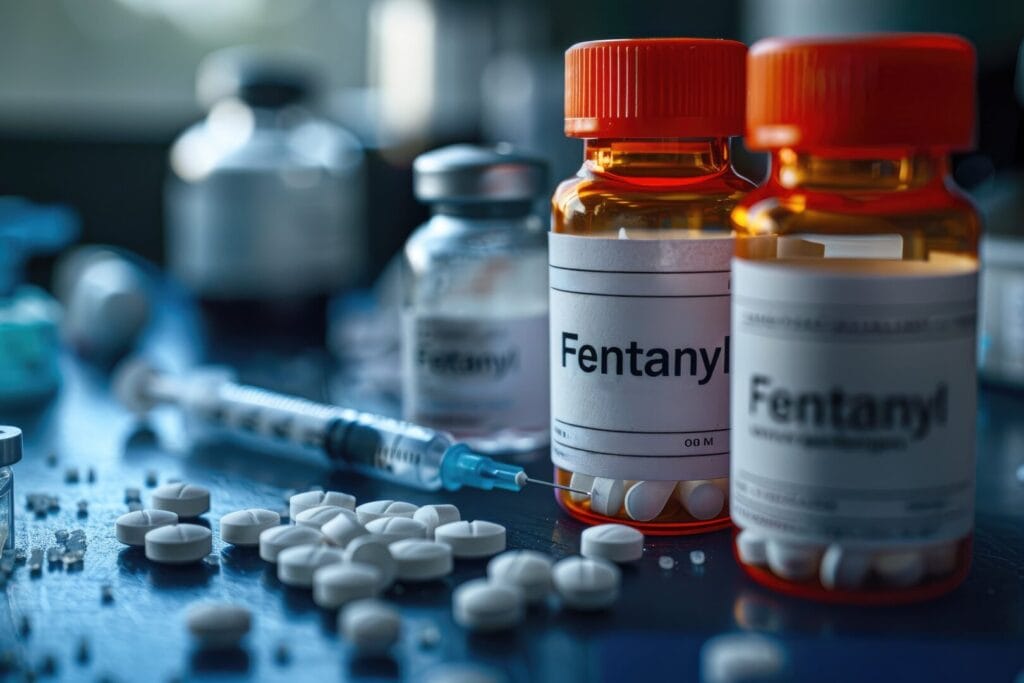
What is Fentanyl? Fentanyl is a powerful synthetic opioid that is used medically to manage severe pain. It is prescribed in instances such as post-surgery or cancer-related pain. It is estimated to be 50 to 100 times more potent than morphine and has a rapid onset of action. This makes it very effective in managing acute pain. However, it is also a highly addictive drug, and its misuse has led to a significant increase in overdose deaths in recent years. It is important to understand the risks of use and what to expect if you need fentanyl detox.1 Scope of Fentanyl Misuse According to the Centers for Disease Control and Prevention (CDC), in 2020, fentanyl was involved in nearly 82% of all opioid-related overdose deaths in the United States.2 In fact, more than 71,000 people lost their lives due to fentanyl in 2021. That is why it’s important to understand that fentanyl should only be used under the strict guidance of a medical professional, and recreational use of this drug can have devastating consequences.3 Why Do People Use Fentanyl? From pain management to anesthesia, fentanyl has a range of valuable medical applications. However, there is widespread misuse that leads to addiction. Below are some points to consider in this regard. Medical Use of Fentanyl Fentanyl is prescribed to patients who are experiencing acute pain after surgery, injury, or cancer-related pain that is not effectively managed by other medications. The drug is available in various forms, including patches, lozenges, tablets, and injections. It is usually administered under the supervision of a healthcare professional. Fentanyl is used medically because it is highly effective at relieving pain. It works by binding to opioid receptors in the brain and spinal cord, which helps to block pain signals and provides rapid pain relief. It is particularly useful in situations when quick and potent pain relief is necessary. Fentanyl as a Substitute for Other Opioids Some individuals may use fentanyl as a substitute for other opioids, such as heroin. This may occur when an individual has developed a tolerance to other opioids and requires higher doses to achieve the same level of pain relief or euphoria. In such cases, individuals may turn to fentanyl, which is more potent than many other opioids, as a way to manage their pain or maintain their opioid dependence. However, using fentanyl as a substitute for other opioids without proper medical supervision is dangerous and can increase the risk of overdose and other serious health complications. It is important to note that using fentanyl or any other opioid without a prescription from a healthcare provider is illegal and can have severe consequences. Illicit Use of Fentanyl Unfortunately, some people also use fentanyl illegally for recreational purposes. Illicitly manufactured fentanyl, which is often referred to as “street fentanyl,” is much more potent than pharmaceutical fentanyl and can be extremely dangerous. It is often mixed with other drugs, such as heroin or cocaine, without the user’s knowledge, which can result in unintentional overdose and death. Why is it Becoming More Popular? One of the reasons why people may use fentanyl illicitly is because of its intense euphoric effects. Fentanyl can produce a rapid and intense high, which can be appealing to those seeking a pleasurable and altered state of mind. However, the use of fentanyl without a prescription is illegal and highly dangerous, as it can lead to severe respiratory depression, overdose, and death, especially if used in combination with other substances. Fentanyl Detox Fentanyl detox is the process of safely and gradually allowing the body to rid itself of fentanyl and its byproducts. This process can be challenging due to intense withdrawal symptoms. These symptoms can occur as the body adjusts to functioning without the drug. Fentanyl detox typically involves medically supervised tapering of fentanyl doses over time. It also includes other medications and supportive care to manage withdrawal symptoms. When to Consider Fentanyl Detox Here are some situations when you should consider fentanyl detox: If you have been prescribed fentanyl for pain management and have been taking it for an extended period of time, leading to physical dependence. If you have been using fentanyl recreationally or abusing it for non-medical purposes and have developed an addiction. You have experienced an overdose on fentanyl or have a history of overdosing on opioids, which may indicate a need for detoxification to safely discontinue the drug and prevent further harm. If you are struggling with fentanyl cravings and are unable to quit or reduce your use despite attempts to do so on your own. If you have co-occurring medical or mental health conditions that require specialized care during fentanyl detox, such as individuals with liver or kidney disease, respiratory issues, or psychiatric disorders. The Harsh Reality of Fentanyl Addiction Like other opioids, fentanyl can produce feelings of relaxation and sedation, which may be appealing to some individuals. However, repeated use of fentanyl can lead to tolerance, dependence, and addiction, which can have devastating effects on an individual’s physical and mental health, relationships, and overall quality of life. Symptoms of Fentanyl Use/Addiction If someone is using fentanyl or has developed an addiction to it, they may exhibit various signs and symptoms. These signs and symptoms can be categorized into body and behavioral changes. Physical Symptoms Fentanyl addiction can have a profound impact on your body. Below are some physical symptoms to look out for: Shallow breathing Weakness and fatigue Drowsiness or sleepiness Constricted pupils Slurred speech Nausea and vomiting Difficulty breathing Behavioral Symptoms Behavioral symptoms of fentanyl addiction include: Cravings and preoccupation with getting and using the drug Withdrawal from social activities Changes in sleep patterns Depression and anxiety Lying or hiding drug use Aggressive or violent behavior Symptoms of Fentanyl Overdose If you suspect someone has taken too much fentanyl, recognizing these symptoms of an overdose is crucial: Slow breathing or complete cessation of breathing Unresponsiveness or unconsciousness Blue or pale skin Slow heartbeat Pinpoint pupils Cold and clammy skin Fainting Should You
How Can Luxury Detox Centers Help You Recover From Substance Use?

What Is a Substance Use Disorder? A substance use disorder (SUD) is a medical condition that affects millions worldwide. It is a chronic and long-lasting disorder. It features repeated use of drugs or alcohol despite the negative consequences it causes. People with a SUD often have difficulty controlling their drug or alcohol use and may experience withdrawal symptoms when they try to stop their usage. Attending luxury detox centers can help those with substance use disorders get the care and help they need. Factors that Influence SUD Diagnosis Substance use disorders are generally diagnosed based on a range of factors, some of which include: Severity and frequency of drug or alcohol use The impact of drug use on daily life and relationships The presence of withdrawal symptoms Common Indications of SUD It is a complex condition that can be caused by a combination of genetic, environmental, and psychological factors. Some common signs of a SUD include: A strong urge to use drugs or alcohol Difficulty controlling drug or alcohol use Using larger amounts of drugs or alcohol over time (due to tolerance) Spending a lot of time getting and using drugs or alcohol SUD can have a range of negative consequences on a person’s physical, mental, and social well-being. However, with appropriate treatment and support, people with substance use disorders can achieve long-term recovery and live healthy, fulfilling lives. Are Substance Use Disorders Different From Addiction? Substance use disorders and addiction are terms often used interchangeably. However, they have distinct differences. A SUD is a medical condition that is diagnosed based on a range of criteria. These criteria include the severity and frequency of drug or alcohol use, the impact on daily life and relationships, and the presence of withdrawal symptoms. Addiction, on the other hand, is a complex brain disease that is characterized by compulsive drug seeking and use despite negative consequences. Addiction is a broader term that encompasses a range of conditions, including a SUD. Addiction involves changes in the brain that affect a person’s ability to control their drug use and lead to compulsive drug-seeking behaviors. These changes can also cause withdrawal symptoms when a person tries to stop using drugs. How Can These Disorders Affect You? Substance use disorders and addiction can have a range of negative consequences on a person’s physical, mental, and social well-being. However, the severity and impact of these consequences can vary depending on the individual and the specific substance being used. Treatment for substance use disorders and addiction often involves a combination of medication and behavioral therapies. It is important to seek professional help if you or someone you know is struggling with a SUD or addiction. Managing these conditions and achieving long-term recovery with appropriate treatment and support is possible, especially at luxury detox centers. Why Is Detox Important? Detoxification is a crucial part of recovery for people struggling with substance use disorder. Detox at luxury detox centers involves removing drugs or alcohol from the body and managing withdrawal symptoms that can occur when a person stops using. Here are some other reasons why detox is an imperative part of the recovery process: Safety Detox can be dangerous if not done properly. This is especially true for people with severe addictions or medical conditions. This is because severe withdrawal symptoms may occur. In a medically supervised detox program, especially at luxury detox centers, healthcare professionals monitor your vital signs and provide medication to manage symptoms, making the process safer and more comfortable. Preparation Detox is often the first step in the recovery process, and it can help prepare a person for further treatment. Once the body is free from drugs or alcohol, a person can better focus on the psychological and emotional aspects of addiction and begin to develop coping strategies for managing risks and cravings. Motivation Going through detox can be a challenging and uncomfortable experience, but it can also be a powerful motivator to continue on the path to recovery. Successfully completing detox can give a person a sense of accomplishment and the confidence to continue with treatment. Physical Healing Detox can also help the body begin to heal from the damage caused by substance use. Drugs and alcohol can take a toll on the liver, kidneys, and other organs. Detox can give these organs a chance to recover and function more effectively. You should note that detox is just the first step in the recovery process. Ongoing treatment and support are essential for long-term recovery. Working closely with a healthcare provider or addiction specialist at luxury detox centers can help ensure that you receive the care and resources you need to overcome substance use disorder and achieve a healthier, happier life. Addiction Recovery: Steps of the Process The recovery process for substance use disorder can be a complex and challenging journey. It typically involves several steps, each designed to address different aspects of the condition and support long-term recovery. Here is a detailed overview of what addiction recovery steps look like: Detoxification Detoxification, or detox, is the removal of toxic substances from the body. These substances could be drugs or alcohol. They could also be several different illicit substances of abuse. Detoxification is a medically supervised process, which may include medication to manage withdrawal symptoms. Detox can take several days or weeks depending on the severity of the addiction and the type of substance an individual is detoxing from. Withdrawal The withdrawal stage occurs when a person stops using drugs or alcohol. When this happens, the person may experience unpleasant physical and psychological symptoms depending on the severity of their substance use. Withdrawal symptoms can vary widely depending on a number of factors. Some of these include the substance being used, the length of use, and the individual’s overall health. Withdrawal symptoms can include nausea, vomiting, insomnia, anxiety, depression, and seizures. These symptoms can be dangerous, so it is imperative to work alongside luxury detox centers to get the care and help needed. Rehabilitation The rehabilitation
The Benefits of Luxury Rehab for Addiction Treatment

Addiction is a complex and challenging condition. It has severe physical, emotional, and social consequences. The road to recovery can be difficult. But with the right treatment plan and support, achieving recovery is possible. Luxury rehab facilities offer a unique approach to addiction treatment. Luxury rehabs combine evidence-based therapies, personalized care, and luxurious amenities. Want to explore the benefits of luxury rehab for addiction treatment? Read on to find out what it is and how it can help you achieve successful long-term recovery. What is Addiction? Addiction is a complex and chronic mental health condition. It affects the brain and behavior of individuals and causes compulsive drug use. People struggling with addiction have trouble quitting the substance. This is despite the negative consequences they may have on their health, relationships, and well-being. It involves changes in the brain’s reward, motivation, and memory centers. This makes it difficult for affected individuals to control their substance use or behavior. Addiction can stem from a blend of genetic, environmental, and behavioral factors. Because of this, it can result in severe physical, emotional, and social repercussions. How Does Addiction Happen? Common Substance Addictions When people hear the term “substance addiction,” they tend to think only of illegal substances. In truth, there are quite a lot of different substances people abuse. These substances are not limited to illicit drugs alone. Below are some of the most common substance addictions that people struggle with. Alcohol Addiction: Alcohol addiction is a chronic and often progressive disease. It involves the use of alcohol despite adverse effects on health, relationships, and well-being. Nicotine Addiction: Nicotine is a highly addictive substance found in tobacco products like cigarettes and cigars. Nicotine addiction is when people can’t stop using tobacco products even though they know they are bad for their health. This compulsive use continues even in the face of adverse health effects. Opioid Addiction: Opioids include prescription painkillers, such as oxycodone and hydrocodone. They also include illegal drugs like heroin. Opioid addiction is when someone can’t stop using these drugs, even though they are experiencing harmful effects on their health, relationships, and well-being. Prescription Drug Addiction: Prescription drug addiction is when an individual abuses prescription medications. These include painkillers and sedatives. Drug use continues even when there are harmful effects on health and relationships. Prescription addiction can occur even when a healthcare professional prescribes the medication. Over time, individuals may develop a tolerance to the drug. This leads to increased usage and a higher risk of overdose. Marijuana Addiction: Marijuana is a commonly used drug that is legal for medical or recreational use in some states. However, long-term and heavy use of marijuana can lead to addiction and a range of negative health consequences. Cocaine Addiction: Cocaine is a highly addictive stimulant drug. When taken, it can lead to a range of negative physical and psychological effects. Cocaine addiction is characterized by the compulsive use of the drug. This is despite its negative impact on health and relationships. Methamphetamine Addiction: Methamphetamine, or meth, is a powerful stimulant drug that is highly addictive. Why Do SUDs Often Necessitate Rehab? Substance use disorders (SUDs) can be challenging to overcome. Because of this, they often need professional treatment to achieve lasting recovery. SUDs can affect an individual’s physical and mental health, work, and well-being. When a person develops an SUD, they may find it difficult to stop using the substance or substances that they are addicted to. This is because the body and brain become dependent on the substance and its effects. This causes the affected individual to experience intense cravings, withdrawal symptoms, and other negative consequences when they try to quit. Different Types Of Rehab There are several types of rehabilitation programs available for individuals seeking addiction treatment. Inpatient Rehab Inpatient or residential rehab involves staying at a treatment facility 24/7 for a designated period, typically 30 to 90 days. Inpatient rehab is intensive and offers a structured environment with round-the-clock support from healthcare professionals. Treatment includes individual and group therapy, addiction education, and medical and psychiatric care access. Inpatient rehab is typically more expensive than other rehab options, but it may be covered by insurance. Outpatient Rehab Outpatient rehab allows patients to live at home while attending treatment sessions. Outpatient rehab offers more flexibility than inpatient rehab and is less expensive. However, it requires greater self-discipline and a strong support system. The intensity and duration of outpatient rehab vary depending on the individual’s needs. It could also depend on the program’s design. Partial Hospitalization Program (PHP) PHP offers more intensive treatment than traditional outpatient rehab. Patients attend therapy sessions for several hours a day, several days a week, while still living at home or in a sober living facility. Partial hospitalization programs often include individual and group therapy, psychiatric care, medication management, and addiction education. The duration of PHP typically ranges from 30 to 90 days, depending on the individual’s needs. Intensive Outpatient Program (IOP) IOP provides intensive treatment for several hours per day, several days a week. IOP typically lasts several months. Patients can continue living at home while attending therapy sessions. IOP offers more flexibility than inpatient rehab. This makes it easier for patients to maintain employment or other commitments while receiving treatment. 12-Step Programs 12-Step programs, such as Alcoholics Anonymous (AA) and Narcotics Anonymous (NA), are peer support groups. They offer a structured recovery program based on the 12-Step model of recovery. These programs are free to attend. They provide a community for individuals in recovery. These people can offer support and accountability. Members are encouraged to attend meetings regularly as a part of their ongoing recovery. Luxury Rehab Luxury rehab offers high-end amenities and luxurious accommodations. These include private rooms, spas, and gourmet meals. Treatment options typically include individual and group therapy, and medical and psychiatric care. Luxury rehab facilities also offer holistic treatments like yoga and meditation. Luxury rehab is often more expensive than other types of rehab, so insurance may not cover it. The cost,