
What Is Acceptance and Commitment Therapy (ACT)?

Acceptance and Commitment Therapy, or ACT, can be a valuable part of an addiction treatment program. The focus of this therapeutic approach is to help people develop a flexible mindset. ACT is under the umbrella of cognitive-behavioral therapy (CBT), developed in the 1980s. What Is Cognitive-Behavioral Therapy? Cognitive behavioral therapy (CBT) is a widely used therapeutic approach focusing on the relationship between thoughts, feelings, and behaviors. It’s based on the idea that our thoughts can affect how we feel emotionally and behave. CBT aims to help individuals identify negative thought patterns or cognitive distortions and replace them with healthier, more constructive ways of thinking. In CBT, therapists work collaboratively with individuals to target specific issues or problems by exploring thought patterns and behaviors that contribute to those issues. The process involves: CBT is effective for various mental health concerns, such as anxiety disorders, depression, phobias, PTSD, and more. Its structured, goal-oriented nature often leads to relatively short-term treatment compared to other therapeutic approaches. CBT techniques can be adapted and applied in self-help settings or combined with other therapies for more comprehensive treatment plans. How Does Acceptance and Commitment Therapy Work? The overall goal of ACT is to help people gain psychological flexibility, which means being adaptable, open, and practical when facing difficult emotions or thoughts. Some of the main processes and components of this type of therapy include: Mindfulness The objective of mindfulness is to become more aware of the present moment, promoting an accepting stance towards thoughts and feelings without judgment. Different mindfulness exercises may be included in ACT sessions to help people observe thoughts and emotions without becoming overwhelmed. This helps to create more open, accepting relationships with your internal experiences. Acceptance When participating in ACT, this component is about acknowledging and making room for unpleasant thoughts and emotions instead of trying to suppress or control them. A client in ACT can learn to accept their internal experiences and their reality, with the recognition that specific thoughts and feelings are a natural part of being human. Emotional resilience can be increased through the acceptance aspect of ACT. Cognitive Defusion With cognitive defusion, people can detach from non-helpful thoughts; rather than seeing them as a set truth, they can view them as a passing mental event. Specific techniques are used to deal with thoughts so they can be viewed more objectively, shifting the relationship someone has with their thoughts. This can then reduce the impact on emotional and behavioral well-being. Clarifying Values This part of Acceptance and Commitment Therapy allows individuals to identify and clarify their values and what’s meaningful. Individuals can also explore their values in different parts of their lives, like work or relationships, using them to guide them in making choices and setting goals. Ultimately, this provides a sense of purpose and direction in the client’s life. Committing to Action This encourages individuals to take meaningful action based on their values. Individuals can set specific and realistic goals aligning with their values and then commit to the necessary steps to achieve them. Their larger goals can be broken down into smaller ones that are more attainable. Other components of ACT include: There’s also ongoing assessment and adaptation, where the therapist regularly assesses a client’s response to interventions and makes changes based on their needs and progress. How Is Acceptance and Commitment Therapy Helpful In Addiction Treatment? Along with other treatment approaches, ACT can be beneficial for people struggling with addiction for many reasons, including: What ACT does in addiction treatment is essential to give the tools to accept and respond more effectively to addiction challenges. It can be part of a comprehensive approach to substance abuse treatment, supporting the journey toward long-term recovery. Final Thoughts The core idea of ACT is that trying to control painful emotional or psychological experiences isn’t productive. Suppressing these feelings will only cause more distress, while ACT believes there are valid ways to change your thoughts, including mindfulness, attention to personal values, and committing to action. Individuals can gradually change their attitudes and shift their emotional states by taking the steps to change their behavior while also learning to accept mental experiences. ACT is one of many therapeutic approaches we use at San Diego Detox to provide the best possible care for each client individually. Contact our team to learn more about our addiction treatment programs, or take your first step toward recovery. Frequently Asked Questions (FAQs) about ACT What is Acceptance and Commitment Therapy (ACT)?Acceptance and Commitment Therapy is a mindfulness-based psychotherapy that helps people accept their thoughts and feelings while committing to actions aligned with their core values. How does ACT work?ACT works by combining acceptance and mindfulness strategies with behavior-change techniques so clients learn to notice and accept their inner experiences (thoughts, emotions, sensations) while choosing actions that reflect their values — rather than trying to suppress or control unwanted thoughts or feelings. What kinds of problems or conditions can ACT help with?ACT can be beneficial for a wide range of mental health and behavioral issues — including anxiety, depression, chronic pain, obsessive-compulsive disorder (OCD), substance use, stress, and even challenges related to recovery from addiction. Can ACT be used in addiction recovery programs?Yes — ACT can support addiction recovery by helping individuals become more mindful of cravings and emotional triggers, accept uncomfortable feelings without acting on them, and build a values-driven life that reduces reliance on substances.
Music Therapy for Addiction Treatment

A powerful and innovative approach, music therapy can play an integral role in mental health care and addiction treatment. It’s a unique, holistic approach to addressing substance use disorders and their complexities. Music therapy considers the relationship between the mind, body, and emotions, utilizing the therapeutic potential of creative expression, sound, and rhythm to help people on their journey to recovery. Through music therapy, individuals can express emotions, develop self-awareness, and build coping skills for recovery. What Is Music Therapy? Music therapy is regarded as a clinical, evidence-based practice using the inherently therapeutic qualities of music to address emotional, physical, cognitive, and social needs. In music therapy, board-certified music therapists use rhythm, melody, harmony, and lyrics to engage individuals in the therapeutic processes. It’s considered a highly individualized approach to therapy, and it’s goal-centric. Many of the goals for music therapy individually relate to more productive emotional expression and communication, stress reduction, and overall well-being. The Components of Music Therapy Music therapy involves different elements, which include: The Process of Music Therapy Music therapy is an individualized, dynamic journey that a board-certified therapist guides. It involves different techniques and stages tailored to the goals and needs of each individual. The process might include the following elements: Once someone has met their therapeutic goals, they may transition to less frequent music therapy sessions, or therapy may end with referrals to other resources being recommended to support continued well-being. The Qualifications of a Music Therapist While music therapy is considered a complementary approach to treating addiction and mental health conditions, a music therapist is qualified and has completed specific training and education requirements. A therapist is certified in the field of music therapy. It requires clinical training and a certification exam, the Certification Board for Music Therapists exam. Board-Certified Music Therapists must engage in ongoing continuing education and professional development to maintain their certification. The Role of Music Therapy in Treating Addiction There’s a significant, multifaceted role for music therapy within a broader addiction treatment plan. It’s a complementary approach to traditional therapy methods, and it’s valuable to address the complexities of addiction. Music therapy is a safe, nonverbal space to explore and express emotions that someone might struggle with in traditional talk therapy. This helps with emotional regulation and balance by allowing the individual to access and process various emotions. It’s a way to reduce stress and relax, and learning to manage stress is one of the essential coping mechanisms that’s taught during addiction treatment. Learning to manage stress in healthy ways without the use of substances is vital for long-term recovery. By practicing specific skills through the context of music therapy, like problem-solving and emotional regulation, individuals can bring them into real-world situations as they’re dealing with challenges without relying on substances. Other benefits of music therapy in addiction treatment can include: At San Diego Detox, we believe a comprehensive, integrative approach is ideal for addiction treatment. As such, we offer complementary programs that are individually tailored, including music therapy. Music therapy is used with other treatment tools to help you restore your mental health and experience true healing. Reach out to San Diego Detox’s compassionate team to learn more or take the next step toward treatment. Frequently Asked Questions Q: What is music therapy and how is it used in addiction treatment?A: Music therapy is a clinical, evidence-based practice in which a board-certified music therapist uses rhythm, melody, lyrics, and musical activities to address emotional, cognitive, social, and physical needs. In addiction treatment, it’s used as a complementary therapy to help individuals express emotions, reduce stress, build coping skills, improve self-awareness, and support overall recovery. Q: Do I need previous musical experience to benefit from music therapy?A: No — you don’t need any prior musical skills or experience for music therapy to be effective. Music therapists design activities based on each individual’s comfort level and therapeutic goals, making the approach accessible regardless of musical background. Q: What are the benefits of music therapy in addiction recovery?A: Music therapy can reduce substance cravings, help manage stress and anxiety, improve emotional regulation, and offer healthy coping strategies instead of turning to substances. It also supports self-expression, builds self-esteem, fosters social connections (particularly through group sessions), and helps individuals rediscover identity and purpose beyond addiction. Q: Can music therapy help prevent relapse?A: Yes — by helping individuals develop coping mechanisms, emotional regulation, and healthy routines, music therapy can reduce triggers such as stress, loneliness, or emotional discomfort that might lead to relapse. It also fosters connection and a sense of belonging, which can strengthen support systems essential for long-term sobriety.
Best Ways to Manage Alcohol Detox: Your Guide to a Safer Recovery

Are you or someone you know embarking on the journey of alcohol detox? San Diego Detox is here to provide you with expert guidance on the best ways to manage alcohol detox. We understand the challenges you may face during this process and are committed to helping you achieve a safer and more successful recovery. Understanding Alcohol Detox Before we delve into the strategies for managing alcohol detox, let’s clarify what alcohol detoxification entails. Alcohol detox is the process of ridding your body of alcohol while managing withdrawal symptoms. It is a critical first step on the path to sobriety and should be approached with care. Key Points to Remember: Alcohol detox can be physically and mentally demanding. The severity and duration of withdrawal symptoms can vary widely from person to person. Professional guidance is essential for a safe and effective alcohol detox. Best Ways to Manage Alcohol Detox Seek Professional Medical Assistance When it comes to alcohol detox, your safety and well-being should be the top priorities. Consult with a medical professional who specializes in addiction medicine. They can provide a personalized treatment plan, monitor your progress, and administer medications if necessary. Choose a Reputable Detox Center Selecting a trusted detox center, like San Diego Detox, can make a significant difference in your alcohol detox journey. Our experienced team and state-of-the-art facilities are dedicated to ensuring you receive the highest level of care and support. Stay Hydrated and Nourished Proper hydration and nutrition play a crucial role in alcohol detox. Drinking plenty of water and consuming nutritious foods can help your body recover more efficiently and reduce the risk of complications. Establish a Supportive Network Surround yourself with friends and family members who understand your commitment to sobriety. Their support can be invaluable during the challenging moments of alcohol detox. Explore Holistic Therapies Holistic approaches, such as yoga, meditation, and art therapy, can complement traditional detox methods. These techniques can help reduce stress, anxiety, and promote overall well-being. Get Help at San Diego Detox Center Today! Your journey to a healthier, alcohol-free life begins with responsible and safe detoxification. At San Diego Detox, we are committed to providing you with the support and care you need during this critical phase. Don’t wait any longer reach out to us today to start your path to a brighter, sober future. FAQS How long does alcohol detox usually last? The duration of alcohol detox varies based on factors such as the level of alcohol dependence and individual health. It typically ranges from a few days to a couple of weeks. Are medications available to ease alcohol withdrawal symptoms? Yes, there are medications that can help manage withdrawal symptoms and cravings during alcohol detox. These medications should be prescribed and monitored by a medical professional. Is it safe to detox from alcohol at home? Detoxing from alcohol at home can be risky, especially for individuals with severe alcohol dependence. Professional medical guidance is strongly recommended to ensure safety and success. What can I expect during alcohol detox? Expect to experience withdrawal symptoms, which can include tremors, anxiety, nausea, and more. These symptoms can be managed effectively under the supervision of medical professionals. Do I need a detox center for alcohol detox? The need for a detox center depends on the individual’s circumstances. However, seeking professional help, especially for those with a long history of alcohol abuse, is typically the safest and most effective choice.
Staying Positive During Alcohol Detox

Embarking on the journey of alcohol detox can be challenging, but it’s also a significant step towards a healthier and happier life. At San Diego Detox, we understand the importance of staying positive during this process. This article will share valuable insights and tips to help you maintain a positive mindset throughout your alcohol detox journey. Remember, your determination and attitude play a vital role in your success. Understanding Alcohol Detox Alcohol detox is the initial stage of addiction recovery, during which your body eliminates alcohol from your system. It’s a crucial step towards sobriety and long-term well-being. During this process, you may experience withdrawal symptoms, both physical and emotional, which can make staying positive a challenge. Key Strategies for Staying Positive Here are some effective strategies to help you stay positive during alcohol detox: Set Realistic Goals: Break your recovery journey into smaller, achievable goals. Celebrate each milestone, no matter how small, as it will boost your confidence. Build a Support System: Surround yourself with friends and family who understand and support your decision to detox. Their encouragement can be a powerful motivator. Practice Mindfulness: Engage in mindfulness techniques such as meditation and deep breathing exercises to manage stress and stay focused on the present moment. Stay Informed: Knowledge is empowering. Learn about the detox process, potential challenges, and how your body is healing. Understanding what’s happening can ease anxiety. Healthy Lifestyle Choices: Incorporate a balanced diet, regular exercise, and adequate sleep into your daily routine. These habits can improve your mood and overall well-being. Stay Busy: Keep yourself occupied with activities you enjoy. Boredom can lead to cravings, so finding fulfilling pastimes is crucial. Call San Diego Detox Today! Staying positive during alcohol detox is essential for your success on the path to recovery. Remember, you are not alone in this journey. San Diego Detox is here to provide you with the guidance and support you need. Together, we can help you achieve a healthier and brighter future. Contact us at 866-535-6902 to learn more about our detox programs and how we can help you regain control of your life. FAQS Is detox painful? Detox can be uncomfortable, but our team at San Diego Detox is here to support you throughout the process. We use evidence-based methods to minimize discomfort. How long does detox take? The duration of detox varies from person to person. On average, it can last from a few days to a week. Your individual circumstances will determine the timeline. What are common withdrawal symptoms? Common symptoms include anxiety, nausea, sweating, and cravings. However, symptoms and their intensity vary from person to person. Can I detox at home? We strongly recommend detoxing under medical supervision. It’s safer and more effective, as medical professionals can manage potential complications. What happens after detox? After detox, you can transition into a rehabilitation program to address the psychological aspects of addiction and learn essential coping skills for maintaining sobriety.
Detox Safety Concerns

When discussing wellness and recovery, detoxification is a topic that often arises. As a San Diego resident exploring detox options, you might be wondering, Is detox safe? At San Diego Detox, we are committed to providing information to help you make an informed decision about your path to well-being. In this article, we’ll delve into the detox process offered in San Diego Centers and the safety measures implemented to ensure a secure, healing experience. Understanding Detox: The Basics Detoxification is the medical intervention used to eliminate toxins from the body, typically associated with substance abuse recovery. This process can be challenging and uncomfortable, but when done correctly, it’s a vital step towards achieving sobriety and long-term recovery. Safety in San Diego Detox Centers San Diego Detox Centers prioritize your safety and well-being above all. When asking whether detox is safe, it is essential to consider the following components in the centers: Medical Supervision: Detox can be dangerous if attempted without professional guidance. San Diego Detox ensure medical professionals are present throughout the process to monitor and manage withdrawal symptoms. Personalized Plans: Each individual receives a tailored detox plan, taking into account their medical history, substance abuse details, and personal preferences, ensuring a safer detox experience. Supportive Environment: A comforting and supportive atmosphere is essential during detox. Staff are trained to provide emotional support and make the environment as comfortable as possible. Detox Types: Tailoring the Experience Different substances necessitate different detox approaches. San Diego Detox centers provide various types, ensuring you receive the most suitable treatment: Alcohol Detox Drug Detox Prescription Medication Detox Holistic Detox Each method is designed to be as safe as possible while effectively helping you overcome dependence. Benefits of Choosing San Diego Detox Choosing a professional detox center like San Diego Detox ensures a safe and structured environment for detoxification. The benefits include: Expert Care: Gain access to skilled medical professionals who specialize in addiction recovery. Mental Health Support: Receive counseling and support to address underlying mental health conditions. Structured Environment: Enjoy a stable, controlled atmosphere conducive to healing and recovery. Post-Detox Support: San Diego Detox offers post-detox support to help you maintain long-term sobriety. Start Your Journey Today Are you ready to embark on a journey to a healthier, substance-free life? San Diego Detox is here to support you every step of the way. Reach out to our dedicated team to learn more about our safe, personalized detox programs and take the first step toward recovery. Call us today at 866-740-6798 to schedule your consultation. FAQS Is detox the same as rehab? No, detox is the initial step to cleanse the body of toxins, while rehab focuses on long-term recovery strategies, including therapy and counseling. How long does the detox process take? The duration of detox varies depending on individual circumstances and the substance involved, typically ranging from a few days to a few weeks. Can I detox at home? Detoxing at home can be risky and is generally not recommended. Medical supervision during detox is crucial to manage withdrawal symptoms and any complications that may arise. Is detox painful? Withdrawal symptoms can be uncomfortable and, in some cases, painful. However, San Diego Detox Centers provide medical supervision and support to manage and alleviate these symptoms. Will my insurance cover detox services? Coverage varies by insurance provider. Contact your insurance company or San Diego Detox to discuss your coverage options and find a program that suits your financial situation.
Is Binge Drinking a Sign of Addiction?

What is Binge Drinking Binge drinking is the consumption of excessive amounts of alcohol in a short period. Binge drinking is the most widespread, costly, and dangerous form of alcohol misuse. In clinical terms, binge drinking is an episode of alcohol consumption that raises blood alcohol levels in the human body to as high as 80 miligrams of alcohol per 100 miligrams of blood or more. What is Considered Binge Drinking? Generally, four or more alcoholic drinks in two hours or less can be considered binge drinking. Also, drinking to get drunk quickly can be considered binge drinking if a person has to drink heavily in a short amount of time. However, it’s hard to determine how many drinks or how long constitutes binge drinking because of individual variability. When trying to pinpoint binge drinking, the number of drinks consumed is considered based on gender, age, height, and weight of the individual. Is Binge Drinking a Sign of Addiction? Binge drinking can be a sign of alcohol substance addiction, but this is not always the case. An individual can consume a seemingly excessive quantity of alcohol and have no signs of an addiction. However, when an individual can no longer cut back on excessive alcohol drinking when necessary, then a binge drinking habit can be classified as a sign of an addiction. Binge Drinking vs. Alcoholism The National Cancer Institute defines alcoholism as a chronic disease that causes constant cravings for alcohol and an inability to control alcohol drinking. Alcohol dependency is the hallmark of alcohol use disorders and alcoholism. This involves a physiological or psychological dependence and the precipitation of unpleasant withdrawal symptoms when alcohol use cessation is attempted. Not all binge drinkers develop alcohol drinking dependency, and some can quit alcohol abuse without resultant withdrawal symptoms. People binge drink for many reasons, including peer pressure, social interactions, and boredom. Most of these people can go through days without alcohol drinking. Also, unlike alcoholism, binge drinking is not considered a mental health condition. However, the risks of binge drinking are severe, likewise those of alcoholism. Binge Drinking, Causes and Risk Factors The causes of binge drinking encompass factors that can make an individual decide to binge drink. These factors act as triggers for excessive drinking alcohol or heavy drinking. Binge drinking risk factors increase an individual’s chances of developing a binge drinking problem. What Causes Binge Drinking? Here is the cause of binge drinking: Social Pressure To feel less awkward in social settings, some individuals may abuse alcohol due to the drinking habits of those around them. Others binge drink because they think alcohol can give them the confidence to interact with others. Young people may feel pressured to binge drink at seasonal events due to peer pressure or because the opportunity presents itself. Several individuals binge drink to temporarily relieve themselves of feelings such as sadness, anger, guilt, fear, anxiety, or anger. Risk Factors for Binge Drinking Risk factors for binge drinking include: Biological Factors Having a natural history of alcoholism in family history can increase individual chances of binge drinking. Mental Health Conditions Individuals suffering from mental health conditions like depression, anxiety, or bipolar disorders tend to turn to alcohol for comfort and coping methods. Environmental Factors In areas or events like parties with easy access to alcohol, individuals around such sites have higher chances of binge drinking. How Common is Binge Drinking? Binge drinking is common amongst several demographics. According to the 2019 National Survey on Drug Use and Health (NSDUH), 25.8% of people 18 years or older in the United States admitted to binge drinking in a month. Coincidentally, binge drinking is nearly twice as common in men than in women. Preteens and Teens According to a 2019 study by the NSDUH, approximately 11.1% of preteens and teens binge drink between the ages of 12 and 20. Binge drinking and alcohol usage within this age range is hazardous and can interfere with normal brain development and increase the risks of developing alcohol use disorders. Young Adults Research shows that binge drinking and other forms of heavy drinking are prevalent among young adults, especially college students. Another study also showed that college students are more likely to binge drink because of alcohol availability, academic-related stress, and increased peer and social pressure to drink. Young adults engaging in binge drinking are more likely to engage in other risky behaviors and face the most binge drinking health risks. Older Adults A study carried out in 2018 showed that when covering the older adult demographic in the US, in every six people, one person is a binge drinker. Research also noticed binge drinking among those with higher family incomes. Women Approximately 13% of women reported binge drinking four times within a month. Another study showed that 4.5% of women binge drink even while pregnant. Research also shows that women face high binge-drinking health risks. Health Risks and Negative Effects of Binge Drinking Binge drinking effects on the body can exist on physiological and psychological levels. Binge drinking is associated with many health problems, one of which is alcohol poisoning. Too much alcohol present in the system that the liver cannot clear may become poisonous and cause an immediate health emergency. Unintentional injuries, accidents that could be avoided, falls, and burns are also side effects of binge drinking. In addition, binge drinking can raise a person’s aggression level, increase episodes of self-harm through suicide and assault and violence directed at others, and impair a person’s ability to think and act appropriately. Short-Term Effects of Binge Drinking The short-term effects of binge drinking are the consequences of binge drinking felt almost immediately and can most times be gotten over within a short while. The short-term effects of binge drinking include a relaxed effect, reduced tension, and varying degrees of alcohol intolerance. Other short-term dangers of binge drinking include drowsiness, falls, accidents, inability to think correctly, speech, vision, and breathing difficulties. Some severe short-term effects include sudden heart failure and alcohol
What is MAT Treatment for Addiction? Everything You Should Know
What Is Medication-Assisted Treatment? There are several common addiction treatment and management options employed to help with recovery for patients. One of these treatment options that have proven effective for addiction therapy is medication-assisted treatment (MAT). MAT is a treatment method that employs medications alongside psychological therapy, such as behavioral and counseling therapies, to deliver an approach considered “whole-patient” for substance use disorders. MAT is mainly used for the treatment of addiction to substances known to contain New Windowopiates; examples of such opioids are heroin and prescribed pain relief. MAT helps block the euphoric effects of opioids and alcohol intake, thereby relieving physiological cravings and ensuring the body returns to its normal function without any effect of the used substance. It can help patients sustain recovery and prevent overdose. It also helps to reduce relapse events by treating issues that can cause self-medicating. MAT treatment plans are clinically designed to effectively meet each patient’s need; that is, MAT provides patients with a special design program of medication to suit their personal needs combined with psychological therapy. All the medication that is used for treatment in MAT are all approved by the Food and Drug Administration (FDA).1 Medication-Assisted Treatment Misconceptions Medication-Assisted Treatment Statistics Several statistics support MAT in managing addiction and substance abuse disorders. For example, studies have shown that MAT has not only been an effective addiction treatment choice, but it has also been used to curtail the spread of infectious diseases such as Hepatitis A, B, and C, HIV, and related diseases. MAT is also an effective treatment for preventing overdose occurrence as well as reducing the risk of relapse. In addition, a study carried out in Vermont showed that close to 1.5% of people currently residing in the state are on medication-assisted treatment, meaning it has helped many people overcome differing issues.2 Is Medication-Assisted Treatment Effective? MAT is an addiction treatment option that aims for a patient’s full recovery. They have been clinically proven in multiple settings to be effective in treating addictions to opioid cases. Overall, medication assisted treatment is effective for the following reasons: MAT has been shown to be effective in improving the survival of addiction patients during withdrawal therapy. It helps with the increased retention in treatment. It is effective in decreasing dependence on and use of illicit drugs, especially opioid-containing substances. MAT is also an effective treatment used to safely treat pregnant women with substance use disorder. A Deeper Look at Medication-Assisted Treatment for Opioid Use Alcohol Use Disorder Alcohol use disorder is a chronic addiction characterized by uncontrollable alcohol drinking and abuse. A person with alcohol use disorder has, in essence, developed an emotional and physical dependence on alcohol despite any accompanying health or financial issues. MAT helps in the treatment of alcohol use disorder by assisting in decreasing cravings for alcohol. The treatment may also cause unpleasant side effects that manifests when alcohol is consumed again. This decreases the urge or desire to drink. Stimulant Addiction Stimulant use disorders are the excessive consumption of a psychoactive drug. It can also be referred to as the non-medical use of a stimulant drug. This drug abuse usually results in emotional harm and physical and social injury. MAT treatment for stimulant addiction involves prescribing certain medications that aid in reducing cravings and withdrawal symptoms, causing a drastic decrease in addictive behavior and improving the mood of patients.4 How Does MAT Work? Medication-assisted treatment can be carried out in two different ways: In the first method, the doctor can give the patient undergoing addiction treatment an opiate that acts on similar receptors in the brain but does so via a different process. This “process difference” usually means that the opiate prescribed takes a longer period to be absorbed into the blood and distributed to the brain cells. This staves the urge and symptoms of withdrawal by severing the link between drug intake and the sudden high feeling.3 In the second method, doctors can also opt to prescribe an opioid antagonist instead of an opiate. In this case, the opioid antagonist will attach itself to the same receptors on the brain cell that opioids attach to, thereby preventing any opiate intake from actually having any effect, as they will be unable to bind with the now-occupied brain cell receptors. As a result, the patient will not experience any high feelings. However, if a patient stops using the opioid antagonist and continues to take opioid-containing substances during a relapse, the consequences can be fatal. Patient opioid tolerance levels decrease significantly after successfully completing the opioid antagonist treatment leading to sobriety.3 What Does Medication-Assisted Treatment Work For? MAT works and has proven to be successful for several cases of substance abuse and addictions. The following are some of the conditions that MAT can be used for. Opioid Use Disorder Opioid use disorder is the inability of a person to control the intake of an opiate substance. This usually occurs as a result of dependency from continuous opioid abuse. The “culprit” opioid is usually obtained from illegal substances, although opioid-containing pain relief meds have also been known to cause dependence. When there is prolonged, repeated exposure to these substances, the body eventually develops dependence, and it becomes unable to function properly without them, thereby causing withdrawal symptoms. MAT is effective for treating opioid use disorder thanks to its receptor-blocking effects. This means that MAT inhibits the effects opioids have on the body. New WindowMedication-assisted treatment for opioid addiction also helps to get rid of the withdrawal symptoms and cravings that might follow opioid withdrawal. Approved Medication for Opioid Addiction There have been several different drugs used in MAT over the years. Current MAT treatment options, like methadone and suboxone medication, along with other related medications, have proven to be quite effective in the treatment and management of substance use disorder. Medications that are currently employed for effective opioid addiction treatment include methadone, buprenorphine, and naltrexone. All these medications are approved by the FDA. Methadone This medication is used
Is Bradycardia a Marker of Chronic Cocaine Use?
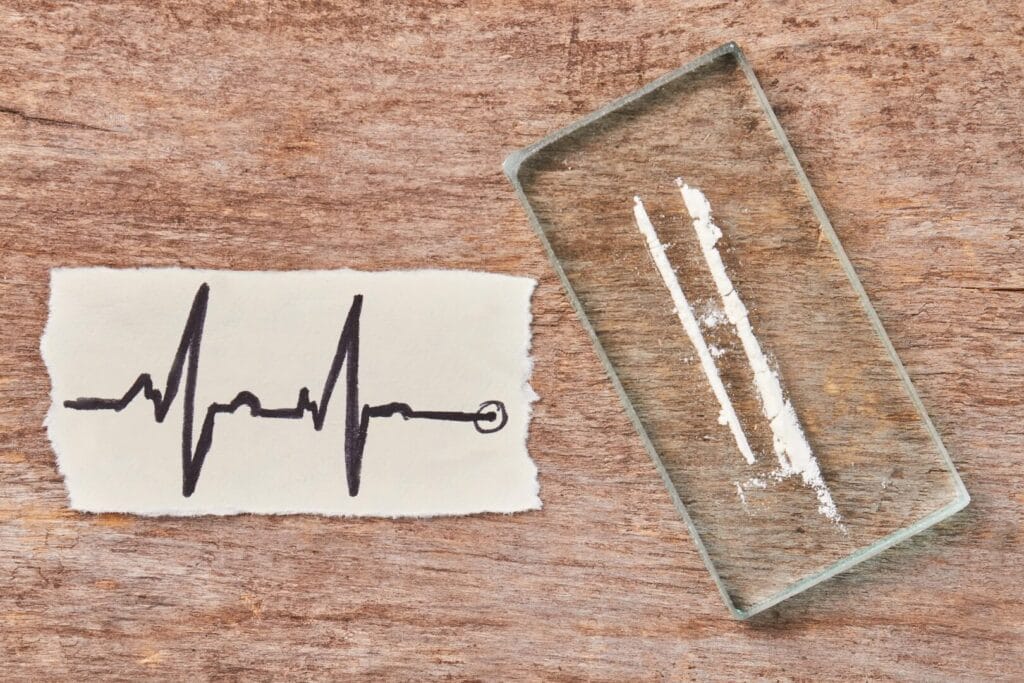
Understanding Bradycardia Bradycardia is clinically defined as a slow heart rate. The adult heart typically beats between 60 to 100 times per minute at rest. However, athletes and the elderly sometimes have a slow heart rate of 60 bpm or less when sitting or lying down. In athletes, slower heart rates result from heart muscle strengthening from constant exercise. As a result, more blood is supplied to the body with each heartbeat than non-athletes. Several drugs cause bradycardia, whereas bradycardia is sometimes caused by an abnormal cardiac rhythm (arrhythmia). What is Drug-Induced Bradycardia? Drug-induced bradycardia is slowed heart rate caused by the ingestion of a drug or medication. Bradycardia has been linked to cardiac and noncardiac medicine, affecting the heart rate. Clinical drugs that cause bradycardia include cardiac glycosides, calcium channel blockers, antidepressants, beta-blockers, neuromuscular blockers, and alpha/beta-adrenergic blockers. In addition, drug-induced bradycardia may help treat conditions that cause tachycardia (faster than average heart rate). According to some studies, some recreational drugs can also cause drug-induced bradycardia. Most psychostimulants have similar and frequently severe effects on the cardiovascular system. Cocaine, Amphetamines, and Methamphetamine are examples of drugs that cause bradycardia. Is Bradycardia a Marker of Chronic Cocaine Use? Cocaine use, especially when continued over a long time, is one of the drugs that cause bradycardia. Cocaine dependency was associated with a 95% increase in the risks of Bradycardia and severe Bradycardia, according to a 2014 study. Cocaine dependence is also associated with a 5.84 bpm reduction in resting heart rate. A similar study in 2010 also showed that chronic cocaine use was associated with a significantly increased incidence of sinus bradycardia. Therefore, regular cocaine use does not only cause bradycardia, but it is also one of the drugs that cause sinus Bradycardia. Bradycardia Causes and Risk Factors: What Causes Bradycardia? Several issues may result in the development of bradycardia. These will be detailed below. Drugs Several drugs, when ingested, may reduce heart rate over time or immediately. These drugs include the following: Amphetamines, verapamil, cocaine, antidepressants, beta-blockers, cardiac glycosides, and neuromuscular blockers. These are all examples of drugs that cause bradycardia. Other Causes Of Bradycardia Apart from the influence of drugs and certain substances, there are other causes of bradycardia due to physiological changes in the body. These include: Chemical imbalances in the blood, such as the imbalance of potassium or calcium Breathing pauses that repeatedly occur during sleep (obstructive sleep apnea) Inflammatory disorders such as rheumatoid arthritis and lupus Muscle inflammation of the heart Low thyroid function Risk Factors of Bradycardia During the diagnosis of bradycardia, certain factors are linked to the development of bradycardia. These include: Old age Hypertension History of heart disease Chronic cocaine use History of substance abuse Congenital heart defect Certain forms of anxiety and stress The use of medication and drugs that cause bradycardia Common Drugs That Cause Bradycardia Many clinical and non-clinical drugs cause bradycardia. These are a list of drugs that may cause bradycardia: Cocaine Cocaine is a highly addictive stimulant that affects the central nervous system. As part of its long-lasting effect, cocaine is commonly known to cause cardiovascular effects such as dysrhythmias, endocarditis, myocardial dysfunction, and aortic dissection. Studies have also shown cocaine users to be at a higher odd of developing bradycardia over prolonged use. Beta-Blockers Beta-blockers are utilized to help manage patients with abnormal heartbeat rates. For example, they effectively prevent a second heart attack in patients who have suffered an initial heart attack episode. Beta-blockers function by blocking adrenaline’s effects in your body, which invariably slows the heart rate. Some Beta-blocker drugs include Atenolol, Betaxolol, Carvedilol, and Nadolol. Non-Dihydropyridine Calcium Channel Antagonists These drugs treat heart-related problems, including irregular heartbeats (arrhythmia), hypertension, and angina. By blocking the calcium channels in the heart muscle, these drugs reduce the high flow of calcium into the cardiac muscle cells. This results in a reduced heartbeat and a well-contracted heart muscle. Examples of non-dihydropyridine calcium channel antagonists include Amlodipine, Azelnidipine, Benidipine, and Barnidipine. Digitalis Digitalis, commonly known as “foxglove,” is a drug gotten from the plant Digitalis Purpurea and is used in treating various heart conditions. Digitalis helps increase the heart’s output to meet the body’s demands when the heart becomes weakened due to disease, coronary artery, heart failure, etc. Even with its therapeutic benefits digitalis is one of the medications that cause bradycardia. Digitalis intake increases the inflow of calcium into the heart cells to stimulate the heart and cause an increased and stronger heartbeat. Digitalis drugs include Digoxin, Lanoxin, lanoxicaps, Digitex, etc. Anti-Arrhythmic Drugs Antiarrhythmic drugs are generally used for dealing with different abnormal heart rate conditions. These drugs essentially fall under four classes: Sodium-Channel blockers, Beta-blockers, Potassium channel blockers, and calcium-channel blockers. In addition, antiarrhythmic drugs include Flecainide, Procainamide, quinidine, etc. Other Drugs Apart from the above-listed medications that cause bradycardia, several other drugs with side effects are likely to induce bradycardia. Some of these drugs that cause bradycardia include: Sympatholytic antihypertensives Tedisamil Carbamazepine Cimetidine Antidepressants Lithium Opioid blockers Treatment for Bradycardia People with bradycardia would require treatment to prevent the worsening of their condition. In this case, doctors often administer treatments through bradycardia medications, pacemakers (a device used to maintain a steady heartbeat), and by treating other underlying conditions responsible for bradycardia. Medications for Bradycardia There are several bradycardia medications which include: Atropine/Atropen: Atropine belongs to a class of drugs called anesthetic premedication agents. Atropine is a commonly used bradycardia treatment drug. In surgical operations, these drugs combat low heart rates by blocking the slowing effect of the vagus nerve. This leads to a high electrical discharge responsible for the subsequent heart rate increase. AtropineAtropen can be taken alone or in conjunction with other medications. However, patients should avoid atropine use if bradycardia is caused by hypothermia. Atropine is one of the most effective low heart rate medications used for treatment of low heart rate. Epinephrine/Dopamine Epinephrine and Dopamine are used as backup drugs when treating bradycardia. In addition, they are used as an effective alternative
Is Alcoholics Anonymous The Most Effective Path to Alcohol Abstinence

What is Alcohol Abstinence? When someone struggles with an alcohol use disorder and wants to stop drinking alcohol, alcohol abstinence will likely be recommended. Many different treatment programs encourage abstinence from alcohol when someone struggles with a drinking problem, including alcoholics anonymous. This article will discuss alcohol abstinence and whether alcoholics anonymous is the best treatment option to achieve abstinence when trying to quit drinking alcohol. Alcohol Abstinence Meaning Alcohol abstinence means abstaining, or avoiding, drinking alcohol. Alcohol use disorder abstinence is common during addiction treatment when someone struggles with a drinking problem. Achieving long-term abstinence from alcohol can be a difficult task, but there are many resources available that can help when trying to stop drinking alcohol. Alcohol Abstinence Self-Efficacy Scale The alcohol abstinence self-efficacy (AASE) scale is a 20-item self-report that can be used to determine a person’s likelihood of successfully abstaining from alcohol use. The AASE scale has shown to be effective for determining the proper route of treatment for an individual struggling with alcohol abuse and helping people understand what triggers might cause trouble during abstinence from alcohol. Abstaining from alcohol has several health benefits that extend beyond recovery. Physically, it allows the liver to heal, reduces the risk of cardiovascular diseases, and improves sleep patterns. Mentally, individuals often experience better mood stability, enhanced cognitive function, and reduced anxiety and depression. For those struggling with alcohol use disorder, complete abstinence is often the safest and most effective approach to regaining control over their lives. Benefits of Alcohol Abstinence There are many positive effects of alcohol abstinence, especially those who struggle with addiction. Alcohol abstinence benefits include: Avoiding accidents or other adverse outcomes of heavy drinking Heart health may improve Liver health may improve Weight loss Improved relationships Better sleep Lower risk of cancer Lower blood pressure Improved cognitive functioning Alcohol Abstinence Timeline During alcohol addiction treatment, there is a common timeline of alcohol abstinence. Knowing the timeline for alcohol abstinence will help you get a good idea of what to expect from the treatment process. 2 to 12 Hours Within 2 to 12 hours of stopping drinking and beginning an alcohol detox, you will experience the onset of withdrawal symptoms. Many of the early withdrawal symptoms will be mild during this time. 12 to 24 Hours Withdrawal symptoms will continue and may worsen during this time. Many people will begin to experience alcohol cravings at this point. 24 to 48 Hours This is the period where the most severe withdrawal symptoms will occur. Medical attention is recommended during this time to ensure safety. 48 to 72 Hours During this period, withdrawal symptoms will begin to recede or become more manageable. 3 to 7 Days At this point, most withdrawal symptoms will have stopped. After this point, many people will still experience alcohol cravings, which makes it important for continued support and treatment to ensure success and maintain sobriety. Alcoholics Anonymous for Alcohol Abstinence Alcoholics Anonymous (AA) is an alcohol use disorder abstinence program. When trying to stop drinking alcohol, AA may be an excellent option to turn to. AA is a 12-step program that involves regular support group meetings while following 12 steps toward recovery and continued abstinence from alcohol. Many alcohol abuse abstinence programs will use AA or may recommend AA meetings as a form of aftercare after completing an entire addiction rehab program at a treatment center. How Effective is AA For Alcohol Abstinence? While AA can be an effective program for alcohol abstinence, it isn’t suitable for everyone. Those who struggle with severe alcohol use disorders may require more comprehensive treatment options provided at an addiction treatment center. Some people also don’t find AA suitable for them since it is based on religious concepts, and some of the wordings of the 12 steps can be off-putting to some people. So, while AA is effective, it is not the proper treatment method for everyone. If you are struggling with an alcohol use disorder, talking to your doctor or an addiction treatment professional is a good idea to understand the best options for your needs. AA can be an effective alcohol abstinence program, and there are many success stories of people who used AA meetings to achieve and maintain long-term sobriety. The effectiveness of AA will often depend on the individual, their needs, and their commitment to following the program. Alcohol Abstinence vs. Moderation While alcohol abstinence and alcohol moderation may sound like similar terms, there is a difference between the two. There are many different reasons why someone may choose either abstinence or moderation of alcohol use. It’s important to consider your individual circumstances and needs when choosing between the two. What is Alcohol Moderation? Alcohol moderation is when someone cuts back on drinking alcohol but does not completely stop drinking. There are many reasons why someone may choose to moderate alcohol use, including saving money, weight loss, or trying to avoid negative consequences that come with frequent alcohol use. Moderation of Abstinence in Drinking Alcohol There are many different reasons why someone may choose either moderation or abstinence from alcohol. To choose the one that is the best fit for you, it is important to determine your specific circumstances and the results you would like to achieve. When is it Better to Focus on Alcohol Abstinence? For those who struggle with alcohol addiction, total abstinence from alcohol is usually recommended. Alcohol use disorder abstinence is common in most addiction treatment programs, as those who struggle with a severe drinking problem will need to avoid drinking to recover appropriately. Other people who struggle with health issues or want to avoid the adverse effects of drinking alcohol may also choose to abstain from drinking, even if they don’t struggle with an alcohol use problem. When is Moderation a Better Strategy for Alcohol Use? If you don’t struggle with an alcohol use disorder but would like to cut back on drinking for many reasons, alcohol moderation may be a good option. Moderation of alcohol may
How to Stop Meth Addiction?

Use of Meth It is estimated that 5% of the American adult population has used meth at least once. Meth addiction is the uncontrollable use of methamphetamine without a doctor’s prescription. Meth addiction can significantly impact a person’s life, posing threats to their health, wellness, relationships, and financial situation. Methamphetamine is a highly addictive stimulant, and as a result, many people find themselves suffering from meth use disorder. With that, it is important that we address the problem, recognize signs of abuse, and administer proper treatment when necessary. What is Meth Addiction? Meth addiction is the use of methamphetamine without a doctor’s prescription that leads to its uncontrollable use. Meth addiction does not only affect your mental state but your emotional and physical state as well. What Does Meth Feel Like? Meth is a central nervous system (CNS) stimulant, and it increases activities in specific brain areas. Methamphetamine causes a dopamine rush in the brain, causing feelings of euphoria. The relationship between meth and the brain is closely studied, and it’s clear that during meth addiction, dopamine amounts increase. A high amount of dopamine can cause individuals to be alert, energized, and highly decisive. What are the Signs and Symptoms of Meth Addiction? The signs and symptoms of meth addiction differ because of the different tolerance levels in each person. Therefore, while some may experience the signs and symptoms earlier, others may experience them later. Below are the signs and symptoms of meth addiction: Faster breathing and heart rate Higher blood pressure and temperature Irregular heartbeat Anxiety Confusion Memory loss Violent behavior Paranoia Hallucinations or delusions How to Stop Meth Addiction If you or your loved one is experiencing meth addiction, it is vital that you seek help and regain sobriety. Below are the necessary steps to discontinuing meth addiction. Meth Detox Meth detox, a short form of methamphetamine detoxification, is the gradual removal of the substance from the body. It is done to reduce meth skin reactions or the withdrawal symptoms experienced during treatment. Behavior Treatment Meth behavioral treatment involves teaching patients how to cope with stress without the drug. It essentially involves unlearning unhealthy practices and inculcating healthy practices. Meth Addiction Rehab Meth addiction rehab is a clinic with professionals to help people suffering from substance use disorder, and to ensure safe withdrawal from addiction. Effects of Meth Addiction Meth effects on the body are a result of meth use, either long-term or short-term. There are physical meth effects and emotional meth effects, but its physical effects are more common. Some meth side effects include: Memory loss Aggression Meth mood swings Extreme weight loss Hallucinations Less focus Slower thinking Risk of stroke Brain damage Causes of Meth Addiction Meth addiction can be linked to many different causes; these causes will be detailed below. Biological and Genetic Factors Studies show that biological factors can be causes and risk factors for methamphetamine addiction. The study further explains that genetics play a role in causing meth addiction. Environmental Factors Environmental factors can cause meth addiction. For instance, exposure to meth use in an environment can cause one to take the substance. Having Higher Availability of the Drug Methamphetamine can be used to treat ADHD (Attention Deficit Hyperactivity Disorder) and obesity. But some patients abuse the substance after experiencing its effect on the body. Underlying Mental Issues Underlying mental issues are another cause of meth addiction. However, if an individual has underlying mental health issues, they can take methamphetamine to cover up the mental issues. And this can lead to meth addiction. How Do People Use Methamphetamine? Here are some of the ways individuals utilize meth: Smoking: Smoking meth is a common way of using meth. It produces a quick effect because it is introduced faster than the other routes except for injections. Swallowing: Swallowing meth is the least common way of taking it. And it takes a longer time for its effect to start kicking in. Snorting: Snorting takes longer to kick in. It takes about 3-5 minutes for effects to be felt if snorted. Injecting: Taking methamphetamine via injections introduces the drug directly into the bloodstream and quickly causes an intense dopamine rush. Understanding Meth Withdrawal Meth withdrawal symptoms are the symptoms individuals experience when trying to quit meth use. They result from a reduction of meth levels in the body. In short, they are responses to reducing meth medication in the body. Meth Withdrawal Symptoms Symptoms of meth withdrawal include: Suicidal Ideation and Suicide: Suicidal ideation is often the last of the symptoms of meth addiction. This symptom is especially dangerous, and should not be taken lightly. Depression: Depression often occurs after long-term use of a meth substance. It creates a feeling of hopelessness in individuals. Extreme Anxiety: Extreme anxiety occurs after short abstinence from meth. And it is a clear indication of addiction. Teeth Grinding: Teeth grinding is an effect and a symptom of meth addiction. It is often accompanied by tooth decay. Increased Sleeping: Long-term use of meth can cause distorted sleeping patterns and increased sleep in individuals. Decreased Energy: Decreased energy comes after meth has been exhausted in the body. So, individuals take more to restore the lost energy. Night Sweats: Night sweats accompany distorted sleep patterns in meth addiction. Find Help for Meth Addiction at San Diego Detox Being addicted to meth is not a death sentence. Individuals suffering from meth use disorder can seek medical assistance to alleviate the symptoms of meth addiction. There is a high meth treatment success rate for people after meth addiction treatment. The procedures are simple and might include addiction treatment medication. First but foremost, it will include drug detox. Meth detox helps alleviate the signs of meth use and supports withdrawal from meth during treatment. Reach out to San Diego Detox for more information today. Frequently Asked Questions What is methamphetamine addiction and how does it develop? Methamphetamine addiction is a chronic condition in which a person becomes dependent on meth due to its powerful effects on