
How Do Eating Disorders and Addiction Overlap?

Eating disorders and addiction can share a complex, intertwined relationship. The presence of one can significantly influence both the development and progression of the other. Compulsive behaviors, loss of control, and an intense preoccupation with specific activities or substances characterize both. Someone with an eating disorder may engage in addictive behaviors like binge eating or purging. In contrast, people with a substance use disorder will use drugs or alcohol to cope and manage their eating disorder symptoms. There’s evidence of overlap between these conditions, and understanding the dual nature of eating disorders and addiction is needed to develop effective and integrated treatment approaches. Understanding Eating Disorders These are mental health conditions that are characterized by abnormalities in eating habits that negatively affect physical and emotional well-being. Broadly, eating disorders often involve being preoccupied with food, body shape, and weight. When an individual is struggling with an eating disorder, it can lead to dangerous behaviors like excessive food intake, binge eating, purging, and excessive exercise. Among the most commonly diagnosed eating disorders are anorexia nervosa, binge-eating disorder, bulimia nervosa, and other specified feeding or eating disorders or OSFED. Ways eating disorders can affect mental health include: Psychological distress: People with eating disorders may go through severe depression, anxiety, low self-esteem, or feelings of worthlessness. Being constantly preoccupied with body image and food can consume a person’s thoughts and lead to mental distress. Social isolation: Eating disorders can lead a person to withdraw socially because an individual might want to avoid social situations involving food. Isolation contributes to depression and loneliness. Cognitive impairment: Malnutrition and erratic ways of eating can affect cognitive function, concentration, memory and decision-making. Co-occurring disorders: Eating disorders frequently co-occur with other mental health issues, including substance use disorders, complicating the mental health picture overall. Eating disorders are complex conditions deeply affecting mental health and overall well-being that arise from a combination of biological, environmental, psychological and interpersonal factors. They can profoundly affect mental health, contributing to a cycle of suffering that’s both emotional and physical. What is Addiction? Addiction is a disorder that’s considered chronic and relapsing. Key features of the disorder include compulsive drug seeking and use despite the harmful consequences it’s causing. When someone’s dealing with addiction, they can’t control the use of the substance, and it causes impairment and distress. The development of addiction occurs through a combination of biological, environmental, and psychological factors. It starts with voluntary use, progresses into regular use, and ultimately develops into dependence and compulsive behavior. What’s the Relationship Between Eating Disorders and Addiction? There’s a complex, multifaceted relationship that exists between eating disorders and addiction. There are overlaps in the development and manifestation of both conditions and their underlying causes. Both conditions include a loss of control and compulsive behaviors, as well as a preoccupation with activities or substances. Behavior Patterns Both eating disorders and addiction include compulsive actions like binge eating or substance abuse despite an awareness and understanding of the harmful consequences. People with either condition feel like they can’t control their behaviors, whether that’s binging and purging or using drugs or alcohol. A significant amount of mental focus is on food and body image or substance use, dominating thoughts and behaviors. Shared Psychological Factors Both eating disorders and addiction often include feelings of low self-esteem and inadequacy. Food or substances can both become coping mechanisms for these negative feelings. Perfectionism is often a shared trait in eating disorders and addiction, and that can then lead to extreme behaviors. Conditions like anxiety and depression frequently co-occur with both eating disorders and addiction, complicating treatment. Environmental and Social Influences Both eating disorders and addiction can be worsened or triggered by trauma, chronic stress and significant changes in one’s life. Societal norms and media portrayals that glamorize thinness or promote substance use can be part of developing these conditions, as can dysfunctional family relationships. Biological and Genetic Components There’s evidence to show genetic factors can predispose individuals to eating disorders and addiction. The genetic overlap potentially contributes to shared vulnerabilities. Some research also links imbalanced brain chemicals to both conditions, affecting impulse control, mood regulation and reward pathways. Dual Diagnosis and Treatment Challenges It’s not uncommon for someone to experience an eating disorder and an addiction at the same time. This requires an integrated treatment approach where both conditions are managed concurrently. Treatment Approaches for Eating Disorders and Addiction As mentioned, treating co-occurring eating disorders and addiction requires a comprehensive approach addressing both conditions at the same time. The best treatment approach typically combines psychological, medical and holistic interventions carefully tailored to individual needs. An integrated treatment team will include addiction specialists, physicians, psychologists, nutritionists and more so that the eating disorder and addiction can be treated at the same time. Simultaneous treatment aims to ensure one condition doesn’t worsen the other. Some of the specific treatment approaches that might be part of a plan for eating disorders and addiction include: Medical and nutritional support. It’s important that someone is stabilized medically, and any issues related to malnutrition, withdrawal symptoms or other health complications are prioritized. During this time, a dietitian can help with a healthy eating plan, address nutritional deficiencies, and support weight stabilization or restoration. Psychotherapy. Therapy approaches that may be useful for treating both addiction and eating disorders can include cognitive behavioral therapy, motivational interviewing and dialectical behavioral therapy. Addressing underlying issues. It’s common with co-occurring disorders for an individual to have a history of trauma. Trauma-informed care ensures that treatment is sensitive to this. Addressing other mental disorders is also needed for comprehensive care. Behavioral interventions. Participating in 12-step programs or eating disorder support groups facilitates a sense of community and accountability. Relapse prevention. Both eating disorders and addiction require strategies to manage triggers and prevent relapse, facilitating long-term recovery. Holistic and complementary therapies. Techniques like relaxation exercises, yoga and meditation can help manage stress and improve emotional regulation. Ongoing support and aftercare. Once someone completes intensive treatment, ongoing support may come in the
How Does Meditation Help in Alcohol & Drug Addiction?

Meditation can profoundly affect the path to overcoming addiction to drugs or alcohol. Meditation goes beyond being a way to relax or a spiritual practice. It can be a powerful tool to help you navigate the inevitable ups and downs in recovery. Meditation draws from not only ancient wisdom but also modern science and can be foundational to rebuilding your life when it’s been affected by addiction. With meditation, you can build inner strength that will help you navigate cravings, become more resilient, and create a new life in sobriety. What Is Meditation? Meditation is a practice where you work to train your mind to achieve focus, heightened awareness, and inner calm. There are a lot of different approaches you can use to meditate, but they share a common goal of helping you cultivate a deeper understanding of yourself and the world around you. The core of meditation involves directing your attention inward using techniques like focused attention on your breath, repetition of a mantra, or visualization. In doing so, you can quiet the noise of your mind to observe your thoughts, emotions, and sensations without judgment. Regular mindfulness practice can promote mental, physical, and emotional well-being. Benefits include less stress and anxiety, enhanced emotional resilience, improved clarity and concentration, and inner peace and contentment. How Meditation Works Meditation combines neurological, physiological, and psychological mechanisms that interact, producing effects on the brain and body. The specific mechanisms vary depending on the type of meditation you practice, but some broad ways it works include: Different types of meditation can influence brainwave patterns. Practices like mindfulness meditation are associated with increased alpha and theta brainwave activity, focused attention, and relaxation. Meditation has been shown to promote neuroplasticity. This is the brain’s ability to reorganize and form new neural connections. Regular meditation leads to structural brain changes, especially in the regions associated with attention, self-awareness, and emotional regulation. When you practice meditation, it activates your stress response and counteracts the effects of chronic stress. Meditation can also lower levels of stress hormones like cortisol and can reduce heart rate and blood pressure. Meditation enhances emotional regulation by making you more aware of your feelings and less reactive. You learn to observe emotions without letting them overwhelm you. Training attention and concentration in meditation can improve cognitive function and task performance. Practicing sustained focus on a meditation object, like your breath, helps you stay more present in everyday life. Meditation also cultivates self-awareness. You practice observing your thoughts, feelings, and sensations with curiosity and acceptance. Insight helps you learn more about your behavior, beliefs, and reactions, which can contribute to personal growth. The Role of Meditation in Alcohol and Drug Addiction Specifically, in terms of recovery from alcohol and drug addiction, meditation can play the following roles: Addiction recovery is stressful, and you’re facing triggers, cravings, and emotional challenges. Meditation can help you feel more relaxed during this time. A lot of people turn to drugs or alcohol to cope with complex emotions or to numb their feelings. Meditation can help you manage cravings and prevent relapse by developing healthier ways to respond to your feelings. In active addiction, there’s frequently a disconnect between your thoughts, emotions, and actions. You might behave impulsively without fully understanding what’s driving your behavior. Through meditation, you develop self-awareness that can help you make more intentional, thoughtful recovery choices. Mindfulness meditation relies on paying attention to the present moment with curiosity and openness. Through doing so, you can become more attuned to your physical sensations, urges, and thoughts that are linked with drug or alcohol cravings. You can recognize cravings as a temporary experience that will pass instead of being a powerful impulse you have to act on. Meditation can help you cope with physical and mental symptoms of withdrawal that occur in early recovery. You can use meditation to help alleviate symptoms like agitation, insomnia, and mood swings. When you’re recovering from addiction, it requires resilience so that you can learn from relapses, bounce back from setbacks, and stay committed to long-term sobriety. Meditation can help cultivate resilience and foster a sense of inner strength. Meditation is a holistic part of addiction recovery that can help address physical substance dependence and also the underlying emotional, psychological and spiritual components of addiction. Meditation can become a tool to help you maintain your sobriety and build a purposeful life. How Do You Meditate in Recovery? A general framework of how to meditate in recovery includes the following: Begin each meditation session by setting clear intentions for your recovery journey. These intentions will guide your practice and help you stay focused. Find a comfortable posture where you’re alert but relaxed. You want to find a posture that promotes wakefulness without strain. Mindfulness of breath is one of the most influential and most straightforward meditation techniques. Close your eyes and pay attention to the sensation of breathing in and out. Notice your chest rising and falling or the air passing through your nostrils, and when your mind wanders, bring it back to the breath. Practice mindful awareness when cravings arise rather than acting on them impulsively. Observe the physical sensations, emotions, and thoughts, and notice where you feel the craving in your body. Recovery is challenging, and you may experience guilt and shame. You can practice self-compassion through the practice of meditation. Another option is the use of guided meditation that’s tailored to addiction recovery. These provide structured guidance and techniques that can help you. Be consistent with your meditation. Try including it into your daily routine, even just a few minutes. Meditation is one tool in the recovery toolkit. It works best with treatment, including therapy, support groups, healthy lifestyle choices, and social support. Contact San Diego Detox to learn more about available treatment resources and programs. Frequently Asked Questions How does meditation help with addiction recovery?Meditation helps with addiction recovery by reducing stress, improving emotional regulation, and increasing awareness of the thoughts and feelings that lead to substance
Is Medication-Assisted Therapy Right For Me?

It’s daunting to think about starting a recovery journey, and you may be unsure of the best path forward to achieve sobriety. In recent years, medication-assisted therapy, also known as medication-assisted treatment or MAT, has emerged as a powerful tool in the fight against addiction. However, the decision of whether or not MAT is suitable for you requires input from addiction treatment professionals and careful consideration of how appropriate it might be in your specific situation. What Is Medication-Assisted Therapy? Medication-assisted therapy is an evidence-based approach to managing substance use disorders. It combines medicines with behavioral therapies and counseling for comprehensive support when you’re in recovery. The primary goal of MAT is to reduce the harmful effects of substance abuse and alleviate withdrawal symptoms. MAT can also help prevent relapse and promote long-term recovery. The Food and Drug Administration (FDA) has approved medications for MAT that specifically target the same receptors in the brain that are affected by addictive substances. While beneficial for many, MAT isn’t a one-size-fits-all approach. A treatment plan has to be tailored to your specific needs, substance use patterns, and medical history. MAT also needs to be combined with counseling and supportive services. The integration of medications with therapeutic interventions offers a holistic, comprehensive way to treat addiction that addresses the physical and psychological components. Combining medicine with other approaches improves outcomes and increases retention in treatment programs. It also reduces the risk of overdose. What Is MAT Used to Treat? Medication-assisted therapy is used to treat opioid and alcohol use disorders. Medicines to treat opioid addiction and dependence include: Methadone: This is a long-acting opioid agonist. It binds to the same receptors in the brain that opioids like prescription painkillers or heroin do, but in a controlled way. Methadone can minimize withdrawal symptoms and cravings without the euphoria of other opioids. Buprenorphine: This acts as a partial opioid agonist, so it binds to opioid receptors but not as intensely as heroin or prescription pain medicines. It reduces cravings and withdrawal symptoms and has a lower risk of misuse and overdose. Naltrexone is an opioid antagonist, so it works by blocking opioid effects without activating the receptors. It reduces the rewarding effects of using opioids and minimizes cravings. For alcohol use disorder, medications include: Acamprosate: This medication stabilizes brain chemical imbalances that are caused by alcohol consumption. It modulates the activity of neurotransmitters like glutamate, which play a role in alcohol withdrawal and cravings. Disulfiram: It works by inhibiting an enzyme that’s part of alcohol metabolism. If you drink while you’re taking disulfiram, it causes unpleasant symptoms, helping to deter you. Naltrexone: Also used for opioid use disorder, naltrexone can be used to treat alcohol dependence because it reduces cravings and the rewarding effects of alcohol. Is MAT a Cure For Addiction? While medication-assisted therapy can be precious in the right situations, it’s not an addiction cure. Instead, it’s a tool to manage specific symptoms and support recovery. Addiction is complicated, and medicines don’t address all its aspects on their own. A combination of factors usually influences addiction, and MAT mainly addresses the biological aspect because it targets the brain’s receptors impacted by addictive substances. It’s not going to address the underlying social or psychological factors contributing to addiction, however. Addiction also involves ways of behaving and thinking that can be ongoing, even with MAT. This is where behavioral therapies and counseling are essential. You can change your underlying behavior patterns and develop coping skills in these ways. Rather than being a cure for addiction, MAT is viewed as playing a role in reducing the harm associated with substance abuse, promoting stability, and helping improve your quality of life. Successfully recovering from addiction usually requires a multifaceted approach. Who Can Benefit from Medication-Assisted Therapy? Many people might benefit from MAT, including individuals with a history of chronic alcohol or opioid use who haven’t been able to maintain sobriety through other interventions. People who are physically dependent on opioids or alcohol and are at risk of experiencing severe withdrawal symptoms can also be well-suited to MAT, as can people with medical or mental health conditions that could complicate withdrawal management. What Are the Pros and Cons of MAT? When you understand the pros and cons of medication-assisted therapy, you can have an informed discussion with your treatment team or help a loved one who might be struggling with addiction and want to explore treatment options. The benefits of medication-assisted treatment include: Reduced cravings and withdrawal symptoms, so it’s easier to abstain from using drugs or alcohol. Since MAT can stabilize your brain chemistry and reduce the rewarding effects of substances, it can lower the risk of relapse. Studies show that MAT is linked to higher treatment retention rates, better therapy adherence, and improved treatment outcomes. Medications like buprenorphine can reduce the risk of deadly opioid overdoses. The holistic approach that underlies MAT addresses the physical and mental parts of substance use disorders. The downsides to MAT are essential to consider as well. Some medicines used in MAT can lead to tolerance and dependence over time, especially methadone and buprenorphine. This could lead to needing higher doses to get the same therapeutic effects and withdrawal symptoms when stopping. Even though it’s an evidence-based and practical approach to treating addiction, sometimes MAT is still stigmatized. There’s a misconception that MAT is substituting one addiction for another, and unfortunately, that can discourage people from seeking treatment. MAT may be limited because of affordability and other access issues. MAT can cause side effects like nausea, constipation, and sleep disturbances. Some medicines used in MAT are subject to strict regulations, including providers needing special licensing. Even though there are some possible downsides, the overall benefits of MAT tend to outweigh these for many people. You can discuss it with your treatment providers and weigh the pros and cons carefully. When you receive treatment at San Diego Detox, each person’s treatment plan is built around their particular needs. Our multidisciplinary treatment
OxyContin vs. Oxycodone: What’s the Difference?
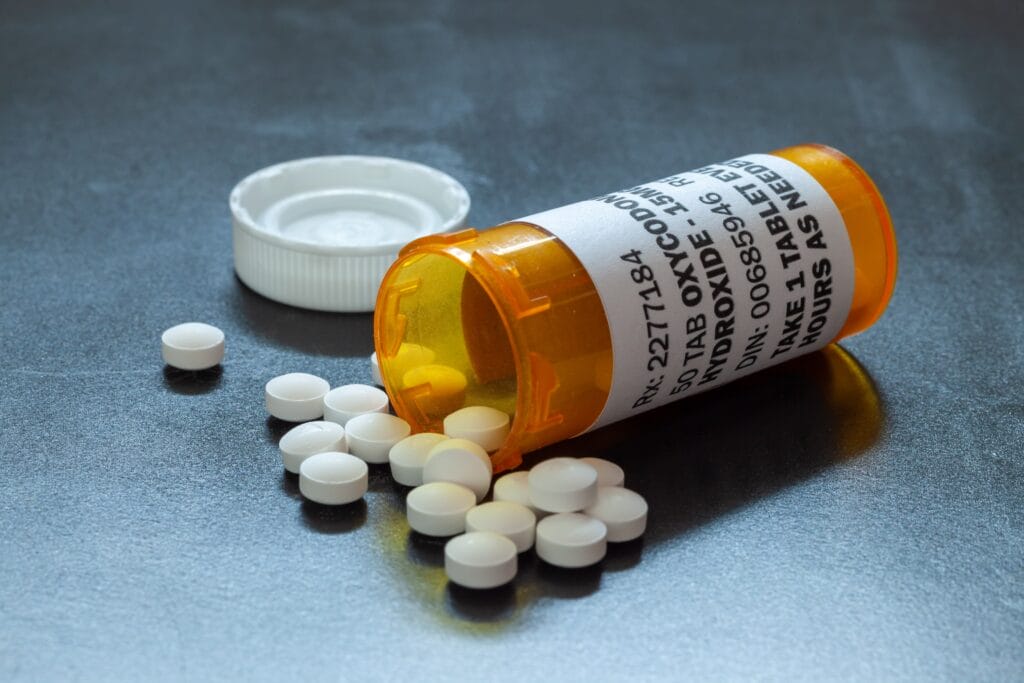
Prescription opioids play a crucial role in alleviating pain for many people, and among the most widely prescribed are OxyContin and oxycodone. The medicines have similar active ingredients but also distinct characteristics. While both OxyContin and oxycodone do have legitimate medical uses, they also have serious risks associated with them, including addiction, dependence and overdose. Both have unfortunately played a big role in the ongoing opioid epidemic in America as well. What Is OxyContin? OxyContin is a brand name for an opioid medication formulation—oxycodone hydrochloride. It’s a Schedule II controlled substance due to the high abuse and addiction potential. OxyContin is prescribed primarily for managing pain that’s moderate to severe in intensity when pain relief is needed around the clock and for an extended period. The key characteristic of OxyContin that distinguishes it from other prescription opioids is its extended-release formulation. The formulation delivers oxycodone gradually over a long period—usually 12 hours. Prolonged release facilitates sustained pain relief. That’s more convenient for patients, reducing the need for frequent doses. OxyContin’s effects stem from its binding to opioid receptors in the brain. Once it’s in these receptor sites, it modulates the perception and transmission of pain. Through activating these receptors, OxyContin can also lead to euphoria and sedation. When used as prescribed and only when needed, OxyContin can help people experience pain relief, improving their quality of life. However, significant risks come with its use, especially when used inappropriately. What is Oxycodone? Oxycodone is a potent opioid for moderate to severe pain, and like OxyContin, it’s derived from the opium poppy plant and affects the central nervous system to relieve pain. Oxycodone is available in various formulations. These include immediate-release tablets, extended-release tablets and oral solutions. Immediate-release oxycodone produces rapid pain relief, but the duration of action is shorter, so doses have to be taken more frequently. OxyContin is a brand-name version of oxycodone that’s extended-release. Comparing OxyContin vs. Oxycodone Both OxyContin and oxycodone are prescribed for pain, and both act on the brain and body in similar ways, but the following are some comparisons of the two. Formulation OxyContin is a brand-name formulation of oxycodone hydrochloride designed to provide sustained pain relief over 12 hours. Oxycodone, on the other hand, is available in both immediate and extended-release formulations. Immediate-release oxycodone usually requires dosing every 4 to 6 hours. Because of the extended-release formulation, OxyContin maintains therapeutic plasma concentrations over an extended period and has a gradual onset of action. Indications OxyContin is indicated primarily to manage moderate to severe pain when continuous relief is needed for an extended period. Oxycodone is prescribed for different types of pain, including chronic and acute. Abuse Potential OxyContin has become notorious for abuse, especially when it’s chewed or crushed. Breaking up the tablets means it can bypass the extended-release mechanism, delivering a large oxycodone dose simultaneously. That greatly raises the risk of addiction and overdose. Immediate-release oxycodone also has high abuse potential, especially when they’re used outside of what’s prescribed by a medical professional. If OxyContin isn’t broken or chewed, the risk of abuse is lower because of its extended-release properties. Both OxyContin and oxycodone have the risk of respiratory depression and overdose, especially when used in high doses or combined with other central nervous system depressants like benzodiazepines or alcohol. The risk is also higher in people with respiratory conditions. Prescription Opioid Abuse and Addiction Prescription opioid addiction is a chronic condition. When you have an opioid addiction, also referred to as an opioid use disorder, you’re compulsively using these drugs even though they’re leading to harmful consequences. Opioid addiction can develop when you misuse prescription opioids like oxycodone and OxyContin, as well as hydrocodone, morphine and others. Not everyone who uses prescription opioids will develop an addiction because there are a lot of factors that contribute. For example, we all have genetic and individual differences in brain chemistry, some of which can predispose us to addiction. Examples include genetic variations related to your opioid receptors and neurotransmitter systems. Psychological and mental health conditions can raise the risk of addiction if you’re using them to numb emotional pain or distress. Social factors like access to opioids and peer influence are part of developing an addiction for a lot of people. Some issues can stem from overprescribing opioids by healthcare providers, although there have been significant efforts to curb that problem in the past decade. Signs of Prescription Opioid Addiction There are some symptoms of addiction to prescription opioids that you can watch for in yourself or a loved one, including: Experiencing intense cravings and urges to use opioids. Difficulty controlling your use, even when you try to stop or cut back. Tolerance, so you need bigger doses to get the same effects you initially did. Having withdrawal symptoms when you stop using opioids means you have a physical dependence. Problems at school or work and neglecting responsibilities. Sometimes, this is broadly known as social and occupational impairment. Continuing to use opioids even though they cause bad consequences. These could be physical, mental or social. The opioid epidemic is a reference to the massive increase in misuse, addiction and overdose deaths stemming from the use of these drugs. Several factors gave rise to the epidemic in the U.S., including aggressive marketing by pharmaceutical companies, a lack of initial regulation regarding opioid prescribing, and widespread availability of prescription opioids. Getting Help for Prescription Opioid Addiction Treatment programs for an opioid use disorder usually include medication, behavioral therapy and support services. The goal is to help you overcome your addiction while reducing cravings and managing withdrawal symptoms. Medication-assisted therapy combines medicines like buprenorphine and naltrexone with behavioral therapy to treat addiction. Behavioral therapy is a big component of addiction treatment because this is what helps you to address the underlying mental and behavioral aspects of your addiction. Behavioral therapies used to treat opioid addiction can include cognitive-behavioral therapy, motivational interviewing and contingency management. Support services like peer support groups, family therapy and case management
How Peer Support Helps in Addiction Recovery

Peer support has emerged as a critical component of successful recovery programs. With peer support, it becomes possible to have a unique space to share your experiences, struggles, and successes with others who truly understand what it’s like to battle against addiction. What Is Peer Support in Addiction Recovery? Peer support in addiction recovery involves assistance provided by people who themselves have experienced addiction and are on their recovery journey. The support can be formal through structured programs and support groups or informal in situations like community support networks or one-on-one mentorship. Some reasons peer support holds so much value in addiction recovery include: Empathy and shared experiences: One of the most significant aspects of peer support is the sense of shared experiences. When you’re around other people who have lived through addiction, they can offer not only understanding but empathy and real-world advice. These can be insights that professionals who have yet to experience addiction first-hand may not be able to provide. Hope and role modeling: Especially in the early days of addiction recovery, seeing peers navigating it successfully can inspire hope and provide concrete positive outcomes. Seeing others succeed can motivate you to keep up with your recovery process. Social support: Social support networks are critical in recovery because isolation is a major risk factor for relapse. When you have a community of people who understand your unique challenges, they can provide you with needed support during difficult times. Accountability: Peer groups provide accountability to help you manage and maintain your recovery goals, which can happen through regular meetings, check-ins, or just having someone who understands your journey. The Evidence Regarding Peer Support Research supports social networks as a practical part of addiction recovery. Studies have shown participants in peer support groups are more likely to reduce substance use and maintain sobriety. These groups’ shared experiences and accountability play a major role in their effectiveness. Engaging with peer support groups is associated with improved psychological well-being, and participants often report lower depression and anxiety levels and higher self-esteem and confidence. Research highlights that people who participate in peer support groups have higher rates of sustained recovery, contributing to long-term success. These groups are also cost-effective, requiring fewer resources than professional treatment options. They can be implemented in many settings, making them highly accessible to many people. Peer support is a very important element of comprehensive addiction recovery programs, serving to enhance the effectiveness of other treatment methods and provide a layer of support to uniquely address the challenges of overcoming addiction. Peer Support in Addiction Treatment Programs When you’re in a formal addiction treatment program, whether that’s on an inpatient or outpatient basis, a lot of what you go through will involve elements of peer support. For example, many addiction treatment programs make group therapy a core component. A professional facilitates the sessions, but the participants’ sharing and interaction drive them. Treatment programs may also incorporate 12-step and other support group models in recovery plans. For example, when you’re in a rehab program, you may engage with support groups like Alcoholics Anonymous (AA), Narcotics Anonymous (NA), or non-12-step programs like SMART Recovery. After completing a formal treatment program, you could stay involved with the treatment center’s alumni program. This program connects former clients to events, online groups and meetings, so they always have a support system and can give back by supporting other people. You may, for a period, live in sober housing, which is a structured and supportive environment with peers also committed to sobriety and recovery. Continued Peer Support After Treatment What’s beneficial about peer support as part of maintaining recovery is that you can continue throughout your life and not just in a formal rehab program. There are so many ways you can get valuable support and maintain your recovery, including: Support groups: These are very widely available. The most commonly recognized options are 12-step programs, which use a structured system to help you achieve and maintain sobriety. These are anonymous and community-driven support environments. There are also non-12-step groups, like SMART Recovery or Secular Organizations for Sobriety (SOS), which offer a non-spiritual recovery approach focusing on science and self-empowerment. Online forums: There are dedicated online communities, including websites and apps, that allow you to connect with others from around the world who are recovering and sharing similar experiences to what you might be going through. You can also meet people through social media groups. Local community events: Local community centers and churches will often host support group meetings and events that are sobriety-related and open to the public. Community centers also hold recovery workshops and seminars. Peer mentoring: Groups like AA and NA include mentorships where experienced sponsors provide one-on-one support to newer members, called sponsees, and guide them through the recovery process and the program’s specifics. On an informal basis, you can create an arrangement where you either offer or receive support one-on-one. Recovery coaching: Professional recovery coaching can give peer support from people who work as professionals now but have also gone through their own addiction and recovery journey. Therapeutic communities: There are longer-term sober living residential environments where everyone commits to sobriety and following a set of rules, providing a supportive network that helps you maintain a substance-free lifestyle. You also can’t underestimate the value of having friends and family who uplift, support, and encourage your recovery. Each option offers benefits and can be tailored to your needs, ensuring peer support is an accessible, versatile part of your addiction recovery. Receiving peer support in addiction treatment and recovery can enhance the recovery process through practical advice, emotional support, and shared experiences. If you’d like to learn more about addiction treatment programs for yourself or someone you care about, our team at San Diego Detox can help. Feel free to reach out at any time.
7 Ways of Stopping Alcohol Addiction Naturally

Alcohol addiction is a complex condition that affects both physical and mental health. While natural strategies may help support recovery, it is important to understand that addiction is considered a medical condition. In many cases, professional treatment or medical supervision is necessary. Natural approaches may help some individuals build healthier habits, manage stress, and improve emotional awareness. However, these methods are not a replacement for structured, evidence-based treatment. Understanding how alcohol addiction develops can help determine whether natural strategies may play a supportive role in recovery. How Alcohol Addiction Develops Alcohol addiction, also referred to as alcohol use disorder or alcoholism, is recognized by the medical community as a chronic condition. It develops over time as repeated alcohol use alters brain chemistry. These changes affect impulse control, emotional regulation, and decision-making. As alcohol use continues, tolerance increases. This means a person may need to drink more alcohol to achieve the same effects. Over time, dependence can develop. This leads to withdrawal symptoms when alcohol use is reduced or stopped. Several factors may contribute to the development of alcohol addiction. These include genetic predisposition, mental health conditions, environmental influences, and ongoing stress. As dependence progresses, individuals may lose control over their drinking. Physical and psychological withdrawal symptoms can make quitting without support extremely difficult. 7 Natural Ways to Combat Alcohol Addiction The following natural strategies may offer support for individuals in recovery. These approaches are not cures for alcohol addiction. Instead, they may help promote emotional stability, physical health, and self-awareness when used alongside professional care. 1. MINDFULNESS AND MEDITATION Mindfulness and meditation practices may help individuals become more aware of their thoughts, emotions, and cravings. These techniques encourage observing urges without reacting impulsively. Over time, mindfulness may help reduce stress and improve emotional regulation. Some individuals find that meditation supports clearer thinking and greater self-control during recovery. 2. EXERCISING REGULARLY Regular physical activity can support both mental and physical well-being during recovery. Exercise stimulates the release of endorphins. These may help improve mood and reduce stress. Physical activity may also help restore healthier sleep patterns and increase energy levels. For some individuals, exercise becomes a positive outlet during early recovery. 3. HERBAL REMEDIES Some herbal remedies are believed to support liver function or reduce stress. Certain supplements may also help ease mild withdrawal-related discomfort. However, herbal remedies can interact with medications or cause unwanted side effects. It is important to consult a healthcare provider before using supplements, especially during alcohol withdrawal or detox. 4. NUTRITIONAL SUPPORT Alcohol use can lead to nutritional deficiencies over time. Improving overall diet quality may help support physical recovery and cognitive function. Balanced meals that include protein, vitamins, and minerals can help stabilize blood sugar levels and support energy. In some cases, nutritional supplementation may be recommended under medical supervision. 5. ACUPUNCTURE Acupuncture is sometimes used as a complementary therapy in addiction recovery. It may help promote relaxation and reduce stress. While acupuncture is not a primary treatment for alcohol addiction, some individuals find it helpful when combined with other recovery strategies and professional care. 6. PEER SUPPORT GROUPS Peer support groups can provide encouragement, accountability, and a sense of connection. Sharing experiences with others who understand addiction may reduce feelings of isolation. Programs such as Alcoholics Anonymous (AA) or SMART Recovery offer structured peer-based support. These groups are often used alongside professional treatment and other recovery methods. 7. HOLISTIC THERAPIES Holistic therapies focus on the connection between physical health, emotional well-being, and behavior. Approaches such as yoga, breathwork, or creative therapies may help individuals manage stress and emotional triggers. These therapies are most effective when used as part of a comprehensive recovery plan that includes evidence-based treatment. The Importance of Professional Treatment Natural approaches may offer supportive benefits, but alcohol addiction is a serious medical condition. Attempting to stop drinking without professional supervision can be dangerous, particularly for individuals with long-term or heavy alcohol use. Alcohol withdrawal can cause severe symptoms, including seizures and delirium tremens. Medically supervised detox helps manage these risks and provides monitoring during early recovery. Professional treatment may include medical detox, behavioral therapy, mental health evaluation, and relapse prevention planning. Structured care also addresses underlying mental health conditions that often contribute to addiction. At San Diego Detox, individualized treatment plans are designed to support physical stabilization and long-term recovery in a safe, supervised environment. You want a safe, effective, and sustainable path to recovery, which we can provide at San Diego Detox. Contact us to learn more. Frequently Asked Questions Can I overcome alcohol addiction naturally without professional treatment? While natural strategies such as mindfulness, exercise, nutrition, and support groups may support recovery, alcohol addiction is considered a chronic medical condition. Overcoming it often requires professional treatment or medical supervision. Are support groups effective for long-term sobriety? Support groups can provide accountability, encouragement, and peer connection. Many individuals find long-term participation helpful as part of a broader recovery plan. Why is nutrition important during alcohol recovery? Alcohol use can deplete essential nutrients and affect physical health. Proper nutrition supports energy levels, brain function, and overall recovery. What role does exercise play in recovery from alcohol addiction? Exercise may help reduce stress, improve mood, and support physical health. It can also provide structure and positive routines during recovery. When should someone consider professional treatment instead of relying on natural methods? Professional treatment should be considered if alcohol use is severe, long-term, or accompanied by withdrawal symptoms. Medical supervision improves safety and recovery outcomes.
How to Support Veterans with Addiction

Supporting a veteran struggling with addiction can be an important and potentially life-changing thing to take on. Veterans face unique challenges and often return from service with traumas that make the transition to civilian life difficult. The challenges can lead to the use of drugs or alcohol as a coping mechanism, creating an addiction cycle requiring specialized support and understanding. Understanding Addiction Among Veterans A significant and multifaceted issue, addiction among veterans is deeply related to the unique experiences and challenges faced by those people who have served in the military. Understanding why addiction is especially prevalent among the veteran population requires looking at the different physical, mental, and social factors contributing to substance use. Reasons addiction is common among veterans include: Many veterans have gone through traumatic events during service, including injuries, combat and losing people they served alongside. The traumatic experiences can lead to the development of mental health conditions like post-traumatic stress disorder. Veterans with PTSD are at a more substantial risk of using substances to alleviate symptoms and self-medicate. Physical injuries and chronic pain can be an issue for veterans. Veterans may be prescribed opioids for injuries, sometimes leading to dependency and addiction. As someone struggles with chronic pain, the desire for relief can lead to substance misuse or seeking out other substances to help. Going from military to civilian life can be difficult for many veterans as they lose the structure, a sense of purpose and camaraderie they had in the military. Emotional challenges such as depression, isolation, and anxiety can arise. That can raise the risk of using substances to cope with this transition. Despite the overall growing awareness of mental health issues, there’s still a stigma associated with getting help for mental or substance use problems, particularly among the veteran community. Veterans may feel ashamed to admit they need help, preventing them from getting treatment and support. It’s common for veterans to experience co-occurring disorders along with substance use issues. These can complicate their recovery process and require an integrated treatment approach. Overall, addiction among veterans is a complicated problem rooted in a combination of traumatic experiences, mental struggles, physical injuries, and social challenges. Signs of Addiction in Veterans One way that you can help a veteran who could be struggling with substance abuse is by learning to recognize the signs. Addiction can manifest in different ways, and by understanding the signs, you can help a loved one identify when a veteran could be struggling. Some of the signs of addiction that a veteran may display include: Behavioral changes include increased secrecy, neglecting responsibilities, isolation, and loss of interest. Neglecting responsibilities and a noticeable loss of interest in activities or hobbies that were once appealing and enjoyable. Engaging in risky behaviors. Physical changes like shifts in appearance, health issues or sleep problems. Psychological signs such as mood swings, increased signs of anxiety or depression, or experiencing cognitive disturbances like paranoia or hallucinations. Substance-related signs include increased tolerance, withdrawal symptoms, cravings, or loss of control. Social issues like increased conflicts with loved ones. Work, school, or financial problems. Recognizing these signs and encouraging veterans to get help can be vital to their recovery. It’s also important to provide a supportive, judgment-free environment. These are things that can make a significant difference in the life of a veteran struggling with addiction. Ways to Support a Veteran Struggling with Addiction Along with recognizing the signs above, other ways you can support a veteran struggling with addiction include: Educate Yourself As well as learning about the signs of addiction, learn about addiction itself, including its causes. When you understand the nature of addiction, you’re better equipped to approach the situation with empathy. You can also familiarize yourself with the unique challenges faced by veterans. Be Emotionally Supportive Create a safe space for the veteran to talk about their struggles. Focus on actively and empathetically listening without offering judgment or unsolicited advice. Show patience and understanding, and know that recovery is a continual process with setbacks. Encourage Professional Help You can suggest therapy or counseling or help the veteran explore treatment options like an inpatient or outpatient rehab program, detox facilities or a support group. Examples include 12-step programs like Alcoholics Anonymous. Help with Logistics You can help veterans find and access resources like the VA, non-profits, and local veterans’ organizations. You can also offer to drive them to various appointments or meetings if transportation is an issue or they’d prefer support. Create a Supportive Environment If you share a home with the veteran, you can work on creating a living environment that’s substance-free, supportive and stable. You can also help them by promoting a healthy lifestyle, encouraging exercise and eating well. Promote Social Connections Encourage the veteran to reconnect with supportive family members and friends and suggest joining peer support groups. Peer support groups offer an excellent way to receive and share encouragement from people facing similar situations and challenges. Respect Their Independence Even when you want to do your best to help someone struggling with addiction, you still need to ensure they have autonomy and they’re taking ownership of their recovery process. Respect their decisions while providing encouragement and support. You can also set and maintain healthy boundaries to protect your well-being. Trying to help someone struggling with addiction is not easy, so you have to make sure you’re taking care of yourself along the way. Be Patient but Persistent Relapse, as well as other challenges and setbacks, can be part of the recovery journey. Encourage the veteran to continue on a healthy path despite setbacks. Show your ongoing support and commitment to their recovery to reinforce that they aren’t alone. Addiction Treatment at San Diego Detox Here at San Diego Detox, we understand the complexities surrounding veterans and addiction. That’s why we provide holistic addiction treatment that emphasizes overall wellness. In addition to providing evidence-based therapies, our wellness experts promote balance, self-care, and well-being, encouraging individuals to cultivate healthy lifelong habits. We
How Do You Tell Your Partner About Your Alcohol Addiction?

When you talk to someone about struggles with alcohol addiction, it requires courage, and it can be a significant step in recovery. It’s a daunting conversation, and you’re likely going to feel anxiety and uncertainty, but this can also be a moment that strengthens your relationship, providing the support needed to overcome addiction. It’s valuable to understand the impact of your addiction on your life and relationship so that your partner’s awareness can become an instrumental support to your sobriety journey. Having a plan and approaching the conversation with vulnerability and honesty can create an environment of trust and mutual understanding. The Effects of Addiction and Recovery Alcohol addiction, when you’re in recovery, can have long-lasting effects on different parts of your life. When you’re in active addiction, you’re likely dealing with a range of physical and mental health problems. Co-occurring mental health issues are common in addiction, and as part of your recovery, you may require continuous therapy and medication. Alcohol can numb your emotions and make it hard to deal with your feelings when sober, so in recovery, you have to learn healthy emotional regulation strategies. You’re likely to face triggers and cravings regularly, so you need a toolkit of coping mechanisms and a strong support system to help you manage challenges. Active addiction also has a major effect on relationships. It can strain the most important relationships in your life, and repairing them when you’re in recovery takes time and effort and, in many cases, professional counseling. You’ll work in your recovery to find new social activities that don’t involve alcohol as a key part of preventing relapse, and that can mean not just finding new hobbies but also changing your social circle. An addiction of any kind can impede your performance at work and your career reputation. So, during recovery, you might focus on rebuilding your professional skills and reputation and strive to maintain job stability. Past legal issues stemming from alcohol use may have lingering consequences you have to address, and addiction can also lead to significant financial instability and debt. Redefining your identity without alcohol is a major cornerstone of recovery, and it includes discovering new goals, values, and passions. Overall, an addiction to alcohol affects every aspect of life, with effects persisting even in recovery. With the right support, commitment and strategies, managing these challenges effectively to build a fulfilling, sober life is possible. Because a partner may be a part of that fulfilling sober life, you may need to have a conversation with them about your addiction. It’s challenging and emotional but can benefit your recovery and your relationship. How Being in Recovery Affects Relationships Being in recovery from alcohol addiction significantly impacts relationships, and the process of recovery can bring growth opportunities but also challenges. If you had a relationship with someone while you were in active addiction, your recovery would likely include an emphasis on earning their trust over time. It was probably damaged during active addiction. Open communication about your recovery journey can foster a sense of security in relationships. Recovery can involve learning new communication skills, leading to more effective interactions with the people you care about. When you’re sober, you can express your emotions more clearly and constructively, improving your ability to connect with others. Telling Your Partner About Your Alcohol Addiction Whether you’re in active alcohol addiction or recovery, telling your partner is a tough conversation, but there are tips you can use to navigate this difficult discussion. Choose the right time and place. You want a quiet and private place so you can speak without interruption. Ensure you both have enough time to discuss the issue without feeling rushed and avoid times when your partner is preoccupied or stressed. Be direct and honest and avoid downplaying the situation. You should also be clear and specific about how alcohol affected your life and either why you need to address it now or why you did previously and are now in recovery. Prepare yourself emotionally. Understand that your partner is likely to experience various emotions, such as anger, sadness, shock, and confusion. Keep your emotions in check and be ready to listen to your partner’s concerns. Take responsibility. Whether you’re in active addiction or recovery, recognize how this could affect your partner and relationship. Don’t blame other people or external circumstances for your addiction if it’s currently something you’re actively affected by. Take ownership of your decisions and actions. Express a commitment to change if you’re in active addiction. Explain the steps you’ll take to overcome addiction, like starting a treatment plan. Demonstrate your commitment to recovery and willingness to work on repairing damage caused to the relationship. Be prepared for questions. When you’re having this conversation, you want to prepare yourself to answer questions truthfully. Your partner may want to know more about your addiction, past behavior, and recovery plan. Seek professional help together if necessary. You might, for example, attend couples’ counseling to navigate the complexities of addiction and recovery. There are also support groups your partner might consider, like Al-Anon. Al-Anon is a mutual support group for the loved ones of people struggling with addiction. Be patient and give your partner time to process the information. They might need to come to terms with your addiction or recovery and the implications for your relationship. Maintain open communication. Communicate consistently and be willing to discuss the issue further if necessary. Share resources and information. Share resources about addiction and recovery to help your partner understand your experiences and what to expect. Encourage your partner to be involved. Encourage participation in your recovery process, whether through meetings, therapy, or by being a source of support. Show through your actions how committed you are to recovery. Follow through with your treatment plan and show consistency in maintaining sobriety. Treatment At San Diego Detox Here at San Diego Detox, we offer a tailored approach, combining luxurious comfort with professional, evidence-based medical care. Our detox program prioritizes safety,
What Is Benzodiazepine Addiction?

Benzodiazepines are a class of medications that are mainly used to treat anxiety, panic disorders, and insomnia. While there are therapeutic benefits that come from prescribing these medicines, there’s also a potential for addiction. Benzodiazepine addiction has become a growing concern in modern healthcare, and as prescriptions for these medications go up, so do situations involving misuse and dependency. Benzodiazepine Use Benzodiazepines are also referred to as benzos. They’re a drug class that affects gamma-aminobutyric acid or GABA in the brain. GABA is a neurotransmitter that has a calming effect on neuron activity, so when benzos are taken, it leads to anti-anxiety, sedative, and hypnotic effects. Benzodiazepines also have anticonvulsant and muscle relaxant properties. These are among the most commonly prescribed medications in the world, but their effectiveness and broad availability contribute to their addiction potential. Some of the most commonly prescribed and used medicines include: Alprazolam (Xanax): This benzo has a rapid onset of action and is prescribed for short-term management of anxiety and panic disorders. Lorazepam (Ativan): Along with being used to treat anxiety disorders, Ativan is also used as a pre-anesthetic medicine because it has a fast action onset and an intermediate duration of effects. Diazepam (Valium): Valium is used to treat anxiety disorders as well as symptoms of alcohol withdrawal and muscle spasms, and it’s used as a medicine before operations. It has a relatively long duration of action. Clonazepam (Klonopin): Prescribed to treat panic disorder and some types of seizures, Klonopin has a longer duration of action than other benzodiazepines. Clorazepate (Tranxene): This is for anxiety disorders and also to help with acute alcohol withdrawal symptoms. There are important medical uses for benzodiazepines, but when they aren’t used appropriately, it can lead to tolerance and dependence as well as addiction. There is a fine line between the therapeutic benefits of benzos and the risks that can come with their use. The Effects of Benzodiazepines As touched on, benzos exert effects because they modulate GABA activity. GABA is the primary inhibitory neurotransmitter in the central nervous system. It reduces the activity of neurons, so it’s calming. Benzodiazepines enhance GABA activity by binding to specific receptors. Along with anti-anxiety effects, benzos can cause drowsiness and sleepiness because they depress the activity of the parts of your brain that control wakefulness. Since they reduce neuron activity in the spinal cord, benzos can alleviate muscle spasms and reduce the frequency and intensity of seizures. There are risks associated even with short-term use of these medications, including cognitive impairment and memory problems. They can lead to respiratory depression, mainly if you use them with other depressants and coordination problems. How Do You Get Addicted to Benzodiazepines? A lot of people’s benzodiazepine addiction starts with a legitimate prescription. Your body adapts to their presence, whether that’s your situation or you misused them. That leads to a tolerance, and you need higher doses for the same effects. If you’re taking them as prescribed and develop a tolerance, you might increase your dosage without talking to your healthcare provider first. Ongoing use leads to physiological dependence. Your body, at this point, will need benzos to function normally. If you were to stop using them, you’d experience withdrawal symptoms like tremors, insomnia, anxiety, and nausea. A fear of experiencing withdrawal could cause you to keep using benzos even when you don’t medically need them. Benzodiazepine addiction often occurs, too, which is a psychological dependence. You could find that you’re using benzos as a coping mechanism to get temporary relief from stress, emotional discomfort, or negative emotions. You might eventually find that you need benzodiazepines to regulate your emotions, and that can reinforce addictive behavior. It could be that poor coping strategies or underlying psychological issues also fuel your addiction. You could be using these drugs to self-medicate an untreated mental condition, and that can escalate to addiction. Signs of Benzo Addiction The signs of benzodiazepine addiction that may arise include: An increased tolerance. Withdrawal symptoms. Being preoccupied with getting and using benzodiazepines. Loss of control. Social and occupational dysfunction. Psychological symptoms like mood swings, depression, or anxiety. Engaging in risky activities. Continued benzo use despite adverse effects and consequences. Deception and withdrawal from others. How Is Benzodiazepine Addiction Treated? There are evidence-based treatment approaches that work well for benzodiazepine addiction. A specific treatment approach and plan is built around your individual needs, the severity of your addiction, and co-occurring psychological disorders. Some of the evidence-based treatments for benzo addiction include: Medically supervised detoxification: If you’ve been using benzos for some time and abruptly stop, it can lead to severe withdrawal symptoms. These can consist of seizures in the most serious situations. Detox is a way to gradually taper off benzodiazepines under medical supervision so you stay safe and more comfortable. Behavioral therapies: These are a cornerstone of effective addiction treatment. Several approaches help treat benzodiazepine addiction, like contingency management, motivational interviewing, and cognitive behavioral therapy. Pharmacotherapy: There aren’t medicines specifically approved as a treatment for benzodiazepine addiction, but there are options to manage cravings, withdrawal symptoms, and co-occurring mental conditions. These include anticonvulsants and selective serotonin reuptake inhibitors. Buspirone can also be helpful to help with anxiety symptoms. Peer support groups: SMART Recovery or a 12-step program like Narcotics Anonymous (NA) gives you support from other people experiencing things similar to you. You can stay accountable, gain insight, and support and encourage others. Relapse prevention: After completing a formal addiction treatment program, whether on an inpatient or outpatient basis, you will likely have a relapse prevention plan from your treatment team. It might include ongoing monitoring, counseling, and other individualized strategies to help you avoid relapse. Integrated treatment: If you have a benzodiazepine addiction and a psychiatric disorder, integrated treatment, also known as dual diagnosis treatment, addresses both issues at the same time. Dual diagnosis treatment is most effective for long-term recovery in these situations. Evidence-based treatment approaches can be delivered in residential inpatient centers, outpatient programs, and more. The key is holistic,
What Is Emotional Sobriety?

You might say you have emotional sobriety when you achieve a balanced, stable state of mind and your emotions aren’t as swayed by the ups and downs that can come with life’s challenges. Emotional sobriety is about having a sense of resilience, inner peace, and self-awareness. It allows you to navigate your feelings, good or bad, in healthy, constructive ways. What Does Emotional Sobriety Feel Like? Emotional sobriety can feel like you’ve developed a profound sense of clarity and inner calm. You will likely feel centered and grounded even when things around you are chaotic. You can acknowledge and process your feelings without having them overwhelm you. We often think about sobriety as being solely focused on abstaining from addictive behaviors or substances, but emotional sobriety is about cultivating a healthy relationship with your own emotions. Rather than letting them control you, you can recognize and accept them. You’ve likely undergone a journey of self-discovery and growth when you reach a point of emotional sobriety, allowing you to respond to challenges with resilience. What Are the Signs You’ve Achieved Emotional Sobriety? While everyone’s journey is unique, signs you’ve achieved emotional sobriety can include: Emotional stability: You may have a sense of inner peace and calmness, and you can effectively regulate your emotions while responding to stressful situations in a more balanced way. Increased self-awareness: Emotional sobriety can come from self-awareness, which means profoundly understanding your emotions, triggers, and behavior patterns. You can recognize and name how you feel without being overwhelmed, and you’re more in tune with your boundaries and needs. Healthy coping mechanisms: You’ve replaced your unhealthy coping strategies, including substance abuse, with healthy ways of managing stress and challenging emotions. This could mean you’re more likely to engage in activities promoting your overall well-being, like meditation and exercise. Resilience: Part of emotional sobriety, as well as sobriety from substances, is resilience. When you’re resilient, you can bounce back from disappointment or setbacks more quickly. You can put them into perspective as growth opportunities instead of obstacles you can’t overcome. You adapt to change with optimism and flexibility. Authenticity: You feel comfortable being who you truly are and expressing feelings and thoughts authentically. With emotional sobriety, you might notice you’re less concerned about external approval or validation. Instead, your focus moves toward living aligned with your beliefs and values. Healthy relationships: Relationships in emotional sobriety are characterized by mutual respect and open communication. You can set boundaries, and you’re less likely to engage in dysfunctional dynamics, like codependency. A sense of purpose: A clear sense of purpose and direction in life often stems from emotional sobriety, where you pursue your goals and aspirations while feeling connected to yourself and others. All the above signs of emotional sobriety mean you’re finding fulfillment throughout your life experiences. The signs don’t necessarily manifest in a linear way or simultaneously, but they can be an indicator of your progress. How Do You Achieve Emotional Sobriety? Steps that can help you along the way to achieving emotional sobriety include: Listen to your thoughts, feelings, and reactions to develop self-awareness. Work to identify patterns in your emotional responses and explore the reasons behind them. Mindfulness practices can also help you foster self-awareness. Practice acceptance of your emotions without resistance or judgment. Tell yourself that it’s natural to experience various positive and negative emotions. Instead of trying to suppress or deny them, let yourself fully experience this range of emotions. As an alternative to relying on unhealthy coping mechanisms like drug or alcohol use, identify healthy coping strategies that work well for you. These will become ways to manage stress and challenging emotions. Set boundaries in your relationships and daily life to protect your well-being. Let go of things that drain your energy and prioritize things that nourish you. Seek support and surround yourself with people with whom you feel comfortable sharing your challenges and experiences. Practice persistence and patience, and know that achieving emotional sobriety is a gradual process that requires time and effort. Celebrate your small victories and give yourself grace as you work toward emotional sobriety. The Role of Addiction Treatment in Emotional Sobriety Addiction treatment plays an essential role in achieving emotional sobriety. It provides you with the tools, resources, and support needed to address underlying issues driving your addiction and develop healthier coping mechanisms. In an addiction treatment program, there’s an emphasis on addressing underlying trauma and mental health issues. Many people who struggle with addiction have experienced trauma or have underlying conditions, like depression. Addiction treatment typically involves therapy and counseling to address these issues so that you can heal and learn how to manage your emotions. An addiction treatment program provides education and skills training in coping mechanisms and offers an understanding, supportive environment. You’ll connect with others facing similar challenges to reduce isolation and increase accountability and encouragement. Achieving emotional sobriety can involve learning how to maintain long-term recovery and prevent relapse. In addiction treatment, you will work a lot on relapse prevention strategies and developing a relapse prevention plan that works for you and will help you navigate setbacks and challenges. There’s also the benefit of having room for self-reflection and opportunities for personal growth when you’re in a treatment program. Addiction treatment encourages introspection so you can gain insight into who you are. An addiction treatment program facilitates a holistic approach to recovery, addressing not only your physical needs, but the emotional aspects of addiction. Final Thoughts Physical sobriety refers to abstinence from substances that directly impact your body. Emotional sobriety, on the other hand, is about achieving a stable state of mind and the ability to navigate challenges effectively. Both physical and emotional sobriety are necessary for long-term recovery and overall well-being. The two complement each other in helping you live a fulfilling life. If you’d like to explore addiction treatment options that holistically address your mental and physical needs, San Diego Detox can help. We take a personalized, whole-person approach with each