
ADHD and Addiction

The conversation surrounding attention-deficit hyperactivity disorder, or ADHD, tends to focus on challenges like inattention, impulsivity, and hyperactivity. There’s another side to the story that doesn’t always get the attention it deserves, though – how ADHD intersects with addiction. Whether it’s substance abuse, compulsive behaviors or other addictive patterns, people with ADHD are often at higher risk. The connection between ADHD and addiction can be complex. Each condition can potentially fuel the other. The Development and Effects of ADHD ADHD is a disorder that typically starts in childhood and can continue into adulthood. The symptoms can affect school and work performance and personal relationships. There are a combination of causes that are thought to contribute to the development of ADHD. For example, there is likely a genetic component, with ADHD tending to run in families. Certain genes are involved in neurotransmitter regulation, especially dopamine, linked to ADHD. These genes can affect how the brain processes motivation and rewards, often areas of difficulty when you have ADHD. There are differences in the brain’s structure and functions associated with ADHD. These differences are especially notable in the areas related to impulsive control, attention and executive function. The prefrontal cortex is an example. It’s responsible for executive functions, and it tends to develop more slowly when you have ADHD. Environmental factors can also contribute to ADHD development, like prenatal toxin exposure or low birth weight. There are several ways ADHD affects the brain and behavior, including: Problems maintaining focus. Impulse control problems, so you might struggle to consider the consequences of actions before acting on them. Hyperactivity isn’t present in all types of ADHD but can be a key symptom. It’s thought to be due to increased brain activity in areas controlling physical movement and motor function. Executive function is the brain’s ability to manage time, prioritize and plan. ADHD can impair this function, causing organizational problems, difficulty completing tasks, and forgetfulness. The effects of ADHD can make daily life challenging. If you have ADHD, you might face frustration with tasks requiring focus or organization, struggle at school or work, and it can even strain relationships with other people. However, a range of treatment options are available. These include behavioral therapy, medication, and educational and workforce support. Lifestyle changes like getting enough rest and eating a healthy diet can help, as can practicing mindfulness and relaxation strategies. What’s the Relationship Between ADHD and Addiction? The relationship between ADHD and addiction has various factors as to why someone with the disorder may be more susceptible to abusing substances. Self-Medication If you have ADHD, you might deal with symptoms like restlessness and impulsivity, and it can feel overwhelming and tough to manage these. In some cases, you could find yourself turning to substances to self-medicate and temporarily get rid of these symptoms. The calming or focusing effects of certain substances can seem appealing. For example, alcohol could be a way to slow down racing thoughts. Since symptom relief is temporary, you might find that you continue using substances to maintain a sense of control, eventually contributing to dependence and addiction. Impulsivity and Risky Behaviors A core symptom of ADHD is impulsivity. That can drive you to engage in risky behaviors without considering the consequences. Impulsivity can make you more likely to experiment with substances and less likely to be able to stop after you start. Because of impulsivity, if you have ADHD, you might start using drugs or alcohol at an early age. That’s a risk factor for addiction. Impulsivity can also lead to binge behaviors where you’re consuming large amounts of substances over short periods, heightening the risk of addiction. Dopamine Dysregulation ADHD is associated with dopamine dysregulation, and this is the neurotransmitter that’s crucial in pleasure, reward and motivation. Most addictive substances raise your dopamine levels, and that’s what creates the high or euphoria associated with them. If you have ADHD, you might crave this elevation because your baseline dopamine levels are lower than normal. The pleasure and motivation you naturally lack can lead to repetitive use of addictive substances that increase dopamine. Once addiction develops, your dopamine pathways are altered, and that can make it harder if you have ADHD to quit substances. Your brain may be reliant on external dopamine production that’s provided by addiction. Other Mental Health Issues ADHD tends to co-occur with other mental health disorders. Having multiple co-occurring disorders can make substance use a more likely coping mechanism. You could turn to substances to manage not just ADHD but symptoms of other conditions, and that’s going to raise the risk of addiction. Having multiple mental health challenges can lead to more severe substance use as you try to self-regulate what’s a complex emotional and mental state. Social and Environmental Factors The social and environmental challenges you might face when you have ADHD, like academic challenges, social rejection or work struggles, can lead to feelings of stress, shame or inadequacy, as well as low self-esteem. These are substance use risk factors. Other Things to Know About ADHD and Addiction Along with what’s above, other insights that might be helpful if you’re struggling with ADHD and addiction or you have a loved one who is included: ADHD can both mask or mimic symptoms of addiction. This overlap can potentially complicate diagnosis and treatment. Early ADHD diagnosis and treatment can significantly reduce the risk of developing addiction later. Treatment should address both conditions simultaneously. This is a dual diagnosis approach. Treating just one condition without the other leads to less effective outcomes. Medication choices have to be mindful of the potential for addiction. Stimulant medicines are highly effective in treating ADHD, for example, but also have the potential for abuse, especially in people with a predisposition to addiction. Support systems are crucial if you’re dealing with both ADHD and addiction. Support systems provide you with encouragement, accountability and assistance in managing daily challenges. Lifestyle changes like regular exercise and a healthy diet can go a long way in helping manage
Long-Term Effects of Opioids
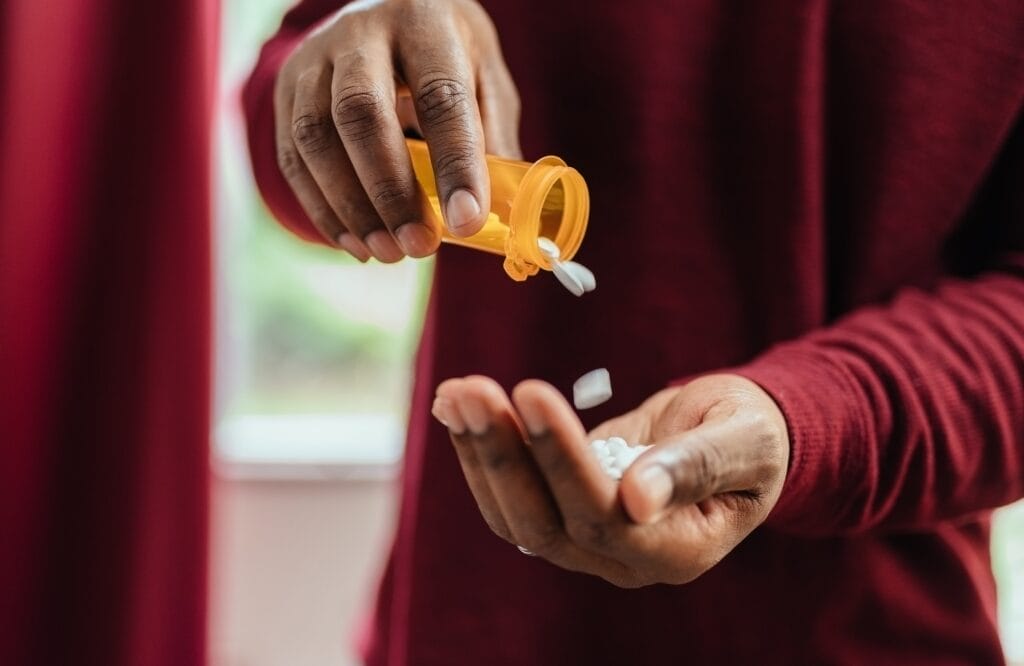
Opioids include prescription painkillers and illegal substances like heroin. They are effective for pain management, but their use comes with risks, especially over an extended period. Long-term opioid use can lead to consequences that are physical, mental and social and extend far beyond the initial reasons for taking them. Understanding the potential effects is critical whether you’re personally struggling with opioids or you have a loved one who is. What Happens When You First Take Opioids? The initial short-term effects of opioids can be felt quickly. Administration: If you take an opioid orally, like as a pill, it passes through the digestive system. It’s absorbed into the bloodstream through the intestines, and it’s a process that can take 20 to 30 minutes. When they’re injected into a vein, the effects are almost immediate. Smoking opioids also leads to rapid effects. Initial onset: Once in your bloodstream, opioids travel to the brain and bind to opioid receptors in areas of the brain responsible for pain and pleasure. This reduces pain signals that make their way to the brain. The process can also trigger dopamine to be released, which is why opioids cause you to feel high or euphoric. Physiological effects: Opioids cause respiratory depression because they affect the brain stem. This slowdown in breathing is one of their most dangerous short-term effects. Other short-term effects include lethargy, drowsiness, nausea and vomiting. Short-term behavior changes: You might initially feel an elevated mood from opioids, but that can then be followed by mood swings or irritability when the effects wear off. Impaired judgment, coordination, and reaction times also can happen with opioids. Dependence: Over time, you might develop a tolerance to opioids, leading you to use higher doses, and your body may start relying on the drug for normal functioning. At that point, withdrawal can happen if you’re not using opioids. Physical Long-Term Effects of Opioid Use Opioid use over extended periods can lead to serious consequences. Tolerance and dependence: As mentioned, with continued use of opioids, your body becomes tolerant to the effects. Over time, you need bigger doses, and dependence leads to withdrawal symptoms when you’re not taking the drug. Opioid withdrawal symptoms can include flu-like symptoms, gastrointestinal distress and severe pain. There’s a higher risk of overdosing when you develop a tolerance as well. Respiratory issues: Opioids depress the respiratory system, and over time, this can weaken your breathing function, making it hard for your body to get enough oxygen. Chronic opioid use can lead to hypoxia – low oxygen levels in the blood. That can damage organs, including the brain. Hormonal imbalances: Opioids affect the production of hormones like estrogen and testosterone because they affect the hypothalamus, which is the part of the brain that regulates hormone production. For men, this potentially leads to erectile dysfunction, low libido and infertility. Women can experience reduced fertility, irregular menstrual cycles and other reproductive issues. Gastrointestinal problems: Taking opioids causes a slowdown in the digestive system because they bind to opioid receptors here. Chronic constipation can be a side effect and lead to more serious complications, including bowel obstruction or perforation. Cardiovascular issues: There are changes in heart rate and blood pressure that happen when you take opioids. Over time, the effects can lead to cardiovascular disease and elevate the risk of heart attacks and arrhythmia. Immune system suppression: Long-term opioid use impacts the production of white blood cells, increasing the risk of infections and the ability to heal from injuries or illnesses. Liver damage: Opioids are metabolized by the liver, and prolonged use can put too much stress on it and cause damage, especially if you’re combining opioids with other substances like alcohol or acetaminophen. Chronic opioid use can contribute to fibrosis or cirrhosis, impairing liver function and contributing to life-threatening complications. Kidney damage: When taking opioids, they reduce blood flow to the kidneys and can throw off electrolyte balance. This is worsened by dehydration, which often comes with opioid use. Over time, stress on the kidneys can cause chronic kidney disease or acute kidney failure. These conditions can require dialysis or, in severe cases, lead to the need for a kidney transplant. Mental Effects of Long-Term Opioid Use Addiction and behavioral changes: Opioids interact with the reward system of the brain and release large amounts of dopamine. That’s what creates feelings of pleasure and reinforces drug-taking behavior. With long-term use, this can change your brain’s function and structure. Addiction is when you’re compulsively seeking drugs, even when facing negative consequences because of it. Cognitive impairment: Chronic opioid use can affect areas of the brain that are part of decision-making, memory and learning. With long-term use, users might face problems with problem-solving and attention, which can affect their day-to-day functioning. This can impact their overall quality of life as they struggle with tasks that require mental clarity. Mood disorders: Long-term opioid use raises the risk of developing mood disorders like depression. That can make drug use worse if it becomes a means of self-medicating. There’s also the risk of other mental health conditions like anxiety, and they can be harder to treat when they’re occurring along with addiction. What Else Should You Know About the Long-Term Effects of Opioids? As well as effects on your physical and mental health, long-term opioid use has other consequences as well. If drug use becomes a priority, as is the case with addiction, it can damage relationships. That leads to social isolation and the loss of key support systems. Financial instability also often stems from addiction, and there may be legal issues that arise. The longer someone uses opioids, the tougher it can be to quit. The brain chemistry changes that come from prolonged opioid use make it hard to break free from addiction without professional help. Over time, the risk of overdose increases, and that puts a person’s immediate life in danger. Why Receive Treatment At San Diego Detox? At San Diego Detox, we take a comprehensive and luxurious approach to opioid addiction
Does Rehab Work?

Does rehab really work? It’s a question that crosses the mind of many people, whether they’re considering it for themselves, a friend, or a loved one. The idea of entering rehab can feel overwhelming, and with so many mixed stories out there—some about amazing recoveries and others about frustrating relapses—it’s natural to be skeptical. Rehab isn’t a magic bullet, a quick fix or a one-size-fits-all solution. But that doesn’t mean it doesn’t work. Rehab can be incredibly effective, but its success isn’t just about checking into a facility. It’s about the journey, commitment, and a range of factors that all play a part in the process. From personal commitment to the quality of care, we’ll explore what really makes rehab work and, in some cases, what can make it fall short. Understanding Rehab: More Than Just Detox When most people think of rehab, the first that comes to mind is detox—getting the substances out of your system and starting fresh. While detoxing is a critical first step in the recovery process, it’s just the beginning. Rehab is about more than cleansing the body—it’s about healing the whole person. At its core, rehab is a comprehensive approach to recovery. It’s a structured program to help someone not just stop using drugs or alcohol but help them understand the underlying issues contributing to addiction. Rehab involves a combination of medical care, therapy, education and support. It’s all aimed at equipping people with the tools needed to rebuild their lives. The goal isn’t just achieving sobriety but maintaining it in the long run. Addiction doesn’t just affect the body. It touches every part of a person’s life—mentally, emotionally and spiritually. A holistic rehab approach recognizes this and addresses the whole person, not just the symptoms of addiction. In a holistic rehab program, treatment plans go beyond traditional methods like therapy and medications. They include mindfulness practices, yoga, nutritional counseling, art therapy and more. These are elements to help individuals reconnect with themselves, manage stress, and find a sense of balance and well-being to support their recovery. By treating the mind, body and spirit, holistic rehab creates a solid foundation for a healthier and more fulfilling life overall post-rehab. Exploring Various Treatment Modalities Addiction treatment is highly individualized, and selecting the right approach is crucial for long-term success. Different programs and therapies address unique challenges, ensuring that each person receives the support they need. Inpatient vs. Outpatient: Inpatient Rehab – A structured, immersive environment with 24/7 medical and emotional support. Outpatient Rehab – Flexible treatment for those who need therapy while managing daily responsibilities. Alternative Treatment Options: Partial Hospitalization Programs (PHPs) – A balance between inpatient and outpatient care with structured daytime treatment. Intensive Outpatient Programs (IOPs) – A step down from PHPs, offering therapy sessions multiple times a week. Therapy-Based Approaches: Cognitive Behavioral Therapy (CBT) – Helps individuals identify and change negative thought patterns that contribute to addiction. Dialectical Behavior Therapy (DBT) – Focuses on emotional regulation and distress tolerance for those struggling with intense emotions. Medication-Assisted Treatment (MAT) – Combines FDA-approved medications with counseling for opioid and alcohol addiction. Choosing the right modality is key to recovery, as it ensures individuals receive the appropriate level of care and support for their unique journey. Key Factors Influence Rehab Effectiveness The effectiveness of rehab isn’t just about checking into a facility and going through the motions. It’s about a combination of factors working together to support lasting recovery. Some of the elements that can have an impact on the rehab experience and how effective it is overall include: Personal commitment: One of the first and perhaps most critical factors is individual commitment to recovery. Rehab can provide all the tools and support in the world, but if someone’s not committed to making a change, it diminishes the likelihood of success. Recovery is challenging and requires a deep, personal desire to overcome addiction. The commitment involves embracing the process and being open to change. Support systems: No one should go through recovery alone. Strong support systems are essential during and after rehab. During rehab, family involvement can provide emotional support and help rebuild trust and relationships. Peer support groups within the rehab setting also offer shared understanding and a motivating sense of community. Aftercare and ongoing support: The journey doesn’t end after a rehab program ends. Ongoing support is vital to maintain long-term sobriety. Aftercare programs like support groups, sober living environments and ongoing counseling provide the continued structure and guidance needed to navigate life after rehab. These programs help people apply what they’ve learned in rehab to real-world situations, cope with triggers and stay committed to recovery. Overall, rehab works best when there is a strong personal commitment, a high-quality program, robust support systems and comprehensive aftercare. Building a Strong Support Network: Resources for Lasting Recovery Recovery doesn’t end when rehab does. Ongoing support systems play a critical role in preventing relapse and maintaining long-term sobriety. Various resources provide encouragement, guidance, and accountability. Community-Based Support Groups: Alcoholics Anonymous (AA) & Narcotics Anonymous (NA) – 12-step programs offering peer support and structured recovery steps. SMART Recovery – A non-religious alternative that emphasizes self-empowerment and science-based strategies. Rehab-Supported Aftercare Programs: Alumni Networks – Many rehab centers offer continued group therapy, mentorship, and sober community events. Relapse Prevention Plans – Structured strategies designed to help individuals recognize and manage triggers. Virtual and Online Support: Online Meetings & Forums – Digital platforms offering remote access to support groups and counseling. Mental Health Apps – Mobile tools that provide guided meditation, recovery tracking, and therapy resources. Engaging with these resources can make the difference between short-term sobriety and lasting recovery, providing a sense of community and continued guidance. Why Treatment Duration Matters The length of time spent in treatment directly impacts recovery success. While short-term rehab offers immediate stabilization, extended treatment is often necessary to create lasting behavioral change. Why Longer Treatment Leads to Better Outcomes: More time for behavioral therapy – Developing healthy coping skills and addressing
What Happens to Your Body When You Stop Drinking?
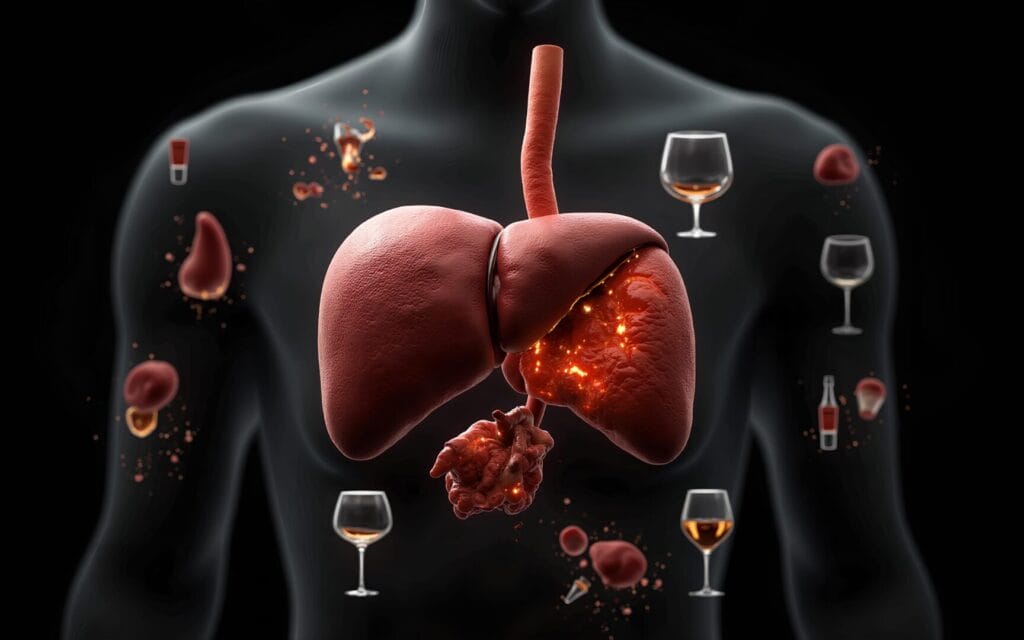
Deciding to stop drinking is a big step toward improving your health and sense of well-being. Alcohol damages your physical and mental health. When you quit, your body starts going through changes as it adjusts to function without alcohol. The changes can vary a lot depending on how much and how often you drank, but we’ll explore what happens to your body when you stop drinking and why it’s worth pushing through challenges for a healthier life without alcohol. Short-Term Effects of Alcohol On Your Body When you first drink alcohol, it enters your bloodstream quickly and starts affecting different systems in your body. Here’s what typically happens: Central nervous system: Alcohol is a depressant, so it slows down brain activity. This leads to impaired judgment, slow reaction times and reduced coordination. You might feel more sociable or relaxed at first, but as you drink more, you may find your speech is slurred, your vision is blurry, or you have trouble walking. Liver function: Your liver is responsible for metabolizing alcohol, but it can only process a certain amount at a time. If you drink more than your liver can handle, there’s excess alcohol that stays in your bloodstream, causing you to feel intoxicated. Stomach and digestive system: Alcohol is irritating to your stomach lining, potentially leading to nausea and vomiting. This is especially problematic if you drink on an empty stomach. Alcohol can also increase your stomach acid production over time, causing reflux and gastritis. Heart and blood vessels: In the short term, alcohol can cause blood vessels to dilate, so there’s a temporary drop in your blood pressure. Over time, however, drinking excessively can cause an irregular heartbeat and raise your risk of high blood pressure. Kidneys and hydration: Since it’s a diuretic, alcohol raises urine production and can lead to dehydration. Long-Term Effects of Alcohol With heavy drinking that occurs over an extended period, your body might have effects like: Liver damage: Chronic drinking can lead to liver conditions like alcohol hepatitis, fibrosis, and liver disease. These conditions can severely impair your liver function and can be life-threatening if untreated. Brain damage: Prolonged drinking can lead to cognitive impairment like problems concentrating, mood disorders, and memory loss. Permanent damage can happen over time. Heart problems: Long-term heavy drinking can raise the risk of cardiovascular issues, including hypertension and damage to the heart muscle. Digestive issues: Chronic alcohol use can damage the digestive system and contribute to pancreatitis and a higher risk of gastrointestinal cancers. It can also lead to malnutrition because it impairs the absorption of nutrients. Immune system suppression: Over time, alcohol weakens your immune system and makes you more susceptible to infection. Mental health disorders: Long-term drinking raises the risk of mental health disorders, and it can make symptoms of these disorders worse. What Should You Expect When You Quit Drinking? If you decide to stop drinking, you might experience a wide range of improvements to your mental and physical health. The First 24-48 Hours In the initial phase, you could experience anxiety or irritability as well as restlessness. Your brain is starting to adjust to the absence of alcohol. These are called withdrawal symptoms, and physically, you might also experience tremors, headaches and disrupted sleep. These are all signs your body is starting to detox from alcohol. Alcohol detox can be dangerous or even deadly without medical supervision, so we encourage you to contact San Diego Detox for help. Days 3-7 As you reach the end of your first week, the mental fog may start in your life, and you might notice small improvements in your cognitive clarity. Mood swings and cravings can still exist, and emotional stability can be in flux, but you might start seeing moments of clearer thinking and increased focus. By the end of the first week after you quit drinking, physical withdrawal symptoms start to get better. Sleep patterns can normalize, and your hydration levels will begin to improve. When you’re more hydrated, you may see benefits in your energy levels and your skin and digestive health. Weeks 2-3 As you move into your second and third weeks without drinking, you might experience more consistent mental clarity. Your concentration starts improving. As the neurotransmitters in your brain stabilize, you find it easier to engage in daily tasks. Physically, you could notice increased energy levels and a reduction in symptoms related to alcohol, like bloating and acid reflux. Your skin may look clearer, and you’ll feel more rested and rejuvenated as your sleep improves. Month One After a month of sobriety, you’ll probably notice significant improvements in your mental health. Your mood is more stable, and anxiety and depression symptoms may decrease as your brain’s chemical balance continues to be restored. Physically, your liver function can improve, and if you have any fatty liver conditions, they may start reversing. You might notice weight loss; overall, your endurance and physical stamina can improve, making your daily activities and exercise easier. Months 2-3 By the second to third month after you stop drinking, you’ll probably notice your cravings for alcohol have dropped quite a bit. You may feel more mentally resilient, able to handle stress, and feel more inner peace and overall well-being. Your physical health continues to improve. Benefits you might notice include better digestion, blood pressure, and enhanced immune function. Your heart health improves, reducing the risk of heart disease. Six Months Six months into sobriety, you may have sustained emotional balance and mental clarity. Your ability to deal with stress and emotional challenges is much stronger, and your outlook on life may be more positive. Physically, your liver could be well on its way to recovery, and you may experience improvements in your metabolic rate, so it’s easier to lose or maintain weight. Your overall endurance and physical health could be at their best since you quit drinking. One Year and Beyond After a year without alcohol, you could feel more resilient and mentally stronger than ever. Your
What Happens to the Body During Withdrawal and Detox?

Going through withdrawal and detox can feel overwhelming and even scary. For many people, the thought of withdrawal brings up feelings of fear or uncertainty. It’s entirely normal to feel this way. After all, withdrawal is your body adjusting to life without the substance it’s grown dependent on, and that can be tough. Even so, it’s important to remember withdrawal is a natural part of the recovery process. Many people successfully navigate this stage with the right support. We’re here to help you understand what happens to your body during withdrawal and detox. Our goal is to provide reassurance, answer questions and show you that while the journey can be challenging, it’s also the first step toward a healthier, more fulfilling life. What Is Withdrawal? Withdrawal is essentially your body’s way of reacting to the absence of a substance it’s gotten used to. When you’ve been using alcohol, drugs or other substances for a while, your body starts relying on them to function normally. Once you stop taking those substances, your body has to readjust. That process is called withdrawal. It’s like when you’re used to drinking coffee every day and then miss a day. You might feel tired, get a headache or notice you’re more irritable than normal. Withdrawal from addictive substances is similar, but it can be more intense depending on the substance and how long you’ve been using it. While it can be uncomfortable, withdrawal is a temporary part of recovery. Your body is working hard to heal and regain its natural balance. While it might feel difficult at the moment, withdrawal is necessary and an important step toward getting better. Many people have gone through withdrawal and come out stronger on the other side. The discomfort is temporary and a sign that your body is on the path to healing. Physical Symptoms of Withdrawal When you’re going through withdrawal, you might physically experience a range of symptoms. Some of the most common include: Headaches Nausea Sweating Shaking Fatigue The symptoms are uncomfortable and exhausting, but they’re your body’s way of adjusting to the absence of a substance it’s come to depend on. Withdrawal symptoms vary depending on the substance you’ve been using, how long you’ve been using it and your body’s unique response. For example, someone going through alcohol withdrawal could experience sweating and shaking, while someone coming off opioids could feel very tired or nauseous. The symptoms can be tough, but knowing they’re temporary is always reassuring. In a medical detox setting, professionals help manage these symptoms and keep you as comfortable as possible. You don’t have to go through the detox process alone, and with the right support, your body begins healing and recovering. Emotional and Psychological Effects Withdrawal doesn’t just affect your body – it can take a toll on your emotions and mental state as well. Many people experience anxiety, depression, irritability or mood swings during withdrawal. It’s completely normal to feel emotionally off-balance during this time. As your brain adjusts to life without the substance it once relied on, it can cause feelings of unease or sadness. The emotional ups and downs can feel overwhelming, and it’s okay to acknowledge this part of withdrawal is just as challenging as the physical symptoms. You might feel anxious or on edge one minute and sad or frustrated the next. These emotional shifts are part of the healing process as your brain works to regain stability and function without the substance. How the Body Reacts During Detox Detox is your body’s natural process to clear out toxins that accumulate from substance use. During detox, your body is working hard to flush out harmful substances. At the same time, your brain and nervous system are trying to rebalance. Detox is the first step toward feeling better and regaining control over your health. You may experience physical and mental symptoms, but they’re signs your body is working to re-regulate itself. The Importance of Medical Detox Undergoing detox in a professional, supportive setting, such as what’s available at San Diego Detox, is one of the safest, most effective ways to begin your recovery journey. Medical detox offers a level of care and safety that makes the process more manageable to ensure you have needed support at every step. One of the main benefits of medical detox is that professionals closely monitor and manage your symptoms. Detox can be unpredictable, so having medical supervision means any physical or emotional discomfort you experience is immediately addressed. In many cases, medications or other treatments can be used to ease withdrawal symptoms, make the process more comfortable and reduce the risks of certain types of withdrawal. Beyond physical care, the emotional support available during medical detox is just as important. It can be comforting to know you aren’t going through this alone. At San Diego Detox, our team is there to provide reassurance, answer questions and help manage any anxiety or stress you might feel. With the right support, medical detox sets the foundation for a safer and more successful recovery. The Importance of Treatment Following Detox Detox is just the first step on the road to recovery. It helps your body begin to heal, but long-term recovery requires ongoing treatment and support. After detox, it’s crucial to continue with inpatient treatment, therapy, support groups or outpatient programs to build on the progress you’ve made. These resources help you address the underlying causes of addiction, develop healthy coping strategies and provide the needed support to maintain sobriety. Get Help Today Withdrawal may feel tough, but remember it’s just a temporary phase in your larger recovery journey. With the right support, you can get through this and don’t have to do it alone. Professional help during detox is key to staying safe and comfortable. San Diego Detox provides expert medical supervision, compassionate care and a supportive environment to help you start your recovery on the right foot. If you’re ready to take that first step, reach out to San Diego
How to Help a Friend with Addiction

Helping a friend with addiction is challenging and delicate, but it can be incredibly impactful for their recovery and well-being. Addiction can have devastating consequences in all areas of a person’s life, but there are things you can do to help the situation. Understanding Addiction’s Effects One of the most critical ways to help someone who’s dealing with addiction is to learn as much as you can about the disease and its effects. Addiction has a profound impact on the person struggling with it and their relationships with their family and friends. Addiction leads to a range of physical and mental health issues, ranging from organ damage to mood disorders. There are often significant behavioral changes noticeable when someone’s dealing with addiction. Behavior could include being dishonest, secretive or defensive. Someone who’s in the grips of addiction may prioritize their use of the substance over other activities, responsibilities, and even relationships. Other effects of addiction to be aware of include: Emotional distress such as guilt and shame. The emotional turmoil experienced during addiction can lead to irritability and instability, which then deepens the effects on relationships. There’s an erosion of trust that can occur between the person with an addiction and their loved ones. Addiction disrupts communication patterns. The person with an addiction might withdraw emotionally or become defensive when they’re confronted about substance use. A lack of open or honest communication can hinder your ability to talk about the problem effectively with your friend and help them work toward recovery. Loved ones and friends of someone struggling with addiction may develop codependent behaviors and start prioritizing the needs of the addicted individual over their well-being. If there’s codependency, it can enable addiction to continue, preventing you from establishing healthy boundaries. Addiction can take a toll on you as a friend, but some resources can help with navigating the situation and rebuilding relationships. How Can You Help Your Friend Struggling with Addiction? Steps to consider when helping a friend with addiction include: Educate yourself: Learn as much as possible about addiction, the science of the disease, its causes and symptoms. You can also explore available treatment options. When you understand the nature of addiction, you can approach the situation with insight and empathy rather than judgment. Encourage open communication: Become a safe and non-judgmental space for your friend so they feel comfortable talking about what they’re going through. Be an active and empathetic listener. Express concern: Approach your friend by expressing concern for their well-being and letting them know you support them. Offer practical help: You can do relatively simple but potentially life-changing things. For example, you can help your friend access treatment programs, therapy, or support groups. You could also go to appointments or meetings if they feel comfortable with you doing so. Set boundaries: Yes, you want to be supportive, but you must also create and maintain boundaries to protect yourself. When you have boundaries, they can help you maintain a healthy relationship with your friend while still offering support. Encourage professional help: It’s always a good idea to encourage your friend to seek professional support and assistance to obtain the necessary tools and resources for recovery. Practice self-care: Having a friend with an addiction is emotionally draining. Prioritize your well-being and set aside time for self-care. Helping someone who’s dealing with addiction isn’t always linear, so try to be patient and understanding, continuing to offer support as your friend navigates the process. What Not To Do If You Have a Friend with an Addiction There are certain things to avoid doing when supporting a friend with addiction, to ensure you’re maintaining those healthy boundaries talked about above and providing constructive help. Things to avoid include: Don’t enable the behavior: Enabling could include providing your friend with money or substances that would fuel their addiction. When you allow addictive behaviors, it’s going to continue the dependency cycle and hinder recovery. Don’t judge: Avoid criticizing your friend or being judgmental. Addiction is complicated, and it’s often accompanied by a lot of shame and guilt already. If your friend feels you’re coming to them in an overly critical way, it can hinder their willingness to listen and seek help. Don’t minimize the problem: Minimizing or ignoring an addiction doesn’t make it go away. If you avoid tough conversations about their behavior or substance use, the addiction may continue to go untreated. Avoid enabling your friend’s denial as well. Gently challenge excuses or rationalizations. Don’t try to fix the problem: You can offer support and encouragement, but it’s not your responsibility to resolve an addiction. Recovery is a delicate process and a personal journey. It almost always requires professional interventions, and your friend has to take ownership of this. Don’t put too much pressure on: You can encourage your friend to seek help, but don’t pressure them too much or give ultimatums. Your friend will need to be ready to commit to changing their terms. Don’t give up: Addiction recovery can be a long, challenging process with setbacks along the way. If you feel overwhelmed or unsure how to help your friend best, get professional guidance from a support group, therapist, or counselor. This can give you some tools to navigate the situation more effectively. Encouraging Your Friend to Get Help If you have a friend dealing with addiction, your ultimate goal is to encourage them to get professional help. Provide information about the benefits of treatment and the different treatment options available. For example, you can give them information about rehab centers to help them make informed, empowered decisions and understand their options. Highlight the positive changes from addiction treatment, such as better physical health and relationships. This is also a great area to offer practical support. You can research treatment options, make appointments, or provide transportation to a treatment facility. When you can help remove logistical barriers, it is easier for your friend to take those earliest steps toward getting help. By educating ourselves about
Is Home Drug Detox Safe? Understanding the Risks and Considerations

In addiction recovery, detoxification is an essential step. It’s the first step you take toward sobriety and wellness. If you’re struggling with drug or alcohol dependence, you might think about detoxing from home, but is it safe to do so? Detoxing from drugs and alcohol has unique challenges and considerations. For example, symptoms can be severe and sometimes even life-threatening. Even if you’re withdrawing from something that doesn’t have potentially severe symptoms, you still face a high risk of relapse during the detox and withdrawal period. What Is Drug Detox? Drug detox or detoxification is the process your body goes through to remove toxins and harmful substances that have accumulated because of substance use or addiction. It’s usually the first step to overcome dependence and achieve sobriety. During detox, your body goes through withdrawal. It’s trying to adjust to no longer having the presence of the substance it depends on. Withdrawal symptoms specifically depend on the drug type, duration and intensity of use, and individual factors like metabolism and overall health. Symptoms can range from somewhat uncomfortable to severely distressing physically and mentally. Detox can occur in rehab and medical facilities or at home, but this should still include medical supervision. Medical detox often involves using medications to help manage withdrawal symptoms and reduce cravings, which then makes the process safer and more comfortable for you. Drug detox can last anywhere between a few days, a few weeks, or longer depending on factors like substance type, dependence severity and individual health factors. Detoxing is only the first step in the recovery process. To achieve recovery, you typically continue on to rehab after you’re fully detoxed, during which time you address underlying addiction causes and develop strategies to maintain long-term sobriety. Symptoms of Drug Detox There’s a lot of variation in the symptoms of drug detox depending on factors like the type of drug, the intensity and duration of use, and individual differences in health and metabolism. Common symptoms can include: Physical symptoms Nausea and vomiting Diarrhea or constipation Sweating Headaches Muscle aches and pains Fatigue Weakness Rapid heartbeat Tremors or shaking Changes in appetite or weight loss Psychological symptoms Anxiety Depression Irritability Mood swings Restlessness Problems concentrating Insomnia or other sleep problems In severe cases, delusions or hallucinations Drug cravings Strong urges to use it again Symptom severity and duration vary by person. They can depend on factors like the frequency and amount of drug use, whether you have underlying mental or medical health conditions and if you have any other substances in your body. Some individuals may experience post-acute withdrawal syndrome or PAWS, which includes lingering symptoms like mood swings, sleep disturbances or anxiety that can last for weeks or months after the acute detox period. The Most Dangerous Things to Detox From Detoxing from certain substances can be especially challenging and dangerous. Alcohol withdrawal, while not a drug, can be life-threatening—especially when severe dependence is involved. Symptoms can include delirium tremens (DTs) with hallucinations, seizures, rapid heartbeat, and severe confusion. DTs can lead to death without medical supervision. Benzodiazepines, like Xanax and Valium, can also lead to severe withdrawal symptoms like hallucinations, seizures and psychosis. The Risks of Detoxing at Home Detoxing at home can have potential risks, including: Severe withdrawal symptoms requiring medical attention. Dehydration and electrolyte imbalances because diarrhea, vomiting and sweating are common. If you’re dehydrated or have an imbalance of electrolytes, it can cause dizziness, weakness, problems with heart rhythm and kidney damage. Pre-existing medical complications can raise the risks of detoxing at home, such as psychiatric disorders, heart disease or diabetes. Without access to medications or behavioral therapies to manage cravings and symptoms, you’re more likely to return to substance use to try and alleviate your discomfort. Detoxing can be emotionally distressing, and you might experience intense psychological symptoms. You may struggle to maintain motivation and stick to your detox plan without external support and encouragement. Trying to detox at home can delay or prevent you from getting professional treatment for a substance use disorder. Medical Detox Benefits Medical detox occurs under the supervision and care of medical professionals. Benefits of this approach, which can occur on an inpatient or outpatient basis, include: Safety: Healthcare professionals can closely monitor you, ensuring that complications or medical emergencies are addressed promptly. This medical monitoring significantly lowers the risk of severe or life-threatening symptoms or complications. Medication management: A medical detox program will often use medicines to treat withdrawal symptoms and reduce cravings, making the experience not only safer but more comfortable. Individualized care: In a medical detox program, you receive tailored treatment to meet your needs. Healthcare professionals will thoroughly assess the right care level and develop detox protocols personalized to you. Monitoring and support: During a medical detox, you’ll receive continuous monitoring and support from medical staff. They’ll assess your vital signs and symptoms and help provide emotional support and reassurance throughout detox. Transitioning to further treatment: Medical detox is an initial step in your recovery journey. Once you complete detox, you are usually transitioned to further treatment, like an inpatient or outpatient rehab program. There, you’ll receive counseling, comprehensive care and support. Reduced relapse risk: A medical detox will minimize the risk of relapse, providing you with the tools and support you need to effectively manage withdrawal symptoms and cravings. When physical dependence is addressed in a controlled environment, it can help you achieve a stable foundation for your ongoing recovery. Overall, while detoxing at home is possible, it’s not recommended. There are too many risks, and a safe, supportive medical environment is a better choice. A medical detox program prioritizes your safety and comfort so you can set the stage for a sustainable long-term recovery. Please contact our team if you’d like to learn about medical detox or other addiction treatment programs. Frequently Asked Questions Why is medically supervised detox safer than detoxing at home? Medically supervised detox offers continuous monitoring of vital signs, access to medications to
What Is the Difference Between Alcoholism and Alcohol Abuse?

There are a lot of terms in the realm of our understanding of substance use that get used interchangeably. Alcoholism and alcohol abuse are two of those. While there are relationships between the concepts, they’re not the same. Alcoholism, or alcohol use disorder, as it’s also known, is a chronic disease, while alcohol abuse can be more of a gray area that eventually progresses to an addiction. Understanding the red flags of alcohol abuse or problematic alcohol use can be an essential way to get help for yourself or someone you love proactively. Alcohol addiction is progressive, and without treatment, it gets worse over time, but if you see potentially problematic things, you can get help. What Is Alcohol Abuse? If you abuse alcohol, you have patterns of drinking that lead to impairment or cause you distress, but these don’t necessarily meet the criteria for dependence or addiction. You can abuse alcohol but not be dependent on it. However, your drinking habits may cause you problems in different parts of your life. Some signs of alcohol abuse that might start occurring in your life include: You’re drinking regularly. This might mean you drink more than what’s considered safe regularly, or you binge drink and have a lot of alcohol in a short window of time. Prioritizing alcohol over other obligations is a problematic red flag. For example, maybe you don’t go to the gym like you used to because you’d instead go home at the end of the day and drink. If you’ve experienced legal issues because of drinking, like driving under the influence, you may have a problem. There are often growing conflicts in relationships that start arising with increased alcohol use. If you’re often dealing with hangovers or you’re experiencing other physical health problems related to alcohol use, it’s a sign of abuse. Alcohol can contribute to mental health problems like increased depression or anxiety. Maybe you always intend to have one or two drinks, but that never happens. You could engage in risky behaviors while you’re drinking. There’s a term often used, which is problematic drinking. Problematic drinking means you’re showing patterns of alcohol consumption that are creating negative consequences, but you don’t yet meet the criteria for alcoholism. Problematic drinking or alcohol abuse typically will escalate over time if unchecked, and that can evolve into alcoholism. What is Alcoholism? Alcoholism or alcohol use disorder is a chronic, severe form of problematic drinking. You’re physically and psychologically dependent on alcohol, and your drinking is compulsive and out of your control. Physical dependence is one differentiator between abuse and addiction. You develop a tolerance to alcohol over time, and then that requires you to increase the amount you drink to get the desired effects. When you’re dependent on alcohol, if you reduce how much you drink or stop, you have withdrawal symptoms. Other signs of alcoholism include: Cravings and an obsession with drinking. Alcohol becomes your primary focus, and you’re preoccupied with it to the detriment of everything else. You continue to drink even though it adversely affects most, if not all, other aspects of your life. It may significantly impair your quality of life, including your social functioning, mental well-being, and physical health. Your responsibilities, such as family obligations or your job, are suffering, and your performance is declining. Alcohol abuse or problematic drinking happens on a continuum or spectrum. Alcoholism is on the end of the spectrum, but recognizing the signs early on and getting help for problematic drinking can stop the progression. The Progression from Alcohol Abuse to Addiction There’s no set way that alcohol abuse progresses to addiction that’s the same for every person. Factors influencing the progression include genetics, environmental influences, psychological factors, and your unique circumstances. Not everyone who abuses alcohol develops an addiction, but prolonged and chronic abuse of alcohol raises the risk. Typically, the path can look something like this: Initial use and experimentation: The progression toward addiction starts with experimenting, which may come with social drinking, peer pressure, curiosity or using alcohol as a coping tool. Regular use: You might start drinking more regularly over time. Maybe you’re drinking to alleviate stress and relax, to cope with difficult or negative emotions or to socialize. As you develop a tolerance, you drink more. Problematic patterns: As your alcohol use intensifies, you might start to show patterns like heavy drinking, binge drinking or drinking in risky situations. Dependence: Prolonged alcohol abuse can lead to both psychological and physical dependence. Loss of control: You lose control over your drinking and can’t stop or limit it even though you’ve repeatedly tried to. Drinking overshadows almost everything else in your life. Cravings: Addiction includes intense cravings, and drinking dominates your thoughts and influences your behaviors. The cycle becomes cravings, consumption, temporary relief, and guilt or remorse. Continued use with consequences: By this point in the progression, you’re experiencing negative consequences in most or all areas of your life, but you continue compulsively drinking. Isolation: As an addiction progresses, you may become more isolated and withdraw from friends and family, as well as activities you enjoy. Escalation of risky behaviors: For some people, addiction leads to escalating alcohol use and engaging in dangerous behaviors like unsafe sex practices or criminal activities. Deteriorating physical health: Long-term alcohol addiction can lead to physical health concerns like liver disease, neurological impairment, and heart problems. Mental health also deteriorates. The progression of addiction occurs because of changes in your brain chemistry, behavior patterns, and psychological factors. The Benefits of Early Intervention If you seek help for alcohol abuse as early as possible, benefits include: You can prevent a progression to addiction. With early intervention, you have a better chance of changing your drinking behavior and avoiding dependence. Alcohol use carries with it significant health risks, and getting early help can prevent long-term damage. Problematic drinking habits strain relationships, but getting help before it becomes an addiction can help repair and preserve them. Getting help can facilitate access to
Is Day Drinking a Sign of Alcohol Addiction?

Whether it’s mimosas at brunch or an afternoon beer, plenty of people enjoy day drinking. While it can seem like a casual way to socialize or relax, you might question whether it is more than an indulgence and could signify a deeper issue with alcohol. Whether or not you have a problem with drinking or a dependency isn’t determined by the times of day you drink, however. There is a spectrum that alcohol use occurs on, and there’s a lot more to a diagnosable alcohol addiction than day drinking. At the same time, that doesn’t mean that day drinking isn’t a red flag. Why Do People Day Drink? The concept of day drinking has become increasingly popular on social media as brunches and other weekend activities are shared, making it seem like everyone is doing it. People might drink during the day for many reasons, including socializing and celebrating special occasions like weddings, holidays, or birthdays. Suppose you’re doing certain recreational activities like barbecuing or going to a sports event. In that case, day drinking might be normalized, and in some cultures, it’s normal to drink during the day when it’s part of celebrating or social customs. Day drinking can be harmless and fun for many people, but it is important to recognize that habitual or excessive drinking during the day or at any time can indicate an underlying issue. Being mindful and honest about your drinking habits and patterns is always good. Does Day Drinking Mean You’re an Alcoholic? Day drinking doesn’t automatically mean you have alcohol use disorder. You have to consider a lot of factors and behaviors when determining whether alcohol is an issue. Day drinking in moderation and within social contexts or special occasions can be no problem. It can become a problem when day drinking becomes regular and interferes with other responsibilities. When you’re evaluating your alcohol habits, think about the frequency at which you’re drinking, how much you drink, the impact it’s having on your functionality in your daily life, and other circumstances that are individual to you. An alcohol addiction is characterized by a compulsive need to drink, even in the face of adverse consequences. Other signs of an addiction include losing control over your drinking behaviors and experiencing withdrawal symptoms when you don’t drink. Day drinking could be a single aspect that’s considered when you evaluate your relationship with alcohol, but it’s not the sole determinant of addiction. Comparing Moderate Drinking to Problem Drinking and Addiction When we look at the spectrum of alcohol use, an excellent way to break it down is moderate, problem, and addicted drinking. Moderate drinking is when you consume alcohol in a way that’s not likely to harm your health or well-being. It’s considered low risk. You might drink alcohol in limited amounts and within the guidelines that health organizations advise. A moderate drinker might have alcohol when they’re socializing or as part of a meal, and they have control over it and can set limits on how much they drink. Problem drinking can be risky, and it’s somewhat of a gray area referring to alcohol consumption patterns that lead to negative consequences, but the other criteria for addiction aren’t met. A problem drinker might binge drink or drink to cope with difficult or uncomfortable emotions or stress. Problem drinkers might not depend physically on alcohol, but their drinking patterns can cause adverse effects in different parts of their lives. Despite realizing drinking has a negative impact, it may be a struggle for a problem drinker to reduce their intake. When you’re showing patterns of problem drinking, it can put you at risk of psychological health problems, accidents, and injuries, as well as a range of long-term issues, including addiction, if you don’t address it. Alcohol addiction is a diagnosable chronic disorder, also called alcohol use disorder or AUD. When you’re addicted to alcohol, you prioritize drinking above everything else in your life, and you experience strong cravings. Addiction can lead to continued drinking despite significant harmful effects, and physical dependence can develop, leading to withdrawal symptoms when not drinking. Alcohol addiction can damage organs, impair brain health, contribute to mental health disorders, and lead to social isolation and damaged relationships. Over time, alcoholism can contribute to legal and financial issues and a risk of death. Signs Moderate Drinking is Becoming Problem Drinking It’s vital to be honest with yourself about drinking so that you can recognize if your moderate habits are transitioning into something problematic. Signs this is happening can include: Drinking more frequently. Binge drinking. Not being able to limit intake. Drinking to cope. Neglecting responsibilities. Increased tolerance. Withdrawal symptoms. Preoccupation with alcohol and drinking. Interference with relationships. Continued use even with consequences occurring. Denial or minimizing the extent of drinking habits. Losing interest in other things. Many of the above can be signs of an addiction, but with problem drinking, you may show fewer signs, or they could be less impactful than they are with a full-blown addiction. Alcohol addiction also occurs along a spectrum. It’s diagnosed using a set of criteria, and how many of those you show signs of will determine whether a healthcare or addiction treatment provider would diagnose you with mild, moderate, or severe alcohol use disorder. Alcohol use disorders are also progressive in most cases, so the longer it goes untreated, the worse the symptoms can become and the more severe the complications. If you’re worried about your drinking habits or someone else’s, getting help is essential. Even if you aren’t sure whether you’re dealing with an addiction, the earlier you get help for signs of problem drinking, the better outcomes and the more you can prevent serious complications. There are a lot of routes that you can go through to get help or to encourage someone else. Contact us today to learn about some available options. Getting help is proactive and critical to ensure that you stay in control of your life or, depending on your situation,
Physical Signs of Alcoholism

Alcoholism or alcohol use disorder (AUD) is medically considered a disease. It’s characterized by not being able to stop drinking even though it causes negative consequences. Whether you’re struggling with an alcohol addiction or you have a loved one who is, it’s often disruptive to every part of life. By recognizing the physical signs of alcoholism early on, it paves the way for early intervention and treatment. Over time, alcoholism develops, manifesting itself in ways that impact your physical, emotional and mental health. We’ll shed some light on the physical signs of alcoholism, helping you spot potential red flags, whether in yourself or someone else. The Development of Alcoholism Alcoholism is defined by your impaired ability to stop or control drinking despite consequences that can be social, related to your job or your health. Alcohol addiction can range in severity, and it includes strong urges to drink, trouble controlling drinking habits, and withdrawal symptoms when trying to cut back or stop drinking. Developing an alcohol addiction is usually the result of genetic, social, environmental and psychological factors. It can start with experimentation and social drinking. Many people will start drinking socially or because they’re curious. Initially, this phase includes moderate drinking in social settings. Regular use occurs when you become more accustomed to drinking. You might do it more frequently or in situations outside of social gatherings. Risky use occurs when you start drinking more frequently, and it starts interfering with your daily activities and responsibilities. Risky use is marked by drinking in dangerous situations, like while driving or experiencing negative consequences because of alcohol use. Dependence happens when your body starts relying on alcohol to function normally. This is the point when you might experience withdrawal symptoms if you aren’t drinking. Alcoholism is technically the final stage where there’s a complete loss of control over drinking. You continue drinking in this stage despite knowing how much harm it’s causing. What Are the Physical Signs of Alcoholism? Alcoholism can lead to physical signs, and they can be separated based on early, middle and late-stage symptoms. Early-Stage Alcoholism In the earliest stages of alcohol addiction, physical signs can be subtle. They’re easy to overlook at this point. Some indicators to watch for include: Frequent hangovers with symptoms like nausea, headaches and light and sound sensitivity. Increased tolerance, so more alcohol is needed to get the same effects. Flushed skin, especially on the face, because of alcohol’s dilating effects on blood vessels. Unexpected weight gain or loss because drinking can change your metabolism and eating habits. Sleep disturbances, like having difficulty staying asleep, can happen early on and lead to daytime sleepiness. Stomach problems like nausea, diarrhea or pain can occur because alcohol irritates the digestive tract. Middle-Stage Alcoholism As alcoholism progresses, the physical symptoms might become more obvious and impactful. These can include: Getting sick often because of a weakened immune system. Broken capillaries, especially on the face or nose, cause a spider vein or blotchy appearance. Shaky hands, especially in the morning, which is a sign of alcohol withdrawal. Problems with balance or coordination lead to falls and clumsiness. Dry, flaky skin or chronic skin conditions like psoriasis. Liver enlargement can cause pain or discomfort in the upper right part of the abdomen. Late-Stage Alcoholism In the late stages, the physical signs of alcoholism can be very noticeable and life-threatening. Jaundice is when the skin and eyes turn yellow, caused by liver damage and impaired bilirubin processing. Ascites is fluid accumulation in the abdomen, which causes a bloated, distended appearance. Severe liver disease can cause liver scarring, jaundice and severe stomach pain. Cognitive impairments include memory loss and confusion. Cardiovascular issues include a higher risk of hypertension and cardiomyopathy, which is heart muscle disease. Loss of muscle mass and strength. Chronic fatigue. Pancreatitis, or pancreas inflammation, causes nausea, vomiting and severe stomach pain. Other Effects of Alcoholism As well as the physical signs, alcoholism has wide-ranging effects on a person’s life, including: Mental and emotional effects. Alcoholism is linked to issues like anxiety and depression. It can make already-existing mental health conditions worse. It can also contribute to new development of mental health problems. Cognitive impairment and brain damage can occur in severe cases. There’s Wernicke-Korsakoff syndrome, which is a form of dementia caused by alcoholism. Alcoholism can cause irritability, emotional outbursts, and mood swings. Alcohol addiction leads to problems in relationships and social isolation. Legal problems can occur because of offenses like driving under the influence, domestic violence and public intoxication. There are healthcare costs that can stem from alcohol use. Alcohol impairs judgment and increases the risks of participating in a variety of risky behaviors, like unsafe sex or aggressive actions. Chronic alcoholism reduces life expectancy, and the cumulative effects reduce overall quality of life. Seeking Professional Help For Alcohol Abuse Whether you notice the signs of alcoholism in yourself or someone else, acting promptly is crucial. If you think you have a problem, recognizing and admitting it is a powerful first step. From there, you should work to get help. San Diego Detox is a leading treatment center that can help. We offer structured treatment and support, as well as detox programs to manage withdrawal symptoms safely. If you think someone else is showing problematic drinking habits or red flags of addiction, approach them with concern and empathy. Be non-judgmental with your language, and suggest they seek professional help. You can research on their behalf to find information about treatment programs that could work well for their needs. Let them know you’re there to support them, not enable their drinking behavior. Establish clear boundaries to ensure you protect your own well-being. If you’d like to explore treatment options or learn more about addiction, we’re here to help. We encourage you to contact us at San Diego Detox at any time. We’re one of the country’s leading alcohol addiction treatment centers, offering evidence-based and holistic approaches to help begin the recovery journey. Alcohol Abuse FAQs 1. What