
Your Guide to Luxury Dual Diagnosis Treatment Centers

Treatment for Addiction and Mental Health Disorders at Luxury Dual Diagnosis Treatment Centers Addiction and mental health issues can be challenging, mainly when they occur simultaneously. This is where luxury dual diagnosis treatment centers come into play. It is a form of specialized care for individuals living with addiction and mental health disorders. Luxury dual diagnosis treatment centers are often the best option for those with co-occurring disorders seeking the utmost care and comfort. These centers provide a high level of luxury and comfort alongside treatments and therapies. Luxury Dual Diagnosis Treatment Luxury dual diagnosis treatment centers cater to the needs of those who require a more exclusive and personalized experience. So, this article will explore luxury dual diagnosis treatment centers. We will see their benefits and what to expect from these specialized facilities. What Is a Co-occurring Disorder? A co-occurring disorder is also known as a dual diagnosis. It refers to the presence of a mental health disorder and a substance use disorder (SUD) occurring simultaneously in an individual.1 It is common for individuals who struggle with addiction also to have underlying mental health conditions such as: Depression Anxiety Bipolar disorder Post-traumatic stress disorder (PTSD) Schizophrenia Comorbidity (Co-occurring Disorders) Explained What Causes Co-occurring Disorders? People with mental health disorders often use drugs or alcohol to self-medicate or alleviate their symptoms. This can lead to the development of a substance use disorder. Co-occurring disorders are also challenging because both conditions must be addressed simultaneously for successful recovery. Therefore, individuals with co-occurring disorders need to use luxury dual diagnosis treatment centers. The treatment addresses their mental health and addiction issues. This may involve a combination of therapy, including: Medication management Support groups Evidence-based treatments Importance of Treatment Co-occurring disorders lead to a vicious cycle of relapse without proper treatment. However, individuals with co-occurring disorders can achieve long-term recovery with the proper support and resources, all of which are available at luxury dual diagnosis treatment centers. This will help improve their overall quality of life. What Are Examples of Common Co-occurring Disorders? While on the lookout for luxury dual diagnosis treatment centers, here are some examples of common co-occurring disorders: Depression and Alcohol Use Disorder Depression is a mental health disorder characterized by persistent feelings of sadness, causing hopelessness and loss of interest in activities. Individuals with depression turn to alcohol to self-medicate or alleviate their symptoms. Most times, this leads to the development of an alcohol use disorder (AUD).2 Alcohol Use Disorder (AUD) and Depression: The Hidden Link Anxiety and Substance Use Disorder Anxiety is a mental health disorder characterized by excessive worry or fear about situations. Individuals with anxiety commonly turn to drugs or alcohol to calm their nerves. This leads to the development of a substance use disorder.3 Bipolar Disorder and Substance Use Disorder Bipolar disorder is a mental health disorder characterized by alternating mood swings of depression and mania. Individuals with bipolar disorder may use drugs or alcohol to self-medicate during manic and depressive episodes, especially in severe cases. This often leads to the development of a substance use disorder.4 Post-Traumatic Stress Disorder and Substance Use Disorder PTSD is a mental health disorder that can occur after experiencing or witnessing a traumatic event. It could be anything traumatic, such as the death of a loved one, physical or verbal abuse, a natural disaster, or combat. Individuals with PTSD may use drugs or alcohol to cope with their symptoms. So, it can lead to the development of a substance use disorder.5 Post-Traumatic Stress Disorder and Substance Use Disorder Schizophrenia is a mental health disorder characterized by a range of symptoms, including: Delusions Hallucinations Disordered thinking Individuals with schizophrenia may turn to drugs or alcohol to self-medicate. This can lead to the development of a substance use disorder.6 There is No-Size-Fits-All to Dual Diagnosis and Recovery These are just a few examples of common co-occurring disorders. The combinations of dual-diagnosis disorders vary between individuals. Each person’s treatment plan at luxury dual diagnosis treatment centers should be tailored to their unique needs and circumstances. Why Is It Important to Not Only Treat the Symptoms but Both Diagnoses Simultaneously? Now, getting luxury dual diagnosis treatment centers raises multiple questions. One such question is why treatment at luxury dual diagnosis treatment centers is necessary for both conditions. Reduces Relapse Treating only the symptoms without addressing the underlying issues leads to a cycle of relapse. For example, suppose an individual with depression and alcohol use disorder only receives treatment for their depression symptoms. In that case, they may continue to use alcohol to cope with their depression. This can result in a relapse of their depression symptoms and exacerbate their alcohol use disorder. What Does Dual Diagnosis Treatment Entail? Addressing both diagnoses simultaneously and comprehensively involves developing a treatment plan. This targeted plan targets the mental health and substance use issues the individual is experiencing. This may involve: Therapy Medication management Support groups And other evidence-based treatments tailored to the individual’s unique needs and circumstances. Addresses Underlying Issues Comprehensive treatment for co-occurring disorders may also involve addressing any underlying trauma or adverse life experiences. These experiences may contribute to an individual’s mental health or substance use issues. For example, suppose an individual has experienced trauma. They may require specialized trauma-focused therapy and other treatments for their co-occurring disorders. Promotes Successful Recovery Addressing both diagnoses individually and comprehensively promotes successful recovery from co-occurring disorders. It also helps to improve an individual’s overall quality of life. It allows individuals to develop coping skills and strategies to manage their symptoms. They get to build a foundation for long-term recovery. Why Is it Important to Get a Dual Diagnosis Treatment? It is quite essential to get help from luxury dual diagnosis treatment centers. And there are various reasons why. It is important to recognize that mental health and substance use disorders are interrelated. They contribute to an individual’s overall health and well-being. Gain a Better Understanding Firstly, a dual diagnosis allows for a more comprehensive understanding of an
What Is Trauma-Informed Therapy?

What Is Trauma? Trauma is defined by the American Psychological Association (APA) as a psychological reaction to a tragic occurrence, such as an accident, rape, or natural disaster. After an incident, shock and denial are common emotions. In the long run, reactions can lead to erratic emotions, flashbacks, strained relationships, and even physical discomfort like headaches or nausea. Causes of Trauma A bad experience that has a long-lasting effect on the victim’s emotional and mental stability might result in trauma. The major causes of trauma are physical acts of violence, while some are psychological. The following are a few typical contributing factors: Domestic abuse Rape Natural catastrophes loss of a close relative severe injury or illness witnessing a violent crime Even though a traumatic incident frequently triggers trauma, it is not always the case. One could occasionally experience shock because of seeing something from a distance. Trauma Signs and Symptoms There are a few fundamental signals one must watch out, for even though there are many trauma symptoms When someone has observed a distressing event, they frequently appear confused and unsettled. They might not engage in conversation as frequently as they normally would and seem reserved when speaking. Trauma-Induced Anxiety Anxiety is one of the typical symptoms of a trauma victim. Trauma-induced anxiety can occasionally appear as jitteriness, anger, night terrors, mood changes, and difficulty concentrating. A person who has experienced trauma may have a variety of emotions, including: Denial Rage Fear Grief Humiliation Confusion Anxiety Despair What Is Trauma-Informed Therapy? Trauma-informed therapy considers the influence of individuals’ trauma on their behavior, mental health, and capacity to participate in treatment. Who Is a Trauma-Informed Therapist? Trauma-informed therapists assume that a client may have experienced trauma in the past and take precautions to prevent unintentionally triggering or re-traumatizing the client during therapy. This is an extremely important part of the process and will help lead to positive results. Why Is a Trauma-Informed Approach Necessary? As its name suggests, trauma-informed therapy helps treat those who have gone through trauma, whether as children or adults. This method can guarantee emotional safety in sessions, even if a person is not receiving treatment specifically for their trauma. A trauma-informed approach won’t hurt someone who doesn’t require trauma-informed care, even though not everyone has experienced trauma. This is why many healthcare professionals adopt a trauma-informed approach during all sessions, not just when a particular experience is connected to the presenting issue. Benefits of Trauma-Focused Therapy Various benefits of trauma-focused therapy will be discussed further below. Understand Your Trauma Trauma-focused therapy gives children and their families a place to learn about typical reactions to trauma and how a traumatic incident has affected the child and family. Re-Establish Safety By definition, a traumatic event causes a breach in your child’s sense of security. This involves abuse of one’s psychological, relational, emotional, or bodily safety. Through exercises and talks that focus on these areas, trauma-focused therapy can help a child redevelop internal (emotional, psychological, relational) and physical (contact, environment) perceptions of safety. Identify Triggers Another advantage of the treatment is that a person can learn to identify the situations or emotions that might serve as triggers for traumatic memories and better control how they react to them in the future. Develop Healthy Coping Skills The goal of trauma-focused therapy sessions is to assist people in learning skills and enhancing coping mechanisms so they can react to memories and emotions connected to the traumatic incident more effectively. Techniques for managing anxiety and relaxation are a few of these characteristics. Decrease In Traumatic Stress Symptoms Individuals can learn and put their abilities to use to lessen traumatic stress symptoms and other mental health symptoms related to the trauma by participating in trauma-focused therapy and working closely with the therapist. Rebuild Your Sense of Self One objective of trauma-informed therapy is to assist a patient in taking back control of their life by gently helping them retell their story. What are The Principles of Trauma-Informed Care? The core principles of trauma-informed care will be detailed below. Safety While receiving treatment from medical personnel, patients must feel secure. Therapists should ensure that their patients and their families experience physical, emotional, and psychological safety. Organizations in the healthcare industry should create secure environments for patients and their families. For instance, waiting rooms should provide enough room for people who might be re-traumatized by sitting next to someone else. Trustworthiness + Transparency When dealing with patients who have experienced traumatic experiences like domestic abuse, assault, or other forms of abuse, therapists must be open and honest to establish a sense of trust. Due to a lack of trust, patients are frequently reluctant to seek medical attention. These patients may believe that if their loved ones can harm them, then anybody else might. Peer Support Therapists, physicians, and other medical professionals must fully understand the many traumatic conditions and how they impact patient care to deliver trauma-informed care. Medical personnel must accept the possibility that each patient has gone through a traumatic experience that prevents them from being upfront about their medical issues. Instead of attempting to “cure” or “heal” a problem, experts can ascertain a patient’s requirements by actively listening to them. Collaboration Creating treatment programs should be collaborative between therapists and medical institutions. Patients, therapists, and medical institutions will collaborate to produce the intended outcome. Patients take an active role in making their healthcare decisions when there is teamwork. Patient Empowerment and Choice The goal of therapy is to provide individuals who have experienced trauma the ability to regain control of their health. They should encourage patients to feel at ease telling their stories to do this. Therapists should effectively communicate with patients about their treatment options and allow them to play an active role in making decisions regarding their care. Obstacles to Receiving Trauma-Informed Therapy Listed below are obstacles to receiving trauma-informed therapy: People don’t understand different kinds of therapy. Avoidance and trauma disclosure: people who have gone through trauma avoid opening
How Helpful Is Dialectical Behavioral Therapy?

What Is Dialectical Behavior Therapy? Dialectical behavior therapy (DBT) is a form of cognitive behavioral therapy (CBT). It is an evidence-based treatment that helps people manage emotions and stress. DBT is a talk therapy specially adapted for people who feel intense feelings to help them accept their emotions, develop new skills to manage them, and improve their quality of life. An essential part of DBT therapy is the practice and mastery of DBT skills, such as mindfulness, to help reduce harmful behaviors and improve mental health. What Does Dialectical Mean? The term “dialectics” is based on the premise that everything is made up of opposites and dialogue between opposing ends (acceptance and change in the case of DBT) can bring fruitful results. Three assumptions can be deduced from the dialectics theory: Everything is linked together Change is constant Opposing ends can be integrated to uncover the truth Multiple Solutions Idea The information above forms the basics of DBT. If you understand dialectics, you can begin to recognize that there are multiple solutions to a given issue and that two seemingly incompatible ideas can coexist. Dialectical thinking involves saying things like, “I messed up, and I can try to make things better” rather than “I messed up, but I can try to make things better.” It involves integrating opposites to make a change. Marsha Linehan and the Creation of DBT Marsha Linehan worked to develop dialectical behavior therapy in the late 1970s as a treatment for multiproblematic, suicidal women. Linehan introduced a treatment approach intended to convey the patient’s acceptance and help them accept their emotions and the world. As a result, DBT was built on the basis of dialectical theory, where therapists constantly work to balance and combine change and acceptance-focused techniques. Biosocial Theory According to the DBT Biosocial Theory, some people are genetically predisposed to feel things more intensely than others. To break it down, we have the bio and the social. It would be rational to assume the emergence of maladaptive behavioral patterns when pairing biological vulnerabilities with invalidating social situations. The Principles of DBT The core principles of dialectical behavior therapy include the following: Support-Oriented: Clients are assisted in recognizing and capitalizing on their strengths to build self-confidence. Collaborative: Patients work together with their therapists to resolve issues. Cognitive-Based: DBT aids people in recognizing patterns in their assumptions, beliefs, and attitudes that make life more challenging. Five Functions For DBT to be comprehensive, it must adhere to five fundamental functions. These include: Improving clients’ motivation Teaching and enhancing clients’ skills Generalizing skills to natural environments through homework, phone, and email consultation, review of therapy tapes, or in vivo interventions Structuring the treatment environment Motivating and improving therapists’ capabilities to offer effective treatments Difference Between CBT and DBT While DBT is a type of CBT, a proper understanding of both behavioral therapies will uncover some differences. The primary distinction is that dialectical behavior therapy emphasizes balance and the interplay between acceptance and change (dialectics), while cognitive behavioral therapy emphasizes harmful thought patterns and their redirection. We can further bolster the distinctions between CBT and DBT in the two headings below: Inside Out: Cognitive behavioral therapy works from the inside out. By changing negative thought patterns on the inside, a person can develop positive habits and boost their mental health. Outside In: Unlike CBT, dialectical behavioral therapy works from the outside in. By learning DBT skills, people are equipped with tools to help them manage intense emotions to take control of their life. What Can DBT Help Treat? Generally, DBT can be effective for the following disorders: Posttraumatic disorder (PTSD) Disruptive behaviors Mood swings Suicidal behaviors Depression Anxiety Anger issues Eating disorders Borderline Personality Disorder (BPD) Dialectical behavioral therapy was developed initially to treat borderline personality disorder (BPD) and remains an effective and successful therapeutic treatment option. For example, one study examining thirty-one patients with BPD who received DBT and nineteen who received treatment as usual (TAU) found that the DBT group showed more significant improvements and reduced self-injurious behaviors than the TAU group. Additionally, 42% of those who received DBT were considered clinically recovered after four months. Eating Disorders Nevertheless, it is also effective in treating some psychiatric disorders. For instance, one study found that, after twenty weeks, DBT greatly decreased the occurrence of binge/purge episodes in patients with bulimia nervosa. DBT for Adolescents Furthermore, families can adopt DBT for teenagers with psychiatric disorders to help reduce problematic behavior patterns. Research has shown that DBT decreases hospitalization rates and effectively treats adolescents with BPD, depression, suicidal ideation, eating disorders, bipolar disorder, and impulsive and aggressive behavior. How Is DBT Helpful for Addiction Treatment? Self-destructive behaviors and dysfunctional emotions typically fuel addiction. Consequently, the instability caused by long-term drug or alcohol use can worsen these behaviors. Participating in dialectical behavior therapy and mastery of dialectical behavior therapy skills will help clients manage their emotions and cope with life stressors in a way that contributes to healthy living. One study found that DBT significantly reduced drug use, had greater retention rates, and resulted in better global and social adjustment compared to TAU. The scope of DBT in addiction treatment includes: DBT for Drug Rehab: DBT can help people recovering from substance use disorder achieve and maintain sobriety by addressing emotional, physical, and environmental triggers that could bring about drug abuse. DBT for Alcohol Rehab: Dialectic behavioral therapy is employed in alcohol rehab to help people in recovery develop coping skills and reduce self-destructive tendencies. DBT to Build Sober Living Skills: DBT promotes sobriety by equipping clients with tools to manage triggers and emphasizing the need to change environments that contribute to drug and alcohol abuse. Dialectical Behavioral Therapy at San Diego Detox If you or your loved one is ready to pursue treatment opportunities, such as DBT, we are ready to help guide you. At San Diego Detox, your health, wellness, and long-term sobriety is our top priority. Don’t hesitate to reach out today and begin healing. Behavioral Components
How Does Cognitive Behavioral Therapy Work?
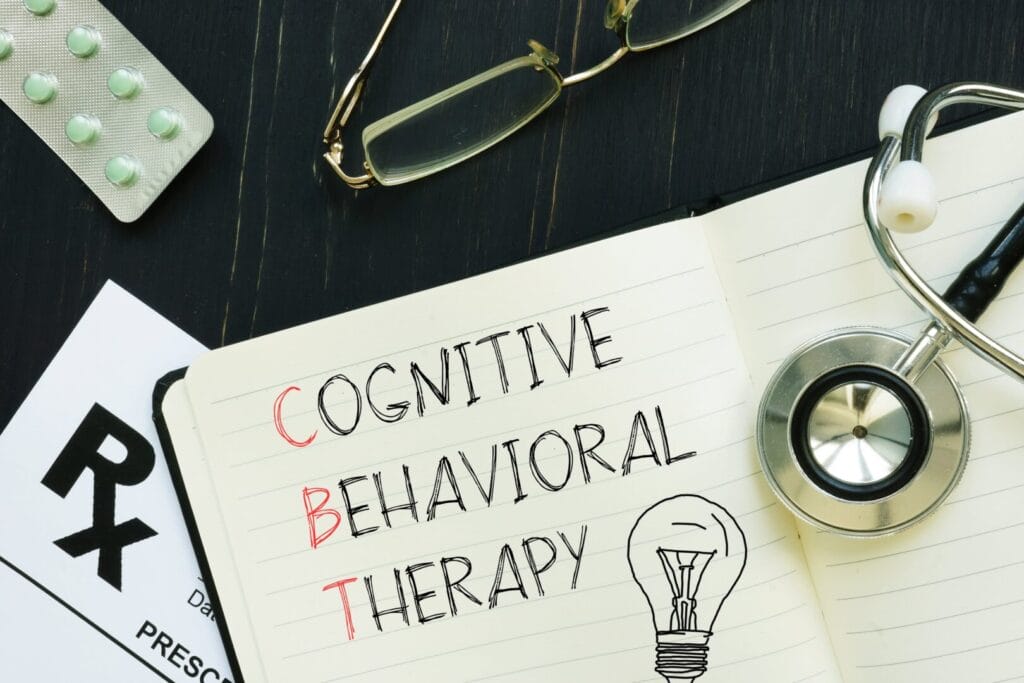
What Is Cognitive Behavioral Therapy (CBT)? Cognitive behavioral therapy (CBT) is a short-term, evidence-based therapy. It combines ideas from cognitive and behavioral therapy. CBT helps people recognize and explore negative thought patterns and emotions. These patterns often contribute to distressing feelings and behaviors. The therapy challenges these patterns and replaces them with positive, healthy coping skills. Is CBT Effective? CBT is one of the most researched psychotherapies. Abundant evidence supports its effectiveness. Studies show CBT works well for many disorders: Depression Anxiety Post-traumatic stress disorder (PTSD) Schizophrenia Eating disorders Chronic pain Some research shows CBT works better than antidepressants for treating adult depression. What Conditions Can CBT Treat? CBT can address various mental health conditions. Strong evidence supports CBT for: Addiction Anger issues Bipolar disorder Eating disorders Panic attacks Personality disorders Phobias Additional Benefits of CBT CBT also helps with non-psychological issues and life challenges: Chronic pain or serious illnesses Divorce or breakups Grief or loss Insomnia Low self-esteem Relationship problems Stress management How Does Cognitive Behavioral Therapy (CBT) Work? CBT provides a supportive, non-judgmental approach. You can talk openly with a trained therapist. The practice focuses on changing thoughts and behaviors that cause problems in your life. Understanding Your Problem During the first few sessions, your therapist works to understand the problem. They learn why you’re seeking treatment. It’s important to provide as much information as possible. The therapist may give you intake forms to learn more about your history. Identifying Problematic Thoughts Your therapist will ask specific questions. These are called Socratic questions. They help open dialogue between you and your therapist. The questions help identify: Thoughts that may contribute to the problem Values and beliefs that might be unhelpful Unhealthy emotions or behaviors Adjusting Your Thoughts and Behaviors Your therapist helps you change your perspective. You’ll work on skills to adopt more positive thought patterns. What Are the Types of Cognitive Behavioral Therapy (CBT)? CBT includes several approaches. Each addresses the connection between thoughts, feelings, and behaviors. Cognitive Therapy Cognitive therapy focuses on challenging negative thought patterns. It helps change unwanted behaviors by changing how you think about yourself and the world. Dialectical Behavior Therapy (DBT) DBT is a well-known type of CBT. It addresses intense emotions and destructive behaviors. DBT uses these strategies: Mindfulness Emotion regulation Distress tolerance Multimodal Therapy Multimodal therapy combines various techniques. It addresses the whole person. This approach may include: Cognitive therapy Psychoanalysis DBT Acceptance and commitment therapy (ACT) Relaxation training Medication when appropriate One study found multimodal therapy significantly reduced depression and anxiety symptoms. After 39 days, 47% of patients with depression entered remission. For anxiety, 50% entered remission. Rational Emotive Behavior Therapy (REBT) REBT focuses on how our thinking affects emotions and behaviors. It’s our thoughts about events that lead to disturbances, not the events themselves. REBT helps people: Cope with and overcome challenges Reach their goals Develop healthy skills Improve overall quality of life Cognitive Behavioral Therapy Techniques CBT uses five main techniques to improve your life: 1. Identifying Negative Thoughts Your thoughts, feelings, and situations can lead to unhealthy behaviors. Identifying negative thoughts is the first step. Once you recognize them, you can address and change them. 2. Practicing New Skills You’ll learn and practice new skills for real-life situations. These help you avoid falling into negative patterns. Coping skills include: Deep breathing Progressive muscle relaxation Listing pros and cons Engaging in pleasurable activities 3. Goal-Setting Setting goals is an essential part of CBT. You’ll work with your therapist to: Identify your goals Distinguish between short-term and long-term goals Determine steps to achieve your goals 4. Problem-Solving CBT teaches you how to identify and solve problems. The process involves: Identifying the problem Listing potential solutions Evaluating these solutions Choosing and implementing the best solution 5. Self-Monitoring Self-monitoring involves keeping a diary or journal. You track your thoughts, feelings, behaviors, and experiences. Research shows self-monitoring can increase positive behaviors and improve treatment results. How Long Is Cognitive Behavioral Therapy? CBT is typically short-term. Most people need between 5 and 20 sessions. Sessions usually last 30 to 60 minutes. They occur once a week. Several factors determine how long treatment lasts: Type of issue: More severe problems may require longer treatment Severity of symptoms: More severe or long-lasting symptoms may need more time Speed of progress: Everyone progresses at their own pace Amount of stress: High stress may require a longer treatment plan Support system: Strong family or friend support can speed progress Benefits of Cognitive Behavioral Therapy CBT offers many benefits that can improve your life: Supportive Environment CBT provides a safe, supportive space. You can focus on yourself and improve your quality of life. Improved Self-Esteem CBT helps you identify your strengths and achieve goals. This builds confidence and empowers you to keep improving. Positive Thinking By challenging negative thoughts, CBT helps create positive thought patterns. This leads to healthier behaviors. Better Anger Management CBT teaches you to identify thoughts and feelings that lead to negative outcomes. You learn to think before acting, helping you manage anger better. Improved Communication When you can accurately identify your feelings, you communicate better with others. Better Coping Skills Using CBT strategies in everyday life improves your ability to cope with challenges. Relapse Prevention CBT helps prevent relapse. You learn to identify thoughts, feelings, and behaviors while using healthy coping skills. One study found that patients with major depression who received CBT plus medication had much lower relapse rates (36%) than those who only received medication (62%) over 78 weeks. CBT extended the time before relapse by three months. How to Get Started With Cognitive Behavioral Therapy Consult Your Physician Talk to your doctor about CBT. They can provide resources and referrals to experienced therapists. Consider Your Preferences Think about what type of treatment works best for you: In-person or online sessions? How often do you want to attend? What qualities do you prefer in a therapist? Contact Your Insurance Call your insurance provider to learn about coverage. Ask about: Types of treatment covered Number of
What is Addiction Intervention?

What is a Drug Intervention? People with substance use disorder are often in denial about their situation and resist getting any help. Sometimes, they are unaware of the negative effects their behavior has on the people around them and even themselves. Helping a loved one who is battling any addiction is difficult. A straight, honest discussion might occasionally pave the way for rehabilitation. Most times, however, a more focused approach is necessary. The family members and loved ones of the person may need to join forces with each other to carry out a formal intervention. A drug intervention program can be an important aspect of the treatment process for someone struggling with addiction. Drug Intervention Definition A drug addiction intervention is defined as a situation where the family and friends of a person suffering from substance use disorder, join forces with each other to confront the addict and encourage them to commence treatment. During the intervention, the drug intervention team expresses their concern, discusses the effects of the addiction, and lays out what will happen if the person refuses to get help. In a professional intervention, the family engages the services of a professional addiction intervention specialist, otherwise called an interventionist, to facilitate the discussion. The primary role of intervention specialists is to assist the addict’s family in planning and implementing structured meetings in which the group encourages a loved one to begin treatment. Who Needs a Drug Addiction Intervention? Your loved one needs addiction intervention help if they struggle with substance abuse and fail to realize how their addiction affects their lives and that of their loved ones. Instead of acknowledging the consequences of their addiction, the addict may blame others. In cases like this, drug addiction intervention is needed to create awareness of the effects of their addiction and to gently nudge the addict towards the path of recovery. How to Do a Drug Intervention? Intervention for drug addiction usually follows the steps laid out below. Form The Intervention Team The intervention team consists of people who participate in the confrontation with the addicted person. The team should consist of people who can follow through with the plan and structure set in place for the intervention. Make a Plan The planning committee of the intervention includes the intervention team and other people who care about the addicted person’s recovery. Often, a drug addiction intervention specialist is employed to equip the family members and friends with resources that increase the likelihood of success. Gather Information The planning group must gather as much information as possible about the addiction, how it affects the person, and possible treatment options. You are better prepared when you have as much knowledge as you can garner about the situation. Offer Help As soon as you have made your loved one aware of the negative impacts of their addiction, you must offer help. Lay out the options and encourage the person to pick one. Set Boundaries The planning committee must be able to establish boundaries before the intervention. This means that each member must be ready with a consequence if help the addicted person resists help. Rehearse A person suffering from addiction puts the drug above everyone and everything. It is important to let them know how the condition has affected everyone by giving examples or telling stories of past incidents. Rehearsing what you have to say before the actual intervention and taking notes will help keep you on track throughout the meeting. Manage Expectations Your plans need to be achievable. Otherwise, you and the rest of the intervention team might be disappointed. The intervention needs to be properly planned and members of the team must strive to set only realistic goals. Follow Up Don’t say things you won’t do. If the intervention works and your loved one commences treatment, follow up with the treatment. See a therapist to help you recover and develop coping skills. If the intervention fails, follow through with the consequences you had warned of during the intervention. The Addiction Intervention Team The addiction intervention team is not made up of just anybody. The team usually consists of four to six people who are important to the substance-abusing person. Who Should Be in The Intervention Team? Only people who are loved or respected by the substance-abusing person should be on the team. This may be the person’s best friend, siblings, parents, or any other relatives. If an interventionist is present, he or she may help the family decide who should be on the intervention team. Generally, anybody that cannot stick to the plan or anyone whom the substance-abusing person has little regard for should not be part of the intervention team. Some Tips for A Successful Intervention Engaging an addiction intervention specialist before, during, and after the intervention can increase your chances of having good results. The addiction intervention specialist is better equipped with the knowledge and experience to provide guidance and suggest the best approach to the situation. Another vital tip for a successful intervention is ensuring that there are no judgmental or emotionally abusive people in the intervention team. People who may have unmanageable mental health disorders should also not be on the team. The Most Common Addiction Intervention Strategies The following are some of the most common intervention strategies for drug addiction. Crisis Intervention A drug addiction crisis intervention is an intervention strategy that is used after a crisis such as an overdose or other unfavorable drug effects on a person’s life. Family Intervention The family intervention for drug addiction model is based on the concept of the family’s mental and physical well-being. In contrast to some addiction intervention models, the family intervention strategy does not surprise the family member with a substance use disorder. This means that the addict is kept informed of every step of the actual intervention. They are essentially a member of the intervention team and are welcome at all intervention meetings. The Johnson Model The Johnson model of intervention, named after its
Addiction and Relationship Issues
Why Relationships Matter Time and time again, research has proven the importance of relationships. In fact, healthy relationships make people live longer, cope with stress better, maintain better habits, and be more resistant to colds.1 Learn more about the benefits of healthy relationships below. Live Longer In a meta-analysis containing 308,849 participants, scientists discovered that social connections lengthen lifespans. On average, a healthy long-term relationship reduces the risk of early death by 50% compared to being alone. Living without these connections is as bad as smoking in terms of life expectancy.2 Manage Stress Better Because we are social beings, our interactions impact our mental, emotional, and physical health. As a result, healthy relationships increase people’s ability to maintain anxiety and fear, allowing them to manage and cope with stress better. Better Emotional Control Compassion in relationships helps us control our emotions, quiet our primitive warning systems, and extend our periods of health. People discover that they may securely manage their anxieties, fears, goals, and dreams in good partnerships. This ability fosters connection, closeness, and a secure feeling that significantly affects emotional control and flexibility. One study found that, over a ten-year period, greater involvement with formal social groups (e.g., religious organizations, charities, educational clubs), friends, and family members leads to more positive health behaviors.3 Increases Happiness and Self-Worth A sense of belonging, connection, and having the support of others all psychologically boost emotions of optimism and self-worth, which in turn increases happiness. How to Build a Healthy Relationship Healthy connections with family and friends can improve people’s quality of life and boost self-esteem. Individuals can build healthy relationships over time when focusing on the following: Understanding Honesty Care Providing emotional support Common values about money, parenting, and other significant issues Respect Equality Healthy communication Most Common Problems in Relationships Problems in relationships can occur due to a variety of different factors. The most common reasons and risk factors for relationship turmoil will be detailed below. Addiction Addiction doesn’t only harm the individual with this chronic disorder; it also impacts all facets of their life, including relationships with family, friends, and partners. It can affect any relationship at different levels, romantic or platonic. One study found that marriages characterized by close relationships between partners are less associated with cocaine and heroin use.4 Relationships between those with an addiction and their loved ones can undergo a lot of stress, pain, and tension. For example, friends can feel frustrated for not knowing how to provide proper support, parents may feel helpless, and significant others may question why their partner engages in substance abuse. Fortunately, these connections and personal scars may be mended with time, counseling, and proper care. Arguments It is normal for people to argue in relationships, but consistent arguments may lead to withdrawal. This will eventually lead to a communication gap between partners resulting in communication problems. Intimacy For romantic relationships, not making time for each other may lead to significant relationship issues in the long run. For example, some people could get so preoccupied with their jobs that they hardly have time to see their significant others. As a result, intimacy between partners can decline, causing hostility, disconnection, and detachment. Money Money may cause issues in relationships. Money disputes frequently reflect power imbalances or relational concerns, as well as expectations and plans for the future. Struggles Over Home Chores Struggling over home chores in the family may impede family connection and cause relationship issues. Trust and Jealousy Trust issues and jealousy can quickly cause tension and problems in any type of relationship. The inability to trust a friend, family member, or partner can lead to arguments and increased stress. Signs of Serious Relationship Problems Indications of serious relationship issues include: Selfishness or self-involvement Keeping secrets Controlling behavior Use of drugs or alcohol How to Know When to Stay and When to Leave a Relationship It can be hard to decide when issues in a relationship are normal or indications that you should leave. Consider the factors below to help determine when to stay and when to leave a relationship. When to Stay in a Relationship You should continue if the good times exceed the bad in your relationship. Ask yourself the following questions: Do I still want to talk to my significant other after a difficult day? Is my partner the first person I want to contact when I have good news? Are there more good memories than bad ones? If you answer ‘yes’ to these questions, it may signify that the relationship is going well. When to Leave a Relationship Relationships are about giving to one another rather than taking; the best partnerships succeed when both partners contribute equally. Without equal contribution, the relationship may feel one-sided, causing hostility and tension. Furthermore, other red flags indicating you should leave a relationship include if your spouse or significant other ignores you, does not respect you, takes advantage of you, or verbally and/or physically abuses you. It could be time to break up if you feel strongly that your partner no longer values you. Even while you can learn how to avoid conflicts, you might not be able to resolve the more serious issues caused by unhealthy communication. Tips for Building a Healthy Relationship Here are a few tips for building a healthy relationship: Spend quality time face to face Stay connected through communication Keep physical intimacy alive Learn to give and take in your relationship Be prepared for ups and downs San Diego Detox: Opportunities for Healing If you or your partner struggles with substance misuse, and that is leading to problematic areas to develop within your relationship, it is important to utilize the resources available to you. At San Diego Detox, we can help you achieve and maintain long-term sobriety and wellness. Don’t hesitate to reach out for support today. Resources https://www.psychalive.org/healthy-relationships-matter/#:~:text=The%20Vital%20Benefits%20of%20Good,that%20social%20relationships%20improve%20lifespans https://www.ncbi.nlm.nih.gov/pmc/articles/PMC2910600/ https://journals.sagepub.com/doi/pdf/10.1177/0022146510383501 https://www.ncbi.nlm.nih.gov/pmc/articles/PMC2640222/
How Can a Dysfunctional Family Influence in Addiction?

What is a Dysfunctional Family? A dysfunctional family is one where there is constant conflict, immoral conduct, and frequent child neglect or abuse on the part of certain parents, prompting other family members to put up with these behaviors. Dysfunctional families provide an ideal environment for abuse, secrecy, addiction, and denial.1 Examples of Dysfunctional Families The following are some instances of patterns that typically manifest in families with dysfunction:2 Family members are strongly impacted by one or both parents’ addictions or compulsive behaviors (e.g., drugs, alcohol, immorality, gambling, overworking, and overeating). One or both parents’ primary method of control is the threat or use of physical force. Children may have to watch violence, be made to punish siblings, or experience the terror of violent outbursts. Common Characteristics Some of the potential indicators of a dysfunctional family include: Perfectionism: Parents frequently end up placing undue pressure on their children to perform, which causes dysfunctional behavior in them. The fear of failure is sparked, and the kids inevitably become perfectionists as adults. Lack of Empathy: There is either no empathy or very little empathy in a dysfunctional household. Kids will become self-conscious in the end. There is no such thing as unconditional love. There is no space for error, which produces a cramped environment and makes kids constantly fear failing. Control: In other cases, parents who overly control their kids’ lives and stunt their development also fail to reward excellent behavior. Children who experience this control may begin to distrust their skills and develop trust difficulties. Excessive Criticism: Children raised in a dysfunctional household get continual criticism for their skills—or lack thereof—and are chastised for all their deeds. Parents are frequently patronizing, nasty, and condescending, which causes children to feel powerless and unbelievable and lowers their self-esteem. Dysfunctional Family Roles The four dysfunctional family roles will be detailed below. Enabler or Caretaker The caregiver, often referred to as the martyr or enabler, tries to keep everyone in the family satisfied, even if it means ignoring the pressing problems. This position may be played by both kids and adults, which eventually limits the experience of dealing with the main problem since the caregiver keeps picking up the pieces to avoid a tantrum, breakdowns, or rock bottom experience. By shielding someone from the repercussions of their misconduct, the caretaker also encourages that destructive behavior. It might be a parent whose partner has substance use disorder (SUD), leaving them as the family’s lone caregiver, or it could be a youngster who takes on the role of caregiver for their siblings. Scapegoat or Troublemaker The victim character does not act as if everything is fine. The scapegoat does the exact opposite and expresses the family’s desire. Blaming someone else for their problems frequently provides the family a sense of purpose and shields the addicted family member from most of the anger and guilt. Scapegoats may be considered rebellious and act out in ways that surprise their family, such as being pierced or tattooed, partaking in illegal activities, and hanging out with disobedient friendship groups merely because they can. While girls in this capacity often flee or participate in acts of promiscuity that might result in adolescent pregnancy, males in this role frequently respond violently. Lost Child or Quiet One To be safe and without disturbing the (sinking) boat, the lost youngster makes every effort to fade into the backdrop. Abusive homes, they may feel neglected, disregarded, and afraid to bring attention to themselves. Since they aren’t creating any difficulty, parents may utilize them, like the hero role, to demonstrate how well the family is doing. Mascot The family’s mascot employs comedy and silliness to deflect attention from weighty matters. They are known as the family’s comedians because they use humor to lessen the stress caused by the addiction. They could feel tremendous pressure to intervene when things get hot and tumultuous. They could feel tremendous pressure to intervene when things get hot and wild.3 When they successfully defuse the situation, it puts even more pressure on them to keep the family’s attention off their problems. Effects of Living in a Dysfunctional Family The following are effects of living in a dysfunctional family: Social Isolation or Loneliness: Children who grew up in dysfunctional families may lack social skills and want to isolate themselves, leading to loneliness and toxic shame.4 Development of Behavioral Disorders: Children in dysfunctional families may develop behavioral disorders such as excessive controlling behaviors. Being Extremely Self-Critical: In this case, kids become self-conscious and selfish. They may not want to associate with others leading to other selfish attitudes. Low Self-Esteem: Low self-esteem is common among adults who grew up in dysfunctional families. Development of Mental Health Issues: Growing up in a dysfunctional family may lead to other mental health issues. Types of Dysfunctional Families Different variations of dysfunctional families will be discussed further below. The Substance Abuse Family A family where one or both parents are caught up with drug or alcohol abuse frequently experiences financial instability and constant parental absence from their children. When the child is hypnotized, they fail to provide for their fundamental necessities, including safe housing, healthy nutrition, clothes, an adequate education, and financial support for medical bills. The Conflict-Driven Family A very stressful atmosphere is produced when family members continuously choose conflicts or push each other’s buttons to cause conflict. One family member may respond with even more evil acts if they feel threatened. The Violent Family Violent and aggressive family members use the threat of bodily punishment to force their partner or children to do something or maintain control over them. No one should go through the horrifying experience of growing up in a tumultuous or violent home. Not all forms of family violence are physical. It may also refer to any actions that make you uncomfortable, such as verbal, sexual, or psychological assault. The Emotionally Detached Family There may be a lack of warmth and affection in specific households. Lack of physical love, such as hugs, handholding,
How Can Toxic Relationships Influence Addiction?

What is a Toxic Relationship? A healthy relationship entails the ability to share control and decision-making, as well as mutual respect, care, and compassion for one another. A toxic relationship is, by definition, characterized by the toxic partner’s emotionally and, occasionally, physically abusive and/or manipulative behavior. It is toxic when you feel disregarded, misunderstood, denigrated, or assaulted in a relationship. Fundamentally, any relationship that causes you to feel worse over time rather than better can be toxic. Any setting, including the workplace, the bedroom, and the playground, may harbor toxic interactions. Even unhealthy connections within your own family may be a problem for you. What Makes a Relationship Toxic? Many relationships may start on a healthy note, but a healthy relationship’s traits may fade with time. When one or both partners prioritize love over the three essential elements of a good relationship – respect, trust, and affection – they are said to be in a toxic relationship. In a healthy relationship, both parties are meant to respect, trust, and cherish each other. But when your partner begins to lose respect for you or disregard you in any way, it may signify a toxic relationship. Signs of a Toxic Relationship People must be able to spot the early warning signs of toxic relationships to prevent further development. Relationships that are unhealthy often exhibit traits like disrespect and control. Some of the primary indicators of unhealthy – or toxic – relationships will be detailed below. Lack of Support This happens when you feel attacked, denigrated, misunderstood, or unsupported. They don’t make you feel encouraged or supported, and you can’t rely on them to stand up for you. Instead, you can feel as though they just care about what they want and don’t care about your wants or interests. Toxic Communication Toxic communication may include not talking for an extended period. And even if you get to speak with your partner, they may use harsh words on you or even lead to a violent argument. Controlling Behaviors In this case, one spouse may first decide everything and direct the other on what to do, what to dress, and whom to spend time with. Unreasonable jealousy and an attempt to keep the other spouse away from friends and family are characteristics of this person. Does your lover frequently inquire as to where you are? Maybe when you don’t respond to their texts right away or when they keep texting you until you do, they get irritated or annoyed. These actions may be motivated by jealousy or trust issues, but they may also reflect a need for control, both of which can exacerbate the toxicity of a relationship. Patterns of Disrespect With disrespect, one partner often makes fun of the other’s interests and ideas, or they may even damage another’s property. This often leads to the other person’s self worth deteriorating over time. Many times, this is done intentionally; the toxic partner will try to demean the other person’s confidence by disrespecting their habits, interests, or behaviors. Negative Financial Behaviors Here, one partner wants to take charge of the finances in the home, which may result in scandalous spending. A degree of agreement on how you’ll spend or save your money is typically required when you share your finances with a spouse. However, it can be toxic if you and your spouse have made financial agreements and one party repeatedly disregards those agreements, whether by making expensive purchases or excessive cash withdrawals. Additionally, those in a toxic relationship may find finances becoming a point of contention, or leveraging finances over the other person. Financial abuse can often feel debilitating. How Does Substance and Drug Abuse Play a Role In Relationships? Substance misuse can be extremely detrimental to any relationship. Substance abuse can manifest in relationships through: Enabling Close friends or relatives that enable an addict to engage in destructive conduct. To assist, they end up accepting and encouraging the negative behavior. This may be accomplished through offering money, shelter, and emotional support, as well as by giving the drug-dependent person drink or narcotics. Secure or Insecure Attachment Style Your interaction with others is determined by your attachment style, which develops during infancy. You create good connections later in life when you are fostered in an emotionally stable family. Insecure attachment, on the other hand, occurs when your caregiver is insensitive to your emotional and physical needs. Addiction and unhealthy relationships are more likely to occur in those with an insecure attachment style. How to Leave a Toxic Relationship It’s probably toxic if a relationship makes you feel horrible most of the time or if you’re constantly humiliated, controlled, or unable to live without that person. But it may be hard to leave if you don’t have the courage. The following tips may help you decide to leave the relationship: Open up to loved ones Get support from a therapist Get help from domestic violence advocate Take care of yourself Seek Help With San Diego Detox Toxic relationships often stem from substance misuse. If you or your loved one struggles with addiction, San Diego Detox can help. We have the necessary tools and resources to help you achieve long-term sobriety and wellness. Is It Possible to Fix a Toxic Relationship? Contrary to popular belief, not all toxic relationships are doomed. If both partners are willing participants, it is possible to remedy this situation. Partners will need to follow the tips detailed below, and may benefit from seeking outside, professional help. Couples counseling can be a great resource. However, you shouldn’t stay in a toxic relationship after you have tried your best to fix it. Acceptance of Responsibility You’re on the right road if you and your partner both recognize that your relationship needs work and desire to improve it. It exhibits a desire for self-awareness and accountability. Both parties must acknowledge previous actions that have affected the relationship. Willingness to Invest Are you and your spouse willing to try to improve the union? That’s encouraging.