
Fentanyl Detox
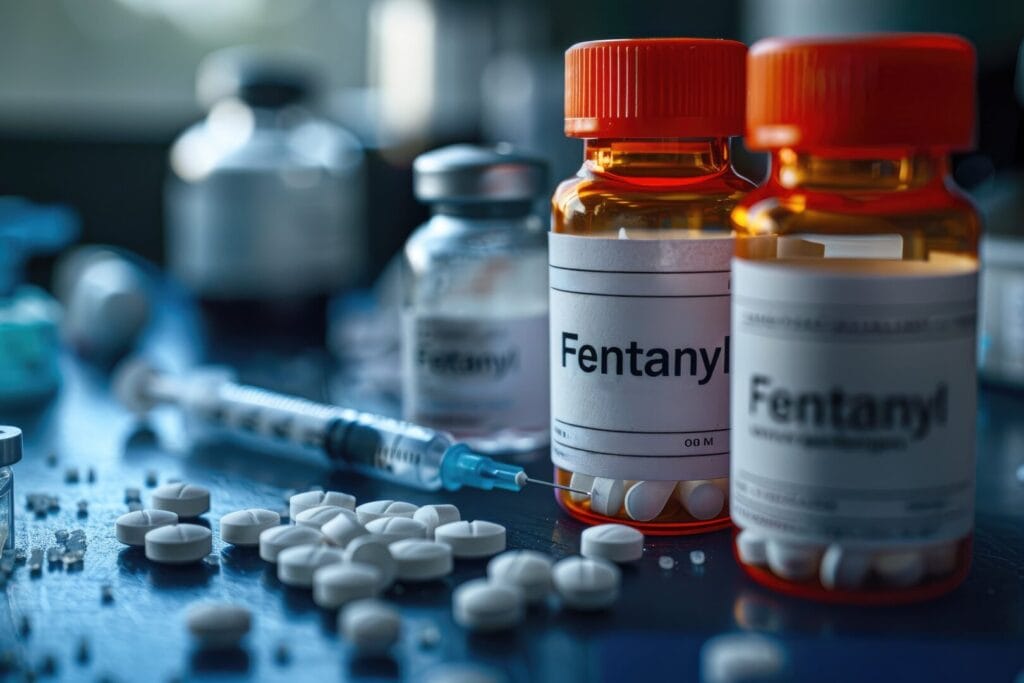
What is Fentanyl? Fentanyl is a powerful synthetic opioid that is used medically to manage severe pain. It is prescribed in instances such as post-surgery or cancer-related pain. It is estimated to be 50 to 100 times more potent than morphine and has a rapid onset of action. This makes it very effective in managing acute pain. However, it is also a highly addictive drug, and its misuse has led to a significant increase in overdose deaths in recent years. It is important to understand the risks of use and what to expect if you need fentanyl detox.1 Scope of Fentanyl Misuse According to the Centers for Disease Control and Prevention (CDC), in 2020, fentanyl was involved in nearly 82% of all opioid-related overdose deaths in the United States.2 In fact, more than 71,000 people lost their lives due to fentanyl in 2021. That is why it’s important to understand that fentanyl should only be used under the strict guidance of a medical professional, and recreational use of this drug can have devastating consequences.3 Why Do People Use Fentanyl? From pain management to anesthesia, fentanyl has a range of valuable medical applications. However, there is widespread misuse that leads to addiction. Below are some points to consider in this regard. Medical Use of Fentanyl Fentanyl is prescribed to patients who are experiencing acute pain after surgery, injury, or cancer-related pain that is not effectively managed by other medications. The drug is available in various forms, including patches, lozenges, tablets, and injections. It is usually administered under the supervision of a healthcare professional. Fentanyl is used medically because it is highly effective at relieving pain. It works by binding to opioid receptors in the brain and spinal cord, which helps to block pain signals and provides rapid pain relief. It is particularly useful in situations when quick and potent pain relief is necessary. Fentanyl as a Substitute for Other Opioids Some individuals may use fentanyl as a substitute for other opioids, such as heroin. This may occur when an individual has developed a tolerance to other opioids and requires higher doses to achieve the same level of pain relief or euphoria. In such cases, individuals may turn to fentanyl, which is more potent than many other opioids, as a way to manage their pain or maintain their opioid dependence. However, using fentanyl as a substitute for other opioids without proper medical supervision is dangerous and can increase the risk of overdose and other serious health complications. It is important to note that using fentanyl or any other opioid without a prescription from a healthcare provider is illegal and can have severe consequences. Illicit Use of Fentanyl Unfortunately, some people also use fentanyl illegally for recreational purposes. Illicitly manufactured fentanyl, which is often referred to as “street fentanyl,” is much more potent than pharmaceutical fentanyl and can be extremely dangerous. It is often mixed with other drugs, such as heroin or cocaine, without the user’s knowledge, which can result in unintentional overdose and death. Why is it Becoming More Popular? One of the reasons why people may use fentanyl illicitly is because of its intense euphoric effects. Fentanyl can produce a rapid and intense high, which can be appealing to those seeking a pleasurable and altered state of mind. However, the use of fentanyl without a prescription is illegal and highly dangerous, as it can lead to severe respiratory depression, overdose, and death, especially if used in combination with other substances. Fentanyl Detox Fentanyl detox is the process of safely and gradually allowing the body to rid itself of fentanyl and its byproducts. This process can be challenging due to intense withdrawal symptoms. These symptoms can occur as the body adjusts to functioning without the drug. Fentanyl detox typically involves medically supervised tapering of fentanyl doses over time. It also includes other medications and supportive care to manage withdrawal symptoms. When to Consider Fentanyl Detox Here are some situations when you should consider fentanyl detox: If you have been prescribed fentanyl for pain management and have been taking it for an extended period of time, leading to physical dependence. If you have been using fentanyl recreationally or abusing it for non-medical purposes and have developed an addiction. You have experienced an overdose on fentanyl or have a history of overdosing on opioids, which may indicate a need for detoxification to safely discontinue the drug and prevent further harm. If you are struggling with fentanyl cravings and are unable to quit or reduce your use despite attempts to do so on your own. If you have co-occurring medical or mental health conditions that require specialized care during fentanyl detox, such as individuals with liver or kidney disease, respiratory issues, or psychiatric disorders. The Harsh Reality of Fentanyl Addiction Like other opioids, fentanyl can produce feelings of relaxation and sedation, which may be appealing to some individuals. However, repeated use of fentanyl can lead to tolerance, dependence, and addiction, which can have devastating effects on an individual’s physical and mental health, relationships, and overall quality of life. Symptoms of Fentanyl Use/Addiction If someone is using fentanyl or has developed an addiction to it, they may exhibit various signs and symptoms. These signs and symptoms can be categorized into body and behavioral changes. Physical Symptoms Fentanyl addiction can have a profound impact on your body. Below are some physical symptoms to look out for: Shallow breathing Weakness and fatigue Drowsiness or sleepiness Constricted pupils Slurred speech Nausea and vomiting Difficulty breathing Behavioral Symptoms Behavioral symptoms of fentanyl addiction include: Cravings and preoccupation with getting and using the drug Withdrawal from social activities Changes in sleep patterns Depression and anxiety Lying or hiding drug use Aggressive or violent behavior Symptoms of Fentanyl Overdose If you suspect someone has taken too much fentanyl, recognizing these symptoms of an overdose is crucial: Slow breathing or complete cessation of breathing Unresponsiveness or unconsciousness Blue or pale skin Slow heartbeat Pinpoint pupils Cold and clammy skin Fainting Should You
San Diego Detox Centers

What Is Detox? Detoxification, or detox, is a process of removing toxic substances from the body. It is the first step to addiction recovery and involves either quitting cold turkey or tapering. As stopping drug or alcohol use can lead to harmful side effects, San Diego detox centers – such as San Diego Detox – provide medical detox programs. They aim to ensure patient safety and well-being during this challenging process.1 What Are Detox Programs? Detox programs at San Diego detox centers vary depending on the substance of abuse and the severity of the addiction. The individual’s general health also plays a significant role. Severe substance use disorder cases require medical detox. This involves monitored medical treatment and supervision at a hospital or rehab facility. That way, health care providers can help manage withdrawal symptoms and prevent complications. Withdrawal symptoms can also vary depending on the substance, addiction severity, and patient health. Common physical symptoms include sweating, shaking, nausea, vomiting, and seizures. Psychological symptoms such as anxiety, depression, irritability, and insomnia can also occur. How Long Does the Detox Process Last? The detox process generally takes several days to a few weeks, although it can take longer in some cases. Prolonged substance abuse and severe addictions often require more intensive care. What Happens After Detox? Detox alone is insufficient to treat addiction. After detox, individuals seeking to maintain sobriety can benefit from attending an inpatient or outpatient program. Ongoing professional help and support increase the chances of achieving long-term recovery. Treatment teams at San Diego detox centers will develop a multimodal treatment plan, often including individual and group therapy, medication management, and holistic therapy. This will help address the underlying psychological and behavioral aspects of addiction and prevent relapse. When Is Detox Necessary? Detox is necessary for individuals with addiction to drugs or alcohol who want to recover. Addiction causes the body to become dependent on the substance of abuse, meaning it needs the substance to function normally. When it is not present, withdrawal symptoms can occur. Withdrawal symptoms range from uncomfortable to dangerous or even life-threatening. Undergoing detox at San Diego detox centers will safely and effectively manage withdrawal symptoms. It will also begin the process of recovery. Signs That Detox Is Necessary Some signs that detox may be necessary include: Physical Dependence: Physical dependence makes it difficult to stop using a substance, especially without professional help. Detoxing is the first step to helping patients alleviate physical dependence on a substance. Severe Withdrawal Symptoms: Medical supervision and care prevent withdrawal symptoms from reaching harmful levels. Co-Occurring Mental Health Conditions: Individuals with addiction may also have co-occurring mental health conditions, like depression or anxiety. San Diego detox centers can help address these conditions and prepare individuals for ongoing treatment. Risk of Relapse: Professional detox services provide a safe, substance-free environment, reducing the risk of relapse. Symptoms of Drug Detox Detoxing from drugs can cause a variety of physical and psychological symptoms that range from mild to severe:2 Mild Symptoms Mild drug detox symptoms can include: Agitation Irritability Runny nose Watery eyes Chills Excessive yawning Restlessness Nausea Mood Swings Headaches Moderate Symptoms Moderate drug detox symptoms can include: Anxiety Depression Insomnia Vomiting Diarrhea Cravings Confusion Increased heart rate High blood pressure Tremors Severe Symptoms Severe drug detox symptoms can include: Suicidal thoughts Psychosis Seizures It is important to note that these symptoms of drug detox vary from person to person. They can depend on the substance of abuse, the addiction’s severity, and the individual’s general health. Individuals who are detoxing should seek professional medical care and support at San Diego detox centers to manage detox symptoms. Is It Dangerous to Detox at Home? Detoxing at home can be dangerous and life-threatening. As withdrawal symptoms can be severe and unpredictable, attempting to manage them without medical supervision can lead to serious health complications. Some of the potential risks of detoxing at home include the following: Severe Withdrawal Symptoms: Withdrawing from drugs or alcohol can lead to dangerous side effects like suicidal thoughts, delirium tremens, hallucinations, and rapid heart rate. Dehydration and Electrolyte Imbalances: Vomiting and diarrhea are common symptoms of withdrawal. This can lead to dehydration and electrolyte imbalances. If left untreated, this can cause confusion, fatigue, seizures, coma, or death. Seizures: Some individuals may be at risk of experiencing seizures during the detox process. These can be life-threatening if not managed. Mental Health Issues: Depression, anxiety, and suicidal thoughts can result from detox. These symptoms can be challenging to manage without medical supervision. Relapse: Individuals who attempt to detox at home are at a higher risk of relapse. This can be dangerous and deadly. San Diego Detox Centers Offer Additional Support San Diego detox centers provide medical supervision, support, and medication as needed. These help individuals manage withdrawal symptoms and reduce the risk of complications. Professional detox programs can also provide ongoing support and guidance to help transition into further treatment. Seeking professional help at San Diego detox centers increases the chances of achieving long-term recovery and improves overall mental health and well-being. Symptoms of Alcohol Detox Alcohol detox is the process of eliminating alcohol from the body. This can cause a range of physical and mental symptoms, including:3 Mild Symptoms Mild alcohol detox symptoms include: Agitation Paranoia Sweating Nausea Headaches Moderate Symptoms Moderate alcohol detox symptoms include: Anxiety Insomnia Fever Cravings Vomiting Confusion Increased heart rate Severe Symptoms Severe alcohol detox symptoms include: Delirium tremens (DTs) Hallucinations Seizures What Is Delirium Tremens? Delirium tremens (DTs) is a severe alcohol withdrawal symptom that can develop within two to three days after the last drink. It can cause severe agitation, confusion, tremors, high fever, increased heart rate and blood pressure, hallucinations, excessive sweating and dehydration, and seizures.4 A Deeper Look at DTs How To Get the Most Out of Your Detox? Here are tips on how to get the most out of your detox process: Seek Professional Help Medical professionals at San Diego detox centers can provide support and guidance, helping you safely detox from substances. They can