
Applying Positive Psychology in Recovery

What is Positive Psychology? There are multiple types of psychological and therapeutic practices that can help those who are struggling with substance abuse disorders or working through detox programs. One influential and beneficial practice is positive psychology. This branch of psychology focuses on an individual’s strengths and behaviors that allow that person to flourish and grow. The primary aspect that makes this psychology stand out from other practices is that it doesn’t just look at what makes a patient happy. Positive psychology instead looks at what can allow the patient to thrive and become the best possible version of themselves. Why is Positive Psychology Important? Positive psychology programs can be important for patients who may have attempted other forms of therapy and did not achieve the desired results. These techniques also seem to leave longer-lasting impressions on patients than other forms of therapy, as it focuses on a holistic approach to living happily and healthily. In addiction recovery, this form of therapy allows individuals to see past the struggles of their substance abuse and focus on the potential of what may come next after beginning recovery. History of Positive Psychology Positive psychology therapy started gaining traction after World War II. Before this, most therapy approaches were primarily focused on “abnormal” behaviors and their subsequent mental health diagnoses. However, multiple psychologists, most notably Martin Seligman, wondered what could happen if they were to focus on the strengths of human nature instead of our weaknesses. It is known as the fourth wave of psychology, meaning that it developed from and built upon the waves that came before it. These past models were focused specifically on diseases, behaviorism, and humanistic psychology. Uses of Positive Psychology The employment of this psychology can help a wide variety of patients work through substance abuse disorders or other mental health conditions they may be struggling with. While this therapy model may not work for everyone, it is a viable option that may be worth exploring with your therapist or primary care physician. Positive psychology has been shown to be especially effective for patients who struggle with mental health diagnoses like anxiety and depression. Other notable uses of this model include: Therapy and recovery Education Self-help Stress management Workplace issues Beginning Positive Psychology Many recovery clinics, universities, and human resources departments have medical staff who are trained in various techniques and practices. If you or a loved one think that this psychology may benefit you, talk to your primary care provider or reach out to a trained therapist that can help you develop a treatment plan for your specific needs. Applying Positive Psychology in Recovery Recovery and positive psychology can work quite well together if utilized effectively. This type of psychology in addiction therapy generally looks at helping the patient move forward in order to create a positive and more fulfilling life for themselves. In fact, a positive emotional state has been shown to lower cravings for alcohol or substances as opposed to a negative state of mind. Coping mechanisms also become easier to utilize when one has achieved a higher level of emotional well-being. Positive Psychology Activities in Addiction Recovery There are a few common activities that are used in treatment. These include: Meditation Building connections Gratitude exercises Engaging activities Some of these activities build off of the PERMA model, such as building connections and learning how to engage adequately and thoroughly in activities. These activities, while commonly used in addiction therapy, are just a small list of available options that your therapist may utilize in your specific treatment plan. Addiction Recovery at San Diego Detox If you or a loved one think you may benefit from positive psychology therapy, San Diego Detox is here to help. Our team of highly-trained mental health professionals is well-versed in these techniques and can help you develop a treatment plan that caters specifically to your individual needs. We will support you through every aspect of therapy and recovery. We also utilize multiple other therapy models, such as 12-Step programs, art and music therapy, and dual diagnosis treatment. Our facility has multiple amenities, including our own chef and movie theater, that can help you feel comfortable and more at home while you’re with us. You don’t have to struggle with addiction alone; we are here to help. Contact San Diego Detox today with any questions about getting help. The PERMA Model and Positive Psychology The PERMA model, which stands for “positive emotions, engagement, relationship, meaning, and accomplishments,” was developed by Seligman. The five facets of the PERMA model help patients to better understand what they believe will help them to flourish. Individuals will come to understand their own well-being in varying degrees, as each person’s definition of “flourishing” is unique The five steps of the PERMA model are detailed below. Positive Emotions This tenet of the PERMA model strives to improve our positive emotional well-being. Its focus is to help patients learn how to increase their positive emotions about the past, present, and future. This does tend to be limited depending on how much a person can experience these emotions, along with what their own personal views on happiness are. Engagement Engagement is when a person looks to fully deploy their strengths, skills, and attention to a task purely for the sake of themselves or the task at hand. To work effectively, engagement means that the individual has to be fully immersed in the task, which can range from a conversation with a friend to a challenging task like performing well at a competition. Relationship Humans, by nature, are social beings, meaning that relationships are a key aspect of being happy and being able to flourish. This part of the PERMA model has patients focus on how they can create and maintain meaningful and important connections with others. Meaning This tenet of PERMA focuses on how to derive meaning from specific aspects of our lives. This can include areas such as religion, family, sports, community, art, and relationships. Accomplishments Finally,
How to Improve Occupational Wellness?

What Is Occupational Wellness? Occupational wellness is the ability to achieve a healthy balance between work and personal life in a way that promotes health, personal satisfaction, and comfort. Overview of Occupational Wellness The concept of occupational wellness has been growing in recent years, which is partially due to the effect that COVID-19 has had on the workplace. Learning how to achieve this balance between our work lives and our social lives is imperative for reducing stress, increasing happiness, and encouraging a sense of satisfaction in all areas of life. While it mainly focuses on wellness in the workplace, occupational well-being also refers simply to how we occupy our time. This could mean how you spend your time as a student, volunteer, parent, or spouse. Why Does Occupational Wellness Matter? We live in a world where careers and work are often the primary measures of overall “success.” However, this may not always be healthy, as many workplaces overemphasize how employees need to spend their time or effort. This may leave people with very little time to devote to themselves, their families and friends, or their hobbies. Learning how to cultivate wellness in all aspects of one’s life can greatly improve people’s sense of satisfaction and happiness. This, in turn, can also lead them to find work they are truly passionate about and want to engage in. What Constitutes Success at Work? We all interpret the idea of “success at work” differently, which means that our own personal measures of professional wellness may vary. The occupational dimension values the idea of success differently depending on which field you may be employed in as well. Signs of Occupational Wellness Keeping this in mind, a few signs of occupational wellness can include: Sense of purpose: Feeling a sense of purpose with the work you engage in is a good sign of occupational wellness. Healthy boundaries: Knowing how to maintain healthy boundaries between yourself and your employer means you are prioritizing your own wellness as well. Utilizing your strengths: We all excel in some areas over others, and utilizing your strengths can help you gain a sense of satisfaction in your work. Clear communication: Learning how to communicate clearly and effectively with your employer, employees, or clients can help you maintain healthy boundaries. Healthy challenge: Who doesn’t like a little challenge? If things get too easy, we may get bored, which may lead to feeling dissatisfied at work. Explore careers beyond the square boxes: While many careers are marketed to us at a young age as being “acceptable,” if you find work that you love that’s outside the norm, it’s better to feel happy and successful in this way. How to Improve Occupational Wellness If you find yourself struggling to achieve a healthy work-life balance, or simply just do not find fulfillment in your career, there are techniques to improve your occupational wellness. A few ways you can work on improving your occupational wellness and happiness are detailed below.3 Don’t Settle It may be hard to not take the first job that comes your way, especially if you have been struggling financially. While it’s okay to work a few jobs on your way toward finding the one that works best for you, do not settle for jobs that don’t make you passionate about work. Avoid Overworking Yourself With today’s work culture, this one can be a bit tough, but it’s important to try not to over-work yourself. This means making sure you only take on what you are able to successfully handle and not over-exerting yourself in areas that bring you stress. Create Authentic Connections Creating lasting and authentic connections with your boss, co-workers, and clients can help you feel more satisfaction at work. This can also lead to social wellness in other areas as well, especially if you become friends with your co-workers. Make Your Goals a Priority It’s easy to fall into a routine and forget about your own goals, but it’s important to make sure your own needs and goals are being met at work. Take a Break When Needed We all can’t work all the time. Knowing when to take a break and get rest is imperative for staying happy and motivated at work Benefits of Occupational Wellness There are many benefits of occupational wellness. It not only lowers stress levels and burnout, but it can help improve your overall sense of teamwork and productivity in all areas of your life. Also, occupational wellness leads to an improved understanding of mental and emotional health. Find Help With Occupational Wellness at San Diego Detox Learning how to improve employee occupational health and wellness is imperative for a more enriched life. If you or someone you know need help learning how to achieve occupational wellness, reach out to San Diego Detox today. Our therapists are well-versed in the principles of wellness and can help you learn how to achieve a healthier work-life balance. Reach out to San Diego Detox today for more information on occupational wellness. Signs of Poor Occupational Wellness Just as there are signs of healthy wellness at work, there are also numerous challenges to occupational wellness. These challenges can cause you to become burnt out and stressed, which may negatively impact your relationships and mental health in other areas of your life. Indications of Poor Occupational Wellness Signs of poor occupational wellness may include: Sense of dread: If you have an impending sense of dread every time you have to go to work, this is a clear sign of poor occupational wellness in the workplace. Being unmotivated: Your career should motivate you to keep improving or learning new things. If you don’t feel this need to continue to grow, it could be an indicator of poor workplace health. Being unhappy with your career: If you are constantly unhappy with your career, it may be time to look into changing jobs or speaking with your employer to see how you can improve your experience at work. Feeling stressed or
Importance of Physical Wellness in Recovery
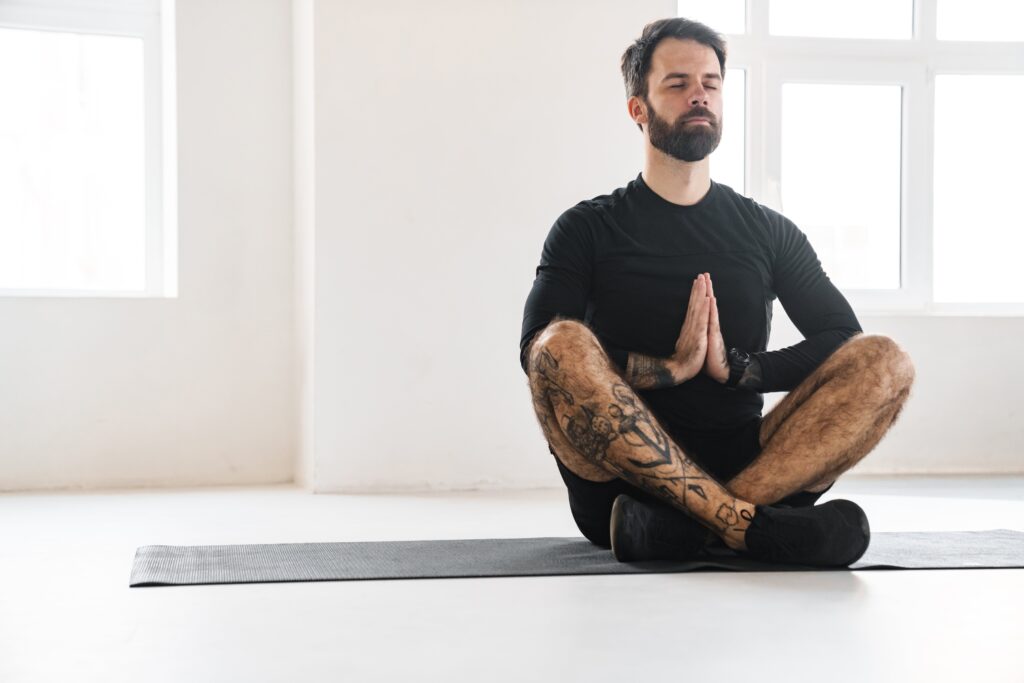
What Is Physical Wellness? Physical wellness is more than just diet and exercise. Physical wellness means listening to and taking care of your body for optimal health and functioning. Paying attention to how much physical activity you get, what food you put into your body, and making sure you get regular medical check-ups are all part of this type of wellness. Why Is Physical Wellness Important? The many benefits of physical well-being may include: Understanding how your body works: If you do not focus on your physical health, it can sometimes be difficult to notice when things are wrong. This wellness can help you become in tune with your body. Feeling competent at physical activities: The more you focus on your wellness and physical well-being, the more confident and comfortable you will be with physical activities. Developing well-balanced and healthy eating habits: A focus on wellness and recovery can help you improve and maintain weight by learning and understanding healthy eating habits. Becoming a responsible drinker or non-drinker: Engaging in activities can help improve negative alcohol behaviors by increasing the neurotransmitters that cause positive feelings and decreasing the desire to drink. Developing and cultivating leisure activities: Part of the physical wellness definition includes engaging in forming healthy hobbies and leisure activities. Seeking medical care when needed: It’s also important to regularly seek medical care when needed. Physical Wellness in Addiction Recovery Creating healthy habits and taking care of your physical health is important in addiction recovery, as it is the focus for many physical and mental needs. During active addiction, physical wellness is often compromised and can negatively impact other areas of your life as well. By focusing on wellness and recovery, you can improve or even reverse some of the damage done by substance abuse. Benefits of Physical Wellness The reason why this type of wellness should be taken seriously in addiction recovery is attributed to the various benefits of engaging in activities. Some of these benefits include: Improving mental health: Physical well-being can improve mood, decrease stress and anxiety, and improve self-esteem. Easing withdrawal symptoms: Since many of the symptoms of withdrawal are related to mood, such as anxiety and depression, engaging in exercise for addiction recovery can help to ease withdrawal symptoms. Promote social connections: Physical wellbeing can help you find healthy and enjoyable activities to engage in that can also foster social connections. Strengthen the immune system: This can occur with healthy eating and regular exercise. The immune system is also strengthened with improved sleep. Prevent relapse: By replacing negative habits with positive ones and focusing on your physical well-being, you can reduce cravings and replace potential risks. Physical Activities That Are Helpful for Addiction Recovery There are many activities that can be done for physical wellness and recovery. Some fitness activities that may be helpful for recovery and overall wellness include: Walking Hiking Jogging Tai Chi Yoga Swimming Physical Wellness as a Potential Treatment for Drug Addiction A focus on health and recovery is important in many treatment programs because of the benefits of physical well-being for the recovery of addiction. As such, exercise and addiction recovery have often gone hand-in-hand in the treatment of drug and alcohol addiction. This is due to the many benefits that exercise has on the brain and the body, which explains why it is important. There have been many studies that support the use of exercise and addiction recovery. For example, research has shown that exercise has antidepressant effects and also improves cardiovascular fitness, which has positive results for those with alcohol addiction. Also, combining exercise and alcohol withdrawal has been shown to decrease anxiety and minimize severe symptoms. Is Physical Wellness a Standalone Treatment for Addiction? Though exercise and addiction recovery are important, this wellness should incorporate all forms of treatment for the best results. To best improve physical well-being, it is also important to engage in a variety of treatments, including group therapy, individual behavior therapy, family or couples therapy, and support groups. Also, to fully engage in wellness and recovery, you should focus on all areas of wellness, including the reasons why this type of wellness is important, taking care of your mental health, and reconnecting with support systems. Find The Right Treatment for You at San Diego Detox San Diego Detox is a full-service detoxification and recovery center that focuses on wellness and recovery. Our dedicated and compassionate team of mental health professionals provides holistic and individualized evidence-based care for various addiction and mental health disorders. One of our goals at San Diego Detox is to help people discover why physical wellness is important to them and create a plan that works for them alongside their healing process. What do wellness and recovery mean to you and how can San Diego Detox help? For more information about the program at San Diego Detox, contact us today. Exercise and Addiction Recovery There have been some studies that suggest that regular exercise can help to prevent addiction by decreasing the likelihood of relapse. This may be due to the fact that regular exercise not only increases the mood-enhancing neurotransmitters in the brain, such as dopamine, but provides a distraction from cravings and forms positive connections to individual self-esteem and social interactions. Physical Exercise and Mental Healing This type of wellness also has the benefit of improving mental health and healing throughout addiction recovery. Many substances result in poor mental health with increased depression, anxiety, stress, suicidal ideation, and higher risk of psychotic disorders. However, exercise, healthy eating, and regular engagement in healthy hobbies have been shown to improve many of these mental health conditions.6 5 Ways Exercise Can Benefit Recovery The physical wellness definition also strongly focuses on physical exercise. Here are five ways that including a physical workout in addiction recovery can be beneficial: Increases energy level Reduces drug cravings Reduces stress Helps to sleep better Improves mood
What Does Social Wellness Mean in Addiction Recovery?

What Is Social Wellness? Social wellness refers to building and engaging in thoughtful, trusting, and authentic relationships with those around us. Humans are inherently social beings, meaning that most of us are taught how to engage with others from a young age. Over time, however, maintaining these connections becomes more difficult, especially if an individual is struggling with an alcohol or substance abuse disorder. Many people in these situations tend to isolate themselves to focus on substance use. Utilizing good wellness practices throughout recovery can help patients learn how to build authentic connections again, helping them maintain sobriety. Social Wellness Goals The main goals of social well-being and social health are to help individuals work on their communication and relationships. This can be done in multiple ways, such as participating in support groups, going to couples or group therapy, joining a club or team, or even just learning how to express emotions healthier. What Does Social Wellness Mean in Addiction Recovery? Social wellness can take many forms for those who are currently undergoing detox or recovery. It is also incredibly beneficial to overall social health and wellness. While wellness in recovery doesn’t always focus specifically on social well-being – it can also look at emotional, mental, behavioral, and physical health – good wellness can help cultivate those other areas. Studies have shown that “belonging to a social group…can improve both physical and mental health.” 2 What Does Social Wellness Look Like? Depending on the health needs of each patient, the social dimension of wellness can look different for each person. For example, one person may need help learning how to communicate healthier while also attending 12-step groups, while another may need help learning how to engage authentically with family and friends while also learning how to cultivate their own mental health with self-care. Discussing your needs with a therapist or medical professional will help you figure out what aspects you can learn and grow in. Why Is Social Wellness Important in Addiction Recovery? Social well-being is integral for those in addiction recovery, as it not only helps with social health. As stated before, it can help patients increase their overall mental, physical, and emotional health, which are important for staying healthy and potentially preventing relapse in the future. This type of wellness helps remind those with substance abuse disorders that they’re not alone and can rely on others if necessary. Also, the benefits help with overall stress levels. Stress can impact our physical and emotional health. Having a strong social support system has been shown to help with symptoms of trauma-induced disorders.3 Addiction Recovery and Social Wellness at San Diego Detox If you or a loved one want to start working on your wellness skills or get help with a substance abuse disorder, San Diego Detox can help. We offer direct individualized care that focuses on areas you may need help with, which can involve medication-assisted treatment and sub-acute detox. We also have skilled and passionate staff that will help care for you around-the-clock. Treatment Opportunities We have multiple options available to help, ranging from 12-step and support groups, physical activities at our gym or lazy river, or learning how to cultivate social wellness by working with a therapist. We will be with you every step of the way through your recovery so you can focus on healing. Learning how to grow social and emotional wellness is an imperative part of that journey, and we can figure out how to implement it into your treatment program. Reach out to us today. How to Improve Social Wellness Depending on what areas of social wellness you need help with, figuring out how to improve your overall social health will differ from person to person. However, a few of the best activities include: 4 Making Connections Social connections can help our overall health and wellness, giving us a strong support system to rely on in times of stress. A few ways to make new connections include: Joining a group such as a book club or sports team Taking a yoga class Volunteering with local organizations Traveling to new places Taking Care of Yourself and Others Taking care of others can ultimately take a toll on our mental and emotional health. Learning to care for others while taking care of yourself is imperative to maintaining a healthy balance. Some examples include knowing when to ask for help, getting organized, and taking breaks. There’s no shame in taking care of yourself and making yourself a priority. Staying Active Studies have shown time and time again that staying active can help improve our overall social and mental well-being. Even if it’s just walking around the block, getting in some physical activity a few times a week can greatly improve your wellness, especially if you join a group activity or sport. Building Healthy Relationships Strong relationships with others are imperative to wellness goals. While we mostly learn how to communicate and engage with others from a young age, it’s never too late to learn how to form and maintain authentic and lasting relationships. To build healthy relationships with others, you can: Share your feelings honestly Engage in active listening Learn how to handle conflict Know when to distance yourself from people who may not be healthy for you Recognize how others impact you and your health Know when to ask for help Where Can You Find Social Wellness Support? If you’re struggling to know where to find support, there are a few places you can start. These include: Support groups Friends and family Online support resources Centers and clubhouses Recreational centers You don’t have to take big steps in the beginning, either. Learning to implement a few of these tips into your daily or weekly routine can make a big difference in your social health.