By Lenora Everhart, Trauma-Informed Care Specialist at San Diego Detox
Healing starts with safety, and that’s what we provide at San Diego Detox. Our trauma-informed approach is grounded in empathy, clinical expertise, and the belief that each individual deserves to feel seen, respected, and empowered.
When life throws overwhelming experiences our way, the effects can linger—shaping how we think, feel, and live. Trauma-informed therapy addresses these impacts with care, compassion, and understanding. Whether you’re struggling with mental health challenges or addiction, this approach helps uncover the root of your struggles and offers a path to healing.
Trauma-informed therapy is a compassionate approach to mental health and addiction treatment. It recognizes how trauma affects every aspect of a person’s life—not just their symptoms. At San Diego Detox, we’ve built our programs around these principles to create a supportive, safe space where healing can truly begin.


Emotional and physical safety is the foundation of healing.

Open, honest communication builds trust throughout the treatment process.

Connection with others who’ve had similar experiences fosters healing.

Clients are given agency in their care and encouraged to make informed decisions.

Respect for each individual’s identity, culture, and lived experience is essential.
Unresolved trauma often contributes to mental health challenges such as anxiety, depression, or PTSD. When trauma is left untreated, it can act like an invisible weight, making daily life feel overwhelming. Trauma-informed therapy shifts that narrative, giving people tools and space to process the past and reclaim their future.

Trauma and addiction often go hand in hand. Many turn to substances to cope with unresolved pain, fear, or distress. However, this only deepens the wound. Without addressing the trauma behind the addiction, true recovery can be difficult.
At San Diego Detox, we integrate trauma-informed care directly into addiction treatment. This means we don’t just treat the symptoms—we address the root causes, empowering clients to move forward with lasting strength.
Our team begins with a comprehensive evaluation to understand your trauma history and its effects.
Every trauma journey is unique. We tailor your care plan to fit your emotional needs, pace, and goals.
Depending on your needs, we may use:
We include group therapy, peer support, and family therapy to create a robust healing network.
At San Diego Detox, we understand how vulnerable the healing process can be. That’s why we’ve built a trauma-informed care program that is:
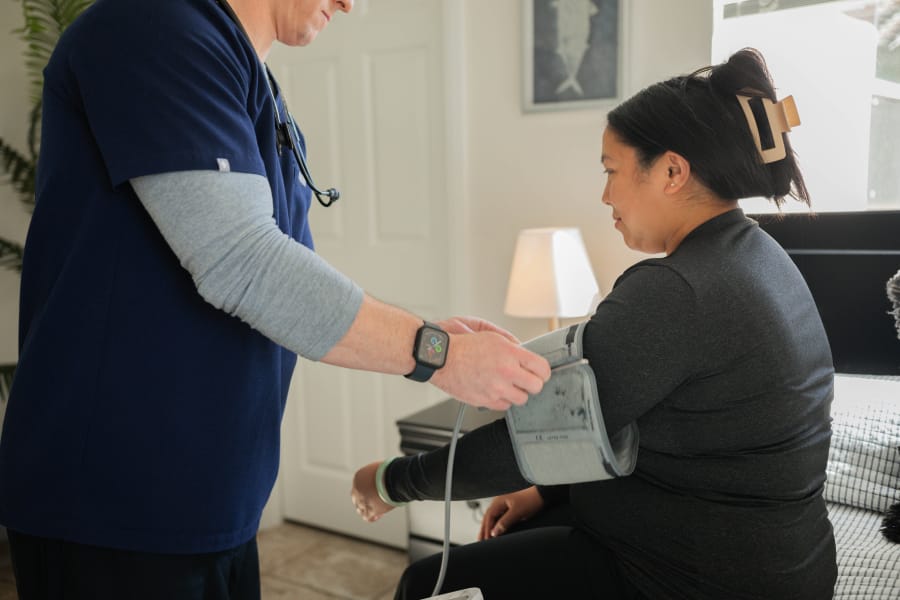
Led by compassionate, experienced staff trained in trauma, addiction, and mental health

Grounded in evidence-based care including CBT, EMDR, and mindfulness

Designed for safety with a nurturing environment that fosters trust

Holistic and personalized ensuring each person is treated with dignity and respect
Choosing San Diego Detox means choosing a partner in healing. We’re here to support your transformation—one step at a time.
Trauma-informed addiction treatment means care is delivered with the understanding that a lot of people in recovery have gone through trauma, chronic stress, loss, violence, neglect or unsafe relationships. These experiences can shape how someone responds to fear, conflict, authority, touch, sleep and emotional distress. A trauma-informed approach prioritizes safety, choice, trust and respect. At San Diego Detox, trauma-informed therapy can help you start recovery without feeling like you’re being judged, rushed or pushed into details you aren’t ready to discuss.
Trauma is common in addiction recovery because a lot of people use substances to cope with memories, anxiety, shame, nightmares, emotional pain or a nervous system that feels constantly on edge. Over time, alcohol or drugs may become a way to numb distress or feel temporary control and substance use can also place people in situations where more trauma happens. Treating addiction without recognizing trauma can leave a major driver of substance use unaddressed, but trauma helps connect these pieces safely.
Trauma-informed care can help people with PTSD symptoms that are connected with substance use. PTSD can involve nightmares, flashbacks, hypervigilance, avoidance, panic, irritability or feeling emotionally numb. Substances may seem like they reduce those symptoms temporarily, but they often make recovery harder over time. At San Diego Detox, trauma-informed support can help you stabilize, understand triggers and build safer coping skills. If more specialized trauma treatment is needed after detox or residential care, our staff can help coordinate the next steps.
Detox is usually focused first on safety, withdrawal stabilization, sleep, hydration, nutrition and medical monitoring. Trauma-informed care can start during detox through respectful communication, emotional support, predictable routines and attention to what helps a client feel safe. Deeper trauma work may be more appropriate once the person is medically stable and can participate more fully. San Diego Detox approaches trauma carefully because early recovery can be physically and emotionally sensitive, so the goal is support, not forcing painful memories too soon.
Without Obligation. Discreet & Confidential.

"*" indicates required fields