
How to Stop Heroin Addiction

What Is Heroin? The opioid epidemic has been an ongoing problem for nearly three decades now, with deaths caused by opioid-related overdoses rising to almost 400% from 2010 to 2017. While prescription opioids , like oxycodone and fentanyl, play a significant role in the opioid crisis, heroin use is another contributor that has been steadily rising since 2007. Heroin is an opioid narcotic drug made from a natural chemical called morphine, derived from the seed pods of opium poppy plants grown in Southeast and Southwest Asia, Mexico, and Colombia. Heroin is a highly addictive drug, often taking just one to two uses to get addicted. How Heroin Is Used Heroin can be smoked, injected, snorted, or sniffed. Injecting the drug into the veins is the most common way heroin is used, followed by smoking and snorting. Regardless of how heroin is consumed, it reaches the brain at a rapid pace, providing an immediate sense of euphoria and sedation. Physical Signs and Symptoms of Heroin Addiction Although people addicted to heroin exhibit a variety of signs and symptoms, not every person will respond to the drug the same way. The signs and symptoms of heroin usage vary based on genetic makeup, the duration of the misuse, and the quantity of heroin consumed. Heroin has the same depressive effects on the central nervous system as other opioids—it suppresses the central nervous system, fogging the mind and slowing down or ceasing regular body function. The following are some of the most typical physical signs of heroin abuse: Slow or Irregular Breathing Heroin decreases brain function, causing vital organs to slow or shut down completely. One of the most common symptoms of heroin addiction is impaired breathing, followed by an erratic heartbeat and a decline in blood pressure and body temperature. Itchy or Flushed Skin Opioids can cause itching by eliciting an immune system reaction that alters the receptor proteins on the surface of mast cells. Mast cells are a type of white blood cell located in connective tissue, specifically in the skin and nerves. Nausea and Vomiting Vomiting and nausea are two linked adverse effects of opiate use. A standard definition of nausea is an unpleasant feeling in the stomach and other body parts connected to a tendency to vomit. Constipation and Stomach Pains The gastrointestinal (GI) tract’s peristalsis and stomach emptying are inhibited by opioids, which causes delayed medicine absorption and increased fluid absorption. Constipation and hardness of the stool are caused by a lack of fluid in the colon. Falling Asleep Without Warning Heroin use disorders are no exception to disturbed sleep. There may be a complicated and reciprocal relationship between the two: substance use leads to sleep issues, but insomnia and insufficient sleep may also be risk factors for drug use and addiction. Constricted or Small Pupils When heroin binds to opioid receptors in the brain, it affects the autonomic nervous system’s parasympathetic processes. As a result, the pupils constrict, a condition known as miosis. Slurred or Incoherent Speech Because heroin affects brain function, slurred speech and difficulty articulating words can occur while under the influence. Signs of Heroin Overdose The signs of heroin overdose include both physical and mental symptoms. These will be detailed below. Irregular, Slow, or Not Breathing When the body is introduced to a large dose of heroin, the respiratory system can slow down or even stop functioning. Lack of Consciousness Heroin use impairs cognitive processes, including those that keep us awake and attentive. In addition, an overdose of heroin can have more severe effects on the heart and lungs and may deprive the brain of oxygen, a condition known as brain hypoxia. The loss of consciousness is accelerated by a lack of oxygen to the brain. Body Is Limp and Unresponsive As a central nervous system depressant, heroin has sedative effects; however, when too much of the drug is consumed, the body can go limp and unresponsive. Moreover, a person can go into a coma or experience brain damage due to a lack of oxygen in the brain from slowed breathing. Slow, Erratic, or No Pulse An irregular heartbeat is referred to as heart arrhythmia. When improperly coordinated electrical signals control how often the heartbeat, heart rhythm issues (heart arrhythmias) result. The heart beats excessively quickly (tachycardia), too slowly (bradycardia), or irregularly as a result of poor signaling. Face Is Pale and/or Clammy This indicates a drug overdose if the person’s complexion seems paler than usual and their skin is sweaty or clammy. Pupils Are Constricted Legal or illegal narcotic substances, such as fentanyl, hydrocodone, heroin, and morphine, can narrow the pupils. Additionally, an overdose of these medicines might cause pinpoint pupils, which occur when the eyes do not react to changes in light. Psychological and Behavioral Signs of Heroin Addiction Heroin use can exhibit psychological and behavioral symptoms, ranging from mild to severe. Long-term use of heroin can alter the physiological makeup of the brain, causing long-lasting abnormalities in the neuronal and hormonal systems that can be difficult to reverse. These will be further detailed below. Depression Heroin rewires the reward system in the brain, causing it to rely on the drug to produce feel-good hormones like serotonin, dopamine, and norepinephrine. Thus, the brain no longer produces regular levels of chemicals responsible for happiness, positive thoughts, and motivation, leading to depression. One study found that people who use opioids for at least thirty days are 25% more likely to develop treatment-resistant depression compared to those who use opioids for less than thirty days. Anxiety During withdrawal from heroin, it’s normal for someone to have bouts of extreme anxiety. Because of how severe this adverse effect is, people may become stuck in a harmful cycle of addiction due to the anxiety brought on by heroin withdrawal. Irritability Heroin slows down brain activity and causes sensations of relaxation and drowsiness since it is a central nervous system depressant. People who use heroin may have difficulties focusing and experience higher levels of irritability. Mood Swings Early
How Does Narcan Reverse the Effect of an Opiate Overdose?

What is an Opiate Overdose? Opiate drugs fall into several categories, including prescription and illicit drugs. Therefore, it is not uncommon for someone to experience opiate overdose symptoms even though they use a medication prescribed to them by a medical provider. All opiate and opioid drugs are potent drugs with a high potential for addiction and fatal overdose. Therefore, if you or a loved one struggles with an addiction to opiates, it is crucial to seek help at a detox and treatment program like San Diego Detox Center. Opiate Overdose Statistics Data released by the Centers for Disease Control and Prevention in early 2020 suggest that more than 70% of the drug overdose deaths in the United States in 2019 involved at least one opiate drug. Also, the rate of death attributed to the misuse of synthetic opiate drugs increased by nearly 20% in the last year. The overall fatality rate linked to all opiate drugs increased by approximately 6%. Between 2010 and 2020, more than half a million people lost their lives to opiate drug overdose. Opiate vs. Opioid: What is the Difference? Opioid drugs are derived from three sources. Opioids are either all-natural, synthetic, or semi-synthetic. The term opiate refers to natural opioids. Perhaps, it is best to understand the term opiate as a subcategory of opioids. Someone with an opiate addiction may be addicted to prescription pain medications such as oxycodone or codeine or illegal opioids like heroin. Signs and Symptoms of Opiate Overdose A crucial part of opiate overdose prevention is knowing the warning signs of an overdose. In many cases, opiate overdose happens rapidly, and opiate overdose signs will differ from person to person. Some of the more common signs of opiate overdose include: Slow and shallow breathing Vomiting Gurgling or choking sounds Constricted (pinpoint) pupils Blue or cold skin Loss of consciousness Faint heartbeat Purple lips and fingernails Inability to communicate or speak clearly or effectively Opiate Overdose Causes and Risk Factors An opiate overdose occurs when someone takes too much of a drug and elevated amounts of the substance reach their brain. When this happens, it overwhelms the brain’s natural function leading to the inability of the brain and central nervous system to perform vital functions such as breathing. Because medical providers use opiates as part of a prescription plan, many people do not realize the harms these drugs can cause. Who Is at Risk for an Opiate Overdose? Specific factors related to the individual using the drug may increase their risk for addiction and overdose. Examples of overdose risk factors include age and underlying medical conditions such as impaired liver function, kidney disease, or sleep apnea. There are many possible causes of opiate overdose. Some of the more prominent examples are combining an opiate with other drugs or alcohol, taking more than prescribed, and using illicit (street) drugs that may contain unregulated or harmful additives. Treatment for Opiate Addiction and Overdose in San Diego Narcan nasal spray for opiate overdose or Narcan injections is an excellent emergency use drug used for opiate overdose. In the short-term, drugs to reverse opiate overdose can help save someone’s life. However, Narcan is not a long-term substitute for opiate addiction treatment. A professional treatment program in San Diego can help you find freedom from addiction and begin a journey towards lasting health and wellness. Opiate Addiction Treatment Options The best opiate addiction treatment options involve several steps. It is important to remember that achieving lasting sobriety is a highly individual process. Choosing a program that offers individualized addiction treatment plans provides the most significant opportunities for treatment success. For most, the first step of treatment is comprehensive detox. The Benefits of Detox Although challenging, medical detox is a necessary step in therapy. It is difficult (if not impossible) to focus on healing when still impacted by the effects of opiate use. Detoxing in a safe and comforting environment is vital to ensuring access to the medical and mental health support you need to help manage withdrawal symptoms. Get Help at San Diego Detox Once detox is complete, you will begin therapy to learn more about the root causes of addiction and how to manage relapse triggers in the future. The journey to overcoming opiate addiction is challenging. With help from our skilled, compassionate team, sobriety and a drug-free future are within reach. Contact us today to learn more about our programs and how you can get help to defeat addiction at San Diego Detox. Narcan for Opiate Overdose The Centers for Disease Control and Prevention (CDC) indicate that almost 50,000 people died from an opioid or opiate-related overdose in 2019. The same study suggests that in as many as 40% of cases. Had these bystanders provided Narcan, they could have saved a life. Understanding more about how Narcan helps with opiate overdose reversal can help to save thousands of lives each year. Auto-Injector and Nasal Spray Naloxone or Narcan is a medication that can rapidly reverse opioid overdose. Narcan for opiate overdose comes in two FDA-approved delivery methods. These include an auto-injector and prepackaged nasal sprays. Narcan injections must be drawn from a vial and injected into the body. Medical providers such as emergency services personnel or emergency room doctors often choose this method. The second delivery method of Narcan for opiate overdose is a nasal spray. Narcan nasal sprays are a needle-free option that one can spray directly into the nostril. Because nasal Narcan comes in a prepackaged form, monitoring the amount of medication administered is not necessary. Nasal Narcan is significantly easier for loved ones or bystanders to administer. It does not require formal training, knowledge of medication dosing, or the use of a needle. How Does Narcan Reverse the Effects of an Opiate Overdose? Narcan is a category of drug known as an opioid antagonist. When used at the first sign of an opiate overdose, Narcan prevents opiate drugs from attaching to opioid receptors in the brain because the agonist binds there
What Is the Best Way to Overcome an Addiction to Opiates
Understanding Opiate Addiction Opiates are substances derived naturally from opium poppy plants, which are native to South America. Opiates are used for various medical conditions, including severe pain relief, to treat patients who have advanced cancer, and other terminal conditions. Opiates have very high potency and for that reason, many people find it even harder to overcome opiate addiction. Opiates come in both prescription medication and as illegal drugs, such as heroin. Two out of every three drug overdose deaths in 2018 involved an opioid. With this, it is important to not only understand the fundamentals of opioid addiction, but to know what to look for in terms of symptoms, risk factors, and available treatment options. Fundamentals of Opioid Addiction How Do Opiates Affect the Brain? When drugs stimulate opioid receptors in the brain, cells produce dopamine, which is a neuron that gives rise to feelings of pleasure and pain relief when released into the brain. The brain’s reward system will, again and again, want the feelings of intense pleasure during the early stages of abuse, which is what makes opiate addiction so prevalent. Approximately a quarter of patients who are prescribed opioids for chronic pain or terminal diseases misuse the drugs. Opiates vs. Opioids: What is the Difference? An opiate is described as a narcotic derived from the opium poppy plant, which is naturally occurring and can include drugs such as opium, codeine, and morphine. An opioid, however, is any substance, either synthetic or semi-synthetic, that binds to opioid receptors. Moreover, all opiates are opioids, but not all opioids can be classified as an opiate. Semi-synthetic opioids are created in labs from naturally occurring opiates, while synthetic opioids are made entirely in a lab. What is Opiate Addiction? Opioid addiction is a chronic relapsing disease that can cause significant health, social, and economic problems. Opiate addiction is characterized by a powerful, compulsive urge to seek and use opioids, even when they are no longer required medically and can have harmful consequences. Those with an opioid substance abuse disorder often find themselves prioritizing seeking, getting, and using these drugs over other activities in their lives, often negatively negatively affecting their professional and personal relationships. People’s priorities become deeply warped when they find themselves addicted to opiates. Opioids alter the chemistry of a person’s brain and lead to drug tolerance as well. If you or a loved one are suffering from opioid addiction, you can experience life-threatening health problems, including the risk of overdose and even death. Opiate Overdose and Addiction Symptoms An overdose occurs when one consumes high doses of opioids, causing their breathing to slow or stop entirely. This may lead to unconsciousness and death if the overdose is not treated immediately. Both legal and illegal opioids carry a high risk of overdose, especially if one combines opioids with other drugs and substances, such as tranquilizers or alcohol. The symptoms may differ depending on the type of opiate used, the amount of opiate used, and how long it has been used. Opiate Overdose Symptoms There are a few signs and symptoms to pay attention to in the case of a possible overdose. Respiratory depression – this includes snoring, choked breathing, shallow breathing, irregular or halted breathing, or no breathing altogether Loss of consciousness or unresponsiveness Blue, purple, or greyish skin, lips, or fingertips, signifying lack of oxygen The inability to speak Frequent vomiting Confusion and delirium Very limp body Cold, pale, or clammy skin Low blood pressure Lack of pulse or slow erratic pulse rate Small pupils Opiate Addiction Symptoms When one is addicted to a drug, they will feel the urge to get the drugs even using unscrupulous means, including lying to loved ones in order to get them. The drug-seeking behavior becomes intolerable and irresponsible. Signs and symptoms of opiate addiction can be classified as either physical, psychological, or behavioral. Physical Symptoms Some of the physical symptoms of opiate addiction include, but are not limited to: Sedation Dizziness Nausea Vomiting Constipation Physical dependence Tolerance Respiratory depression Psychological and Behavioral Symptoms These are some of the psychological and behavioral signs and symptoms of opiate addiction: Physical agitation Poor decision making Abandoning responsibilities Mood swings Irritability Depression Lowered motivation Anxiety attacks Treatment Options for Overcoming Opiate Addiction There are many treatment options available for those looking to overcome opiate substance abuse disorder. These interventions include both medications and therapies, and other various avenues. It is important to consult a medical professional for optimal results as well as connecting with those who can offer support, both regarding managing the effects and dangers of withdrawal and detox, and for achieving and maintaining long-term sobriety. Medications The FDA has approved several medications to treat opiate and opioids withdrawal. These are best paired with counseling and behavior therapy to truly help overcome addiction. Buprenorphine, methadone, and naltrexone are used to treat opioid use disorders for short-acting opioids such as heroin, morphine, and codeine, along with semi-synthetic opioids like oxycodone and hydrocodone. Buprenorphine is a drug approved by the FDA to treat opioid use disorder as medication-assisted treatment (MAT). Methadone reduces opioid cravings and withdrawal symptoms by blocking the effects of opioids. It is available in liquid, powder, and diskettes forms when one takes it daily. Methadone is also approved by the FDA as part of MAT and pain management. If you take it as prescribed, it is safe and effective. It’s used as part of comprehensive treatment, including counseling and other behavioral health therapies. These medications are safe to use for months, years, or even a lifetime. You should always consult your doctor on when to stop or reduce the dosage. Counseling and Behavioral Therapies It can be essential to include different types of talk therapy along with medication to help air out concerns and find lasting solutions for these concerns. Medicine alone cannot always ensure a lasting recovery, as most substance use disorders come with underlying mental health issues that have to be addressed too. Below are a few such therapies.
Overdose Epidemic: Statistics and Prevention Strategy

The Dangers of Drug Overdose An overdose occurs when dangerous substances reach toxic levels within the body. It is possible to overdose on many substances, including opioids, alcohol, and other drugs. Usually, overdose happens very quickly. For example, in some cases, opioid overdose can occur immediately after using an opioid. A person does not have to be addicted to opioids or use them frequently to overdose. In addition, the symptoms of an overdose do not necessarily present in a specific order, so opioid overdose may look different from person to person. It is vital to know what the potential signs of an overdose may be as it may help save someone’s life. Overdose Epidemic When someone overdoses on a drug, too much of the substance reaches their brain and overwhelms its natural function. It can lead to the inability to breathe or struggles with other life-sustaining body functions. When someone’s breathing stops or slows to dangerous levels (as happens during an overdose), it can cause brain damage or death. Thus, the ability to recognize the symptoms of an opioid overdose is vital to preventing death or permanent brain injury. Overdose Epidemic Statistics Data released by the Centers for Disease Control and Prevention (CDC) indicate the opioid overdose epidemic is far from over. The number of opioid overdose deaths connected to opioid drugs of all kinds increased by almost 5% between 2018 and 2019 and quadrupled between 1999 and 2019. Of the nearly 71,000 deaths in 2019, a staggering 70% involved an opioid drug. Between 2018 and 2019, the number of opioid-involved deaths increased by more than 6%. These statistics include any opioid, including natural, synthetic, and semi-synthetic opioids. The Impact of the Opioid Epidemic The epidemic of overdose deaths also rose among synthetic opioids. This category of opioid drugs includes the powerful and very dangerous drug fentanyl. Across the nation, the number of synthetic opioid (primarily fentanyl) deaths between 2019 and 2020 rose by 56,516 overdose deaths. The number of deaths caused by prescription opioids decreased from 17,029 in 2017 to 14,139 in 2019 but unfortunately increased in 2020 to 16,416. Lastly, the number of heroin-related deaths decreased, from 15,469 deaths in 2016 to 13,165 in 2020. While the deaths related to heroin have declined, other opioid-involved deaths continue to rise. Therefore, helping those affected by the opioid crisis is vital. San Diego Detox Strategy for Combating the Overdose Epidemic At San Diego Detox, we understand that combating the overdose crisis takes time and effort. Our strategy for combating this epidemic includes several crucial steps. Medication for Overdoses The first step is ensuring those who need it have access to lifesaving naloxone treatment. Naloxone is an FDA-approved medication that can rapidly reverse opioid overdose. As an opioid agonist, it attaches to the opioid receptors in the brain, preventing opioids from doing so and reducing the effects of opioid drugs. Research released in 2019 suggests that naloxone devices approved by the FDA deliver higher blood levels of naloxone than improvised nasal devices. Anyone can use naloxone to help prevent detrimental opioid overdose outcomes, making it an ideal and preferred medication. Harm Reduction Another part of our strategy is harm reduction. Harm reduction is the process of providing help and support to those with opioid use disorder without stigma, discrimination, or judgment. This strategy helps reduce the fear and apprehension felt by many when they consider going to a drug treatment program. The rate of deaths caused by drug overdose has increased by 250% since 1999. Thus, it is imperative to utilize harm reduction strategies to prevent drug use, overdose, and death. Learn More About San Diego Detox At our facility, we provide comprehensive and evidence-based treatments and educational therapies. Incorporating trusted and proven therapeutic models into our programs offers the most significant opportunities for effective treatment outcomes. Each therapy model addresses addiction treatment in a slightly different way. We ensure every individual situation and need is met with proper care and support by providing many treatment options. Addiction is a disease unique to the person, and with our several educational therapy models, we can effectively support our patients. If you or a loved one struggles with opioid addiction, don’t wait another day to begin the journey towards freedom. Let San Diego Detox help you overcome addiction at our safe, supportive California rehab center. Call us today for more information about our programs. Overdose Epidemic Prevention Strategy The opioid epidemic in the United States has not been resolved; however, it does continue to change. As organizations like the Centers for Disease Control and Prevention (CDC) release annual opioid epidemic statistics and overdose death data, we can see that the specific substances that contribute to overdose deaths vary from year to year. This indicates that despite all the work done at state and national levels, there is far more to do before we will see an end to the opioid crisis in America. Steps for Prevention There are several steps both state and federal agencies can take to help reduce the impact of the overdose epidemic. Public Awareness A first step is increasing public awareness about the dangers of opioid drugs. Teaching people about addiction overdose awareness may help reduce the rate of overdose death. In addition, by providing accessible public education about addiction and addiction treatment, we can begin the process of defeating the overdose epidemic by reducing the misunderstandings and stigma that continue to surround addiction and addiction treatment. As the viewpoint around addiction changes, those who struggle with addiction will feel safer seeking help to overcome addiction. Support Healthcare Providers and Systems Another essential step towards overdose epidemic prevention is providing support to healthcare providers and systems. The overdose crisis will not improve without access to emergency medical intervention and ongoing medical treatment. New Substance Use Disorder Treatment Options Related to increased support in healthcare is developing new treatment options to address substance use disorders. It is essential for the public and the medical community alike to learn more
What’s the Prescription Drug That You Can Overdose On?
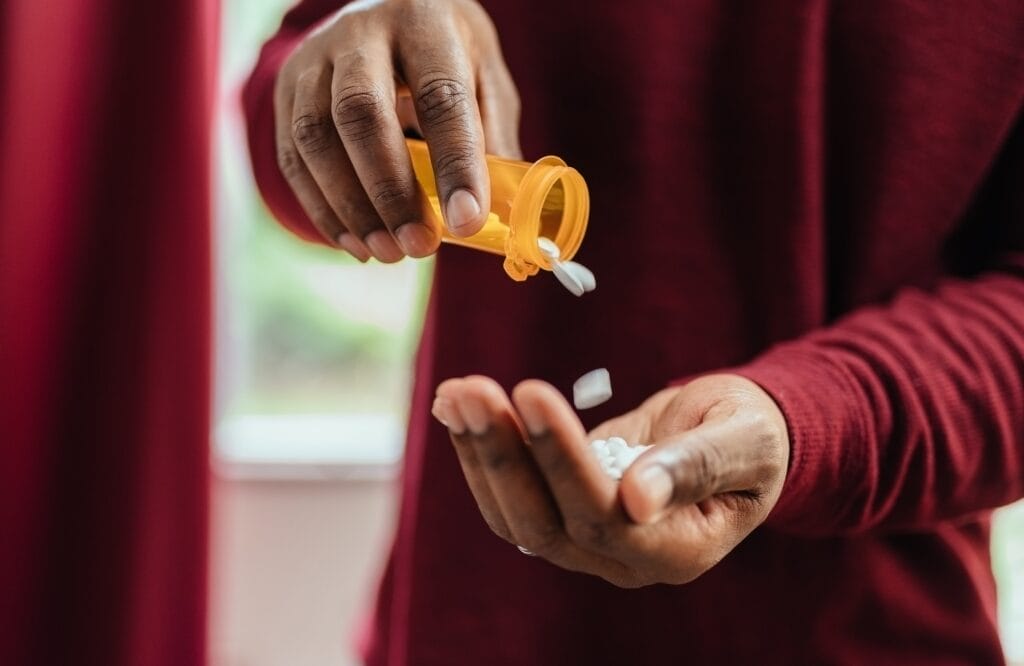
What is an Opiate Overdose? Opiate drugs fall into several categories, including prescription and illicit drugs. Therefore, it is not uncommon for someone to experience opiate overdose symptoms even though they use a medication prescribed to them by a medical provider. All opiate and opioid drugs are potent drugs with a high potential for addiction and fatal overdose. Therefore, if you or a loved one struggles with an addiction to opiates, it is crucial to seek help at a detox and treatment program like San Diego Detox Center. Opiate Overdose Statistics Data released by the Centers for Disease Control and Prevention in early 2020 suggest that more than 70% of the drug overdose deaths in the United States in 2019 involved at least one opiate drug. Also, the rate of death attributed to the misuse of synthetic opiate drugs increased by nearly 20% in the last year. The overall fatality rate linked to all opiate drugs increased by approximately 6%. Between 2010 and 2020, more than half a million people lost their lives to opiate drug overdose.1 Opiate vs. Opioid: What is the Difference? Opioid drugs are derived from three sources. Opioids are either all-natural, synthetic, or semi-synthetic. The term opiate refers to natural opioids. Perhaps, it is best to understand the term opiate as a subcategory of opioids.2 Someone with an opiate addiction may be addicted to prescription pain medications such as oxycodone or codeine or illegal opioids like heroin.2 Signs and Symptoms of Opiate Overdose A crucial part of opiate overdose prevention is knowing the warning signs of an overdose. In many cases, opiate overdose happens rapidly, and opiate overdose signs will differ from person to person. Some of the more common signs of opiate overdose include:3 Slow and shallow breathing Vomiting Gurgling or choking sounds Constricted (pinpoint) pupils Blue or cold skin Loss of consciousness Faint heartbeat Purple lips and fingernails Inability to communicate or speak clearly or effectively Opiate Overdose Causes and Risk Factors An opiate overdose occurs when someone takes too much of a drug and elevated amounts of the substance reach their brain. When this happens, it overwhelms the brain’s natural function leading to the inability of the brain and central nervous system to perform vital functions such as breathing. Because medical providers use opiates as part of a prescription plan, many people do not realize the harms these drugs can cause. Who Is at Risk for an Opiate Overdose? Specific factors related to the individual using the drug may increase their risk for addiction and overdose. Examples of overdose risk factors include age and underlying medical conditions such as impaired liver function, kidney disease, or sleep apnea.4 There are many possible causes of opiate overdose. Some of the more prominent examples are combining an opiate with other drugs or alcohol, taking more than prescribed, and using illicit (street) drugs that may contain unregulated or harmful additives.3 Treatment for Opiate Addiction and Overdose in San Diego Narcan nasal spray for opiate overdose or Narcan injections is an excellent emergency use drug used for opiate overdose. In the short-term, drugs to reverse opiate overdose can help save someone’s life. However, Narcan is not a long-term substitute for opiate addiction treatment. A professional treatment program in San Diego can help you find freedom from addiction and begin a journey towards lasting health and wellness. Opiate Addiction Treatment Options The best opiate addiction treatment options involve several steps. It is important to remember that achieving lasting sobriety is a highly individual process. Choosing a program that offers individualized addiction treatment plans provides the most significant opportunities for treatment success. For most, the first step of treatment is comprehensive detox. The Benefits of Detox Although challenging, detox is a necessary step in therapy. It is difficult (if not impossible) to focus on healing when still impacted by the effects of opiate use. Detoxing in a safe and comforting environment is vital to ensuring access to the medical and mental health support you need to help manage withdrawal symptoms. Get Help at San Diego Detox Once detox is complete, you will begin therapy to learn more about the root causes of addiction and how to manage relapse triggers in the future. The journey to overcoming opiate addiction is challenging. With help from our skilled, compassionate team, sobriety and a drug-free future are within reach. Contact us today to learn more about our programs and how you can get help to defeat addiction at San Diego Detox. Narcan for Opiate Overdose The Centers for Disease Control and Prevention (CDC) indicate that almost 50,000 people died from an opioid or opiate-related overdose in 2019. The same study suggests that in as many as 40% of cases. Had these bystanders provided Narcan, they could have saved a life. Understanding more about how Narcan helps with opiate overdose reversal can help to save thousands of lives each year. Auto-Injector and Nasal Spray Naloxone or Narcan is a medication that can rapidly reverse opioid overdose. Narcan for opiate overdose comes in two FDA-approved delivery methods.4 These include an auto-injector and prepackaged nasal sprays. Narcan injections must be drawn from a vial and injected into the body. Medical providers such as emergency services personnel or emergency room doctors often choose this method. The second delivery method of Narcan for opiate overdose is a nasal spray. Narcan nasal sprays are a needle-free option that one can spray directly into the nostril. Because nasal Narcan comes in a prepackaged form, monitoring the amount of medication administered is not necessary. Nasal Narcan is significantly easier for loved ones or bystanders to administer. It does not require formal training, knowledge of medication dosing, or the use of a needle. How Does Narcan Reverse the Effects of an Opiate Overdose? Narcan is a category of drug known as an opioid agonist. When used at the first sign of an opiate overdose, Narcan prevents opiate drugs from attaching to opioid receptors in the brain because the agonist binds there instead.
How Dangerous is a Gabapentin Overdose?

What Is Gabapentin? Gabapentin is an anticonvulsant, meaning it is prescribed to help treat seizures. Another common use for this medication is treating nerve pain, especially from shingles. In 2016, there were an estimated sixty-two million prescriptions for gabapentin dispensed, making it one of the most popular prescription medications in the United States. As a commonly prescribed medication, gabapentin has an elevated risk for misuse and abuse, which can lead to an overdose. Despite being used as a medicine for pain relief, gabapentin is not a narcotic or opioid, nor is it a controlled substance. Instead, it’s found in its own class of medications Medication Assisted Treatment known as gabapentinoids. Can You Overdose on Gabapentin? Gabapentin is one of the safer methods of medicinal pain relief, as it is not an opioid. However, as with any substance, there is a possibility of overdose. This occurs when too much gabapentin is taken at once. How Much Gabapentin Leads to an Overdose? According to the FDA, gabapentin overdose reports have been caused by doses of up to 49 grams. Nonetheless, there are many factors that dictate how much gabapentin is considered excessive, including weight and age. Because there is no specific amount of gabapentin to overdose, it can occur at any time gabapentin is misused, which is why it is important always to take the recommended dose. Signs and Symptoms of Gabapentin Overdose If someone were to take too much gabapentin, they might experience a variety of symptoms due to overdose. A gabapentin overdose can be a dangerous medical emergency, so it is important to be able to recognize the signs and symptoms. Physical and Behavioral Signs Many behavioral signs of a gabapentin overdose stem from physical signs. For instance, poor coordination or inability to complete simple tasks may occur as a result of double vision or loss of muscle control. Thus, it’s important to understand both the behavioral and the physical signs when identifying a potential gabapentin overdose. Common behavioral and physical gabapentin overdose symptoms include: Poor or double vision Slurred speech Drowsiness Gastrointestinal upset Loss of control of muscles Changes in blood pressure Dizziness Shakiness or tremors Mood Changes Gabapentin overdose is most often witnessed through behavioral and physical signs. However, two main mood changes include confusion or difficulty thinking and increased agitation. Treatment for Gabapentin Overdose While a gabapentin overdose can be dangerous, there are New treatment options available. Gabapentin Overdose Treatment Options Gabapentin overdose treatments can target the side effects of the overdose itself and aid in the recovery from gabapentin abuse. Gabapentin Detox When a substance is consumed regularly for long periods of time, the body and mind can become dependent on it to function normally. This is true for gabapentin, although it has a lower risk of addiction than other substances. Thus, detox is necessary to help slowly restore the body to its natural form. However, in extreme abuse cases, detoxing, or withdrawing from the substance, can lead to harsh or severe withdrawal symptoms. Therefore, medically-assisted detox at a treatment facility is recommended to ensure a safe and comfortable recovery. Inpatient and Outpatient Treatment Programs Inpatient and outpatient treatments provide two similar but unique methods of approaching treatment for a gabapentin addiction. Inpatient treatment offers around-the-clock care with little to no access to triggers. This is better for more severe cases of substance use disorder or those with a higher risk for relapse, such as during detox. Outpatient treatment, however, is more time-efficient and allows individuals to receive care a few times a week while continuing their usual routine (e.g., work, at-home duties, school). Support Groups Sometimes, it can be difficult to connect with professionals. Support groups offer a way to connect with peers in similar situations and circumstances, providing the opportunity to be both a mentor and a mentee in a safe, secure environment. Find Help Today at San Diego Detox Gabapentin can be beneficial in the treatment of seizures and nerve pain. Nevertheless, while it isn’t an opioid or controlled substance, misuse is possible, and it can lead to a dangerous gabapentin overdose. San Diego Detox provides professional and compassionate care throughout the recovery journey. Under the guidance of our certified staff members, patients can partake in a variety of treatment options best suited to meet their unique needs. Contact us at San Diego Detox today to discover how to restore balance in your life and recover from a gabapentin overdose or addiction. Gabapentin Overdose Side Effects and Dangers Although gabapentin is a relatively safe method of pain relief, there is a risk of an overdose. This is especially true if gabapentin is abused alongside other substances, such as opioids. How Dangerous Is a Gabapentin Overdose? Any overdose is considered a medical emergency due to the risk of severe symptoms, such as permanent damage or even death. For gabapentin overdose, the side effects and symptoms range from mild to severe. Overdosing on gabapentin is dangerous, as it threatens people’s physical and mental health. Side Effects of Gabapentin Overdose A gabapentin overdose is a medical emergency that can be dangerous and potentially result in lasting side effects, including: Brain damage Nerve damage Mental health conditions, such as mania, depression, and anxiety In severe cases, the side effects of a gabapentin overdose can even include death. In Kentucky, gabapentin is the cause of one in every three overdose deaths. Gabapentin Drug Interactions and Precautions One of the leading causes of a gabapentin overdose is abuse in combination with other substances. This can lead to negative interactions and side effects. Drugs That Interact With Gabapentin There are several drugs and substances that interact with gabapentin. While some only cause mild interaction side effects, others can pose fatal risks. As a result, it is best to speak to a doctor about all medications and substances taken while on gabapentin. Some of the drugs that interact with gabapentin include: Alcohol Caffeine Magnesium oxide Losartan Phenytoin Mefloquine Ethacrynic acid Morphine and other strong painkillers Antidepressants, such as fluoxetine Antipsychotics Gabapentin Abuse Gabapentin is
Dangers of Drug Overdose

What is an Overdose? Hazards due to an overdose of drugs emerge when people consume more medication than their bodies can fully break down, regardless of whether the drug is legal. A person using a legal or illegal drug can experience an overdose of a drug taken for a medical reason or recreationally, and an overdose can be accidental or intentional. How Does Drug Overdose Happen? An overdose happens when a toxic quantity of a substance or medicine is consumed. It is crucial to remember that not all overdoses are fatal or life-threatening; however, if an overdose is suspected or has happened, medical help should always be sought. Dangers of Drug Overdose What an individual feels during an overdose depends on the substance used. Overdoses are prevalent when a person consumes too much of a particular drug, but they can also occur when a person consumes more than one substance, and the interactions between the substances cause unforeseen consequences.1 A stimulant or alcohol overdose might result in seizures. Seizures can cause injuries by striking body parts against the ground or other objects, but they can also cause brief confusion, loss of consciousness, severe headaches, and brain damage. How Long Does a Drug Overdose Last? The duration of a drug overdose varies widely depending on the individual, what was taken, and how promptly they received medical assistance. For example, a person may overdose on alcohol and require stomach pumping. In this case, they may be back at home within a day, and their overdose will be finished. While an overdose of drugs can be frightening, it does not always have to result in death. After an overdose, a person can still live a happy and healthy life, provided the situation is handled correctly. What Does Overdosing Feel Like? Overdoses are hazardous reactions that occur when the effects of a specific chemical exceed the brain and body’s usual working limitations. Severe types of these reactions can have fatal implications in many circumstances. The particular effects of overdose-producing chemicals vary greatly, which means that the sensations experienced during an overdose episode are dependent on the type of substance that caused the reaction. Intentional Overdose Intentional overdoses are considered a kind of self-harm. The figures are significant despite accounting for a small proportion of drug-related mortality. It’s also a shockingly prevalent act among teenagers across the world. In most of these cases, the person is escalating their use of substances, which is the act of drug overdose for suicide. These attempts may include exceeding authorized amounts of a prescription or substance and combining various substances.4 What Drugs Do People Overdose On? Drugs people may overdose on include: Opioids: Because of how they work, opioids are one of the most deadly medications for overdosing because of the drug’s toxicity. Opioids are derived from poppy seeds (or synthesized from comparable substances) and interact with opioid receptors in the brain. Alcohol: When you consume more alcohol than your body can adequately absorb, you have an alcohol overdose. Many people do not consider alcohol when discussing drug overdoses, yet it is possible to overdose on alcohol, which is regarded as a depressant. Stimulants: A stimulant drug, such as ecstasy, speed, or cocaine, raises the heart rate, body temperature, and blood pressure while also increasing breathing. This can potentially result in a deadly heart attack, seizure, or stroke. Long-Term Effects of an Overdose Long-term effects of an overdose include: Liver Damage A pill overdose can permanently damage your liver, causing irreversible scarring of liver tissue (cirrhosis) and, in severe circumstances, leading to life-threatening liver failure. Brain Damage The frontal lobe is particularly vulnerable to injury from overdose-induced oxygen deprivation, which can impair executive function. They may struggle with planning, problem-solving, emotional control, organizing, and paying attention. Damage to the Heart Irregular heartbeats, heart attacks, and strokes can all be caused by drug misuse. Rising heart rate and blood pressure. Some medicines can also slow blood flow to the heart, which can cause the muscles and body to stop working. Neurological Consequences The risk of pharmaceutical overdose is quite real and should not be underestimated. When a person becomes reliant on medicine, they may begin using ever-greater doses of the medication to obtain the same results. This can lead to an overdose and neurological consequences. Higher Risk of Developing Emotional and Mental Problems When people are under the influence of alcohol or drugs, they develop substance-induced problems. Which can affect their mental and emotional state of mind. Higher Risk of Drug Addiction Taking an overdose drug can lead to drug addiction. Signs And Symptoms Of Drug Overdose The possibility of severe side effects, including overdose, is always present with drug usage. Addiction development will always be a risk whether you abuse alcohol, an illegal drug such as cocaine, or prescriptions prescribed by a doctor, such as opiate pills. In many circumstances, if substance misuse behavior continues, there is a significant risk of drug misuse. The signs and symptoms of a drug overdose will be detailed below.2 Dilated Pupils Almost any substance taken in excess has the potential to induce alterations in the user’s eyes. Depending on the type of drug used, different chemicals impact the parasympathetic, sympathetic, or both systems. Unsteady Walking Drug overdose can cause unsteady walking or injury to the legs, feet, joints, bones, muscles, blood vessels, and other soft tissues or the neurological system that governs the movements required for walking. Chest Pain Chest pain is conceivable and can be caused by injury to the heart or lungs. Shortness of breath is possible. Breathing might become quick, slow, deep, or shallow. Difficulty Breathing Opioids can cause respiratory difficulties due to their pharmacological effects, and an opioid overdose can result in mortality. Blue Lips or Fingers Lips and fingers turn blue when the body does not obtain enough oxygen. These are the warning indications of an overdose. Nausea or Vomiting It is possible to experience nausea, vomiting, abdominal pain, and diarrhea. Vomiting blood or passing blood in
How to Minimize Post-Acute Withdrawal Syndrome from Opiates?

What is Post-Acute Withdrawal Syndrome? When you’re in the early stages of recovering from opioid dependence, post-acute withdrawal syndrome (PAWS), whether mildly unpleasant or extremely uncomfortable, is unavoidable. If the post-acute syndrome persists for a long time, it can become a risk factor for relapse. Post-acute withdrawal syndrome describes a collection of symptoms following the “acute” stage of opiate withdrawal. Acute withdrawal occurs after a professionally supervised detox, and it can result in life-threatening complications and signs of physical discomfort like elevated heart rate, headaches, nausea, and muscular aches. Usually, these symptoms go away in two weeks or less. PAWS refers to the psychological and emotional symptoms that occur during the second withdrawal phase. You are more likely to experience PAWS if you used opioids for a long period of time, and usually in greater doses. When Does Post-Acute Withdrawal Syndrome Occur? Stress or circumstances involving people, places, or things that remind the individual of using opiates can often lead to symptoms. Many people in the recovery phase compare the symptoms of PAWS to a roller coaster that goes up and down, or waves that come and go. Symptoms can switch minute by minute in the early process of quitting substances. The symptoms become less frequent as people enter long-term recovery from alcohol or drug addiction. What Are the Most Common Symptoms of PAWS? To reduce the risk of relapse, you need to be able to recognize some of the symptoms of PAWs. Some of the most common symptoms include: Foggy Thinking/Trouble Remembering: This is also known as mental fuzz. Individuals might notice they have a hard time processing information and remembering things. Cravings: This is one of the common symptoms. You might feel the urge to take opiates, or may feel uneasy if you cannot get opiates. Irritability, Hostility, or Mood Swings: Abstinence from opiates can make you feel overly agitated and hostile. Insomnia or Vivid Dreams Fatigue or Inability to Focus: An individual with PAWS will also experience feelings of extreme tiredness due to the combination of all other symptoms. Issues With Fine Motor Coordination: You might find it difficult to do simple things like tying your shoelaces or buttoning a shirt. Stress Sensitivity: This is when little things bother you more than they used to. Anxiety or Panic: People experiencing acute substance withdrawal syndrome often feel anxious. They may also have panic attacks, increased heartbeat, and shortness of breath. Depression: Individuals experiencing acute substance withdrawal syndrome may be depressed. Why Do We Experience Post-Acute Withdrawal? Whether moderate or severe, post-acute withdrawal is a common step in the early stages of recovering from alcohol or other drug dependence. Consider the withdrawal symptoms as the brain’s attempt to restore the chemical imbalances created when the addiction was active. During the period of drug use, the brain would have adapted and reconfigured to function with those drugs present, so once there’s drug withdrawal, the brain is unable to function properly, which results in the manifestation of post-acute withdrawal symptoms. How to Minimize Post-Acute Withdrawal Syndrome? To minimize post-acute withdrawal syndrome from opiates, the first thing that must be done is gradually reducing the concentration of opiates in the body. This helps to reduce the severity of any of the withdrawal symptoms. Can PAWS Be Avoided? Avoiding PAWS isn’t entirely possible. However, you can effectively manage your symptoms and improve emotionally and physically by sticking to your treatment regimen. It will reduce the risk of relapse and boost your motivation. How Long Do Post-Acute Withdrawal Syndrome Symptoms Usually Last? Depending on the type of alcohol or drug addiction, the amount and frequency of substance use, and other factors (everyone’s withdrawal pattern is a little different), the majority of symptoms only last a few days at a time. In some cases, however, symptoms could last for weeks or even months. How to Cope With Post-Acute Withdrawal Syndrome Here are some of the practical tips on how you can manage the symptoms of PAWS effectively: Self-Care: Self-care is essential to effectively treat the symptoms of post-acute withdrawal syndrome, especially in the first year or two. Take plenty of breaks during the day, and most importantly, take care of your mental and spiritual well-being. Seeking Support: This involves sharing emotions, feelings, and PAWS symptoms you are experiencing with people you trust, like your close friends, peers in 12-steps meetings, family, or counselors. They help you express yourself. Taking Medications: If your doctor prescribes medication, taking it as prescribed is essential even after the symptom has vanished. Avoiding Potential Causes: Avoid scenarios that can cause you to become anxious, stressed, or remind you of past drug use. This will help minimize the symptoms of PAWS. Taking it One Day at a Time: It’s crucial to avoid taking on too much. Putting more emphasis on daily self-care and the victories each day provides can be more beneficial. Common Drugs And Their Associated Post-Acute Withdrawal Symptoms Some drugs can cause severe symptoms of post-acute withdrawal syndrome. These will be detailed below. Marijuana Research shows that abruptly stopping the use of marijuana can cause post-acute withdrawal symptoms once acute detox is over. Common post-acute withdrawal opiate symptoms from marijuana are anxiety, headache, irritability, insomnia, and several physical conditions like changes in appetite and stomach pain. As many people use marijuana daily, and sometimes multiple times a day, suddenly stopping its usage might cause the body to go into enough of a “shock” that causes PAWS. Methamphetamine Common PAWS symptoms for methamphetamine are irritability, insomnia, and poor impulse control. Opioids Common symptoms of post-acute withdrawal syndrome for opioids include poor impulse control, muscle tension, intense craving, anxiety, depression, and insomnia. Cocaine Cocaine is well known for having a variety of long-lasting symptoms. Several users experience sadness, low motivation, weariness, and issues with impulse control. Benzodiazepines Benzodiazepines like Klonopin, Ativan, and Xanax cause common PAWS symptoms, including insomnia, sleep disturbance, irritability, panic attacks, and intense anxiety. Diagnosis of Post-Acute Withdrawal Symptoms There is no specific diagnostic test to confirm
How to Deal with Depression from Opiate Withdrawal

Depression from opiate withdrawal is a common side effect. It can have long-lasting effects. Fortunately, depression and opiate addiction are both highly treatable. Several medications and therapies are available that have been proven to reduce opiate withdrawal symptoms. They help people find recovery. Understanding Opiate Withdrawal Opiate withdrawal, also frequently referred to as opioid withdrawal, is the set of symptoms that occurs when opiate use suddenly stops. Opiates and opioids include drugs such as heroin, morphine, oxycodone, hydrocodone, and fentanyl. These drugs all similarly affect the brain and body. Opioid withdrawal symptoms are very uncomfortable. They closely resemble severe flu symptoms. Fortunately, opiate withdrawal is not typically life-threatening. Opiate withdrawal treatment can vastly improve symptoms and help people break through this first phase of recovery. Common Withdrawal Symptoms Symptoms of opiate withdrawal include: Muscle aches and pains Sweating and chills Nausea and vomiting Diarrhea Anxiety and restlessness Insomnia Rapid heartbeat Dilated pupils The Withdrawal Timeline The opiate withdrawal timeline differs for everyone. It depends on factors like: Which specific opiate was used How long the person used opiates The dosage taken Individual body chemistry Overall health condition Typically, detox from opiates results in symptoms that resolve in a week or two. The withdrawal symptoms of drugs such as heroin or oxycodone are the same. However, they may vary in intensity or length depending on which drug has been used. Opiate detox can last up to two weeks. The severity of symptoms typically peaks after just a few days. Then symptoms gradually get better. Post-Acute Withdrawal and Depression After the peak period, the major symptoms of opiate withdrawal begin to subside. People may still feel sick for up to two weeks. However, symptoms are at a much lower intensity than during the peak period. Post-acute withdrawal can last for months or even years. This is where depression from opiate withdrawal can kick in. Lingering symptoms can lead people to feel that the promises of recovery have been left unfulfilled. Oxycodone and depression go hand-in-hand during withdrawal. Mood changes can happen with several drugs, including heroin, morphine, and fentanyl. Depression is the most commonly reported symptom of post-acute withdrawal. How Opiates Impact Mental Health Opioids impact mental health by changing brain chemistry, emotional regulation, and cognitive functions. While they initially provide a sense of euphoria and relief from pain or emotional distress, their long-term use leads to significant mental health challenges. Changes in Brain Chemistry Opiates contribute to depression in several ways, both directly and indirectly: The Dopamine Disruption Regular opiate use changes the brain’s reward system Opiates flood the brain with dopamine This creates an artificial sense of pleasure and well-being Over time, the brain adapts by reducing its natural dopamine production The brain also becomes less sensitive to dopamine This makes it difficult for individuals to feel joy or satisfaction without the drug This reduction can lead to an inability to feel pleasure. This is a core symptom of depression. Depression and opiate addiction can be related, as in the case of oxycodone and depression. Many drugs affect the brain through the dopamine pathway in the brain’s reward network. Opiate use causes a flood of dopamine to enter the brain. This gives a strong sense of reward. The longer drug use continues, the more the brain adjusts to these new dopamine levels. It does this by cutting back on the receptors which process dopamine when it arrives. This decrease in dopamine receptors can make people feel less and less rewarded by everyday experiences. The Cycle of Dependence The cycle of dependence on opioids, followed by withdrawal, further worsens emotional lows. The post-acute withdrawal phase is when symptoms linger after the initial detox period. This can leave individuals feeling: Hopeless Fatigued Unmotivated Deeply depressed These feelings deepen depressive symptoms significantly. Pre-existing vs. Resulting Depression When people feel depressed during the post-acute withdrawal phase, it happens for one of two reasons: Depression preceded opioid use: For some, depression may have existed before their opioid use. This led them to self-medicate with these substances. Depression resulted from opioid use: For others, depression can develop as a result of prolonged opiate use. This highlights the complex and two-way relationship between opiate addiction and depression. The Impact on Daily Life Opioid misuse can impair cognitive functions. This includes memory and decision-making. It contributes to increased impulsivity and difficulty coping with stress. This impairment can worsen feelings of anxiety, irritability, and mood swings. These are common among those struggling with opioid dependence. The connection between opioid use and mental health issues is well-documented. This includes anxiety, depression, and suicidal thoughts. For instance, as the effects of opioids wear off, individuals often experience mood crashes or intense anxiety. In the long term, the brain chemistry imbalances caused by opioids can leave individuals vulnerable to persistent mood disorders. This happens even after they stop using the drugs. Tolerance and Worsening Depression Opiates like oxycodone, morphine, and fentanyl are often misused for their euphoric effects. They eventually become less effective over time due to tolerance. This tolerance requires higher doses to achieve the same effects. This can worsen depression as dependence grows. Overall, the impact of opiates on mental health is profound. This makes professional treatment and support essential for recovery. Opiates Sometimes Used for Depression Some people may misuse opiates in an attempt to self-treat depression. Common opiates include: Heroin Oxycodone (OxyContin) Hydrocodone (Vicodin) Morphine Fentanyl Codeine Tramadol It’s important to note that using opiates to treat depression is dangerous and ineffective. It leads to addiction and worsens depression over time. Treatment Options for Depression During Withdrawal Medical Support Professional medical detox programs can provide: Medication-assisted treatment (MAT) to ease withdrawal symptoms Antidepressant medications when appropriate 24/7 medical monitoring A safe, comfortable environment Therapeutic Approaches Evidence-based therapies that help include: Cognitive Behavioral Therapy (CBT) Individual counseling Group therapy Dual diagnosis treatment for co-occurring disorders Holistic therapies such as mindfulness and meditation Lifestyle Changes That Help Natural ways to support recovery from depression during withdrawal: Physical Activity Exercise
What Is Heroin Withdrawal?
Heroin withdrawal refers to the physical and psychological symptoms that occur when a person who is dependent on heroin stops using the drug or significantly reduces use. These symptoms can range from uncomfortable to severe. In some cases, they can be dangerous without medical supervision. Heroin is a powerful opioid that alters brain chemistry over time. When heroin use stops, the body must adjust to functioning without the drug. This adjustment process is known as heroin withdrawal. What Is Heroin? Heroin is an illegal opioid derived from morphine. It affects the brain by binding to opioid receptors. This produces intense feelings of euphoria and pain relief. Repeated heroin use changes how the brain regulates pain, mood, and reward. Over time, the body becomes dependent on heroin to function normally. This increases the risk of withdrawal when use stops. Risk of Heroin Addiction Heroin is highly addictive. Dependence can develop quickly, especially with repeated use. As tolerance increases, individuals may need larger amounts of heroin to achieve the same effects. This pattern increases both physical dependence and the risk of overdose. What Causes Heroin Withdrawal? Heroin withdrawal occurs because the body has adapted to the presence of opioids. When heroin use stops, the brain experiences a sudden imbalance in neurotransmitters. This imbalance triggers withdrawal symptoms as the body works to restore equilibrium. The severity of withdrawal depends on factors such as duration of use, dosage, frequency, and overall health. Medical Detox for Heroin Medical detox is often the first step in treating heroin dependence. Detox focuses on managing withdrawal symptoms safely while the drug leaves the body. WHAT IS MEDICAL DETOX? Medical detox involves supervised care to help individuals through the withdrawal process. Medical professionals monitor symptoms and may use medications to reduce discomfort and complications. Detox does not treat addiction itself, but it provides a safer foundation for ongoing treatment. MEDICATIONS USED DURING DETOX Certain medications may be used to ease heroin withdrawal symptoms. These medications can help stabilize brain chemistry and reduce cravings. Medical professionals determine appropriate medications based on individual needs and health history. CAN HEROIN WITHDRAWAL BE DANGEROUS? Heroin withdrawal is rarely life-threatening on its own, but it can be extremely uncomfortable. Complications such as dehydration, heart strain, and relapse risk make medical supervision strongly recommended. Heroin Withdrawal Symptoms Heroin withdrawal symptoms often begin within hours after the last use and may worsen over several days. Common symptoms include: Muscle aches and body pain Anxiety or agitation Sweating and chills Nausea, vomiting, or diarrhea Insomnia Cravings for heroin The intensity of symptoms varies depending on the individual and their history of use. How Long Does Heroin Withdrawal Last? The timeline for heroin withdrawal can vary, but symptoms typically follow a general pattern. TIMELINE OF HEROIN WITHDRAWAL Early symptoms often begin within 6 to 12 hours after the last dose. These may include anxiety, restlessness, and muscle aches. Symptoms usually peak within 1 to 3 days. During this period, individuals may experience intense cravings, gastrointestinal distress, and flu-like symptoms. Acute symptoms often begin to improve after several days. However, some individuals experience lingering symptoms such as fatigue, mood changes, or sleep disturbances for weeks. Coping and Relief from Heroin Withdrawal Managing heroin withdrawal without support can be difficult. Medical care can significantly reduce discomfort and health risks. Supportive care may include hydration, nutrition, rest, and medications prescribed by healthcare professionals. Emotional support is also important during withdrawal and early recovery. Attempting to detox alone increases the risk of relapse, which can be especially dangerous due to lowered tolerance. Get Help for Heroin Withdrawal at San Diego Detox Heroin withdrawal can be physically and emotionally overwhelming. Professional support can help make the process safer and more manageable. San Diego Detox provides medically supervised detox services in a structured, supportive environment. Treatment plans are individualized to address both withdrawal symptoms and long-term recovery needs. If you or a loved one are experiencing heroin withdrawal, professional support can make a difference. Contact our team to learn more about treatment options and available support. Frequently Asked Questions What symptoms are typical when someone withdraws from heroin?Heroin withdrawal typically produces both physical and psychological symptoms, including restlessness; muscle, bone, or joint pain; insomnia; cold flashes or “cold sweats”; goosebumps; uncontrollable leg movements; nausea, vomiting or diarrhea; and strong cravings. How long does heroin withdrawal usually last?Acute heroin withdrawal symptoms typically peak in the first 1–3 days and decline over the next several days, with many common symptoms resolving within 4–7 days. Some psychological effects — like anxiety, depression, or cravings — may linger for much longer depending on the person What factors affect the severity and duration of heroin withdrawal?The severity and duration of withdrawal can depend on how long and how heavily someone used heroin, their tolerance, whether they also used other substances (polysubstance use), their physical health, past opioid dependence, and other individual factors. Can you detox from heroin at home safely?Detoxing from heroin at home is generally not recommended for heavy or long-term users. Home detox increases risk of relapse or serious complications; medically supervised detox — typically as an inpatient — is the safest option. What does “medical detox” for heroin involve?Medical detox typically begins with a full evaluation of health and drug history, followed by stabilization under supervision by medical staff (doctors, nurses, therapists), and then transitioning into a longer-term treatment or rehab program rather than purely detox — because detox alone doesn’t guarantee long-term sobriety. Resources https://nida.nih.gov/publications/drugfacts/heroin https://www.verywellmind.com/what-is-withdrawal-how-long-does-it-last-63036 https://www.verywellmind.com/what-to-expect-from-heroin-withdrawal-22049 https://www.ncbi.nlm.nih.gov/pmc/articles/PMC4014033/ https://pubmed.ncbi.nlm.nih.gov/28443503/ https://www.healthline.com/health/coping-opiate-withdrawal#dependence-andaddiction https://www.ncbi.nlm.nih.gov/pmc/articles/PMC4822281/