
What’s the Prescription Drug That You Can Overdose On?
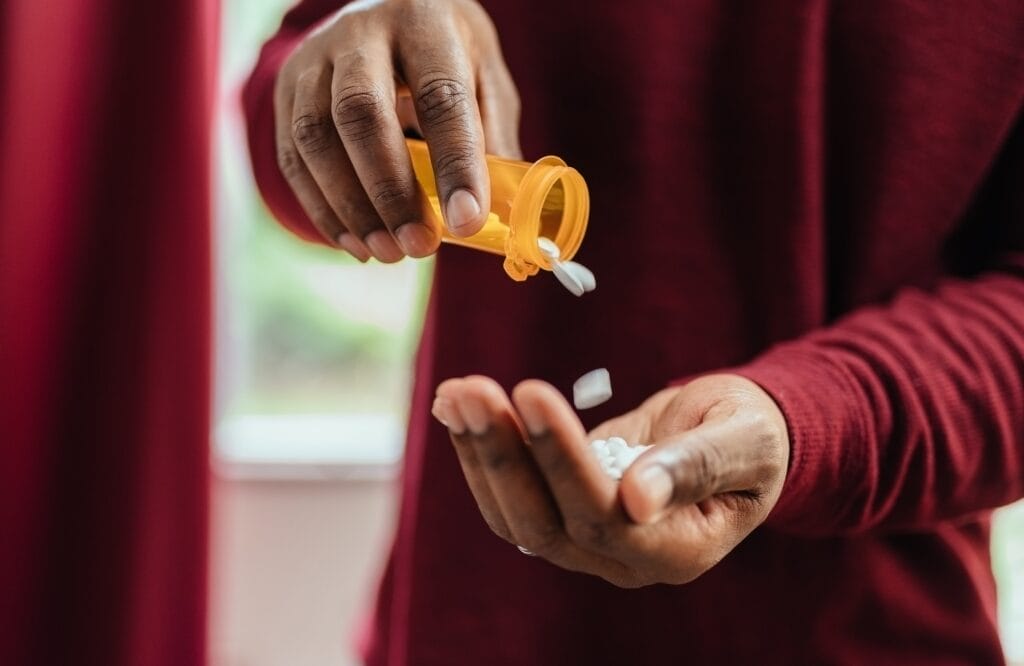
What is an Opiate Overdose? Opiate drugs fall into several categories, including prescription and illicit drugs. Therefore, it is not uncommon for someone to experience opiate overdose symptoms even though they use a medication prescribed to them by a medical provider. All opiate and opioid drugs are potent drugs with a high potential for addiction and fatal overdose. Therefore, if you or a loved one struggles with an addiction to opiates, it is crucial to seek help at a detox and treatment program like San Diego Detox Center. Opiate Overdose Statistics Data released by the Centers for Disease Control and Prevention in early 2020 suggest that more than 70% of the drug overdose deaths in the United States in 2019 involved at least one opiate drug. Also, the rate of death attributed to the misuse of synthetic opiate drugs increased by nearly 20% in the last year. The overall fatality rate linked to all opiate drugs increased by approximately 6%. Between 2010 and 2020, more than half a million people lost their lives to opiate drug overdose.1 Opiate vs. Opioid: What is the Difference? Opioid drugs are derived from three sources. Opioids are either all-natural, synthetic, or semi-synthetic. The term opiate refers to natural opioids. Perhaps, it is best to understand the term opiate as a subcategory of opioids.2 Someone with an opiate addiction may be addicted to prescription pain medications such as oxycodone or codeine or illegal opioids like heroin.2 Signs and Symptoms of Opiate Overdose A crucial part of opiate overdose prevention is knowing the warning signs of an overdose. In many cases, opiate overdose happens rapidly, and opiate overdose signs will differ from person to person. Some of the more common signs of opiate overdose include:3 Slow and shallow breathing Vomiting Gurgling or choking sounds Constricted (pinpoint) pupils Blue or cold skin Loss of consciousness Faint heartbeat Purple lips and fingernails Inability to communicate or speak clearly or effectively Opiate Overdose Causes and Risk Factors An opiate overdose occurs when someone takes too much of a drug and elevated amounts of the substance reach their brain. When this happens, it overwhelms the brain’s natural function leading to the inability of the brain and central nervous system to perform vital functions such as breathing. Because medical providers use opiates as part of a prescription plan, many people do not realize the harms these drugs can cause. Who Is at Risk for an Opiate Overdose? Specific factors related to the individual using the drug may increase their risk for addiction and overdose. Examples of overdose risk factors include age and underlying medical conditions such as impaired liver function, kidney disease, or sleep apnea.4 There are many possible causes of opiate overdose. Some of the more prominent examples are combining an opiate with other drugs or alcohol, taking more than prescribed, and using illicit (street) drugs that may contain unregulated or harmful additives.3 Treatment for Opiate Addiction and Overdose in San Diego Narcan nasal spray for opiate overdose or Narcan injections is an excellent emergency use drug used for opiate overdose. In the short-term, drugs to reverse opiate overdose can help save someone’s life. However, Narcan is not a long-term substitute for opiate addiction treatment. A professional treatment program in San Diego can help you find freedom from addiction and begin a journey towards lasting health and wellness. Opiate Addiction Treatment Options The best opiate addiction treatment options involve several steps. It is important to remember that achieving lasting sobriety is a highly individual process. Choosing a program that offers individualized addiction treatment plans provides the most significant opportunities for treatment success. For most, the first step of treatment is comprehensive detox. The Benefits of Detox Although challenging, detox is a necessary step in therapy. It is difficult (if not impossible) to focus on healing when still impacted by the effects of opiate use. Detoxing in a safe and comforting environment is vital to ensuring access to the medical and mental health support you need to help manage withdrawal symptoms. Get Help at San Diego Detox Once detox is complete, you will begin therapy to learn more about the root causes of addiction and how to manage relapse triggers in the future. The journey to overcoming opiate addiction is challenging. With help from our skilled, compassionate team, sobriety and a drug-free future are within reach. Contact us today to learn more about our programs and how you can get help to defeat addiction at San Diego Detox. Narcan for Opiate Overdose The Centers for Disease Control and Prevention (CDC) indicate that almost 50,000 people died from an opioid or opiate-related overdose in 2019. The same study suggests that in as many as 40% of cases. Had these bystanders provided Narcan, they could have saved a life. Understanding more about how Narcan helps with opiate overdose reversal can help to save thousands of lives each year. Auto-Injector and Nasal Spray Naloxone or Narcan is a medication that can rapidly reverse opioid overdose. Narcan for opiate overdose comes in two FDA-approved delivery methods.4 These include an auto-injector and prepackaged nasal sprays. Narcan injections must be drawn from a vial and injected into the body. Medical providers such as emergency services personnel or emergency room doctors often choose this method. The second delivery method of Narcan for opiate overdose is a nasal spray. Narcan nasal sprays are a needle-free option that one can spray directly into the nostril. Because nasal Narcan comes in a prepackaged form, monitoring the amount of medication administered is not necessary. Nasal Narcan is significantly easier for loved ones or bystanders to administer. It does not require formal training, knowledge of medication dosing, or the use of a needle. How Does Narcan Reverse the Effects of an Opiate Overdose? Narcan is a category of drug known as an opioid agonist. When used at the first sign of an opiate overdose, Narcan prevents opiate drugs from attaching to opioid receptors in the brain because the agonist binds there instead.
Why Do I Experience Anxiety the Day After Binging on Alcohol

What Is Anxiety? Anxiety can be defined as an emotion marked by tension, worrisome thoughts, at times, physiological changes such as increased blood pressure lasting for a prolonged period. While a certain amount of anxiety is essential for survival, understanding the difference between normal anxiety and an anxiety disorder that requires medical attention can aid in diagnosis and treatment. The duration or severity of emotions usually distinguishes between simply feeling nervous and having an anxiety attack. What Is Alcoholism? Alcohol Use Disorder (AUD), generally known as alcoholism, is a chronic medical condition marked by overdrinking alcohol. Alcoholism refers to the inability to control drinking due to physical and emotional dependence on alcohol despite adverse social, occupational, or health consequences. Alcoholism can be mild, moderate, or severe. The long-term effects of alcohol abuse on the brain can lead to dependence making individuals subject to relapse when alcohol use is discontinued. How Common Is Alcoholism? Alcoholism is quite common and affects people of all demographics and races. According to the 2019 National Survey on Drug Use and Health (NSDUH), 14.5 million (almost 15 million) persons in the United States from age 12 and older (5.3 percent) had some form of alcohol use disorder. The same survey recorded that men were more likely to have issues with alcoholism when compared to women. How Does Drinking Alcohol Affect Anxiety? Alcohol can, on its own, worsen and even cause anxiety. Although, alcohol and anxiety can occur independently. Anxiety can come about due to imbalances of neurotransmitters in the brain. Alcohol impairs the levels of certain neurotransmitters, such as serotonin. This process due to drinking alcohol has been seen to cause lasting anxiety, which persists hours to days after the initial intake of alcohol. Extreme forms of anxiety from alcohol are known as alcohol panic attacks. Unfortunately, certain people believe alcohol helps anxiety and may be drinking to cope with stress, not knowing alcohol triggers anxiety leading to severe anxiety after drinking. How Is Anxiety and Alcohol Use Related? Comorbidity involving alcohol use disorder and anxiety disorders is quite common. This can be due to individuals using alcohol to numb the effects of persistent anxiety and alcohol use itself, causing anxiety disorders. Alcohol has a depressant impact on the brain and, when ingested, may help in stress relief, but this benefit of alcohol and anxiety is only temporary. Inversely, the biochemical effects of alcohol on the brain have worsened and led to anxiety after drinking alcohol. Can Drinking Alcohol Lead to An Anxiety Disorder? Persistent anxiety from alcohol use disorder is more likely to occur in long-term heavy drinkers, which is described as alcohol causing anxiety. While occasional anxiety after drinking alcohol can be seen in anyone. Studies have shown that unregulated drinking and anxiety are quite common. Drinking can induce alcohol panic attacks, panic hangover symptoms, or anxiety while drinking in people prone to anxiety. On the other hand, moderate drinking (when overdrinking is avoided) does not cause anxiety. Does Alcohol Interact with Anxiety Medications? Anxiolytics of various classes are often prescribed to help treat and manage anxiety disorders. Many of these anxiety medications contain central nervous system depressive properties, which can interact with alcohol in the bloodstream. Alcohol is also a central nervous system depressant. When anxiety medications are taken with alcohol, side effects of anxiolytics such as sleepiness and worsened respiratory depression (slowed breathing) can worsen. As a result, alcohol must be avoided during the management or treatment of anxiety and alcoholism. Drinking and anxiety treatment can lead to serious adverse effects. How Much Is Too Much Alcohol? A moderate drink of alcohol depends on several factors, including the kind of alcohol preparation being taken (beer, wine, gin, etc.) and individual tolerance, amongst others. Too much alcohol would be alcohol intake above two drinks per day for males or one drink per day for women. As defined by the National Institute on Alcohol Abuse and Alcoholism (NIAAA), alcohol intake is said to be too much when alcohol consumption results in a blood alcohol concentration (BAC) of 0.08 percent (or 0.08 grams) of alcohol per deciliter, or higher. This pattern corresponds to a typical adult consuming five or more drinks (male) or four or more drinks (female) in two hours. What Are Healthy Ways to Cope with Anxiety? While most people with clinical anxiety disorders require psychotherapy or medication to manage their symptoms, lifestyle changes and healthy coping methods can also help recovery and anxiety management a whole lot easier. Some healthy coping ways to cope with and reduce anxiety include: Meditation: Employing Relaxation techniques involving meditation can help alleviate varying degrees of anxiety. Activities such as visualization and yoga are examples of stress management and relaxation strategies that can help with anxiety. Calming Exercise: Exercise is a potent stress reliever that can enhance general mood and health while battling anxiety. When dealing with anxiety, it’s critical to establish a pattern that includes light physical activity on most days of the week. This exercise should be self-paced and controlled to prevent physiological stress. Journaling: Keeping track of thoughts might help determine anxiety triggers and shed light on what aspect of treatment or the recovery process has been beneficial in managing anxiety. Types of Anxiety Disorders There are many different types of anxiety disorders, including: Generalized Anxiety Disorder (GAD): This form of anxiety disorder is marked by chronic anxiety, exaggerated worry, and tension, even when there is little or no trigger Panic Disorder: This is characterized by unexpected and recurring episodes of acute fear and physical symptoms such as chest pain, heart palpitations, shortness of breath and even abdominal discomfort. Social Phobia (or Social Anxiety Disorder): This anxiety disorder presents excessive self-consciousness and overwhelming anxiety in daily social interactions. This phobia might be specific to one setting (for example, a dread of speaking in formal or casual situations), or it can be so broad that a person has symptoms practically every time they are around others. Side Effects of Alcohol Misuse Alcohol is a
How Dangerous Is Drug Induced Psychosis?

What Is Drug-Induced Psychosis? Often, psychosis occurs as the result of a mental disorder; however, it can also develop through substance use. Drug-induced psychosis, also known as stimulant psychosis, is characterized as experiencing a psychotic episode (e.g., delusions, hallucinations, paranoia) triggered by substance abuse and misuse. Drug-Induced Psychosis vs. Schizophrenia While these two conditions share similarities, there are a few differences between drug-induced psychosis and schizophrenia. Schizophrenia Schizophrenia is a mental health disorder that causes an altered sense of reality, affecting how people think, feel, and behave due to periods of psychosis. While there is no singular established cause of schizophrenia, research shows that substance abuse can trigger schizophrenia symptoms. For example, one study found that 11% of participants with substance-induced psychotic disorder developed schizophrenia.1 Drug-Induced Psychosis Drug-induced psychosis is a psychotic episode that occurs from substance abuse. While it can develop during active drug use, it’s more common during withdrawal. In addition, unlike schizophrenia, which is a lifelong disorder, drug-induced psychosis is temporary, lasting no more than a few days. How Common Is Drug Induced Psychosis? Because the statistics surrounding drug-induced psychosis vary based on the substance, it can be difficult to understand exactly how common it is. Nonetheless, a study has provided perspective on the prevalence of drug-induced psychosis for amphetamines, cannabis, cocaine, and opiates in individuals ranging from no substance use disorder to severe substance use disorder. Different Drugs That Can Trigger Drug Induced Psychosis The findings of this study will be detailed below:2 Amphetamines: 5.2% to 100% Cannabis: 12.4% to 80.0% Cocaine: 6.7% to 80.7% Opiates: 6.7% to 58.2% How Long Does Drug-Induced Psychosis Last? The drug-induced psychosis timeline can vary based on many factors, including the substance, severity of abuse, and duration of abuse. However, research has found that only 10% of drug-induced psychosis cases last longer than six months after use. The majority usually resolve one month following the last time the substance was abused.3 How Dangerous Is Drug-Induced Psychosis? Due to the nature of drug-induced psychosis symptoms, this condition can pose a significant risk to the people affected and those around them. In addition, the short-term and long-term effects pose a risk of their own, especially without treatment. Short-Term Effects of Drug-Induced Psychosis Drug-induced psychosis may not be recognized while the substance is still active in the body. However, as the body begins to metabolize and eliminate the drug, the short-term effects of drug-induced psychosis can become more apparent. These can include: Delusions Hallucinations Social withdrawal Agitation Confusion Long-Term Effects of Drug-Induced Psychosis Psychosis can have a lasting impact on the brain and mind, especially when treatment is postponed or avoided altogether. While many of the effects of drug-induced psychosis will fade within a couple of days, others can take weeks, months, or possibly even longer, depending on the severity. Some of the long-term effects of drug-induced psychosis can include: Structural brain damage Continued hallucinations and delusions Social struggles Development of mental health disorders, such as New Windowpost-traumatic stress disorder Drug-Induced Psychosis Symptoms Drug-induced psychosis can lead to a variety of symptoms, many of which are similar to other mental health disorders, such as schizophrenia. Paranoia Paranoia is an unrealistic thought or feeling of being threatened, especially when no risk is presented. While it can often be a mild symptom of drug-induced psychosis, it can vary in severity, with more severe instances of paranoia possible. Delusions Delusions are false beliefs. These can be about yourself or your surroundings, including other people. Types of delusions include: Grandeur Erotomania, or delusion of love Somatic Persecutory Jealousy Hallucinations Hallucinations are false perceptions. They can affect all five senses, meaning people may hear, smell, taste, see, or feel things that aren’t there. Types of hallucinations include: Auditory Visual Olfactory Gustatory Tactile Anti-Social Behavior Paranoia, delusions, and hallucinations can make it difficult to connect with friends and loved ones and feel safe in public spaces. As a result, drug-induced psychosis may lead to anti-social behaviors such as avoidance and isolationism. This can also lead to panic attacks and confusion. Drug-Induced Psychosis Causes and Risks Drug-induced psychosis can make it difficult for people to differentiate between reality and false beliefs and perceptions caused by psychotic episodes. As a result, it can introduce an elevated risk for dangers such as suicide, violent outbursts, and injury. Because of this, drug-induced psychosis often requires hospitalization. What Causes Drug-Induced Psychosis? Drug-induced psychosis typically occurs when the body is introduced to a toxic amount of drugs. This can be caused by taking too much of a single substance or a combination of substances. In addition, this condition can occur during substance withdrawal. What Drugs Cause Drug-Induced Psychosis? The drugs that are most often reported to cause psychosis are mind-altering substances, especially cannabis. In fact, recent studies have shown that cannabis can increase the risk of psychosis and has the highest conversion rate to schizophrenia at 47%. Nonetheless, many different substances can cause drug-induced psychosis, including: Cannabis Alcohol Amphetamines, such as methamphetamine, ecstasy, and MDMA Stimulants, such as cocaine Hallucinogens, such as LSD, PCP, and psilocybe mushrooms Risk Factors There are certain factors that can elevate the risk of drug-induced psychosis. They include: Abnormal brain changes, such as through an injury or stroke Family history of psychotic disorders Brain disorders Brain tumors and cysts Diagnosis for Drug-Induced Psychosis Because drug-induced psychosis can mimic other conditions, including psychosis caused by a psychotic disorder, it is important to properly diagnose the condition either through a drug-induced psychosis test or by utilizing drug-induced psychosis diagnostic criteria. Because drug-induced psychosis relies on a substance to be present in the body, that is one of the leading determinate factors when identifying a diagnosis. Treatment for Drug-Induced Psychosis While drug-induced psychosis can be distressing, there is treatment available to help. Drug-Induced Psychosis Treatment Program Drug-induced psychosis treatment programs combine a New Windowvariety of treatment methods for a multifaceted approach. Detox The first step is a medically supervised detox, a process that safely eliminates the substance from the body to begin
How Dangerous is a Gabapentin Overdose?

What Is Gabapentin? Gabapentin is an anticonvulsant, meaning it is prescribed to help treat seizures. Another common use for this medication is treating nerve pain, especially from shingles. In 2016, there were an estimated sixty-two million prescriptions for gabapentin dispensed, making it one of the most popular prescription medications in the United States. As a commonly prescribed medication, gabapentin has an elevated risk for misuse and abuse, which can lead to an overdose. Despite being used as a medicine for pain relief, gabapentin is not a narcotic or opioid, nor is it a controlled substance. Instead, it’s found in its own class of medications Medication Assisted Treatment known as gabapentinoids. Can You Overdose on Gabapentin? Gabapentin is one of the safer methods of medicinal pain relief, as it is not an opioid. However, as with any substance, there is a possibility of overdose. This occurs when too much gabapentin is taken at once. How Much Gabapentin Leads to an Overdose? According to the FDA, gabapentin overdose reports have been caused by doses of up to 49 grams. Nonetheless, there are many factors that dictate how much gabapentin is considered excessive, including weight and age. Because there is no specific amount of gabapentin to overdose, it can occur at any time gabapentin is misused, which is why it is important always to take the recommended dose. Signs and Symptoms of Gabapentin Overdose If someone were to take too much gabapentin, they might experience a variety of symptoms due to overdose. A gabapentin overdose can be a dangerous medical emergency, so it is important to be able to recognize the signs and symptoms. Physical and Behavioral Signs Many behavioral signs of a gabapentin overdose stem from physical signs. For instance, poor coordination or inability to complete simple tasks may occur as a result of double vision or loss of muscle control. Thus, it’s important to understand both the behavioral and the physical signs when identifying a potential gabapentin overdose. Common behavioral and physical gabapentin overdose symptoms include: Poor or double vision Slurred speech Drowsiness Gastrointestinal upset Loss of control of muscles Changes in blood pressure Dizziness Shakiness or tremors Mood Changes Gabapentin overdose is most often witnessed through behavioral and physical signs. However, two main mood changes include confusion or difficulty thinking and increased agitation. Treatment for Gabapentin Overdose While a gabapentin overdose can be dangerous, there are New treatment options available. Gabapentin Overdose Treatment Options Gabapentin overdose treatments can target the side effects of the overdose itself and aid in the recovery from gabapentin abuse. Gabapentin Detox When a substance is consumed regularly for long periods of time, the body and mind can become dependent on it to function normally. This is true for gabapentin, although it has a lower risk of addiction than other substances. Thus, detox is necessary to help slowly restore the body to its natural form. However, in extreme abuse cases, detoxing, or withdrawing from the substance, can lead to harsh or severe withdrawal symptoms. Therefore, medically-assisted detox at a treatment facility is recommended to ensure a safe and comfortable recovery. Inpatient and Outpatient Treatment Programs Inpatient and outpatient treatments provide two similar but unique methods of approaching treatment for a gabapentin addiction. Inpatient treatment offers around-the-clock care with little to no access to triggers. This is better for more severe cases of substance use disorder or those with a higher risk for relapse, such as during detox. Outpatient treatment, however, is more time-efficient and allows individuals to receive care a few times a week while continuing their usual routine (e.g., work, at-home duties, school). Support Groups Sometimes, it can be difficult to connect with professionals. Support groups offer a way to connect with peers in similar situations and circumstances, providing the opportunity to be both a mentor and a mentee in a safe, secure environment. Find Help Today at San Diego Detox Gabapentin can be beneficial in the treatment of seizures and nerve pain. Nevertheless, while it isn’t an opioid or controlled substance, misuse is possible, and it can lead to a dangerous gabapentin overdose. San Diego Detox provides professional and compassionate care throughout the recovery journey. Under the guidance of our certified staff members, patients can partake in a variety of treatment options best suited to meet their unique needs. Contact us at San Diego Detox today to discover how to restore balance in your life and recover from a gabapentin overdose or addiction. Gabapentin Overdose Side Effects and Dangers Although gabapentin is a relatively safe method of pain relief, there is a risk of an overdose. This is especially true if gabapentin is abused alongside other substances, such as opioids. How Dangerous Is a Gabapentin Overdose? Any overdose is considered a medical emergency due to the risk of severe symptoms, such as permanent damage or even death. For gabapentin overdose, the side effects and symptoms range from mild to severe. Overdosing on gabapentin is dangerous, as it threatens people’s physical and mental health. Side Effects of Gabapentin Overdose A gabapentin overdose is a medical emergency that can be dangerous and potentially result in lasting side effects, including: Brain damage Nerve damage Mental health conditions, such as mania, depression, and anxiety In severe cases, the side effects of a gabapentin overdose can even include death. In Kentucky, gabapentin is the cause of one in every three overdose deaths. Gabapentin Drug Interactions and Precautions One of the leading causes of a gabapentin overdose is abuse in combination with other substances. This can lead to negative interactions and side effects. Drugs That Interact With Gabapentin There are several drugs and substances that interact with gabapentin. While some only cause mild interaction side effects, others can pose fatal risks. As a result, it is best to speak to a doctor about all medications and substances taken while on gabapentin. Some of the drugs that interact with gabapentin include: Alcohol Caffeine Magnesium oxide Losartan Phenytoin Mefloquine Ethacrynic acid Morphine and other strong painkillers Antidepressants, such as fluoxetine Antipsychotics Gabapentin Abuse Gabapentin is
Does Depression Make You More Prone to Addiction

What Is Depression? Depression, also known as a major depressive disorder, is a prevalent medically severe condition that negatively affects how a person feels, thinks, and acts. Depression is considered, in most cases, a treatable condition. Clinical depression causes sadness and a loss of interest in any activity that a person typically enjoys. Being depressed may make a person feel various emotional and physical problems and subsequently decreases an individual’s ability to function properly. Depression is, in the simplest terms, a mood disorder that mainly involves persistent feelings of sadness and loss of interest. Depression is different from mood swings or mood fluctuations which are a part of people’s everyday lives. Depression can be caused by major life-changing events, such as losing a loved one or being fired. It is, however, essential to note that medical professionals only consider feelings of grief as a part of depression if those feelings persist. Does Depression Make You Prone to Addiction? Depression and substance abuse tend to go hand in hand, with individuals seeking to relieve depressive feelings with drugs or alcohol. Depression increases the likelihood of developing an addiction. Addiction and depression, as co-occurring disorders, can be, in most cases, an effect of each other. The Most Common Types of Depression There are different types of depression; there are, however, seven prevalent types of depression; they include the following: Major Depressive Disorder (MDD) This is chronic depression; feelings of sadness and loss characterize it. Persistent Depressive Disorder (PDD) This is also referred to as Dysthymia, it’s not as severe as the MDD, but it can be challenging. The symptoms of persistent depressive disorder usually last for about two months. Bipolar Disorder (BD) This is a mood disorder characterized by some periods of abnormally elevated moods known as Mania. This type of depression comes with physical and emotional symptoms such as feelings of fatigue and pain. Postpartum Depression (PD) This Depression arises from the hormonal imbalance that comes from pregnancy; it can occur during pregnancy or after the birth of a child. It is often called “baby blues”; this could last for about two weeks or even longer. Premenstrual Dysphoric Disorder (PMDD) This type of depression comes before the female monthly menstrual period. It presents as feelings of sadness, irritability, hopelessness, anxiety, and fatigue. Seasonal Affective Disorder (SAD) This variant of depression comes mostly during winter. It comes with a feeling of sleeplessness and weight loss. It is the most difficult to pinpoint, making it easier to go unnoticed for an extended period. Atypical Depression This form of depression does not follow the usual symptoms of depression; it comes with symptoms such as overeating, oversleeping, weight gain, oversensitivity to rejection, etc. in most cases, people who have this kind of depression might not be aware they are depressed as it doesn’t take the face of the usual symptoms of depression. Depression and Co-occurring Addiction Alcohol addiction and depression are common. Individuals who suffer from depression tend to depend on excessive use of alcohol to gain a temporary feeling of euphoria. Alcohol is used to suppress feelings of sadness and anxiety due to its effects on the brain. Depression in Alcohol Addiction Alcohol has a relatively high addictive potential, and its effects are only temporary in masking depression-related symptoms. Alcohol can worsen depressive symptoms as time goes by, leading to addiction and increased addiction severity. Depression and Marijuana Addiction Users have indicated marijuana use to ease the symptoms of depression. It is important to note that this benefit is usually short-term. Consistent use of marijuana to numb depressive feelings can cause high levels of dependency, which often may grow into a full-on addiction. Although marijuana hasn’t been found to cause depression, marijuana smokers are more likely to be diagnosed with depression than individuals who do not smoke marijuana. Depression and Stimulants Addiction Specific forms of depression occur due to a reduction in dopamine levels in the brain. In contrast, most stimulants work by increasing dopamine levels. Although stimulants can help manage depressive symptoms, they often make things worse. Certain studies show that exposure to heightened dopamine levels can cause depression. This is due to different mechanisms in the brain, most notably dopamine receptor downregulation. How to Help Someone with Substance Addiction Empathy involves understanding and sharing another person’s feelings. People who struggle with Addiction and depression go through many physical and, at times, emotional hardships. Try to see things from their perspective and offer them as much support, love, and care as possible. Set Boundaries Setting boundaries can help the road to recovery a lot quicker and avoid relapses. Set financial limits to make it hard for them to fund their addictions and develop specific levels of emotional boundaries without being mean to help them see how serious the problem is. Be Non-Judgmental Try to be supportive and apprehensive of negative behavior without appearing judgmental. This is especially important when dealing with depressed individuals to prevent them from feeling even worse about their situation. Be Honest About the Problem Make the situation clear so they can see the challenges and work through overcoming them. Be apprehensive of negative behavior and call out telltale signs that indicate relapses. Offer Solutions Please read up on their condition and how it affects them. Seek expert care and offer to initiate interactions with professionals who can help. Offer viable solutions and take things one at a time while ensuring they get the care they require. Signs and Symptoms of Depression and Addiction There are several symptoms of depression and substance abuse. Common Symptoms of Depression These include the following: Hopeless outlook on life Loss of interest Lack of sleep Increased fatigue Anxiety Uncontrolled emotions Severe Symptoms of Depression These include: Suicidality Guilt and worthlessness Loss of appetite Common Signs of Addiction These include: Financial issues Extreme mood change Lying Sudden energy change Sense of urgency Secretiveness, etc. How Does Depression Make You Prone to Addiction? Depression and substance abuse are often found together in most cases. Addiction
Can Someone Go to AA and NA at the Same Time

What Are AA and NA? Alcoholics Anonymous (AA) is a popular nonprofit organization many people join to recover from alcohol addiction. The program promotes abstaining from alcohol through a spiritually inclined 12-Steps program. Going through the 12-Steps allows members to address the roots of their addiction, make amends with those they’ve hurt, and find healthy ways to improve their lives. Similarly, Narcotics Anonymous (NA) is an organization that uses the 12-Steps to help people recover from addiction to narcotics. Research shows that participation in these programs can lead to longer stretches of sobriety compared to people who don’t attend. History of Narcotics Anonymous While Alcoholics Anonymous was founded in 1935, Narcotics Anonymous wasn’t founded for another twenty years. NA was founded in Los Angeles, California, in 1953 by a man named Jimmy Kinnon. The group was created by AA group members who saw a need for fellowship for people addicted to substances other than alcohol. Narcotics Anonymous Meeting Types Narcotics Anonymous meetings are meant to be a refuge for people with addiction. To maintain the meetings as a safe space, rules and different types of meetings offered: Closed Meetings Closed meetings are intended for individuals who identify as having an addiction or believe they may have a drug problem. In closed meetings, people can speak openly and without fear or judgment, knowing that everyone present at the meeting understands what they are going through. Open Meetings Open meetings allow anyone to attend—judges, probation officers, family members, friends, and those who are simply curious about what the meeting entails are all welcome. While attendance is open to all, verbal participation is limited to NA members only. Online Meetings Those who are unable to attend in-person meetings can attend Narcotics Anonymous online meetings. Online NA meetings can be over the phone and through video chat. More information about when virtual meetings take place can be found online. The 12-Steps and Twelve Traditions of Narcotics Anonymous The 12-Steps of Narcotics Anonymous are geared toward the individual, as they consist of twelve principles a person must follow to recover from addiction successfully. The Twelve Traditions are a set of principles for the group to follow, allowing all members to work cohesively and support each other. A Closer Look at the Twelve Traditions The Twelve Traditions of Narcotics Anonymous emphasize common welfare, noting that individual recovery relies on NA unity and maintaining a sense of community. The only requirement to join the group is a desire to stop using, and the primary purpose of the group is to stop the cycle of addiction. NA also maintains a commitment to anonymity, reminding members to place principles before personalities. How Effective Is Narcotics Anonymous? Research has proven the efficacy of NA and its assistance in helping individuals maintain sobriety. One study found that 59% of participants who attended 12-Steps programs (AA and NA) remained abstinent after two years, and 58% still attended meetings regularly. Narcotics Anonymous vs. Alcoholics Anonymous (NA vs AA) While AA and NA are similar, there are some differences between the two groups. They were founded by different people and at different times, but perhaps the biggest difference is the information used to direct each meeting—the books that create the backbone of each program. Focus Alcoholics Anonymous focuses only on alcohol addiction, while Narcotics Anonymous focuses on substance use disorders. NA addresses all drugs, including alcohol. Literature For Alcoholics Anonymous, information for AA meetings and members is found in the Big Book and Alcoholics Anonymous: The Story of How More Than 100 Men Have Recovered from Alcoholism.Resources3 Members of Narcotics Anonymous use a workbook called Narcotics Anonymous Step Working Guide and a basic text, Narcotics Anonymous, as the backbone of their program. Meeting Length Another difference involves the typical length of meetings. An average AA meeting is around one hour, while Narcotics Anonymous meetings are closer to ninety minutes, though timeframes can vary depending on location. Can Someone Go to AA and NA at the Same Time? Yes, people can attend both types of meetings at the same time. For example, people with an alcohol use disorder and substance use disorder can go to Alcohol Anonymous and Narcotics Anonymous meetings. Each program has a different focus but provides similar support and information Treatment for Alcohol and Drug Addiction in San Diego For those interested in addressing a substance use disorder, Narcotics Anonymous meetings could be a great place to start. 12-Steps and group meetings are available in many locations around the world, including addiction treatment facilities like San Diego Detox. San Diego Detox offers 12-Steps programs and a range of other evidence-based therapeutic interventions to help end the cycle of addiction. Alternative Programs Although a Narcotics Anonymous support group can be a good option for treating addiction, it is not a one-size-fits-all approach. Different people respond to different treatment methods, so it’s important to find what works best for you. San Diego Detox offers alternative programs to NA, including proven-effective therapies like cognitive behavioral therapy (CBT), dialectical behavior therapy (DBT), and spiritually focused programs. Whether clients choose an inpatient, outpatient, or detox program, San Diego Detox offers compassionate and comforting care to make sure recovery is as smooth as possible. Don’t hesitate to get help. Contact us at San Diego Detox to learn more about the treatment process. Our team of dedicated professionals is prepared to help you begin the journey toward long-term recovery.
How to Minimize Post-Acute Withdrawal Syndrome from Opiates?

What is Post-Acute Withdrawal Syndrome? When you’re in the early stages of recovering from opioid dependence, post-acute withdrawal syndrome (PAWS), whether mildly unpleasant or extremely uncomfortable, is unavoidable. If the post-acute syndrome persists for a long time, it can become a risk factor for relapse. Post-acute withdrawal syndrome describes a collection of symptoms following the “acute” stage of opiate withdrawal. Acute withdrawal occurs after a professionally supervised detox, and it can result in life-threatening complications and signs of physical discomfort like elevated heart rate, headaches, nausea, and muscular aches. Usually, these symptoms go away in two weeks or less. PAWS refers to the psychological and emotional symptoms that occur during the second withdrawal phase. You are more likely to experience PAWS if you used opioids for a long period of time, and usually in greater doses. When Does Post-Acute Withdrawal Syndrome Occur? Stress or circumstances involving people, places, or things that remind the individual of using opiates can often lead to symptoms. Many people in the recovery phase compare the symptoms of PAWS to a roller coaster that goes up and down, or waves that come and go. Symptoms can switch minute by minute in the early process of quitting substances. The symptoms become less frequent as people enter long-term recovery from alcohol or drug addiction. What Are the Most Common Symptoms of PAWS? To reduce the risk of relapse, you need to be able to recognize some of the symptoms of PAWs. Some of the most common symptoms include: Foggy Thinking/Trouble Remembering: This is also known as mental fuzz. Individuals might notice they have a hard time processing information and remembering things. Cravings: This is one of the common symptoms. You might feel the urge to take opiates, or may feel uneasy if you cannot get opiates. Irritability, Hostility, or Mood Swings: Abstinence from opiates can make you feel overly agitated and hostile. Insomnia or Vivid Dreams Fatigue or Inability to Focus: An individual with PAWS will also experience feelings of extreme tiredness due to the combination of all other symptoms. Issues With Fine Motor Coordination: You might find it difficult to do simple things like tying your shoelaces or buttoning a shirt. Stress Sensitivity: This is when little things bother you more than they used to. Anxiety or Panic: People experiencing acute substance withdrawal syndrome often feel anxious. They may also have panic attacks, increased heartbeat, and shortness of breath. Depression: Individuals experiencing acute substance withdrawal syndrome may be depressed. Why Do We Experience Post-Acute Withdrawal? Whether moderate or severe, post-acute withdrawal is a common step in the early stages of recovering from alcohol or other drug dependence. Consider the withdrawal symptoms as the brain’s attempt to restore the chemical imbalances created when the addiction was active. During the period of drug use, the brain would have adapted and reconfigured to function with those drugs present, so once there’s drug withdrawal, the brain is unable to function properly, which results in the manifestation of post-acute withdrawal symptoms. How to Minimize Post-Acute Withdrawal Syndrome? To minimize post-acute withdrawal syndrome from opiates, the first thing that must be done is gradually reducing the concentration of opiates in the body. This helps to reduce the severity of any of the withdrawal symptoms. Can PAWS Be Avoided? Avoiding PAWS isn’t entirely possible. However, you can effectively manage your symptoms and improve emotionally and physically by sticking to your treatment regimen. It will reduce the risk of relapse and boost your motivation. How Long Do Post-Acute Withdrawal Syndrome Symptoms Usually Last? Depending on the type of alcohol or drug addiction, the amount and frequency of substance use, and other factors (everyone’s withdrawal pattern is a little different), the majority of symptoms only last a few days at a time. In some cases, however, symptoms could last for weeks or even months. How to Cope With Post-Acute Withdrawal Syndrome Here are some of the practical tips on how you can manage the symptoms of PAWS effectively: Self-Care: Self-care is essential to effectively treat the symptoms of post-acute withdrawal syndrome, especially in the first year or two. Take plenty of breaks during the day, and most importantly, take care of your mental and spiritual well-being. Seeking Support: This involves sharing emotions, feelings, and PAWS symptoms you are experiencing with people you trust, like your close friends, peers in 12-steps meetings, family, or counselors. They help you express yourself. Taking Medications: If your doctor prescribes medication, taking it as prescribed is essential even after the symptom has vanished. Avoiding Potential Causes: Avoid scenarios that can cause you to become anxious, stressed, or remind you of past drug use. This will help minimize the symptoms of PAWS. Taking it One Day at a Time: It’s crucial to avoid taking on too much. Putting more emphasis on daily self-care and the victories each day provides can be more beneficial. Common Drugs And Their Associated Post-Acute Withdrawal Symptoms Some drugs can cause severe symptoms of post-acute withdrawal syndrome. These will be detailed below. Marijuana Research shows that abruptly stopping the use of marijuana can cause post-acute withdrawal symptoms once acute detox is over. Common post-acute withdrawal opiate symptoms from marijuana are anxiety, headache, irritability, insomnia, and several physical conditions like changes in appetite and stomach pain. As many people use marijuana daily, and sometimes multiple times a day, suddenly stopping its usage might cause the body to go into enough of a “shock” that causes PAWS. Methamphetamine Common PAWS symptoms for methamphetamine are irritability, insomnia, and poor impulse control. Opioids Common symptoms of post-acute withdrawal syndrome for opioids include poor impulse control, muscle tension, intense craving, anxiety, depression, and insomnia. Cocaine Cocaine is well known for having a variety of long-lasting symptoms. Several users experience sadness, low motivation, weariness, and issues with impulse control. Benzodiazepines Benzodiazepines like Klonopin, Ativan, and Xanax cause common PAWS symptoms, including insomnia, sleep disturbance, irritability, panic attacks, and intense anxiety. Diagnosis of Post-Acute Withdrawal Symptoms There is no specific diagnostic test to confirm
Can Muscle Relaxers Help With Withdrawal From Tramadol

Overview of Muscle Relaxers Muscle relaxers serve several purposes. Most notably, they help relieve pain related to acute or chronic muscle spasms. These drugs are widely prescribed by medical providers. Certain statistics show there were nearly 35 million prescriptions for particular muscle relaxers prescribed in 2017. When used as directed, muscle relaxants are beneficial components of a treatment plan. However, due to the effects of muscle relaxers on the body, they are also widely abused. Understanding Muscle Relaxers Muscle relaxers are medications prescribed by medical professionals to help reduce muscle tension and pain. Typically, muscle relaxant medications are used to temporarily relieve muscle strain related to an injury. They are beneficial for people experiencing pain and discomfort from muscle spasms associated with neck and back pain. They can also be used to address chronic (long-term) conditions that cause muscle pain, such as spinal injury, multiple sclerosis, and cerebral palsy.2 How do Muscle Relaxers Work? Muscle relaxants are central nervous system depressants. They produce a sedative effect helping you to feel calm and relaxed. In some cases, their sedative properties can help induce sleep. Potential for Misuse Prescription muscle relaxers also prevent your nerves from sending pain signals from the body to the brain. In addition to relieving pain and causing sedation, some muscle relaxant drugs can produce euphoric effects on the user, making muscle relaxers a target for abuse and misuse. Categories of Muscle Relaxers Muscle relaxant medications are classified into two categories. Antispasmodics (SMRs) and antispastice. Antispasmodics are used to treat muscle spasms, and antispastics are used to address muscle spasticity. Spasticity is a condition where one suffers from an abnormal increase in stiffness or tone in a muscle that may interfere with movement and cause discomfort or pain. The Most Common Muscle Relaxers Several different muscle relaxant medications are used by medical providers to address various medical needs. When adding a muscle relaxer to your treatment plan, it is crucial to consider the side effects of muscle relaxers and whether an alternative treatment model might better suit your needs. Although muscle relaxers help relieve painful symptoms of specific health conditions, their use is not without risk. The most commonly prescribed muscle relaxers include Cyclobenzaprine, Tizanidine, Baclofen, Methocarbamol, and Carisoprodol. Combined, these five muscle relaxants accounted for nearly 35.5 million prescriptions in 2019. Additional Muscle Relaxer Pills In addition to the top 5 prescribed muscle relaxer pills listed above, other commonly prescribed muscle relaxants include Carisoprodol (Soma), Chlorzoxazone (Lorzone), Dantrolene (Dantrium), Metaxalone, Orphenadrine, and various benzodiazepine drugs. Common Side Effects Mild side effects of muscle relaxants typically will subside as the drug wears off or after use stops. Common, mild side effects of most muscle relaxers include: Fatigue Dry mouth Nausea Constipation Headache Appetite changes Diarrhea Upset stomach Sleepiness Severe Side Effects Mild side effects of muscle relaxants typically will subside as the drug wears off or after use stops. Common, mild side effects of most muscle relaxers include: Blurred vision Difficulties urinating Fainting Light-headedness Ringing in the ears Yellow eyes or skin Hives Mental depression Clumsiness Extreme confusion How Do Muscle Relaxers Work? Muscle relaxant drugs work by encouraging your muscles to relax and become less tense and stiff. In turn, this helps to reduce pain and discomfort. Certain muscle relaxants accomplish this by impacting how the nerves communicate and send messages to the brain. Others work directly on the muscle itself. By blocking the signals sent to the brain from the body, muscle relaxers help reduce pain and discomfort. Practical Use Muscle relaxants are typically not the first treatment option for muscle pain; however, if over-the-counter measures are ineffective, your doctor may prescribe a muscle relaxer. If you struggle to manage acute muscle spasm pain or discomfort related to a chronic medical condition, these drugs may be a practical addition to a treatment plan. What Can Muscle Relaxers Help With? Although muscle relaxants can help with certain long-term pain conditions, medicine for muscle spasms is generally prescribed for acute pain conditions. This is due to muscle relaxer side effects and the potentially addictive nature of these drugs. Muscle relaxers can help with: Pain One of the most common uses for muscle spasm medication is to address pain. Muscle relaxants are often prescribed as a second-line treatment for back and neck pain when over-the-counter pain medications do not work. In some instances, such as a pinched nerve, sciatic nerve pain (sciatica), or spinal nerve pain, muscle relaxers help reduce pain and induce sedation allowing you to sleep and rest. Muscle relaxers also help with specific types of headaches, including tension headaches or migraines. Anxiety Benzodiazepines are a specific category of muscle relaxants used to manage anxiety symptoms. The five most commonly prescribed benzodiazepines are Xanax, Ativan, Klonopin, Valium, and Restoril. Although beneficial for managing anxiety symptoms, benzodiazepine muscle spasm medications are highly addictive with a significant potential for abuse and misuse. Opioid Withdrawal In 2018, the Food and Drug Administration approved the first muscle relaxant to reduce opioid withdrawal symptoms. Introducing this opioid withdrawal treatment option may help patients manage uncomfortable and unpleasant symptoms of tramadol withdrawal. Side Effects and Risks of Muscle Relaxers The side effects of muscle relaxers vary based on the specific medication and individual treatment needs. However, certain muscle relaxer side effects will present in most cases. Risk for Dependence and Addiction It is important to remember that muscle relaxers have several potential side effects, including the risk of dependency and addiction. Certain muscle relaxers are more addictive than others due to the side effects produced by their use. Minimizing Risk Because of the risk for dependence and addiction, most courses of treatment involving muscle relaxant drugs last no longer than two or three weeks to minimize the risk of experiencing withdrawal symptoms when you stop taking the medication. The risk of addiction is why your provider may turn to other treatment options before prescribing a muscle relaxant to manage muscle spasms and pain. Reach Out to San Diego Detox If you had
Can Soma Help With Opiate Withdrawal?

Managing Withdrawal Symptoms Opiate withdrawal can be challenging to deal with, and in some cases, it has become a regular part of daily life for those who have used opiates for a prolonged time. Despite opiate use and addiction being linked to some seriously debilitating health effects, people attempting to stop using opiates can experience full-intensity withdrawal symptoms. Some of these withdrawal symptoms are just as bad as the side effects of opiate abuse (if not worse).1 Several different medications have been prescribed for treating and managing opiate withdrawal symptoms – one of these is Soma, also known as carisoprodol. Soma is effective as an anxiety medication and muscle relaxant when taken as prescribed. There have, however, been some questions as to whether carisoprodol use genuinely helps with opiate withdrawal. What is Soma? Soma is the brand name for carisoprodol, a medication primarily prescribed as a skeletal muscle relaxant. Soma is usually prescribed to ease pain from muscle injuries like sprains and strains. In addition to using Soma for pain, it is also used in combination with other treatments and physical therapy to treat muscle pain and discomfort. Is Soma a Narcotic? Due to the fact that carisoprodol (Soma) has a powerful muscle relaxant effect, combined with its propensity for causing addiction when abused, many people think Soma is a narcotic; however, that’s not the case. Soma is classified as a musculoskeletal pain reliever, although not under the same class as its parent compound (benzodiazepine). One primary reason for this difference in classification is that although carisoprodol uses include use as a muscle relaxer, Soma for pain alleviation works differently from how narcotic drugs do. How is Soma Used? Carisoprodol (Soma) is a prescription-only drug because of its habit-forming potential, so Soma can only be prescribed by a doctor. You should also follow the exact dosage regimen. Soma is a tablet-form drug taken orally with or without water, as prescribed by a doctor. The normal dosage regimen for Soma is three times a day and at bedtime, for not more than 2-3 weeks. The exact dosage of Soma your doctor will prescribe is usually based on your response to treatment and medical condition. Do not use this drug for a long time or increase your dose as prolonged Soma use does not mean your condition will improve, and the risk of side effects increases. Soma Generic Name The generic name of Soma is carisoprodol. Soma Use During Pregnancy and Breastfeeding This medication should be used with caution for pregnant people, and for those lactating who are using the drug, it is likely that Soma would then be present in breast milk. Soma should only be used when necessary during pregnancy. Soma Overdose and Withdrawal When carisoprodol is taken in excess and for a long period, it can cause addiction. People addicted to Soma usually develop tolerance to the drug; that is, their body adjusts to the presence of Soma, so they will need more or higher doses of the drug to replicate the feeling they want. This eventually results in an overdose. Soma Overdose Symptoms Soma muscle relaxer overdose can be dangerous because it can lead to permanent brain damage or even death without immediate medical attention. You must identify the symptoms of soma overdose so you can call for help when necessary. Symptoms of Soma overdose resulting from Soma drug uses include the following: Chills Extreme sedation Coma Difficulty breathing Palpitations Shock Vomiting Soma Withdrawal Repeated Soma muscle relaxer use leads to the development of addiction and dependence. Abrupt reduction in carisoprodol levels in the body results in the manifestation of withdrawal symptoms as the body has already grown accustomed to and dependent on the presence of Soma. Soma Withdrawal Symptoms The severity and nature of symptoms experienced depend on factors like the quantity of drug you’ve been consuming, general physical and mental health, method of drug use, and how long you’ve been battling with addiction. These are some of the symptoms of Soma withdrawal: Excessive sweating Diarrhea Fatigue and exhaustion Chills Headaches Nausea and vomiting High temperature Restlessness Muscle and bone pain Heart palpitations Anxiety and paranoia Depression Auditory and visual hallucinations Panic attacks Seizures Soma Withdrawal Timeline When you stop using carisoprodol, withdrawal symptoms surface 12-48 hours after taking the last dose, and they might persist for at least two days after the onset. The severity and time of withdrawal symptoms depend on the length of use and dosage. Also, people who combine Soma medication with other medications like benzodiazepines, alcohol, and opiates might expA young doctor of Asian descent and an elderly patient of African descent are indoors at the woman’s home. The doctor is talking to the woman while holding a tablet computer. They’re both deciding what the woman’s next steps should be.erience more prolonged and severe withdrawal symptoms. If you notice any withdrawal symptoms after completing your Soma dose regimen, it is recommended that you seek medical attention immediately. What Is Soma Used for? Soma is used for two major types of conditions:5 Painful Musculoskeletal Conditions: Soma is usually used to provide relief from painful acute musculoskeletal conditions like tendonitis, bursitis, arthritis, and so on. Soma for pain is only used for acute pain treatment because it can cause addiction if used for too long, so it cannot be used for treating chronic pain conditions which can last for weeks or even months. Muscle Relaxant: Carisoprodol (soma) is also prescribed as a muscle relaxant, and it functions by stopping the transmission of pain sensation between the brain and nerves. Can Soma Help With Opiate Withdrawal? Although Soma is used to manage painful musculoskeletal conditions and injuries, soma can help with opiate withdrawal. When Soma is taken, its muscle relaxant effects help it produce a sort of “sedative” effect similar to benzodiazepines. This effect, in combination with its ability to provide excellent pain relief, ensures it can be used in conjunction with other medications and therapy to help with opiate withdrawal symptoms.6 Soma Side
Alcohol Withdrawal Syndrome
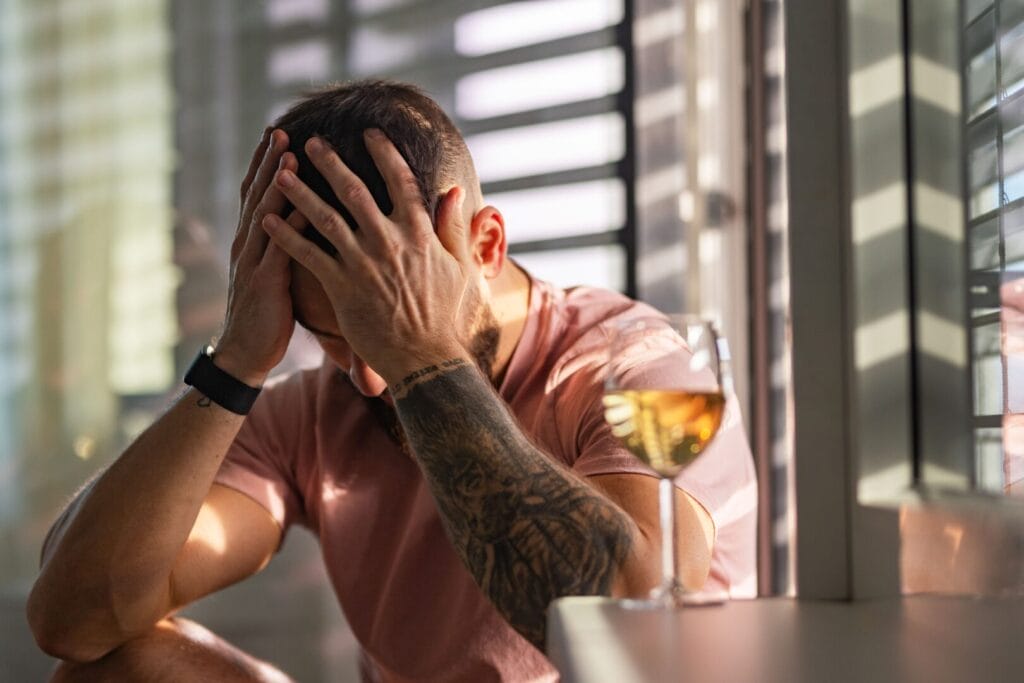
What Is Alcohol Withdrawal Syndrome (AWS)? Alcohol Withdrawal Syndrome (AWS) refers to a group of symptoms that occur after the reduction or complete cessation of alcohol intake after a period of prolonged, consistent use. These signs of alcohol withdrawal usually appear six hours after the last drink, peak between 24 and 72 hours, and subside within seven days. Despite this relatively “short” alcohol withdrawal timeline, however, you should know that some of these signs of alcohol withdrawal can be very dangerous, and they pose a serious risk to the health and wellbeing of individuals; particularly those dealing with alcohol withdrawal after a significantly prolonged period of use. Statistics on AWS Alcohol is one of the most common substances of abuse used in societies all over the world. According to a National Survey on Drug Use and Health (NSDUH) in 2019, over 14.5 million people, ages 12 and above, were reported to have Alcohol Use Disorder (AUD) in the United States alone. This statistic points out just how much of an “epidemic” alcohol abuse is. Perhaps more “disturbing” is that many people seem unaware that alcohol use, like opiate use, is accompanied by severe withdrawal effects upon any attempt to stop drinking or withdraw from alcohol. Alcohol Withdrawal Syndrome vs. Hangover People often mistake alcohol withdrawal syndrome for a hangover. However, beyond the major similarity of both being linked with alcohol use, they are very different as they have different causes. These differences will be detailed below. Alcohol Hangover Alcohol hangover occurs when an individual consumes an excessive amount of alcohol at once (or in the space of a brief period). This results in a high level of alcohol content in the body, causing irritation of the stomach lining, inflammatory responses, and dehydration. Once the effects of the alcohol use wear off, these symptoms become more pronounced, resulting in noticeable hangover signs like headache, fatigue, and nausea (usually accompanied by vomiting. Alcohol Withdrawal Syndrome Alcohol Withdrawal Syndrome (or drinking withdrawal), on the other hand, occurs when there is acute alcohol withdrawal from people who have been consuming high levels of alcohol for some time. Over time, the body will have become accustomed to having a certain alcohol content, and this presence of alcohol alters brain function and neurotransmitter production. When there is acute alcohol withdrawal, the body struggles to adapt and function properly, leading to symptoms ranging from mild ones like alcohol withdrawal fever or dizziness caused by alcohol withdrawal to much more severe symptoms like alcohol withdrawal seizure. How Is Alcohol Withdrawal Diagnosed? The process of withdrawing from alcohol starts with a medical diagnosis by a doctor. Your doctor will review your medical history, enquire about what symptoms you’re experiencing, and then perform a physical examination. During the diagnosis process, your doctor will be looking for signs that accompany withdrawing from alcohol, such as irregular heartbeats, hand tremors, fever, and dehydration. Doctors will ask a series of questions such as “what day is this?” Or “who am I” that helps determine the severity of your symptoms. Your doctor will also perform a toxicology screen to determine the amount of alcohol you still have in your body. This knowledge will help your doctor develop a treatment regimen that will ensure you can withdraw from alcohol safely. Can Alcohol Withdrawal Be Fatal? Alcohol Withdrawal occurs in stages, and each of these stages is accompanied by withdrawal symptoms of varying severities. Early alcohol withdrawal stages may accompany relatively mild symptoms such as headaches, fever, increased sweating, etc. Layer alcohol withdrawal stages are accompanied by much more severe withdrawal symptoms such as hallucinations, seizures (status epilepticus), and delirium tremens, all of which can be fatal if alcohol withdrawal syndrome treatments are absent or not quickly initiated. Some Factors Affecting the Severity of Alcohol Withdrawal Alcohol withdrawal usually varies across the board as several factors can contribute to the severity of the withdrawal symptoms. Some of these factors include: Alcohol dependence How long the person has been abusing alcohol: The side effects of alcohol withdrawal observed in the alcohol withdrawal timeline of “chronic” alcohol users tend to be more severe. The quantity of alcohol they consume How frequently they drink Their age Their history with addiction to other substances Family addiction history Pre-existing mental and physical health conditions What Are the Symptoms of Alcohol Withdrawal Syndrome? Proper management of alcohol detox requires the ability and knowledge of how to identify withdrawal symptoms from alcohol. These common alcohol withdrawal symptoms serve as early signs of alcohol withdrawal and being able to identify them could help you seek appropriate help for yourself or your loved ones. Common Indications of Alcohol Withdrawal Common withdrawal symptoms from alcohol include the following: Alcohol Withdrawal Nausea Alcohol Withdrawal Fever Vomiting Fast heasrt rate Agitation Alcohol Withdrawal Headache Insomnia Sweating Nightmares Alcohol Withdrawal Anxiety Chills from alcohol withdrawal Severe Alcohol Recovery Symptoms In addition to these mild alcohol withdrawal symptoms, you should know that there are also alcohol recovery symptoms that are much more severe. These symptoms could include insomnia, confusion, high blood pressure, and Delirium Tremens, one of the most severe physical symptoms of alcohol withdrawal. It is vital that if you or a loved one experiences alcohol recovery symptoms, you seek medical intervention immediately. What Causes Alcohol Withdrawal Syndrome? Alcohol is a Central Nervous System (CNS) depressant which means it “depresses” the activities of the CNS by slowing down brain function and changing the way and speed by which nerves send and receive impulses or “messages.” Over time the body’s central nervous system adapts to the effects of having alcohol around and develops alternative “measures” of nerve communication (rewiring of the brain). A sudden decrease of alcohol levels in the body results in a “disorganization” of brain functions as the brain has already grown accustomed to the presence of and functioning with alcohol in the body, which leads to an alcohol withdrawal syndrome and the manifestation of the side effects of alcohol withdrawal. Who Is At Risk For Alcohol Withdrawal Syndrome? From the