
What Does Social Wellness Mean in Addiction Recovery?

What Is Social Wellness? Social wellness refers to building and engaging in thoughtful, trusting, and authentic relationships with those around us. Humans are inherently social beings, meaning that most of us are taught how to engage with others from a young age. Over time, however, maintaining these connections becomes more difficult, especially if an individual is struggling with an alcohol or substance abuse disorder. Many people in these situations tend to isolate themselves to focus on substance use. Utilizing good wellness practices throughout recovery can help patients learn how to build authentic connections again, helping them maintain sobriety. 1 Social Wellness Goals The main goals of social well-being and social health are to help individuals work on their communication and relationships. This can be done in multiple ways, such as participating in support groups, going to couples or group therapy, joining a club or team, or even just learning how to express emotions healthier. What Does Social Wellness Mean in Addiction Recovery? Social wellness can take many forms for those who are currently undergoing detox or recovery. It is also incredibly beneficial to overall social health and wellness. While wellness in recovery doesn’t always focus specifically on social well-being – it can also look at emotional, mental, behavioral, and physical health – good wellness can help cultivate those other areas. Studies have shown that “belonging to a social group…can improve both physical and mental health.” 2 What Does Social Wellness Look Like? Depending on the health needs of each patient, the social dimension of wellness can look different for each person. For example, one person may need help learning how to communicate healthier while also attending 12-step groups, while another may need help learning how to engage authentically with family and friends while also learning how to cultivate their own mental health with self-care. Discussing your needs with a therapist or medical professional will help you figure out what aspects you can learn and grow in. Why Is Social Wellness Important in Addiction Recovery? Social well-being is integral for those in addiction recovery, as it not only helps with social health. As stated before, it can help patients increase their overall mental, physical, and emotional health, which are important for staying healthy and potentially preventing relapse in the future. This type of wellness helps remind those with substance abuse disorders that they’re not alone and can rely on others if necessary. Also, the benefits help with overall stress levels. Stress can impact our physical and emotional health. Having a strong social support system has been shown to help with symptoms of trauma-induced disorders.3 Addiction Recovery and Social Wellness at San Diego Detox If you or a loved one want to start working on your wellness skills or get help with a substance abuse disorder, San Diego Detox can help. We offer direct individualized care that focuses on areas you may need help with, which can involve medication-assisted treatment and sub-acute detox. We also have skilled and passionate staff that will help care for you around-the-clock. Treatment Opportunities We have multiple options available to help, ranging from 12-step and support groups, physical activities at our gym or lazy river, or learning how to cultivate social wellness by working with a therapist. We will be with you every step of the way through your recovery so you can focus on healing. Learning how to grow social and emotional wellness is an imperative part of that journey, and we can figure out how to implement it into your treatment program. Reach out to us today. How to Improve Social Wellness Depending on what areas of social wellness you need help with, figuring out how to improve your overall social health will differ from person to person. However, a few of the best activities include: 4 Making Connections Social connections can help our overall health and wellness, giving us a strong support system to rely on in times of stress. A few ways to make new connections include: Joining a group such as a book club or sports team Taking a yoga class Volunteering with local organizations Traveling to new places Taking Care of Yourself and Others Taking care of others can ultimately take a toll on our mental and emotional health. Learning to care for others while taking care of yourself is imperative to maintaining a healthy balance. Some examples include knowing when to ask for help, getting organized, and taking breaks. There’s no shame in taking care of yourself and making yourself a priority. Staying Active Studies have shown time and time again that staying active can help improve our overall social and mental well-being. Even if it’s just walking around the block, getting in some physical activity a few times a week can greatly improve your wellness, especially if you join a group activity or sport. Building Healthy Relationships Strong relationships with others are imperative to wellness goals. While we mostly learn how to communicate and engage with others from a young age, it’s never too late to learn how to form and maintain authentic and lasting relationships. To build healthy relationships with others, you can: Share your feelings honestly Engage in active listening Learn how to handle conflict Know when to distance yourself from people who may not be healthy for you Recognize how others impact you and your health Know when to ask for help Where Can You Find Social Wellness Support? If you’re struggling to know where to find support, there are a few places you can start. These include: Support groups Friends and family Online support resources Centers and clubhouses Recreational centers You don’t have to take big steps in the beginning, either. Learning to implement a few of these tips into your daily or weekly routine can make a big difference in your social health.
How Long Does Klonopin Stay in Your System?

What Is Klonopin? A prescription drug called Klonopin is used to treat the signs and symptoms of panic attacks and epilepsy. The usage of Klonopin is optional; it can be combined with other drugs. Anxiolytics, anticonvulsants, and benzodiazepines, which include Klonopin, are a group of medications used to treat anxiety. How Is Klonopin Used? Klonopin is a benzodiazepine. It is authorized for the treatment of specific seizure disorders as well as panic disorders (with or without agoraphobia). However, benzodiazepines are also frequently used to treat alcohol withdrawal and trouble sleeping. In terms of Klonopin addiction, the most common misuse is taking it without a prescription, with friends or relatives being the source of the drug.1 How Long Does Klonopin Take to Work? Klonopin often has a relaxing effect within one to four hours after consumption. The effects of Klonopin last longer than those of certain other benzodiazepines. Klonopin has a half-life of thirty to forty hours, meaning it takes the body that long to eliminate half of the dosage from the system. Finding the appropriate dosage that works for an individual may take days or weeks.2 What Are the Effects of Klonopin? Potential side effects of Klonopin consumption include: Feelings of tiredness Depression Increased heart rate Low blood pressure Difficulty breathing Loss of consciousness How Long Does Klonopin Stay in Your System As mentioned above, Klonopin has a half-life of approximately thirty to forty hours. However, Klonopin may be detectable for much longer by taking various drug tests. Some ways to detect Klonopin include:3 In urine: The main metabolite of Klonopin, 7-aminoclonazepam, can be found in urine samples for up to thirty days. In saliva: A saliva test can identify Klonopin for up to five days. It can take up to six days to identify the metabolite 7-aminoclonazepam. In blood: Generally speaking, it takes five to seven days following the last dose of Klonopin for Klonopin and its metabolites to show up on a blood test. In hair: It may take days after a person takes Klonopin for the drug’s metabolites to show up on a hair test. The metabolites can be detected for up to twenty-eight days after they first appear. Hair follicle tests are not regarded as highly reliable, much like saliva testing. Treatment for Klonopin Addiction Treatment options for Klonopin addiction vary depending on the severity of the substance abuse and include detoxification, inpatient or outpatient care, and a variety of different therapies. Detoxification Medical detoxification is the first step in the acute treatment of any chemical addiction, including Klonopin dependence. During detox, the body will work to rid itself of chemicals like Klonopin. To ensure comfort and safety, qualified medical staff will provide around-the-clock care and supervision. Depending on individual needs, benzodiazepine detoxification usually takes five to seven days.4 Inpatient Care This category contains programs where the patient resides at the facility while receiving therapy. These treatment facilities offer 24-hour supervision, medical attention, pharmaceutical administration, and detoxification. Participants’ days are extremely organized and frequently include 12-Step meetings in addition to group and individual counseling. The duration of inpatient programs ranges from thirty to ninety days, and if necessary, even longer. They provide a setting free from temptations and disturbances. They do, however, frequently cost more than outpatient programs. These programs may be helpful for those with more severe addictions and little to no social support.4 Outpatient Care The majority of therapy in outpatient programs is group therapy, while individual sessions can also be included in the course of care. After spending a certain length of time in treatment, participants leave and go home. Most outpatient programs are less expensive than inpatient ones since there are no room and board expenses.4 Therapies Treatment of addiction utilizes a variety of therapeutic modalities, such as: Individual therapy: Patients work one-on-one with a mental health professional to stop or reduce drug use, work through addiction-related issues like work, relationships, and legal problems, and develop coping mechanisms to stay drug-free. Group therapy: A therapist or counselor hosts a session with a collection of drug users to talk about issues pertaining to a drug-free life. Members aid one another in moving toward recovery. Cognitive behavioral therapy (CBT): CBT teaches patients a variety of skills and relapse-prevention methods. These include outlining the advantages and disadvantages of drug usage, keeping an eye on cravings, and figuring out circumstances in which they could feel like using. Get Help at San Diego Detox Center If you or a loved one is suffering from Klonopin addiction, visit us today at San Diego Detox Center to get the best support and treatment that you need from our team of well-trained specialists. What Factors Influence How Long Klonopin Remains in Your Body There is a vast array of factors that can influence how long substances such as Klonopin remain in your system. Some of these factors include: Age: A person is more likely to metabolize drugs quickly and pass a drug test if they are young, have a healthy weight, and have a well-functioning metabolism. Liver function: The liver breaks down benzodiazepines. The metabolic process can be slowed down by liver disease or poor liver function. Dosage (low vs. high): A person’s body will retain more Klonopin at a higher dose than at a smaller dose. Frequency of use: How long Klonopin would remain in a person’s body or bloodstream is also dependent on how often they consume the drug. Duration of use: If the drug is consumed frequently over a longer period of time, it would take a longer time for the drug to completely leave the body. Use of other drugs: The elimination half-life of Klonopin can be sped up or slowed down by several other substances. As a result, taking it along with other medications may shorten the time it stays in the system. Klonopin Withdrawal Risks Klonopin withdrawal symptoms might vary depending on a number of variables. Benzodiazepines are typically not meant for prolonged use. Even when a patient takes the medication in accordance
How Long Does Cocaine Stay In Your System?
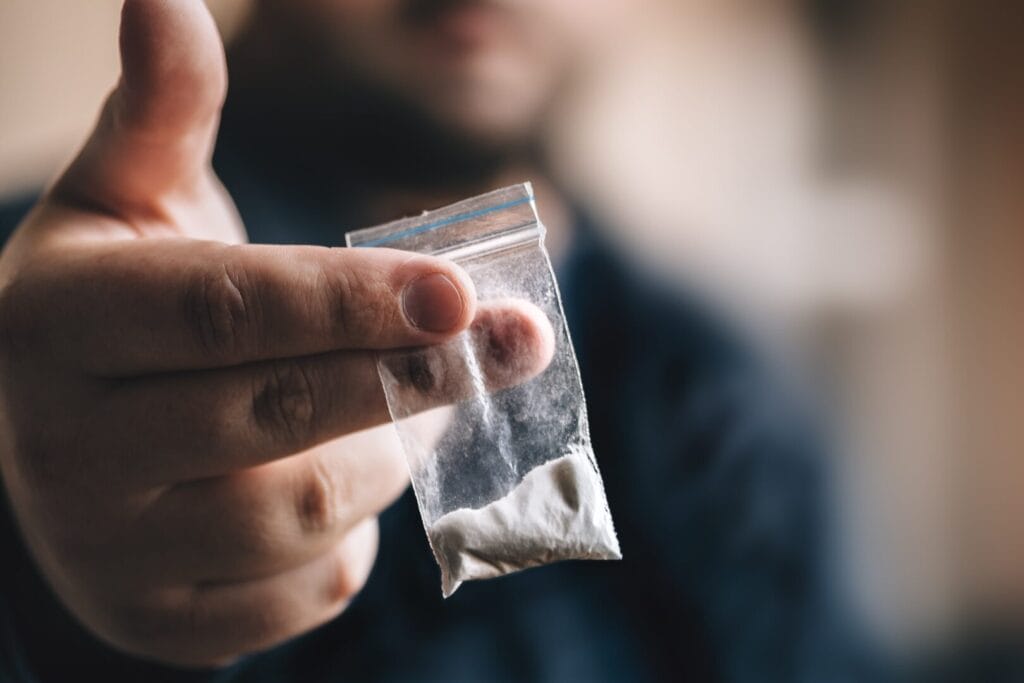
What Is Cocaine? Cocaine is a powerfully addictive drug that is derived from coca or prepared synthetically, used as an illegal stimulant, and sometimes used medicinally as a local anesthetic. The drug speeds up messages traveling between the brain and body and can have serious harmful effects on overall health and well-being. Cocaine comes from the leaves of the coca bush (Erythroxylum coca), native to South America. People who use cocaine describe a feeling of alertness, power, and energy. They are likely to feel more confident and excited, and they may also experience anxiety, paranoia, and agitation. The period after the effects of the cocaine have worn off can also be physically and psychologically unpleasant. The Effects of Cocaine Cocaine has a very powerful stimulating effect on the nervous system. It raises levels of dopamine, a neurotransmitter linked to pleasure, movement, and the brain’s reward circuit. Normally, neurons release dopamine in response to a pleasurable stimulus, such as the smell of good food. Once the dopamine has passed on its message, it returns to the neuron, and the signal stop. Cocaine prevents dopamine from getting back into the neuron, so it accumulates and continues to send a pleasurable message to the brain. The excess dopamine gives the user a feeling of enhanced well-being, euphoria, alertness, motor activity, and energy. What Are the Short-Term Effects of Cocaine? Cocaine is a fast-acting drug and can produce an immediate and intense effect on the body. Some of the most immediate and short-term effects of cocaine usage include, but are not limited to: Constricted blood vessels Dilated pupils Increased body temperature, heart rate, and blood pressure Bizarre, erratic, and sometimes violent behavior Restlessness, irritability, anxiety, panic, and paranoia Implications of Cocaine Consumption Because cocaine is a local anesthetic, it causes numbness of the throat and tongue when snorted, of the mouth when smoked, and of the injection site if injected. The effects generally last between ten to thirty minutes, though how quickly these effects are experienced depends on the mode of administration. Cocaine use raises body temperature, blood pressure, and heart rate. Thus, the use of large amounts can lead to overheating, strokes, and heart attacks, which can be fatal. How Is Cocaine Detected? When an individual ingests cocaine, the body begins to break it down into substances called metabolites. Metabolites remain in the system for an extended period of time, and they can be detected by tests used to find cocaine in the body system. Types of Tests for Cocaine Addiction Cocaine can be detected in blood, hair, saliva, and urine. Blood Test Blood analysis may be appropriate in situations when a person is suspected of being under the influence of drugs or alcohol. Since drugs are rapidly metabolized and eliminated from the body, blood analysis offers a very brief detection window. Drugs in the blood are typically detectable within minutes, depending on the drug and the dose, versus one to several days in urine. Hair Test A hair follicle test screens for illicit drug use and the misuse of prescription medication. During this test, a small amount of hair is removed from the head using scissors. The sample is then analyzed for signs of drug use during the ninety days preceding the test. During testing, the collected hair is washed and tested for environmental contamination that could change the results of the test. Your results will be affected if you wash your hair, dye your hair, or use a styling product. Saliva Test Detection times for oral fluid saliva drug testing depends on the type and brand of saliva drug test kit used and the drug that is being tested for, but as a general rule, drugs are usually only detectable on a saliva drug test for up to 48 hours after last use. An oral saliva drug test can be performed at any time of day but must be at least twenty minutes after the individual last ate, drank, smoked, or put anything in their mouth. The saliva drug test is performed using a mouth swab drug test kit that is then either inserted into a container with an inbuilt drug screen, or the mouth swab is built into the drug test kit. Urine Test Urine tests may test for cocaine itself or its metabolite, benzoylecgonine. A urine test can directly test for cocaine for a day or less but will detect cocaine metabolites for one to two days. Prolonged use, large doses, and very pure cocaine may have a slightly longer detection window. Determining Factors of Cocaine Staying in Your System There are a variety of factors that can contribute to how long cocaine can be detectable in your system. Factors that affect how long cocaine could stay in the body include: Drug use history Genetics Health & pre-existing conditions Duration and frequency of cocaine use Symptoms of Cocaine Addiction There is a wide variety of symptoms of cocaine addiction that can range from mild to severe. Some of the most obvious symptoms of cocaine addiction to look for include: Anxiety Panic attacks Insomnia Psychosis Paranoia Intense mood swings Cocaine Addiction Rehab With San Diego Detox Recovery from cocaine addiction is achievable, and the professionals at San Diego Detox are here to help. The typical recovery program will follow the steps detailed below. Detox for Cocaine Medical detox is the safest treatment for cocaine. If any complications or severe cocaine withdrawal symptoms arise, individuals will be closely monitored and treated in our professional setting. Rehabilitation Treatment programs for cocaine addiction typically focus on remaining drug-free and resuming function within social, professional, and family responsibilities. Our fully licensed residential facility is available to structure a 24-hour care program, provide a safe housing environment, and supply any necessary medical interventions or assistance. Therapies We offer different treatment therapies like cognitive behavioral therapy to help you maintain recovery. Therapy is essential for developing a healthy and positive lifestyle to ensure long-term sobriety and prevent relapse. Aftercare Recovery from cocaine addiction does not end after rehabilitation. We offer an aftercare
How Long is Meth Detoxification?

What is Meth? Methamphetamine is a potent, extremely addictive stimulant that affects the central nervous system. It appears as a white, flavorless, bitter-tasting powder that dissolves readily in water or alcohol. Drug Class The U.S. Drug Enforcement Administration has classified methamphetamine as a Schedule II stimulant, making it only legally obtainable with a nonrefillable prescription. Medically, it may be prescribed to treat attention deficit hyperactivity disorder (ADHD) and as a temporary weight-loss aid, although both applications are rare, and the dosages prescribed are far lower than those that are frequently abused. Drug Schedule Methamphetamine is a Schedule II drug. Using Schedule II drugs increases the likelihood that someone will develop a substance use disorder (SUD), which may lead to severe physical or psychological dependence. Both prescription and illicit drugs fall under this category, and the risk of addiction is reduced when taking prescription Schedule II drugs as recommended and under a doctor’s supervision. Cocaine, morphine, Adderall, and Ritalin are some other examples of Schedule II substances. Effects of Methamphetamine Methamphetamine abuse can have both long and short-term effects on the mind and body. These effects will be detailed below. Short Term Effects When methamphetamine is injected or inhaled, a euphoric sensation known as a “rush” or “flash” is immediately experienced due to the release of an excess of dopamine into the brain. Inhaling methamphetamine results in a euphoric feeling, but not a rush. Methamphetamine has similar side effects to other stimulants, such as: Agitation Diminished appetite Feelings of satisfaction Enhanced sociability Limited inhibition Mental haziness Physical attentiveness Boosted wakefulness and physical activity Is Meth Addictive? Methamphetamine is a highly addictive substance, so much so that person would experience withdrawal symptoms upon ceasing meth use. Statistics on Methamphetamine Abuse The widespread use and abuse of methamphetamine can be seen in the following statistics: Among people aged twelve or older in 2020, 0.9% (or about 2.6 million people) reported using methamphetamine in the past twelve months. Among people aged twelve or older in 2020, an estimated 0.6% (or about 1.5 million people) had a methamphetamine use disorder in the past twelve months. In 2020, approximately 23,837 people died from an overdose involving psychostimulants with abuse potential other than cocaine (primarily methamphetamine). Long Term Effects HIV and hepatitis B and C are among the infectious diseases that are more likely to be acquired by methamphetamine injectors due to contact with blood or other bodily fluids that may stay on medical equipment and spread these infections. In addition to impairing cognition and decision-making, methamphetamine use can lead to dangerous behaviors, such as unprotected intercourse, which raises the chance of contracting an infection. The use of methamphetamine may accelerate the spread of HIV/AIDS and its effects. According to studies, those with HIV who use methamphetamine experience more cognitive issues and nerve cell damage than those with HIV who don’t use the drug. Extreme weight loss is just one of the detrimental effects of long-term methamphetamine use. Others include: Serious dental issues Severe itching that causes skin blisters as a result of scratching Anxiety Alterations to the structure and operation of the brain Delirium Memory loss Insomnia Violent misconduct Paranoia Hallucinations Signs and Symptoms of Meth Addiction There are a variety of signs and symptoms that accompany methamphetamine addiction. When addicted to meth, users will experience: Sleeping problems Being unnaturally active Reduced appetite Rapid weight reduction or a bony build Sweating despite the temperature or lack of physical activity Nervous or jittery behavior Signs and Symptoms of Meth Overdose When experiencing a meth overdose, the signs and symptoms users experience will be much more serious and severe and require immediate medical attention. Signs of an overdose include: Irregular or quick heartbeat Increased blood pressure Restlessness and confusion Sweating and hyperthermia Abdominal pain Chest pain Renal failure Heart attack Stroke How Long Does Meth Stay in Your System? There are numerous factors that can influence how long a methamphetamine user stays high and how long meth stays present in the body. How Long Does the Meth High Last? Depending on the stage of meth high the user is in, a meth high can last anywhere from four to sixteen hours. The length of a methamphetamine user’s effects typically relies on when and how they ingested the substance. A meth high also comes in waves, beginning with an initial rush and ending with a crash. What Is the Half-Life of Meth? Meth has a half-life of roughly ten hours, meaning that it takes the body around ten hours to digest and remove 50% of the amount taken from the bloodstream. Drug tests for meth may reveal metabolites for days after consumption. For instance, up to four days after consuming meth, a person may have a positive urine test. A hair test can also reveal meth use up to three months later. Factors That Affect Detection Time How long meth will be detectable on a drug test is difficult to predict because detection varies based on the individual’s health, metabolism, age, level of physical activity, and frequency of use. Detecting Meth in Drug Tests When substances are taken, the gastrointestinal tract absorbs and distributes them into the body’s tissues. When a substance is injected, inhaled, or snorted, the gastrointestinal tract is not involved, and the substance is transported directly to the tissues. There are numerous methods through which drug testing occurs, including: Urine: Urine provides a slightly wider window of detection for drugs, typically ranging from one day to several weeks following consumption. Blood and breath: The earliest and shortest windows of detection for drugs are provided by blood and breath, which represent the current serum levels of a consumed substance. Saliva and sweat: Several hours later, the presence of a drug in the body can be detected in sweat and saliva. Hair: The longest detection window is provided by hair and meconium. Hair tests offer the advantage of detecting drug usage up to a year or more after the fact. False Positive Testing Most instances of false
How Long Does MDMA Stay in Your System?

What Is MDMA (Ecstasy)? MDMA, 3,4-Mehtylenedioxymethamphetamine, is a synthetic drug that acts as both a stimulant and hallucinogen. MDMA is widely known as ecstasy, producing an energetic effect, time and perception distortions, and enhanced enjoyment from sensory experiences.1 The drug is available in tablet form and powdered or crystallized MDMA (Molly). A very pure form of crystallized MDMA is popularly called Moon Rocks. How Is MDMA Taken? MDMA is often taken orally or snorted. MDMA snorting is linked to a more intense intoxication as the drug gets to the brain quicker. How you take MDMA might be more important than you think. One of the dangers of MDMA snorting is that the duration of action can be short-lived, causing users to “redose” more frequently. Duration of MDMA Effects MDMA duration of action typically lasts 3-6 hours, followed by a comedown or hangover. The dosage, purity, and frequency of MDMA usage all influence the likelihood and severity of a comedown. Some people claim to have found a way to extend MDMA’s duration of effects. This usually involves mixing the drug with other substances like alcohol. However, drinking MDMA is dangerous because it can lead to serotonin syndrome. This condition is characterized by excess serotonin in the brain, leading to low moods and depression when the MDMA high wanes. This, in turn, can further abuse or cause an overdose in worst-case scenarios. What Is MDMA Used For? MDMA may be administered as a therapeutic intervention for mental disorders like PTSD. The required MDMA dosage depends on several factors, best prescribed by a doctor. Abuse begins when users take the drug more than the prescribed dose or for recreation. The standard MDMA dose is between 75 to 125 mg. Anything above the standard MDMA dose verges on toxicity. A survey of the frequency of MDMA usage indicated that MDMA was a common drug of abuse among high schoolers and college students. It is frequently taken at parties and nightclub scenes for its euphoric and tactile effects. Best Way to Take MDMA If you or a loved one is adamant about consuming MDMA, it is important to do so as safely as possible. The best way to take MDMA is without mixing it with other drugs and with plenty of water or other fluids to stay hydrated, especially when doing an intense activity like dancing. Also, for added precaution, it is best to reagent test your MDMA to ensure other harmful drugs are not present in the mix. MDMA Half-Life MDMA half-life is about eight hours. This means that the body takes approximately eight hours to reduce the initial concentration of MDMA in the bloodstream by 50%. It can take up to 5 half-lives to remove 95% of MDMA in the system. How Long Does MDMA Stay in Your System? As mentioned earlier, the high of MDMA lasts for around 3-6 hours. However, the drug can stay in the body for days and even months. MDMA stays in your system for the following time spans: Blood: MDMA in the blood has a detection window of 1-2 days after ingestion. Urine: MDMA in urine may be noticeable around a half hour after ingestion and can remain detectable for up to three days. Hair: MDMA hair tests are a nightmare for anyone who abuses MDMA and must pass a drug test because MDMA is detectable in hair follicles for several months. Side Effects Of MDMA Some of the side effects of taking MDMA include: Dry mouth Muscle cramping or tension Nausea Sweating Vision problems Decreased appetite Depression Factors That Affect the Detection Time Of MDMA Factors that affect how long MDMA stays in the system are the amount of MDMA taken and the time of the last dose. This has a direct relationship with the detection time. Other factors that influence MDMA detection time are: Age Body mass index (BMI) Metabolism Kidney function Liver function Genes What Are the Risks of Taking MDMA? Developing MDMA addiction is one of the risks of taking MDMA. It is not uncommon for users to “redose” after the effects of the initial MDMA dosage wear out. You can also develop a tolerance to MDMA over regular use. You notice this when your regular MDMA dosage does not give the desired level of intoxication. At this point, you may feel the need to take higher/more frequent doses or mix with other harmful drugs to get the desired high. Note that MDMA toxicity may be influenced by the presence of other harmful drugs. People diagnosed with MDMA addiction are also at risk of an overdose, especially when they continue to build a tolerance to the drugs. To prevent worse cases like MDMA overdose, people struggling with addiction should seek help as soon as possible. What Drug Tests Can Be Used to Detect MDMA? MDMA in urine tests is a common drug test used to detect MDMA in the system. However, other MDMA drug tests can detect MDMA in the hair and blood. The MDMA Drug Test normally takes 2-3 business days to complete, but it may take longer if confirmatory testing is required. MDMA urine tests are now required for federal workplace drug testing programs. A person addicted to MDMA may always come out positive on such tests, posing the risk of getting fired. Athletes in sports may also be required to carry MDMA drug screen (urine) tests. How to Get MDMA Out of Your System MDMA-positive results indicate there are traces of MDMA in your system. However, not all MDMA-positive results are true because they can be false positives. This means having a positive result even when you don’t use MDMA. In this case, you can speak to your physician. But if you take MDMA, the only way to get rid of it is to let it leave naturally. Symptoms of Overdose MDMA overdose can be fatal, leading to death or coma. If you notice any MDMA overdose symptoms, call 911 immediately or take the victim to the nearest emergency room for MDMA overdose
How Long Does Alcohol Stay in Your System?
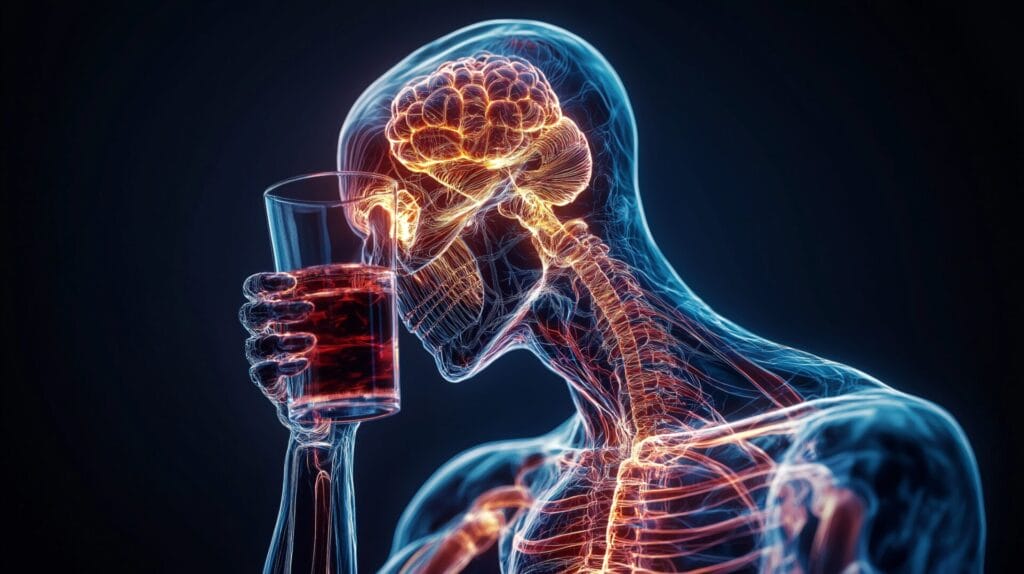
What Defines a Drink? How much is a standard drink? This number can vary depending on your gender and what type of alcohol you’re drinking. Having a beer, for example, does not mean you have had a standard drink. The alcohol content of different kinds of wine or beer can vary greatly. Most regular beers contain 5% alcohol, and some light beers contain less than that. It is important you understand how much alcohol is in your drink at all times. This will help you measure your intake and avoid overdrinking. One “standard” drink or alcoholic drink in the United States of America has approximately 14 grams of undiluted alcohol. This amount of alcohol is found in 1.5 ounces of distilled spirits, 5 ounces of wine, and 12 ounces of regular beer. How Does Gender Impact Drinking? In order to avoid binge drinking, men are advised to not have any more than five drinks in two hours. For women, this number is four. Alcohol tends to affect women more quickly than it does men, due to overall body mass and how alcohol enters the bloodstream. Is Alcohol Addictive? Alcohol can have a significant impact on parts of the human brain that perform intricate functions. Alcohol releases dopamine in the brain, resulting in euphoria and happiness while ingesting alcohol. However, this feeling can quickly cause dependence, as many people continue to drink to create this feeling. This, in turn, can lead to addiction as well. Statistics on Alcohol Abuse Alcohol abuse is also known as alcohol use disorder or alcoholism. Alcohol is the third-leading preventable cause of death in the United States, and it kills an estimated 95,000 people each year. Approximately 65% of these figures are men. Tobacco is the first-leading cause followed by poor diet and physical inactivity. Alcohol-related deaths among men account for 7.7% of all global deaths, compared to 2.6% of all deaths among women. In 2016, total alcohol consumption per capita among male and female drinkers worldwide was 19.4 liters of undiluted alcohol for males and 7.0 liters for females. How Long Does Alcohol Stay in Your System? In most cases, alcohol can stay in a person’s system for between six to seventy-two hours. However, this is dependent on some factors, including the amount of alcohol consumed, genetic and biological factors, along with what type of test is used to detect alcohol. Instruments such as breathalyzers can be used in an alcohol test to detect if a person has alcohol in their system. Blood A blood test shows the presence of alcohol in your blood for about six hours since you last drank alcohol. Breath This equipment can detect alcohol for about twelve to fourteen hours after alcohol consumption. Urine An alcohol urine test can detect alcohol using your urine for about twelve to fourteen hours after alcohol ingestion. This can be more than seventy-two hours with enhanced detection methods. An example is the ethyl glucuronide (EtG) test. This test searches for ethyl glucuronide, which is one of the products from the breakdown of ethanol. Ethanol is present in all alcoholic beverages. Saliva A saliva test can show the presence of alcohol in one’s saliva for about twelve to fourteen hours since alcohol was consumed. Hair Hair follicles are known to absorb traces of alcohol. With this test, alcohol can be found for about 90 days after alcohol consumption after undergoing an alcohol test. How is Alcohol Metabolized? The liver is the main organ in charge of breaking down and metabolizing alcohol. It can metabolize the alcohol present in one standard drink in roughly one hour. However, many factors, some of which are weight, body type, and age, affect how well and quickly the liver can handle alcohol metabolization. While ingested alcohol goes through the digestive system just as food does, it does not go through the same digestive process. When alcohol enters the upper gastrointestinal tract, most of it gets absorbed through the tissue lining of the small intestines and the stomach. Once it gets into the bloodstream, the blood carries it to the brain. How Long Does It Take for Alcohol to Kick In? While alcohol starts working at various times for different people, in most cases, a healthy person will feel the effects of a drink within 15-45 minutes. As soon as an individual takes in the first drink, the alcohol starts to work towards their bloodstream. Signs of Being Drunk There are various ways to determine if someone is drunk. As a person drinks more and more, the visible signs of intoxication, along with the dangerous physical effects, worsen. Some of the signs and symptoms include: Doing or saying things one would normally not do Impaired balance Decreased limb coordination Inability to perform complicated tasks (such as driving a vehicle) Speech comes slurred, loud, and/or fast Reduced heart rate Reduced reasoning ability Excessive sweating Inability to walk properly Glassy eyes Double or blurry vision Slower pupil response time Vomiting and nausea Memory loss (short- and long-term) Complete mental confusion Loss of consciousness Reduced breathing rate Lower blood pressure It’s important to note the signs of being drunk, as if you drink too much alcohol, you may require immediate medical attention. Factors that Affect Alcohol Detection There are various ways to detect the presence of alcohol. The measure of alcohol content in a body is referred to as blood alcohol content. Blood alcohol content (BAC) refers to the quantity of alcohol present in the bloodstream. In a breath alcohol testing instrument or equipment, the concentration of alcohol measured is directly proportional to the concentration of alcohol in the blood. Body Fat Studies have shown that Individuals with less body fat are less likely to be affected by a specific quantity of alcohol. This means the more fat present in a body, the lower the rate of absorption by the body. Fat and water are not compatible, and since fat does not absorb alcohol, these people usually have a longer period of alcohol present in the bloodstream.
How Long Does Meth Stay in Your System?

What is Meth? Methamphetamine, also known as crystal meth, crank, or ice, is a potent and highly addictive stimulant that affects the central nervous system. It is known for its rapid action and gives a similar high to cocaine. Due to its addictive nature, meth has become the second most popular illicit drug used, only second to marijuana (which is still restricted at the federal level). Meth is a white, bitter-tasting, odorless crystalline powder that can be easily dissolved in alcohol or water or made into pills and crystals. The pills are sometimes called yaba, and the crystals are called ice or crystal meth. Meth Consumption Depending on its form, meth can be ingested orally, injected, dissolved, or snorted. As soon as meth is used, it creates a rapid secretion of dopamine, making the user feel a surge of pleasure and increased activity. This makes the user crave the feeling again. Because it is so powerful, a small amount of methamphetamine can result in dependence and addiction, leading to severe short-term and long-term health issues. Drug Classification Methamphetamine belongs to the class of stimulants and is a Schedule II drug. This means meth has a high potential for misuse and is currently accepted only for medical use in FDA-approved products. If you have meth yourself or are selling it, the consequences can lead to imprisonment or a large fine. Short-Term Effects of Methamphetamine The effects of methamphetamine can last for many hours, and it can take up to four days for the substance to completely leave the body. The short-term effects of methamphetamine include: Rapid breathing Loss of appetite Increases heart rate Irregular heartbeat Elevated body temperature and blood pressure Dilated pupils Fatigue Increase energy, alertness, and wakefulness. Long-Term Effects of Methamphetamine The long-term effects of methamphetamine include: Anxiety Dental issues (meth mouth) Itching and skin soreness Insomnia or sleep disorders Hallucinations Memory loss or changes in brain function Weight loss Violent behavior The long-term effects of meth may last for months or years after the individual quits. How Long Does Meth Stay in Your System? Because meth can be made in different forms, the question “how long does meth stay in your system?” depends on various factors, one of which is the purity of the meth. Crystal meth, a more purified and potent form of meth, produces a long-lasting high and can stay in the system longer than other forms of meth. How Long Does the Meth High Last? Many people who use meth, regardless of if they ingest, snort, or smoke it, say that the high is strong but does not last very long. This can also lead to addiction more readily, as people take more of it to keep experiencing that high. How long a meth high lasts depends on the dosage used. What Is the Half-Life of Meth? How long does meth stay in your system? The half-life of meth is approximately 10-24 hours. This means that after this time, the amount of meth in the blood would have been reduced by half and removed from the bloodstream. The half-life of methamphetamine will vary for each person, depending on their metabolism. Factors That Affect Detection Time Various factors affect the detection time of methamphetamine and the body’s ability to process the substance. These factors include: Age Overall health Frequency of use How the drug was taken (smoking, snorting, or ingesting) Metabolic rate Genetics Other substances These factors can affect the detection of meth in a drug test. Is Meth Addictive? According to the Drug Enforcement Administration (DEA), meth is highly addictive and affects the body’s central nervous system. This can lead to various meth side effects, including convulsions, headache, stomach pain, confusion, chest pain, and difficulty breathing. Statistics on Methamphetamine Abuse According to the Center for Disease Control (CDC) in a 2018 study, the rate of overdose involving meth and other stimulants has significantly increased and is bound to increase still. From 2015 to 2018, an estimated two million adults age 18 and over reported meth use within the past year, with 52.9% having a meth use disorder. Signs and Symptoms of Meth Addiction The constant use of meth can lead to addiction. The symptoms of meth addiction to look out for include: Cravings Problems controlling behavior Trying to stop usage but failing Showing signs of poor physical hygiene Anxiety Symptoms of paranoia Constantly talking Picking skin or pulling hair Sudden and severe depression Signs and Symptoms of Meth Overdose Using a large amount of meth or taking meth that has been mixed or “cut” with another substance may lead to an overdose. Signs and symptoms of meth overdose may include: Difficulty breathing Chest pain Heart attack Exceedingly high body temperature Kidney failure or damage Irregular heartbeat If a person is experiencing any of the symptoms, immediate medical attention is needed. Detecting Meth in Drug Tests Various tests are used to detect meth in the body and how long it has been in the system. These tests will be detailed below. Urine Conducting urine tests is the most common way to detect the drug in the system. This is because it is quick, cheap, non-invasive, and creates an easy testing process. With urine tests, methamphetamine can be detected between one to five days after the last use. For heavy use, meth can be detected up to seven days after the last use. Blood Testing for meth via a blood test is rare and less common because it is more challenging to administer and is generally only used in emergencies and for diagnostic purposes. With a blood test, methamphetamine can be detected between one to three days after the last use. If crystal meth is snorted, smoked, or ingested, it will be immediately detected in the blood. Saliva Saliva testing is another way to detect meth. This is done by swabbing the inside of the mouth or tongue with absorbent material. They are quick and easy to perform and produce a good detection window. With a
How Long Does Percocet Stay in Your System?

What Is Percocet? Percocet is a brand-name version of the combination of oxycodone and acetaminophen often prescribed to treat pain. Oxycodone is an opioid that can relieve pain, while acetaminophen is an analgesic that can relieve pain and reduce fevers. Generic Names and Other Brand Names The generic name for Percocet is oxycodone-acetaminophen. Percocet is just one of the several brand names for oxycodone-acetaminophen. Some common brand names include: Endocet Narvox Roxicet Roxilox Common Street Names Percocet, along with its generic and other brand names, is also referred to by the common street names of: Percs Roxy Hillbilly Heroin O.C. Oxycet Oxycontin Oxy Percocet vs. Norco Both Percocet and Norco are opioid medications used to relieve pain. Doctors often prescribe these medications when over-the-counter or non-opioid pain medications are not working to relieve the pain. Both Percocet and Norco are Schedule II semi-synthetic drugs, meaning they have a high potential for abuse and physical and psychological dependence. There are just a few differences between Percocet and Norco. The first major difference is what they are made of—Percocet is a combination of oxycodone and acetaminophen, while Norco is a combination of hydrocodone and acetaminophen. Furthermore, Percocet is more likely to cause constipation, while Norco is more likely to cause tiredness. Signs and Symptoms of Percocet Addiction Prescription opioids remain a commonly administered drug type, reaching 142 million prescriptions in 2020. While this number has decreased compared to previous years, opioids’ highly addictive quality leaves plenty of concern for addiction and dependence. In fact, approximately 2.7 million people aged twelve and older in the United States have a prescription opioid use disorder. The potential for Percocet addiction can increase based on how long and how often the medication is taken. Physical Signs The physical signs and symptoms of Percocet addiction can include: Exhibiting symptoms of withdrawal when not taking the medication Decreased heart rate Slowed speech Weight loss Fatigue Problems with balance Constipation Shallow breathing Behavioral Signs Common behavioral signs that may be exhibited with Percocet addiction include: Attempting to borrow or steal Percocet Consistently borrowing or stealing money Social withdrawal or isolation Taking more significant amounts of Percocet over longer periods of time Continuing to use Percocet despite its negative consequences Psychological Signs Psychological signs and symptoms of Percocet addiction can include: Mood swings Anger or aggression Irritability Difficulty concentrating Poor memory Depression Runny nose and watery eyes Increased anxiety and restlessness Irritability or mood swings Increased pain Chills or sweats Nausea, vomiting, or diarrhea Muscle cramps or joint aches Headache Tremors or shaking Rapid heart rate Blood pressure changes Difficulty sleeping Thoughts of suicide Long-term alcohol abuse can damage the musculoskeletal system leading to a higher likelihood of fractures, osteoporosis, and chronic joint pain. Factors That Determine How Long Percocet Stays in Your System Determining how long Percocet will last in your system is typically based on half-life. However, there are many factors that may determine the length of time Percocet stays in the body. These determining factors may be: Type of Drug and the Drug’s Half-Life Different opioids have different half-lives, meaning medications can be detected at varying times depending on how quickly it can be metabolized in the body. For example, some opioids are long-acting, and some are short-acting. Percocet is a long-acting opioid with an average half-life of three and a half hours. This means it may take an average, healthy individual nineteen to twenty-four hours for it to be eliminated from the system. Method of Use How long Percocet stays in your system can also be determined by the method of use. Using the drug intravenously can be metabolized faster than taking it orally; however, this method can result in a higher risk of overdose or contracting a disease. Amount of Drug The higher the Percocet dose, the longer the time for it to exit the system. Body Mass Typically, the larger the body mass, the longer it will take for the Percocet to be eliminated from the body. Metabolic Rate Similarly to body mass, metabolic rate can determine how slowly or quickly the Percocet stays in your system. A quicker metabolism usually means the drug will be processed out of the body more quickly. Kidney or Liver Function People with impaired liver or kidney functioning may take longer to metabolize opioids. Percocet Side Effects Using Percocet can have many different physical and psychological side effects. These will be detailed below. Short-Term Percocet Side Effects Common short-term Percocet side effects may include: Nausea or vomiting Dizziness Constipation Low blood pressure Loss of appetite Shallow breathing Drowsiness Long-Term Percocet Side Effects Although Percocet was originally intended for short-term use, there are cases where some doctors continue prescribing this medication for longer periods or people continue to take Percocet without a written prescription (e.g., obtaining the drug illegally, using someone else’s prescription). Long-term side effects of prolonged Percocet use can include: Kidney failure Liver damage Severe constipation Physical and psychological dependence Tolerance Urinary retention Effects of Percocet Overdose The risk of overdose from Percocet can come from both oxycodone and acetaminophen. People currently prescribed Percocet should avoid taking other medications with acetaminophen without their doctor’s approval. Those who feel Percocet is no longer providing pain relief should not increase their dose without discussing it with their medical provider. Aside from the risk of addiction, overdose is another severe and life-threatening side effect of opioids. Overdosing on Percocet can cause irreversible damage to the liver and even death. In 2020, overdose deaths caused by synthetic opioids like Percocet reached 56,516. Additional Indications of Percocet Overdose Some other symptoms of Percocet overdose to look out for are: Blue color of skin, fingernails, or lips Difficulty breathing Dizziness Excessive sleepiness Fainting Cold, clammy skin Slowed or stopped breathing Loss of consciousness Limp or weak muscles If you experience any of these symptoms, contact emergency services immediately before symptoms progress. Symptoms of Percocet Withdrawal Regardless of whether a person has developed a Percocet addiction or is taking Percocet as prescribed, suddenly
Link Between Nutrition and Mental Health
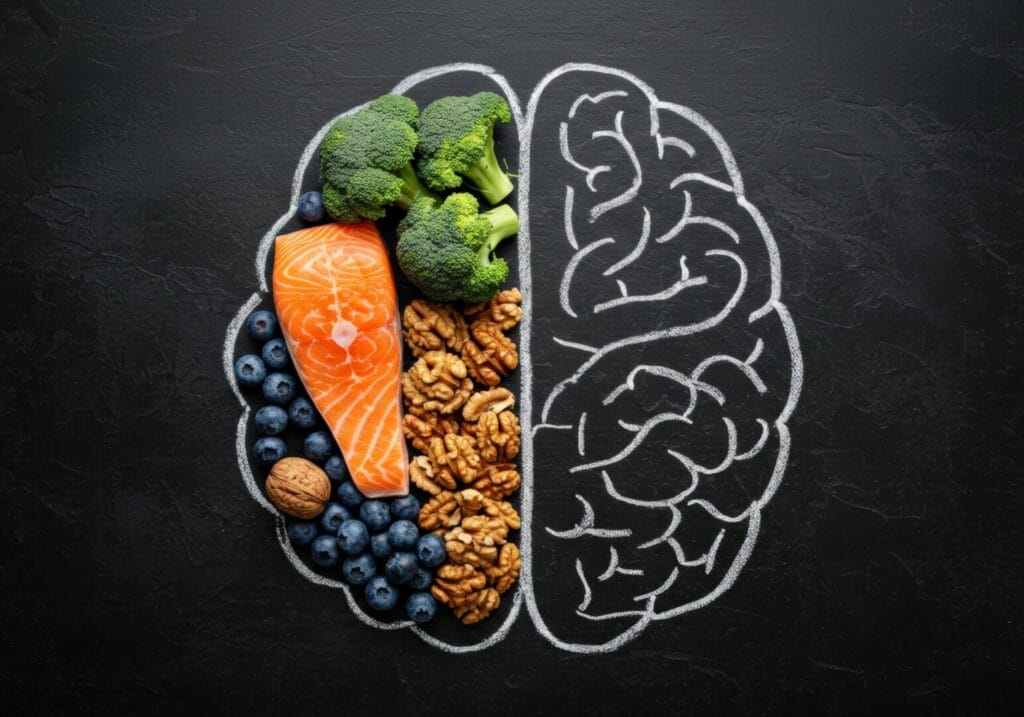
Nutrition and Mental Health The idea behind food impacting your overall mood and mental health may sound strange, but science shows our food choices impact both our brains and bodies. A primary reason for this is the close connection between the human gastrointestinal (GI) system and the brain. Within the gut, trillions of microbes play a role in several functions throughout the body. They are essential for producing the neurotransmitters that send chemical messages to your brain. These messages are responsible for regulating critical body functions, including pain, sleep, emotion, and mood. This relationship is referred to as the “gut-brain connection.” Eating a diet that focuses on nutrition for mental health promotes the work of the good bacteria in your gut. Importance of Gut Bacteria Research from the American Psychological Association shows that gut bacteria produce a wide range of vital chemicals in the body, including serotonin, which is responsible for mood regulation. There are a few ways you can use food to improve mental health. These will be detailed in the sections below. Food as a Valuable Health Resource By eating healthily, you can improve your gut health and overall wellness. Tips for healthy living include: Mindful Eating Mindful eating involves paying attention to the messages your body sends when you are eating. During a meal, think about how you feel when you eat and what you are eating. Some nutrition professionals and mental health providers also recommend keeping a food journal. Tracking what you eat is an excellent way to understand your eating patterns and how nutrition affects your mood. Drinking Sensibly Alcohol consumption is closely connected to several mental health conditions. Excessive alcohol can worsen symptoms of depression, anxiety, stress, and other mood disorders. Increased stress can have a negative impact on your diet, as alcohol is high in calories and carbohydrates, and mental health. Sharing Meals With Others There are many components to how we choose the foods we eat. Although the nutritional content is a primary consideration, other factors influence what and how you eat. Professionals in the field of nutritional psychology suggest that social eating is an important connection between mental health and nutrition. Sharing meals with family and friends may help to reduce stress when you are feeling down and may encourage you to choose good food for mental health during group meals. Nutritional Psychiatry Nutritional psychology is a field of treatment that examines how the food we eat affects our mental state. Research into what we eat has proven there is a strong link between mental health and nutrition. For example, studies comparing western and “traditional” diets such as the Mediterranean diet showed that the risk of depression is between 25% and 35% lower for those who follow a traditional diet. This is likely because traditional diets are high in “mental health foods” such as fruits, fish, seafood, unprocessed grains, and vegetables. How Does Nutritional Psychiatry Affect You? To better understand the link between nutrition and the brain, start by paying attention to how what you eat makes you feel. Consider your physical and mental health state both in the moment (as you are eating) and the day after. You can also gain a better understanding of nutritional psychiatry and the effects of diet on mental health by trying a “clean” diet for a period of two to three weeks. A clean diet requires removing all processed foods and sugar from your meal plans. At the end of your experiment, consider how you feel compared to when you eat your regular diet. Some people report such significant changes when they eat a diet that focuses on nutrition for mental health that they do not return to their previous eating patterns. Five Foods to Incorporate Into a Healthy Mental Diet The study of nutritional psychology tells us nutrition and brain function are heavily intertwined. Your brain and nervous system depend on healthy eating to improve mental health and build cells, tissues, and proteins. The best diet for mental health incorporates meals that include a variety of foods rather than choosing the same meal options every day. Below are five essential mental health foods. Complex Carbohydrates Carbohydrates often get a bad reputation when it comes to a healthy diet. It is important to remember that not all carbs are the same. Some carbs are less beneficial to your diet and mental health than others. Complex carbohydrates give you energy. Key sources of complex carbohydrates include starchy vegetables, brown rice, beets, sweet potatoes, and quinoa. Many food choices have more nutritional value than other carbohydrate-containing foods and will keep you feeling fuller longer than simple carbs found in sweets. Lean Proteins Lean proteins are also important foods to improve mental health and provide energy for your body to carry out many essential functions. Lean proteins that can help improve mental health include chicken, eggs, soybeans, meat, fish, nuts, and seeds. Fatty Acids Fatty acids are important to the function of your brain and nervous system. Foods that will help you ensure your diet contains fatty acids include meat, nuts, fish, and eggs. Vitamins and Minerals While you can get many of these essential vitamins and minerals from a diet rich in mentally healthy foods, you can also talk to your primary care provider about adding supplements to your diet in areas where food may not provide ample daily intake. The best diets for mental health include folate, iron, magnesium, zinc, B vitamins, and vitamins A and C. Fruits and vegetables are excellent sources of B and C vitamins. A recent review of over sixty nutrition and mental health studies showed that eating a diet rich in fruits and vegetables was associated with higher levels of self-efficacy and optimism and lower levels of psychological distress and depression. Dietary Fiber Dietary fiber is another important mental health food. Whole grains have anti-inflammatory properties and may benefit the activity of the gut-brain connection. A recent study found that higher daily dietary fiber intake reduced anxiety, depression, and
How Long Does Ketamine Stay in Your System?

What is Ketamine? Ketamine belongs to a class of drugs known as dissociative anesthetics. Other familiar drugs that fall into the same category include PCP (Phencyclidine), nitrous oxide (laughing gas), and DXM (dextromethorphan). Dissociative drugs work within your system to disrupt the chemical glutamine, which plays a vital role in cognition, pain perception, and emotion. Scope of Ketamine Use Ketamine can be found in different forms, including liquid and powder. The powdered form of ketamine is mixed in drinks or snorted, while liquid ketamine is used for intravenous injection. Data from a 2016 study indicates up to 96% of ketamine abuse occurs by snorting powdered ketamine. Also, according to data from the 2017 National Survey on Drug Use and Health, the highest rate of ketamine use and abuse occurs in adults between the ages of 18 and 25. Statistics from the same report suggest ketamine users are primarily male. How Is It Used? In medical settings, ketamine is used as a tranquilizer or anesthetic. Ketamine is frequently used as a “club drug” due to its hallucinogenic effects. Powdered ketamine is also used as a drug in the commission of sexual assault crimes. Recently, rates of ketamine abuse have increased nationwide and globally. It is also mixed with other drugs, such as valium and ecstasy, to achieve a more powerful high. This practice is quite dangerous and can result in death. Is Ketamine Addictive? Ketamine is used in many medical environments to induce or maintain general anesthesia before, during, or after a surgical procedure. Ketamine for this purpose is considered safe because, unlike similar medications or opioids, ketamine does not cause a notable drop in blood pressure or respiratory rate. However, ketamine abuse can lead to severe reactions and, under some circumstances, death. When used with other drugs such as alcohol or opioids, ketamine is very dangerous. Ketamine use increases sedation. When combined with other substances that produce similar sedative effects, the impacts of both substances are increased, which can potentially lead to overdose, coma, and death. Drug Class and Schedule The United States Drug Enforcement Agency classifies ketamine as a Schedule III drug, meaning it has a moderate to low potential for dependence. This does not mean that ketamine addiction cannot occur if the drug is abused or misused, especially if it is used illicitly. Ketamine for Depression Recently, providers have started using specific types of ketamine for depression treatment. There are two main types of ketamine for depression treatment, racemic ketamine, and esketamine (Spravato): Racemic Ketamine (Ketamine Infusion): Sometimes called IV or intravenous ketamine, this type is given as a ketamine infusion directly into the bloodstream. It is a combination of two ketamine molecules. Racemic ketamine is an off-label treatment for depression. Esketmine (Spravato): Another ketamine for depression treatment is Eskatmine, also called Spravato. Esketmine is a nasal spray that uses only one ketamine molecule. It received Food and Drug Administration (FDA) approval in March of 2019. How Long Does Ketamine Stay in Your System? How long ketamine stays in your system depends on several factors, many of which are specific to the individual using the drug. In general, tests for ketamine can detect traces of the drug between twenty-four hours and three months after the last use, depending on the type of test. Saliva and blood tests can generally detect ketamine up to a day after use, while urine tests have a longer detection window of three days. Hair tests, while they have the longest possible detection period, are less commonly used. However, tests for ketamine in hair samples can generally detect the drug for up to three months. Ketamine Half-Life Determining Factors Ketamine has a half-life of between one and two hours, meaning it is a short-acting drug. Because the liver is primarily responsible for breaking down ketamine, the health of the liver and associated systems is important in determining how long ketamine remains in your system. Other factors include: Body mass/body fat Genetics Metabolism Urinary pH If there are other drugs in your system Age Overall health Dosage and duration of ketamine addiction Ketamine Side Effects As mentioned above, ketamine is a dissociative drug that makes the user feel “not in control” of certain body functions. Ketamine effects produce minor hallucinogenic effects such as distortions in sound and sight. It also induces sedation, which can make the user feel calm and relaxed. The sedative effects of ketamine help with pain relief. However, its sedative qualities also have dangerous effects. Ketamine can lead to amnesia or memory loss. When one uses ketamine, they usually have no memory of events that occur while under the drug’s influence. This is why ketamine is unfortunately and frequently linked to incidents of sexual assault. Additional Impacts In addition to calming and hallucinogenic symptoms, ketamine effects also include dilated pupils, stiffening of the muscles, nausea, salivation, and rapid eye movements. Users of ketamine will feel its effects within minutes. Ketamine effects such as increased heart rate and blood pressure will decrease over a period of ten to twenty minutes after use. The overall effects of ketamine last between thirty and sixty minutes. Ketamine Withdrawal Symptoms Although ketamine is classified as a drug with a low to moderate risk for dependence, it does not mean ketamine addiction does not or cannot occur. Even treatments that use ketamine for depression treatment can lead to psychological dependence. Once addiction occurs and the person tries to stop using ketamine, withdrawal symptoms will occur. Ketamine addiction does not generally produce intense physical withdrawal symptoms, but instead produces psychological symptoms. The most common examples of ketamine withdrawal symptoms include: Psychosis Memory problems Intense confusion Mood swings including rage and agitation Thoughts of suicide Some physical withdrawal symptoms that might occur include fatigue, nausea, and decreased cardiac and respiratory functions. Treatment for Ketamine Addiction The best way to overcome an addiction to ketamine is to seek help at a professional treatment program like San Diego Detox. Although the physical symptoms of ketamine detox are generally moderate and can be managed with minimal medical intervention,