At San Diego Detox in San Diego, California, you can begin again with confidential, physician-led care and round-the-clock medical support. From your first call to your first quiet night of rest, our team surrounds you with steady, nonjudgmental care.
We listen. We learn what you have been carrying. Then our medical providers create a plan that meets your needs so you can feel safe, seen, and supported as your body and mind start to stabilize.

Cocaine briefly spikes dopamine, which can make everything feel fast and bright for a short time. When that surge fades, a crash follows. That cycle often leads to more frequent use, short nights, and days that feel wired yet exhausted.
Sleep loss can add to anxiety and mood swings. Stress and environmental triggers pull you back into familiar patterns, and any underlying mental health symptoms can intensify the roller coaster.
Treating the body, the nervous system, and mental health together creates the best chance for stability. That’s why your plan at San Diego Detox includes medical oversight, evidence-based therapy in residential care, and everyday practices that help you start to feel like yourself again.
Medical detox with 24/7 monitoring and individualized withdrawal support. Your comfort and safety come first, and our medical providers update your plan as you stabilize.
Residential treatment with evidence-based therapy and holistic wellness, continued on campus so you maintain momentum and daily structure.
Dual diagnosis care for co-occurring anxiety, depression, or trauma, because mental health and substance use are often connected.
Medication support when clinically appropriate, with your medical team discussing options and monitoring you closely.
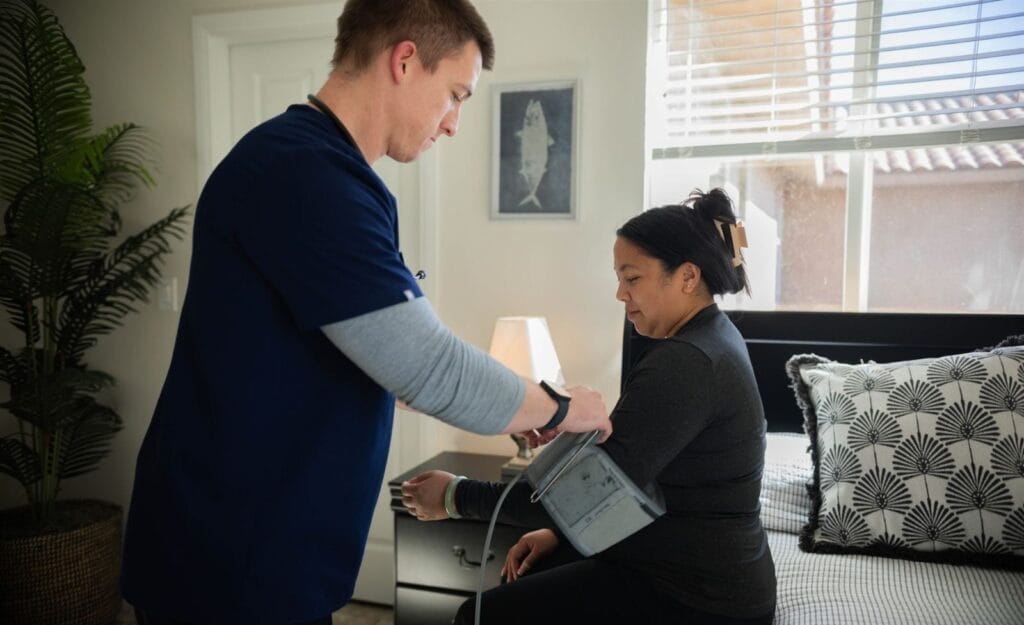
Admission is fast and confidential. You’ll meet with our medical providers for a comprehensive assessment that looks at your health history, substance use, current symptoms, and safety needs. Nursing oversight is continuous.
In these first hours, the basics matter most. We prioritize sleep, hydration, and nutrition so your body can start to reset in a calm and secure setting.
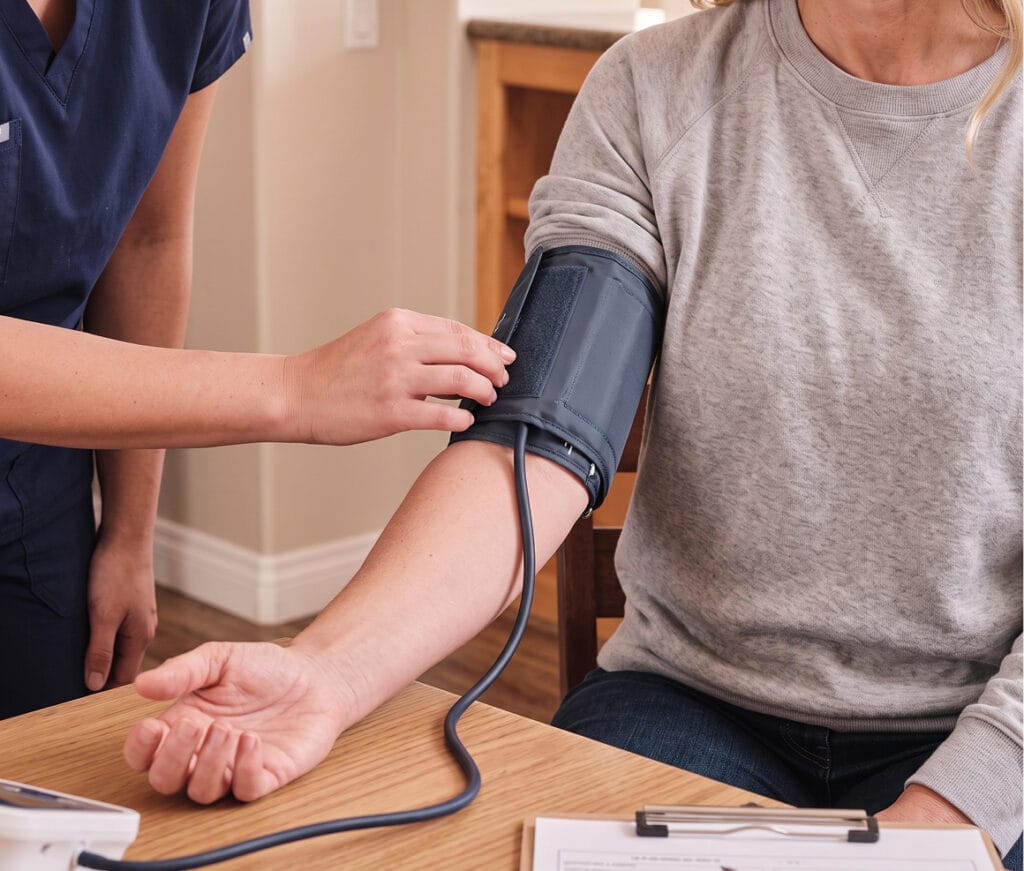

Days in detox are structured and gentle. Expect regular vitals and symptom checks, quiet routines, and a supportive environment that encourages rest. When clinically appropriate, medication can be used to ease symptoms and help you sleep and eat more consistently.
As you feel better, we begin preparing you for residential treatment so the transition is smooth and you keep the progress you have made.
Stepping from medical detox into residential care should feel seamless. Staying on the same campus helps you settle into a steady daily rhythm without the disruption of moving to a new place.
Your individualized schedule blends evidence-based therapies, such as cognitive-behavioral therapy and dialectical behavior therapy, with supportive wellness practices. When appropriate, 12-step facilitation and family therapy can help rebuild communication and strengthen your support system.
Mindfulness and yoga can calm the nervous system, improve sleep, and bring a sense of balance back to your days.

Many people arrive with anxiety, depression, or trauma symptoms alongside substance use. Those concerns are treated together here. Medical providers coordinate closely with the therapeutic team, so your plan addresses mood, sleep, triggers, and stress while you learn practical skills to manage cravings.
You will practice grounding techniques, build a relapse prevention plan that fits your life, and identify early warning signs so you can respond before small problems become big ones.
Cognitive Behavioral Therapy. CBT helps you recognize the link between thoughts, feelings, and actions, map patterns that lead to use, and practice new responses in real situations.
Dialectical Behavior Therapy. DBT builds skills for emotion regulation, distress tolerance, and interpersonal effectiveness to help you ride out cravings and manage stress.
Holistic therapy, mindfulness, and yoga. Gentle, body-based practices support sleep, ease tension, and quiet racing thoughts, complementing your clinical work.


Early stabilization. The first few days focus on safety and comfort. You rest, rehydrate, and eat balanced meals. Vitals and symptoms are monitored, and your plan may include medication support if clinically appropriate.
Building skills. As you move into residential care, days have a calm, predictable rhythm of morning check-ins, therapy groups, and one-on-one sessions balanced with rest.
Gaining momentum. By the second week, most people reflect more clearly and participate more fully in therapy, with sleep and appetite continuing to improve.
Healing is easier when you feel comfortable and respected. Residential care provides a restorative environment with privacy, quiet spaces to decompress, and on-site amenities that make daily life feel manageable again.
Your program is physician-led with 24/7 medical monitoring during detox. Care is coordinated by medical providers, nurses, and a multidisciplinary team that follows a trauma-informed approach, so you always know what to expect and feel safe while doing challenging work.

Reaching out can feel like the hardest step. We make the rest as simple as possible. Insurance verification is quick, and our team can handle local logistics so arrival feels uncomplicated and low-stress.
Before you come, we will share a short approved packing list and answer any questions about medications, phones, or personal items.
"*" indicates required fields
A strong plan for life after residential treatment is built early. As you progress, staff coordinate a smooth handoff to trusted Partial Hospitalization Program or Intensive Outpatient Program partners locally or close to home, based on your needs and preferences.
If you’re returning to work or school, we will help you plan for that transition and practice communication skills that support accountability and balance.
Your aftercare plan can also include referrals for ongoing therapy, peer support meetings, and medical follow-ups. We make sure you leave with clear next steps, contact information, and realistic strategies.
Many people complete medical detox in about three to seven days, but the exact timeline depends on your use history, overall health, and how you respond to care.
Yes. If medication is clinically appropriate, your medical team can use it to reduce symptoms and support sleep and nutrition. All medicines are prescribed and monitored by medical providers.
You will meet with your care team and can start gentle, supportive work that matches your energy. Most structured therapy begins after detox in residential care.
Bring comfortable clothing, essential toiletries that meet policy guidelines, and any current prescriptions in original bottles. During your admission call, we will provide a brief approved list.
Your information is confidential and protected by HIPAA. Admissions are discreet, your records are secure, and only authorized team members involved in your care have access.
If cocaine is affecting your health, your sleep, your work, your relationships, or your sense of self, treatment can help. You don’t need to wait for a specific “bottom” to reach out.
You don’t have to do this alone. Call now for private help from San Diego Detox in San Diego, California. A caring admissions specialist can answer your questions, verify insurance, and help you arrive safely today.
If you would like to learn more about our clinical continuum of care or how we support transitions into long-term treatment, our admissions team is available to help.