
Does Alcoholism Run in Families?

You’ve probably heard it before—someone mentions they had a family member who had alcoholism, so they assume it runs in their blood. There tends to be the assumption that if one person in the family struggles with alcohol, everyone is bound to follow. But is that the case? Does alcoholism truly “run in the family,” or is there more to the story? If you’ve seen the impact of alcohol up close and personally, it’s a question you may worry about. We’ll dig in and try to make sense of it all. What Science Says About Genetics We’ll talk about the science for a minute—yes, there’s some evidence that genetics play a role in whether someone struggles with alcohol. If your parents or grandparents, for example, had issues with alcohol, you might have a higher chance of facing the same challenge. The thing to realize, though, is that your DNA isn’t a crystal ball that says with certainty you’re going to be an alcoholic. Just because it’s possible doesn’t mean it’s your future or that you can’t overcome addiction if you do struggle with it. Genes can make you more susceptible to alcoholism and addiction, but they’re not the whole story. Other factors like your environment, how you handle stress, and your choices are at play. Science gives up some clues, but it doesn’t write the entire script for your life. The Role of Genetics in Alcoholism and Addiction Research shows certain genetic factors can increase the susceptibility to addiction, including alcoholism. Even so, there’s not a single alcoholism gene. Instead, it can be a combination of genetic variations that make some people more prone to developing addictive behaviors. For example, some people might inherit a higher tolerance for alcohol, so they drink more than others to achieve the same effects over time, leading to dependency. Genetics also influence addiction through the brain’s reward system. Our brains are wired to seek out pleasurable activities that trigger dopamine release. For some people, genetic differences in the reward system make them more sensitive to the effects of alcohol or drugs. The increased sensitivity could mean that individuals experience a stronger sense of pleasure or euphoria when drinking, making it harder to resist the urge to keep doing it. Conversely, some people have genetic variations that lead to lower dopamine levels or less efficient dopamine receptors. These could result in someone needing more alcohol to get the same pleasurable effects others would experience more easily, which also increases the risk of addiction. Family Studies and Heritability Family studies have helped uncover the genetic links to alcoholism. For example, studies looking at twins and adopted children have shown genetics can account for about 50-60% of the risk for developing alcoholism. Identical twins with the same genetics are more likely to struggle with alcoholism if one does compare to fraternal twins. Fraternal twins only share around 50% of their genes. Environment and Upbringing: The Other Piece of the Puzzle Now, let’s look at the other side of the coin—how your environment and upbringing come into play. Growing up in a home where drinking is part of the daily routine can have a big impact on how you view alcohol. It becomes a normal or even expected part of life if you always see your parents unwind with a glass of wine or a beer after a long day. You might grow up thinking that’s just what adults do. Seeing family members drink regularly as you’re growing up sets the stage for how you might approach alcohol yourself. It’s not just about your genes—it’s about what you learn along the way, and sometimes learned behaviors can be more influential than genetics. Epigenetics is an emerging research field examining how environmental factors influence the expression of genes. With addiction, this means that while someone might have a genetic predisposition to alcoholism, their environment can either increase or decrease the risk of those genes being activated. Experiencing trauma, having easy access to alcohol, or growing up in a stressful environment are all things that can interact with a genetic predisposition and potentially lead to addiction. The Role of Stress and Coping Mechanisms How we cope with the stress of life can make a difference in whether or not we turn to alcohol to manage it. For some people, drinking after a long or stressful day can become a go-to solution. Some people might be more resilient and find healthier ways to deal with stress, but it’s important to remember that we can learn and change how we handle challenges. Even if turning to alcohol was something you always saw modeled as a coping mechanism, it’s not the only option. When you develop healthier coping mechanisms, it can make a difference in the ways you deal with stress and can help you break the cycle of using alcohol as a crutch. Breaking the Cycle The good news is that just because alcoholism runs in your family doesn’t mean you’ll automatically follow the same path. Understanding that you might be at a higher risk is empowering. By knowing the risks, you can take proactive steps to protect against alcoholism through making conscious choices, like finding healthy strategies to cope with stress or being aware of how alcohol affects you. At San Diego Detox, we understand how complex addiction is and the challenges that come with breaking free from the cycle. Our compassionate team is here to help you take crucial steps toward a healthier future. Whether you’re looking for detox, inpatient treatment or holistic support, we offer a range of personalized treatment options to meet your needs. While you create your own path, we’re also here to walk with you every step of the way. If you’re ready to break the cycle and reclaim your life, we offer the tools, guidance, and support you need, so don’t wait—reach out to make a lasting change or help your loved one take the first step. Frequently Asked Questions Does having a family
How Does Fentanyl Affect the Body?
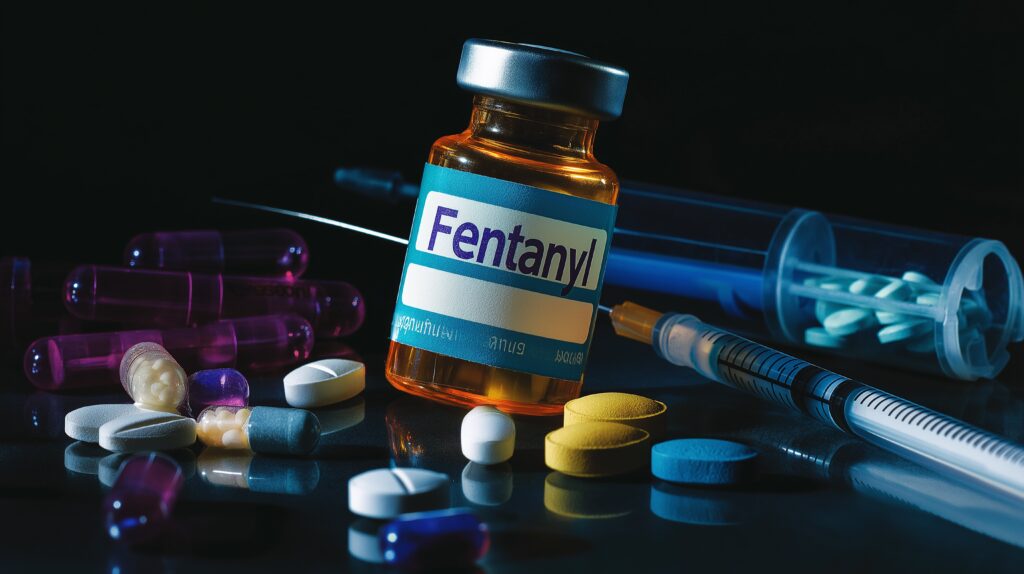
Fentanyl is a potent, dangerous substance. This synthetic opioid is significantly more powerful than heroin and morphine. Originally, fentanyl was developed to manage severe pain, especially in cancer patients. Now, it’s become known for its role in fueling the opioid crisis, contributing to a soaring number of overdoses and deaths. We’ll explore the different ways fentanyl can affect the body to shed light on why it’s such a dangerous drug. A Brief Overview of Fentanyl Fentanyl, because of how potent it is, is only meant to be used in controlled medical environments. However, it’s also illegally made and sold, often mixed with other drugs like cocaine, pills or heroin, without the user knowing. This makes it incredibly dangerous. Even a very small amount can lead to overdose and death. What Happens When Someone Takes Fentanyl? When someone uses fentanyl, it interacts with their brain and body quickly. Entry into the body: Fentanyl can be used in different forms, including injection, transdermal patches or lozenges. It’s rapidly absorbed into the bloodstream and begins taking effect in minutes. Binding to opioid receptors: Quickly making its way across the blood-brain barrier, fentanyl binds to specific opioid receptors. Opioid receptors are part of the body’s pain regulation system. When fentanyl binds to these sites, it triggers chemical reactions, changing how the brain perceives pain. Initial brain effects: One of the primary effects of fentanyl in the short term is powerful pain relief. When opioid receptors are activated, it also triggers a dopamine release. Dopamine is what causes the euphoria or high of fentanyl. Fentanyl slows down brain activity, creating drowsy, relaxed feelings. Effects on the body: Fentanyl significantly slows the body’s respiratory rate because it acts on the brain stem. The brainstem controls automatic body functions, like breathing. This is one of fentanyl’s most dangerous effects, and if a dose is too high, it can cause respiratory arrest. Fentanyl can also cause blood pressure and heart rate to drop. Short-term aftereffects: As the drug continues affecting the brain, a person may feel extremely tired or fall asleep. It can trigger nausea and vomiting, and the sedative effects can lead to problems concentrating, confusion and impaired decision-making. Risk of overdose: If too much fentanyl is taken, it can lead to severe respiratory depression and hypoxia. Hypoxia is when oxygen levels are dangerously low and can cause brain damage or death. Once the effects of fentanyl wear off, a person may go through early withdrawal symptoms like anxiety, muscle aches and restlessness, especially if they use it regularly. Long-Term Fentanyl Effects The long-term effects of fentanyl can be devastating. Chronic fentanyl use can lead to: Tolerance development: Your body can become accustomed to fentanyl over time. The initial dose no longer has the same effect; you would need higher doses to get the desired effects. That then raises the risk of overdose. Physical dependence: With continued use, the chemistry of the brain starts changing, and it relies on fentanyl to function normally. Respiratory issues: Long-term opioid use can lead to ongoing respiratory depression. At that point, a person’s breathing might stay shallow or slow even when they’re not actively under the influence of the drug. That can cause chronic oxygen deprivation, damaging vital organs. It raises the risk of respiratory infections like pneumonia. Cardiovascular damage: Fentanyl can cause long-term damage to the cardiovascular system, including chronic low blood pressure and slow heart rate, as well as a raised risk of heart attack or failure. Cognitive and mental health effects: Chronic fentanyl use can lead to long-term cognitive impairments like memory loss and problems concentrating. It can also worsen or lead to the development of mental health disorders. Psychological fentanyl dependence can fuel an addiction cycle as well. Sleep apnea: Related to the respiratory effects of fentanyl, long-term use can cause or worsen sleep apnea. This is when breathing stops repeatedly during sleep, further reducing oxygen levels. Digestive issues: Fentanyl slows down the digestive system, causing chronic constipation. It can become severe and eventually require medical treatment. Liver damage: The liver metabolizes fentanyl, and chronic use can strain it, leading to damage or failure. If fentanyl is used with other substances like alcohol that also burden the liver, these risks can be especially high. Kidney damage: The kidneys filter waste out of the blood, including drug use. Prolonged use of fentanyl can lead to kidney damage or failure, especially if the drug leads to dehydration or other toxic substances are being used. Immune system: Chronic opioid use suppresses the immune system and makes the body more at risk of frequent and potentially severe infections. Hormonal imbalances: Long-term use can disrupt the endocrine system and cause hormonal imbalances. It can result in symptoms like reduced libido, depression, fatigue and infertility. Fentanyl can also lead to adrenal insufficiency, so the body can no longer produce enough of the hormones regulating stress and other body functions. Sexual dysfunction: Both men and women might experience sexual dysfunction because of the effects of fentanyl on hormone levels and overall physical health. Along with the above, chronic use of opioids can decrease bone density and lead to muscle weakness and wasting. Getting Help for Fentanyl Dependence Fentanyl’s impact on the body is both immediate and also long-lasting. Devastating effects can alter every part of a person’s physical health. From respiratory and heart damage to severe cognitive issues, the consequences of fentanyl use are profound and often life-threatening. Long-term use also leads to a dangerous addiction cycle that’s tough to break. Recovery is possible, though. Recognizing the dangers of fentanyl is the first step to seeking the needed help to overcome addiction. If you or a loved one is using fentanyl, it’s crucial to get professional support as soon as possible. At San Diego Detox, we understand the distinct challenges of fentanyl addiction. Our team of caring professionals can guide you through the detoxification process. Once you’ve finished the detoxification process, we can help guide you through continued recovery via our treatment programs,