
How Long Does It Take to Recover from Meth Addiction?

Recovering from meth addiction isn’t easy, but despite the challenging journey, it’s possible with the proper treatment. Methamphetamine can have a firm grip on your mind and body, leading you down a tumultuous path that affects your relationships, work, and overall well-being. Recovering from meth addiction often requires multiple steps along the way to face deeply rooted emotional and psychological studies. There might also be physical withdrawal symptoms that need treatment. Truly recovering from meth addiction isn’t just about abstaining from use. It’s about rebuilding your life in a way that’s purposeful and fulfilling, and that has connections with other people and the world around you. Recovery from meth allows you to rediscover who you are, reconnect with the people you love, and find healthy ways to deal with the challenges that will inevitably come your way in life. The Development of Meth Addiction Meth addiction is like any other substance use disorder – it’s a chronic disease. Meth is strong and very addictive relatively quickly for many people. It has potent stimulant effects and is often synthesized in illegal labs. When someone becomes addicted to the drug, it’s about more than physical dependence. An addiction to the stimulant can consume every part of your life. The drug, like others with an addiction potential, hijacks your reward system. It’s flooded with dopamine, which is a brain neurotransmitter linked with pleasure and reward. The dopamine flood creates a euphoric solid rush and a burst of energy. The euphoria, however, is short-lived. As the drug wears off, you experience a resounding crash. That starts to build a cycle where you’re seeking more meth out to avoid symptoms of withdrawal and capture that initial euphoria. Over time, your brain becomes tolerant to the effects of meth, and you need larger doses for the same effects. There’s a cycle of dependence, cravings, and tolerance at the heart of any addiction, including meth. Essential to proper recovery is the understanding that there are many psychological and emotional factors playing a role in meth addiction. Many people initially turned to meth to escape their trauma, mental health issues, or stress. In doing so, while getting a reprieve from distress, they ultimately find it worsens their problems and creates new ones. The recovery journey requires courage, support, and resilience. It requires addressing underlying issues that contributed to your addiction. The Meth Recovery Timeline The duration of time you take to recover from meth addiction can vary depending on your addiction severity, health and physiology, availability of support networks, and any co-occurring mental issues. Meth addiction recovery isn’t linear for most people—instead, it involves multiple treatment stages and ongoing support. Some of the things that may need to happen as part of the timeline to recover from meth include: Recovery centers help learn healthy coping methods, rebuild relationships, and find purpose and fulfillment. Some people experience significant improvements quickly, and others require more support for sustained recovery. You must remember to be patient with yourself and realize that setbacks are a natural part of the process. How Long Does It Take Your Brain to Recover from Meth Use? Along with addiction recovery, when you’re questioning how long it takes to recover from meth, you might also wonder about the effects on your brain. Your brain’s recovery from meth can vary depending on factors like the ones above. During your recovery, it will work to restore its natural neurotransmitter balance, especially dopamine. Meth floods the brain with dopamine, leading to long-term changes in how it functions. When you abstain from the drug, your brain will gradually restore its dopamine levels. During the first year of your abstinence from meth, you may start to notice significant improvements in your cognitive function. Your brain structure also begins to repair itself and heal. Your brain can adapt and reorganize in response to changes in your environment and behavior. Engaging in brain health activities, like exercise, cognitive stimulation, and healthy nutrition, can help your recovery. Without getting help and abstaining from meth, the brain effects are not only likely to get worse. Physical and psychological effects worsen with time, too. For example, chronic meth use can raise the risk of heart-related health effects, skin problems, and malnutrition. Getting Help for Meth Addiction Addiction treatment is critical in recovering from the effects of meth. An integrated addiction treatment program will address the complexities of addiction, which are physical, psychological, and social. Your recovery will be focused on helping you stabilize from withdrawal symptoms and then different forms of therapy. Therapy enables you to understand those underlying factors that drove your addiction. You’ll receive education about meth addiction and its effects on the brain and body, as well as the recovery process. You can learn strategies for relapse prevention and practical skills to manage stress. If you’d like to learn more about meth addiction treatment and how to get help, you can reach out to San Diego Detox. We work to provide a safe, secure, and compassionate environment so that you can overcome addiction and holistically recover. Frequently Asked Questions What does “full recovery” from meth addiction mean? Full recovery from meth addiction means stopping use and rebuilding your physical, mental, and emotional well-being. It includes restoring relationships, healing the brain, addressing underlying trauma or mental-health issues, and creating a stable, purposeful life. How long does the initial detox from meth typically last? The initial detox from meth usually lasts a few days to several weeks. The timeline depends on factors like the level of use, physical health, and presence of withdrawal symptoms. Medical detox provides monitoring and support to make this phase safer and more comfortable. How long in treatment after detox is usually recommended? Treatment after detox typically lasts several weeks to several months. Ongoing care may include residential treatment, therapy, medication support, and holistic services designed to stabilize you and reduce relapse risk. How long does the brain take to recover from meth use? The brain often takes months to a
How to Prevent Fentanyl Overdose
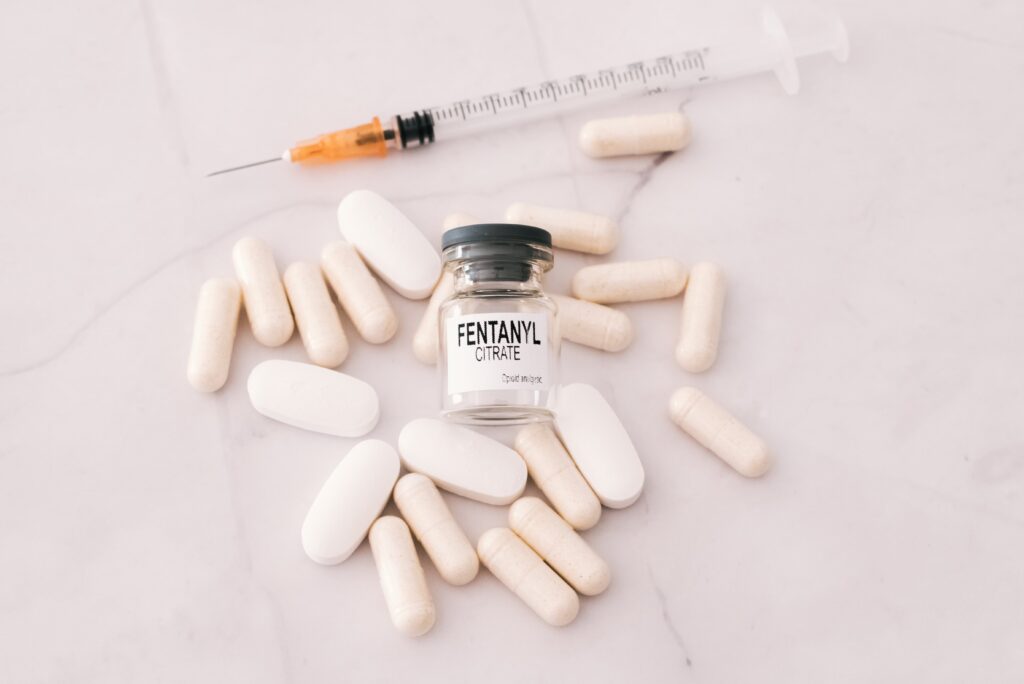
Fentanyl overdose is a significant and pressing public health concern right now because of the potency of the drug and its widespread availability. Preventing overdose requires a multifaceted approach, including education, harm reduction strategies, and access to medical interventions. When we talk about preventing fentanyl overdoses, it can be in the context of the individual level. For example, maybe you have a loved one you’re concerned about. It can also be more geared toward the community context. Why Is the Risk of Fentanyl Overdose So High? Fentanyl is a synthetic opioid and is significantly more potent than others, like heroin and morphine. What it does share in common with other opioids is how it affects the brain—through binding with opioid receptors. When the drug binds to those receptors, fentanyl changes how you perceive pain and induces euphoric feelings. The potency of fentanyl significantly increases the risk of overdose, however. Even tiny amounts can lead to an overdose. When a person takes fentanyl, and it binds to their brain’s opioid receptors, it activates the reward system in the brain. That’s what contributes to those pleasurable feelings associated with fentanyl and other opioids, as well as relaxation. It also depresses the central nervous system, slowing breathing and heart rate. If you take high doses or combine opioids with other things that suppress the central nervous system, like alcohol, the risk of overdose is even greater. Fentanyl has taken a center-stage role in the opioid epidemic. While initially developed as a pain reliever in strictly controlled medical settings, illicitly manufactured fentanyl has since flooded the illegal drug market. It’s often mixed into heroin or pressed into counterfeit pills as drug traffickers like the potency and low production costs of fentanyl. Frequently, people do not know they’re taking it. Unfortunately, not knowing you’re taking something containing fentanyl increases the risk of overdose. Fentanyl has become increasingly available, and as such, it’s contributed to a recent surge in deaths related to opioid overdoses. How Much Stronger Is Fentanyl Than Other Opioids? Estimates put fentanyl’s potency at anywhere from 50 to 100 times more than morphine and around 50 times stronger than heroin. As a result, even small amounts have profound effects, including intense euphoria, but also a very narrow margin between a therapeutic dose and a lethal dose. A dose of fentanyl that’s equal in weight to a few grains of salt can be deadly. When fentanyl is mixed with other drugs or substances, it makes it even more lethal. Even handling fentanyl in medical settings requires care, but illicitly made fentanyl is more dangerous because of the unregulated production and the variation in potency between batches. A user can’t gauge how strong the fentanyl they’re consuming, increasing the accidental overdose risk. Fentanyl slows breathing, and during an overdose, the effect becomes severe, leading to shallow, labored breathing and sometimes a complete stop. Preventing Fentanyl Overdose at An Individual Level Whether you have concerns about fentanyl for yourself or a loved one, the best thing to do to avoid an overdose is not to use substances. People are increasingly buying drugs on the street they think are something else, like Xanax, for example, and they’re tainted with fentanyl. Outside of avoiding unregulated and illegally sold substances, other ways to prevent fentanyl overdoses at an individual level include: When people have timely access to treatment, it reduces their overdose risk and also helps to promote long-term recovery. Preventing Overdoses at the Community Level In communities and organizations, overdose prevention strategies might include: Through implementing overdose prevention strategies at an individual and community level, it’s possible to reduce the harms linked to the use of this potent opioid and save lives. Using Naloxone A vital tool in the fight against the opioid epidemic, naloxone (Narcan) is an opioid antagonist medicine that works to displace fentanyl and other opioids by binding to the same receptor sites. Naloxone blocks opioids’ effects, rapidly reversing overdose symptoms, including unconsciousness and respiratory depression. Naloxone distribution programs are becoming increasingly available, and they often distribute naloxone kits so that people at risk of overdose and their friends, families and caregivers can have it on hand if needed. Fentanyl Test Strips Fentanyl test strips are used to detect the presence of fentanyl in substances like cocaine, heroin or counterfeit pills. They’re a fast, inexpensive way to assess drug safety before using them. The test strips don’t tell the user how much fentanyl could be present or anything about its potency. Instead, they just let the person know if it’s detected or not. Fentanyl test strips are available through harm reduction programs, online retailers and community organizations. Some locations have started pilot programs to distribute the strips to people who are at risk of overdose. What Else Can You Do? While strategies like distributing naloxone and fentanyl test strips mitigate the overdose risk, there’s no foolproof method to prevent overdose except drug abstinence. Fentanyl is unpredictable and potent, and that means any substance use is inherently risky. Getting professional help for an opioid or other addiction is key. Your best chance for personal recovery or to help someone you love is a program with comprehensive treatment and support services, including medication-assisted treatment and counseling. Contact our recovery experts to learn more or take the first step. Frequently Asked Questions Why is Fentanyl overdose risk so high compared to other opioids?Fentanyl is 50–100 times more potent than morphine (and far stronger than heroin), so even very small amounts can depress the central nervous system — slowing or stopping breathing — which drastically narrows the margin between a “dose” and a lethal amount. What are fentanyl test strips and how do they help prevent overdoses?Fentanyl test strips are inexpensive, simple strips that detect whether fentanyl is present in a sample of drugs — such as pills, heroin, or cocaine — helping users make informed decisions by showing if fentanyl contamination exists. While they don’t reveal the potency or exact amount, knowing fentanyl is present can prevent
The Facts About Fentanyl Test Strips
Fentanyl has played a devastating role in the opioid epidemic in the United States. If you’ve been impacted by fentanyl, directly or indirectly, you may know how potent it is. There are families across the country who are losing loved ones every day because of fentanyl; in many cases, they didn’t know they were using it. Fentanyl test strips have become one potential harm reduction method, but the only way to avoid an overdose with complete certainty is to abstain from drugs. There is a role for fentanyl test strips in harm reduction, but with that, there should be efforts aimed at helping more people get treatment for substance abuse and addiction. Why Is Fentanyl So Deadly? Every day, there are headlines focused on fentanyl and its effects, so why is it so much more impactful than other opioids at the moment? While fentanyl works like other opioids, including heroin and prescription painkillers, it’s much stronger. It’s as much as 100 times stronger than morphine, so even tiny doses can end up being lethal. If you’re unaware that you’re even consuming fentanyl, you’re at an exceptionally high risk of overdosing. Fentanyl is frequently added to other substances, like cocaine, heroin, and counterfeit pills, without the knowledge of the user. Adding fentanyl to other drugs is becoming increasingly common in the illegal drug market because it can mimic the effects of other opioids or make medicines stronger. Fentanyl is sometimes pressed into counterfeit pills that look like prescription drugs, including Xanax or oxycodone. The pills are then sold on the illegal market and can contain a variable amount of fentanyl. There are also situations where fentanyl is mixed with other drugs while they’re being manufactured. The residue can contaminate surfaces where other drugs are handled, leading to unintentional exposure. The uptick in fentanyl-related overdoses in recent years has gone up in part because it’s highly potent and also because it’s increasingly available. Compared to other opioids, it’s cheaper to produce fentanyl as well. Drug markets, given their illegal nature, make it incredibly hard to determine what’s in substances being consumed. What Are Fentanyl Test Strips? Fentanyl test strips are a tool to detect whether fentanyl is present in counterfeit pills, cocaine, heroin, or other drugs sold illegally. The test strips are meant to be a simple, fast way to determine if a drug sample has fentanyl in it. The goal is to help detect even small amounts of fentanyl for more informed decision-making about drug use, potentially preventing an accidental overdose. How Do Fentanyl Test Strips Work? Fentanyl test strips work in a way similar to home pregnancy tests and some other rapid diagnostic tests. They’re based on the concept of an immunoassay. So, what does that mean? First, if someone’s going to use a fentanyl test strip, they take a small amount of the substance. Then, it’s mixed with a buffer solution, which prepares the sample to be tested. The sample is then applied to the fentanyl test strip. The test strip has antibodies that bind to fentanyl molecules. If the drug sample has fentanyl, it will bind to the test strip. After the binding step, a test strip is washed, which removes substances that aren’t bound. The fentanyl molecules, if they’re present, stay attached when the strip is washed. The test strip then has a reactive indicator, usually made of colloidal gold particles. The fentanyl molecules captured by the primary antibodies on the test strip attach to secondary antibodies, creating a visible signal, usually a line. If the line or signal appears on a test strip, fentanyl is present. The intensity of the line corresponds with the concentration of fentanyl in the sample. Are Fentanyl Test Strips Accurate? While fentanyl test strips are considered reliable tools, as is valid with any diagnostic test, the accuracy can be influenced by several factors. For example, a fentanyl test strip has a detection threshold, and below that, fentanyl’s presence might not be reliably detected. The strips’ sensitivity can vary depending on the quality of the testing procedure and how concentrated fentanyl is in the sample. Properly preparing a sample is essential to get an accurate result, so using it improperly or not mixing it correctly can lead to false negatives or false positives. Another factor affecting accuracy is the interpretation of the results. Users should be trained to interpret test strips and their results, reducing the risk of errors. While fentanyl test strips can be essential harm-reduction tools, they’re not infallible. The Benefits of Fentanyl Test Strips Some benefits come with these test strips, including preventing accidental overdoses. They can save lives and help empower people to make informed decisions surrounding drug use. The strips encourage safer drug use practices, which is the goal of harm reduction strategies. Other harm reduction practices include encouraging substance use only when with different people and having naloxone on hand. Naloxone is a medicine that reverses opioid overdoses. They’re relatively inexpensive and easily accessible, encouraging people within the community to be proactive in addressing the opioid overdose crisis. Test strips are available in various places, including pharmacies and online retailers. Many community-based harm reduction organizations and health centers distribute them to prevent drug overdoses, and specific public health initiatives and community health programs also make them available. Final Thoughts The prevalence of fentanyl contamination in illegal drugs is an ongoing public health challenge that’s reached a crisis point. Fentanyl test strips are one part of a more extensive harm reduction approach, but it’s still essential that we all recognize the importance of comprehensive approaches to substance use disorders. This includes access to evidence-based treatment and support services. If you or someone you know is struggling with addiction, treatment is essential. At San Diego Detox, we offer compassionate, effective detoxification and treatment services to help individuals begin their recovery. Contact us today. Frequently Asked Questions (FAQs) Q: What are fentanyl test strips?A: Fentanyl test strips are small paper strips designed to detect whether a sample of