
Relapse Prevention Techniques for Cocaine Addiction
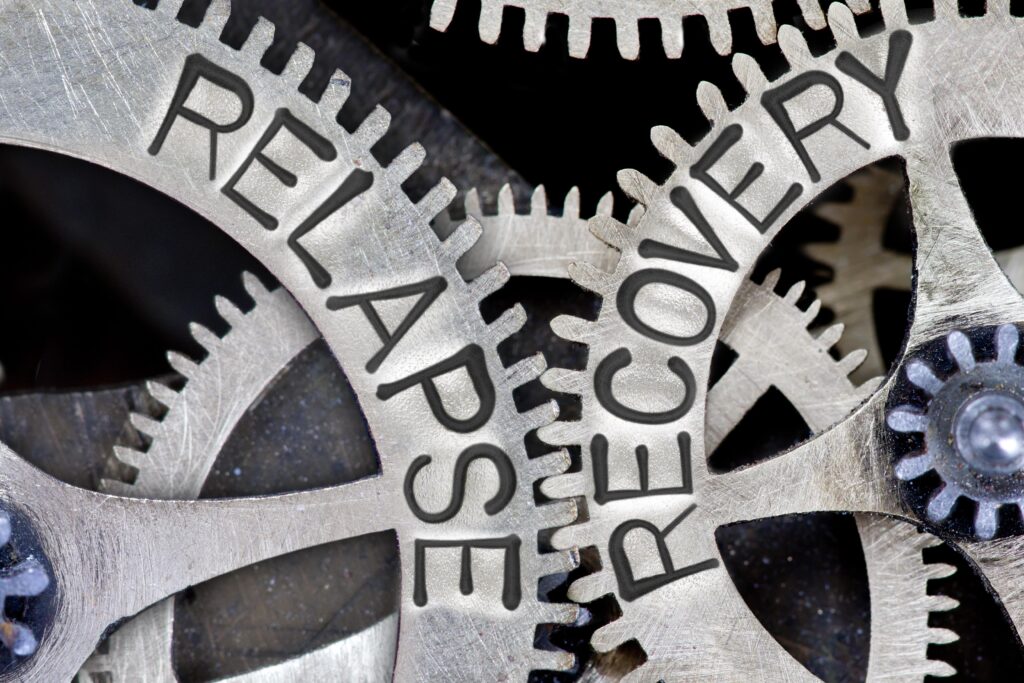
Over time, cocaine use can create a compulsion to seek it out and keep using it, even when it causes negative consequences. This is an addiction. While addiction is a complicated brain disease, it’s also one that’s treatable. When you’re recovering from addiction to cocaine or any substance, it’s essential to have a relapse prevention plan in place. While there may be similarities in strategies, everyone’s relapse prevention plan is unique to them. How Does Cocaine Addiction Happen? Cocaine, a stimulant, increases dopamine levels in your brain. Dopamine is the neurotransmitter primarily associated with pleasure and reward. Cocaine use can lead to feelings of euphoria, more energy, and an increased sense of confidence. Over time, the brain adjusts to the rise in dopamine levels, reducing its natural production. Tolerance develops, leading to needing higher cocaine doses to get the same desired or pleasurable effects. Chronic cocaine use can disrupt the regular communication that occurs between your brain’s neurons. Your dopamine regulation is impaired, and these factors contribute to addiction. As your brain becomes more dependent on cocaine to maintain normal functioning, you have intense cravings for cocaine. This leads to compulsive drug-seeking behavior, where cocaine use is the top priority above everything else. By understanding how addiction occurs and the effects it has on the brain, you can start to understand more about avoiding relapse once you’re in recovery. That’s why psychoeducation can be such a big part of a cocaine addiction treatment plan. Identifying Your Triggers When you’re in recovery from cocaine or any other addiction, you should identify triggers. This is what will help you anticipate and manage symptoms that could lead to cravings or a relapse. If you attend one, much of this work is done in a formal addiction treatment program. Some of the steps that can help you identify your triggers include: Common Relapse Triggers While identifying the triggers that are specific to you is a personal journey, some of the frequently shared triggers for people in cocaine recovery can include: Relapse Prevention Strategies for Cocaine Recovery By putting concrete relapse prevention strategies in place, you are better prepared to identify and manage triggers proactively. General relapse prevention strategies that can help you in your recovery from cocaine addiction include: Other more specific ways you can prevent a cocaine relapse can also include: If you’re struggling with cocaine use or other substances currently, please reach out to San Diego Detox. We can help you begin your path toward recovery and build a relapse prevention plan and strategy based on your unique needs.