
Drug Addiction Relapse Prevention

Understanding Relapse The term “relapse” describes the process of resuming drug or alcohol use after a long break. Addiction often results in relapses for many people who have attempted to reach and maintain sobriety, due to how much it can alter the brain’s chemistry and ultimately affect our mood and behaviors accordingly. Even after undergoing successful addiction treatment, the urges to relapse do not subside. This is why it’s important to exercise both compassion and understanding when it comes to addiction and relapse related matters. Addiction Relapse Overview According to the National Institute on Drug Abuse, between 40-60% of patients with drug use disorders will experience relapse. This indicates that one may easily return to drug and alcohol use, just like how a person with heart disease or cancer may experience a relapse of symptoms having to do with their health condition as well.1 However, relapse does not mean that a person is doomed to relive their previous conditions of addiction. People can reintegrate into sobriety, even post-relapse, with the right support system and continuous effort and determination. Stages of Relapse The following are the common stages of relapse one might go through: Emotional Relapse: The first of the three stages of relapse is emotional relapse. The patient is not thinking about using the substance, but this stage is marked by the emergence (or reemergence) of unfavorable feelings like irritation, anxiety, or rage. Mental Relapse: This stage is marked by people actively exploring using substances again to deal with their emotional pain. It could first only begin as nostalgic thoughts about earlier drug-using periods. Physical Relapse: The last stage of drug usage is physical relapse, including the proactive actions used to get drugs. These can entail calling a dealer or going to a business that sells alcohol. Common Causes of Relapse It is essential to know specific causes that might result in a relapse, along with plans for how to potentially deal with that happening. The following are possible causes that might result in a relapse:2 Stress One of the top causes of addiction relapse is stress. Many people who battle addiction resort to their preferred drug or pastime as a maladaptive coping mechanism. Studies show that people who use drugs, alcohol, or other addictive behaviors more often have heightened desires under stressful situations, especially if they use that behavior or substance as their primary coping mechanism.3 People The ones who support a patient with addictive behavior might also cause a relapse. Even the family members could act as a cause, mainly if they make one feel more helpless and defenseless. The same is true for areas that conjure up memories of addiction for patients. Overconfidence During Recovery Although recovery is a never-ending process, some people start to believe that if they have overcome their condition that they no longer have to worry about “fully” relapsing. One may be tempted to take “just one” drink or hit, believing it won’t be a huge concern. While having a fair dose of self-confidence is crucial, self-awareness is also essential. Physical or Mental Illness Relapses in drug or alcohol use can be brought on by anxiety, panic, and other underlying psychological issues. The body is under stress from physical disease and discomfort, which increases the chance of relapsing. Prescription medications for physical and mental problems can affect consciousness and cause a relapse into addiction. Relationships and Sex There are various causes for why therapists advise not to go right into a new relationship during recovery. One is that starting new romantic relationships may increase your chance of relapsing. If one splits up with a new partner, one can turn to drugs again due to the stress. How to Create Relapse Prevention Plan for Drug Addiction There are many ways one can start the process for creating a relapse prevention plan. These include: Set a recovery goal: A recovery goal is fundamental in creating a relapse prevention plan, which may help foster the process and to avoid any loopholes Avoid places linked with substance use: You may want to avoid places you’ve been to when you were using the substance. Think deliberately: Don’t act subjectively. Instead, be deliberate about your thoughts and have a to-do list of your goals. Make a daily or weekly routine: A daily or weekly routine will help you maintain the plan and track your program. Know the warning signs: Be aware of the warning signs when they come. Create an emergency contact list: Create a list of your close friends and family members that are accessible in emergencies. Define actions to take: Know what steps to take beforehand. Relapse Prevention Skills There are many prevention methods you can employ in order to help with a potential relapse before it even happens. Some of these include: Self-care: Self-care helps to keep the body in proper shape. One must set goals for a daily self-care routine. Regular exercise: Exercising helps to release the hormone “dopamine” that is responsible for the feeling of happiness. It also helps to curtail the desire to relapse since one gets a very similar feeling they get when they use drugs or drink alcohol. Joining a self-help group: A self-help group with like-minded people can help to prevent relapse. Meditation: Meditation is good for the mind. It helps to clear negative thoughts in your mind and allows you to focus. Distracting and rewarding yourself: A distraction is good for you because it helps you forget about your worries, while rewarding yourself can give you encouragement to keep going through difficult times. Relaxation: While you relax, you allow your body to be energized and rejuvenated. Building a support network: Support from friends, family, and people you just met can also be helpful. Get Professional Help at San Diego Detox Today San Diego Detox’s goal is to assist those struggling with addiction to live extraordinary lives. We provide all-encompassing care for the complete person and are dedicated to improving addiction and mental health treatment’s effectiveness, efficiency, and affordability.
Repairing Relationship in Recovery

Welcome to San Diego Detox, the premier detox center in Lakeside, CA. If you or someone you know is on the path to recovery, congratulations on taking this courageous step toward a healthier life. Recovery is not only about healing yourself but also about repairing relationships with your loved ones. In this article, we will explore the importance of repairing relationships in recovery and provide valuable insights and tips to rebuild trust and connection. Understanding the Impact of Addiction on Relationships Addiction can take a toll on relationships, causing trust issues, communication breakdowns, and emotional distance. When you or a loved one struggles with addiction, the focus often shifts towards obtaining and using the substance, leaving little room for maintaining healthy connections with family and friends. As a result, relationships may become strained, and feelings of betrayal and disappointment can emerge. Acknowledging Past Mistakes The first step in repairing relationships is acknowledging the mistakes made during active addiction. It takes courage to recognize and take responsibility for the hurt caused to loved ones. By acknowledging these mistakes, you open the door to healing and rebuilding trust. Communicating Openly and Honestly Effective communication is the cornerstone of any healthy relationship. In recovery, it becomes even more crucial to communicate openly and honestly with your loved ones. Share your journey, express your feelings, and listen to their concerns. A sincere and transparent conversation can pave the way for a deeper understanding and forgiveness. Setting Boundaries and Prioritizing Self-Care While repairing relationships is essential, it’s equally vital to set healthy boundaries and prioritize your self-care during recovery. Learning to say no to situations or people that may trigger relapse is crucial. Your well-being must come first as you rebuild your life and relationships. Rekindling Emotional Intimacy Addiction can dampen emotional intimacy in relationships. In recovery, focus on rekindling emotional connections by expressing love, gratitude, and appreciation towards your loved ones. Small gestures and acts of kindness can go a long way in strengthening the emotional bond. Navigating Relapses with Transparency Relapses can happen during the recovery journey, and if it occurs, approach it with transparency. Honesty about relapses can be challenging, but it is essential for maintaining trust and ensuring that your loved ones understand the complexities of addiction and recovery. Repairing relationships in recovery is a transformative process that requires dedication, honesty, and compassion. By acknowledging past mistakes, communicating openly, and seeking professional support, you can rebuild trust and connection with your loved ones. Embrace forgiveness, prioritize self-care, and celebrate milestones together to foster a healthier and stronger relationship. Remember, recovery is a journey best taken together. Rebuilding trust through Consistency Rebuilding trust takes time and consistency. Words alone are not enough; your actions must align with your intentions. By staying committed to your recovery journey and consistently demonstrating positive changes, your loved ones will begin to trust that you are on the path of healing. Seeking Professional Support Repairing relationships in recovery can be complex, and seeking professional support can make a significant difference. Family therapy or counseling can provide a safe space for open dialogue, guided by an experienced therapist who can help navigate the challenges of rebuilding relationships. Celebrating Milestones Together As you progress in your recovery journey, celebrate your milestones together with your loved ones. Whether it’s a month of sobriety or completing a recovery program, these moments of joy and accomplishment can strengthen your bond and create new positive memories. Embracing Forgiveness Forgiveness is a powerful tool in repairing relationships. This not only includes seeking forgiveness from others but also learning to forgive yourself. Remember that recovery is a process, and everyone makes mistakes. Embrace forgiveness as a transformative force in your life. FAQ’s Is it normal to experience challenges when repairing relationships in recovery? Yes, it is entirely normal to face challenges while repairing relationships in recovery. Rebuilding trust takes time and effort, but with dedication, healing is possible. Can professional therapy really make a difference in repairing relationships? Yes, seeking professional support through family therapy or counseling can significantly aid in navigating the complexities of repairing relationships and healing together. How can I approach a loved one to apologize for past mistakes? Approach the conversation with humility, honesty, and a willingness to change. Express your remorse and commitment to your recovery journey. What if my loved ones are hesitant to forgive me? Patience is key. Understand that rebuilding trust can be a gradual process, and your consistent actions will help demonstrate your commitment to change. How can I prevent relapses from negatively impacting my relationships? Transparency is essential. Keep your loved ones informed about your progress and struggles, and seek support if you feel a relapse may be imminent.
What Drugs Can Help in Benzodiazepine Withdrawal?
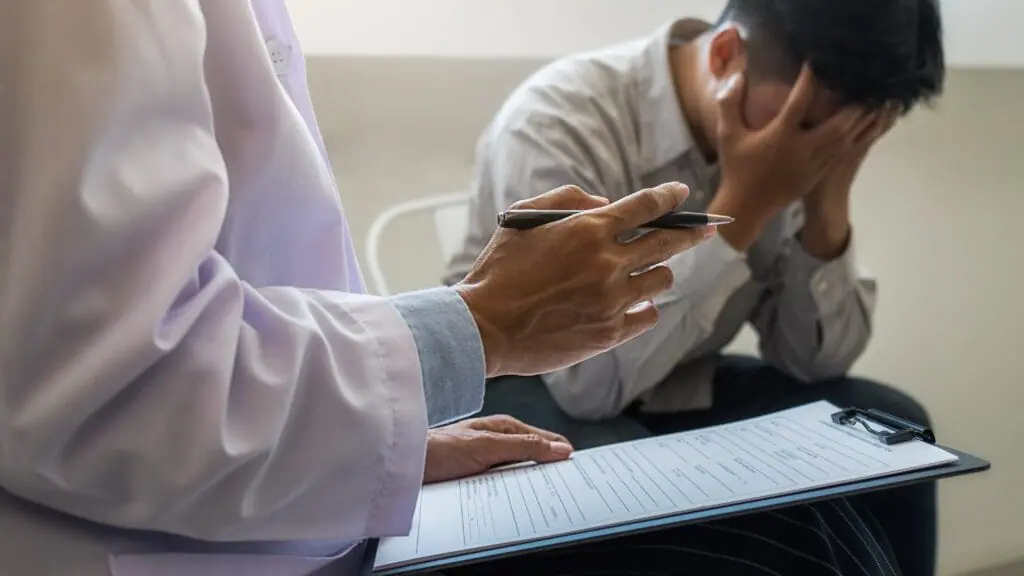
Benzodiazepine withdrawal occurs when a person who is physically dependent on benzodiazepines reduces or stops using them. Withdrawal symptoms can range from mild discomfort to severe and potentially dangerous complications. Because benzodiazepines affect brain chemistry, withdrawal should be approached carefully. Medical supervision is often necessary to reduce risks and manage symptoms safely. What Is Benzodiazepine Withdrawal? Benzodiazepines are central nervous system depressants commonly prescribed for anxiety, panic disorders, insomnia, and seizures. When used for extended periods, the body can become dependent on them. Benzodiazepine withdrawal happens because the brain has adapted to the presence of the drug. When the medication is reduced or stopped, the nervous system becomes overactive, leading to withdrawal symptoms. Withdrawal severity depends on factors such as dosage, length of use, type of benzodiazepine, and individual health. What Affects How You Stop Taking Benzodiazepines? Stopping benzodiazepines safely often requires a gradual taper rather than abrupt discontinuation. The tapering process allows the brain time to adjust. Healthcare providers consider several factors, including the specific medication used, how long it was taken, and whether other substances are involved. Attempting to stop suddenly can significantly increase withdrawal risks. Signs and Symptoms of Benzodiazepine Withdrawal Benzodiazepine withdrawal symptoms may be physical, psychological, or both. Symptoms often appear within hours or days after reducing or stopping use. Mild to Moderate Withdrawal Symptoms Mild to moderate symptoms may include anxiety, irritability, restlessness, insomnia, muscle tension, headaches, sweating, and difficulty concentrating. Benzodiazepine Withdrawal Timeline Withdrawal symptoms often follow a general pattern. Early symptoms may begin within 24 hours for short-acting benzos or several days for long-acting ones. Symptoms may intensify over the first several days. Acute symptoms often improve over time, though some effects may linger. Acute Withdrawal Symptoms Acute withdrawal symptoms can include panic attacks, tremors, nausea, sensitivity to light or sound, and sleep disturbances. These symptoms can be distressing and disruptive. Post-Acute Withdrawal Syndrome (PAWS) Some individuals experience lingering psychological symptoms after acute withdrawal resolves. These may include anxiety, mood changes, and difficulty sleeping. PAWS can last weeks or months, depending on individual factors and treatment support. Coping With Withdrawal From Benzos Managing benzodiazepine withdrawal without medical support can be extremely challenging. Professional care helps reduce discomfort and prevent complications. Supportive strategies may include hydration, nutrition, emotional support, and medications prescribed by healthcare professionals. Attempting withdrawal alone increases the risk of relapse. What Drugs Can Help in Benzodiazepine Withdrawal? Certain medications may be used to manage withdrawal symptoms during medically supervised detox. These medications are selected based on individual needs. Buspirone Buspirone, like benzodiazepines, is a medication used to treat anxiety. However, unlike benzodiazepines, it has almost no potential for misuse and does not produce feelings of euphoria or pleasure. Buspirone works to treat just one benzo withdrawal symptom: anxiety. Flumazenil Flumazenil is a benzodiazepine antagonist. It is commonly used in reversing benzodiazepine overdose, but it can also provide tangible relief from several benzo withdrawal symptoms. Furthermore, this medication can provide relief from long-term benzodiazepine withdrawal symptoms, improving the chances of stopping benzodiazepines for good. Multiple studies show that flumazenil successfully alleviates withdrawal symptoms and significantly reduces relapse rates. Benzodiazepines Certain benzodiazepines are often used in benzodiazepine withdrawal treatment. Since suddenly stopping the use of benzos is dangerous, many detoxification centers will opt for a medically-controlled taper using drugs like diazepam. The difference between diazepam and benzodiazepines is minimal; diazepam belongs to the benzodiazepine class, but its effects last longer in the bloodstream than other common benzo drugs. In a medical taper, detox professionals will administer benzodiazepines in a controlled fashion. The dose and frequency of administration will drop over the period of a week or so, ensuring that any dangerous side effects of withdrawal are minimized. This can extend the benzo withdrawal timeline but increases safety and comfort. Benzodiazepine Withdrawal Risk Factors Certain factors can increase withdrawal severity. These include long-term use, high dosages, short-acting benzodiazepines, and co-occurring substance use. Underlying medical or mental health conditions may also affect the withdrawal process. Long-Term Recovery Planning Successful recovery from benzodiazepine dependence involves more than detox. Long-term treatment focuses on relapse prevention and addressing underlying causes of use. Ongoing therapy, medical follow-up, and support systems play an important role in sustained recovery. Get Benzo Withdrawal Help at San Diego Detox Benzodiazepine withdrawal can be complex and difficult to manage alone. Professional treatment improves safety and comfort during detox. San Diego Detox provides medically supervised detox designed to support withdrawal and long-term recovery in a structured, supportive environment. Contact us today at San Diego Detox to learn more about our extensive substance use disorder treatment services and how you could benefit from professional support. Frequently Asked Questions What are common symptoms of benzodiazepine withdrawal?Common symptoms include anxiety, restlessness, sleep problems (insomnia), irritability, nausea, appetite loss, dizziness, muscle aches, fatigue, and nervous energy. How long can benzodiazepine withdrawal last?Withdrawal often peaks within the first 5–14 days, but some symptoms can persist or fluctuate for weeks or even months depending on individual factors like how long the drug was used. Can benzodiazepine withdrawal be life-threatening?Yes — abrupt cessation, especially after long-term or heavy use, can lead to severe complications such as seizures, hallucinations, or psychosis. What is the safest way to stop taking benzodiazepines?The safest way is a medically supervised taper — gradually reducing the dose over weeks rather than stopping “cold turkey” to minimize withdrawal severity. Resources Alcohol’s Effects on Health – niaaa.nih.gov Short-Term Effects of Alcohol – drugfreeworld.org Sex Difference in Alcoholism – pmc.ncbi.nlm.nih.gov Do I Have an Alcohol Problem? – webmd.com
What Causes Tardive Dyskinesia
What Is Tardive Dyskinesia? Tardive dyskinesia (TD) is a movement disorder connected to the long-term use of specific drugs that treat mental health conditions. Tardive dyskinesia is recognized by involuntary, twitching movements that affect the facial muscles and other body areas. The National Alliance on Mental Illness (NAMI) defines tardive dyskinesia as a movement disorder that causes a range of repetitive movements in the face, neck, arms, and legs. The symptoms of tardive dyskinesia are not within the person’s control. Unfortunately, struggles with TD disorder can make participating in everyday activities, including school, work, or socializing with friends, difficult and challenging. Is Tardive Dyskinesia Common? Compared to other medical and mental health conditions, tardive dyskinesia is not a common illness. Statistics suggest that approximately 500,000 people in the United States have TD disorder. Of those, as many as 70% are considered mild, and 3% of cases are classified as extremely severe.1 Tardive Dyskinesia Causes and Risk Factors TD disorder is a side effect of long-term use of specific medications, such as antipsychotics and neuroleptic drugs. These medications are widely prescribed in the mental health community to treat symptoms of mental health conditions, including bipolar disorder and schizophrenia. Common Medications That Cause TD Disorder Research suggests a link between long-term antipsychotic use and tardive dyskinesia. TD occurs more often in first-generation (typical) antipsychotics, accounting for 32.4% of occurrences, and less often in second-generation (atypical) antipsychotics, with 13.1% of occurrences.2 Typical Antipsychotic Medications Chlorpromazine (Thorazine) Haloperidol (Haldol) Fluphenazine (Prolixin) Thioridazine (Mellaril) Atypical Antipsychotic Medications Long-Term Side Effects of Alcohol Aripiprazole (Abilify) Paliperidone (Invega) Risperidone (Risperdal) In addition to antipsychotics, other types of medications have been linked to causing tardive dyskinesia.3 Antidepressants Clomipramine (Anafranil) Fluoxetine (Prozac) Lithium Trazodone (Desyrel) Antiepileptic Drugs Carbamazepine (Tegretol) Lamotrigine (Lamictal) Phenytoin (Dilantin) Antianemics Metoclopramide (Reglan) Prochlorperazine (Compazine) Decongestants Phenylephrine (Sudafed PE Congestion) Pseudoephedrine (Sudafed) Movement Disorder Medications Pimozide (Orap) Trihexyphenidyl (Artane) Other Risk Factors Although anyone taking an antiseizure or antipsychotic medication can develop TD disorder, some are at a greater risk than others. Research shows that women are more likely to develop TD than men, and post-menopausal women undergo a 30% increase after using antipsychotic medication for one year. In addition, studies indicate that older adults and African Americans are more at risk after long-term use of dopamine-blocking medications.4 There is no specific timeline for how long one can take an antipsychotic medication before the risk of TD increases. For example, some may take antipsychotic drugs throughout their lifetime yet never show signs of tardive dyskinesia. On the other hand, others may develop symptoms after taking antipsychotics for just a few months. Tardive Dyskinesia Diagnosis Symptoms of TD disorder do not appear overnight, as many outward signs of tardive dyskinesia require time. For some, symptoms may begin within a few weeks or months after starting antipsychotic medication. Others may require years or may never develop symptoms at all. The unpredictability of symptoms makes accurate diagnoses for TD increasingly difficult. Diagnosing tardive dyskinesia requires several steps to ensure an accurate diagnosis. Physical Exam The first step is a comprehensive physical exam. Primary care providers will measure movement ability. They often refer to the Abnormal Involuntary Movement Scale, a five-point measurement that helps measure three specific factors related to tardive dyskinesia. These include the severity of movements, whether patients feel distressed due to movements, and whether they are aware of their TD movements. Additional Tests In addition to a physical exam, medical providers may request blood and urine tests, electroencephalogram (EEG) to test brain activity, and electromyography (EMG) to test muscle and nerve connections to rule out other disorders that may cause abnormal body movements. After ruling out other possible diagnoses, doctors can accurately diagnose TD and begin developing a tardive dyskinesia treatment program. Signs and Symptoms of Tardive Dyskinesia The most common symptoms of tardive dyskinesia include involuntary movements of the lips, tongue, and jaw. Examples include sticking out the tongue, “fish-like” movements of the mouth, and facial grimacing. TD disorder movements may also impact the hands, arms, legs, and feet. These individuals may experience rapid jerking movements of the arms or legs known as chorea. Conversely, TD symptoms may also present as slow or writhing movements called athetosis. Severe Symptoms Many people who develop tardive dyskinesia experience mild symptoms. However, serious health complications can occur in some situations. Examples of more severe complications connected to tardive dyskinesia include difficulty breathing, difficulty swallowing, speech difficulties, dental problems, and irreversible facial changes. Unfortunately, in some instances, even though one stops taking the antipsychotic medication that first caused tardive dyskinesia symptoms, some facial changes may be permanent. Treatment for Tardive Dyskinesia Tardive dyskinesia treatment generally begins by gradually lowering the dose of the medication believed to have caused TD symptoms. The goal of tapering off medication is to allow people to stop using medications slowly and safely. However, if patients still need treatment, their doctor may prescribe a different medication. In addition, doctors may add a tardive dyskinesia medication to help improve movement symptoms. Adjusting Medication As noted above, the first step in tardive dyskinesia management often involves adjusting medications. Medications for tardive dyskinesia include valbenazine (Ingrezza) and deutetrabenazine (Austedo). These medications alter dopamine levels in the body and may help reduce the frequency of unwanted movements. In some instances, providers may look to more intensive treatment options, including prescribing clonazepam, a muscle relaxer to help reduce muscle rigidity. Supplements Some who struggle with TD symptoms may experience relief using over-the-counter supplements, such as Ginkgo biloba. However, note that patients considering taking over-the-counter supplements must first speak to their healthcare provider to ensure they do not adversely interact with other medications that lead to harmful side effects. Deep Brain Stimulation If prescription medications or supplements are ineffective in helping manage symptoms, doctors may suggest a procedure called deep brain stimulation (DPS). Some research evidence indicates deep brain stimulation may be effective; nonetheless, more research is needed to prove its effectiveness.5 Get Treatment at San Diego Detox If you or
Pharmacologic Treatments for Opioid Dependence

What Is Opioid Dependence? The past decades have seen incredible progress in treating opioid dependence and addiction. As the academic communities have gravitated toward treating addiction with the medical model, several opioid dependence drugs and opioid use disorder therapies have been developed. Opioid dependence is characterized by tolerance and withdrawal. In other words, the body adapts to the substance, needing more to achieve the same effects and experiencing mental or physical symptoms without it. What Is the Difference Between Opioid Dependence and Opioid Addiction? Opioid dependence and opioid addiction are both terms that describe opioid abuse; however, dependence emphasizes the physical symptoms of a substance use disorder rather than the cognitive and social symptoms. Opioid addiction refers to the physical, mental, and social effects that impact a person due to drug abuse. Why People Become Addicted to Opioids Reports show that 10.1 million people in America aged twelve and older misused opioids in 2019. More specifically, 9.7 million misused prescription pain relievers and 745,000 used heroin. It is clear that prescription pain medication is responsible for the majority of opioid addiction cases. There are countless reasons opioid dependence occurs, but a few patterns and factors are more common and notable than others. These causes of opioid addiction include: Using opioids to cope with mental illness Taking large amounts of painkillers to deal with pain Using opioids to cover emotional pain, such as trauma or grief Using opioids to enhance other sensations Tolerance Escapism During the early stages of opioid dependence, drugs can seem like a universal palliative for many people. They produce feelings of pleasure and euphoria, relieve worries, and dampen pain. Regardless, after repeated use, opioid addiction will bring more negative consequences than any fleeting positives. Signs and Symptoms of Opioid Dependence The signs and symptoms of opioid dependence fall into several categories, including behavioral, physical, cognitive, and psychosocial. The following indicates opioid addiction treatment may be necessary. Behavioral Symptoms The behavioral symptoms of opioid dependence include: Constantly seeking out opioids Neglecting other hobbies or activities in favor of opioid misuse Spending an excessive amount of time using, recovering from, or looking for opioids Borrowing money Sleeping all the time, or falling asleep while standing or sitting In opioid addiction treatment, there are specific therapies designed to change these behavioral patterns. Physical Symptoms The physical symptoms of opioid dependence and withdrawal symptoms include: Sneezing Restlessness Fever Chills Sweats Shakes Nausea Diarrhea Tolerance Track marks along arms if taken intravenously Weight loss The physical symptoms of opioid use disorder can be treated with various therapies. Cognitive Symptoms The cognitive symptoms of opioid dependence include: Restlessness Anxiety Depression Persistent cravings for opioids Denial that a problem is present Evidence-based treatments address the cognitive symptoms and mental health issues caused by long-term opioid addiction. Psychosocial Symptoms Lastly, the psychosocial symptoms of an opioid use disorder refer to the damage this condition can cause to social aspects of life. They include: Loss of a job or occupation Strained relationships with friends and family members Housing instability Legal consequences At an opioid addiction treatment center, counselors and therapists are trained to help people deal with these psychosocial symptoms. Medical Treatments or Opioid Dependence Drugs to treat opioid addiction come in several varieties. These are some of the most effective opioid addiction treatment options and have helped millions of people to recover. The three main medications used as opioid addiction treatment medications are: Buprenorphine Methadone Naltrexone Buprenorphine Buprenorphine is an opioid partial agonist, meaning it binds to opioid receptors in the brain and mildly activates them. As a result, this medication produces lessened effects of opioids (e.g., euphoria), working as a replacement for harsh drugs like heroin to help treat addiction to opioids. In addition, buprenorphine has a ceiling effect (the effects are capped at a certain amount), preventing abuse and overdose. Research shows that buprenorphine resolves withdrawal symptoms more quickly and has better retention and completion rates compared to other opioid treatment medications. Methadone Methadone is a long-acting full opioid agonist, so its effects are similar to buprenorphine, but it fully activates the opioid receptors in the brain. Thus, methadone provides the full effects that other opioids do and does not have a cap (i.e., effects increase as the dose increases). Nonetheless, this medication effectively reduces opioid craving, lessens withdrawal symptoms, and blocks the effects of opioids. Studies found that methadone treatment was associated with a 76% reduction in overdose at three months and a 59% reduction at twelve months.3 Naltrexone Unlike buprenorphine and methadone, naltrexone is an opioid antagonist, meaning it reverses and blocks the effects of other opioids, preventing the effects of opioid drugs and reducing abuse. Multiple clinical trials studying the efficacy of naltrexone found that it reduced heroin cravings, and between 23% and 62% of participants remained in treatment after three to four weeks. In addition, two studies reported that 32% to 58% of participants who continued treatment maintained sobriety six to twelve months after their naltrexone treatment ended. How to Diagnose Opioid Dependence Diagnosing an opioid use disorder has to be performed by a licensed clinician. When clients start treatment at an opioid addiction treatment center, clinicians will typically ask several questions regarding their addiction, look over medical records, and determine whether they meet the criteria for opioid dependence. Receiving this diagnosis can help determine the next steps for opioid treatment. Psychological Treatments for Opioid Dependence Psychotherapy, also called talk therapy, is an effective tool for managing opioid use disorder. The best evidence-based treatment for opioid use disorder is to use a variety of psychological treatments alongside medication, but determining which treatment plan is right for you is between you, your physician, and your therapist. Talk therapies for opioid use disorder include: Motivational interviewing and motivational enhancement therapy Cognitive behavioral therapy (CBT) Family therapy Couples counseling Hypnotherapy Neurotherapy 12-Steps programs Opioid use disorder therapies have several targets, but in general, they aim to teach healthier coping mechanisms, reduce drug cravings, and reverse opioids’ effect on the brain. Getting
Medication-Assisted Treatment for Opioid Use Disorder

What is MAT? Medication-Assisted Treatment (MAT) is a standard method of treating substance use disorder within and outside the United States. It’s effective for individuals experiencing specific drug use challenges, such as opioid use disorder, and it usually follows in combination with behavioral therapies. Opioid Use Disorder Opioid Use Disorder is a condition that affects the brain due to the uncontrolled intake of opioids. Individuals experiencing the condition find it difficult to discontinue the drug’s intake, regardless of the harm it causes. For some, opioid abuse may begin with experimental intake before becoming more frequent. While for others, it starts with receiving prescription pain medications. A Further Look at MAT for Opioid Abuse Compared to many other medications, opioids have a significantly high tendency to be habit-forming. According to the Centers for Disease Control and Prevention, over 92,000 Americans lost their lives due to drug overdose in 2020.2 Note that the overdose cases include opioids, marking an approximate 30 percent increase from 2019. Reports show a 22-fold increase in the overall death rates involving synthetic opioids. In the United States, visits to the emergency department also rose by 30 percent from mid-2016 to September 2017. Later in October 2017 (a month after), the opioid crisis became a nationwide Health Emergency in the United States. What Causes Opioid Use Disorder? What causes the opioid disorder is typically due to the physical dependence people develop in a short time of intake. Researchers discovered that intake of opioids for over a few days increases the tendency of substance use disorder. Some of the significant risk factors of opioid addiction include a history of depression, anxiety, and stress. Opioid Use Disorder Symptoms and Dangers There are apparent opioid use disorder symptoms that individuals may observe. According to the Diagnostic and Statistical Manual of Mental Disorders, here are some signs associated with opioid addiction for proper diagnosis:3 Continued intake leads to social and interpersonal consequences Decreased social or recreational activities Difficulty fulfilling professional duties at school or work The individual is unable to reduce the amount used Tolerance Using despite it being physically dangerous settings Experiencing withdrawal Excessive time to obtain opioids or recover from taking them More taken than intended The individual has cravings Continued use despite worsening physical or psychological health Dangers of Opioid Use Disorder At lower dosages, intake of opioids is typically adequate for treating pain by making individuals feel sleepy. However, with constant intake leading to opioid addiction, individuals may experience slower breathing and heart rate. OUD can lead to an overdose without early medical attention, which is life-threatening. Due to the risks of opioid abuse, doctors typically recommend that individuals follow prescription instructions carefully. Medication-Assisted Treatment for Opioid Use Disorder Medication-assisted treatment is an effective treatment option for individuals experiencing OUD.4 This treatment approach involves using opioid use disorder medication, behavioral therapies, and counseling. It focuses on providing a “whole-patient” approach to treating the condition in individuals. MAT for opioid use disorder is specifically tailored to meet everyone’s needs for recovery. An estimated 2 million individuals were experiencing opioid use disorder in 2018, including prescription pain meds with heroin and opiates. Medication-assisted treatment for opioid use disorder proves to be a significantly effective treatment option for these individuals. MAT Medications for Opioid Use Disorder Treatment Here are some of the significant opioid use disorder medications: Methadone: The intake of Methadone for opioid use disorder is adequate and approved by the Food and Drug Administration. The substance is also helpful for pain management as an opioid use disorder treatment option. Buprenorphine: Apart from common opioid use disorder therapies, Buprenorphine is common for the effective treatment of OUD. It also helps treat acute and chronic pain. Doctors may administer sublingually, buccally, or intravenously. Naltrexone: Opioid use disorder specialists typically administer naltrexone for opioid use disorder by watching the individual take the drug. Individuals can take it with food or antacids. MAT Medications for Opioid Overdose Prevention Counseling In most cases, counseling is also applicable for OUD treatment. It improves the individual’s motivation for recovery. Counseling also helps individuals learn the necessary skills for discontinuation of opioid intake. Behavioral Therapies The use of behavioral therapies helps engage individuals in OUD treatment. This technique is important for the effective treatment of opioid use disorder symptoms in specific individuals. It helps their life skills and develops coping mechanisms to prevent relapse. Treatment for Opioid Use Disorder at San Diego Detox San Diego Detox helps provide an individual treatment approach to individuals experiencing OUD. MAT Program At San Diego Detox, the goal for the MAT program is full recovery. We also focus on helping individuals live lives filled with significant self-direction. Our medication-assisted treatment for opioid use disorder increases the ability to return to normal living. Note that MAT can also reduce the chances of individuals contracting hepatitis C or HIV. Opioid Use Disorder Therapies These OUD therapies may occur one-on-one with the individual or include a group or family. The therapy method typically depends on the individual’s needs. A therapy for opioid use disorder is Cognitive Behavioral Therapy (CBT). It focuses on recognizing negative thinking patterns causing OUD and changing such patterns. With CBT, individuals can handle overwhelming challenges more positively. Aftercare San Diego Detox offers aftercare programs for individuals recovering from OUD. Our aftercare plan helps individuals anticipate potential future challenges relating to OUD and come up with viable solutions. Loved ones and family members can show support during this period by celebrating successes and encouraging healthy living. If you or your loved one is experiencing opioid use disorder symptoms, please consider reaching out for support. Contact us today at San Diego Detox. FAQs About Opioid Use Disorder What is opioid use disorder (OUD)? Opioid use disorder is a chronic substance use disorder marked by a strong desire to use opioids, inability to control or cut down use, increased tolerance, cravings, and withdrawal symptoms when use stops. What are common signs and symptoms of opioid use disorder? Common signs include strong cravings,
Lifesaving Naloxone Treatment

Naloxone treatment, also sold under the brand name Narcan, is a lifesaving medication that can reverse an opioid overdose if used correctly. In contrast to other medications for opioid use disorder, naloxone administration is designed specifically for immediate crisis intervention. Knowing how naloxone works and having it available could make a life-or-death difference for friends or loved ones struggling with an opioid use disorder. The first step to understanding naloxone treatment is learning how this drug works as an opioid overdose medication. Naloxone uses different routes of administration, but the effect in a person who is overdosing is typically the same. What is Naloxone? Naloxone is an opioid overdose medication. Pharmacologically, it is known as a full opioid receptor antagonist. This means that naloxone medication will “kick out” any drugs on an opioid receptor and prevent them from attaching again.1 In practice, this means that a naloxone injection or naloxone nasal spray will reverse the effects of powerful opioids such as heroin, morphine, oxycodone, or even fentanyl. Is Naloxone an Opioid? Naloxone is not an opioid; instead, it is an opioid “blocker.” This medication cannot be abused and is not considered a controlled substance. What is Naloxone Used for? Naloxone treatment uses a powerful medication to reverse opioid overdose. If you see that somebody is experiencing the symptoms of an opioid overdose and have naloxone (Narcan) nearby, administering this medication can literally save their life. Opioid Overdose Symptoms The first step to naloxone opioid overdose treatment is recognizing the symptoms of an opioid overdose.2 Somebody who is experiencing an opioid overdose may show signs such as: Loss of consciousness Pinpoint pupils Face or lips turning blue Breathing that has completely stopped or slowed dramatically Unresponsiveness Cold, clammy skin Gurgling sounds coming from the throat When left untreated, an opioid overdose can quickly lead to death. Opioids are central nervous symptom depressants, which means they can stop the body from breathing and dramatically slow the heart rate. If you recognize that somebody is overdosing, the first thing you should do is call 911. These operators can guide you through administering naloxone, send paramedics, and help you treat the person overdosing. Side Effects of Naloxone Treatment Naloxone treatment, when delivered correctly, will not only wake the person from an opioid overdose but send them instantly into severe opioid withdrawal. This includes naloxone side effects such as:3 Fever Body aches Sweating Runny nose Sneezing Restlessness Anxiety Diarrhea Naloxone side effects closely parallel severe flu symptoms and are pointedly the opposite effects of an opioid overdose. Other Information You Should Know About Naloxone Treatment Lastly, you should know a few other things about naloxone (Narcan). The first is that there is no upper limit to naloxone, which means that you can administer this medication repeatedly without fearing that you will cause any damage to the person receiving the medication. The second is that you can receive a naloxone prescription if you use opioids, illicit or prescribed. Finally, many states let you buy naloxone at a pharmacy, and several have free naloxone programs, usually alongside needle exchange services.4 How is Naloxone Used? There are two forms of naloxone medication used as an opioid overdose treatment: naloxone injections and naloxone nasal spray. Knowing how to use these treatments before an overdose occurs is essential to ensure you can help somebody in need. Injectable Naloxone The first form of naloxone (Narcan) widely available is the injectable version. Narcan injections either come with a needle and a vial or a prefilled syringe. Naloxone in a Vial If your naloxone medication comes in a vial, remove the cap from the needle, insert the needle into the vial, and fill the syringe. Then, take the needle and drive it directly into the muscle of the person overdosing, like a flu shot. You can deliver the medication into the shoulder or top of the thigh, and it is okay to go through clothing. Naloxone in a Syringe If you have a prefilled syringe, remove the cap and follow the same instructions as above, skipping filling from the vial. Make sure that your syringe is designed for injection — some nasal sprays come in a package that looks like a syringe, but they are designed to be sprayed into the nostrils. If the person does not snap out of their overdose within two to three minutes, administer a second shot. Continue this every two to three minutes until paramedics arrive or you run out of naloxone. Naloxone Nasal Spray The naloxone nasal spray is the other common and effective method of naloxone treatment. To administer the nasal spray, remove the cap from the spray, place it into the person who is overdosing’s nostrils, and push the plunger. The medication should spray into their nostrils and quickly reach their bloodstream through the inside of the nose. Like with the injectable naloxone, you should administer a second dose two to three minutes after the first if the person is not responding and repeat until paramedics arrive. Treatment for Opioid Addiction and Overdose at San Diego Detox While there is no such thing as a naloxone treatment program, treating an opioid use disorder is an effective way of helping people break free from their addiction. At San Diego Detox, our team is dedicated to helping people overcome opioid use disorders, and we are trained in using naloxone in the case of overdose. Coming to our treatment facility can help show you that recovery is possible and can also be enjoyable and sustainable. We will help you through the detoxification process in the safest and most comfortable manner possible. In addition to the detoxification process, our program emphasizes the need for continuing care after detox. Aftercare programs are a key indicator of long-term abstinence and provide lasting support to those who need it most, and we will guide you towards the best aftercare programs. When you are ready to start treatment, reach out to the team at San Diego Detox today, and start the road
Is Suboxone a Good Treatment for Opiate Addiction
What Is Suboxone? Suboxone is the brand name for a prescription medication combining two substances: buprenorphine and naloxone. It is an effective medication for treating opioid addiction, dependency, and withdrawal. What Does Suboxone Treat? In 2019, an estimated 70% of drug overdoses were related to opioids—a 6% increase from the previous year. Unfortunately, the opioid crisis continues to affect millions of people’s lives each year. Opioid addiction treatments are vital in helping those impacted by this highly addictive substance. Fortunately, various forms of treatments, like Suboxone, have been developed to help people recover from opioid addiction. Suboxone is a medication used to treat opioid use disorder. Not only does it help prevent opioids from working in the body, reducing their addictivity, but it can also help manage and reduce the severity of the symptoms of opioid withdrawal. How Does Suboxone Work? As a combination medication, Suboxone is both an opioid partial agonist (buprenorphine) and opioid antagonist (naloxone). Buprenorphine is responsible for decreasing withdrawal symptoms and cravings, increasing safety in case of overdose, and lowering the risk of abuse. Naloxone can reverse an opioid overdose and block the effects of other opioids. How Does Suboxone Help Addiction Treatment? Proper treatment—and its availability—is crucial for those with opioid addiction to recover safely. Data between 2016 and 2018 shows a 142% increase in people receiving medication-assisted treatment at health centers funded by the Health Resources & Services Administration (HRSA). One of the reasons that Suboxone is so beneficial for addiction is its multifaceted treatment option. Because of the two substances that make up this medication, it can target addiction itself and simultaneously manage the symptoms of opioid use and withdrawal. Suboxone Effects Some of the elements Suboxone provides during addiction treatment include: Pain relief Calmness and overall well-being Reduced worry and stress levels Relaxation Side Effects of Suboxone Like any substance, Suboxone can result in side effects, even when taken as prescribed. Some of the side effects of Suboxone people may experience include: Joint and muscle pain Irritability Dilated pupils Insomnia Feeling jittery Diarrhea Flu-like symptoms Vomiting Sweating Suboxone Withdrawal Symptoms Despite its ability to reduce the symptoms of opioid withdrawal, Suboxone is still a substance that the body can grow accustomed to. As a result, a sudden stop in usage can result in withdrawal symptoms, although these won’t be as severe as other types of opioids. Some of the Suboxone withdrawal symptoms that may be experienced are: Nausea Headaches Muscle aches Insomnia Anxiety Psychological cravings for Suboxone Benefits of Suboxone One reason that Suboxone is highly recommended for opioid addiction treatment is because of its many benefits. Increased Overdose Safety When looking at Suboxone vs. Subutex, one of the most notable benefits is Suboxone’s ability to reverse an opioid overdose and decrease abuse by blocking the effects of opioids. This is because Suboxone combines buprenorphine with naloxone. Some may know naloxone by the brand names Narcan and Evzio. It is commonly used in the instance of an opioid overdose, as it can rapidly reverse the symptoms. Decreased Risk of Misuse The chemical makeup of Suboxone provides a lower risk of misuse and addiction. This is because it doesn’t create the same euphoric sensations as other opioids, and its opioid antagonist properties change the way it interacts with the brain compared to other opioids. Long-acting effects May Allow for Alternate-Day Dosing Subutex is often viewed as an alternative to Suboxone. While we’ve already discussed how Suboxone has an increased overdose safety compared to Subutex, it also lasts longer, allowing for alternate-day dosing when appropriate. Research shows that alternate-day dosing can be an efficient way to partake in medication-assisted therapy (MAT) while reducing the negative effects of the medication. Get Suboxone Treatment at San Diego Detox Suboxone can be a good choice when searching for the right opioid addiction treatment. However, it is still an opioid, so it is important to undergo treatment with the help of a medical professional. San Diego Detox provides professional care and compassion throughout each client’s recovery journey. Under the guidance of one of our certified staff members, clients will be able to partake in MAT with Suboxone to help alleviate withdrawal symptoms and restore balance in their lives. Suboxone Dosage The dosage for Suboxone varies from person to person because many factors contribute to what amount is needed. Below are some of the most notable determinants. Type and Severity of Opioid Dependence Suboxone is only effective when treating short-acting opioids, such as heroin, codeine, oxycodone, and hydrocodone. Depending on the severity, the dosage may start low and gradually be increased if withdrawal symptoms persist (usually occurring in more severe opioid addiction cases). On the first day, the Suboxone dose can start at 2 mg of buprenorphine/0.5 mg of naloxone or 4 mg of buprenorphine/1 mg of naloxone sublingual (SL) and cannot exceed 8 mg/2 mg. On the second day and in future doses, no more than 16 mg/4 mg SL can be taken daily.3 One of the leading factors in Suboxone dosages is where clients are in their treatment and recovery journey. Early Stage In order for Suboxone to truly be effective, it should be taken twelve to twenty-four hours after the last opioid use. Thus, it is best prescribed when a client is experiencing opioid withdrawal symptoms, allowing the full effects of the medication to set in. Late Stage Later in treatment, clients may not even need Suboxone anymore and instead can focus on a transition to medications like Subutex. Because Suboxone is geared to those with more risk for an overdose, such as those experiencing the severe cravings associated with withdrawal, it may not be necessary once this risk subsides. Other Medical Conditions Suboxone should be avoided by anyone who is still using opioids or has an allergy to either of the substances making up Suboxone. However, it is considered safe for pregnant women. Before beginning a treatment plan with Suboxone, people should discuss any medical conditions with their doctor.
Is Methadone an Effective Treatment for Opioid Addiction

What Is Methadone? Methadone is a prescription medication often used as part of an addiction treatment program. While methadone is classified as an opioid drug, it is prescribed to help people taper off opioids safely. Methadone Therapy Methadone therapy works because it “replaces” other opioids in the body. When someone takes an opioid, such as heroin, the drug attaches to specific receptor sites in the brain known as opioid receptors—which is how the relaxation and pleasure effects occur. Methadone medication binds to the same receptor sites, preventing the illicit opioid from producing desirable effects. Methadone therapy has been used for over forty years to help individuals struggling with opioid addiction. While medication-assisted treatment (MAT) is not for everyone, it may help many who have a severe addiction or a chronic relapse overcome an opioid use disorder. Methadone Treatment for Opiate Addiction Opioid abuse and addiction is a serious issue and affects millions of people each year. In 2019, an estimated 10.1 million people aged twelve and older reported opioid misuse, with 9.7 million misusing prescription opioids and 745,000 using heroin.1 Thus, effective treatment for opioid and opiate use disorder is crucial. Fortunately, methadone treatment helps people struggling with opiate addiction, including heroin, oxycodone, and codeine, overcome dependency as part of a comprehensive treatment program. It is important to remember that methadone medication alone is not a standalone treatment for substance use disorders. Methadone therapy is effective with a full treatment program that includes detox, therapy, and aftercare. Methadone Side Effects and Risks Although generally safe to use in most cases, methadone can produce side effects. The side effects of methadone can be severe in some cases, so it is important to participate in methadone therapy in a monitored addiction treatment program. Common Side Effects Common side effects of methadone include: Constipation Restlessness Upset stomach Vomiting Slowed breathing Itchy skin Heavy sweating Weight gain Flushed skin Difficulties sleeping Problems with sexual function Severe Side Effects In more severe circumstances, the side effects of methadone may include: Breathing difficulties Feeling faint Chest pain Racing heart Confusion Hallucinations Seizures Methadone Risks Methadone treatment is proven to decrease the severity of withdrawal symptoms in those recovering from severe opioid addiction. Although using methadone for opioid addiction treatment is highly effective, it is worth noting that several long-term effects of methadone can occur in some people. Because the potential long-term effects of methadone use can be severe, the drug is not typically prescribed for long-term use. Long-Term Consequences Examples of potential long-term side effects of methadone use include:2 Cardiovascular problems, such as heart disease Electrolyte imbalances Liver or kidney diseases Difficulties with urination Difficulties breathing Lung disease Heart rhythm disorders In addition, long-term use can lead to dependency and methadone addiction. How Effective Is Methadone Treatment? Methadone’s medical uses are well documented. Significant evidence shows that methadone helps reduce opioid use and symptoms connected to opioid use disorders. For example, one study found that people on methadone had 33% fewer opioid-positive drug tests and were 4.44 times more likely to stay in treatment compared to controls.4 Decreases Deaths From Overdose Because methadone affects how opioids act on the brain by directly inhibiting their ability to impact dopamine release, it vastly reduces the risk of death from an opioid overdose. When methadone is used as part of a drug treatment program, the use of opioids like heroin does not produce the same desirable effects. Therefore, the risk of harm and overdose death declines. Crime Reduction Methadone drug treatment can reduce criminal activity related to opioid use and abuse. Because the need to obtain and use opioid drugs declines with methadone-assisted treatment, the urge to seek opioids through illegal means also declines. This inevitably leads to less involvement with law enforcement. Decreased Spread of Blood-Borne Illnesses Methadone treatment may also reduce the spread of AIDS and other blood-borne illnesses. Because methadone helps people overcome heroin addiction, intravenous (IV) drug use may also decline, reducing potential exposure to blood-borne viruses such as HIV and AIDS. Improved Physical, Emotional, and Mental Health Methadone drug therapy helps individuals struggling with opioid addiction overcome their dependence on substances. As a result, physical, emotional, and spiritual health is vastly improved. In addition, as part of a methadone addiction treatment program, participants learn more about the root causes of addiction and how to manage relapse triggers after treatment is complete safely. This leads to a greater sense of health and well-being. What Methadone Treatment Can Help With Methadone can be an effective option for several situations; these will be detailed below. Opioid Addiction In 1972, the Food and Drug Administration (FDA) approved methadone as an opioid addiction treatment medication. Although new drugs for medication-assisted treatments have entered the market in the past forty years, methadone for opioid addiction often remains the first course of treatment for many. It is estimated that over 115,000 people have received methadone treatment for opioid addiction thus far.3 Relapse and Alternative Options In addition to helping those struggling with a severe opioid addiction, methadone can help those who relapsed after completing addiction treatment, tried other treatment methods, and tried other forms of MAT without success. Pain Management Methadone can also be used for pain management. Patients who experience severe or chronic pain may be prescribed methadone to help reduce symptoms. This prescription is closely monitored by a doctor and tailored to the individual. It is essential to remember that while methadone has many beneficial uses, the dangers of methadone should not go unnoticed. Is Methadone an Opioid? It is important to remember that despite it being highly beneficial as part of an opioid addiction treatment program, methadone itself is an opioid. Thus, when methadone is prescribed, the dose, duration, frequency, and patients’ well-being are highly regulated. In addition, those who have a history of opioid dependency are at a higher risk of developing a methadone addiction. So, it is important for medical professionals to regularly monitor and observe any symptoms of addiction or methadone dependency. Will Methadone
How Easy Is It to Switch from Buprenorphine to Methadone

What is Buprenorphine and Methadone? Both buprenorphine and methadone are opioid drugs. Buprenorphine is a semi-synthetic compound and methadone is a fully synthetic compound. Both drugs help prevent or reduce withdrawal symptoms in those who struggle with opioid addiction.1 Medication-Assisted Treatment (MAT) There are many different types of treatment available for those affected by addiction, including medication-assisted treatment (MAT). MAT involves using medications to help ease withdrawal symptoms and prevent relapse during treatment. One of the most commonly used medications in MAT is buprenorphine. However, some people may find that buprenorphine treatment is not effective for them and may want to switch to methadone. This article will discuss how easy it is to switch from buprenorphine to methadone and if it is a good idea to switch between the two medications. How is Buprenorphine and Methadone Used? The most common methadone and buprenorphine uses are during addiction treatment. Buprenorphine and methadone may be used during addiction treatment to help ease withdrawal symptoms and prevent relapse from occurring. These drugs are often implemented as a form of drug replacement therapy to help taper someone off of another substance, such as an opioid drug.2 How Buprenorphine Works Buprenorphine works by binding to the opioid receptors in the brain. The effects of buprenorphine are weaker than other opioid drugs, which makes it a useful medication for drug replacement therapy to help someone slowly wean off of other opioid substances. There are many medical buprenorphine treatment uses, most notably that it is a safe and effective drug for addiction treatment. Common benefits of using buprenorphine drugs during treatment include: Lowering the potential for misuse Diminishing the effects of physical dependence to opioids Increasing safety in cases of overdose or substance abuse disorder3 Buprenorphine Alcohol Treatment There is a growing body of evidence that shows buprenorphine treatment helps people with alcohol addiction as well. It’s an effective treatment, and it can be combined with counseling or therapy for the best results. Buprenorphine Opioid Addiction Treatment Buprenorphine is an effective treatment for opioid substance abuse disorders. It’s used to help people recover from dependency on heroin and other prescription opioid drugs. It helps patients slowly stop taking other substances in a safe and healthy manner. Should You Switch from Buprenorphine to Methadone? Making a transfer from buprenorphine to methadone treatment may be a reasonable option if a patient is having side effects, or if buprenorphine treatment isn’t effective for them. However, switching between the drugs could have unseen side effects or might make addiction treatment take longer, so if buprenorphine treatment is stable and effective, it is not recommended to make the switch. How Do You Switch from Buprenorphine to Methadone? In order to switch from buprenorphine to methadone treatment, buprenorphine and opioid drugs must be tapered off and stopped completely. Once a patient has completely stopped taking buprenorphine for two days, then methadone treatment can begin. This is due to the buprenorphine half-life, as the patient needs to ensure that buprenorphine is entirely out of the system before starting methadone treatments instead. This will prevent any methadone side effects or drug interactions from occurring and will help stabilize the patient before moving forward with continuing treatment. Side Effects of Methadone and Buprenorphine Common side effects of methadone and buprenorphine include: Constipation Nausea and vomiting Drowsiness and fatigue Dilated pupils Insomnia Sweating Respiratory distress Double-vision Although there can be side effects to taking these drugs, both methadone and buprenorphine can be very effective in addiction treatment. If you or a loved one are receiving buprenorphine or methadone treatment from a treatment center, treatment professionals will help ensure that you are as safe and comfortable during the treatment process. The Three Phases of Buprenorphine Treatment Buprenorphine addiction treatment will typically happen in three phases. When you or a loved one go to an addiction treatment center that uses buprenorphine treatment, they will ensure that you get the right buprenorphine dosage and will help manage any buprenorphine side effects to keep the treatment process as safe and effective as possible through each stage. The Induction Phase The induction phase is the beginning of buprenorphine withdrawal treatment. The induction phase must be medically supervised to ensure that there aren’t any side effects that occur and to keep the process as safe as possible. Due to buprenorphine drug interactions with other opioids, the induction phase should begin twelve to twenty-four hours after the final dose of another opioid drug has been taken.4 The Stabilization Phase The next stage in buprenorphine treatment is stabilization. This phase typically lasts one to two months and patients will usually be seen on a weekly basis to monitor the dosage and make sure that no negative side effects are occurring. Typically, people will reduce or stop their drug usage entirely during this stage. If drug use continues, the dosage should be adjusted accordingly. The Maintenance Phase Once someone reaches the maintenance phase, they will remain on buprenorphine indefinitely until it is determined they can manage their addiction on their own without a high risk of relapse. Some form of counseling or therapy is important during this phase for patients to work on skills and coping mechanisms to help them learn how to manage their addiction on their own. Patients who discontinue buprenorphine use should be tapered off gradually to avoid withdrawal symptoms. Is Methadone Stronger Than Buprenorphine? While buprenorphine and methadone side effects may differ slightly, studies have shown that both drugs are equally as effective in addiction treatment and a dose of each substance has approximately the same effectiveness. Methadone has been around for much longer than buprenorphine, generally making it the more popular choice for addiction treatment centers to use. However, buprenorphine still is able to help patients with substance abuse treatment.5 Get Help at San Diego Detox If you or a loved one are struggling with addiction and have been prescribed buprenorphine, it may be a reasonable option to switch to methadone treatment if you are experiencing side effects or if