
How Long Does Klonopin Stay in Your System?

What Is Klonopin? A prescription drug called Klonopin is used to treat the signs and symptoms of panic attacks and epilepsy. The usage of Klonopin is optional; it can be combined with other drugs. Anxiolytics, anticonvulsants, and benzodiazepines, which include Klonopin, are a group of medications used to treat anxiety. How Is Klonopin Used? Klonopin is a benzodiazepine. It is authorized for the treatment of specific seizure disorders as well as panic disorders (with or without agoraphobia). However, benzodiazepines are also frequently used to treat alcohol withdrawal and trouble sleeping. In terms of Klonopin addiction, the most common misuse is taking it without a prescription, with friends or relatives being the source of the drug.1 How Long Does Klonopin Take to Work? Klonopin often has a relaxing effect within one to four hours after consumption. The effects of Klonopin last longer than those of certain other benzodiazepines. Klonopin has a half-life of thirty to forty hours, meaning it takes the body that long to eliminate half of the dosage from the system. Finding the appropriate dosage that works for an individual may take days or weeks.2 What Are the Effects of Klonopin? Potential side effects of Klonopin consumption include: Feelings of tiredness Depression Increased heart rate Low blood pressure Difficulty breathing Loss of consciousness How Long Does Klonopin Stay in Your System As mentioned above, Klonopin has a half-life of approximately thirty to forty hours. However, Klonopin may be detectable for much longer by taking various drug tests. Some ways to detect Klonopin include:3 In urine: The main metabolite of Klonopin, 7-aminoclonazepam, can be found in urine samples for up to thirty days. In saliva: A saliva test can identify Klonopin for up to five days. It can take up to six days to identify the metabolite 7-aminoclonazepam. In blood: Generally speaking, it takes five to seven days following the last dose of Klonopin for Klonopin and its metabolites to show up on a blood test. In hair: It may take days after a person takes Klonopin for the drug’s metabolites to show up on a hair test. The metabolites can be detected for up to twenty-eight days after they first appear. Hair follicle tests are not regarded as highly reliable, much like saliva testing. Treatment for Klonopin Addiction Treatment options for Klonopin addiction vary depending on the severity of the substance abuse and include detoxification, inpatient or outpatient care, and a variety of different therapies. Detoxification Medical detoxification is the first step in the acute treatment of any chemical addiction, including Klonopin dependence. During detox, the body will work to rid itself of chemicals like Klonopin. To ensure comfort and safety, qualified medical staff will provide around-the-clock care and supervision. Depending on individual needs, benzodiazepine detoxification usually takes five to seven days.4 Inpatient Care This category contains programs where the patient resides at the facility while receiving therapy. These treatment facilities offer 24-hour supervision, medical attention, pharmaceutical administration, and detoxification. Participants’ days are extremely organized and frequently include 12-Step meetings in addition to group and individual counseling. The duration of inpatient programs ranges from thirty to ninety days, and if necessary, even longer. They provide a setting free from temptations and disturbances. They do, however, frequently cost more than outpatient programs. These programs may be helpful for those with more severe addictions and little to no social support.4 Outpatient Care The majority of therapy in outpatient programs is group therapy, while individual sessions can also be included in the course of care. After spending a certain length of time in treatment, participants leave and go home. Most outpatient programs are less expensive than inpatient ones since there are no room and board expenses.4 Therapies Treatment of addiction utilizes a variety of therapeutic modalities, such as: Individual therapy: Patients work one-on-one with a mental health professional to stop or reduce drug use, work through addiction-related issues like work, relationships, and legal problems, and develop coping mechanisms to stay drug-free. Group therapy: A therapist or counselor hosts a session with a collection of drug users to talk about issues pertaining to a drug-free life. Members aid one another in moving toward recovery. Cognitive behavioral therapy (CBT): CBT teaches patients a variety of skills and relapse-prevention methods. These include outlining the advantages and disadvantages of drug usage, keeping an eye on cravings, and figuring out circumstances in which they could feel like using. Get Help at San Diego Detox Center If you or a loved one is suffering from Klonopin addiction, visit us today at San Diego Detox Center to get the best support and treatment that you need from our team of well-trained specialists. What Factors Influence How Long Klonopin Remains in Your Body There is a vast array of factors that can influence how long substances such as Klonopin remain in your system. Some of these factors include: Age: A person is more likely to metabolize drugs quickly and pass a drug test if they are young, have a healthy weight, and have a well-functioning metabolism. Liver function: The liver breaks down benzodiazepines. The metabolic process can be slowed down by liver disease or poor liver function. Dosage (low vs. high): A person’s body will retain more Klonopin at a higher dose than at a smaller dose. Frequency of use: How long Klonopin would remain in a person’s body or bloodstream is also dependent on how often they consume the drug. Duration of use: If the drug is consumed frequently over a longer period of time, it would take a longer time for the drug to completely leave the body. Use of other drugs: The elimination half-life of Klonopin can be sped up or slowed down by several other substances. As a result, taking it along with other medications may shorten the time it stays in the system. Klonopin Withdrawal Risks Klonopin withdrawal symptoms might vary depending on a number of variables. Benzodiazepines are typically not meant for prolonged use. Even when a patient takes the medication in accordance
How Long Does Cocaine Stay In Your System?
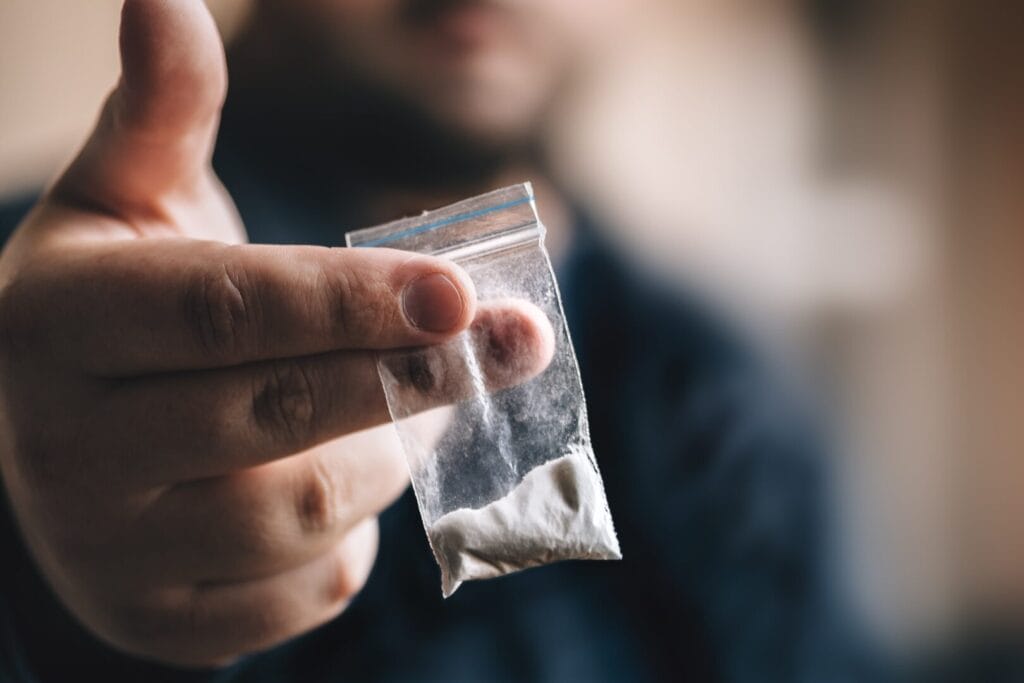
What Is Cocaine? Cocaine is a powerfully addictive drug that is derived from coca or prepared synthetically, used as an illegal stimulant, and sometimes used medicinally as a local anesthetic. The drug speeds up messages traveling between the brain and body and can have serious harmful effects on overall health and well-being. Cocaine comes from the leaves of the coca bush (Erythroxylum coca), native to South America. People who use cocaine describe a feeling of alertness, power, and energy. They are likely to feel more confident and excited, and they may also experience anxiety, paranoia, and agitation. The period after the effects of the cocaine have worn off can also be physically and psychologically unpleasant. The Effects of Cocaine Cocaine has a very powerful stimulating effect on the nervous system. It raises levels of dopamine, a neurotransmitter linked to pleasure, movement, and the brain’s reward circuit. Normally, neurons release dopamine in response to a pleasurable stimulus, such as the smell of good food. Once the dopamine has passed on its message, it returns to the neuron, and the signal stop. Cocaine prevents dopamine from getting back into the neuron, so it accumulates and continues to send a pleasurable message to the brain. The excess dopamine gives the user a feeling of enhanced well-being, euphoria, alertness, motor activity, and energy. What Are the Short-Term Effects of Cocaine? Cocaine is a fast-acting drug and can produce an immediate and intense effect on the body. Some of the most immediate and short-term effects of cocaine usage include, but are not limited to: Constricted blood vessels Dilated pupils Increased body temperature, heart rate, and blood pressure Bizarre, erratic, and sometimes violent behavior Restlessness, irritability, anxiety, panic, and paranoia Implications of Cocaine Consumption Because cocaine is a local anesthetic, it causes numbness of the throat and tongue when snorted, of the mouth when smoked, and of the injection site if injected. The effects generally last between ten to thirty minutes, though how quickly these effects are experienced depends on the mode of administration. Cocaine use raises body temperature, blood pressure, and heart rate. Thus, the use of large amounts can lead to overheating, strokes, and heart attacks, which can be fatal. How Is Cocaine Detected? When an individual ingests cocaine, the body begins to break it down into substances called metabolites. Metabolites remain in the system for an extended period of time, and they can be detected by tests used to find cocaine in the body system. Types of Tests for Cocaine Addiction Cocaine can be detected in blood, hair, saliva, and urine. Blood Test Blood analysis may be appropriate in situations when a person is suspected of being under the influence of drugs or alcohol. Since drugs are rapidly metabolized and eliminated from the body, blood analysis offers a very brief detection window. Drugs in the blood are typically detectable within minutes, depending on the drug and the dose, versus one to several days in urine. Hair Test A hair follicle test screens for illicit drug use and the misuse of prescription medication. During this test, a small amount of hair is removed from the head using scissors. The sample is then analyzed for signs of drug use during the ninety days preceding the test. During testing, the collected hair is washed and tested for environmental contamination that could change the results of the test. Your results will be affected if you wash your hair, dye your hair, or use a styling product. Saliva Test Detection times for oral fluid saliva drug testing depends on the type and brand of saliva drug test kit used and the drug that is being tested for, but as a general rule, drugs are usually only detectable on a saliva drug test for up to 48 hours after last use. An oral saliva drug test can be performed at any time of day but must be at least twenty minutes after the individual last ate, drank, smoked, or put anything in their mouth. The saliva drug test is performed using a mouth swab drug test kit that is then either inserted into a container with an inbuilt drug screen, or the mouth swab is built into the drug test kit. Urine Test Urine tests may test for cocaine itself or its metabolite, benzoylecgonine. A urine test can directly test for cocaine for a day or less but will detect cocaine metabolites for one to two days. Prolonged use, large doses, and very pure cocaine may have a slightly longer detection window. Determining Factors of Cocaine Staying in Your System There are a variety of factors that can contribute to how long cocaine can be detectable in your system. Factors that affect how long cocaine could stay in the body include: Drug use history Genetics Health & pre-existing conditions Duration and frequency of cocaine use Symptoms of Cocaine Addiction There is a wide variety of symptoms of cocaine addiction that can range from mild to severe. Some of the most obvious symptoms of cocaine addiction to look for include: Anxiety Panic attacks Insomnia Psychosis Paranoia Intense mood swings Cocaine Addiction Rehab With San Diego Detox Recovery from cocaine addiction is achievable, and the professionals at San Diego Detox are here to help. The typical recovery program will follow the steps detailed below. Detox for Cocaine Medical detox is the safest treatment for cocaine. If any complications or severe cocaine withdrawal symptoms arise, individuals will be closely monitored and treated in our professional setting. Rehabilitation Treatment programs for cocaine addiction typically focus on remaining drug-free and resuming function within social, professional, and family responsibilities. Our fully licensed residential facility is available to structure a 24-hour care program, provide a safe housing environment, and supply any necessary medical interventions or assistance. Therapies We offer different treatment therapies like cognitive behavioral therapy to help you maintain recovery. Therapy is essential for developing a healthy and positive lifestyle to ensure long-term sobriety and prevent relapse. Aftercare Recovery from cocaine addiction does not end after rehabilitation. We offer an aftercare
How Long is Meth Detoxification?

What is Meth? Methamphetamine is a potent, extremely addictive stimulant that affects the central nervous system. It appears as a white, flavorless, bitter-tasting powder that dissolves readily in water or alcohol. Drug Class The U.S. Drug Enforcement Administration has classified methamphetamine as a Schedule II stimulant, making it only legally obtainable with a nonrefillable prescription. Medically, it may be prescribed to treat attention deficit hyperactivity disorder (ADHD) and as a temporary weight-loss aid, although both applications are rare, and the dosages prescribed are far lower than those that are frequently abused. Drug Schedule Methamphetamine is a Schedule II drug. Using Schedule II drugs increases the likelihood that someone will develop a substance use disorder (SUD), which may lead to severe physical or psychological dependence. Both prescription and illicit drugs fall under this category, and the risk of addiction is reduced when taking prescription Schedule II drugs as recommended and under a doctor’s supervision. Cocaine, morphine, Adderall, and Ritalin are some other examples of Schedule II substances. Effects of Methamphetamine Methamphetamine abuse can have both long and short-term effects on the mind and body. These effects will be detailed below. Short Term Effects When methamphetamine is injected or inhaled, a euphoric sensation known as a “rush” or “flash” is immediately experienced due to the release of an excess of dopamine into the brain. Inhaling methamphetamine results in a euphoric feeling, but not a rush. Methamphetamine has similar side effects to other stimulants, such as: Agitation Diminished appetite Feelings of satisfaction Enhanced sociability Limited inhibition Mental haziness Physical attentiveness Boosted wakefulness and physical activity Is Meth Addictive? Methamphetamine is a highly addictive substance, so much so that person would experience withdrawal symptoms upon ceasing meth use. Statistics on Methamphetamine Abuse The widespread use and abuse of methamphetamine can be seen in the following statistics: Among people aged twelve or older in 2020, 0.9% (or about 2.6 million people) reported using methamphetamine in the past twelve months. Among people aged twelve or older in 2020, an estimated 0.6% (or about 1.5 million people) had a methamphetamine use disorder in the past twelve months. In 2020, approximately 23,837 people died from an overdose involving psychostimulants with abuse potential other than cocaine (primarily methamphetamine). Long Term Effects HIV and hepatitis B and C are among the infectious diseases that are more likely to be acquired by methamphetamine injectors due to contact with blood or other bodily fluids that may stay on medical equipment and spread these infections. In addition to impairing cognition and decision-making, methamphetamine use can lead to dangerous behaviors, such as unprotected intercourse, which raises the chance of contracting an infection. The use of methamphetamine may accelerate the spread of HIV/AIDS and its effects. According to studies, those with HIV who use methamphetamine experience more cognitive issues and nerve cell damage than those with HIV who don’t use the drug. Extreme weight loss is just one of the detrimental effects of long-term methamphetamine use. Others include: Serious dental issues Severe itching that causes skin blisters as a result of scratching Anxiety Alterations to the structure and operation of the brain Delirium Memory loss Insomnia Violent misconduct Paranoia Hallucinations Signs and Symptoms of Meth Addiction There are a variety of signs and symptoms that accompany methamphetamine addiction. When addicted to meth, users will experience: Sleeping problems Being unnaturally active Reduced appetite Rapid weight reduction or a bony build Sweating despite the temperature or lack of physical activity Nervous or jittery behavior Signs and Symptoms of Meth Overdose When experiencing a meth overdose, the signs and symptoms users experience will be much more serious and severe and require immediate medical attention. Signs of an overdose include: Irregular or quick heartbeat Increased blood pressure Restlessness and confusion Sweating and hyperthermia Abdominal pain Chest pain Renal failure Heart attack Stroke How Long Does Meth Stay in Your System? There are numerous factors that can influence how long a methamphetamine user stays high and how long meth stays present in the body. How Long Does the Meth High Last? Depending on the stage of meth high the user is in, a meth high can last anywhere from four to sixteen hours. The length of a methamphetamine user’s effects typically relies on when and how they ingested the substance. A meth high also comes in waves, beginning with an initial rush and ending with a crash. What Is the Half-Life of Meth? Meth has a half-life of roughly ten hours, meaning that it takes the body around ten hours to digest and remove 50% of the amount taken from the bloodstream. Drug tests for meth may reveal metabolites for days after consumption. For instance, up to four days after consuming meth, a person may have a positive urine test. A hair test can also reveal meth use up to three months later. Factors That Affect Detection Time How long meth will be detectable on a drug test is difficult to predict because detection varies based on the individual’s health, metabolism, age, level of physical activity, and frequency of use. Detecting Meth in Drug Tests When substances are taken, the gastrointestinal tract absorbs and distributes them into the body’s tissues. When a substance is injected, inhaled, or snorted, the gastrointestinal tract is not involved, and the substance is transported directly to the tissues. There are numerous methods through which drug testing occurs, including: Urine: Urine provides a slightly wider window of detection for drugs, typically ranging from one day to several weeks following consumption. Blood and breath: The earliest and shortest windows of detection for drugs are provided by blood and breath, which represent the current serum levels of a consumed substance. Saliva and sweat: Several hours later, the presence of a drug in the body can be detected in sweat and saliva. Hair: The longest detection window is provided by hair and meconium. Hair tests offer the advantage of detecting drug usage up to a year or more after the fact. False Positive Testing Most instances of false