
How Long Does Alcohol Stay in Your System?
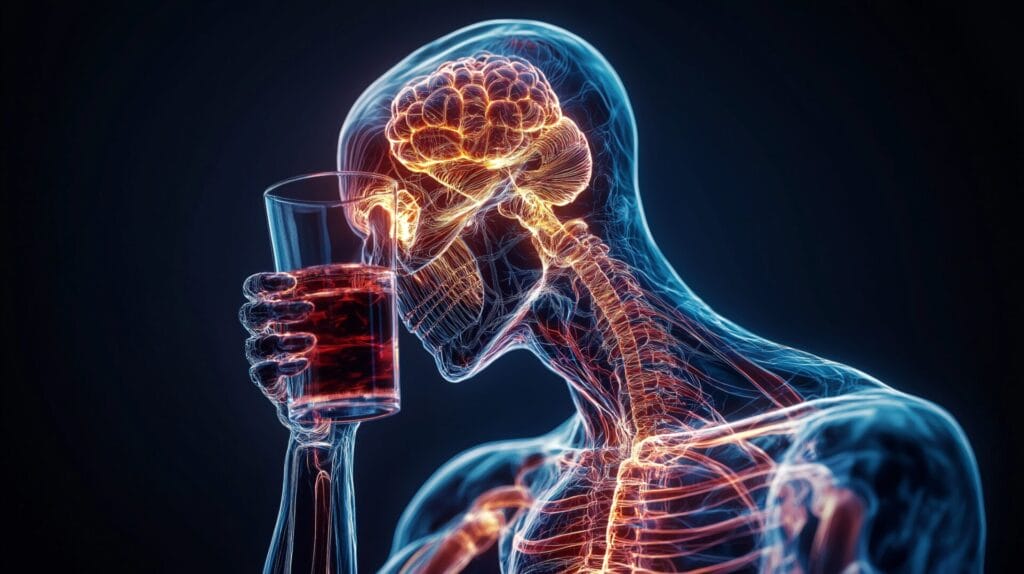
What Defines a Drink? How much is a standard drink? This number can vary depending on your gender and what type of alcohol you’re drinking. Having a beer, for example, does not mean you have had a standard drink. The alcohol content of different kinds of wine or beer can vary greatly. Most regular beers contain 5% alcohol, and some light beers contain less than that. It is important you understand how much alcohol is in your drink at all times. This will help you measure your intake and avoid overdrinking. One “standard” drink or alcoholic drink in the United States of America has approximately 14 grams of undiluted alcohol. This amount of alcohol is found in 1.5 ounces of distilled spirits, 5 ounces of wine, and 12 ounces of regular beer. How Does Gender Impact Drinking? In order to avoid binge drinking, men are advised to not have any more than five drinks in two hours. For women, this number is four. Alcohol tends to affect women more quickly than it does men, due to overall body mass and how alcohol enters the bloodstream. Is Alcohol Addictive? Alcohol can have a significant impact on parts of the human brain that perform intricate functions. Alcohol releases dopamine in the brain, resulting in euphoria and happiness while ingesting alcohol. However, this feeling can quickly cause dependence, as many people continue to drink to create this feeling. This, in turn, can lead to addiction as well. Statistics on Alcohol Abuse Alcohol abuse is also known as alcohol use disorder or alcoholism. Alcohol is the third-leading preventable cause of death in the United States, and it kills an estimated 95,000 people each year. Approximately 65% of these figures are men. Tobacco is the first-leading cause followed by poor diet and physical inactivity. Alcohol-related deaths among men account for 7.7% of all global deaths, compared to 2.6% of all deaths among women. In 2016, total alcohol consumption per capita among male and female drinkers worldwide was 19.4 liters of undiluted alcohol for males and 7.0 liters for females. How Long Does Alcohol Stay in Your System? In most cases, alcohol can stay in a person’s system for between six to seventy-two hours. However, this is dependent on some factors, including the amount of alcohol consumed, genetic and biological factors, along with what type of test is used to detect alcohol. Instruments such as breathalyzers can be used in an alcohol test to detect if a person has alcohol in their system. Blood A blood test shows the presence of alcohol in your blood for about six hours since you last drank alcohol. Breath This equipment can detect alcohol for about twelve to fourteen hours after alcohol consumption. Urine An alcohol urine test can detect alcohol using your urine for about twelve to fourteen hours after alcohol ingestion. This can be more than seventy-two hours with enhanced detection methods. An example is the ethyl glucuronide (EtG) test. This test searches for ethyl glucuronide, which is one of the products from the breakdown of ethanol. Ethanol is present in all alcoholic beverages. Saliva A saliva test can show the presence of alcohol in one’s saliva for about twelve to fourteen hours since alcohol was consumed. Hair Hair follicles are known to absorb traces of alcohol. With this test, alcohol can be found for about 90 days after alcohol consumption after undergoing an alcohol test. How is Alcohol Metabolized? The liver is the main organ in charge of breaking down and metabolizing alcohol. It can metabolize the alcohol present in one standard drink in roughly one hour. However, many factors, some of which are weight, body type, and age, affect how well and quickly the liver can handle alcohol metabolization. While ingested alcohol goes through the digestive system just as food does, it does not go through the same digestive process. When alcohol enters the upper gastrointestinal tract, most of it gets absorbed through the tissue lining of the small intestines and the stomach. Once it gets into the bloodstream, the blood carries it to the brain. How Long Does It Take for Alcohol to Kick In? While alcohol starts working at various times for different people, in most cases, a healthy person will feel the effects of a drink within 15-45 minutes. As soon as an individual takes in the first drink, the alcohol starts to work towards their bloodstream. Signs of Being Drunk There are various ways to determine if someone is drunk. As a person drinks more and more, the visible signs of intoxication, along with the dangerous physical effects, worsen. Some of the signs and symptoms include: Doing or saying things one would normally not do Impaired balance Decreased limb coordination Inability to perform complicated tasks (such as driving a vehicle) Speech comes slurred, loud, and/or fast Reduced heart rate Reduced reasoning ability Excessive sweating Inability to walk properly Glassy eyes Double or blurry vision Slower pupil response time Vomiting and nausea Memory loss (short- and long-term) Complete mental confusion Loss of consciousness Reduced breathing rate Lower blood pressure It’s important to note the signs of being drunk, as if you drink too much alcohol, you may require immediate medical attention. Factors that Affect Alcohol Detection There are various ways to detect the presence of alcohol. The measure of alcohol content in a body is referred to as blood alcohol content. Blood alcohol content (BAC) refers to the quantity of alcohol present in the bloodstream. In a breath alcohol testing instrument or equipment, the concentration of alcohol measured is directly proportional to the concentration of alcohol in the blood. Body Fat Studies have shown that Individuals with less body fat are less likely to be affected by a specific quantity of alcohol. This means the more fat present in a body, the lower the rate of absorption by the body. Fat and water are not compatible, and since fat does not absorb alcohol, these people usually have a longer period of alcohol present in the bloodstream.
How Long Does Meth Stay in Your System?

What is Meth? Methamphetamine, also known as crystal meth, crank, or ice, is a potent and highly addictive stimulant that affects the central nervous system. It is known for its rapid action and gives a similar high to cocaine. Due to its addictive nature, meth has become the second most popular illicit drug used, only second to marijuana (which is still restricted at the federal level). Meth is a white, bitter-tasting, odorless crystalline powder that can be easily dissolved in alcohol or water or made into pills and crystals. The pills are sometimes called yaba, and the crystals are called ice or crystal meth. Meth Consumption Depending on its form, meth can be ingested orally, injected, dissolved, or snorted. As soon as meth is used, it creates a rapid secretion of dopamine, making the user feel a surge of pleasure and increased activity. This makes the user crave the feeling again. Because it is so powerful, a small amount of methamphetamine can result in dependence and addiction, leading to severe short-term and long-term health issues. Drug Classification Methamphetamine belongs to the class of stimulants and is a Schedule II drug. This means meth has a high potential for misuse and is currently accepted only for medical use in FDA-approved products. If you have meth yourself or are selling it, the consequences can lead to imprisonment or a large fine. Short-Term Effects of Methamphetamine The effects of methamphetamine can last for many hours, and it can take up to four days for the substance to completely leave the body. The short-term effects of methamphetamine include: Rapid breathing Loss of appetite Increases heart rate Irregular heartbeat Elevated body temperature and blood pressure Dilated pupils Fatigue Increase energy, alertness, and wakefulness. Long-Term Effects of Methamphetamine The long-term effects of methamphetamine include: Anxiety Dental issues (meth mouth) Itching and skin soreness Insomnia or sleep disorders Hallucinations Memory loss or changes in brain function Weight loss Violent behavior The long-term effects of meth may last for months or years after the individual quits. How Long Does Meth Stay in Your System? Because meth can be made in different forms, the question “how long does meth stay in your system?” depends on various factors, one of which is the purity of the meth. Crystal meth, a more purified and potent form of meth, produces a long-lasting high and can stay in the system longer than other forms of meth. How Long Does the Meth High Last? Many people who use meth, regardless of if they ingest, snort, or smoke it, say that the high is strong but does not last very long. This can also lead to addiction more readily, as people take more of it to keep experiencing that high. How long a meth high lasts depends on the dosage used. What Is the Half-Life of Meth? How long does meth stay in your system? The half-life of meth is approximately 10-24 hours. This means that after this time, the amount of meth in the blood would have been reduced by half and removed from the bloodstream. The half-life of methamphetamine will vary for each person, depending on their metabolism. Factors That Affect Detection Time Various factors affect the detection time of methamphetamine and the body’s ability to process the substance. These factors include: Age Overall health Frequency of use How the drug was taken (smoking, snorting, or ingesting) Metabolic rate Genetics Other substances These factors can affect the detection of meth in a drug test. Is Meth Addictive? According to the Drug Enforcement Administration (DEA), meth is highly addictive and affects the body’s central nervous system. This can lead to various meth side effects, including convulsions, headache, stomach pain, confusion, chest pain, and difficulty breathing. Statistics on Methamphetamine Abuse According to the Center for Disease Control (CDC) in a 2018 study, the rate of overdose involving meth and other stimulants has significantly increased and is bound to increase still. From 2015 to 2018, an estimated two million adults age 18 and over reported meth use within the past year, with 52.9% having a meth use disorder. Signs and Symptoms of Meth Addiction The constant use of meth can lead to addiction. The symptoms of meth addiction to look out for include: Cravings Problems controlling behavior Trying to stop usage but failing Showing signs of poor physical hygiene Anxiety Symptoms of paranoia Constantly talking Picking skin or pulling hair Sudden and severe depression Signs and Symptoms of Meth Overdose Using a large amount of meth or taking meth that has been mixed or “cut” with another substance may lead to an overdose. Signs and symptoms of meth overdose may include: Difficulty breathing Chest pain Heart attack Exceedingly high body temperature Kidney failure or damage Irregular heartbeat If a person is experiencing any of the symptoms, immediate medical attention is needed. Detecting Meth in Drug Tests Various tests are used to detect meth in the body and how long it has been in the system. These tests will be detailed below. Urine Conducting urine tests is the most common way to detect the drug in the system. This is because it is quick, cheap, non-invasive, and creates an easy testing process. With urine tests, methamphetamine can be detected between one to five days after the last use. For heavy use, meth can be detected up to seven days after the last use. Blood Testing for meth via a blood test is rare and less common because it is more challenging to administer and is generally only used in emergencies and for diagnostic purposes. With a blood test, methamphetamine can be detected between one to three days after the last use. If crystal meth is snorted, smoked, or ingested, it will be immediately detected in the blood. Saliva Saliva testing is another way to detect meth. This is done by swabbing the inside of the mouth or tongue with absorbent material. They are quick and easy to perform and produce a good detection window. With a
Pets and Recovery: Can I Bring My Pet to a San Diego Detox Center?

When facing addiction, recovery can be a challenging journey. Often, the emotional and mental support provided by pets plays a crucial role in healing. Their unconditional love, presence, and companionship can help alleviate anxiety, stress, and loneliness that many individuals experience during detoxification. San Diego Detox understands the powerful bond between patients and their pets. Benefits of Having Your Pet During Detox Emotional Stability: Pets provide a comforting presence that can be extremely beneficial during emotional turbulence. Routine and Responsibility: Caring for a pet can establish a routine, giving individuals a sense of purpose and responsibility. Physical Activity: Walking or playing with pets can be a source of much-needed physical exercise. Distraction: Pets are an excellent way to divert attention from cravings or triggers. Unconditional Love: Pets offer unconditional love and affection, which can be a great comfort during challenging times. San Diego Detox’s Pet Policy Wondering if San Diego Detox allows pets? Good news for pet owners – we believe in the therapeutic benefits of having a pet during your recovery. However, there are certain guidelines and considerations to keep in mind: Size Restrictions: Smaller pets are generally more manageable in a detox facility environment. Behavioral Considerations: Your pet should be well-behaved and non-aggressive. Health and Hygiene: Ensure your pet is up-to-date on vaccinations and is free from pests. Accommodation: While we do our best to accommodate pets, space can be limited. It’s essential to discuss this with our team in advance. Considering Bringing Your Pet? Here’s What to Do If you’re considering bringing your pet to San Diego Detox, follow these steps: Contact Us: Reach out to our team to discuss the possibility. Assess Your Pet’s Suitability: Be honest about your pet’s behavior and needs. Prepare Necessary Documents: Have your pet’s vaccination and medical records ready. Pack Essentials: Don’t forget your pet’s food, toys, bedding, and other essential items. Embrace the Comfort of Your Pet During Recovery Recovery is a personal journey. At San Diego Detox, we recognize the unique comfort and support pets can offer. While we strive to accommodate our patients’ furry friends, always ensure that your pet’s presence will be conducive to your healing and that of others in the facility. Ready to start your recovery journey with your loyal companion by your side? Contact San Diego Detox today! FAQS Can I bring any type of pet to San Diego Detox? While we appreciate all pets, we primarily accommodate smaller, non-aggressive animals. Always discuss with us beforehand. What if my pet is not vaccinated? Your pet must be up-to-date on all vaccinations to ensure the safety and health of all our residents. Can I leave the facility to walk my pet? This depends on your treatment plan and phase. We’ll discuss specific arrangements that work best for your recovery and your pet’s well-being. What happens if my pet is causing disruptions? While we want to support all our patients, if a pet becomes disruptive or poses any risk, alternative arrangements might be necessary. Are there additional fees for bringing my pet? There might be nominal fees to accommodate pets. Please reach out to us for specific details.