
How Long Does Adderall Stay In Your System
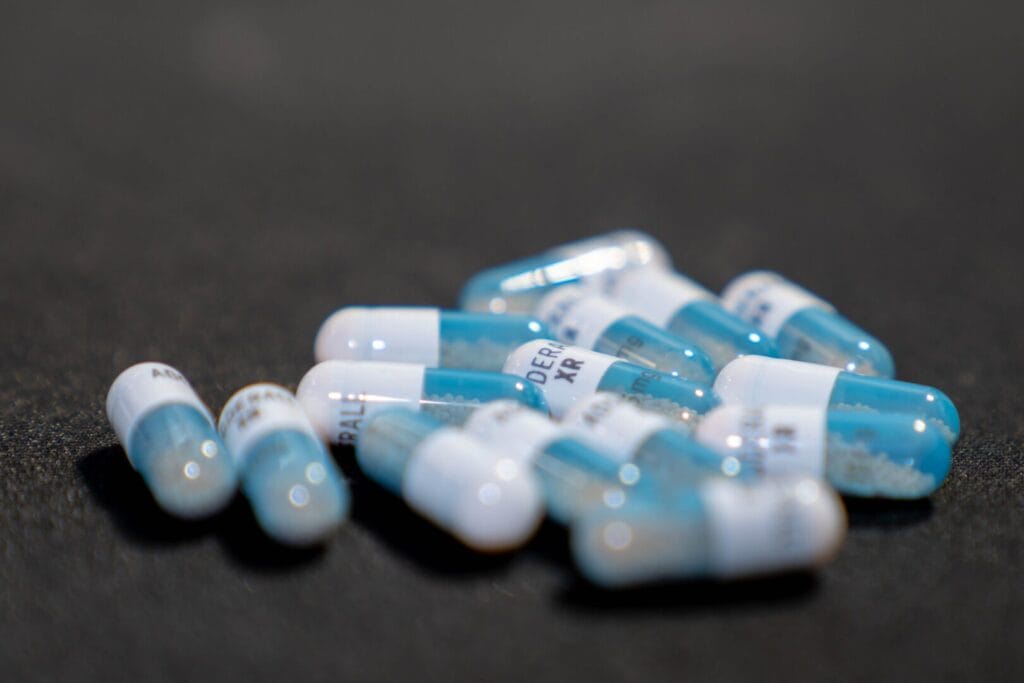
What Is Adderall Used For? Despite growing concerns regarding Adderall misuse and abuse, the drug remains a first-choice treatment option for attention-deficit hyperactivity disorder. Various studies show that proper use of Adderall helps improve attention and focus and reduces impulsivity, all common and sometimes debilitating symptoms of attention-deficit hyperactivity disorder. Adderall works by increasing the amount of dopamine and norepinephrine in the central nervous system. Dopamine, sometimes referred to as a “feel good” chemical, is a chemical produced in the body responsible for feelings of pleasure and happiness. Although the body produces dopamine naturally, Adderall and other stimulant drugs increase the amounts the body produces. Chemical Reactions The chemical norepinephrine affects how your brain responds to events and how fast it responds to outside stimuli. Adderall affects how the user reacts to stimuli. Increased levels of dopamine produce intense feelings of happiness and contentment. Adderall Side Effects Adderall is a stimulant drug. When you take a drug like Adderall, even when taken as directed by your provider, it causes elevated body temperature, heart rate, and blood pressure. It also reduces your appetite and energy levels, helping you stay awake. Is Adderall Addictive? Adderall is an addictive stimulant drug. People often misuse Adderall because they develop a dependency on its two primary ingredients, amphetamine and dextroamphetamine. Although amphetamine is not new to medical treatment and its effects are beneficial when used to manage specific conditions, the stimulating qualities of amphetamine are what often lead to Adderall abuse. Why Do People Misuse Adderall People of all ages misuse Adderall because they want to benefit from the specific effects of the drug. It is common for adults, teens, and some adolescents to use Adderall for “off-label” uses. A study conducted in 2015 by the National Survey on Drug Use and Health showed nearly five million Americans abused Adderall in the previous year. Who Abuses Adderall? People who engage in Adderall abuse do so because the drug helps improve mood and focus, decreases appetite, and helps with academic, athletic (and sometimes sexual) performance. Using Adderall in this way is what leads to Adderall addiction. Unfortunately, there are many different sources for Adderall. This leads to high levels of Adderall abuse and addiction in people of all ages. How Long Do Adderall’s Symptoms Last? Adderall is absorbed and processed through your gastrointestinal tract and your liver. There is no precise timeline for how long Adderall lasts in your body. Several factors unique to the individual determine how long an Adderall test can detect the drug. These include: The dose-how much Adderall you take each time you use it The frequency of use-how often you take Adderall Your body composition factors, including your overall health, height, weight, and age, impact how long Adderall lasts in your body Your metabolism-someone with a slower metabolism will feel the effects of Adderall longer than someone with a faster metabolism Other factors, including the pH of one’s urine and the health of their liver and kidneys, may also factor into how long Adderall lasts. Adderall Tests There are several routine tests for amphetamines, a component found in Adderall. As with tests for other drugs, each type of test can detect Adderall for different lengths of time. Blood: Blood tests can only detect Adderall in the blood for up to 46 hours. Urine: Urine tests for Adderall can detect the drug in your urine 72-96 hours after your last use. Saliva: Saliva tests can detect traces of Adderall for 20-50 hours after your last dose. Hair: Adderall is detectable in the hair for up to three months after last use. Adderall Withdrawal Symptoms Adderall withdrawal can produce intense and sometimes overwhelming withdrawal symptoms making it difficult for someone to withdraw independently. The severity and duration of withdrawal symptoms will depend on the dose, duration, and frequency of your individual Adderall use. For some, withdrawal symptoms will resolve in as little as five days, whereas for others, Adderall withdrawal symptoms may persist for two weeks or more. Someone who used Adderall at larger than prescribed doses for an extended time can expect withdrawal symptoms to be more intense and last longer. Indications of Adderall Withdrawal The symptoms one experiences when withdrawing from Adderall are essentially the opposite of the symptoms that led to their cravings and subsequent addiction. The most common include depression, sleep changes, appetite changes, difficulty concentrating, anxiety, and nightmares. Some will experience more severe and dangerous symptoms, including suicidal thoughts. Adderall Addiction Treatment The best Adderall addiction treatment programs in southern California use a multifaceted approach. The first step for most people who enter therapy is detox. Skilled treatment professionals will provide medical and mental health support throughout your withdrawal journey at a comprehensive detox program like San Diego Detox, where medically supervised detox is available. Depending on your needs, this may involve therapy, medical monitoring and intervention, and administering medications to help reduce the strength of some withdrawal symptoms. Inpatient Treatment Following detox, therapy is the next stage or step in Adderall addiction treatment. There are different treatment options for someone looking to overcome Adderall addiction. For some, an outpatient treatment program may help you achieve your goals. However, the most intensive (and sometimes most effective) rehab programs in San Diego are inpatient or residential rehab programs. In a residential program like our luxury rehab, we will work with you to develop an individualized care plan based on your current therapeutic needs. Therapies Addiction is a highly individual illness, and the path to sobriety looks different for everyone. For this reason, no single process or cookie-cutter addiction treatment program will work for everyone. It is essential to choose a program where the treatment models and therapies are based on factors unique to you, including the severity of your addiction, your current medical and mental health needs, and your history with addiction and addiction treatment. Dual Diagnosis It is also necessary to consider any underlying medical or mental health conditions that may contribute to or worsen your relationship
Link Between Nutrition and Mental Health
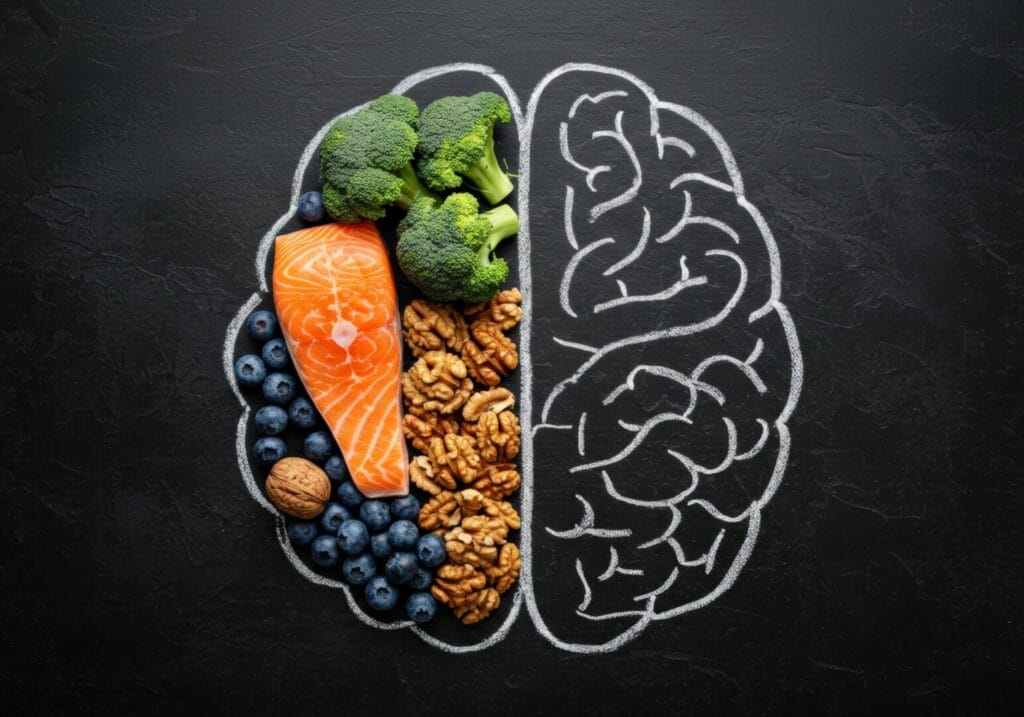
Nutrition and Mental Health The idea behind food impacting your overall mood and mental health may sound strange, but science shows our food choices impact both our brains and bodies. A primary reason for this is the close connection between the human gastrointestinal (GI) system and the brain. Within the gut, trillions of microbes play a role in several functions throughout the body. They are essential for producing the neurotransmitters that send chemical messages to your brain. These messages are responsible for regulating critical body functions, including pain, sleep, emotion, and mood. This relationship is referred to as the “gut-brain connection.” Eating a diet that focuses on nutrition for mental health promotes the work of the good bacteria in your gut. Importance of Gut Bacteria Research from the American Psychological Association shows that gut bacteria produce a wide range of vital chemicals in the body, including serotonin, which is responsible for mood regulation. There are a few ways you can use food to improve mental health. These will be detailed in the sections below. Food as a Valuable Health Resource By eating healthily, you can improve your gut health and overall wellness. Tips for healthy living include: Mindful Eating Mindful eating involves paying attention to the messages your body sends when you are eating. During a meal, think about how you feel when you eat and what you are eating. Some nutrition professionals and mental health providers also recommend keeping a food journal. Tracking what you eat is an excellent way to understand your eating patterns and how nutrition affects your mood. Drinking Sensibly Alcohol consumption is closely connected to several mental health conditions. Excessive alcohol can worsen symptoms of depression, anxiety, stress, and other mood disorders. Increased stress can have a negative impact on your diet, as alcohol is high in calories and carbohydrates, and mental health. Sharing Meals With Others There are many components to how we choose the foods we eat. Although the nutritional content is a primary consideration, other factors influence what and how you eat. Professionals in the field of nutritional psychology suggest that social eating is an important connection between mental health and nutrition. Sharing meals with family and friends may help to reduce stress when you are feeling down and may encourage you to choose good food for mental health during group meals. Nutritional Psychiatry Nutritional psychology is a field of treatment that examines how the food we eat affects our mental state. Research into what we eat has proven there is a strong link between mental health and nutrition. For example, studies comparing western and “traditional” diets such as the Mediterranean diet showed that the risk of depression is between 25% and 35% lower for those who follow a traditional diet. This is likely because traditional diets are high in “mental health foods” such as fruits, fish, seafood, unprocessed grains, and vegetables. How Does Nutritional Psychiatry Affect You? To better understand the link between nutrition and the brain, start by paying attention to how what you eat makes you feel. Consider your physical and mental health state both in the moment (as you are eating) and the day after. You can also gain a better understanding of nutritional psychiatry and the effects of diet on mental health by trying a “clean” diet for a period of two to three weeks. A clean diet requires removing all processed foods and sugar from your meal plans. At the end of your experiment, consider how you feel compared to when you eat your regular diet. Some people report such significant changes when they eat a diet that focuses on nutrition for mental health that they do not return to their previous eating patterns. Five Foods to Incorporate Into a Healthy Mental Diet The study of nutritional psychology tells us nutrition and brain function are heavily intertwined. Your brain and nervous system depend on healthy eating to improve mental health and build cells, tissues, and proteins. The best diet for mental health incorporates meals that include a variety of foods rather than choosing the same meal options every day. Below are five essential mental health foods. Complex Carbohydrates Carbohydrates often get a bad reputation when it comes to a healthy diet. It is important to remember that not all carbs are the same. Some carbs are less beneficial to your diet and mental health than others. Complex carbohydrates give you energy. Key sources of complex carbohydrates include starchy vegetables, brown rice, beets, sweet potatoes, and quinoa. Many food choices have more nutritional value than other carbohydrate-containing foods and will keep you feeling fuller longer than simple carbs found in sweets. Lean Proteins Lean proteins are also important foods to improve mental health and provide energy for your body to carry out many essential functions. Lean proteins that can help improve mental health include chicken, eggs, soybeans, meat, fish, nuts, and seeds. Fatty Acids Fatty acids are important to the function of your brain and nervous system. Foods that will help you ensure your diet contains fatty acids include meat, nuts, fish, and eggs. Vitamins and Minerals While you can get many of these essential vitamins and minerals from a diet rich in mentally healthy foods, you can also talk to your primary care provider about adding supplements to your diet in areas where food may not provide ample daily intake. The best diets for mental health include folate, iron, magnesium, zinc, B vitamins, and vitamins A and C. Fruits and vegetables are excellent sources of B and C vitamins. A recent review of over sixty nutrition and mental health studies showed that eating a diet rich in fruits and vegetables was associated with higher levels of self-efficacy and optimism and lower levels of psychological distress and depression. Dietary Fiber Dietary fiber is another important mental health food. Whole grains have anti-inflammatory properties and may benefit the activity of the gut-brain connection. A recent study found that higher daily dietary fiber intake reduced anxiety, depression, and
How Long Does Ketamine Stay in Your System?

What is Ketamine? Ketamine belongs to a class of drugs known as dissociative anesthetics. Other familiar drugs that fall into the same category include PCP (Phencyclidine), nitrous oxide (laughing gas), and DXM (dextromethorphan). Dissociative drugs work within your system to disrupt the chemical glutamine, which plays a vital role in cognition, pain perception, and emotion. Scope of Ketamine Use Ketamine can be found in different forms, including liquid and powder. The powdered form of ketamine is mixed in drinks or snorted, while liquid ketamine is used for intravenous injection. Data from a 2016 study indicates up to 96% of ketamine abuse occurs by snorting powdered ketamine. Also, according to data from the 2017 National Survey on Drug Use and Health, the highest rate of ketamine use and abuse occurs in adults between the ages of 18 and 25. Statistics from the same report suggest ketamine users are primarily male. How Is It Used? In medical settings, ketamine is used as a tranquilizer or anesthetic. Ketamine is frequently used as a “club drug” due to its hallucinogenic effects. Powdered ketamine is also used as a drug in the commission of sexual assault crimes. Recently, rates of ketamine abuse have increased nationwide and globally. It is also mixed with other drugs, such as valium and ecstasy, to achieve a more powerful high. This practice is quite dangerous and can result in death. Is Ketamine Addictive? Ketamine is used in many medical environments to induce or maintain general anesthesia before, during, or after a surgical procedure. Ketamine for this purpose is considered safe because, unlike similar medications or opioids, ketamine does not cause a notable drop in blood pressure or respiratory rate. However, ketamine abuse can lead to severe reactions and, under some circumstances, death. When used with other drugs such as alcohol or opioids, ketamine is very dangerous. Ketamine use increases sedation. When combined with other substances that produce similar sedative effects, the impacts of both substances are increased, which can potentially lead to overdose, coma, and death. Drug Class and Schedule The United States Drug Enforcement Agency classifies ketamine as a Schedule III drug, meaning it has a moderate to low potential for dependence. This does not mean that ketamine addiction cannot occur if the drug is abused or misused, especially if it is used illicitly. Ketamine for Depression Recently, providers have started using specific types of ketamine for depression treatment. There are two main types of ketamine for depression treatment, racemic ketamine, and esketamine (Spravato): Racemic Ketamine (Ketamine Infusion): Sometimes called IV or intravenous ketamine, this type is given as a ketamine infusion directly into the bloodstream. It is a combination of two ketamine molecules. Racemic ketamine is an off-label treatment for depression. Esketmine (Spravato): Another ketamine for depression treatment is Eskatmine, also called Spravato. Esketmine is a nasal spray that uses only one ketamine molecule. It received Food and Drug Administration (FDA) approval in March of 2019. How Long Does Ketamine Stay in Your System? How long ketamine stays in your system depends on several factors, many of which are specific to the individual using the drug. In general, tests for ketamine can detect traces of the drug between twenty-four hours and three months after the last use, depending on the type of test. Saliva and blood tests can generally detect ketamine up to a day after use, while urine tests have a longer detection window of three days. Hair tests, while they have the longest possible detection period, are less commonly used. However, tests for ketamine in hair samples can generally detect the drug for up to three months. Ketamine Half-Life Determining Factors Ketamine has a half-life of between one and two hours, meaning it is a short-acting drug. Because the liver is primarily responsible for breaking down ketamine, the health of the liver and associated systems is important in determining how long ketamine remains in your system. Other factors include: Body mass/body fat Genetics Metabolism Urinary pH If there are other drugs in your system Age Overall health Dosage and duration of ketamine addiction Ketamine Side Effects As mentioned above, ketamine is a dissociative drug that makes the user feel “not in control” of certain body functions. Ketamine effects produce minor hallucinogenic effects such as distortions in sound and sight. It also induces sedation, which can make the user feel calm and relaxed. The sedative effects of ketamine help with pain relief. However, its sedative qualities also have dangerous effects. Ketamine can lead to amnesia or memory loss. When one uses ketamine, they usually have no memory of events that occur while under the drug’s influence. This is why ketamine is unfortunately and frequently linked to incidents of sexual assault. Additional Impacts In addition to calming and hallucinogenic symptoms, ketamine effects also include dilated pupils, stiffening of the muscles, nausea, salivation, and rapid eye movements. Users of ketamine will feel its effects within minutes. Ketamine effects such as increased heart rate and blood pressure will decrease over a period of ten to twenty minutes after use. The overall effects of ketamine last between thirty and sixty minutes. Ketamine Withdrawal Symptoms Although ketamine is classified as a drug with a low to moderate risk for dependence, it does not mean ketamine addiction does not or cannot occur. Even treatments that use ketamine for depression treatment can lead to psychological dependence. Once addiction occurs and the person tries to stop using ketamine, withdrawal symptoms will occur. Ketamine addiction does not generally produce intense physical withdrawal symptoms, but instead produces psychological symptoms. The most common examples of ketamine withdrawal symptoms include: Psychosis Memory problems Intense confusion Mood swings including rage and agitation Thoughts of suicide Some physical withdrawal symptoms that might occur include fatigue, nausea, and decreased cardiac and respiratory functions. Treatment for Ketamine Addiction The best way to overcome an addiction to ketamine is to seek help at a professional treatment program like San Diego Detox. Although the physical symptoms of ketamine detox are generally moderate and can be managed with minimal medical intervention,