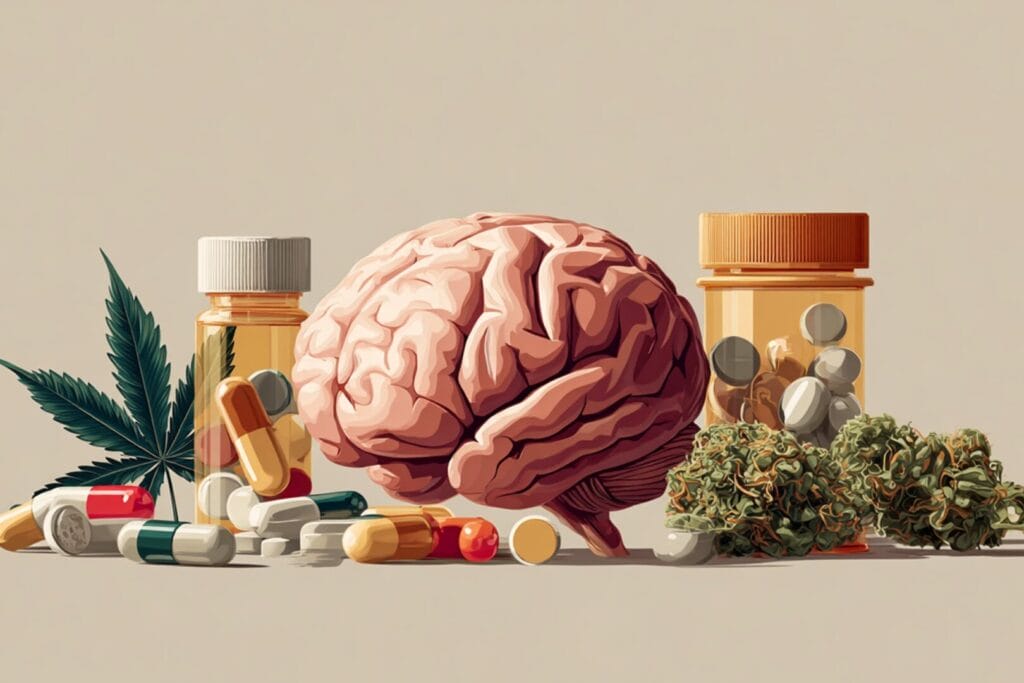

As potent stimulants of the central nervous system, amphetamines can profoundly impact your brain and body. As prescriptions, amphetamines are prescribed most often for ADHD, but also narcolepsy. The misuse of amphetamines has become a growing concern with the rise in prescribing rates, mainly because they can be very addictive.
When you take amphetamines, it increases neurotransmitter levels in the brain—especially dopamine and norepinephrine.
These surging brain chemicals increase your sense of alertness and raise energy levels. They also cause euphoria, which is why amphetamines can be so appealing.
Unfortunately, the same ways they produce desirable effects also create the path to dependency and addiction.
Amphetamines and Their Effects
Amphetamines are synthetic compounds, and the neurotransmitters they affect regulate mood, attention, and arousal.
Examples of amphetamines include:
- Adderall (amphetamine salts)
- Dexedrine (dextroamphetamine)
- Methamphetamine
- MDMA (ecstasy)
There are both therapeutic and dangerous effects of amphetamines, depending on the dose and frequency of your use.
Therapeutic effects can include:
- Increased attention and focus. Amphetamines are very effective at increasing concentration and reducing impulsivity in people with ADHD.
- More wakefulness.
- Improved mood and higher energy levels.
The recreational and abusive effects of amphetamines include:
- Euphoria: Amphetamines can create a sense of well-being and exhilaration, which is the main reason for their abuse.
- Energy: If you take amphetamines, especially at high doses, you might have a surge of energy, so you’re more capable and motivated.
- Alertness: Taking amphetamines can increase your alertness and cognitive performance, leading to ongoing wakefulness.
- Weight loss: Stimulants will suppress your appetite, and that can lead to weight loss, which may be a reason that people seek out amphetamines for non-medical use and abuse.
The risky and adverse potential effects of amphetamines include:
- Cardiovascular problems: These include elevated heart rate and blood pressure, as well as a higher risk of stroke or heart attack.
- Mental health problems: Aggression, anxiety, hallucinations and paranoia might become a problem, especially with chronic use of amphetamines or high doses.
- Physical health problems: Abuse of amphetamines can cause malnutrition, skin sores, and dental issues.
Understanding Addictive Behaviors
Addictive behaviors are compulsive and hard to control, even when you recognize their consequences. Along with substance addictions, other addictive behaviors can include things like shopping, gaming or gambling.
The key features defining addictive behaviors include:
- Compulsion: There’s an overwhelming urge to participate in a certain behavior or use a substance.
- Loss of control: You can’t limit your behavior despite attempting to.
- Continued use: Your behavior persists even when it’s causing harm, whether social, physical, emotional or financial.
- Cravings: You’re preoccupied with the substance or behavior or have an overwhelming desire to use it or engage in it.
- Tolerance: More of the substance or behavior is needed for the same effect.
- Withdrawal: You might go through physical or psychological symptoms if you reduce or stop the behavior or substance.
Usually, addictive behaviors are the result of a complicated relationship between biological, social, and psychological factors.
Biological factors can include genetics, a family addiction history, and brain chemistry.
Psychological factors include mental health disorders and personality traits. Also, if you use substances or engage in certain behaviors to cope with negative emotions, this can be a psychological factor.
Social factors include being exposed to substance abuse or addictive behaviors in your environment, social and cultural norms and life circumstances like employment, education and socioeconomic status.
How Amphetamines Affect Addictive Behaviors
There are several key ways amphetamines affect addictive behaviors. They exert effects by increasing neurotransmitter levels in the brain, as touched on.
Dopamine is needed for your brain’s reward system. Amphetamines stimulate its release and also block its reuptake, so it accumulates in the brain, producing euphoria, alertness, and energy. Surging dopamine levels stemming from amphetamine use reinforce your desire to want to repeat the behavior. That’s one big element of the development of addictive behaviors.
Norepinephrine is a neurotransmitter that’s part of your fight-or-flight response, and it increases alertness and arousal. Amphetamine, because of its effects on norepinephrine, can lead to elevated energy, blood pressure and heart rate, and this can also reinforce your use of the drug.
Repeatedly using amphetamines changes your reward circuitry in the brain. As your brain gets used to high dopamine levels, it can downregulate dopamine receptors, which become less sensitive. Because of that effect, you need higher doses to get the same euphoric effects—known as tolerance.
Over time, your brain needs amphetamines to keep up normal dopamine levels, and if you’re not using the drug, your levels drop, and that leads to withdrawal symptoms. The physical dependence that can form makes it hard to stop using amphetamines, which is a big part of perpetuating the addiction cycle.
Changes in brain chemistry because of amphetamines can lead to intense cravings and the desire to experience euphoria, to where you’re compulsively drug-seeking at the expense of health, relationships and responsibilities.
Amphetamines cause judgment impairment and lead to impulsivity, which can mean you’re more likely to engage in illegal activities, unsafe sex and dangerous driving.
Chronic amphetamine use can also lead to major mood swings, paranoia, anxiety and psychosis. Mental health issues can worsen addictive behaviors because you might be using it to self-medicate and reduce symptoms.
Amphetamine addiction can also often result in the erosion of social relationships, financial issues, legal problems and job loss, and the consequences can further deepen your addiction as you’re turning to drugs to cope with resulting stress and negative emotions.
Prolonged amphetamine use also contributes to addictive behavior because it causes significant changes in the structure and function of your brain.
For example, chronic use of high amphetamine doses can lead to neurotoxic damage to dopamine and serotonin neurons. This causes deficits in memory, cognitive function and emotional regulation.
Structural changes can occur in areas of the brain like the prefrontal cortex and the limbic system, which play a role in impulse control, decision-making and emotional regulation.
Final Thoughts
Amphetamines can have a major effect on addictive behaviors, primarily through their impact on brain chemistry. If you misuse amphetamines, an effective treatment program should address the neurobiological, psychological, and social components of the issue. If you’d like to learn more about comprehensive treatment approaches for amphetamine addiction, reach out to San Diego Detox.