
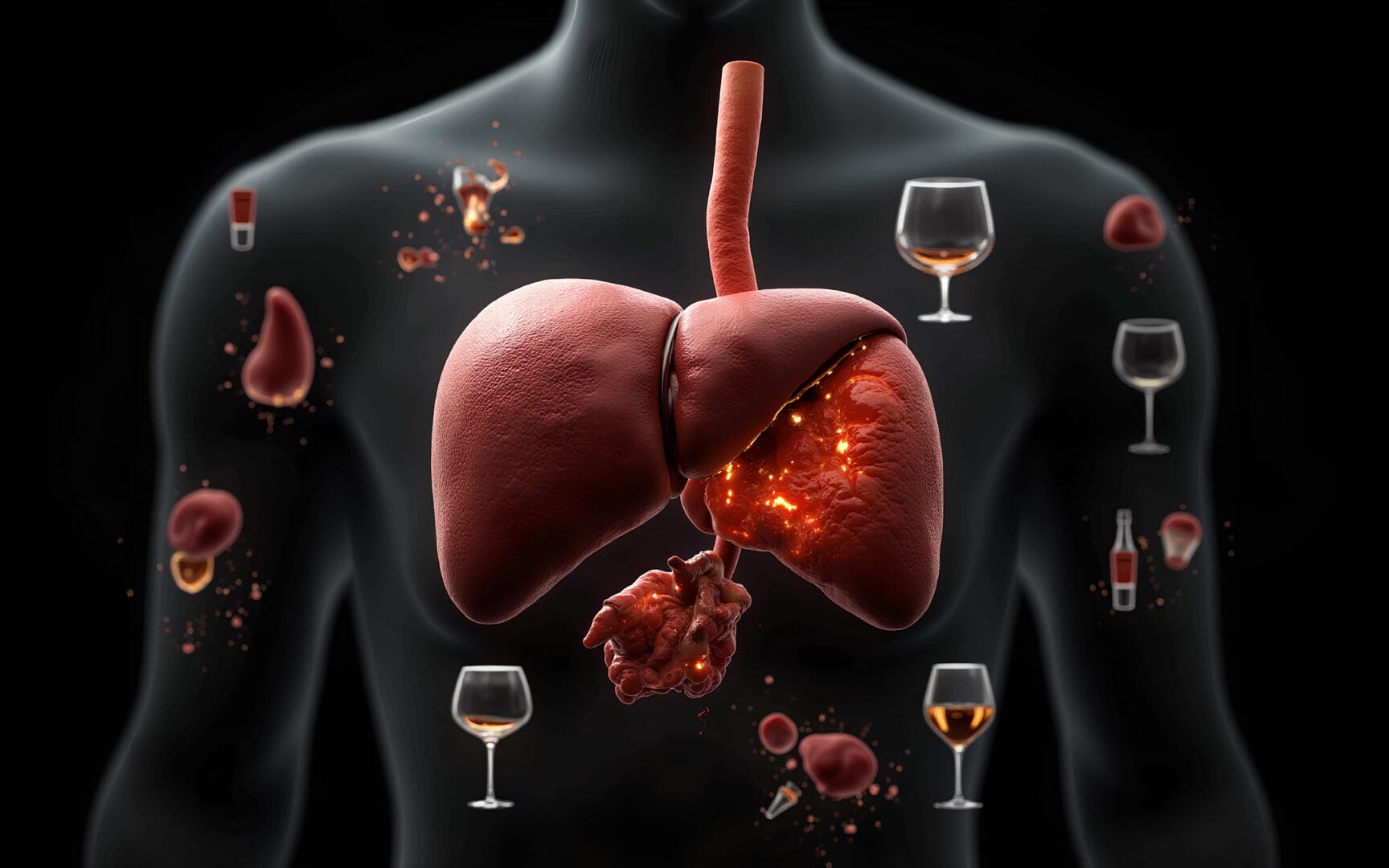
Deciding to stop drinking is a big step toward improving your health and sense of well-being. Alcohol damages your physical and mental health.
When you quit, your body starts going through changes as it adjusts to function without alcohol.
The changes can vary a lot depending on how much and how often you drank, but we’ll explore what happens to your body when you stop drinking and why it’s worth pushing through challenges for a healthier life without alcohol.
Short-Term Effects of Alcohol On Your Body
When you first drink alcohol, it enters your bloodstream quickly and starts affecting different systems in your body. Here’s what typically happens:
- Central nervous system: Alcohol is a depressant, so it slows down brain activity. This leads to impaired judgment, slow reaction times and reduced coordination. You might feel more sociable or relaxed at first, but as you drink more, you may find your speech is slurred, your vision is blurry, or you have trouble walking.
- Liver function: Your liver is responsible for metabolizing alcohol, but it can only process a certain amount at a time. If you drink more than your liver can handle, there’s excess alcohol that stays in your bloodstream, causing you to feel intoxicated.
- Stomach and digestive system: Alcohol is irritating to your stomach lining, potentially leading to nausea and vomiting. This is especially problematic if you drink on an empty stomach. Alcohol can also increase your stomach acid production over time, causing reflux and gastritis.
- Heart and blood vessels: In the short term, alcohol can cause blood vessels to dilate, so there’s a temporary drop in your blood pressure. Over time, however, drinking excessively can cause an irregular heartbeat and raise your risk of high blood pressure.
- Kidneys and hydration: Since it’s a diuretic, alcohol raises urine production and can lead to dehydration.
Long-Term Effects of Alcohol
With heavy drinking that occurs over an extended period, your body might have effects like:
- Liver damage: Chronic drinking can lead to liver conditions like alcohol hepatitis, fibrosis, and liver disease. These conditions can severely impair your liver function and can be life-threatening if untreated.
- Brain damage: Prolonged drinking can lead to cognitive impairment like problems concentrating, mood disorders, and memory loss. Permanent damage can happen over time.
- Heart problems: Long-term heavy drinking can raise the risk of cardiovascular issues, including hypertension and damage to the heart muscle.
- Digestive issues: Chronic alcohol use can damage the digestive system and contribute to pancreatitis and a higher risk of gastrointestinal cancers. It can also lead to malnutrition because it impairs the absorption of nutrients.
- Immune system suppression: Over time, alcohol weakens your immune system and makes you more susceptible to infection.
- Mental health disorders: Long-term drinking raises the risk of mental health disorders, and it can make symptoms of these disorders worse.
What Should You Expect When You Quit Drinking?
If you decide to stop drinking, you might experience a wide range of improvements to your mental and physical health.
The First 24-48 Hours
In the initial phase, you could experience anxiety or irritability as well as restlessness. Your brain is starting to adjust to the absence of alcohol. These are called withdrawal symptoms, and physically, you might also experience tremors, headaches and disrupted sleep.
These are all signs your body is starting to detox from alcohol.
Alcohol detox can be dangerous or even deadly without medical supervision, so we encourage you to contact San Diego Detox for help.
Days 3-7
As you reach the end of your first week, the mental fog may start in your life, and you might notice small improvements in your cognitive clarity. Mood swings and cravings can still exist, and emotional stability can be in flux, but you might start seeing moments of clearer thinking and increased focus.
By the end of the first week after you quit drinking, physical withdrawal symptoms start to get better. Sleep patterns can normalize, and your hydration levels will begin to improve. When you’re more hydrated, you may see benefits in your energy levels and your skin and digestive health.
Weeks 2-3
As you move into your second and third weeks without drinking, you might experience more consistent mental clarity. Your concentration starts improving. As the neurotransmitters in your brain stabilize, you find it easier to engage in daily tasks.
Physically, you could notice increased energy levels and a reduction in symptoms related to alcohol, like bloating and acid reflux.
Your skin may look clearer, and you’ll feel more rested and rejuvenated as your sleep improves.
Month One
After a month of sobriety, you’ll probably notice significant improvements in your mental health. Your mood is more stable, and anxiety and depression symptoms may decrease as your brain’s chemical balance continues to be restored.
Physically, your liver function can improve, and if you have any fatty liver conditions, they may start reversing. You might notice weight loss; overall, your endurance and physical stamina can improve, making your daily activities and exercise easier.
Months 2-3
By the second to third month after you stop drinking, you’ll probably notice your cravings for alcohol have dropped quite a bit. You may feel more mentally resilient, able to handle stress, and feel more inner peace and overall well-being.
Your physical health continues to improve. Benefits you might notice include better digestion, blood pressure, and enhanced immune function.
Your heart health improves, reducing the risk of heart disease.
Six Months
Six months into sobriety, you may have sustained emotional balance and mental clarity. Your ability to deal with stress and emotional challenges is much stronger, and your outlook on life may be more positive.
Physically, your liver could be well on its way to recovery, and you may experience improvements in your metabolic rate, so it’s easier to lose or maintain weight. Your overall endurance and physical health could be at their best since you quit drinking.
One Year and Beyond
After a year without alcohol, you could feel more resilient and mentally stronger than ever. Your cognitive functions can peak, and you likely have developed healthy coping mechanisms.
Your physical health is likely to have improved dramatically as well.
The San Diego Detox Difference
At San Diego Detox, we believe your recovery journey is personal and deserves a special touch. We’ve created a warm, welcoming environment where luxurious comfort meets expert medical care.
Comfort at Its Finest:
Our facility feels like a retreat, with gourmet meals from our private chef, a cozy movie theater, and a peaceful outdoor sanctuary. Whether you’re relaxing by our lazy river or enjoying some quiet time, every detail is designed with your comfort in mind.
Tailored Treatment for You:
Your care is our priority. From detox and residential treatment to dual diagnosis and holistic therapies, we offer a full range of services, all personalized to support your unique recovery journey.
In other words, we’re here to make your recovery not just possible, but as comforting and supportive as it can be.
If you’re ready to take the first step toward a healthier, alcohol-free life, contact us. We help lay the foundation for long-term recovery, so reach out to learn how we can help you experience all the benefits of quitting drinking.
Quitting Drinking FAQs
How long after you stop drinking does your body change?
Your body begins changing within hours of your last drink — for example, your liver and metabolic systems start detoxification, and neurotransmitter levels begin rebalancing. Over the next days, weeks, and months you may see improvements in sleep, blood pressure, liver function, mood, skin health, and cognition.
What does giving up alcohol actually do to your body?
Giving up alcohol allows your organs to recover, reduces inflammation, and gives your brain, liver, heart, immune system, and digestive system time to heal. Over time, many of the negative effects of alcohol use—such as high blood pressure, fat buildup in the liver, disrupted sleep, metabolic dysfunction, and cognitive fog—can improve, sometimes substantially.
What are the common symptoms of alcohol withdrawal, and when do they begin?
Symptoms of alcohol withdrawal typically begin 6 to 24 hours after your last drink in heavy, long-term drinkers. Common symptoms include tremors, anxiety, sweating, insomnia, nausea, elevated heart rate, and irritability. In more severe cases, hallucinations, seizures, and delirium tremens may occur 24–72 hours in.
Is it safe to quit alcohol “cold turkey,” or do I need medical supervision?
It depends on how much and how long you’ve been drinking. For mild or occasional drinkers, stopping abruptly (cold turkey) may be tolerated safely. But for heavy, long-term drinkers or those with prior withdrawal symptoms, medical supervision is strongly recommended because severe withdrawal (e.g. seizures, delirium tremens) can be life-threatening. Always consult a medical professional before stopping alcohol abruptly, especially if you believe you may be dependent.
Will quitting alcohol improve my mental health and mood?
Yes — many people report reduced anxiety, improved mood stability, better sleep quality, and clearer thinking once alcohol is removed. However, early on through detox and withdrawal, you may temporarily experience mood swings, irritability, or anxiety as the brain chemistry readjusts. Over time, with stable abstinence and supportive care, mental health often improves significantly relative to heavy drinking periods.
Share